
Greystoke: The Legend of Tarzan Lord of the Apes (1984)
Greystoke: The Legend of Tarzan Lord of the Apes approaches Edgar Rice Burroughs’ source material very differently from previous adaptations. The movie is far removed from the vintage Johnny Weismuller films from the thirties and forties. There are no white ivory poachers, evil tribesmen or a tree house love nest. Nobody says “Ungawa”. This is a revisionist recounting of the Tarzan legend undertaken in a thoughtful and intelligent fashion. Although relatively faithful to the original stories, there are some major thematic changes. Gone are the period notions of Nietzsche’s Übermensch. The screenplay also reflects contemporary understanding of great ape behaviour and society.
Greystoke: The Legend of Tarzan Lord of the Apes approaches Edgar Rice Burroughs’ source material very differently from previous adaptations. The movie is far removed from the vintage Johnny Weismuller films from the thirties and forties. There are no white ivory poachers, evil tribesmen or a tree house love nest. Nobody says “Ungawa”. This is a revisionist recounting of the Tarzan legend undertaken in a thoughtful and intelligent fashion. Although relatively faithful to the original stories, there are some major thematic changes. Gone are the period notions of Nietzsche’s Übermensch. The screenplay also reflects contemporary understanding of great ape behaviour and society.
I will dispense with a detailed plot synopsis due to the familiarity of the storyline. Let it suffice to say that Tarzan is raised in the jungle, discovered as an adult and brought back the UK. The literate screenplay by Robert Towne depicts Tarzan, not as racially superior warrior, but a man torn between two worlds; the natural and the civilized. In a remarkable performance, Christopher Lambert portrays this angst and duality with realism. The movie was his first major English dialogue role. The supporting cast is uniformly excellent, boasting robust performances from dependable actors such as Ian Holm, John Wells, and the late, great Sir Ralph Richardson. Andie McDowell made her debut as Jane Porter. For some reason, she was completely re-dubbed by Glenn Close.
The cinematography of the African segment of the tale is very good. It captures both the beauty of the African wilderness and its savagery. Inevitably the ape sequences had to be shot in a controlled environment, so there are a lot of studio scenes to accommodate them. Also being a period film and a costume drama, there is exceptional use of English countryside as well as London exteriors. The Natural History museum is used to great effect. The production design is very authentic in representing the Edwardian age. The soundtrack by John Scott is very evocative and compliments the narrative without being too obtrusive.
Of course the film stand or falls by the quality of the ape make up effects. Rick Baker and his team excel themselves in this area, creating a range of different simian characters, all with distinct features and attributes. It should also be noted that despite its PG certificate, there are some disturbing scenes. These are mainly in the ape sequences where the cruelty of the jungle is not downplayed. Ian Holm also removes an arrow from his side in a “Rambo-esque” fashion. Bear this in mind when watching with young children. The violence, dark tone and narrative driven plot may not lend itself to the casual viewer.
Hugh Hudson is a talented director who works relatively infrequently. After the Oscar winning success of Chariots of Fire, it was a bold move to pitch such a radical adaptation to such a traditional studio such as Warner Bros. Greystoke: The Legend of Tarzan Lord of the Apes is a worthy human drama, exploring the subjects of “man’s dominion over beast” and “social Darwinisms”. It takes a hard look at the strictures of English society and ponders that old chestnut of how thin the veneer of our civilisation really is. Overall this is a sombre movie with an inherently tragic thread running through it. However it can be a rewarding experience for those seeking a more in-depth exploration of the Tarzan mythos.
The Island at the Top of the World (1974)
I last saw The Island at the Top of the World in 1974 when it was initially released at the theatres. I was seven years old. Going to the cinema was a real event at the time and films such as this were always an entertaining spectacle. They frequently left a marked impression on a young mind. Special effects driven movies were not so ubiquitous during this decade. With these things in mind I recently decided to revisit The Island at the Top of the World. Forty two years watching the movie from an adult’s perspective was quite a different experience. That’s not to say that it’s a bad film; far from it. However it is quite a different beast compared to the modern action adventure movie.
I last saw The Island at the Top of the World in 1974 when it was initially released at the theatres. I was seven years old. Going to the cinema was a real event at the time and films such as this were always an entertaining spectacle. They frequently left a marked impression on a young mind. Special effects driven movies were not so ubiquitous during this decade. With these things in mind I recently decided to revisit The Island at the Top of the World. Forty two years watching the movie from an adult’s perspective was quite a different experience. That’s not to say that it’s a bad film; far from it. However it is quite a different beast compared to the modern action adventure movie.
Wealthy industrialist Sir Anthony Ross (Donald Sinden) cajoles historian and archaeologist Prof. Ivarsson (Phil Hartman) into helping him find his son, who’s lost in the Arctic. He may well have gone in search of the legendary graveyard of whales. Using his business connections, Sir Anthony hires an experimental French airship, “The Hyperion”, flown by Captain Brieux (Jacques Marin), to take the quickest route to the frozen North. Along the way, they find an Inuit named Oomiak (Mako) who was the last person to travel with Sir Anthony's son. After many adventures our protagonists find themselves marooned on an island shrouded in cloud. Volcanic activity has allowed a secret valley to stay warm and fertile. Furthermore it is populated by Vikings, who have remained isolated from the outside world, entrenched in their ways and customs.
What stands out the most about this movie is the “family friendly” screenplay. The protagonists face danger often through the hostile environment or extreme weather and not through violence. The evil high priest is a caricature who never gets an opportunity to do any real harm. At one point comic relief character, Oomiak, appear to be killed whilst escaping. However he evades death by swimming away under water. The film also rather clumsily endeavours to educate the viewer by introducing various aspect of Viking culture. The narrative takes time out every five minutes or so, to focus on village architecture, the famous longboat or the social structure of the community. Disney had a reputation at the time for its live action documentaries.
Anyone over the age of thirty will remember a time when there were no computer generated special effects. The industry and its skilled experts relied on optical effects, namely filming elements separately and then combining them. Miniatures were used along with intricate matte paintings on glass sheets. These skills had been in use since the very start of cinema and have often produced excellent results. Disney at the time had a reputation for producing effects work of the highest quality. It is not surprising that the work on display in The Island at the Top of the World is very good by the standards of the time. However, those viewing with an unobjective modern eye may not necessarily see this.
Director Robert Stevenson handles the story in a competent fashion and the film does not out stay its welcome. The production, cinematography and casting are all competent. The story follows a suitable arc. This is a classic example of functional film making. As a result after all these years, I still found The Island at the Top of the World entertaining. Yet it does belong to a category of film that seems to have died out of the world. Family friendly movies are few and far between these days. The PG rated movie has fallen to the more robust and commercially viable PG-13. The Island at the Top of the World with its simplicity, educational agenda and lack of brutality would not necessarily endear it to a contemporary audience.
Newbie Blogger Initiative 2016 - How Often Should You Blog?
“How often should I blog?” is a common question new bloggers ask. It's a very simple enquiry but the answer is quite the opposite. There are multiple factors to consider many of which are unique to the blogger trying to determine a writing schedule. Ultimately there’s no one definitive answer. Bloggers have different aims and interests as well as differing opportunities to produce content. However, despite the complexity of the question, I think it’s important for bloggers to establish a practical publishing schedule and stick to it.
“How often should I blog?” is a common question new bloggers ask. It's a very simple enquiry but the answer is quite the opposite. There are multiple factors to consider many of which are unique to the blogger trying to determine a writing schedule. Ultimately there’s no one definitive answer. Bloggers have different aims and interests as well as differing opportunities to produce content. However, despite the complexity of the question, I think it’s important for bloggers to establish a practical publishing schedule and stick to it.
What type of blog do you write?
The nature of your blog may well determine the amount of content generated. If you are in any way reporting on the news or at least aggregating press releases, then there's a need to blog daily. Furthermore news, controversies and dramas usually have a specific lifespan. Therefore if you write about something a week too late then there's a good chance that you'll have missed the boat. In some instances, you may want to respond to a story immediately, which raises the question of writing several times a day. This is very demanding and therefore impractical for many bloggers, especially those who are trying to maintain a healthy work, family and lifestyle balance.
If you write game specific guides then your timetable may well be driven by the game developers. Reviews of specific titles also need to be prompt if they wish to capitalise on the interest associated around launch dates. For bloggers focusing on their own personal gaming experiences, a far more flexible timetable is available. This can be done weekly, fortnightly or even monthly. It affords the writer time to plan and collate their assets and fine tune their material. Podcasting or video content also benefit from an organised schedule. These mediums often take longer to plan and produce so organisation is paramount.
How much time do you have?
This is one of the most important factors to consider with regard to your blog. Exactly how much spare time do you have to dedicate to your writing? My domestic and work situation affords me far more time than most people, so for the present I have elected to blog on a daily basis. However this can be hard at times as the creative urges ebb and flow. However you'll find this happens regardless if you're blogging daily or monthly. Therefore planning ahead and keeping material in reserve can be beneficial. Some writers work well with deadlines so setting yourself targets or allotting specific times to write can keep you focused and producing content.
As a blogger you have to take a long hard look at your available leisure time and be realistic about how much of that you can dedicate to your writing. You can either use the time you have to do specific things well, or over extend yourself and fail across a range of projects. One of the hardest lessons we have to learn in life is that we cannot do everything, although I still regularly see people striving to do so. One well written blog post a month will bring people back rather than a dozen, rushed or poorly conceived articles. Blogging is also not a competition and you do not have to match your peers with regard to producing content. Just do what is right for you.
Be consistent.
Once you have established how often you can write it is important to be consistent. If your readership knows that new content will regularly appear then they have a reason to comeback. If you blog in a haphazard fashion following no schedule then you'll find that traffic will vanish. Readers are fickle creatures who crave and consume content voraciously. If you aren't providing it then there are plenty of other sites that will.
Now we're all human (well -pretty much most of us) so naturally real life events can come along that will interrupt your writing schedule. It never does any harm to inform your readers of these. If you are taking a week's vacation the simply post a short note to that effect. Then people will not think you've abandoned your blog. I was recently introduced to the concept of "podfading", where a podcast becomes so irregular, that the listeners slowly drop off and assume the worse. Rather than take a break, or resume with a viable schedule, the show simply fades into oblivion. This is also relevant to blogs and happens a lot. I hate to say it but a percentage of the new blogs that have sprung up around the Newbie Blogger Initiative will fall by the wayside.
The benefits of an organised schedule.
As a writer a well organised schedule will allow you to manage the creation of content for your site and plan each posts. This will hopefully make the act of writing less stressful and your material more engaging. If your readers know that posts will be forthcoming then they'll continue to comeback. Continuously adding new content is also good for your Google ranking if you have aspirations in that direction.
Blogging is supposed to be a fun activity among other things and finding the right posting pattern and publishing schedule will greatly enhance that. Ultimately all you have to do is be honest with yourself and decide on what you can realistically do with the time you have. It can be hard when you wish to do more but real life doesn't allow for it. However contentment lies in embracing what can be done. It's very much a case of cut your coat according to your cloth.
Newbie Blogger Initiative 2016 - Think Before You Blog
The internet has a reputation for being both transient and anonymous. However this is far from true. Blogs and websites may well come and go but sites such as the Wayback Machine contain a wealth of archived information and content. Tools such as Cache View can be extremely useful in finding deleted or amended posts on sites and forums. It is also not especially difficult to discover the true identity of internet personalities and popular bloggers. Don't believe me? Type your own real name in to Google and see what comes up. I think you'll be surprised by the results.
The internet has a reputation for being both transient and anonymous. However this is far from true. Blogs and websites may well come and go but sites such as the Wayback Machine contain a wealth of archived information and content. Tools such as Cache View can be extremely useful in finding deleted or amended posts on sites and forums. It is also not especially difficult to discover the true identity of internet personalities and popular bloggers. Don't believe me? Type your own real name in to Google and see what comes up. I think you'll be surprised by the results.
It is therefore worth remembering that your written content may be available long after you have ceased to care about it. This could work to your advantage in the years to come, when someone discovers your long lost words of wisdom. However there’s also a chance that your prose will return to bite you on the ass, at a time when you least expect. Therefore it does no harm to reiterate to bloggers both old and new, think before you blog. In a world were social media and our individual online footprint have increasing significance, it is wise to pause for thought and consider the impact of our words.
I was recently recommended for a rather niche job and because the position interested me, I decided to pursue it out of curiosity. I was interviewed by someone half my age who ran a startup, who grilled my quite extensively about my employment history. His final question was regarding my online activities, which I explained were predominantly associated around my personal writing. I was surprised by how important this question has become to the recruiting process. In a nutshell, employers want to ensure that there is nothing buried in an employee’s online history that can blow back on them.
I encountered a similar issue last year when trying to find established internet personalities who’d be prepared to endorse the Newbie Blogger Initiative. Sadly many were loath to do so for exactly the same reason employers are. No one want's to run the risk of negative publicity. I’ve written over two thousand blog posts for Contains Moderate Peril over the years. I could easily have something controversial buried in the back catalogue. Mud sticks and no one wants their Google juice to be contaminated by endorsing something seemingly benign that then turns out to be a cesspool.
There's an old rule of thumb that says when you get a snotty email from some douche bag work colleague, sleep on the matter before you respond, or else you'll probably send an equally snotty email in return and then bang goes your moral high ground. It's pretty much the same with blogging. Think about how you respond to criticism or temper your rant about the latest internet outrage. Just because you can say something, doesn't necessarily mean that you should. Time changes everything. Remember all those important issues, TV shows and bands that you gave a shit about twenty years ago? Take a moment to consider your view on them now.
Now I'm not advocating that all new bloggers add another tortuous layer to their current content creation process. I am simply advocating that you take a moment to consider the future when you write. If you blog about your passion for a game or just post screenshots then you're not exactly at too much risk of your words coming back to haunt you. However if you write broader think pieces and stray into the more complex socio-political aspects of gaming (or any other subject), then just be aware that your writing has a greater permanency than you may imagine. Forewarned is forearmed.
Moving Home
I’ve moved five times during my life. Although all of these have gone smoothly, there’s always a degree of trepidation involved. As well as the big questions such as am I doing the right thing, there’s also the practical side of relocating to consider; IE moving your crap from point A to point B. I’m not someone who enjoys upheaval and so for me moving is an exercise in logistics and project management. I won’t bore you with the fine details but I have successfully moved in the last few days and am now happily ensconced in my new home with she who will hence forward be obliquely referred to as Mrs Peril.
I’ve moved five times during my life. Although all of these have gone smoothly, there’s always a degree of trepidation involved. As well as the big questions such as am I doing the right thing, there’s also the practical side of relocating to consider; IE moving your crap from point A to point B. I’m not someone who enjoys upheaval and so for me moving is an exercise in logistics and project management. I won’t bore you with the fine details but I have successfully moved in the last few days and am now happily ensconced in my new home with she who will hence forward be obliquely referred to as Mrs Peril.
The last move I made in 2008 taught me the benefits of downsizing. I took the opportunity to shed a great deal of the clutter and paraphernalia that we fill our lives with. Books, DVDs, CDs as well as all that crap we horde for sentimental reasons were all scrutinised and if judged superfluous, were sent packing. Therefore I was presented with a much easier task this time round. Or so I thought. Perhaps it’s my age or I’ve had some sort of personal epiphany with regards to consumerism but I still felt I was carrying too much baggage, literally, with this move.
We live in a very disposable world nowadays. A great deal of the physical content we previously owned is now available digitally. It certainly makes decluttering a lot easier. So once again I’ve gone through my personal affects with a fine tooth comb. As a result the Local Red Cross charity shop has benefited no end. At present my former collections of Tolkien Audio books have pride of place in main window display. Apart from my clothes, computer equipment and a few treasured tomes pretty much everything else has gone. Apart from the paper work, that is. Four box files sadly came with me; relics of my former self-employment.
I appreciate that not everyone will hold with my personal philosophy of travelling light. The emotional connection you make with physical items and the associations they bring is very important to some. However that’s just not for me. When my Father-in-law died I helped clear his house in preparation for its sale. Although some personal items were kept, the majority of his possessions were disposed of within a fortnight. Everything he’d spent a lifetime acquiring gone in a matter of days. It was a very sobering experience.
With regard to my latest move, hopefully this will be the last one; at least for a while. You never really know what lies ahead. However as there’s no sign of the London property market slowing down, I can’t see there being another change of address in the immediate future. Certainly Walter is very pleased with his new digs and has already got his feet under the table. In fact he actually arrived here before me and has been making himself at home for a while. I guess that’s what I need to do now that the move is done.
Multiple Versions – Do We Have a Two Tier Movie Industry?
Mainstream Hollywood is all about making money. Let’s not lose sight of that fact. That is not to say that the system cannot make good movies, because it does. It is just not the primary purpose. Commercial viability comes first over artistic vision. I cannot remember a time when the US film industry was more focused on targeted movie making. Projects are conceived, developed and made with specific demographics in mind. This is because certain social-economic groups go to the theatre more often, spends more while there and are driven by popular trends. The entire process of making a movie, marketing it and generating revenue has been rendered down to an equation.
Mainstream Hollywood is all about making money. Let’s not lose sight of that fact. That is not to say that the system cannot make good movies, because it does. It is just not the primary purpose. Commercial viability comes first over artistic vision. I cannot remember a time when the US film industry was more focused on targeted movie making. Projects are conceived, developed and made with specific demographics in mind. This is because certain social-economic groups go to the theatre more often, spends more while there and are driven by popular trends. The entire process of making a movie, marketing it and generating revenue has been rendered down to an equation.
As a result of this business practise, one particular phenomenon has become increasingly more common in recent years; multiple versions of movies. The theatrical cut of a tent-pole release is driven by financial imperatives such as securing the most lucrative rating and optimum running time. The shorter a movie the more often it can be shown in one day. The net result is a plethora of movies rated PG-13 and running two hours or less. Once the theatrical run of the movie is over, retails sales on home media are driven by a different set of criteria. Hence you will often find unrated, extended and directors cuts, offering more footage. These extended versions are marketed specifically on their additional content.
Affectively the movie industry is now running what is fast becoming a two tier system. Furthermore this system has an impact upon consumer’s viewing habits. However because this does not have a negative financial impact upon overall revenue , these two very separate markets are left to run in parallel, irrespective of any wider issues they may have upon the industry.
A perfect example of this situation is the recent blockbuster Batman v Superman: Dawn of Justice. Director Zack Snyder was obliged to produce a theatrical cut of the movie that was rated PG-13 for contractual reasons. This ran for 151 minutes. However the “Ultimate Edition” to be released on DVD/Blu-ray in mid-July has an additional thirty minutes of footage re-instated into the film, which has garnered an R rating. This results in two very distinct cuts of the same movie, specifically aimed at different audiences.
Now as a blogger I do like to see some movies as soon as possible because it lends itself to topical writing. However as a film fan, I often wish to see the most comprehensive version of a film and I personally dislike seeing a watered down theatrical version. This is especially so when I know that a more interesting version may be released within three months or less. As a result I and other potential viewers often do not choose to not go and see a movie during its theatrical release. Why pay for less effectively?
Faced with such marketing strategies consumers now make their choice according to their personal preferences and needs. Younger demographics will flock to the theatre to see a movie that has been marketed specifically to them, whereas the more mature film fan will simply wait for the retail version. Either way the studio still benefits from both streams of revenue.
However the question remains is creating such distinct and separate markets a good thing? Is making multiple versions of a film beneficial for a director’s artistic expression? The world is becoming increasingly niche market, with everyone doing their own thing at a time when it suits them. Many activities that use to be shared and universal experiences are now solitary and independent. Like watching TV or listening to music. I am a great fan of choice but I do worry about the notion of the movies becoming a product line rather than a single creative entity. Will we reach a point when you and I both see the same movie and have totally different experiences, not due to personal taste but due to differing content?
Newbie Blogger Initiative 2016 - Your Writing Environment
I wrote last September about my work and gaming environment and its role in my day-to-day life. Nine months on I thought it would be pertinent to revisit the topic with regard to the Newbie Blogger Initiative. As writers it is important to have a suitable space for our creative endeavours. Naturally this environment varies from blogger to blogger. Some of us require a place where we can work unhindered and undisturbed, free from distraction. Others can quite happily write in far more active spaces and focus upon their work irrespective of what is happening in their immediate surroundings. To use an old phrase it’s very much a case of “horses for courses”.
I wrote last September about my work and gaming environment and its role in my day-to-day life. Nine months on I thought it would be pertinent to revisit the topic with regard to the Newbie Blogger Initiative. As writers it is important to have a suitable space for our creative endeavours. Naturally this environment varies from blogger to blogger. Some of us require a place where we can work unhindered and undisturbed, free from distraction. Others can quite happily write in far more active spaces and focus upon their work irrespective of what is happening in their immediate surroundings. To use an old phrase it’s very much a case of “horses for courses”.
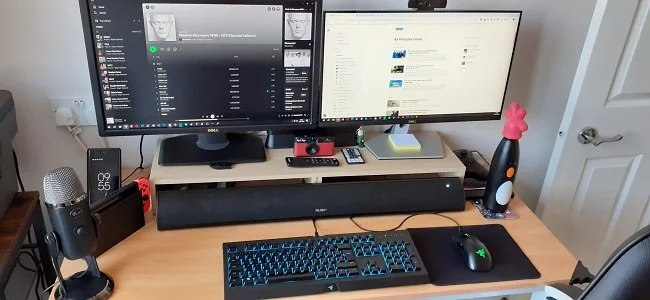
Having recently moved I now have access to a spare bedroom that I use as a study. I did initially have plans to create a rather opulent and spacious work place. I considered a large desk with plenty of room for notepads, digital recorders and other writing paraphernalia. I’m also partial to large executive chairs where I can relax and cogitate. However, my grandchildren have put paid to such ideas and I now find myself sharing my office with the twins. The inclusion of two travel cots has made me reconsider my plans and as a result I have built a far more economical workstation.
As a writer, I require a degree of solitude away from noise and people. My new work space provides that. I tend to pull the curtains when working so I’m not tempted to gaze out the window at the rich pageant of life, particularly the wide variety of avian wildlife that alights on Mrs Coltart’s property. My current desk is large enough to accommodate a keyboard, mouse and monitor and not much more. This ensures that I keep things tidy and focus on my work. I still keep a notebook or writing pad close at hand so that any ideas or specific train of thought can be immediately noted down. I tend to plan my blog post in advance and have several in development at one time.
Like most people my productivity waxes and wanes according to the hour of the day. I tend do my writing early in the morning and can sometime find reserves of creativity late at night. I primarily use Microsoft Word to write my blog posts and have a custom template set up for my specific style. Posts are often between 500 and 1000 words and tend to follow a traditional structure of premise, data and conclusion. I tend not to write streams of consciousness and favour a more formal ordering of my thoughts. Again I find that a distraction free environment greatly helps me do this, plan my work and undertake my writing.
Another aspect that is important to my content creation is my chair. Until I recently retired, I worked from home and spent a considerable part of the day working at a desk. Now that I’ve moved, although I will be spending less time desk bound, I will still be writing most days and have therefore purchased a quality office chair. It is one that can be adjusted to provide adequate back support and a suitably healthy posture. Too often this is an aspect of our writing environment that we neglect. Usually our default seat is just whatever is available or most convenient.
Whatever your personal preferences, it is important to find a viable writing environment. It helps in maintaining a regular schedule, allows for more focused and concise content and hopefully makes writing a far easier and enjoyable. Getting it wrong can in extreme circumstances kill your interest in blogging and have an impact upon your health. As ever feel free to leave a comment and share details of your personal writing habits. Do you like the solitude of a den or are you happy to write anywhere you see fit?
Slipstream (1989)
I'm always intrigued by films that have troubled production histories, or that have failed at the box office. Slipstream is a prime example and is also a very hard movie to define; a real cinematic oddity. Superficially it is a fusion of "Post Apocalypse" and "Buddy" genres. It has a distinguished pedigree, boasting a cast of quality character actors, an experimental director, excellent locations and a solid UK production crew. It also sports a superb score by the great Elmer Bernstein, considered in some circles to be one of his finest. Yet the overall movie is messy, disjointed, poorly edited and somewhat ponderous in its intellectual aspirations. However despite all these criticisms, it has a curious quality that holds the attention.
I'm always intrigued by films that have troubled production histories, or that have failed at the box office. Slipstream is a prime example and is also a very hard movie to define; a real cinematic oddity. Superficially it is a fusion of "Post Apocalypse" and "Buddy" genres. It has a distinguished pedigree, boasting a cast of quality character actors, an experimental director, excellent locations and a solid UK production crew. It also sports a superb score by the great Elmer Bernstein, considered in some circles to be one of his finest. Yet the overall movie is messy, disjointed, poorly edited and somewhat ponderous in its intellectual aspirations. However despite all these criticisms, it has a curious quality that holds the attention.
In the future the earth has been ravaged by a series of natural disasters. Earthquakes have altered the continents throwing nations together. The surface is swept by super wind-storms, forcing people to travel the Slipstream in the canyons and ravines of the earth crust. Bounty hunter Will Tasker (Mark Hamill) is searching for Byron (Bob Peck), a mysterious figure who is wanted for murder. Despite capturing him, he soon loses his prisoner to Matt Owens (Bill Paxton), an enterprising "trader" who takes Byron in hope of collecting a reward himself. During their travels Owens and Byron become incongruous friends, while being doggedly pursued by Tasker. It’s not before Owens starts to wonder about his friends strange abilities and whether there’s more to the criminal charges against him than first meets the eye?
On paper it all sounds quite good but rather than approaching the material as an action/sci-fi film, director Steven Lisberger (of Tron fame) seems hell-bent on making a "message" picture. There are intermittent pauses in the story to ponder metaphysics. Performances overall are very good. Bob Peck is superb, being enigmatic, vulnerable and just a little bit dangerous. Hamill, a truly underrated actor, is very convincing as the hard-nosed, old school bounty hunter. The aerial photography is also very creative and makes good use of multiple European locations. This was clearly a production that made the most of its budget. The effects work is very much of its time relying on physical stunts and optical processing. This aspect of the movie is never allowed to overwhelm the narrative which is very much the focus of the one hundred and two minute running time.
Yet Slipstream smacks of a film that has gone through multiple edits. There are several scenes that end abruptly or shy away from what has been telegraphed. For example, Hamill confronts a group of smugglers. Guns are drawn and then instead of a dramatic shootout, we cut to close shot of a shotgun muzzle being fired rapidly. Next thing we see are the dead victims being buried. Yet strangely, during the films climax, we see one of the lead characters shot and blown backward through a glass cabinet in slow motion. Minor characters enter the story and then are never seen again. The titular Slipstream itself seems to diminish in importance as the film progresses. I just get the impression that there's another twenty minutes of footage somewhere, that if reinstated would have drastically improved the proceedings.
Several of the sub-plots the run throughout Slipstream, seem strangely dated focusing upon philosophical questions pertaining to the end of society. Director Steven Lisberger seems enamoured with seventies counter culture. Tonally I was strongly reminded of such films as Zardoz and A Boy and His Dog. One of the most thought provoking aspects of the film is the old chestnut about how androids are external manifestations of human vanity. Byron an android, who was built as a companion, appears to have murdered his master. When questioned, Owens assumes that "he had it coming". Peck confirms this but the delivery of the lines implies a deeper meaning. A mercy killing perhaps, of someone who was terminally ill? It’s an aspect of the plot that would’ve benefited further exploration.
If you are a connoisseur of the unusual and have patience as well as an open mind, Slipstream is worth a look. It is definitely a failed opportunity but still has many aspects to engage the mind. Sadly a Director’s Cut seems highly unlikely, as producer Gary Kurtz stated recently that much of the missing footage was incomplete or dropped from the script before being shot. There simply isn’t the material to restore to the film. He also implied that the original story was a lot darker in tone and far more violent. Sadly, due to the financial failure of Slipstream the film is now in the public domain and therefore many of the copies available are sourced from poor quality prints, shown in the wrong aspect ratio. Therefore choose wisely how and where you decide to watch this cinematic curiosity.
Newbie Blogger Initiative 2016 - Blogging and the Law
A few years ago I posted some images on Contains Moderate Peril that had been leaked via the internet. I was not the only one to do this. Screen Rant, Den of Geek and several other big sites did the same. The pictures were from The Hobbit: The Desolation of Smaug and we all new that at the time that there was an embargo on such content. But everyone chose to post the material regardless as it was good for traffic. To cut a long story short, I and many other sites received an email from Warner Bros. legal team requesting that the images were removed. To cut a long story short, I and most others complied.
A few years ago I posted some images on Contains Moderate Peril that had been leaked via the internet. I was not the only one to do this. Screen Rant, Den of Geek and several other big sites did the same. The pictures were from The Hobbit: The Desolation of Smaug and we all new that at the time that there was an embargo on such content. But everyone chose to post the material regardless as it was good for traffic. To cut a long story short, I and many other sites received an email from Warner Bros. legal team requesting that the images were removed. To cut a long story short, I and most others complied.
Most bloggers never stop to think of the legal issues that can arise from blogging. The subject seldom crosses their minds. However if you are referencing anything that isn't your own intellectual property then there is always scope for legal complications. There are also responsibilities with regard to freedom of speech. Contrary to what a lot of people think you cannot just say anything you like and there are often laws or terms of service to comply with. More often than not a blogger with a low online profile won’t have any problems, if they use their common sense. However I'm a firm believer in forewarned is forearmed, so I thought I'd explore the subject a little further. Please note it does not constitute as legal advice as I am not qualified to provide any. This is just a broad overview and an attempt to raise awareness.
The use of images:
If you blog about games, TV or movies and include images of such content then you are using material that belongs somebody else. Very few of us ever consider such things as permission and attribution. I guess we all make the assumption that using a screenshot from a game is not a big deal and if anything, we are providing free advertising. I'm sure a lot of companies do take that attitude. However you may be able to reduce any potential risk by considering the following. Check to see if there is a press or fan kit available for whatever it is you are writing about. A lot of the big MMOs provide them for setting up fan sites. Many movies have official websites designed for promotion during release. These often have a gallery of images intended for public use. This is why you will often see the same images being used in reviews.
Most of the time, bloggers simply take screen captures direct from the game or the movie. It is the most direct and practical way to illustrate a point. It may be wise to simply add a caption to these images stating "copyright of [insert name here]. It also doesn't do any harm to have general disclaimer on your site that states that the image rights belong to the respective copyright holder. A Google search will provide many generic statements that can be adapted for this use. They may not be as legally bullet proof as you may hope but they at least indicates goodwill. This may prove useful if anything difficult happens.
Another consideration is rather than copy and reposting an image, simply link to the original. Also whenever possible credit the original source of any material. If you are actually posting images that belong to you, such as photographs or artwork, then ensure that they are digitally watermarked. Make sure that there is a statement on your site that clearly reiterates their ownership. You may even want to have details regarding the conditions of their use. This can be either a complex as a licensing arrangement or just a requirement for attribution and a link back to your site.
Protecting your written content:
As with the use of images, if you want to protect your written content then you need to ensure that you have a copyright statement on your site. It does no harm to remind readers that your posts belong to you. Better yet, if you are happy to share and want to reach a wider audience, then why not have a usage policy explaining exactly how much of your blog posts other bloggers can use. This can prevents all sorts of misunderstandings and can be a great way to direct traffic back to your site. Another point to consider is whenever you are using somebody else’s content, make sure you credit their work. It is polite, the right thing to do and makes you look more credible as a writer. Also consider exactly how much you quote or reference. In the US the concept of fair use has no specific detail regarding quantity of words. Quoting a paragraph from another writer seems fair and reasonable to me. Completely reposting an entire article is far more questionable. Let common sense prevail. If in doubt reach out to the owner and ask what you can or cannot do.
Music usage:
Music is a legal minefield. In the past I use to post the Contains Moderate Peril podcast on YouTube which has very strong regulations governing copyright infringement. A small twenty second audio sample from a popular MMO was sufficient for the podcast to be flagged for IP violation. Furthermore YouTube runs a three strikes and out policy. I could have fixed the shows but the amount of work required re-editing the content did not seem worth it, considering the low statistics the shows were generating. So I removed all the episodes and will not use that platform for podcasts in future.
With regard to blogging, music and lyrics are subject to the same copyright protections as any other creative recordings. Many sites do flagrantly breach the rules and seldom face any action. Twitch TV often hosts streams that have music being played in direct violation to copyright law. Because action is seldom taken, we often feel that it is an acceptable risk. Ultimately it is up to you to make a choice. I think the amount of traffic your site gets has an impact upon whether you will face any legal issues. Small sites with low levels of traffic are not a threat. If you are sufficiently big enough to be making money, then you may well find yourself facing the wrath of lawyers. Choose wisely.
Defamation:
Another thing to bear in mind is that blogging does not absolve you from the laws of defamation and such like. If you make false accusations against a person or company then you may well face the full weight of the law. The commonest form of action a blogger may face is to receive a formal complaint that has also been copied to your hosting provider. More often than not, your host will simply suspend your site and then wait for the matter to resolve itself, because they do not wish to face any legal complications themselves. Do not expect support or a fair hearing from them. You are very much on your own. Is this fair or just? No, but that's just the way things go. The one sided nature of this system means that it can be used as an easy way to bully or harass a blogger.
Because many companies like to control the flow of information about their products, not all of them look favourably upon fan sites. You Tube channels and live streamers can find themselves at odds with publishers and copyright holders. Furthermore they often lack the legal resources that corporations have. However there is safety in numbers. Some content creators have formed collaborative channels with shared resources and revenue. If one individual runs into trouble they have recourse of collective bargaining. I'm sure this is not really relevant to most casual bloggers but it may be of use to those who write on social issues and politics; subjects that attract more legal scrutiny.
Disclaimers, small print and compliance:
As I mentioned earlier, it doesn't do any harm to have a disclaimer on your blog, stating what you own, what you don't own and showing your commitment towards working within fair usage. If you are selling anything via your site or running giveways or competitions, then there are a wealth of rules to be aware of. I would urge everyone doing such to research their regional laws and make sure they are not making any obvious mistakes. I recently had to suspend the monthly competitions from Contains Moderate Peril due to a problem relating to posting prizes outside of the UK. On one occasion it ended up incurring import duties for the prize winner, which somewhat spoilt things.
If you have guest posts or third party contributors on your blog, make sure you have negotiated a mutually acceptable set of rules governing the use of content. Remember that guest posts still remain the property of the author. Occasionally relationships can change and you may face a situation when someone wants you to remove their work from your site. You may wish to comply. You may not. Ensure that you have adequate grounds to support whatever position you choose.
Blogging is a fun and worthwhile pursuit. Just remember that you are posting your thoughts and opinions to a public space. Although this may be a virtual environment it is still governed by many of same rules and regulations you find in the real world. It is also worth considering that any content that you produce is accessible globally, therefore it’s not just your own countries legislation that you need to be aware of. For many of us our discussions about gaming or movies will seldom reach beyond a certain audience. However we have all seen content go viral and it is not outside the realms of possibility that you could find yourself with a far larger audience through a caprice of fate. So be aware of the potential issues that can arise though communicating online. Blog responsibly and enjoy writing.



















Newbie Blogger Initiative 2016 - Got Nothing to Write About?
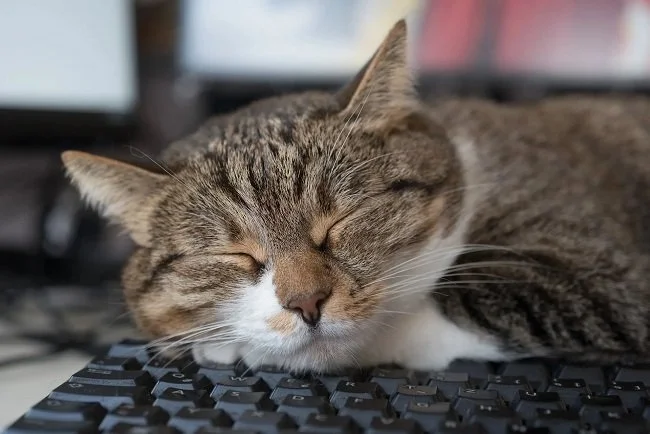
How often do you find yourself preparing a blog post when it dawns on you that you have absolutely nothing to write about? All of a sudden the view out of the window becomes incredibly alluring, especially that bird on Mrs. Coltart's roof. So you try to force yourself to concentrate on the matter in hand and dig deep for inspiration. Perhaps you should do some “research”on the internet? Next thing you know you've lost several hours of your life, watching videos of feral cats eating roadkill or Pro-Celebrity indoor Kabbaddi, on You Tube. Finally you give up because your muse has taken the day off. Coincidentally you’ll often find that all this happens just as the pub open. It would appear that the universe has conspired to prevent you from sharing your witty and intelligent prose with your fellow man.
How often do you find yourself preparing a blog post when it dawns on you that you have absolutely nothing to write about? All of a sudden the view out of the window becomes incredibly alluring, especially that bird on Mrs. Coltart's roof. So you try to force yourself to concentrate on the matter in hand and dig deep for inspiration. Perhaps you should do some “research”on the internet? Next thing you know you've lost several hours of your life, watching videos of feral cats eating roadkill or Pro-Celebrity indoor Kabbaddi, on You Tube. Finally you give up because your muse has taken the day off. Coincidentally you’ll often find that all this happens just as the pub open. It would appear that the universe has conspired to prevent you from sharing your witty and intelligent prose with your fellow man.
Of course this is all utter bollocks because there is no such thing as writer’s block per se. The reason you’ve got nothing written is because you didn't want to. It's that simple. Now that's not to say that writing is a walk in the park and as easy as turning on and off a tap, because it’s not. However please name me any other job (because that is what writing really is) where you cannot perform your allotted task for some vague and nebulous reason and everyone is okay with that? Writing is like any other form of work in so far that it can still be carried out even when you’re feeling ill disposed towards it. It just requires focus, discipline and possibly some sort of psychological carrot on a stick (like a bacon sandwich or a pint of stout) that you reward yourself with upon completion.
I don't want to rob writing of its perceived mystique and glamour but it can be a hell of a lot less painful if it’s properly planned. Having maintained a daily writing schedule in the past it really makes thing a lot easier to have posts planned in advance and an ongoing list of ideas to be developed. On the days when writing comes easy why not create some extra material and hold it in reserve for the future. If it’s a slow news day, why not riff off other people blogs and directly respond to one of their posts. Lists, polls, and asking your readers a question are also options to consider. It's also worth remembering that although there is no harm in having standards, not everything that you write has to be a potential magnum opus.
Now if you blog about a single subject then all the above suggestions can be a little harder. However you can always reflect on older material you have written and craft a post about how things may or may not have changed regarding the thing you blog about. A "where are they now" story or an overall retrospective is always a good get out of jail card. If you’re really in a tight spot then posts based around in-game screenshots can be an easy solution to your writing woes. Folk always like a screenshot. Guides, hints and tips will always find an audience as well. You’ll be amazed how some nugget of information that you take for granted may be a real revelation to one of your readers.
Regardless of what we may think when wrestling with so called writer’s block, the reality is that there’s is always something to blog about. Too often as bloggers we confuse not wanting to write with not being able to do so. The realities of writing are completely at odds with the traditional image of the tortured artist, living a Bohemian lifestyle in a Paris garret, swathed in melancholic pathos as they attempt to find their inner muse. Writing is a task, a chore and even a job. It requires focus and discipline. At time it can even be arbitrary like doing the dishes or your laundry. That’s not to say that writing isn’t fun because it often is. It just isn’t as esoterical as some would have you think.
So next time you find yourself drifting while sitting at your computer, stop gazing at that bird on Mrs. Coltart's roof (unless you’re going to write about it), pull the blinds and push on. You Tube is not going anywhere, so you can watch Maru the cat and check out the “pus cannon” later. Pick a subject, set yourself a writing goal and then go achieve it. You’ll feel incredibly self-satisfied when you finish and hit the publish button. Who knows, you sometimes find that it’s the inconsequential posts written on a whim that are the most popular. Remember “It's the job that's never started that takes the longest to finish”.
A Gamer By Name and Nothing More
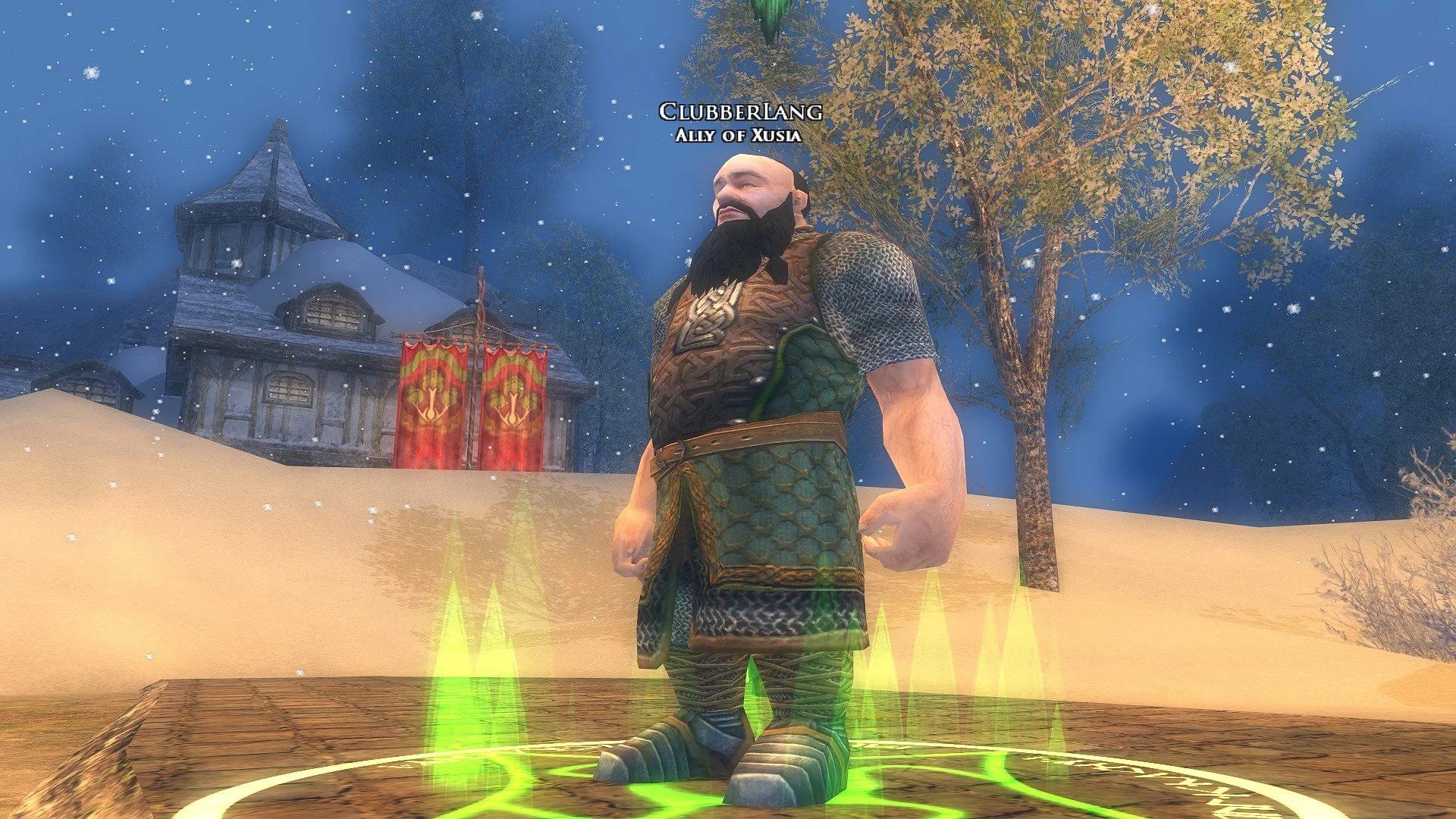
I have played video games since I was a child. I use to play arcade games, then home consoles in my youth during the late eighties. I moved to PC gaming in the mid-nineties and have remained there ever since. I play a variety of game genres but the common factor has always been that I play for fun, amusement and entertainment. There is an element of personal challenge involved and I do like some of the social interaction that comes with certain genres. However I'm don't game to be the best of the best, nor am I looking to be excessively stretched with a steep and complex learning curve. Although I like being part of the gaming community it is not the centre of my social activities. For me games are just a pleasant pastime and an amusing diversion.
I have played video games since I was a child. I use to play arcade games, then home consoles in my youth during the late eighties. I moved to PC gaming in the mid-nineties and have remained there ever since. I play a variety of game genres but the common factor has always been that I play for fun, amusement and entertainment. There is an element of personal challenge involved and I do like some of the social interaction that comes with certain genres. However I'm don't game to be the best of the best, nor am I looking to be excessively stretched with a steep and complex learning curve. Although I like being part of the gaming community it is not the centre of my social activities. For me games are just a pleasant pastime and an amusing diversion.
Because I play games, I believe that makes me a "gamer" but beyond that being a functional description, I don't ascribe any further significance to the term with regard to myself. However I am fully aware that some people identify with the term a lot more than I do, seeing it as a wider social moniker with broader connotations. Sadly because some of those connotations are now associated with ideologies and attitudes that I don't support, this simply reinforces my choice to distance myself from any wider definition of "gamer".
I have no major prejudice against gaming as a leisure activity. It has its merits and pitfalls, the same as any other hobby or pastime. One can spend too much time fishing, or stamp collecting just the same as gaming excessively. However something I do find odd about gaming is the huge amount of time and energy some people devote to negative or trivial aspects of the gaming scene. You'll find no end of blog posts, podcast and You Tube videos berating gaming minutiae or the perceived transgressions of a developer and publisher. If only there was a similar amount of dedication shown towards pressing real world issues.
Simon Pegg courted controversy last year with his comments (which were grossly taken out of context) about "the infantilisation of society", postulated by French cultural theorist, Jean Baudrillard. This along with the growing phenomenon of the "man child" causes me concern, because I feel that gaming culture includes large numbers of people in both these camps. These are not things I want to be associated with as I don't see them as being especially edifying for gaming per se or benefical for society. If it is essential to pigeonhole people, then I wish to be defined by something with a far more robust criteria and less divisive nature than "gaming".
So I'm a gamer, the same way that I'm a reader, a listener and a viewer. Like those mediums, gaming can also provide a degree of insight and an opportunity to learn new skills. However I don't buy into the notion that gamers are an untapped resource of elite problems solvers. Sure video games require a degree of lateral thinking and an aptitude for puzzles solving, but so do crosswords, sudoko and chess. Don't get me wrong, I like a lot of my fellow gamers, but I see no evidence that they’re a group of Nietzschean Übermensch.
There's a chance that some see this post as being "anti-gamer". I don't believe that to be the case, although I am certainly against the cult of the self-aggrandizing, malcontent, savant gamers. Sadly this seems to be the group that gets all the media attention these days. However regardless of these quibbles and distinctions, I'll probably continue to game well into my autumn years and beyond, simply because gaming is an everyday aspect of life now, the same way that social media and the internet are. If an EMP ever puts pay to gaming as we currently know it, I will simply put a colander on my head and play Nine Mens Morris using stones. It would just be a case of same meat, different gravy.






Newbie Blogger Initiative 2016 - Should You Allow Comments on Your Blog?
Comments have been an integral part of blogging since it became a popular activity in the late nineties. If you have a self-hosted blog or use one of the many free services, then by default the ability to leave comments is often enabled. Whether you want this option is another matter altogether and one that poses a potential headache for all bloggers. Allowing comments on your site has both pros and cons and as ever it comes down to you as a blogger to make a decision that you are comfortable with. If you are currently pondering this issue, then here are a few things to consider.
Comments have been an integral part of blogging since it became a popular activity in the late nineties. If you have a self-hosted blog or use one of the many free services, then by default the ability to leave comments is often enabled. Whether you want this option is another matter altogether and one that poses a potential headache for all bloggers. Allowing comments on your site has both pros and cons and as ever it comes down to you as a blogger to make a decision that you are comfortable with. If you are currently pondering this issue, then here are a few things to consider.
Reader feedback:
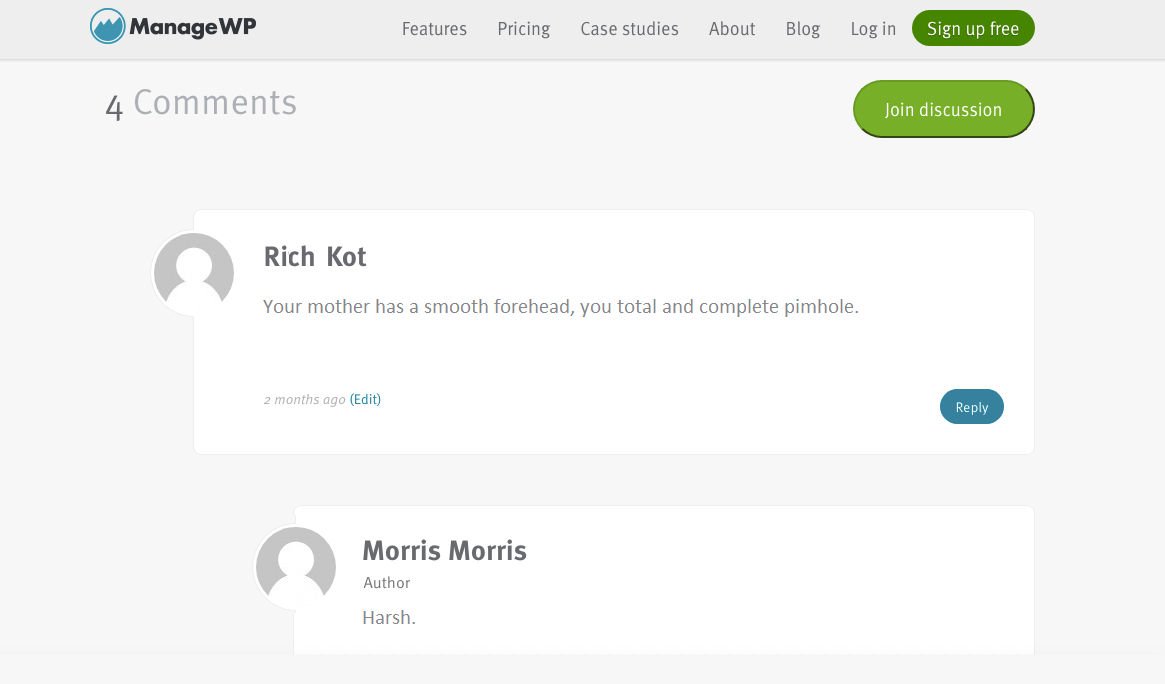
Bloggers do not thrive in a vacuum and crave feedback. Don't let anyone tell you otherwise. Monitoring your website traffic and statistical data can be of use but comments offer the promise of tangible feedback. Comments can potentially shed light upon whether your writing is being well received or not. Plus everyone likes to have their ego stroked to a varying degree. However the reality can be potentially quite different. Several years ago I posted an article that over a period of a month got read 35,000 times. Yet despite the relatively high level of traffic, it only garnered four comments. Feel free to work that out as a percentage. Plus you often find that a lot of the comments you receive on your site, may not be the kind that you want. I'm not talking about trolling but well-intentioned but ultimately meaningless platitudes. For example a simple "awesome", although complimentary offers no real value or insight.
Starting a dialogue with your readers:
A lot of gaming blogs are centred on discussing ideas and sharing common experiences. Posting an article based around a single question is a great way to start a debate going and attract comments. It presents an opportunity to see alternative points of view, to learn and even make new friends. If you write about MMOs for example, the comments system can act as an extension of the in-game chat. I can think of several well-known fan sites that over a period of time have become the de facto source of information for the games the support. They often play a pivotal role in their particular community. So if you have aspirations to achieve something similar or simply want to have some semblance of a dialogue with your readers then comments are essential.
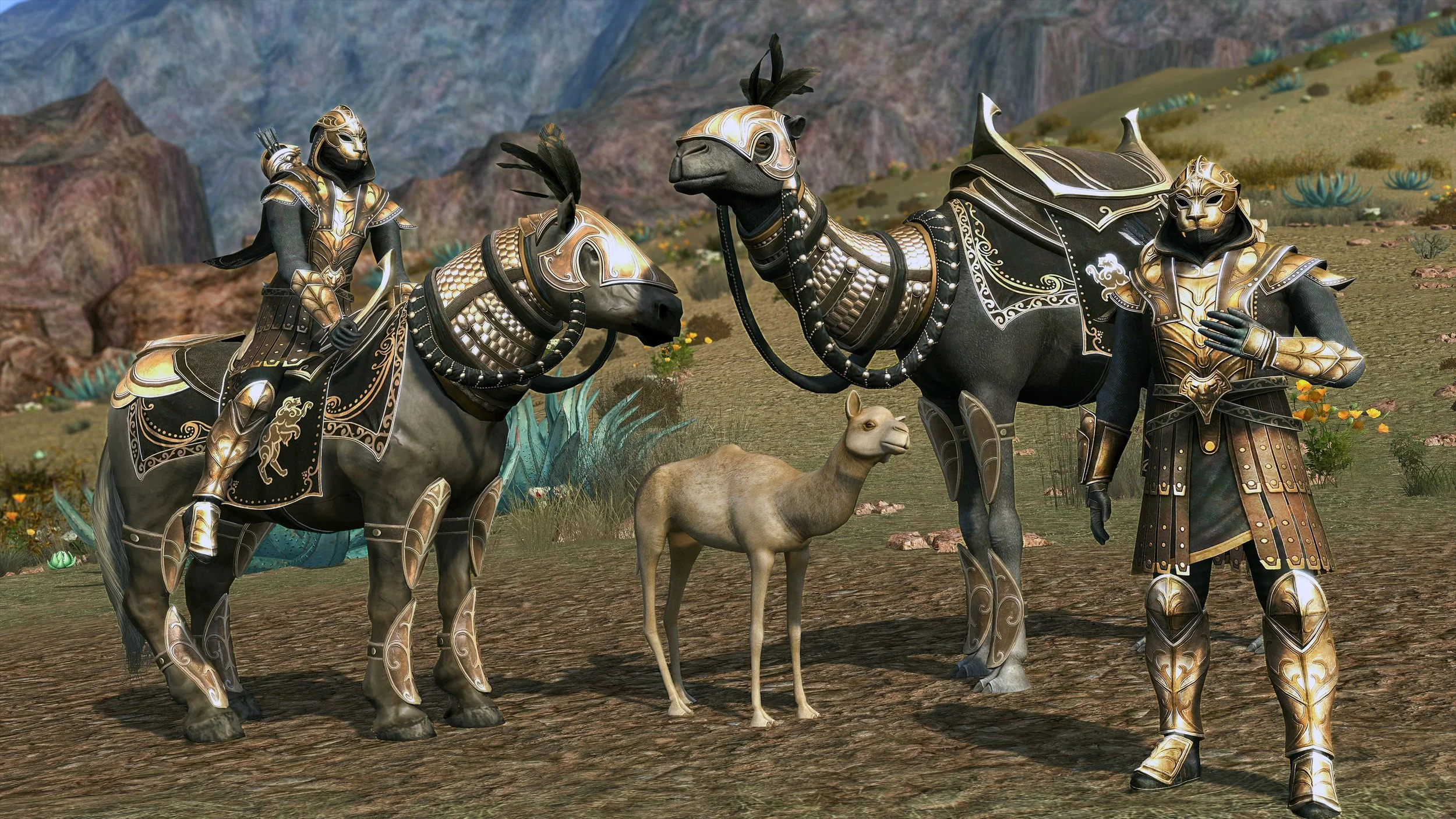
"Your hide would make a fine Poncho..."
Stating, not debating:
You can write a perfectly effective blog without openly engaging in discussion. Your blog may be a source of data or provide "how to" guides. Or you may want to write a blog where you write an editorial as you see in the newspapers, where you simply state your point of view. Both these approaches don’t necessarily need reader comments and as a writer you may not consider everything you type as being open to or worthy of debate (although there are plenty of people out there who will happily do so). If that is the case, then comments are not essential and your readers will return because they enjoy the benefits of your guides or identify with your persona and particular outlook.
Sticking your head above the parapet:
The moment you write your own thoughts and put them in the public domain, then you are inviting criticism. Some folk just delight in leaving the most poisonous comments for no good reason. Let us not bother cataloguing every sort of comment than may occur. Let it suffice to say that there is plenty of scope for unpleasantness. Plus there is the separate issue of automated spam comments that can plague a website. If you decide to allow comments on your blog then you need to have thick skin. That's actually a lot harder than what you think. Every now and then there'll be one negative comment that really gets under your skin. Remember that you are dealing with gamers and they are not known as being the embodiment of reason or decorum. Also ensure you have some sort of anti-spam plugin that automatically detects bogus comments and deletes them.
Work, work, work:
If you find yourself in the fortunate position of running a blog with a healthy readership, then you may on occasions write a post that provokes a substantial amount of comments. If they are good, then it is wise to respond to them and engage with your readership. If they are bad then you may wish to crush such stupidity with a witty reposte or simply delete them. If you have elected to moderate all comments then you'll have to trawl through them one by one and see if they are suitable. All of these processes require a degree of work and time. As any blogger will tell you, the latter is a finite commodity. Choose wisely.
The esoteric art of generating more comments:
If you do elect to enable comments then you may wish to specifically write material to solicit them. This is fine if done in a sensible and measured fashion. However, like the pursuit of web traffic, this can easily descend into an unhealthy compulsion. The post that tackles a difficult issue and poses a question can be a good thing. The post that just aims to shock, offend or troll for no reason are of no real value. Plus writing like that just paints you into a corner. I find that the best way to encourage comments is to regularly do so yourself on other people’s blogs. Another tip is not to cover every angle of a debate in your post. Always allow scope for further discussion. Give your readers a reason to comment.
With regard to comments, I’m personally happy to allow them. Sure I'd like more but most of those that are left are a positive contribution. Those that aren't I’m still happy to leave. The rude, crass and malicious posts often say far more about the person that left them than anything else. It is also good to remember that your blog is not the same as a forum. Forums are created as specific platforms for public debate. I have always felt that a blog is more like running an open house. Although you have invited people in, there is still an expectation that they will conduct themselves in a civilized fashion. IE wipe their feet and flush the toilet if they use it. Therefore police your blog comments with that in mind, if you see fit to allow them.
Finally, whatever choice you make there is always scope to change it at a later date. It usually just involves checking a tick box in the blog's control panel. So if you have just started out blogging and have just made this decision, I'm very curious to know what choice you made. Feel free to leave a comment.
Newbie Blogger Initiative 2016 – Statistics and Metrics
One of the first subjects to come up when discussing blogging is that of statistics and web traffic. All bloggers have a varying degree of curiosity about their readership and exactly how many people are visiting their site. There is nothing wrong with this and it is perfectly reasonable to want to know about your audience. Blogging is after all a two way process. However, in my experience this thirst for statistical knowledge can be a double edge sword. It is therefore important to ensure that it doesn’t become the focal point of your writing endeavours or your primary inspiration.
One of the first subjects to come up when discussing blogging is that of statistics and web traffic. All bloggers have a varying degree of curiosity about their readership and exactly how many people are visiting their site. There is nothing wrong with this and it is perfectly reasonable to want to know about your audience. Blogging is after all a two way process. However, in my experience this thirst for statistical knowledge can be a double edge sword. It is therefore important to ensure that it doesn’t become the focal point of your writing endeavours or your primary inspiration.
Unless you already have an established online presence, all newbie bloggers have to work at building up an audience. Despite what a lot of questionable websites may tell you, there are no real shortcuts with regard to this. The best approach is to write as often as you can, so that you create up a body of work and ensure that you promote it via social media. Engage with your readers and respond to any comments that are left. It is also prudent to comment on other blogs. If possible write guest posts for other established sites. Although all these tasks are a bit of a grind at times, they will pay off in the long run. Furthermore Google likes this approach. The site that is healthy and regularly posts content is more likely to show up in search enquiries.
Resign yourself to the fact that as a new blogger you are not likely to be commanding an audience of millions two weeks after you launch your site. However, keeping an eye on your metrics can help you determine which posts are generating the most traffic. You may also wish to determine if certain times and days of the weeks are more beneficial for publishing articles. Stats packages can be useful in this respect and provide you with some answers. Just remember that statistics are just data and not a judgement of your work. Low numbers do not say anything about you or the quality of your writing. They simply show how many people found your site and read your posts.
As writers we crave an audience and if the statistics show that our expectations have not been met, then it can be disheartening. There’s a fine line between stats being a useful tool and a burden. If you obsess about them too much you’ll find that they will impinge upon your work. This can lead to writing out of character in an attempt to get more traffic. It’s very tempting to post some click bait, although it does more harm than good in the long term. Ultimately the pursuit of traffic and a fixation upon stats will undermine your writing. Too many bloggers have fallen into the trap of constantly monitoring their metrics and the have lost the desire to write due to their misplaced sense of disappointment.
So my advice to anyone starting a new blog is to consider the following. If you feel you can keep your need to know in check, then use a stats package to monitor your progress. Check them in a measured way and try and remain dispassionate about them. They can be used positively, such as setting yourself growth targets or for determining which posts are popular (very useful if you have a featured posts section on your site). If you feel that the reality of your stats will upset you or be a distraction, then uninstall the package from your blog or simply make it a policy not to consult them.
I recently had an epiphany with regards to my own web traffic. As a result I changed the way I used my statistical data and stopped using several external tracking services. Firstly because they were inaccurate (internal stats packages are far more comprehensive) and secondly because I no longer feel the need to chase an audience. I now write for the pleasure of writing and to engage with others. It also keeps me from over indulging my other vices. If you are writing for commercial reasons then naturally stats have a different connotation altogether. Traffic is often directly linked to financial remuneration, so data of this kind is of far more importance
These are just some of the issues that can arise with regard to your blog’s statistics. As usual, there is no universal rule of thumb and ultimately you have to do what is right for you. However you will find that obsessing over stats is quite common place and that many bloggers have flirted with it to some degree. The universal consensus is not to do it and to put your heart and soul into your writing instead. There’s a good chance that by the time the numbers reach a significant level, you won’t really be concerned by such things anymore.
Newbie Blogger Initiative 2016 - Mind Your Language
In the UK, the prevailing attitudes towards profanity have radically changed over the last two decades, especially with regard to the media. That's not to say that its casual inclusion in common parlance is now de rigeur, but it has permeated the culture to such an extent, that it no longer has the potential to shock as much as it used to. Several years ago a member of the public had a conviction for swearing at a Police Officer overturned by a Judge on the grounds that "swearing at police is not a crime because they hear four letter words too frequently to be offended". Although a separate issue and a potential blog post in itself, I referenced this case to demonstrate the ongoing changes in public sensibilities.
In the UK, the prevailing attitudes towards profanity have radically changed over the last two decades, especially with regard to the media. That's not to say that its casual inclusion in common parlance is now de rigeur, but it has permeated the culture to such an extent, that it no longer has the potential to shock as much as it used to. Several years ago a member of the public had a conviction for swearing at a Police Officer overturned by a Judge on the grounds that "swearing at police is not a crime because they hear four letter words too frequently to be offended". Although a separate issue and a potential blog post in itself, I referenced this case to demonstrate the ongoing changes in public sensibilities.
Blogging it is by its very nature a very personal and at times emotive activity. There may well be occasions when you wish to express yourself quite forcefully or feel such intense emotion, that you wish to use profanity. As the master of your own destiny, you have to make that decision yourself, but it does inevitably come with consequences. Because some people really do take offence at it and still consider the use of profanity as inexcusable. In extreme cases it may lead to you losing readers. Even if you have written the most illuminating of posts, the inclusion of some colloquial Anglo-Saxon terms will upset some people and they will not be able to see beyond it. In fact you may be judged and found wanting. I am not saying if this is right or wrong. It's a people issue and it needs to be considered and then offset against the old adage that you cannot please everyone.
I personally am not especially bothered by strong language; having worked in environments where it was extremely prevalent and to protest about it would have been utterly redundant. However, I do not think that it is something that needs to be employed continuously, either in conversation or writing. I take the view that swearing, like any other literary of semantic device, can be very effective if used sparingly; a view that is held by such diverse writers as Stephen Fry to the late Harold Pinter. I also believe that we should not fear words or demonise them. There is a popular consensus at present that one particular word is the most offensive you can use (I’ll leave you to work out which one it is). Yet this response is driven by a form of social conditioning which borders on the Pavlovian. Why should this one slang term be deemed more upsetting than any of the other dozen equivalents?
Therefore I choose to use profanity in my writing if it suits me and when I deem it relevant to the post. I hope that readers will accept this decision. As a concession to common sense, acquired through being a parent, I on occasion provide advance warning in some cases. I believe that informing people about content is a sensible and polite policy to pursue. For the new blogger it is a matter of time. Eventually your audience will get a feel for the style and pitch of your blog and whether it is family or office friendly.
If you do not feel that the use of strong language is appropriate on your blog or you do not feel comfortable with it in general, then simply avoid it. This is one of the few occasions where I feel a black or white response is appropriate. Personally I would never advocate a compromise approach. There is a tendency in contemporary US blogging to try and use alternative terms. A whole new lexicon of neutered phrases has sprung up. Ass-hat, Freakin' and other PG-13 rated words reek of the worst sort of hypocrisy. Even the term titbit (referring to a nugget of information) has been altered to tidbit, to remove the breast reference contained therein.
As well as profanity, it is important to consider other terms that can be problematic. Faith is extremely important to many and is stronger in certain geographical regions that others. I try to avoid phrases that some would traditionally label blasphemous. I won't even use OMG. It can still upset some and because of its ubiquity in popular culture is somewhat trite. Although it is not likely to happen to the average blogger it is prudent to reflect on what happened to Salman Rushdie in the late eighties after the publication of his book, The Satanic Verses.
Also, never lose sight of the fact that the perceived anonymity of the internet is not as bullet proof as some would have you think. You still have to be sensible about what you write and can still be subject to libel, sex discrimination and race/religious hate laws. The internet has a very long memory and once a blog post is out there in the public domain, it remains so. Deleting a rogue post or one written in the heat of the moment is not a definitive way to cover your tracks. As ever with blogging, think before you type and consider before you publish. Editing oneself is a strength and not a weakness.
Newbie Blogger Initiative 2016 - What's in a Name?
When I started my first gaming blog Misadventure in LOTRO back in 2008, I wrote under my in-game character name. Several blogs later I now use my real name Roger Edwards. Because the current site is not purely about gaming (why limit the scope of conversation?) I felt that dropping the gaming related name was prudent. My real name also has the advantage of being somewhat bland and common place on the internet, which is advantageous in this age of crazy, gaming savant, stalkers. Sometimes standing out in a crowd can be problematic. Yet it is my genuine identity which is ideal should I see fit to develop the business side of the blog, such as advertising, sponsorship or e-begging at a later date.
When I started my first gaming blog Misadventure in LOTRO back in 2008, I wrote under my in-game character name. Several blogs later I now use my real name Roger Edwards. Because the current site is not purely about gaming (why limit the scope of conversation?) I felt that dropping the gaming related name was prudent. My real name also has the advantage of being somewhat bland and common place on the internet, which is advantageous in this age of crazy, gaming savant, stalkers. Sometimes standing out in a crowd can be problematic. Yet it is my genuine identity, which is ideal should I see fit to develop the business side of the blog, such as advertising, sponsorship or e-begging at a later date.
Having worked in IT for nearly two decades, I am aware of the importance of keeping personal data online to a minimum. So although I use Facebook, Twitter and such like, they’re purely for the promotion of Contains Moderate Peril and therefore not my own accounts as such. I monitor the amount of personal data that is in the public domain and I tend to watch what I say on social media. I never talk about my own views on politics, religion or anything that is an obvious invitation for an internet trolls. That's not to say you can't touch upon those subject in regard to your blogging. But referencing them is different kettle of fish to lecturing your readership about your own beliefs.
Blogging is a great social experience but you will occasionally run into some problems. Often these are due to people. So if you do use your real name make sure that address details or any other means of contact such as your home phone number etc. are not splattered across the net for any Tom, Dick or Harry to find. You may also wish to keep your writing activities about your hobbies and pastimes away from work colleagues, family or even friends. It’s not a case of "being ashamed" of your blogging or anything like that. It’s simply just another form of compartmentalizing your life. It is not always necessary to inform everyone about what you do in your spare time.
However it's not all doom and gloom. Using your real name can have positive benefits such as creating a rapport with your readers. Your audience will have a natural curiosity about you as blogging is about connecting with others. Therefore the odd nugget of personal information can help with this process. For example, talking about balancing your work and leisure time is something most of your readers can relate to. Briefly alluding to your job, studies or relationship can also help your audience empathize with you. Your name contributes to this process as it is an integral part of your identity. So share some information but as ever take a measured approach. Don’t write pages and pages about how your heart was broken by [insert name of ex-partner here] and how you still hold a grudge to this day.
Using your real name is an option but it is not the only one. It is certainly not essential to your blogging endeavours. Many bloggers to this day do so under curious and interesting pseudonyms. Tobold's Blog (formerly Tobold's MMO Blog) enjoys an extremely high readership and certainly has not been impeded by his esoteric online identity. Braxwolf, Syl and Wihelm Arcturus have also made a similar choice. So as far as using your real name when blogging, let common sense steer your decision. If it feels right for you and serves your purpose, then go ahead and blog as Xavier St John Balustrade or whatever your name is. If not then publish under Polyphemus, Squeezer of Sheep or whatever nom de plume takes your fancy.
Newbie Blogger Initiative 2016 - Some General Guidance
Blogging is a broad church that offers many talking points. In this, my first post for the 2016 Newbie Blogger Initiative, I want to explore motivation, aspirations and style. I also want to touch upon some of the inevitable problems that may come up when writing online. Forewarned is forearmed. But before we proceed, don't forget that the advice you’ll both here and via the other sites contributing to this year’s event is purely subjective. We're all individuals and what works for one may not for another. There is no definitive way to blog and each blogger has to find their style.
Blogging is a broad church that offers many talking points. In this, my first post for the 2016 Newbie Blogger Initiative, I want to explore motivation, aspirations and style. I also want to touch upon some of the inevitable problems that may come up when writing online. Forewarned is forearmed. But before we proceed, don't forget that the advice you’ll both here and via the other sites contributing to this year’s event is purely subjective. We're all individuals and what works for one may not for another. There is no definitive way to blog and each blogger has to find their style.
Why blog?
It may sound like an obvious question but it’s worth pondering. People are motivated for different reasons. Some want to build communities, and share common experiences while others may have more commercial goals. Some folk just want to be "internet famous" which should not be scoffed at. It's a lot more common than you would think although many people won't necessarily admit it. However writing publicly is quite an extroverted thing to do and ego certainly does play a part in it or else surely you'd keep your writing private and not share your work. The reason I’ve raised this is because it impacts greatly upon my next point.
Who are you writing for?
If you are looking for commercial success, want to chase an audience or harbour dreams of fame and glory, then you will more than likely find yourself writing for others. This means you'll usually have to write about what you think others want to read, rather than simply pleasing yourself. It can be done, but it's demonstrably harder and will come with a lot more heartache and frustration. If you choose to please yourself then there's a good chance you'll have a more comfortable experience. I’ve always found that if you write something because you feel passionate about it, it often comes across much better than an article that was done out of obligation. So make your choice accordingly.
Get a plan.
Time is a luxury, so you should manage it wisely. Don't jump into blogging feet first without making some sort of plan. Figure out what you are going to write about and then stick with it. However this can be a double edged sword because you may find yourself hemmed in by your choice at a later date. As ever flexibility is the key. A blog with a broad remit has more room to manoeuvre and gives a writer more creative freedom.
Once you’ve decided what you’re going to do you can set about establishing your online identity, so readers know broadly what to expect. Contains Moderate Peril covers games, movies and other facets of popular culture. If I started do pieces on Etruscan pottery and crop rotation in the seventeenth century then it may wrong foot the audience, or even alienate them. Readers often like consistency and known quantities.
For many years I’ve maintained a daily blogging schedule. It was a personal decision and my circumstances have allowed me to do so. Yet not every blogger will be able or wish to do this. Therefore figure out when you can blog and try and create a viable schedule that you stick to. It doesn't matter if it's once a week or month or a quarter, just be consistent. Remember that your readers will often jump to conclusions. If you post specific content on a certain day of the week more than twice, it’s highly likely that your audience will assume that this is now a “thing”. So box clever and don't set yourself up for a fall. Stick to your plan, be consistent and give the readers a reason to come back to your blog.
Let your readers get to know you.
Whatever you write, whatever your style, don't be afraid to make your writing somewhat personal. Readers often like to get to know the authors of the blogs they frequent. It’s part of their appeal. I'm not advocating that you use the medium of your blog to lay bare your soul and share every intimate detail of your life. However letting people get to know you, will help build a rapport. Also do not be afraid to have opinions. There's nothing more tedious than consensus. Just bear in mind that it helps if you can back up opinions with data, facts and substance. There's a huge gulf between valid opinion and unsubstantiated crazy talk.
The Slings and Arrows of outrageous Fortune.
When you elect to write publicly and post your work on the internet for the edification of your peers, you are implicitly soliciting public comment. So think long and hard about whether to allow reader feedback on your blog. If you are a sensitive person and don't take criticism well, then you may wish to disable comments on your site. The internet doesn't work like real life and people will often be blunt, outspoken and even hostile online. Also remember that internet conversations lack the visual cues of real world discussions. Be careful not to misconstrue comments; if in doubt ask for clarification. On the other side of the coin, don't be heartbroken if no body leaves you any feedback. This is a universal problem that all bloggers can encounter.
Don't be an idiot.
The internet is still by and large a great place. It is filled with wonderful human beings, a wealth of knowledge and free entertainment. But it also has a lot of idiots. What the internet doesn't need is for you to join their ranks. So don't be a troll, go out of your way to be unpleasant or break the law. If you are mad at something or someone, don't write a post in the heat of the moment. Take time out and sleep on it. Remember the internet never forgets. Once something you regret writing is out there, it can potentially come back to haunt you at any time.
I hope the points raised in this post will prove useful and offer new bloggers some food for thought. However no matter how well you plan and organise your blog, there eventually comes a point where you just have to seize the day and start writing. And because writing can be a very reactive and fluid process you may be surprised by where it takes you. I’m certainly looking forward to reading many of the new blogs that emerge from this year’s NBI. So get writing and happy blogging.
The Newbie Blogger Initiative 2016
Contrary to a lot of people expectations (my own included), there is to be a Newbie Blogger Initiative this year, mainly due to the determination of Doone over at XP Chronicles. Some folk are just born “doers” and Doone is very much a community orientated guy. So he has managed to cajole many of those previously involved in the last four events to pull their fingers out and rally round the cause once again. Hell, it’s even brought me temporarily out of blogging retirement.
So for those who are unfamiliar with the Newbie Blogger Initiative, here’s a brief history lesson. The Newbie Blogger Initiative (hence forth to be known as the NBI) is an annual event created by Syp of Bio-Break and Massively OP fame, back in 2012. His goal was to “get prospective writers to come out of the woodwork and try their hand at an MMO blog of their own. We all know how hard it is to get started, which is why bloggers have banded together to give you a HUGE measure of encouragement, advice, and initial traffic”. The first NBI proved so successful that Syp passed his brainchild over to several members of the community who have continued to run the event each year.
Contrary to a lot of peoples expectations (my own included), there is to be a Newbie Blogger Initiative this year, mainly due to the determination of Doone over at XP Chronicles. Some folk are just born “doers” and Doone is very much a community orientated guy. So he has managed to cajole many of those previously involved in the last four events to pull their fingers out and rally round the cause once again. Hell, it’s even brought me temporarily out of blogging retirement.
So for those who are unfamiliar with the Newbie Blogger Initiative, here’s a brief history lesson. The Newbie Blogger Initiative (hence forth to be known as the NBI) is an annual event created by Syp of Bio-Break and Massively OP fame, back in 2012. His goal was to “get prospective writers to come out of the woodwork and try their hand at an MMO blog of their own. We all know how hard it is to get started, which is why bloggers have banded together to give you a HUGE measure of encouragement, advice, and initial traffic”. The first NBI proved so successful that Syp passed his brainchild over to several members of the community who have continued to run the event each year.
So now that we’ve set out our proverbial stall, here’s a summary of what the NBI does and how it goes about doing it. Please note that these are just guidelines and that the event itself is somewhat fluid and very much open to input from those participating.
- What does the NBI do exactly?
The main goal of the NBI and the month long event is to encourage new gaming bloggers and content creators. Many of those involved in its organisation have a wealth of experience to share with those considering starting a blog. If you are such a person, hopefully we can help you take your first steps. We also offer encouragement to those who’ve drifted away from existing blogs and are looking for the motivation to resume writing. We can help existing writers fine tune their craft and provide advise on how to develop your online presence. Plus it's not just about blogging. We have can offer advice on podcasting and other forms of content creation.
I've said it before and I'll say it again, blogging is far from dead. It's a great way to share information and meet liked minded individuals. It can be extremely beneficial to the community and also has its own therapeutic and cathartic values. Although I do not see it as a replacement to professional journalism, I feel that the two complement each other very well. I also believe that it is prudent in such a technological age to maintain the ability to clearly and concisely express yourself via the written word.
- Who can participate in the NBI?
All are welcome. With regard to who actually constitutes as a Newbie Blogger, you need to have just started or have been blogging for less than a year. However veteran writers are far from excluded as their input as invaluable. We're looking to help and encourage writers of all varieties. The NBI has usually focused on blogging about gaming and the wider industry but much of the advice and information is transferable to other areas of writing and fandom. So expect a degree of diversity and crossover in the proceedings.
- Where do I go and what do I do?
In previous years we’ve used forums as our focal point but I think our Discord channel is a more suitable platform this time round. You can sign in as a Newbie, Veteran blogger or just a concern citizen if you like and introduce yourself. If you have a site already then include the details. If you are a more seasoned blogger you may wish to be a supporter and provide written advice via your own site.
- What happens next and throughout June?
Start writing! There is plenty of advice available from the last four years and there have been numerous posts created regarding which blogging platform to choose, naming your site, creating a writing schedule and much more. If you are still not sure then feel free to ask questions. I would say that it helps a lot if you have a Twitter account. It's a great way to keep abreast of activities and posts, as well as promote your own material. However, if Twitter is not for you the same information will be collated on Discord or via a designated site.
- What events and activities are there?
There have been several events that have proven popular during previous NBIs, so they will definitely be included this time round. The Talkback Challenge is a simple but effective means to start the ball rolling. A short list of topics suitable for debate is posted and bloggers get to choose one, then produce a post based upon that subject. The idea is for other bloggers to respond to your post with one of their own; a sort of virtual written relay race. It's designed to encourage debate and share traffic between writers.
The Poetry Slam was also well received last year and provided some light hearted fun. This is simply a poetry competition in the broadest sense of the word. It has the benefit of being very reactive, with bloggers often drawing inspiration from their friends and colleagues. Last May Murf's Screenshot Safari proved to be popular. As you can guess from the name, it draws upon gamers universal love of screen captures as a starting point for a blog post. Far from being just "filler", screenshots are an essential part of blogging and can sometimes provide very effective material. More details about this and other activities will be available shortly.
Veteran bloggers supporting the NBI will also be posting advice on specific subjects over the course of the event. This will often reflect the questions that have been raised by newbies. It would also be beneficial to find some volunteers to be designated NBI Neophytes. These ideally would be new bloggers who will catalogue their experiences over the month of June. The idea is to see what expectations they had to begin with and whether they were met. Depending on people’s preferences, this could be done via one of the various podcasts associated with the NBI.
- Resources:
Discord Invite Code: https://t.co/bZLA0YGZSk
If you have always wanted to write and have an online presence but just haven't got around to it, then hopefully the 2016 Newbie Blogger Initiative will be the perfect catalyst. I won't mislead you and say that writing is easy, because that is not the case. Like any hobby or pastime, blogging takes a degree of organisation and personal discipline. However if approached in the right fashion and with the support of others pursuing a similar goal, it is entirely possible to start a blog that suits your personal style and aspirations. Don't believe me? Ask one of the many bloggers that started because of previous NBI events.
Park Closure Used For Cheap Political Capital
For the last twelve months residents of Sidcup, in South East London have been fighting against the sale of Old Farm Park but sadly the local council have approved the “disposal” of this asset. Many who live in the area are of the opinion that this was a done deal right from the get-go. However despite the inevitability of this situation, residents as well as some councillors and even the local Member of Parliament have been robust in their efforts to prevent this sale.
For the last twelve months residents of Sidcup, in South East London have been fighting against the sale of Old Farm Park but sadly the local council have approved the “disposal” of this asset. Many who live in the area are of the opinion that this was a done deal right from the get-go. However despite the inevitability of this situation, residents as well as some councillors and even the local Member of Parliament have been robust in their efforts to prevent this sale.
Over recent months many of those involved in campaigning have stated how difficult it has been to get wider media attention. The local newspaper has printed a few factually inaccurate stories but overall local TV, radio and the press have been somewhat indifferent. To them this simply is another case of Nimbyism from the suburban middle classes.
So I was somewhat surprised when I received a group email requesting residents to attend a meeting in the park today. London Mayor Candidate Peter Whittle (UKIP) was to make an appearance and there was to be news coverage from ITV. I believe there was a journalist from The Guardian present as well. Now although I am not a UKIP supporter, I am aware that they have spoken out about building of green field sites, so I decided to go along.
I try not to be too cynical but I had suspicions that this event was going to be more about campaigning for UKIP than addressing the specific issue of Old Farm Park. Sadly my suspicions were correct. Residents were kept waiting for the camera crew to arrive. During which time Mr Whittle and his entourage made no attempt to apologise for the delay or to thank those present for attending. During his talk he briefly referenced UKIPs policy on urban development and made an incidental nod to the matter in hand; namely the sale of this park. Overall he was far more concerned about the press coverage than the key local issue.
As for the actual news article that was shown tonight on ITV London News, it was not about the sale of the park or even the issue of property development in London. It was simply a political opinion piece in which a news reporter spent a day with Mr Whittle while he canvassed in Bexley Borough. As for the residents of Sidcup who attended the meeting this morning to talk about the sale of their park, they found themselves unwittingly featuring as UKIP supporters, due to the way the video was edited.
On mature reflection it was naïve to think that the presence of a politician and the involvement of ITV news would in any way prove beneficial. As for the sale of Old Farm Park that now seems to be a closed issue. However I don’t think the councillors that voted for the sale of Old Farm Park can afford to rest on their laurels. I wouldn't be surprised if many of the local residents who diligently campaigned to save the park will now spend a comparable amount of time and effort ensuring that those responsible are not returned to office in the next local elections.
J.R.R. Tolkien's The Lord Of The Rings Volume 1
In a fit of nostalgia I recently found myself perusing several retro gaming websites, pondering on some of the titles that I use to play on the Super Nintendo Entertainment. During the early nineties when this platform was my primary source of gaming I use to meticulously research new titles before purchasing. This was the pre-internet age and console cartridges came at a premium price, so you did not want to waste valuable money on a poor game. Magazines featuring previews and in-depth reviews were the main source of information. The other would be your local gaming boutique where you could hang out and discuss such matters with fellow gamers. Broadly this system worked and I enjoyed most of the games I played on the SNES.
In a fit of nostalgia I recently found myself perusing several retro gaming websites, pondering on some of the titles that I use to play on the Super Nintendo Entertainment. During the early nineties when this platform was my primary source of gaming I use to meticulously research new titles before purchasing. This was the pre-internet age and console cartridges came at a premium price, so you did not want to waste valuable money on a poor game. Magazines featuring previews and in-depth reviews were the main source of information. The other would be your local gaming boutique where you could hang out and discuss such matters with fellow gamers. Broadly this system worked and I enjoyed most of the games I played on the SNES.
However one title bypassed this screening process. It did so because I allowed my love of a particular intellectual property to cloud my vision. I refer to Interplay's J.R.R. Tolkien's The Lord of the Rings Volume 1. This was an adventure game from 1994, loosely tied in with both the Tolkien’s books and the 1978 animated feature film. Certainly part of the games aesthetic was influenced by Ralph Bakshi’s movie and the game used the font and logo from that film. At the time my default sense of scepticism was not as finally honed as it is now, so I foolishly allowed my optimism and imagination to side step the facts. Thus I purchased the said game and in a short period of time discovered it was one of the worse titles based on a license created for the SNES.
As memory serves, J.R.R. Tolkien's The Lord of the Rings Volume 1 played more like a Zelda game and had very little to do with The Lord of the Rings in narrative terms. In fact the game showed a complete disregard to the lore. Within the confines of this game Bilbo gives the ring to Frodo at his leaving party and tells him to take it to Rivendell. Prior to the player actually embarking upon the said quest the game requires you to help Sam find his Gaffer's spectacles that have been lost in some local caves. These topographical features have fallen under the malevolent influence of Sauron (for some particular reason). Tedium ensues as the player pursues arbitrary task designed to extend a poorly designed games lifespan and plays through bland cookie cutter environments. I can distinctly remember naively hoping that matters would improve as the game progressed. Sadly they did not.
The game mechanics were very clunky, even by console standards of the console time. Characters would often get caught in the environment and the bulk of the quests were mainly of the "fetch multiple items" variety. The game graphics were far from original with many of the sprites and backgrounds sporting a generic look. Apart from some superficial attempts to make the main characters look vaguely like their counterparts from the movie, it was hard to see exactly how this was anything to do with Tolkien’s work. The game soundtrack was that tiresome Celtic style "Diddly Dee" nonsense that still seems to be de rigueur when developers try to interpret The Shire and other parts of Middle-earth. You could mash your controller endlessly in the vain hope of killing an enemy but more often than not, you’d simply die randomly for no discernible reason. The game also offered the facility to save access to completed levels via a serious of codes, but unfortunately unless you were a former employee of Bletchley Park, then the system was quite impenetrable.
Twenty two years on I still flinch while reflecting upon J.R.R. Tolkien's The Lord of the Rings Volume 1. It was and remains an excruciating game and insulting franchise cash in. Needless to say there was never a Part 2 as I believe there was a universal consensus that this was a shoddy product. It’s a curious thing that the platform that spawned Super Mario Kart, which is considered the embodiment quality design, also produced such nonsense as J.R.R. Tolkien's The Lord of the Rings Volume 1. Now in the age of console emulators there may well be a few Tolkien enthusiasts that want to check this game out of some sort of idle curiosity. I would strongly advise them not to. A quick visit to You Tube will demonstrate the folly of such a notion.
The EU Referendum
On Thursday 23rd June the UK will vote on whether to remain a member of the EU or leave the community. It is possibly the biggest political, economic and social issue that I have voted on in my lifetime and both outcomes have the potential for both positive and negative effects upon the country and its future. As you would imagine with an issue of this magnitude, the pros and cons on both sides of the debate are complex. Immigration, security, trade, financial stability are some of the factors involved that shape people’s opinions. Then there are more nebulous concepts like sovereignty and nationalism that influence voter’s perspective. Whereas the logistical and administrative arguments are far more couched in facts and data, the more emotive issues are driven by tribal politics and feelings. I’m not a fan of either.
On Thursday 23rd June the UK will vote on whether to remain a member of the EU or leave the community. It is possibly the biggest political, economic and social issue that I have voted on in my lifetime and both outcomes have the potential for both positive and negative effects upon the country and its future. As you would imagine with an issue of this magnitude, the pros and cons on both sides of the debate are complex. Immigration, security, trade, financial stability are some of the factors involved that shape people’s opinions. Then there are more nebulous concepts like sovereignty and nationalism that influence voter’s perspective. Whereas the logistical and administrative arguments are far more couched in facts and data, the more emotive issues are driven more by tribal politics and feelings. I’m not a fan of either.
Over the next one hundred and twenty or so days both campaigns will vie for the public’s attention. Those who have already made up their minds which way they intend to vote are not really relevant in terms of the campaigning that will be conducted. It is those who have yet to make up their minds that will hold the balance. For such people (myself included) to make an informed choice, there is a requirement for clear and succinct data. I would like to be presented with comprehensive fact based arguments from both sides. I would also like to see measured and impartial discussions by the UK media. Sadly none of this is going to happen. The UK press, especially the newspapers are biased and both respective campaigns seem to be focusing on soundbites based upon fear. It seems that the referendum will be determined by lowest common denominator politics.
I’ve read the opinions of many ardent supporters from both sides of the debate and am very much bemused by the idealism and naivety exhibited. A common refrain is that of “unelected officials” and having to endure the governance by parties one didn’t vote for. But this is something that the majority of the electorate currently endure already from our own existing Parliamentary system. I also do not understand why some quarters are more trusting of our own politicians than those of the EU. A UK government free from such EU rules as the Human Rights Act and Working Time Directive could potentially act with impunity and to the detriment of many an employee. UK governments of all political persuasions have hardly acted with integrity or for the benefit of all over the last three decades. I would also add that he stay campaigns fixation on security and defence is also spurious. The UK whether in or out of the EU is still a major player in both NATO and the UN.
However what we have learned over recent months is not to put too much stock in opinion polls and market research. The Scottish Independence referendum appeared to be going in one direction at one point, as did predictions for a hung parliament in last May’s UK general election. The public is less free with information about their voting preferences these days and may well continue to play its cards close to its chest. This is hardly surprising as some of the more vocal members of the public seem to be far from tolerant of differing views. Look at any comment section of a news website covering the EU referendum and you’ll find hyperbole, invective and a general lack of respect. I see that Patriotism is now being trotted out as an argument from some quarters of the leave campaign. Need I quote Samuel Johnson?
At present not only do I find myself considering my own position on the referendum itself but also whether I will be able to personally endure any potentially negative consequences that may ensue, regardless which decision prevails. If there are economic problems at a later date, will my own personal circumstances be sufficient to insulate me from any financial fallout? It is worrying to have to think in such terms and only adds further to the entire negative ambience of this entire campaign. Perhaps for the sake of balance it would help to consider on some more light hearted questions that stem from this debate. If the UK leaves the EU does that mean we will no longer be able/have to participate in the Eurovision Song contest? Also does a successful Brexit mean that the UK Independence Party’s work is done and it will cease to operate? There’s precious little levity in contemporary UK politics, so let us enjoy a little now. I’m sure in three months’ time all vestige of humour will be gone from the EU referendum debate and fear and loathing will be the default response from most quarters.