
Do MMOs Have a Specific Window of Opportunity?
World of Warcraft was the MMO that broke the mould. The reasons for its success are too numerous and complex for this blog post, so let it suffice to say that it rode a perfect storm of factors and has maintained a strong presence for fifteen years. And as a result, subsequent developers have often sought to duplicate its success. Yet frequently the opposite has happened. In fact several MMOs have launched and experienced a brief time “in the sun” only for things to come crashing down thereafter. Perhaps the most well-known example of this was SWTOR which experienced a triumphant launch in December 2011, yet within three months the majority of players had left for pastures new. It took the game going F2P and a lot of hard work by BioWare to claw back the playerbase. It has also been argued that many MMOs have grown too big for their own good? It is true that a new player starting a game such as LOTRO today has a long slog ahead of them and some may simply find that too daunting.
World of Warcraft was the MMO that broke the mould. The reasons for its success are too numerous and complex for this blog post, so let it suffice to say that it rode a perfect storm of factors and has maintained a strong presence for fifteen years. And as a result, subsequent developers have often sought to duplicate its success. Yet frequently the opposite has happened. In fact several MMOs have launched and experienced a brief time “in the sun” only for things to come crashing down thereafter. Perhaps the most well-known example of this was SWTOR which experienced a triumphant launch in December 2011, yet within three months the majority of players had left for pastures new. It took the game going F2P and a lot of hard work by BioWare to claw back the playerbase. It has also been argued that many MMOs have grown too big for their own good? It is true that a new player starting a game such as LOTRO today has a long slog ahead of them and some may simply find that too daunting.
The reason I mention these two points is because I think they are linked and reflect a shift in mindset towards MMOs. Many of the older MMOs were originally based around group content and the formation of guilds. As a result many titles have a sizeable community of players that have reached level cap with multiple alts. Players such as this have played through pretty much all the content that the game has to offer. They play within guilds that have lasted years and have strong social bounds. Now consider a new player that has just started playing LOTRO for example. They have a prodigious amount of content to play through before they reach level cap. Furthermore because many players now prefer to play solo, they have an even more arduous task ahead of them.
Now I know some will argue that it's not about racing to level cap but the journey itself. This is a fair point if you are a player who is content to work through content in this fashion. However many games developers are still focused on the so-called endgame and creating new content for those at level cap. If you start playing LOTRO today, the only way you can reach Western Gondor or The Grey Mountains is if another player summons you there. It's a shame that so many of the older titles are hindered by such a linear approach to landmass and content but that's the way these titles were created. I personally would like to see more of an open world approach like The Elder Scrolls Online where content scaled according to your level and you are broadly free to go where you want.
So considering these points, I am beginning to think that for many MMOs there is an initial window of opportunity as to when it is most favourable to start playing the game. I started playing LOTRO in late 2008, just after The Mines of Moria expansion launched. As I was playing through The Shire, Bree and The Lonelands, senior members of my guild were levelling from fifty to sixty in Moria. However because I was very invested in the game at the time (it was my first MMO) I managed to catch up within nine months. I am now part of the group of players permanently at level cap and I can therefore immediately enjoy whatever new content Standing Stone Games develops for the game.
The Elder Scrolls Online and Guild Wars 2 are both relatively new titles, so I think one could start playing these games and still be participating during the optimum window of opportunity. Plus they do not have such a difficult levelling curve or level cap that is extremely high. Is this the same case with EVE Online, Final Fantasy XIV or Black Dessert Online? I'm not so sure. These are games where the key to success is the investment of time. Some MMOs have mechanics or store items that will allow you to level quickly but does that really solve the issue? There is an inherent contradiction in selling an item to boost your level, hence paying money to bypass playable content. But levelling through intermediate level content can be a lonely process sometimes. Zones can be devoid of other players. At least in Guild Wars 2 the game downscales players to the zones specific level thus providing an incentive for the veteran player to return. Sadly many other titles do nothing to encourage players at cap to revisit lower level areas.
I also think this window of opportunity may be tied to wider factors, other than the games progression system. Many MMOs experience a period when the fan base thrives and produces a wealth of content. This can be blogs, guides, podcasts, You Tube videos or livestreams. However this tends to be cyclical. Due to the rise of the casual player and their migratory nature, this if often more pronounced. I remember sites like the LOTRO Combo Blog that used to aggregate fan related blogs. It has long since gone. Another example you can see is the way your Twitter timeline may be awash with content regarding a new title and then over time it simply fades away. Twitch TV is also another interesting litmus test. A look at the homepage will quickly tell you what is popular and what is not. Is the window of opportunity for MMOs therefore not only verifiable but also clearly getting shorter?
There are other genres and franchises that experience similar optimum windows of opportunity. Harry Potter and Friday the 13th are two examples from the movie industry. There was a clear period in time when both were immensely successful franchises. However, their transition from silver screen to multiplayer game took a lot longer and perhaps the proverbial boat was missed. The Wizarding World eventually found a home in the mobile gaming market and not as an MMO. Friday the 13th fared slightly better as a multiplayer game and captured a nostalgia wave. Yet it was ultimately hamstrung by legal issues surrounding the rights to the franchise. MMOs take a lot of time to develop and the market trends can change during that time. Amazon Game Studio appears to have halted the development of New World. Is this game now going to be repurposed to tie in with their Middle-earth themed TV show. If that is the case the game may launch during the optimum window of interest.
Finally there is an odd codicil to this question. We have seen recently a trend towards “Classic” servers which strive to serve up a broadly comparable experience to that of launch and the first year of an MMO. Is nostalgia the key to successfully creating a second window of opportunity for a game. Is it sustainable? Or is it going to have an even shorter arc? So far, the LOTRO Legendary Servers seem to be ticking over and I have not at present seen any data pointing to a decline in population. Perhaps the launch of World of Warcraft Classic on the 27th August will provide a greater insight into the longevity of nostalgia. In the meantime there is much to reflect upon, as the points raised here have barely scratched the surface of the matter. Because when we talk of a window of opportunity for an MMO, there is the player perspective and then there’s the business perspective. For all the market research and data analysis, I suspect that there are also some other factors that are much harder to quantify.




Quest Bestowal in MMOs
When playing a massively multiplayer online role-playing game, such as The Lord of the Rings Online, acquiring quests is a very straightforward process. Key locations such as towns, villages or anywhere with a stable are usually quest hubs. Non-playable characters denote that they have quest(s) available by having a glowing ring icon above their heads. It’s not subtle but you’d have to have a bag over your head to miss such an obvious clue. Most MMOs have some version of this bestowal system. A clearly visible means to show that an NPC or object is the starting point for a quest. It’s a rather unsophisticated system but it gets the job done. Hence it has been around for quite a while in the genre (silence, dissenting old school gamers, blathering on about how in the good old days, MMOs didn’t have quests).
When playing a massively multiplayer online role-playing game, such as The Lord of the Rings Online, acquiring quests is a very straightforward process. Key locations such as towns, villages or anywhere with a stable are usually quest hubs. Non-playable characters denote that they have quest(s) available by having a glowing ring icon above their heads. It’s not subtle but you’d have to have a bag over your head to miss such an obvious clue. Most MMOs have some version of this bestowal system. A clearly visible means to show that an NPC or object is the starting point for a quest. It’s a rather unsophisticated system but it gets the job done. Hence it has been around for quite a while in the genre (silence, dissenting old school gamers, blathering on about how in the good old days, MMOs didn’t have quests).
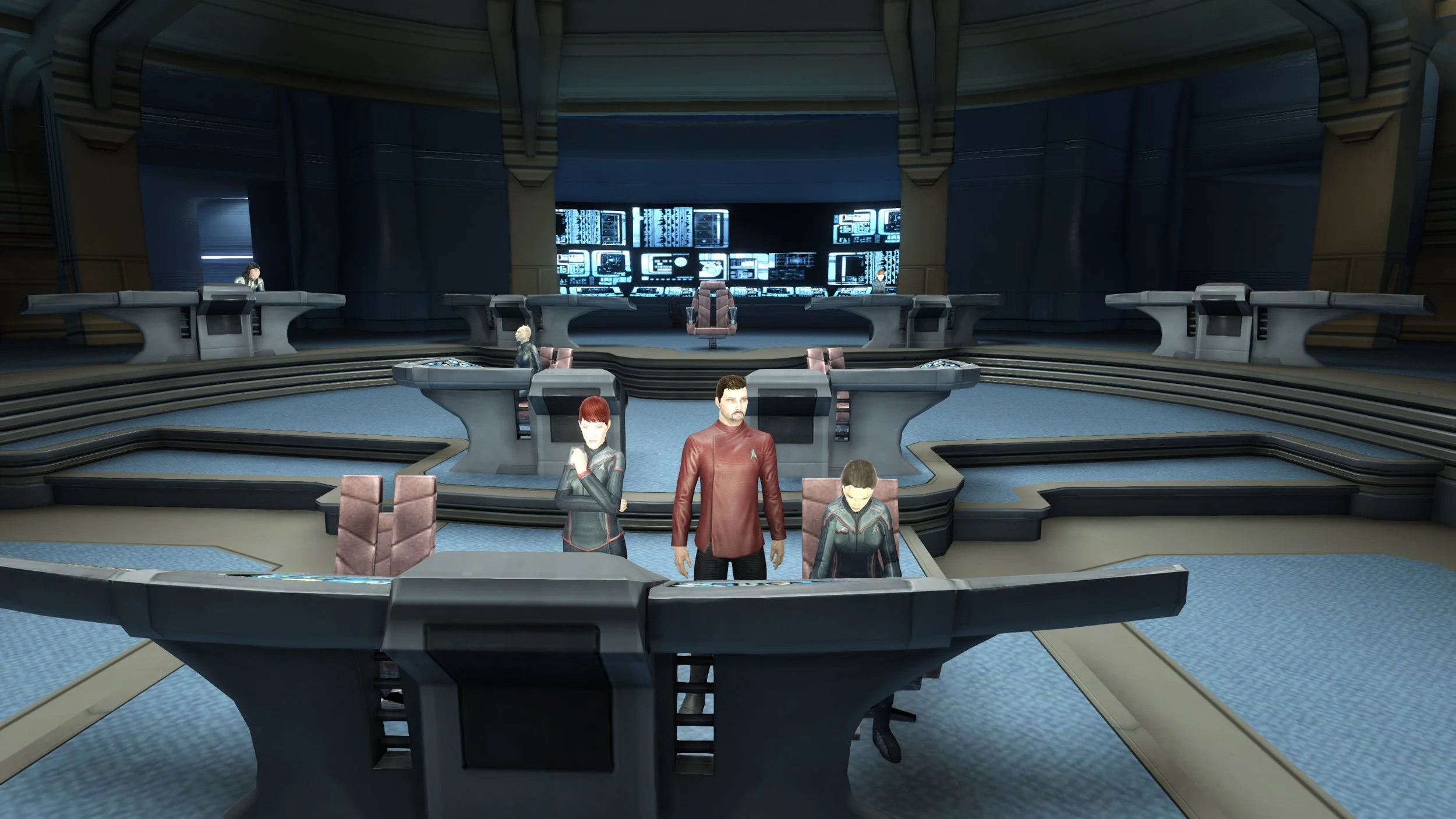
Now this functional process has limitations. Quest giving NPCs tend to be static for practical reasons. You don’t want them perambulating around the town, making you have to search them out. So while those not bestowing quests can have all sorts of fancy animations to try and bring the illusion of life to area, quest giving NPCs just stand around, breaking the immersion that other aspects of the game have worked so hard to build. Plus in LOTRO, there is seldom any voice acting beyond the first line of the quest bestowal text. Therefore, it’s a somewhat dull process. In the MMO Star Trek Online, NPCs will sometime hail you while you’re in-sector space, as a means to imparting a mission. It certainly seems more natural and is totally in the correct idiom of the intellectual property. Plus, as a gamer, if you find this process intrusive, you can turn it off. Hence, different developers have tried to polish this quest giving system and make it more dynamic and feel more natural. ZeniMax have certainly tried a different approach with The Elder Scrolls Online. But it comes with its own consequences.
Even if you own just the base version of ESO, you notice that not all quest bestowals come via the traditional NPC, lounging around and lollygagging in the various towns and ports of Tamriel (although the game certainly has these). You may be riding past a farm, only for an NPC to come running out and declare that “Brother Numpsie* has been kidnapped by the foul Myrmidons” or some such standard fantasy-based reason. This mixture of proactive solicitation, along with voice acting is initially quite compelling. You may find yourself diverging from your current course of action to rescue the imperilled individual. Certainly this approach to quest bestowals suits an open world where players my just want to go out and explore, rather than follow a clearly delineated plan. However, this process can become a nuisance. At present, whenever I enter the Mages Guild, I am greeted by Arch-Mage Shalidor who invites me to participate in the next part of a quest line. I am frequently pursued in most towns by an Orc courier named Stuga, who tells me how long she’s been looking for me. Nag, nag, nag.
Joking aside, this interactive game mechanic can get a little wearisome. If you accept some quests it will remedy the problem of the quest givers overt diligence. But on occasions this can lead to immediate instanced content, so you may not wish to accept them. I am currently looking into the various game’s settings in ESO to see if there is a way of disabling or at least controlling this process. I bet there’s an addon to address it, somewhere. Oddly enough, ESO has another alternative way of starting quests or at least the main storylines of all major DLC. Wrapper missions can be launched from the Collections tab in-game. You don’t have to be in a zone and seek out the NPC who starts things. However, it would seem that no game has yet managed to design a creative quest bestowal system that doesn’t have some sort of drawback, limitation or even nuisance factor. Again I can hear the true sandbox devotees shouting about the why there has to even be a requirement of quests per se? But I like narrative driven content and don’t want to put my faith in emergent content. So until the developers improve the situation, I’ll continue to ask Billy No-Mates in LOTRO if they have any quests, and get chased round Tamriel, Benny Hill style, by the Prophet and Abnur Tharn.
*There seems to be a conspicuous lack of consensus with regard to how you spell Numpsie.
Can LOTRO Modernise Any Further?
A while back Syp wrote a blog post over on his personal website Bio Break, in which he discussed how The Lord of the Rings Online had avoided the “complexity trap” he feels affects other MMORPGs over time. It’s a sentiment I broadly concur with. The 12-year-old game has now reached a point where it has a fixed set of systems. Developers Standing Stone Games continue to produce regular PVE content in the form of quests, instances and raids. But they haven’t added a major new component to the game since the introductions of Epic Battles. Instead they have refined and fine-tuned existing facets of the game. Consider the recent overhaul of the Virtue Trait system. The basic functionality remains but the way a player advances their chosen virtues has been streamlined and now provides more tangible benefits. Overall, LOTRO has settled into a comfortable niche. New content is forthcoming but is very much a case of “same meat, different gravy”.
Has the Lord of the Rings Online avoided the “complexity trap”?
A while back Syp wrote a blog post over on his personal website Bio Break, in which he discussed how The Lord of the Rings Online had avoided the “complexity trap” he feels affects other MMORPGs over time. It’s a sentiment I broadly concur with. The 12-year-old game has now reached a point where it has a fixed set of systems. Developers Standing Stone Games continue to produce regular PVE content in the form of quests, instances and raids. But they haven’t added a major new component to the game since the introductions of Epic Battles. Instead they have refined and fine-tuned existing facets of the game. Consider the recent overhaul of the Virtue Trait system. The basic functionality remains but the way a player advances their chosen virtues has been streamlined and now provides more tangible benefits. Overall, LOTRO has settled into a comfortable niche. New content is forthcoming but is very much a case of “same meat, different gravy”.
Now Syp’s post logically raises the question could LOTRO be more complex? Is it possible to add a radical new mechanic to the game at this stage in its lifecycle? Because LOTRO is an old game by industry standards. It may have launched in 2007 but the code is older due to the games longwinded development process. As a developer, SSG has two main problems as a result of this. Can the game technically be altered in a major capacity and is there the expertise in house to undertake such a project. Because that latter is a regular issue for many companies. Staff come and go and that means expertise can be lost. It is a major reason why Cryptic closed The Foundry in Star Trek Online. I believe it is also why no new skirmishes were forthcoming in LOTRO for a long time. Something the developers have now addressed through the hiring of new staff. Furthermore, SSG have surprised their playerbase by successfully managing to produce a 64-bit client for the game. Although it remains a work in progress, considering the technical hurdles, this was quite a coup.
But before we embark upon this thought experiment, let us take a moment to reflect upon what LOTRO does that is quite advanced by the standards of the genre. It is the only MMO that I play that has auto-looting direct to your bags. All the other’s want me to press at least one key to select lootable items. LOTRO just hoovers them up. The game also has vendors that you can add to your house. There is also a tinker that can be summoned to a campfire to fix broken armour. Both of these services set a precedence that could potentially be expanded. LOTRO also offers a thorough personal transportation system. The reputation based “return” skills cover a surprisingly wide percentage of the game’s zones. However, I don’t think the game could accommodate a loss or consolidation of skills to become more of an action combat-based game. I think this would be a far too controversial. Rather than changing class and race attributes, it would be better to focus more on what you can done in the “wider world”.
So exactly what new systems or mechanics would be beneficial to a MMORPG such as LOTRO? My immediate answer is dynamic, public events in relevant zones, that can be justified from a lore perspective. Next it would be good to see some sort of scaling content system. A mechanic that allows a max level player to revisit older zones and adjust to the right level. This is something The Elder Scrolls Online does very well. The levelling of content is seamless and there are plenty of World Bosses, Dungeons and Dolmen to complete. Furthermore, they are all clearly marked on the zone map. LOTRO is halfway there with some similar systems, such as roving threats for example. But they need to be easier to find. Similarly too many instances in LOTRO are tied to discovery or specific quest lines. Accessibility and promotion are lacking. And let us not overlook the state of housing in LOTRO, which remains mainly a glorified storage service. The Cape of Belfalas housing has some pleasant leisurely quests but they are not repeatable. Housing needs to offer players a reason to spend time in the neighbourhood. I would also advocate improving the skirmish soldier system, to make them more versatile companions, rather than the blunt tool that they currently are.
Zone Guides in The Elder Scrolls Online offer more than just a simple map
Naturally I have barely scratched the surface, with regard to ideas to improve LOTRO and expand its scope and complexity. But I believe there is a focal point, that if addressed properly, would potentially lead to further improvements. A lot of the game’s existing functionality is hidden or too esoteric. The UI needs to be made “smarter”. To be able to provide more information, make suggestions be more proactive. Again I’d say look to ESO and its zone guides. Something similar in LOTRO would ensure that players got the most out of the content they’ve purchased. An optional list that let’s players know if there are any quests or places of interest that they haven’t completed or discovered. A lore book of some kind may also be useful. The existing skill trees need to do more than just inform a player of what they can earn. I would welcome suggestions regarding specific class builds based upon player preferences. I know that a great deal of useful information exists outside of many MMOs, curated by fans. But I’ve always felt that tabbing out of a game is counterproductive. Can this information not be brought in-game?
Finally, as we’re considering complexity, let us reflect upon social interaction. It is still a regular lament from certain quarters that the MMO genre is losing its social element. So why not address this issue by incentivising kinships with some additional perks. STO has gear and other items that are only accessible by joining a fleet and running fleet projects. Again, the more you think about it, the more it becomes clear that this is an aspect of LOTRO that could be expanded and improved. However, if there ever was a concerted move to broaden the complexity and scope of LOTRO it would have to be done within specific parameters. Or else there would come a point where it would be easier to just create a new game. So bearing all of this in mind, is any of this likely to happen? Well if you had asked me a few years ago, I would have said “no”. But the pipe dream of the 64-bit client has now become a reality, so who can say? Perhaps, there is hope after all. But perhaps the biggest obstacle to any potential change to LOTRO would be the playerbase itself. Trying to find a consensus would be extremely difficult. So may be SSG have decided on a policy of “if it isn’t broke, don’t fix it”. I wouldn’t blame them.



Stout-Axe Dwarves and Race Changes Coming to LOTRO
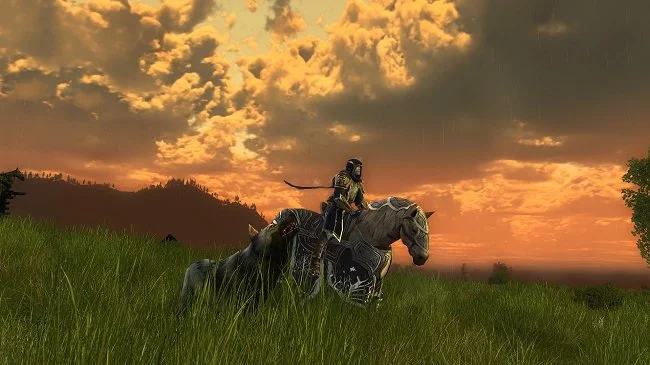
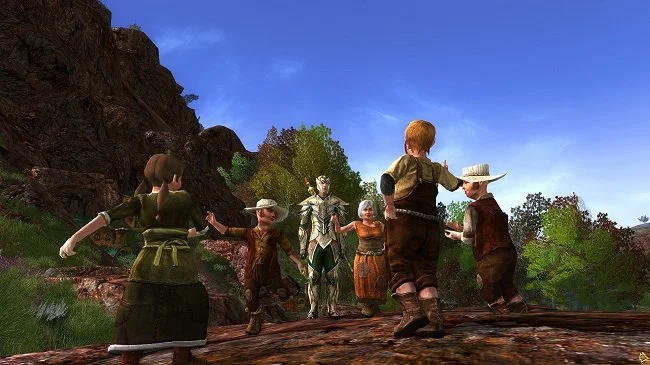
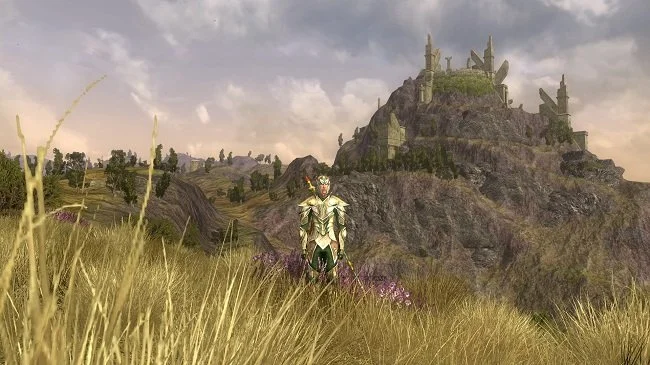
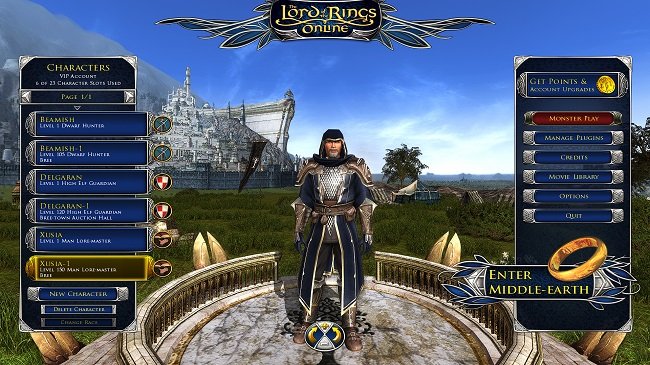
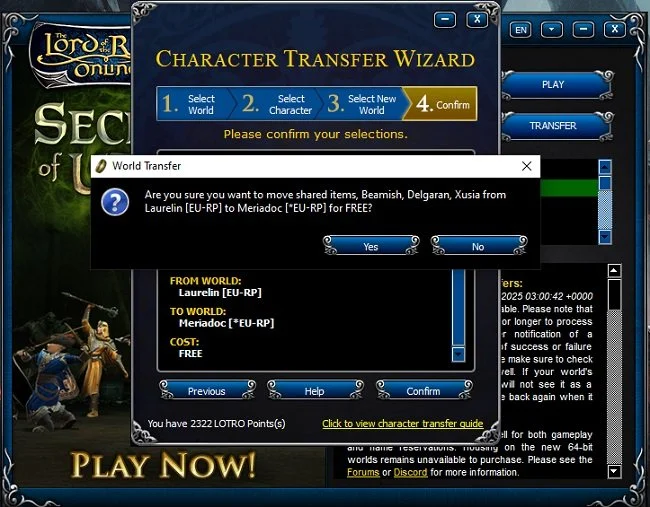
Some interesting news came out of Gen Con 2019, where Standing Stone Games recently held their Dungeons & Dragons Online/The Lord of the Rings Online “meet up”. According to Draculetta who attended the social event, Severlin AKA Rob Ciccolini, Lead Producer for LOTRO stated that Stout-Axe Dwarves were to be added to the game as a new playable race. Furthermore, the ability to change the race of existing characters was also coming to the game. It was later clarified that the race change ability was subject to the existing class restrictions. Hence an existing Hobbit Guardian could become an Elf if the player so desires. But races such as Hobbits and Dwarves are still excluded from certain classes such as Captain or Lore-master. Although this was a very informal setting, the statement has been seen as a formal announcement and SSG have not said anything to the contrary so far.
Some interesting news came out of Gen Con 2019, where Standing Stone Games recently held their Dungeons & Dragons Online/The Lord of the Rings Online “meet up”. According to Draculetta who attended the social event, Severlin AKA Rob Ciccolini, Lead Producer for LOTRO stated that Stout-Axe Dwarves were to be added to the game as a new playable race. Furthermore, the ability to change the race of existing characters was also coming to the game. It was later clarified that the race change ability was subject to the existing class restrictions. Hence an existing Hobbit Guardian could become an Elf if the player so desires. But races such as Hobbits and Dwarves are still excluded from certain classes such as Captain or Lore-master. Although this was a very informal setting, the statement has been seen as a formal announcement and SSG have not said anything to the contrary so far.
The ability to change race, once you have created a character, is not anything unusual by genre standards. Many other MMORPG offer such a service but it is certainly a useful facility to have. New players may find that a certain race is not to their liking and the ability to change rather than start from scratch is therefore welcome. High end players may also wish to change race if it gives them a statistical improvement or tactical bonus. And then there will be some players who may simply want to change just to see what difference it makes. However, regardless of how this ability is used, it goes without saying that this is going to be a chargeable premium store item. I wouldn’t be surprised if a “race change token” is included in one or two of the different permutations of the next LOTRO expansion. SSG is a creature of habit so I don’t think its unreasonable to assume that previous business practises established with Mordor, will continue next Minas Morgul themed expansion.
As for the merits of adding Stout-Axe Dwarves to LOTRO, I’m not so sure. I thought the edition of High Elves didn’t really add any major value to the game. If you’re a lore enthusiast, then the distinction between Elves and High Elves may well be of interest but for many players, it really is a case of “same meat, different gravy”. I suspect the same may be so regarding the Stout-Axe Dwarves. They already exist as characters in the game, having been introduced with the Mordor expansion in July 2017. The Dwarves were enslaved by Sauron after they refused to relinquish one of the Seven Rings of Power. They were subsequently liberated by Gimli and have returned to Erebor to try and find their place in Middle-earth. It’s a great story line, but I’m not sure what this playable race can offer that isn’t already available via the regular Dwarves. However, you should never underestimate the Dwarf enthusiast LOTRO player. Perhaps this race may prove popular.
I am curious as to how SSG are going to integrate this new race into the game. At present the Stout-Axes enter the LOTRO storyline at level 105. Their history is unknown outside of Mordor up until this point, so I’m not sure if SSG can cunningly and seamlessly dove tail the Stout-Axes into the existing starter areas of the game. Perhaps they may be a race that starts at level 105 and aren’t intended to be retrofitted into older content. I’m also curious about the availability of this new race as its accessibility is bound to be gated financially. Again I suspect that they may be bundled with the middle tier and top tier of the next expansion. At a later date, they may well be sold in the store for LOTRO points. If this supposition is correct, there may well be an outcry form the LOTRO playerbase. Similar to when High Elves weren’t included in the Standard Edition of Mordor. No doubt a more definitive press release will be forthcoming soon.
The Changing Face of MMOs
The above promotional video for Guild Wars 2 (dated July 19th, 2011) came up in an online discussion recently. The game as it exists today is radically different to this eight-year-old marketing presentation. It got me thinking about MMOs, how they evolve and those that have fallen from grace. Naturally the spectre of World of Warcraft looms large in such a discussion, because for many years this was the game to beat. Subsequently the market was awash with clones, which proved to be an unwise business tactic. The tumultuous life of Star Wars: The Old Republic along with the closure of Warhammer: Online, Vanguard and recently WildStar indicates that more of the same is not necessarily what players want or at the least, insufficient to keep them engaged. Guild Wars 2 initially deviated noticeably from the perceived wisdom but then contradicted its own ideology out of necessity to remain financially viable. Subsequent expansions have proven far more “traditional”. A decade on from the MMO boom, the genre has had to become far more niche to survive. MMOs exist and make money, but the are no longer seen as cash cows.
The promotional video for Guild Wars 2 (dated July 19th, 2011) featured below, came up in an online discussion recently. The game as it exists today is radically different to this eight-year-old marketing presentation. It got me thinking about MMOs, how they evolve and those that have fallen from grace. Naturally the spectre of World of Warcraft looms large in such a discussion, because for many years this was the game to beat. Subsequently the market was awash with clones, which proved to be an unwise business tactic. The tumultuous life of Star Wars: The Old Republic along with the closure of Warhammer: Online, Vanguard and recently WildStar indicates that more of the same is not necessarily what players want or at the least, insufficient to keep them engaged. Guild Wars 2 initially deviated noticeably from the perceived wisdom but then contradicted its own ideology out of necessity to remain financially viable. Subsequent expansions have proven far more “traditional”. A decade on from the MMO boom, the genre has had to become far more niche to survive. MMOs exist and make money, but the are no longer seen as cash cows.
So what has changed? Well for a broad overview, I’d recommend watching a selection of episodes of The Jimquisition; Jim Sterling’s show that critiques the video games industry. He regularly explores the main problems that are endemic with mainstream, triple A games publishing. But one particular issue seems to be the root cause. Although game developers may well have artistic intentions and want to create a content that delights audiences, such motives are subordinate to the commercial requirements of the publisher and their shareholders. The industry is primarily focused on what sells and how to monetise any new product to ensure increasing financial growth. Hence after numerous efforts to make a WoW clone, most companies have discovered that such projects take too long to develop, cost to much up front and don’t have the adequate return on investment in the short term. Hence you seldom see such grandiose projects in development anymore. But what about Star Citizen, I hear you say. Yes indeed, what about it, I say in return? I’ll let you know when there’s an open beta and a release date on the horizon.
Now to clarify, the MMO market does have regional differences. In the China and South Korea large budget titles are still produced and prove viable, but this is due to major differences in the core market. The player base often embrace mechanics rejected in the West and monetisation is perceived differently. Hence many titles remain conspicuously absent from the North American and Europeans markets. Therefore, in recent years MMOs have had to adapt in the West to such an extent that the term itself is now being redefined. Older notions about persistent, immersive worlds, filled with group activities and nurturing communities have been replaced with more flexible concepts. Such as any game that supports a large body of players in an open world or instanced set of maps. Thus GTA Online, The Division 1 and 2, as well as the Destiny franchise find themselves as part of ever growing MMO Venn Diagram. Naturally old school purest protest, but from the industry perspective, “money talks and bullshit walks”.
Therefore, I am not optimistic about there ever being any weighty IP based MMORPG projects that are of a traditional nature. Perhaps the last big MMO was indeed The Elder Scrolls Online. The website Massively Overpowered lists numerous MMOs in development but the reality is that many of these are doomed to failure. Crowd funded vanity projects or indulgences by gifted fans or old school development staff who haven’t quite adjusted to the realities of the contemporary market. Titan after all got canned and parts of it became Overwatch. Amazon Game Studio’s New World may not get beyond its recent Alpha Test and could be augmented into something else with a more marketable IP. Hence, we are left with a handful of titles that are established and survive purely on the whims of their playerbase. New content costs money to develop but will bring in some profit. But to reduce content output risks bored players who’ll go elsewhere. If a publisher is content with the realities of their projected revenue, then games can tick over. However, if they seek all the money in Christendom, then things may go ill.
Perhaps the MMORPG has had its day in the sun. A cursory look at other leisure industries shows that trends come and go. Different genres of movies and music rise and fall, proving lucrative for a while and then fading away. When you compare the likes of Ultima Online with Guild Wars 2 there is a considerable gulf in mechanics and systems. Would the former sell well today? Fifteen years of changing consumer tastes may well put pay to such time-consuming games. With time being such a precious commodity these days, is there room for such a genre as the old school MMO? I played The Lord of the Rings Online heavily between 2008 and 2011, mainly because it was a period of my life where I was available to do so. I simply cannot do something comparable today. Furthermore older players who lived through the era of subscription models are often averse to modern monetisation methods. Live services are not embraced by this demographic, where younger players who prefer the quick fix nature of competitive multiplayer games are not so concerned. All of which leaves me increasingly disposed towards the idea that the MMO genre is going to be relegated to the sidelines in the years to come. A few will exist in their own bubbles of fandom, but they will be a relic of the past. Just like cinematic musicals, westerns and “poodle perm” rock.
LOTRO: The Pros and Cons of Complex Lore
Professor Tolkien has created one of the most complex and rich fictional mythologies found in twentieth century fiction. There is both detail and ambiguity to be found in his collected works. For example, the line of Númenórean Kings or the family tree of Elrond are clearly explored and catalogued. Yet there are many more obscure and esoteric references littering the various texts, that pique the imagination by alluding to more nebulous people and events. What was the fate of the two Blue Wizards, Alatar and Pallando? What was so special about Queen Berúthiel cats which she used as spies? Are there really Were-worms "the East of East"? It is this balance between richly detailed faux heraldry and vague apocrypha which makes Middle-earth such a credible and living world.
Professor Tolkien has created one of the most complex and rich fictional mythologies found in twentieth century fiction. There is both detail and ambiguity to be found in his collected works. For example, the line of Númenórean Kings or the family tree of Elrond are clearly explored and catalogued. Yet there are many more obscure and esoteric references littering the various texts, that pique the imagination by alluding to more nebulous people and events. What was the fate of the two Blue Wizards, Alatar and Pallando? What was so special about Queen Berúthiel cats which she used as spies? Are there really Were-worms "the East of East"? It is this balance between richly detailed faux heraldry and vague apocrypha which makes Middle-earth such a credible and living world.
Over the past twelve years Turbine and now Standing Stone Games have tapped into this vast wealth of lore and extrapolated it when writing the various narratives for their MMORPG. They have incorporated both the well known and the obscure. Broadly they have done this in a clever and respectful fashion. The central plot device for the initial game Shadows of Angmar is that the Witch-king's Steward, Mordirith, was once his greatest foe: Eärnur, King of Gondor. It’s a bold idea but not too outrageous to seem impossible. The writing is quite detailed and well researched so overall the idea is successful. Expanding Dunland and exploring the feuding clans and how Saruman exploited such a situation to his own benefit, is also a creative undertaking. Finding a village of Hobbits of Stoor antecedents in the region is also a nice lore-based reference that is expanded into a wider narrative. More recently, the Black Book of Mordor storyline has boldly addressed what happens after the War of the Ring, in the absence of Sauron’s controlling power. I enjoyed that the Cold Drake, Hrímil Frost-heart, was in fact a former ally of Morgoth, who eschewed his predecessor.
Yet building upon and adapting this complex lore is not always successful or well received by fans. For example, the recent Update 24: Vales of Anduin had an interesting plot line feature in the quest “The Stolen Gift”, in which it was explained that the Beornings shapeshifting ability was directly attributable to the wizard, Radagast the Brown. He allegedly bestowed them with a “gift” of knowledge allowing them to use this technique to take the form of Bears. Furthermore, it was a secret that was then stolen by the Gauredain, men of the wolf, and the Ungoledain, men of the spider. Such a plot device has opened up many further questions and not all are prepared to suspend their sense of disbelief to this degree. However, the debate that has ensued has interesting arguments on both side and certainly has encouraged LOTRO players to explore the source texts to seek further insight.
Another issue that has arisen in recent years is LOTRO developers being a slave to convention. The story of Beren and Luthien and their doomed relationship is well known in established Middle-earth canon. It is an important tale and naturally is relevant to the parallels between Aragon and Arwen, except this time round the relationship does not have such tragic overtones (the incompatibility of lifespans not withstanding). However, the writers at Turbine/Standing Stone Games now seem to habitually couch any sort of mixed race or even inter-generational relationship in “doomed terms”. Need I mention Calenglad and Gwindeth, Wynmar and Noriel or Nona and Horn? And let us not forget the struggles between Father and Daughter with such characters as Golodir and Lorniel as well as Laerdan and Narmeleth. I’ve wondered at time whether a staff writer had a bad relationship at a key time in their life and never got over it? As for Calenglad, he’s clearly trying to punch above his weight.
Fans like lore. It is part of the appeal of many franchises. Fans like to learn and become knowledgeable as a sign of their devotion to that which they love. But lore and canon are a double-edged sword and fandom is only a short step away from the myopia of fundamentalist zealotry. What some Tolkien fans forget at times is that the MMORPG The Lord of the Rings Online is an adaptation of the professor’s work and not a pure representation of them. To accommodate the requirements of the MMO game genre, a lot of concessions have to be taken onboard right from the get-go. Therefore I see both the pros and cons of strong lore in a franchise and see adaptation as being a means to experiment in presentation and interpretation, especially when the source material was intended to be as such. Hence, I can accommodate LOTRO’s iteration of Middle-earth and simultaneously enjoy the radical departure from accepted canon presented in a game such as Middle-earth Shadow of War. But that is not the way that everyone rolls so inevitably controversies will arise and opinions will differ.
LOTRO: Vales of Anduin Preview
Update 24: Vales of Anduin is currently available for preview along with an initial build of the new 64-Bit game client for LOTRO, on the Bullroarer test server. The new virtue configuration system is among the many revisions that are included in this forthcoming update. The following change also raised a wry smile. Renaming the "Laketown Outhouse" to the more era appropriate "Laketown Boghouse". As ever there are extensive patch notes available on the official forums and players are once again reminded that this is not the final version of the update and therefore everything can potentially change.
Update 24: Vales of Anduin is currently available for preview along with an initial build of the new 64-Bit game client for LOTRO, on the Bullroarer test server. The new virtue configuration system is among the many revisions that are included in this forthcoming update. The following change also raised a wry smile. Renaming the "Laketown Outhouse" to the more era appropriate "Laketown Boghouse". As ever there are extensive patch notes available on the official forums and players are once again reminded that this is not the final version of the update and therefore everything can potentially change.
To enable the new 64-Bit game client, LOTRO players need to toggle the appropriate setting in the launcher “options”. The 64-Bit game client has a separate .ini file that maintains the graphics, sound settings, UI and input settings independently from the 32-Bit version. Note this does not include keymap preferences. I tested the new client by riding around Minas Tirith, an area of the game notorious for random crashes, hitching and animation stuttering. The results so far seem positive and the game appears to run smoother and with less juddering. However, to fully appraise the system a far more rigorous test is required. I also quickly checked out the new virtue UI and noticed that the cap had been raised to 60. However, this new way of presenting the data seems far more intuitive.
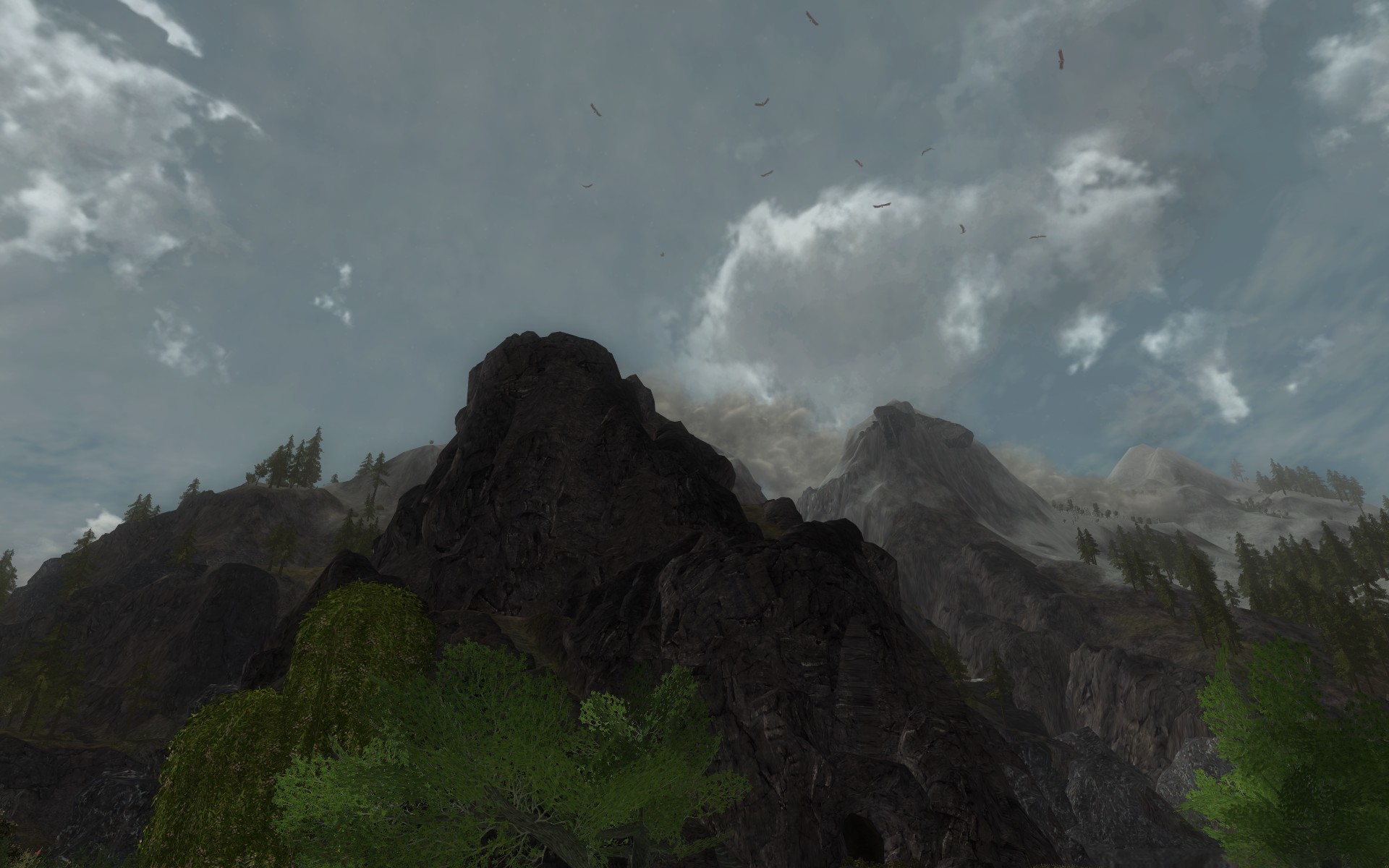
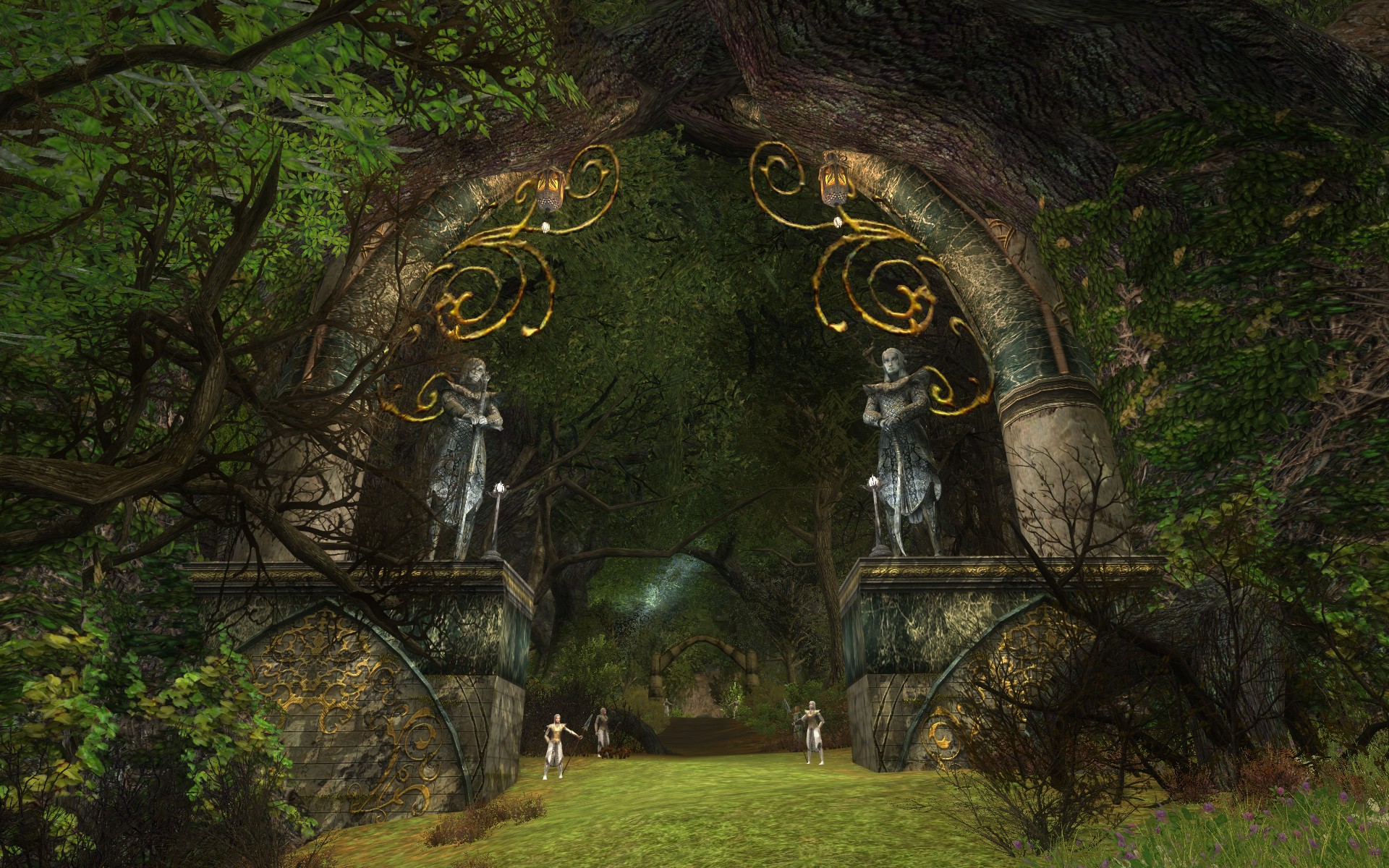
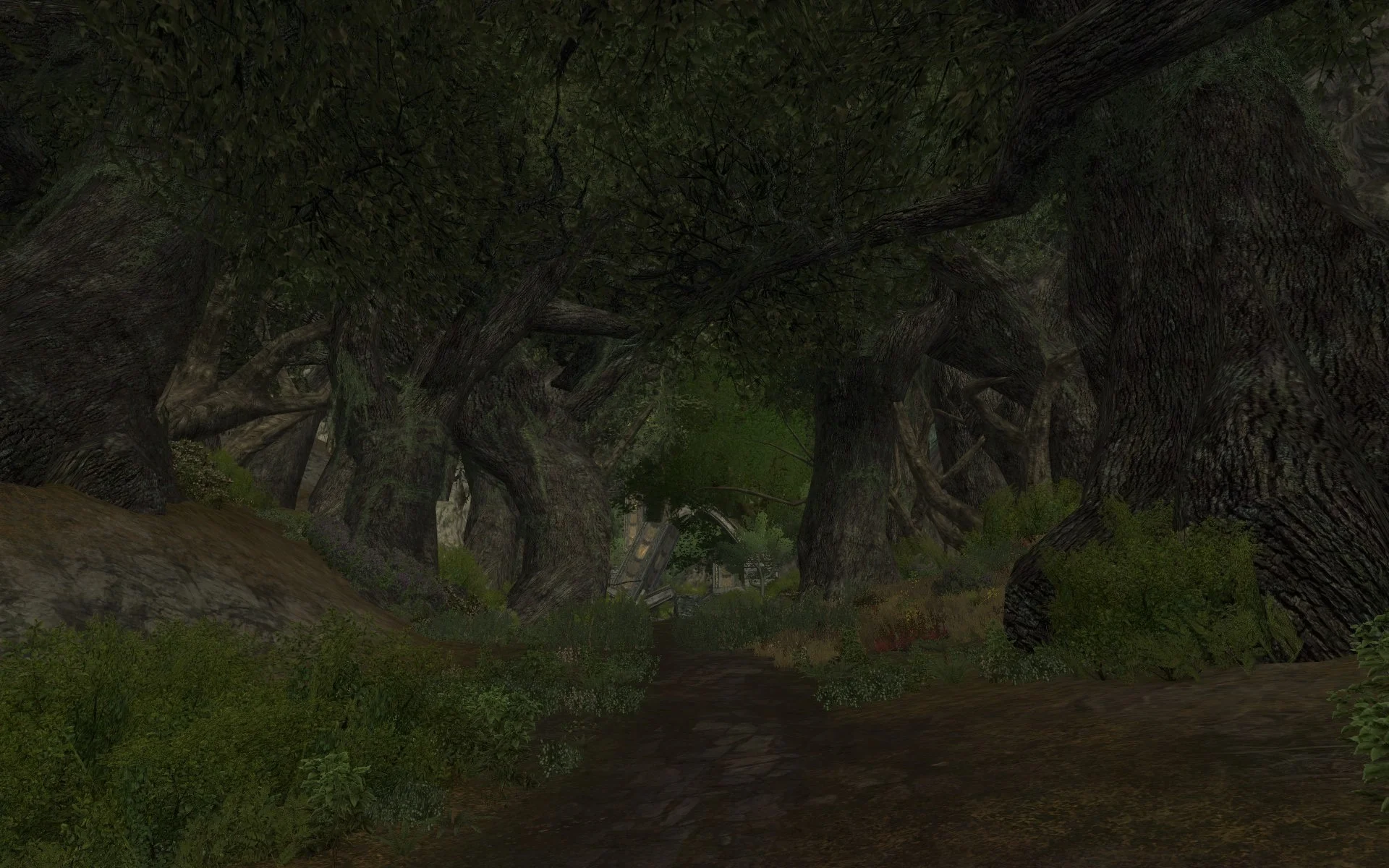
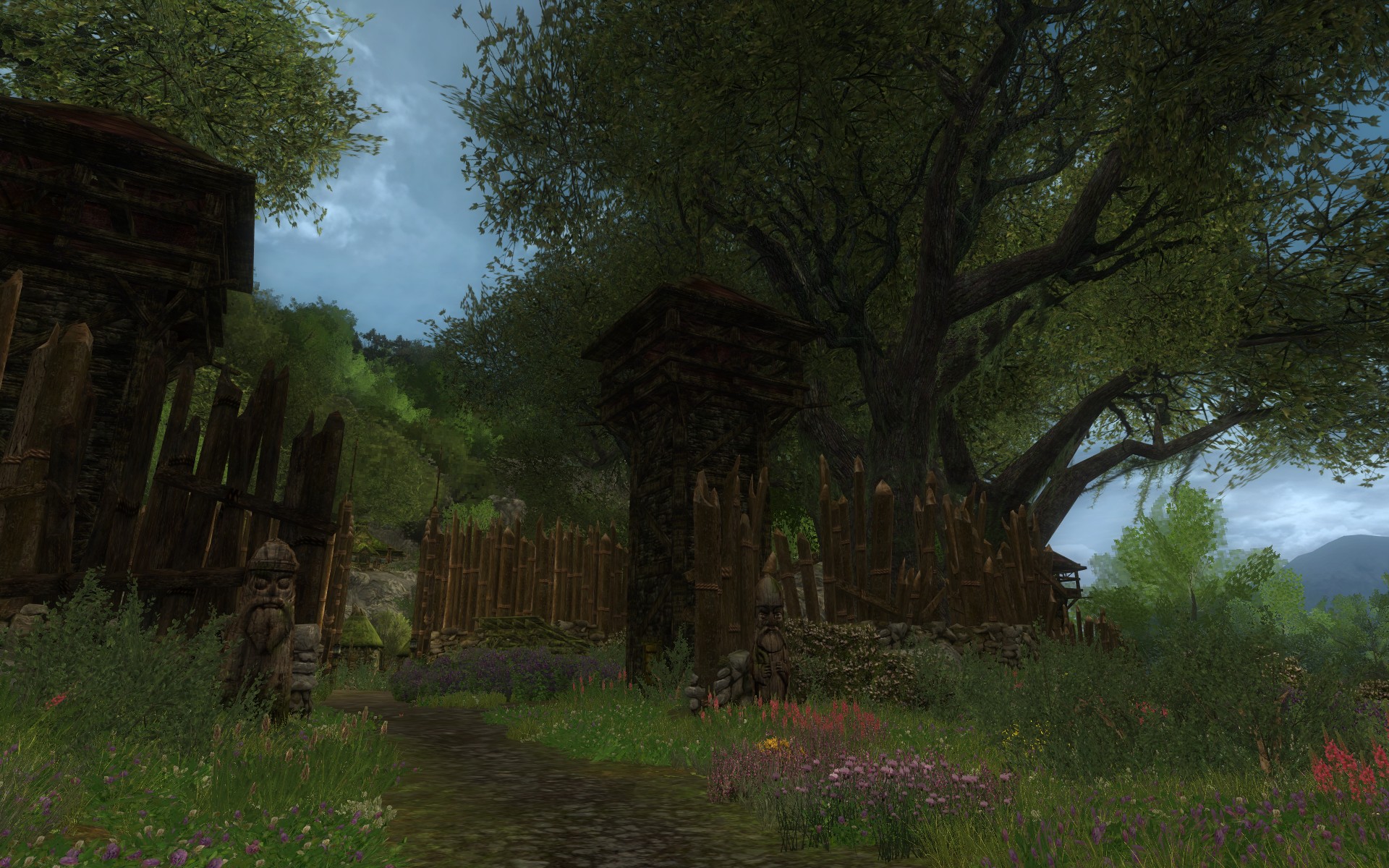
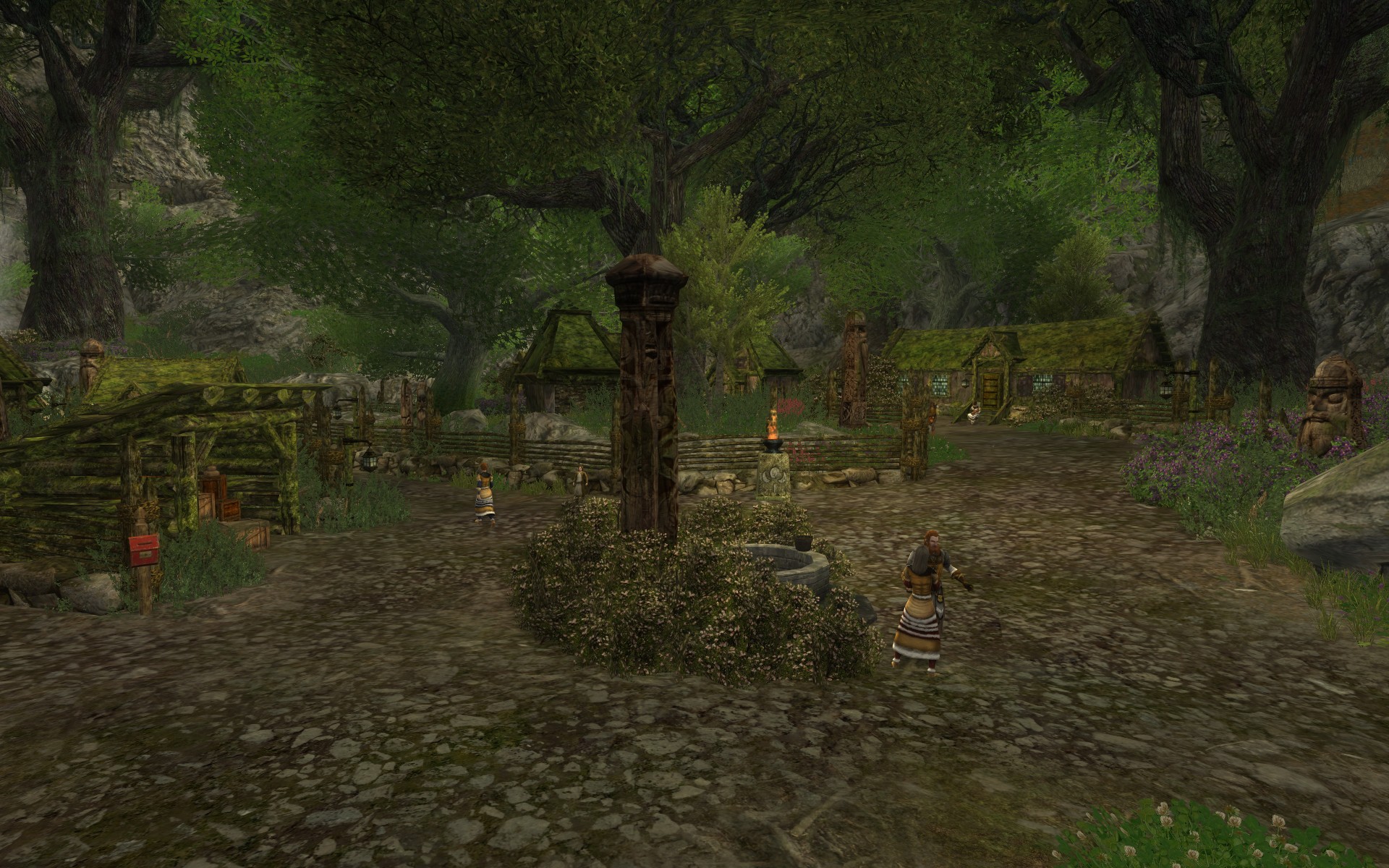
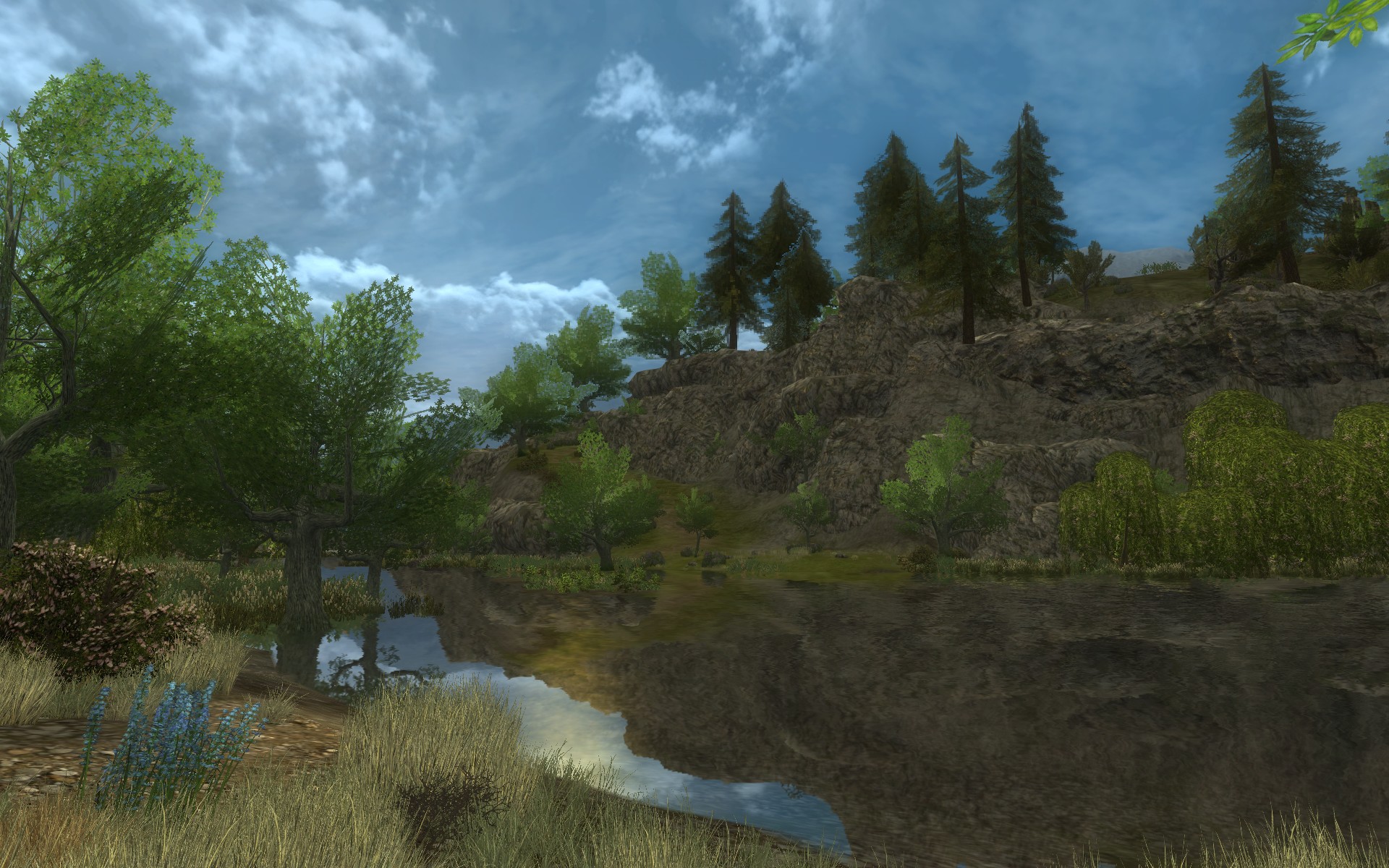
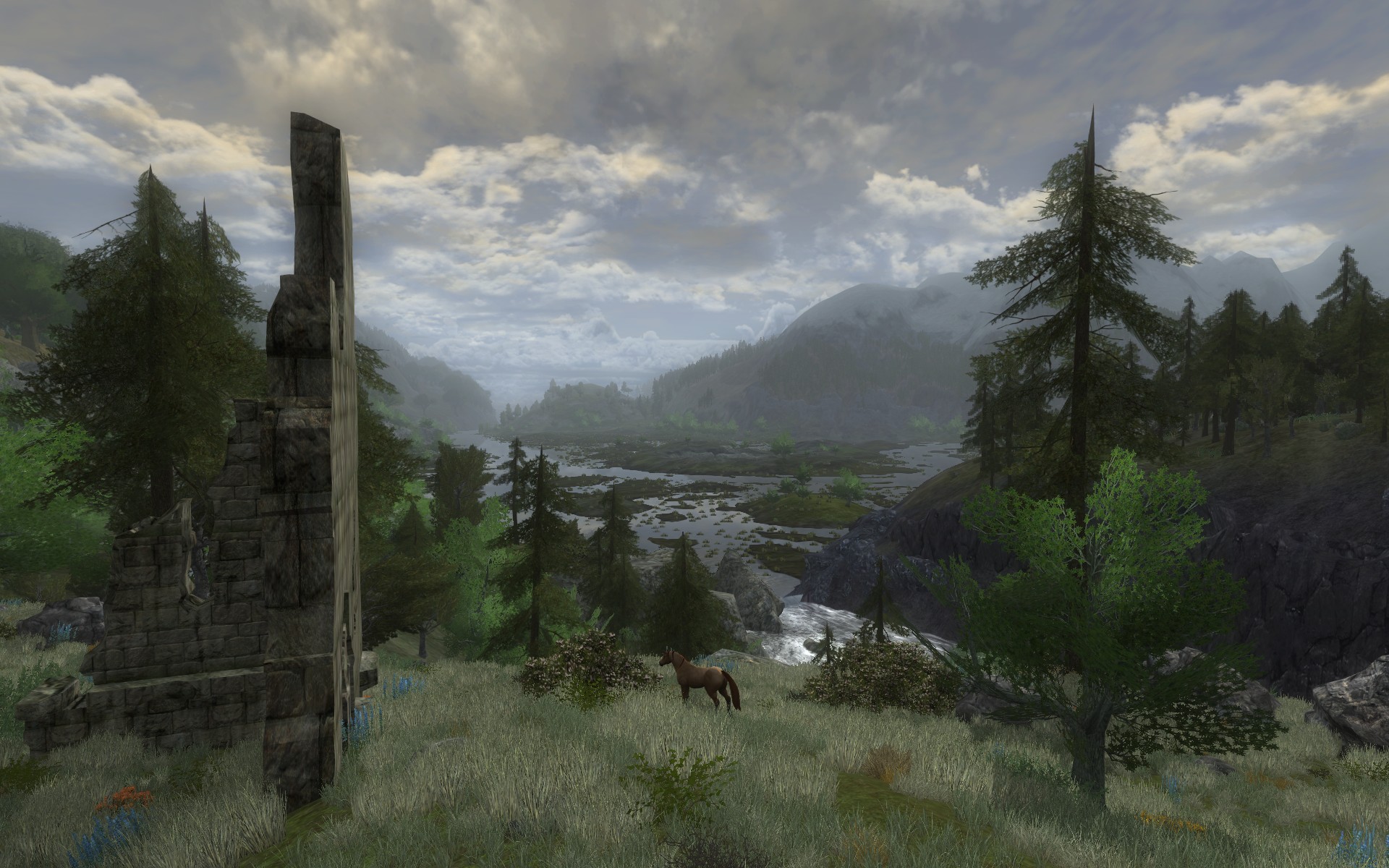
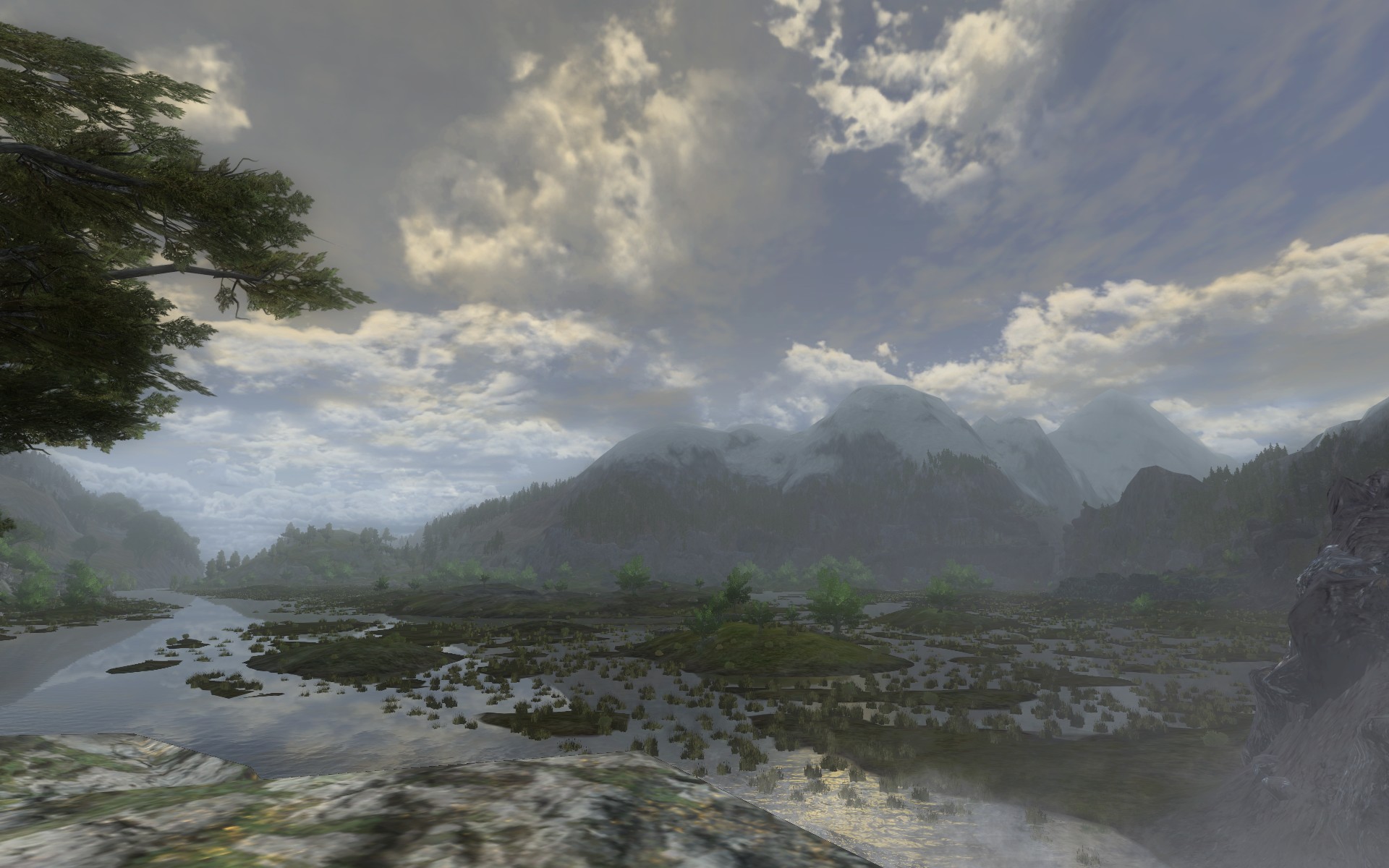
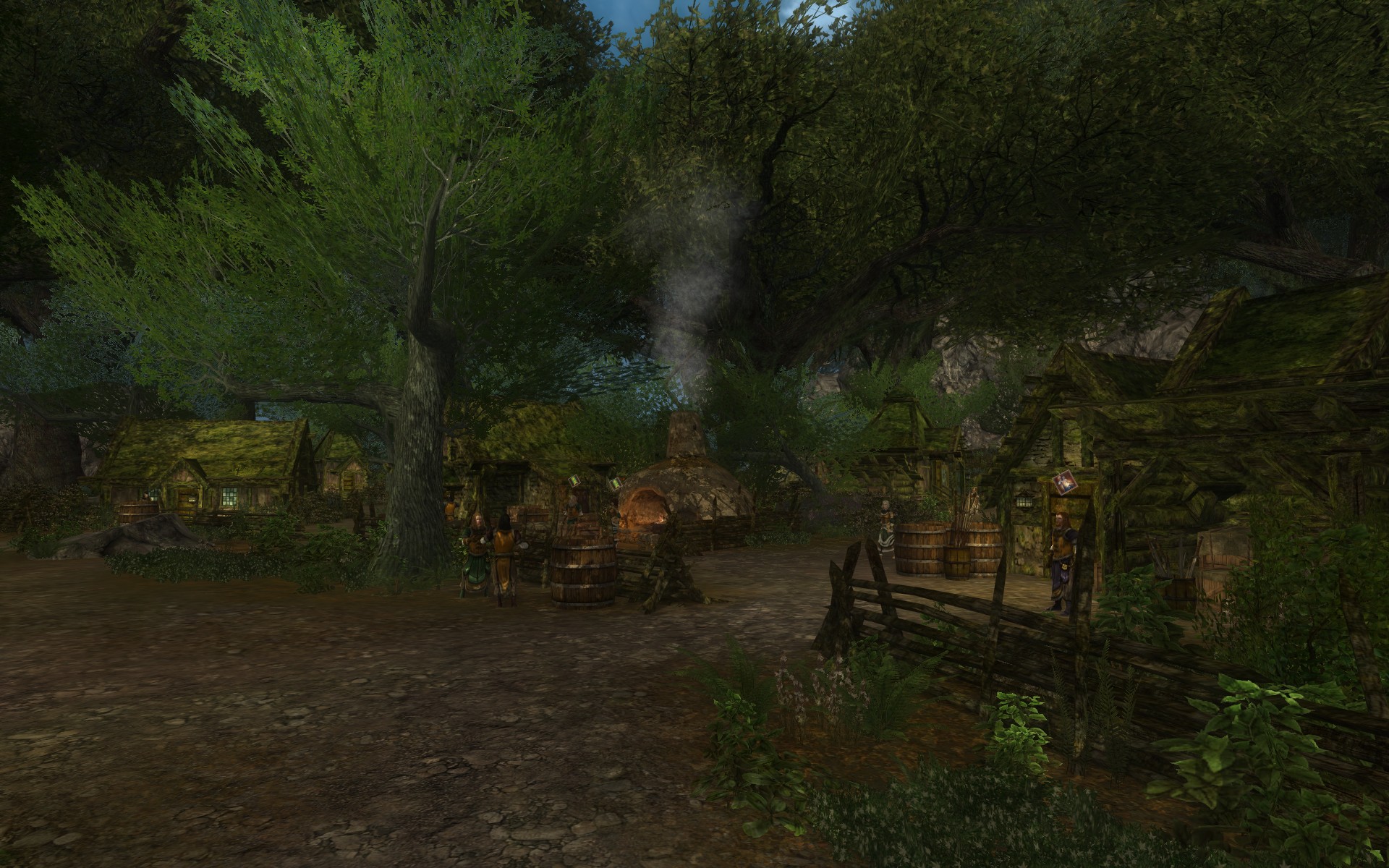
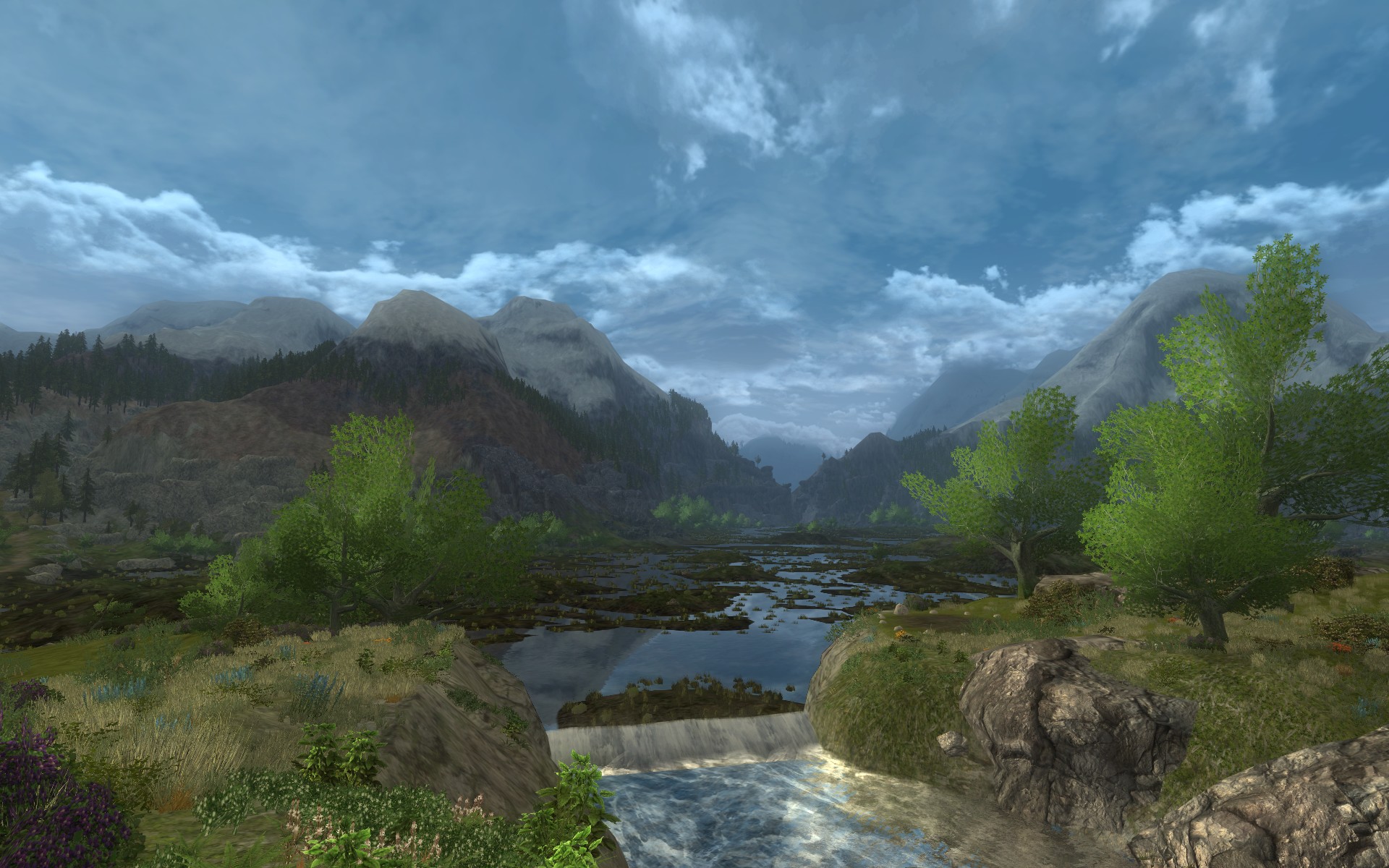
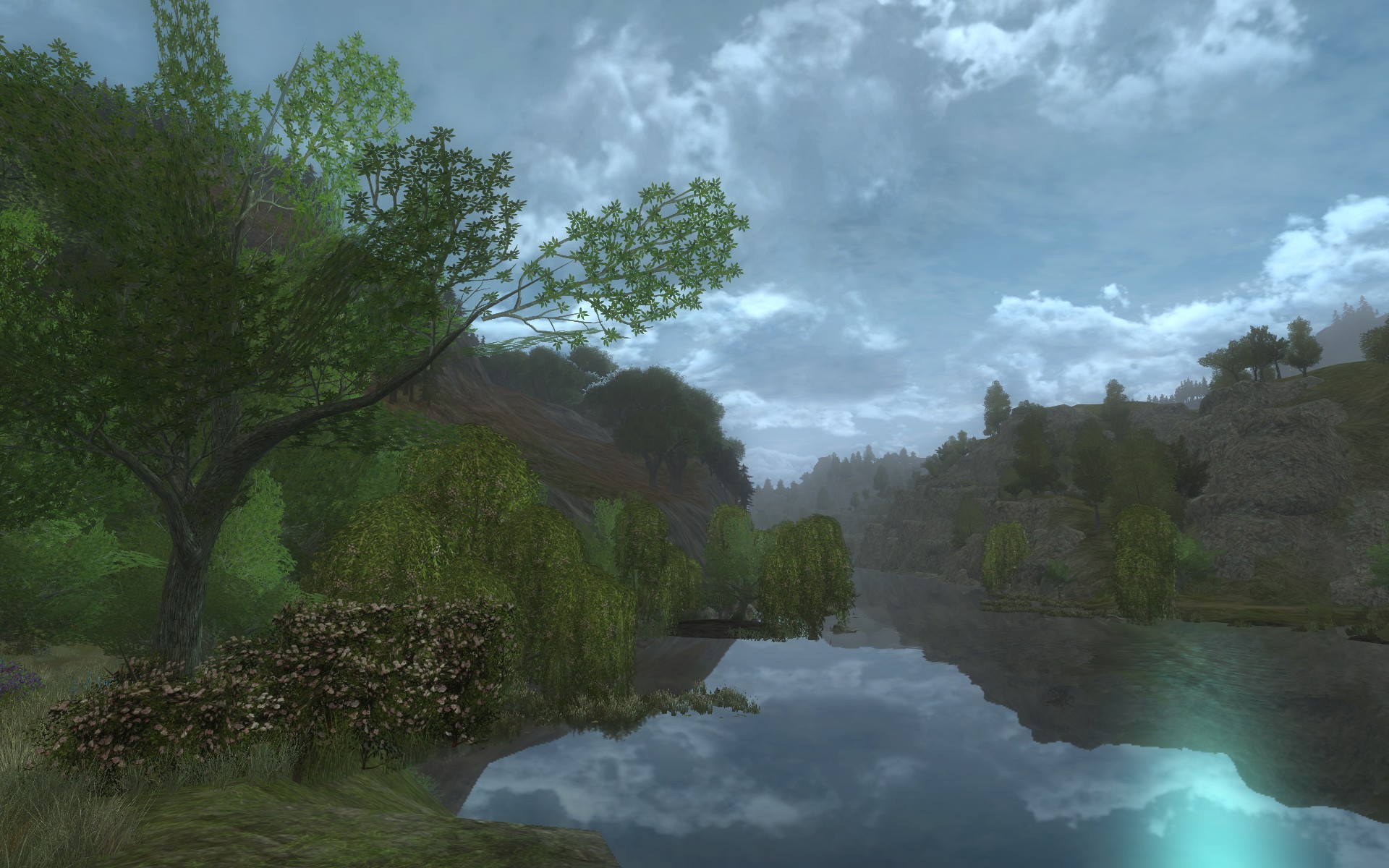
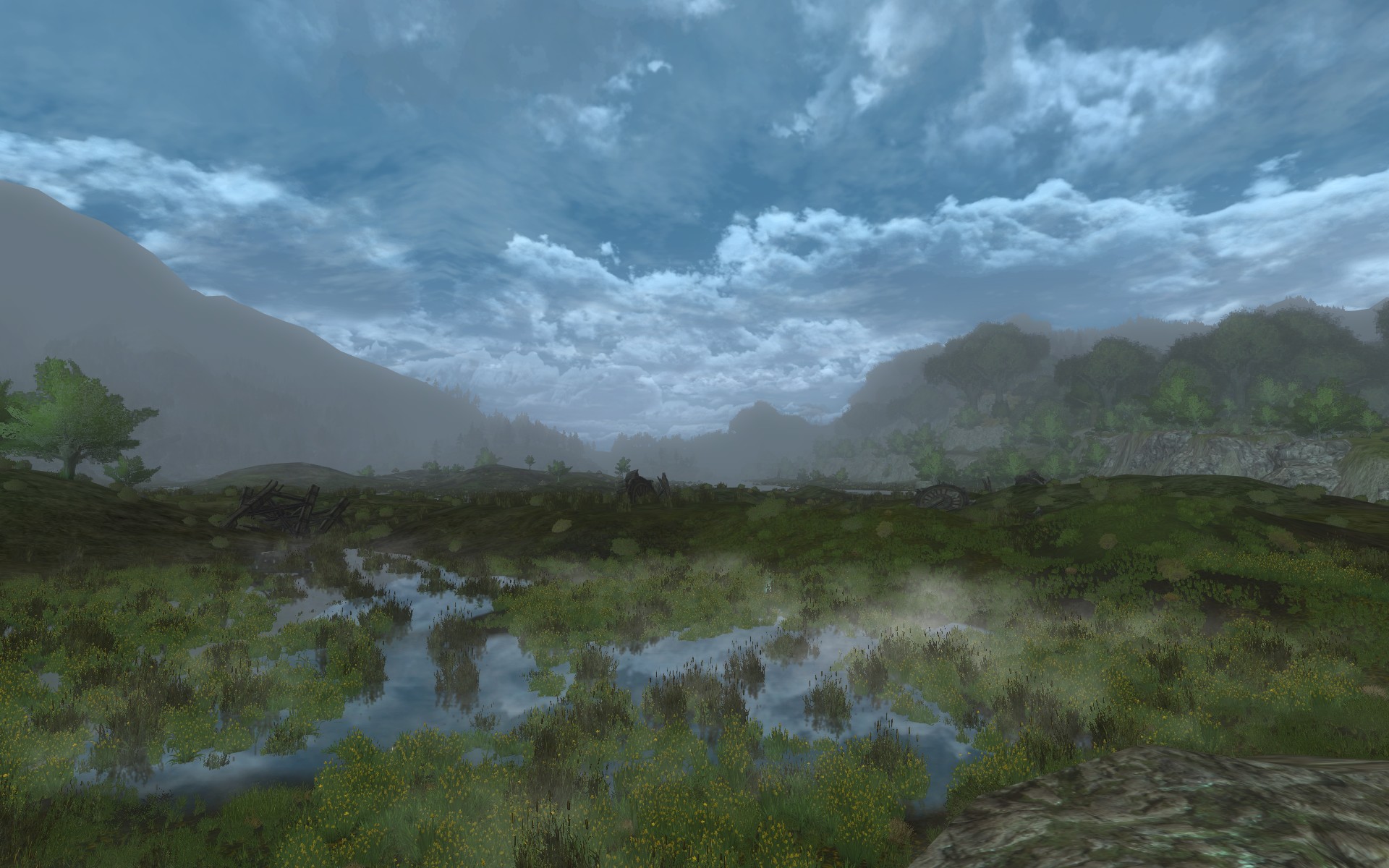
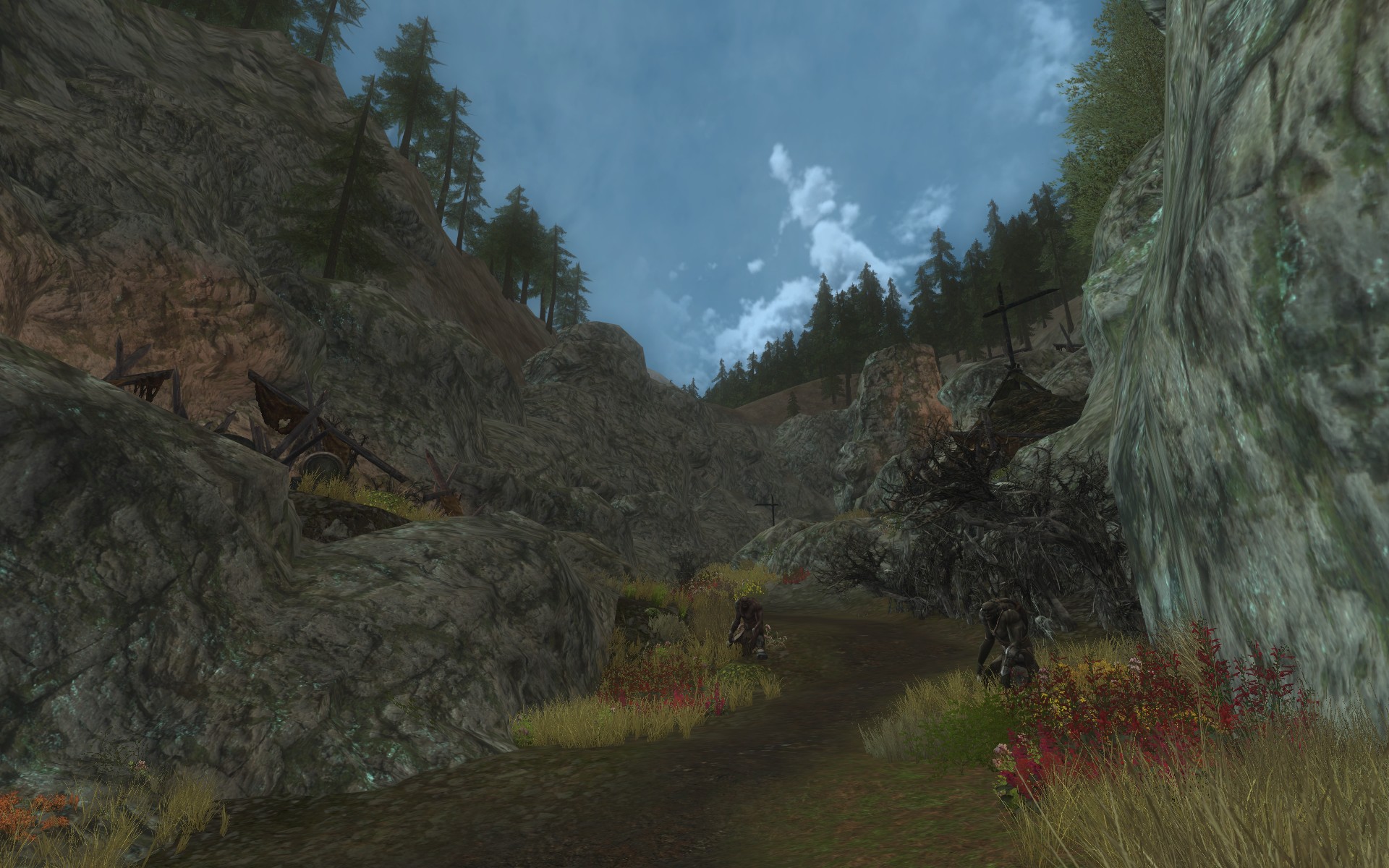
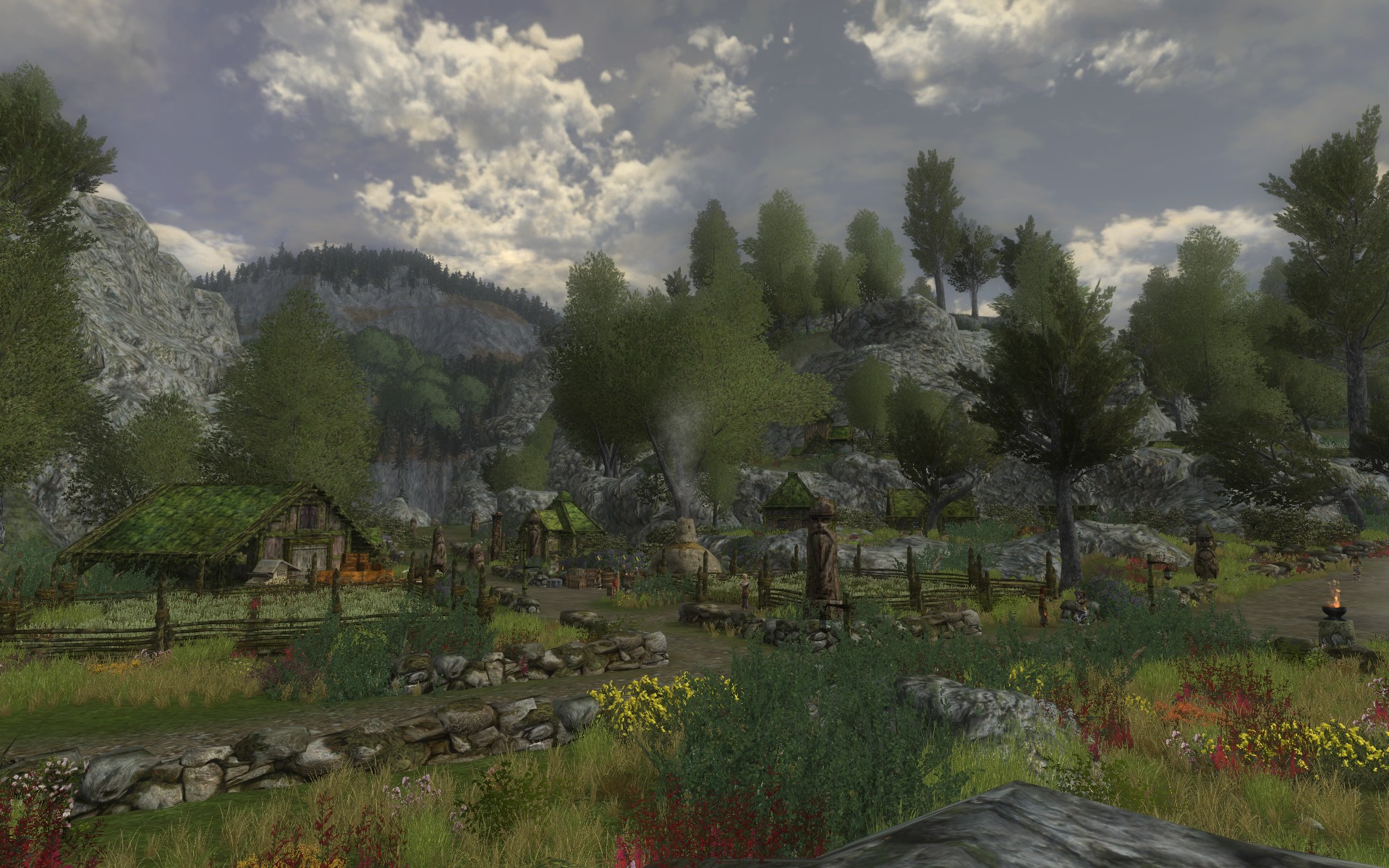
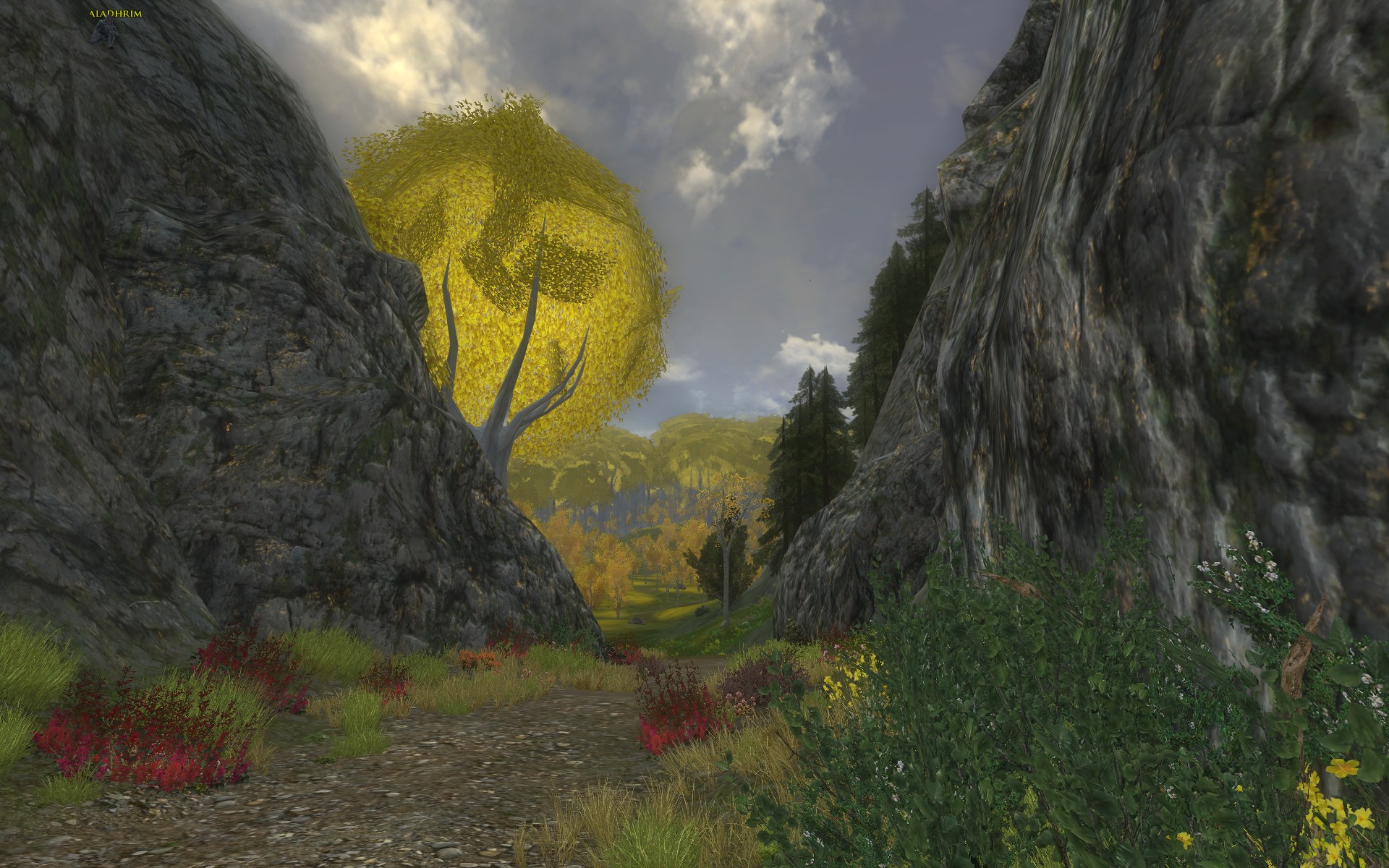
As for the new zone, the Vales of Anduin can be accessed via three existing zones. From the North High Pass in the Misty Mountains, near Goblin Town. Via the Forest Gate in Eryn Lasgalen and from North Eastern Lothlórien, along the shores of the Anduin. The region includes the Beorning Lands (and incorporates Grimbeorn’s house from the Beorning starter zone) the Gladden Fields and Rhosgobel, former residence of Radagast. Other iconic locations are The Carrock, which features an Eagle instead of a stable, which then takes you to Gwaihir’s eyrie on the Western shore. There are further Beorning settlements at Hultvis and Duskenvales. Overall the zone is green and verdant and matches the description of Tolkien’s original text. The Beorning settlements are suitable rustic and mossy, although some of the assets are obviously repurposed elements from Rohan.
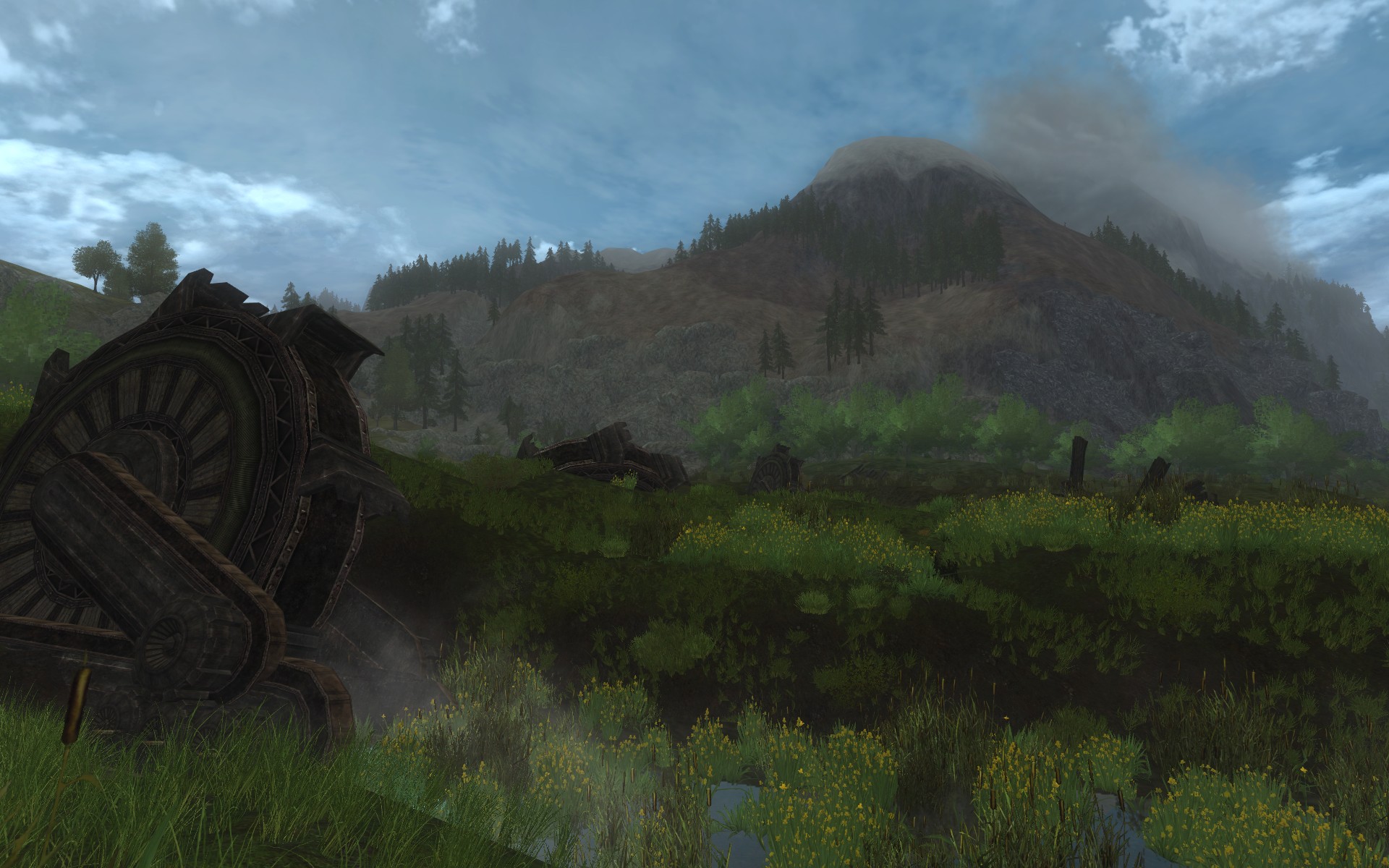
As with previous zones that have lore references from The Hobbit, visiting certain locations will trigger an onscreen passage of text from that book. There are also some interesting embellishments in the Gladden Fields. There seems to be traces of abandoned dredging and mining equipment. There are also some Half Orc Dredgers in the vicinity. I wonder if this is a reference to Saruman’s search for The Ring in the area where Isildur died. It should also be noted that Rhosgobel is overgrown and abandoned, again as referenced in the source text. As ever with new zones, there are several routes that are currently blocked, indicating what may be coming in future content. There’s a road to the East that leads to Middle Mirkwood and a Northerly path that potentially goes to the Upper Anduin and possibly Mount Gundabad.
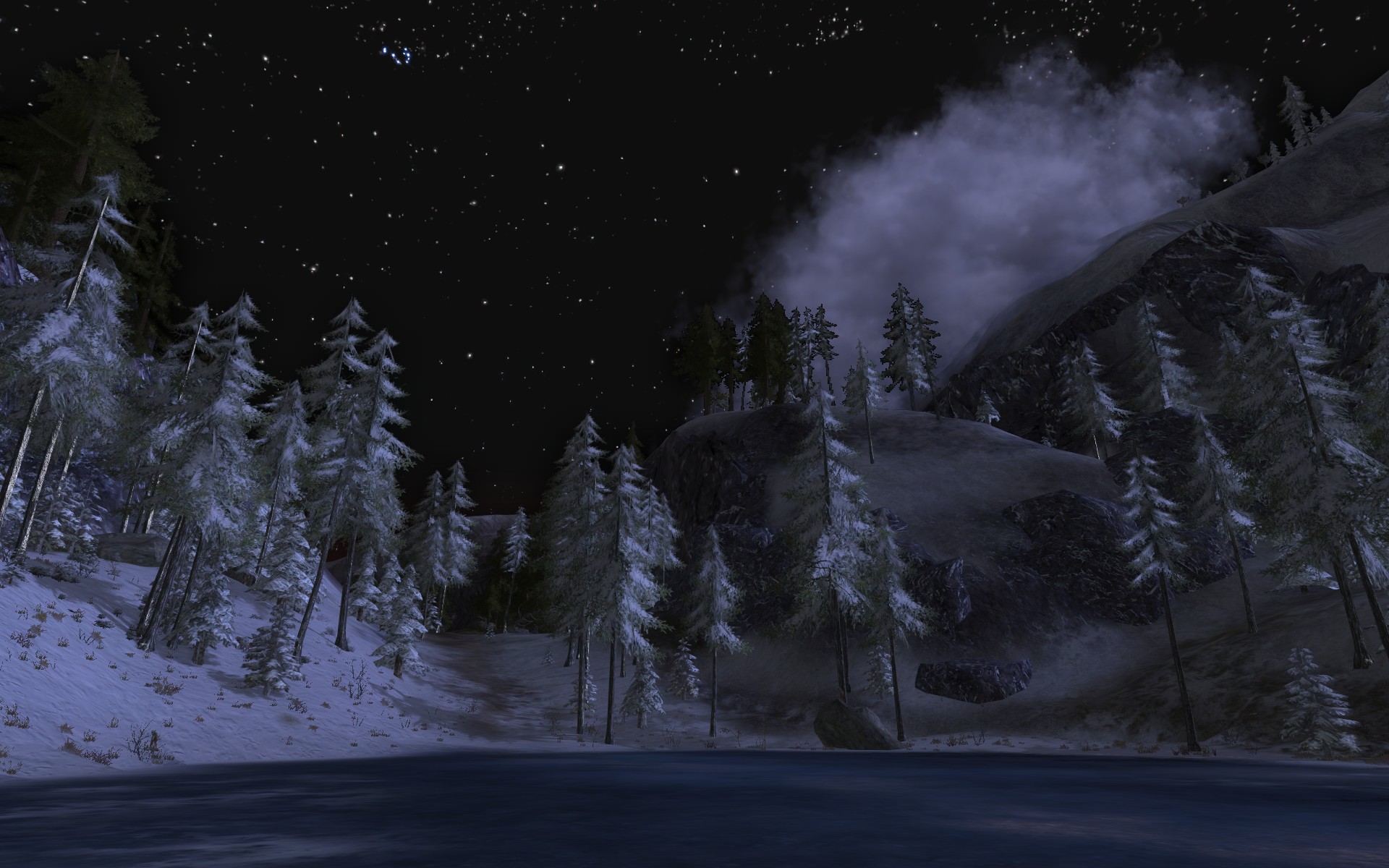
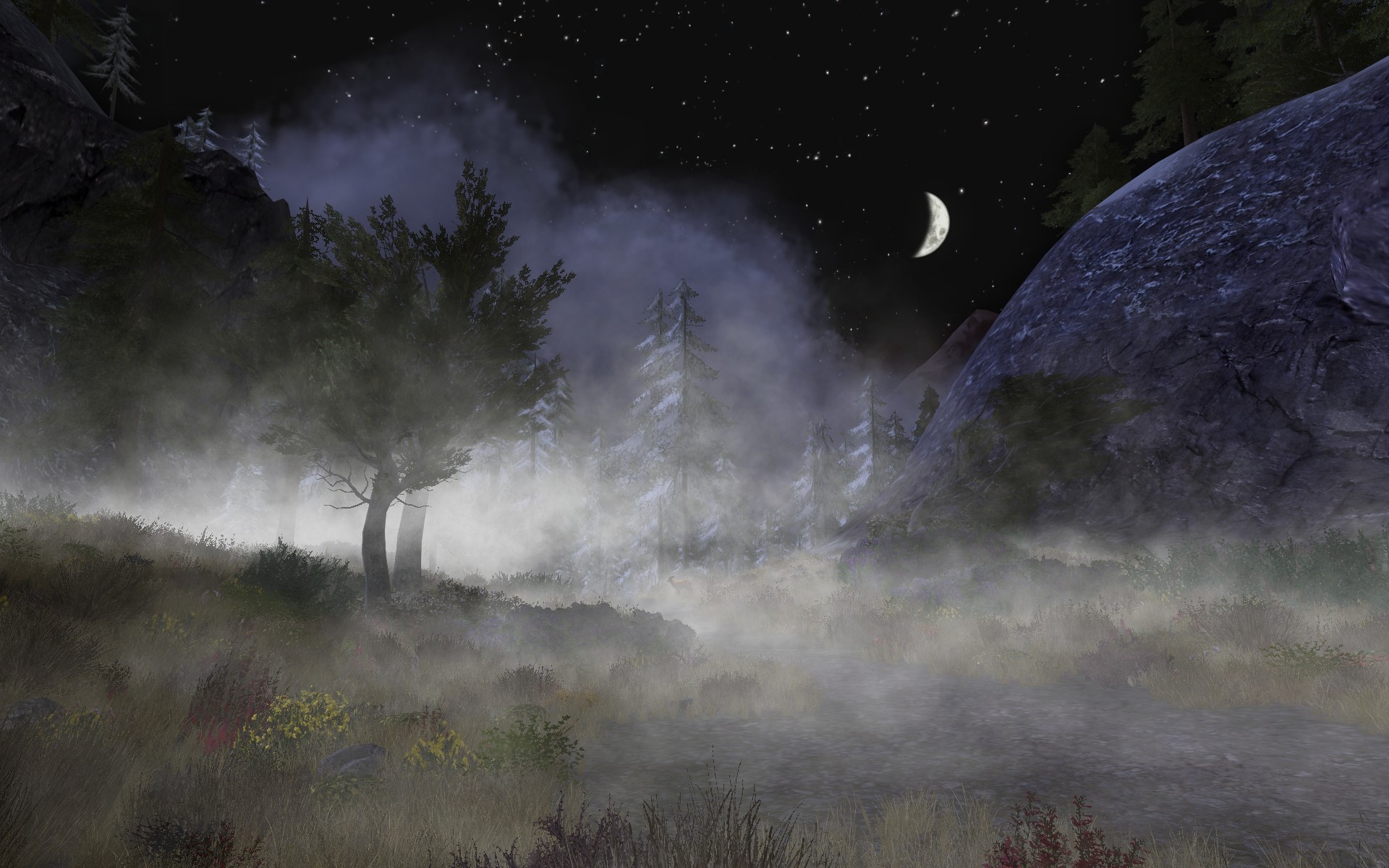
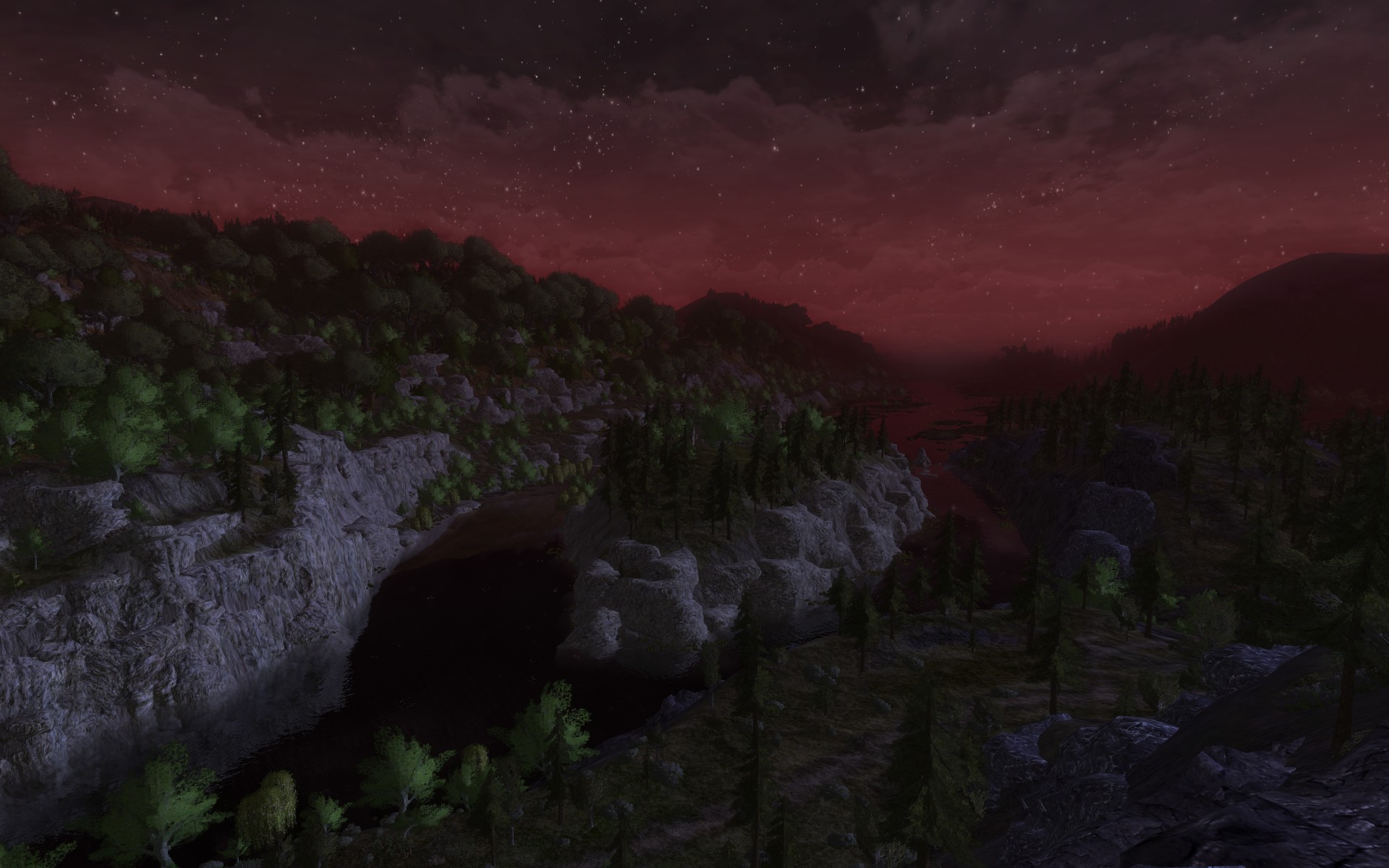
So far, the new zone looks aesthetically pleasing and is relatively light and colourful. There is at present a lot of fog as you travel from the Misty Mountains down into the river valley. As with parts of Western Gondor, much of the zone is contained by high cliffs and other natural obstacles, so despite the initial impression of size, it does feel once again that the player is being funnelled from quest hub to quest hub. However, as long as the Epic Story continues to maintain it’s ongoing high standard, none of these minor criticisms are a deal breaker. The success of the 64-Bit client is perhaps a bigger issue for the LOTRO community. Will it remedy the performance issues that impair the game? Or will it solve one problem but create another. Judging by the current timetable we’ll more than likely no sooner rather than later, as I wouldn’t be surprised if Update 24 is formerly launched by the end of May.
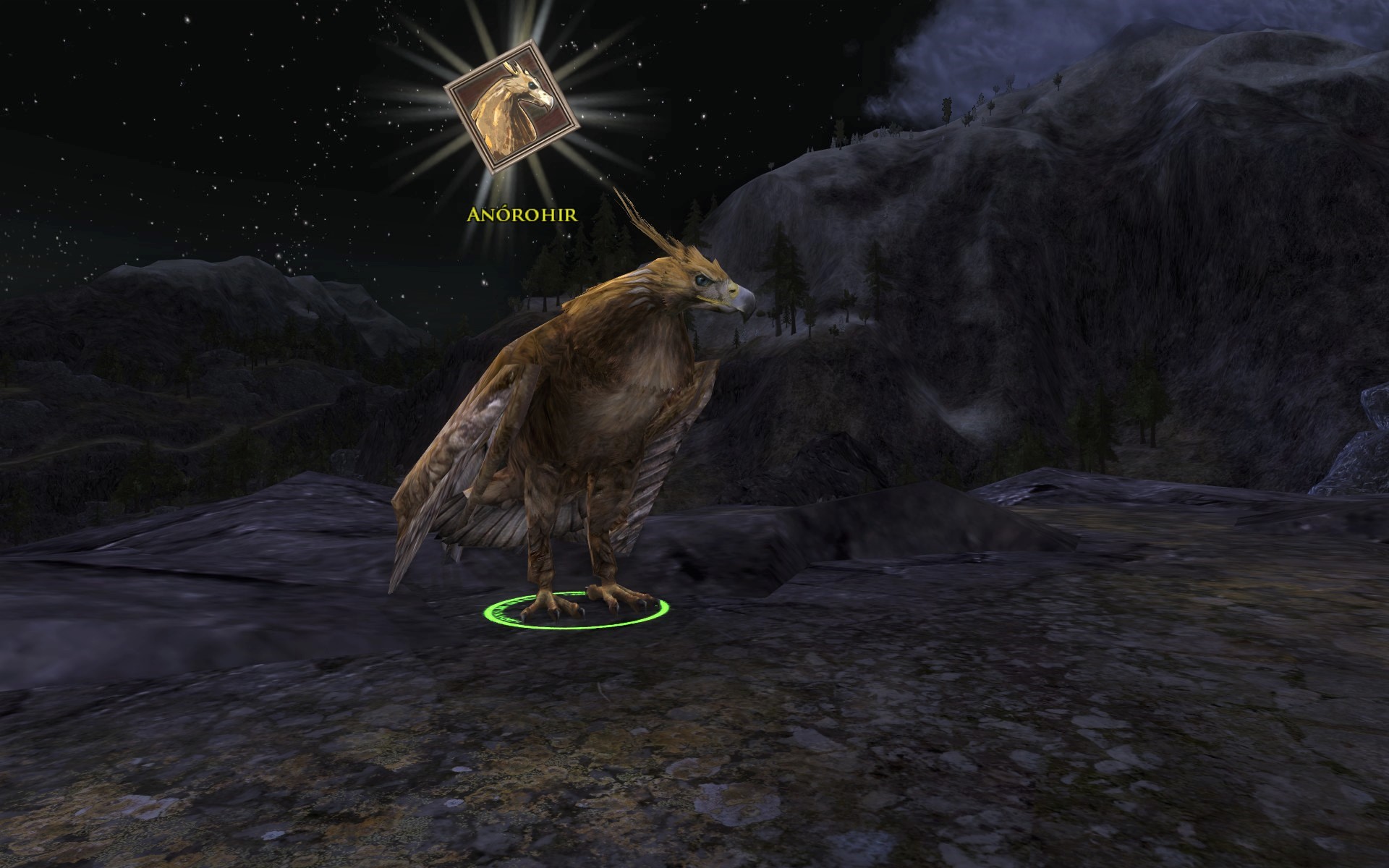
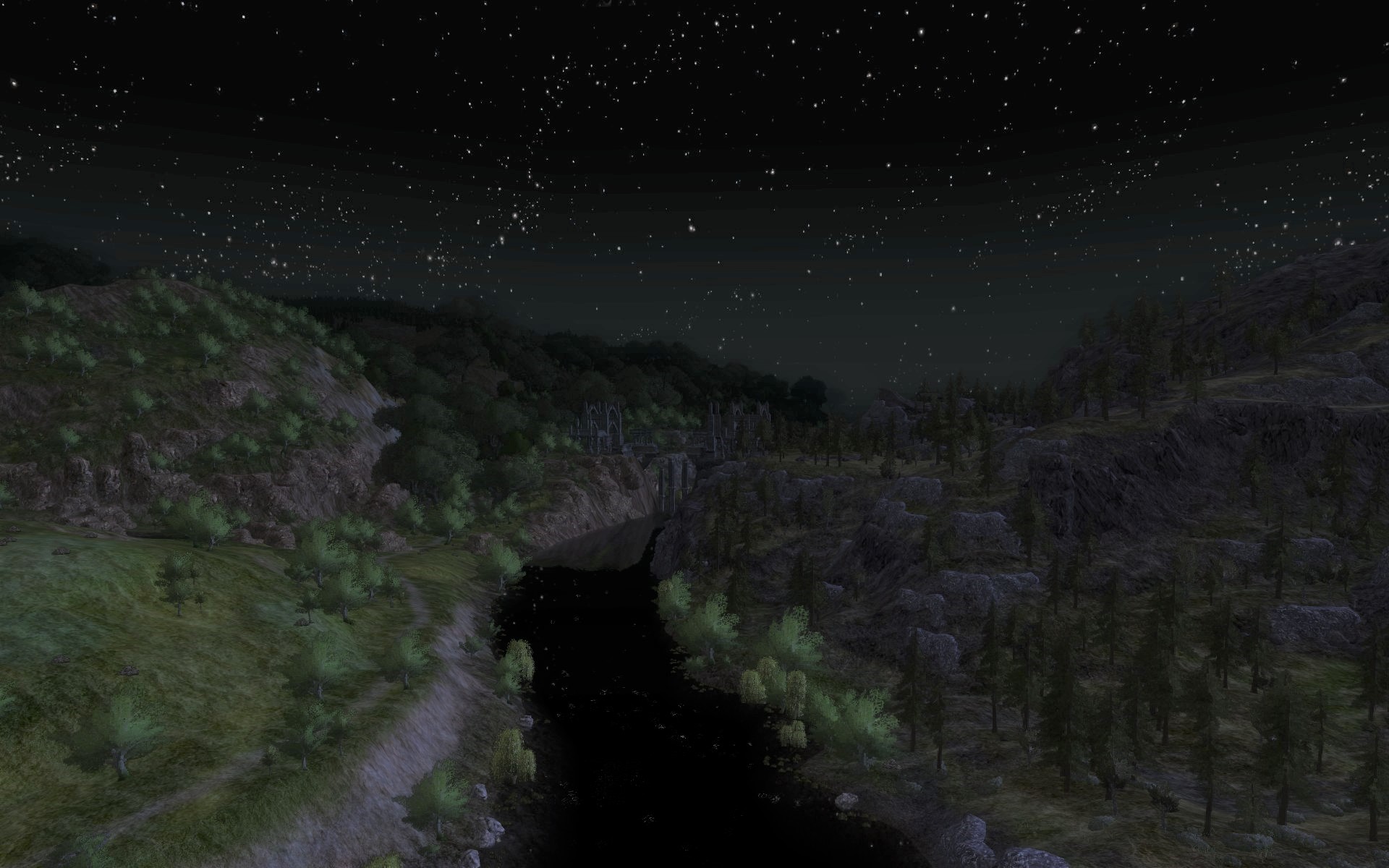
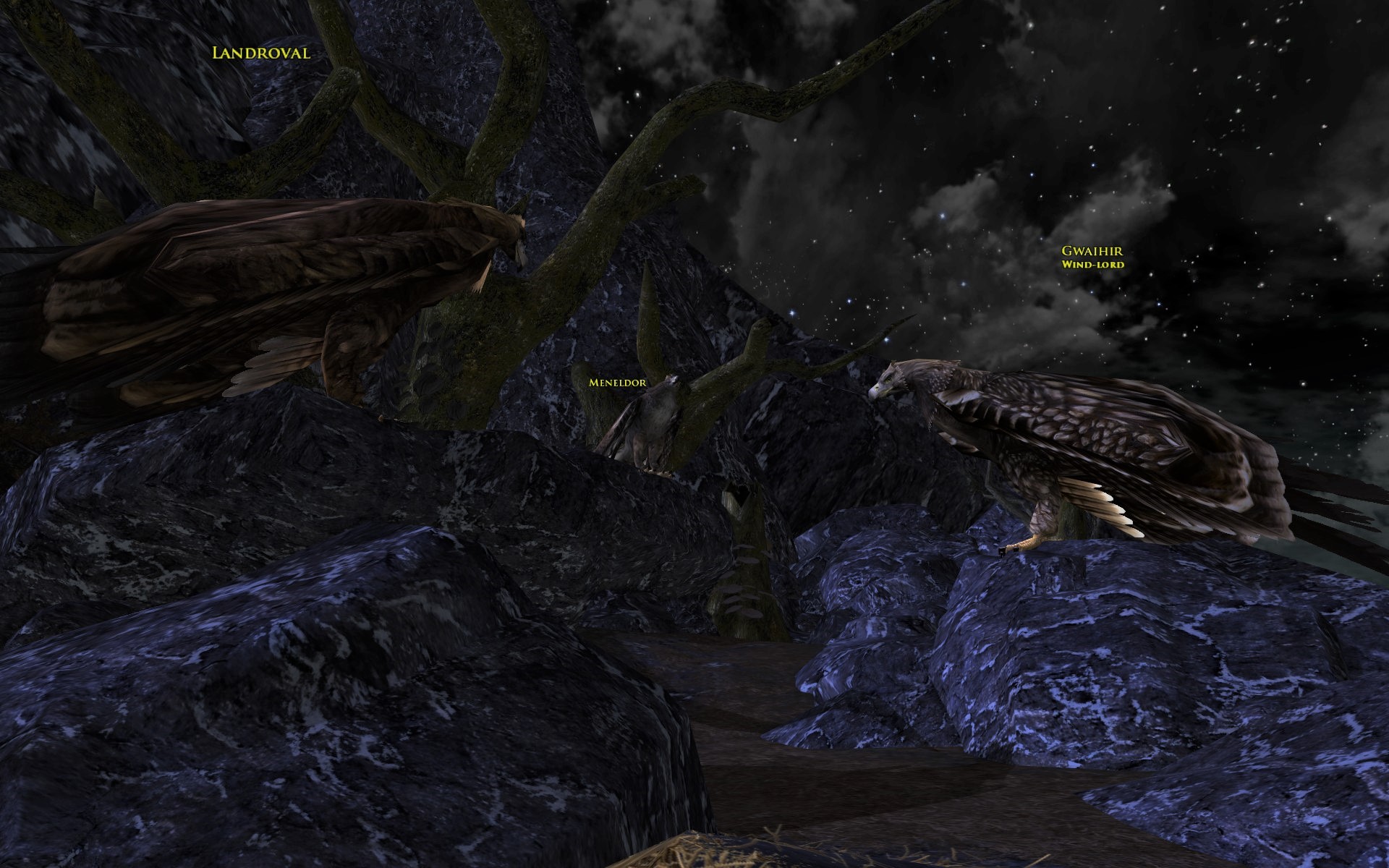
When LOTRO Gets It Right
As I previously mentioned, Dunland is far from the most enthralling region in LOTRO. Aesthetically speaking the zone is quite varied but that is not where the problem lies. The trials and tribulations of the various Dunlending tribes does not make for the most engaging narrative. So in the last few days I’ve been doggedly playing through the Epic Story and a selection of regional quests, so I can simply move my High Elf Guardian forward. However, I subsequently arrived at Nan Curunír and remembered that that I was playing through the third expansion for LOTRO; The Rise of Isengard. And things began to change for the better. Because the game content at this point includes some innovative story lines within an iconic setting and is a clear example of when this MMO gets things right.
As I previously mentioned, Dunland is far from the most enthralling region in LOTRO. Aesthetically speaking the zone is quite varied but that is not where the problem lies. The trials and tribulations of the various Dunlending tribes does not make for the most engaging narrative. So in the last few days I’ve been doggedly playing through the Epic Story and a selection of regional quests, so I can simply move my High Elf Guardian forward. However, I subsequently arrived at Nan Curunír and remembered that that I was playing through the third expansion for LOTRO; The Rise of Isengard. And things began to change for the better. Because the game content at this point includes some innovative story lines within an iconic setting and is a clear example of when this MMO gets things right.
There are limitations as to what a player can do in an MMO, via their avatar. Ultimately it comes down to either combat, interaction through “clicking”, or dialogue trees. Therefore it is incumbent upon a game developer to strive to present these options with a degree of creativity and novelty. Turbine (now Standing Stone Games) managed to achieve this once the Epic Story entered Isengard. Betrayed by the Falcon Clan the player finds themselves a captive of Saruman and is sent to work within the pits below the “ring of stone”. Initially saddled with an overseer who dogs your footsteps, the player is forced to labour in the forges, clean up in the kitchens and then feed the prisoners. There is then further toil on the surface, where “good behaviour” earns you a trustee’s independence.
This is a major shift in the players perspective, and although many of the quests are arbitrary “fetch and carry” related tasks, they work well within the ongoing narrative. There is also an interesting session play, where you see former events from the perspective of Acca, The Steward of Isengard. This shows Gandalf detainment by Saruman and his relationship with Gríma Wormtongue. Overall, the entire storyline set within Isengard is a highlight of this otherwise average expansion. I have always been interested in Saruman’s fall from grace and have sought out additional references to it in the various books published after Tolkien’s death. What were his reasons for turning from his “mission”? Exactly how far did he go in implementing the ring lore he had learned? These are all intriguing questions. Therefore, having this embellishment within LOTRO is a real bonus from my perspective.
LOTRO is a twelve-year-old MMO that was designed and created around the technology and prevailing trends of the time. It has been revamped and retooled several times over the years and now exists as a curious online Chimera. Driven by a much loved and lore rich IP, the game is often arbitrary in its mechanics but every now and then, there are flashes of inspiration that do much to redress the balance. Being a prisoner of Isengard is one such example and I must admit that revisiting this part of the game has done much to improve its standing with me. When LOTRO gets it right it can be more than just another MMORPG. The question remains can Standing Stone Games continue to innovate in this fashion. Will there be future interactive visits to iconic locations and session play that allow us to access classic instances in the history of Middle-earth. I do hope so.
LOTRO: Thoughts on the Current Downtime
As I am writing this post, the popular MMORPG The Lord of the Rings Online has been offline since 2:00 AM EST on 6th March (7:00 AM GMT). The game servers, website and account portal are offline for maintenance and it would appear that the actually physical hardware is being relocated within the datacentre that Standing Stone Games uses. Like any complex IT project of this nature there are always potential problems and it would appear that some have occurred as the initial 22 hours projected down time has now become nearly 3 days. Naturally this has had an impact upon the LOTRO community as Friday evening is often prime gaming time. From SSG’s perspective the extended outage is not good for business or community relations and so they have been using social media to keep players informed.
As I am writing this post, the popular MMORPG The Lord of the Rings Online has been offline since 2:00 AM EST on 6th March (7:00 AM GMT). The game servers, website and account portal are offline for maintenance and it would appear that the actually physical hardware is being relocated within the datacentre that Standing Stone Games uses. Like any complex IT project of this nature there are always potential problems and it would appear that some have occurred as the initial 22 hours projected down time has now become nearly 3 days. Naturally this has had an impact upon the LOTRO community as Friday evening is often prime gaming time. From SSG’s perspective the extended outage is not good for business or community relations and so they have been using social media to keep players informed.
Community manager Cordovan (Jerry Snook) presented a brief live stream earlier tonight to provide a more hands on summary of issues and to endeavour to placate LOTRO players. He re-iterated that the downtime was too facilitate a server move and that there have been hardware issues and other related problems as a result. He also stated that no data had been lost. Third party contractors are involved, and overall trouble shooting is progressing. He stated that the downtime would continue to at 6:00 PM EST (11:00 AM GMT March) and that hopefully by then “there would be good news. Once service has been resumed for both LOTRO and DDO, there would be a more comprehensive statement put out about player compensation, an extension of the skirmish event and general billing enquiries. He couldn’t be specific at present, but he was clear that players would be suitably recompensed as they have been in the past.
“In technical terms, I thinks it’s totally fucked. Let’s blame it on the intern Colin”.
Having worked in the past in such technical environments as datacentres and been involved in projects of similar scope, I am sympathetic towards SSGs plight. No matter how well you plan there is always potential for something to go pear shaped. It’s often something innocuous or an aspect of the project that was deemed trivial and left to the intern Colin to sort out. Frankly there is never a good time to shut a server down. Just a period that is the “least inconvenient”. Clearly in this case the situation has gone beyond this and I ‘m sure there are a lot of folk working very hard to pull the company’s proverbial chestnuts out of the fire. Who knows, maybe this extended downtime has a valuable moral lesson to teach us about something or other. I’m not really sure, as I’m not known for my morality and I’ve just played more Star trek Online instead. However, I am looking forward to seeing LOTRO back online. I’d miss it if it wasn’t about anymore.
Update:
Cordovans deadline has been and gone and sadly the downtime has been further extended. As of 23:25 PM GMT the current speculative end to the outage is 12:00 PM Eastern (5:00 AM GMT) Saturday, March 9th.
Death in MMOs
There was a post today over at Keen and Graev’s Gaming Blog, which raised the subject of “corpse runs” in old school MMOS such as Ultima Online. In-game death came with penalties back then and there was the prospect of XP loss or that your corpse could be looted, and you could potentially lose rare gear. It got me thinking because I’ve never played an MMO that has had, to my mind, such harsh sanctions. In fact game mechanics such as permadeath, corpse runs, and the loss of equipment will put me off playing any such game that has them. I suspect that unless you’re a player who is particularly motivated by achievement, competitiveness and challenge, then such systems are seen mainly as an inconvenience and impediment.
There was a post today over at Keen and Graev’s Gaming Blog, which raised the subject of “corpse runs” in old school MMOS such as Ultima Online. In-game death came with penalties back then and there was the prospect of XP loss or that your corpse could be looted, and you could potentially lose rare gear. It got me thinking because I’ve never played an MMO that has had, to my mind, such harsh sanctions. In fact game mechanics such as permadeath, corpse runs, and the loss of equipment will put me off playing any such game that has them. I suspect that unless you’re a player who is particularly motivated by achievement, competitiveness and challenge, then such systems are seen mainly as an inconvenience and impediment.
Death in MMOs and the function it is supposed to serve, is just another aspect of the genre that has changed over time. The genre is not the same time sink it used to be and an ageing player base has meant that many core mechanics have had to become more flexible and accommodating to shorter periods of gameplay. Many players who played MMOs because of the raiding, competitive PVP and the culture of league tables and results have moved on to other games that still focus on such systems. For me, MMOs are about the narrative, levelling and occasional social gameplay. Death is mainly an inconvenience and not something I wish to have any greater impact than it does already. Gaming is for me a primarily a leisure activity.
In STO, death means just respawning and mainly serves as a warning to change your strategy or to consider revising your build. If you play the TFOs at a higher level, then your ship will get damaged if destroyed, but the cost of repair is hardly prohibitive. In LOTRO defeat is again not a major setback. If you’re playing in a group, then your team mates can revive you and the only cost incurred is your armour repairs. However, reviving yourself is limited to once per 2 hours, which means that if you cannot do so, you must retreat to a Rally Circle. This is a nuisance in the more recent zones as SSG doesn’t seem to be so generous with the quantity of rally circles in the game. Also being kicked from an instance can mean a major journey back to the entrance. ESO has a similar mechanic with either self-resurrection via Soul Gems or retreating to a Wayshrine. However, I found that stockpiling Soul Gems is an easy undertaking, therefore easily mitigating death.
I’ve mention in the past that as games have become more mainstream and more monetised, players have subsequently revised their own perspective on death mechanics. If you aren’t interested in the challenge of planning a carefully considered strategy to avoid death, its presence just becomes a source of annoyance. Especially if you see video games more as a leisure service, rather than means of testing yourself. Being inconvenienced by a mechanic in a game that you are paying for is a difficult line to tread. An incentive that shapes your gameplay is one thing. A penalty that wastes your time is something entirely different. Hence, I think it is something we will continue to see diminished in mainstream MMOs, yet I suspect it will linger as a key component of more challenging games.
LOTRO: A Lesson in Semantics
It’s always nice to know what a video game developer has in mind, especially given the currently volatility of the MMO market. Most of the MMO related news of late has been regarding studio closures and job layoffs. So the arrival of a new Producer’s Letter from Rob Ciccolini (AKA Severlin) is at first glance most welcome. Communication is not exactly Standing Stone Games greatest strength and there hasn’t been a great deal of news filtering down to the player base in the last six months. So this missive is welcome, as it does broadly feature this year’s road map for LOTRO. Furthermore, the details are interesting with further content and systems changes in development. As a long time LOTRO player who purchased the Legacy Bundle in December 2018, I want the MMO to continue grow and evolve.
It’s always nice to know what a video game developer has in mind, especially given the currently volatility of the MMO market. Most of the MMO related news of late has been regarding studio closures and job layoffs. So the arrival of a new Producer’s Letter from Rob Ciccolini (AKA Severlin) is at first glance most welcome. Communication is not exactly Standing Stone Games greatest strength and there hasn’t been a great deal of news filtering down to the player base in the last six months. So this missive is welcome, as it does broadly feature this year’s road map for LOTRO. Furthermore, the details are interesting with further content and systems changes in development. As a long time LOTRO player who purchased the Legacy Bundle in December 2018, I want the MMO to continue grow and evolve.
The list of features under development appear to be appropriate for a ten-year-old MMORPG. Naturally players at level cap want new content and so moving onto the Vale of the Anduin seems to be a logical choice. The unresolved plot regarding Shelob is also going to be addressed, with a return to Minas Morgul. Addressing difficulty issues and adding additional tiers to instances seems an equitable solution to those wanting a harder challenge. Over hauling the virtue system is long over due and it will be nice to see it made relevant again. Although I only dabble with crafting, I appreciate it is a source of enjoyment and challenge for many players. It SSG wish to expand and improve the system that’s fine with me, as it will hopefully mean a lot of new crafted gear appearing in the auction house. The ongoing work on the new 64-bit Windows client is eagerly anticipated, especially if it can address the games performance issues.
However, the Producer’s Letter is just as much as a PR and marketing exercise as it is a formal piece of communication. Therefore the devil is very much in the detail and in this case, the semantics. Consider the following quote. “So, while this does provide a road map for the year, the following letter focuses more on our goals for the game in 2019”. Goals being the key word. Because goals are not the same as formerly announced and mandated business commitments. They are aspirational achievements that can either be met or not. I think that SSG has chosen to use such language deliberately because their plans are dependent on revenue projections, set by their publisher the Daybreak Game Company. A company that is having a somewhat tumultuous time at present. So perhaps it would be wise for LOTRO players to temper their expectation for 2019, as there seems to be a clue in Mr Ciccolini’s words.
Mirkwood, Enedwaith or The Great River?
Due to the nerfed levelling curve of Shadows of Angmar and Mines of Moria, I recently completed the Epic Story up to Volume II, Book 8: Scourge of Khazad-dûm and reached level 64 without any major problems. Hence, I wrote about preparing to play through the Siege of Mirkwood expansion. Content that I haven’t touched since its release in 2009. Well to cut along story short I completed the prologue and travelled over the Anduin to the Malledhrim bridgehead and quickly remembered why I disliked the dark and dingy forest with its densely packed mobs. So I revised my plans and decided to go to Enedwaith as I was the right level to revisit that zone. I was not a big fan of the story, finding the feuds between Dunlending clans and the machinations of Saruman somewhat of a distraction. However, I did like the sub-plot about the Dwarf Nâr at the library at Zudrugund to be more engaging, so I headed South, rather than striking East.
Due to the nerfed levelling curve of Shadows of Angmar and Mines of Moria, I recently completed the Epic Story up to Volume II, Book 8: Scourge of Khazad-dûm and reached level 64 without any major problems. Hence, I wrote about preparing to play through the Siege of Mirkwood expansion. Content that I haven’t touched since its release in 2009. Well to cut along story short I completed the prologue and travelled over the Anduin to the Malledhrim bridgehead and quickly remembered why I disliked the dark and dingy forest with its densely packed mobs. So I revised my plans and decided to go to Enedwaith as I was the right level to revisit that zone. I was not a big fan of the story, finding the feuds between Dunlending clans and the machinations of Saruman somewhat of a distraction. However, I did like the sub-plot about the Dwarf Nâr at the library at Zudrugund to be more engaging, so I headed South, rather than striking East.
Enedwaith is a curious zone, made when the game transitioned to hybrid, free-to-play back in 2010. It looks very different from other regions and the terrain looks less European and more like North America in places. But frankly it makes for a nice break after trekking through Moria. So I started moving through the various quest hubs which are very linear. The XP flowed freely, and I soon gained another three levels. Yet due to my rather orderly approach to life, my subconscious started nagging me for bypassing Mirkwood. I must admit, I also got a little bit frustrated with some of the quests which did that classic LOTRO thing of sending you backward and forwards, continuously between two remote points, on a endless spree of spurious errand. Hence, I decided to move on, but did I go and join the Malledhrim? No, I promptly went to The Great River area, where the initial level 70 content gave out substantial XP.
Naturally, if I had remained playing on the Legendary Server none of this would have been an issue but I stand by my choice to roll a new alt on Laurelin. So as a compromise, I have decided to do some skirmishes (the current event is good motivation for this) and then mop up some outstanding deeds in lower level zones. Hopefully this should get my Guardian up to 70 and then I shall bite the bullet and follow just the Epic Story through Southern Mirkwood. Then it will be time to tackle the journey of the Grey Company through Enedwaith and Dunland. However, I do find this “agony of choice” malaise to be a curious thing. I guess the reason I’ve never encountered it before is because I don’t usually level alts and have previously just played through all content on my primary character, as it was released. The fact that there weren’t options and choices in the past is why I simply blitzed through what was on offer. I also think that it’s preferable for me to stick with content in the order it’s intended, because having played quite intensively since last August, the narrative has made a lot more sense. You notice how minor characters reappear in the story later and tend to have more significance than you think. So to recap, I’m bound for Dol Guldur but reserve the right to contradict myself and change my mind, because gaming is about enjoying yourself.
LOTRO: Ill Omens Skirmish Event
The following was included in last Monday’s LOTRO patch notes (Update 23.3 Release Notes). February 7th brings a new event: “Ill Omens” to Skirmishes throughout the game! Evil stirs in Minas Morgul, and harbingers of the Dead City spread across Middle-earth! Each day, your characters will have the chance to participate in a Skirmish Assault, which will send them to specific sets of existing Skirmishes in search of dangerous new foes. Characters who complete a Skirmish Assault will earn a special currency that can be exchanged for new equipment and cosmetic rewards. As for the most dedicated Skirmishers of Middle-earth, there are several new Deeds and titles to be earned during “Ill Omens”. In addition, characters who complete twelve Skirmish Assaults while the event is active will earn a powerful cap-level statted reward.
The following was included in last Monday’s LOTRO patch notes (Update 23.3 Release Notes). February 7th brings a new event: “Ill Omens” to Skirmishes throughout the game! Evil stirs in Minas Morgul, and harbingers of the Dead City spread across Middle-earth! Each day, your characters will have the chance to participate in a Skirmish Assault, which will send them to specific sets of existing Skirmishes in search of dangerous new foes. Characters who complete a Skirmish Assault will earn a special currency that can be exchanged for new equipment and cosmetic rewards. As for the most dedicated Skirmishers of Middle-earth, there are several new Deeds and titles to be earned during “Ill Omens”. In addition, characters who complete twelve Skirmish Assaults while the event is active will earn a powerful cap-level statted reward.
I finally got around to logging into LOTRO today, as I’m preparing my level 64 Guardian to enter Southern Mirkwood. So, after spending some additional points on my skirmish soldiers to boost their statistics, I decided to try the Ill Omens event. A new NPC, Nedda Pinleaf, has been added to the Southern Bree skirmish camp (as well the ones in the Twenty-first Hall and at Ost Galadh) who bestows both a daily and a meta quest. Effectively you’re required to run four out of five specified skirmishes and defeat the “Harbingers of the Dead” that now appear as an additional encounter. Completing this daily event earns you Tokens of Ill Omens which can be used like any other barter currency in the game. As ever the rewards are mainly cosmetic offering pets, cloaks and housing items. After completing 12 daily events successfully, players are rewarded with an Epic Level Essence of their choice.
I subsequently played through Defence of the Prancing Pony on my Guardian (with Archer Skirmish Soldier) and then Thievery and Mischief on my Lore-master (with Warrior Skirmish Soldier) to determine what (if any) difference adding the “Harbingers of the Dead” has made to these skirmishes. Although it is enjoyable to have an additional enemy included in the proceedings, it doesn’t significantly impact upon the difficulty. So far, the Harbingers that I have fought have been statistically comparable to standard encounter bosses. However, they may still present a challenge to the ill prepared player. Furthermore, it should be noted that for the daily quest to be completed you must undertake the required skirmish at your current level. If you reduce the difficulty level via the Instance Finder, then the quest will not register as completed, despite a successful outcome.
I have always enjoyed the Skirmish system in LOTRO and therefore welcome this event that highlights their presence in the game. Skirmishes are great for social, group gaming but can also provide a quick fix for the solo player who wants to get things done. The cosmetic rewards that the Ill Omens event offers are not that important to me, but I do welcome the opportunity to earn some high-end essences. At the current level cap, tweaking your build with replacement essences can make some interesting differences. Plus running skirmishes earns skirmish marks which are invaluable when levelling alts, due to their account wide availability. My Guardian is currently decked out in level 63 skirmish vendor gear. Plus, I think it is prudent to have regular events in an MMO, to keep players engaged. Being able to set achievable short terms goals is a mainstay of my approach to gaming
Screenshots
There is a strong social element to video games, regardless of the genre. Gamers like to share their thoughts and opinions with others via forums, blogs and videos because of their common interest. So, it is hardly surprising that video game enthusiasts like to take screenshots and preserve a record of their activities. Subsequently, the ability to capture an image from a game has now become an integral aspect of gaming culture and many titles now have a dedicated screenshot facility. This may range from a simple screenshot key to a comprehensive photo mode in which you can pause the game and pan the camera around the game environment. It’s a far cry from two decades ago when players would often have to rely on bespoke third-party programs such as FRAPS to take screenshots, or simply use the PrtScn button and then paste the image into a photo editor.
There is a strong social element to video games, regardless of the genre. Gamers like to share their thoughts and opinions with others via forums, blogs and videos because of their common interest. So, it is hardly surprising that video game enthusiasts like to take screenshots and preserve a record of their activities. Subsequently, the ability to capture an image from a game has now become an integral aspect of gaming culture and many titles now have a dedicated screenshot facility. This may range from a simple screenshot key to a comprehensive photo mode in which you can pause the game and pan the camera around the game environment. It’s a far cry from two decades ago when players would often have to rely on bespoke third-party programs such as FRAPS to take screenshots, or simply use the PrtScn button and then paste the image into a photo editor.
The MMO genre, with their rich persistent worlds, lends itself greatly to screenshots. Often the environments and the graphical design is reason enough to capture images. I have done this often in games such as LOTRO and STO and have folders filled with pictures of landscapes, vistas or battles. Screen captures also provide a convenient means to document achievements and social activities. Players will often take a group picture after a successful raid or at in-game events such as festivals. The convenience of this system also makes it ideal for collating data regarding builds and equipment. Taking a screenshot of your skills tree and how you’ve spent your points is so much easier than meticulously transcribing the details. And as game preservation and history becomes a more important subject, images taken over a period of years can be invaluable in documenting change. I have several hundred LOTRO screenshots taken over a period of nine years. Many show features and systems that have been altered or replaced.
There are specific aspects that contribute to a good screenshot. Like photography, these are based in composition, lighting and creativity. Furthermore, such images can be enhanced using standard photo editing software. Tweaking the brightness or contrast can make a difference and improve the overall presentation. However, in recent years, some games have gone a stage further and introduced a far more comprehensive photo mode that does more than just capture what is initially apparent. I first encountered this facility in Middle-earth: Shadow of Mordor. The player can pause the game at any time during proceedings, and then move the “camera” around the environment to either see the subject form an alternative angle, or as a means to explore aspects of the world not immediately clear. Different elements can be made the focus, while others reduced in clarity. The game UI can be removed, and the finished image framed with specific borders if chosen. There is a similar functionality in Assassin’s Creed: Odyssey and it produces some compelling screenshots.
However, there can be some problems associated with taking screenshots. Some contemporary triple A games have started using anti-tamper software that blocks third party apps such as FRAPS. I have experienced this with such titles as Star Wars: Battlefront II and Ghost Recon: Wildlands. One solution is to take a screen capture using the in-game overlay that is built into the client launcher, such as Origins or Uplay. The down side to this is that you have to customise settings of each launcher if you want to use a standard screen capture key. Alternatively, if you have a Nvidia graphics card then GeForce Experience software offers a universal screenshot facility. This not only works for games but can capture images from your desktop as well as videos played via VLC Player or similar software. But regardless of the technicalities as to how you take your screenshots, ultimately, they are a distillation of all the reasons why we game. Like conventional photographs they are a means of capturing a moment for posterity, that can later be shared and reflected upon.
LOTRO: Taking Stock of Progress
On Tuesday 27th November 2018, I created a new High Elf Guardian on Laurelin server. To date I have spent 122 hours 46 minutes 32 seconds on this character and have currently reached level 60, exactly halfway through current level cap of 120 in LOTRO. It has been a busy but very enjoyable two months. Overall the experience has revitalised my interest in LOTRO and the MMO genre. I have written several blog posts recently, highlighting the changes that have been made to the base game and first expansion over the years. Let it suffice to say that both Shadows of Angmar and Mines of Moria now offer a fast path through the games main content. My current levelling experience has been radically different to that I had when I started playing LOTRO back in 2008 and 2009. I believe it took me then nine months to reach the level cap of 60 on my primary alt. I achieved this just prior to the release of Siege of Mirkwood in September 2009.
On Tuesday 27th November 2018, I created a new High Elf Guardian on Laurelin server. To date I have spent 122 hours 46 minutes 32 seconds on this character and have currently reached level 60, exactly halfway through current level cap of 120 in LOTRO. It has been a busy but very enjoyable two months. Overall the experience has revitalised my interest in LOTRO and the MMO genre. I have written several blog posts recently, highlighting the changes that have been made to the base game and first expansion over the years. Let it suffice to say that both Shadows of Angmar and Mines of Moria now offer a fast path through the games main content. My current levelling experience has been radically different to that I had when I started playing LOTRO back in 2008 and 2009. I believe it took me then nine months to reach the level cap of 60 on my primary alt. I achieved this just prior to the release of Siege of Mirkwood in September 2009.
I am currently working through the Mines of Moria Epic Story but have already been given the prologue quests for the Siege of Mirkwood. At present I am taking stock of my progress through the game and planning ahead. I may take time to focus on deeds to increase my virtue traits and to ensure I’ve unlocked all my racial skills. I am also managing the Legendary Item system without actually using the weapons. As I progress through the game, I intend to level several LIs and then deconstruct them, thus ensuring that when I reach level 100, I can craft a First Age Guardians sword and belt and add the legacies that I want. Once this is done, I shall make use of the imbuing mechanic and then effectively forget about my Legendary Weapons apart from occasional upgrades. Having access to the account wide barter wallet has also allowed me to equip superior gear. I purchased The Shield Bearer’s Armour Set, early this week using Medallions of Moria I had earned nine years ago on my Lore-master. I intend to ensure my character is a robust as possible before travelling to Southern Mirkwood.
After doing some research it would appear that the Siege of Mirkwood has remained unaltered since its release. Therefore, there is going to be a noticeable change in level progression as I play through the PVE content. The mob density is high and the XP from quests is more than likely not going to be as generous as it has been up until now. I therefore wish to ensure that my character is as robust as they can be when entering this zone. If memory serves, I believe that Mirkwood was also the first expansion that made key quests and instances solo friendly. One of the most noticeable differences I’ve found with Shadows of Angmar and Mines of Moria since I first played through them, is how the need to group has been sidelined. It’s still there as an option but it’s no longer the only way to progress. I completed The Drowned Treasury instance this week and could happily solo my way through it, due to the “inspiration buff” and my over powered build. It was quite a contrast to my first play through in 2009, where I was assisted by my kinship. Back then, even with six experienced players, it proved quite a challenge.
The two aspects that made LOTRO special for me back when I first started playing, where the social dynamic and the underlying narrative. This was my first MMORPG and I was at a point in my life where I could accommodate the grouping requirement. Hence, I really enjoyed doing instances and activities with a close group of friends. Second time around and nearly a decade later this social imperative is no longer a necessity. I’d argue that actually finding another five people to join a fellowship to tackle an instance such as The Drowned Treasury would be a “big ask”. However, the story is still there, and it has been very rewarding to experience it a second time round and savour it’s details as well as the way so much of it dovetails into the existing canon. So, as I embark upon the next stage of my ongoing LOTRO journey, there is still much to look forward to. However, it is fair to say that although the experience will more than likely be fun, it will be subtly different this time round. Because time changes things. Both MMOs and people
LOTRO: The Downside to Fast Levelling
NB. This post is a direct continuation of previous one, posted on 2nd January. As I’ve stated many times before in prior posts, there is a tangible sense of reward to be found in levelling in an MMORPG. Gaining experience and progressing from one level to another, inching further to the in-game cap, is a clear and uncomplicated goal. It’s far from a complex process. You play through content, gain loot and XP and then after a while, “ding”, you hit the next level and revel in a sense of achievement. There are naturally other goals to pursue that are more difficult to achieve, such as gaining a specific set of raid armour or obtaining maximum rep with all factions. But for many players, simply progressing by level per day (or some permutation thereof) is sufficient to keep them happy and make them feel that they are making headway within a specific game. And at present, this is exactly the approach that I take with LOTRO when playing on my new Guardian. Last night I reached level 57, while questing in Nanduhirion.
NB. This post is a direct continuation of previous one, posted on 2nd January. As I’ve stated many times before in prior posts, there is a tangible sense of reward to be found in levelling in an MMORPG. Gaining experience and progressing from one level to another, inching further to the in-game cap, is a clear and uncomplicated goal. It’s far from a complex process. You play through content, gain loot and XP and then after a while, “ding”, you hit the next level and revel in a sense of achievement. There are naturally other goals to pursue that are more difficult to achieve, such as gaining a specific set of raid armour or obtaining maximum rep with all factions. But for many players, simply progressing by level per day (or some permutation thereof) is sufficient to keep them happy and make them feel that they are making headway within a specific game. And at present, this is exactly the approach that I take with LOTRO when playing on my new Guardian. Last night I reached level 57, while questing in Nanduhirion.
Due to the drastically nerfed levelling curve and major revamp of both Shadows of Angmar and Mines of Moria, LOTRO players can fast path through a lot of the classic content if they see fit. Hence, I have focused mainly on the Epic Story and have subsequently powered through Moria to Dimrill Dale. Along the way, the legendary Item system has become available to me and I recently began levelling my second LI one-handed sword (Level 57). Now to cut along story short, the LI system is excessively complex and time consuming as well as being further hindered by different tiers of weapons. This makes any LI under level 100 somewhat redundant as they have a finite lifespan. Furthermore, some of the regular weapons I’m receiving as quest rewards have superior specifications that those on the LI I’m currently levelling. Therefore, until my Guardian hits level 100, I am levelling LI weapons but not equipping them. I will continue to use the Guardian’s Belt LI as there is no alternative to this. However, my approach pretty much sidelines the LI system for the meantime, making it a minor source of adjustment rather than a major game focus.
I’ve also noted that for a while now, low tier essences have dropped from time to time when playing through PVE content. However, I have not seen any quest rewards that offer socketed armour, nor has any randomly dropped. According to the LOTRO-Wiki the essence system becomes available at level 50, yet I have not seen any obvious means of using it at present. For the meantime I am finding a lot of the gear offered by quests to be more than satisfactory and as I have access to shared resources via the barter wallet, I can purchase specific sets from class vendors if I wish. Prior to entering Moria I purchased the High-protector's Armour (Item Level 50) from the Guardian Trainer in Rivendell. I have swapped out a few pieces but have retained four to maintain the set bonus. Again, I find that an aspect of the game that use to require some care and attention before making a choice has now been trivialised due to the wealth of options and shear volume of good quality quest rewards.
It is also worth noting that my brief flirtation with crafting has now ground to a halt. Unlocking the various tiers of the Metalsmith profession is far from difficult but the problem lies with the items required for critical success when crafting. For example, you don’t often find multiple copies of the Supreme Metalsmith's Journal available on Auction House. You therefore have to either pursue the Scholar profession on another alt or look towards your kinship for assistance. However, as both these options appear to fly in the face of the breakneck speed of progression through the game, you can simply opt not to craft and suffer no major inconvenience. And that sentiment is one that seems to prevail in the current iteration of LOTRO. It may well change when players reach Southern Mirkwood, as that area has not been revamped to my knowledge. But certainly, up until level 60 the levelling curve continues to marginalise certain game systems. It’s a shame in a way because all of these aspects of the game will play a key role at higher levels and many players will find that they may have some catching up to do at some point. Myself included. However, as I treat the MMO genre as a “live in the moment” experience, I’ll worry about such problems as and when they become apparent.
Are You a LOTRO Hoarder?
I was clearing out my vault the other day in LOTRO when I found Erebrandir's Horseshoe. This annoying item was the source of numerous theories back in September 2010 when it became available in Volume 3, Book 2 - Chapter 4: Riding South. Designed to be a “novelty” quest reward the horseshow was supposed to bring luck and many LOTRO players drove themselves crazy trying to ascertain its exact benefits. I just simply filed it in my vault at the time and haven’t given it a second thought until I came across it while doing some housekeeping. I found a lot of other crap that I’ve subsequently learned is of no value (the LOTRO Wiki is your friend) and this has got me thinking about the whole concept of hoarding loot. Because LOTRO is an old school MMORPG and very much a product of its time, the game offers a multitude of loot for players to stockpile and fret and fuss over at every opportunity. But is all of it necessary?
I was clearing out my vault the other day in LOTRO when I found Erebrandir's Horseshoe. This annoying item was the source of numerous theories back in September 2010 when it became available in Volume 3, Book 2 - Chapter 4: Riding South. Designed to be a “novelty” quest reward the horseshow was supposed to bring luck and many LOTRO players drove themselves crazy trying to ascertain its exact benefits. I just simply filed it in my vault at the time and haven’t given it a second thought until I came across it while doing some housekeeping. I found a lot of other crap that I’ve subsequently learned is of no value (the LOTRO Wiki is your friend) and this has got me thinking about the whole concept of hoarding loot. Because LOTRO is an old school MMORPG and very much a product of its time, the game offers a multitude of loot for players to stockpile and fret and fuss over at every opportunity. But is all of it necessary?
I think it’s fair to say that when you play an MMO, you bring a great deal of your own personality traits to the game. It certainly plays a part when choosing the class for your primary character. And then there’s naming your character. Depending on your mindset you may choose something based on lore or you may pick something humorous. The entire process of creating an alt and customising each aspect of it, is our way of expressing ourselves. So, bearing this faux psychology in mind, I think it’s logical to assume that your approach to storage and the management of loot is also determined by your personality. Now I take a very spartan approach to possessions and personal bric-a-brac in my personal life. I like order. I do not like clutter and excess baggage. Everything has a place. I subsequently bring that mindset to the LOTRO and other games that I play.
Therefore, if there is no immediate need or obvious use for something I have looted or been rewarded, then it gets sold ASAP. I am not the sort of player that keeps multiple armour and jewellery sets for specific instances. Therefore, as soon as I’ve acquired an item that is demonstrably better than what I currently have, the old one is replaced and either sold or deconstructed. Until recently I have not really crafted much in the game. Now I do stockpile hides, ore and wood but this is often spread around three alts or left in shared storage. However, this overall approach has been at times a double-edged sword. Frequently, I have seen players with items that have impressed me (I like to inspect those around me in MMOs). On enquiring where they obtained them, I have sometime discovered that they are standard drops from quests that I have already completed, and I therefore must have simply sold the items in my haste.
Of course, I know (as I'm sure we all do) many players who are the polar opposite to me. There are numerous LOTRO aficionados who have purchased every additional storage slot available and who own multiple houses simply for the chests. Then there's the use of the shared storage, the mail and even the auction house as a means of providing a convenient overflow system. I’m amazed at how often kin mates and friends complain about their bags being full. It usually turns out that they only had half of the space available to begin with, because the rest was being used as temporary storage for an alt. I even know a few dedicated players who have so many alts and so many saved resources, that they track it all by spreadsheet. Each to their own but this utterly horrifies me. It seems like far too much of a chore. I as you may guess, I like to travel light, with just a few potions and items of food in my bags. I do however have a “Visiting Banker” in my premium house, which provides convenient access to my Vault, Shared Vault and Wardrobe. This lootbox item has proven invaluable.
For the new player, LOTRO by default offers only limited storage and I have found many a thread on the official LOTRO forums about how frustrating some people find the initial storage limitations. Cautious players will also fall foul of “what if” syndrome and can end up holding onto many items based upon an assumed future need and a reticence to potentially hobble oneself. Certainly, for a while back in 2010, the Erebrandir's Horseshoe further increased this mindset, due to the items enigmatic purpose. However, time and a more streamlined development team has meant that such whimsy has not been perpetuated in the game. However, the potential to be a “pack rat” still exists in LOTRO due to the nature of the level and gear progression. It’s never likely to go away. However, part of the appeal of LOTRO is that you can play the game very much on your own terms and not suffer greatly as a consequence, despite what you may think. Hence you can hoard as much as you want or favour a leaner outlook. The only question you really need to ask is what play style suits you the best.
LOTRO: Out Levelling Content
As I fast approach level 50 with my recently created High Elf Guardian, I’m surprised by how much content I have bypassed in LOTRO. Levelling on Laurelin server nowadays is a radically different process to what it was on Gilrain, a decade ago. I am not an altoholic by nature, so levelling new characters is a recent development for me. For the bulk of the 10 years that I’ve played the MMORPG LOTRO, I have focused on my Lore-master, which was the first character I created when I started playing. Levelling back in 2008 was a very precise process and there was a very clear route throughout the zones contained within the Shadow of Angmar. Hence, I followed the epic story from region to region, supplementing this progression with XP from local quest hubs. These would also further embellish the narrative and clarify the Epic Story. However, now I find myself out levelling a zone quickly and jumping around locations to find quests that provide the greatest XP return. A new player following suite would certainly find the story arc much harder to keep up with.
As I fast approach level 50 with my recently created High Elf Guardian, I’m surprised by how much content I have bypassed in LOTRO. Levelling on Laurelin server nowadays is a radically different process to what it was on Gilrain, a decade ago. I am not an altoholic by nature, so levelling new characters is a recent development for me. For the bulk of the 10 years that I’ve played the MMORPG LOTRO, I have focused on my Lore-master, which was the first character I created when I started playing. Levelling back in 2008 was a very precise process and there was a very clear route throughout the zones contained within the Shadow of Angmar. Hence, I followed the epic story from region to region, supplementing this progression with XP from local quest hubs. These would also further embellish the narrative and clarify the Epic Story. However, now I find myself out levelling a zone quickly and jumping around locations to find quests that provide the greatest XP return. A new player following suite would certainly find the story arc much harder to keep up with.
The problem lies (if indeed you see it at such) in the fact that all the regions contained within the original game, prior to entering Moria, have been streamlined and revamped several times. This was done initially in 2010 to accommodate the F2P conversion and then again in the proceeding years to deal with the games numerous level cap increases. It has left the Epic Story somewhat fragmented, as you can now start multiple books simultaneously. Due to some nominal story changes, some of the dialogue and cutscenes no longer accurately reflect that plot. For example, the level five instance “The Assault on Archet” originally featured the Angmarim Commander Éogan arriving in the burning town to claim Amdir. However, revisions made to the introduction quest line have replaced him with a more sinister Cargûl and Calder Cob. Yet the cutscene that plays at the end of this sequence of quests still feature Éogan. He is also referenced by several NPC during the game, despite not being particularly prominent. Thus, when Éogan features in the later instance “Unravelling the Thread”, there is potential for confusion as to his role in the story.
The other issue that stems from the streamlining of content in the Shadow of Angmar story, is that many of the game’s deeds will remain uncompleted unless the player actively chooses to pursue them. In the original version of the game, the structured progression from zone to zone meant that slayer, exploration and race deeds would slowly be completed as you cleared all local quest related content. The XP increase that has ensued in the intervening decade now means that a player will move on to a new region before completing these secondary activities. Faction reputation also suffers and will remain incomplete unless a player determines to repeat content, even when it becomes below their current level. Also, hastily moving through content and focusing on progression, can deny players the opportunity to fully experience the subtleties and detail of each area. LOTRO is a game where it still merits “stopping to smell the Roses” from time-to-time.
However, it should be noted that for some LOTRO players, the new streamline path through the first 50 levels of the MMO, is optimised perfectly for their play style. Not everyone is especially fussed about the narrative or being a completist. Deeds are a lot easier to clear when you return to them at a higher level. Plus, some players simply enjoy the game the most as they level, as it provides a clear goal. It can also be argued that if players wants a slower levelling experience, then the Legendary Servers provide that service. Some more invested LOTRO players have created detailed levelling guides that can steer alts through optimal progression paths, that also accommodate deeds and reputation. If you don’t care such organised gameplay, then there are the other options to consider such as simply staying in a zone and completing everything available or buying the Stone of the Tortoise from the LOTRO store. This item effectively disables all quest and monster kill XP. All things considered, whether you see out levelling content as a boon or a bane, it is a matter born of the longevity of LOTRO. Perhaps it is a small price to pay as the MMO enter its twelve year.
The LOTRO Legacy Bundle
I wrote recently about how I wished that lifetime subscriptions were still available for the MMORPG, The Lord of the Rings Online. I explored the value of such deals and concluded that the ongoing revival of the game, especially with regard to the launch of the progression Legendary Servers, presented the developers with the perfect opportunity to offer something similar to new players. Oddly enough, Standing Stone Games have just announced the LOTRO Legacy Bundle, which although not a lifetime subscription, offers a substantial quantity of game content and bonuses at a substantially discounted price. Here is a breakdown of what is on offer.
I wrote recently about how I wished that lifetime subscriptions were still available for the MMORPG, The Lord of the Rings Online. I explored the value of such deals and concluded that the ongoing revival of the game, especially with regard to the launch of the progression Legendary Servers, presented the developers with the perfect opportunity to offer something similar to new players. Oddly enough, Standing Stone Games have just announced the LOTRO Legacy Bundle, which although not a lifetime subscription, offers a substantial quantity of game content and bonuses at a substantially discounted price. Here is a breakdown of what is on offer.
One Year of VIP Access Time
Get all the perks of being a VIP like 500 LOTRO points every month, mobile mailbox access, all character trait slots, and no 5g currency cap!
All The Content For One Great Price
Get Quests, Instances, Raids, Deeds, and Regions that LOTRO has released as of December 31st, 2018, even quests from Expansions!
*Excludes expansion pre-order or bonus items, includes only Quests, Instances, Raids, Deeds.
A Gift For All Your Characters, Forever!
Get a Crystal of Remembrance for every character on your account! You'll also get a Crystal of Remembrance on every additional character you create on your account going forward.
Bonus Items
You'll also get one Legacy Package for the character of your choice. It includes tons of bonus items to help you through your adventures and enough housing writs to buy your own premium house with no upkeep fees! Upon redemption of your Legacy Bundle code, you will immediately receive your bonus items on the character you log in on.
Your Legacy Package (one per account) Includes:
250 Mithril Coins
Wallet
Riding Skill
5 vitality stat tome pickers
10 skill and slayer deed boosts
10 Reputation supply
A Fleet-Footed Goat
A Mount Picker (Steed of the White City, Steed of the Citadel Guard, Forest Elk, Snow-Beast Steed)
A Housing kit which includes:
20 Housing Writs
Bird Bath
Hedgehog House
Premium Ingredients Crates
Fish Pond
ALL House Crafting Items
Sleeping Cat
Bevy of Swans Ice Sculpture
Makeshift Mûmak
Hound Property Guard
Gondorian Supplier Horn
Quest Packs Include:
Mines of Moria* Quest Pack
Mirkwood* Quest Pack
Rise of Isengaurd* Quest Pack
Riders of Rohan* Quest Pack
Helm's Deep* Quest Pack
Mordor* Quest Pack
Eregion
Enedwaith
Angmar
Evendim
Forochel
Misty Mountains
Trollshaws
North Downs
Lothlorien
Great River
Wildermore
East Gondor
Central Gondor
West Gondor
Old Anórien
Far Anórien
March of the King
Battle of the Black Gate
Legacy of the Necromancer
Where Dragons Dwell
For further details visit https://www.lotro.com/en/LegacyBundle
Now it is abundantly clear that this is an offer that favours the new or returning player. If you already have a lifetime subscription, then this bundle doesn’t offer you much more than the LOTRO store extras. Lifetime subscribers already have permanent VIP status, and thus an indefinite monthly stipend of 500 LOTRO points, as well as continuous access to non-expansion quests. However, this bundle is good value to those who subscribe intermittently to the game and haven’t bought any of the expansion packs. For a player who has rolled a new alt, either on the Legendary Servers or any of the regular servers, this offers access to everything that exists in the game at present. Furthermore, after a year when the VIP subscription expires, all quest content will remains unlocked.
For a long-term player like myself, who has bought all previous expansions, this bundle is also quite enticing. I currently subscribe monthly to LOTRO at a cost of £8.99 per month. That’s £107.88 per year. I pay monthly because it suits me financially and allows me to stop paying when I’m not playing. I recently started a new alt that I intend to take to level cap. Hence the additional store items included in the bundle are eminently practical. The total price of $199, works out as £157 (rounded up). That covers my years subscription (at the price I would have paid for it) along with £50 worth of store goods, which I suspect would cost more than that if I bought them separately. Again, if I stop playing for a while and return at a later date when my VIP status has expired, I will not be locked out of any quest content, apart from material that is added after December 31st 2018.
Naturally one’s perspective on the $199 cost of the LOTRO Legacy Bundle, is determined by the state of your personal finances. However, with Christmas coming up, this bundle has great potential as a gift. I am certainly giving it serious consideration. For me it’s the next best thing to a lifetime subscription. Price wise, it’s also worth considering the following. If I bought premium additions of two newly released single player games, the cost would be broadly similar to the LOTRO Legacy Bundle. 2018 has been the years where I have bought several single player games that I have ultimately been disappointed with. LOTRO regardless of its age and specific flaws, is a known quantity and a tried and tested source of amusement, entertainment and social interaction. I therefore have until December 16th to make up my mind.
LOTRO: Choosing a Skirmish Soldier
I’ve always enjoyed the skirmish system since it was introduced into LOTRO in late 2009 with the Siege of Mirkwood expansion. These one to twelve-person instances are designed to provide a short and targeted fix of combat, with linear objectives and a climatic boss fight. What makes them different from standard instances within the game, is that you have an AI companion or skirmish soldier. It is this facet of the game that lends itself to tactical variation, as you get to choose which variety of skirmish soldier best compliments your class and play style. As ever with LOTRO, there is not a single optimal choice to make and if you ask a hundred players what the best role is, you’ll get a hundred different answers. The other practical benefit of the skirmish system is that they provide an alternative means of levelling, outside of PVE questing.
I’ve always enjoyed the skirmish system since it was introduced into LOTRO in late 2009 with the Siege of Mirkwood expansion. These one to twelve-person instances are designed to provide a short and targeted fix of combat, with linear objectives and a climatic boss fight. What makes them different from standard instances within the game, is that you have an AI companion or skirmish soldier. It is this facet of the game that lends itself to tactical variation, as you get to choose which variety of skirmish soldier best compliments your class and play style. As ever with LOTRO, there is not a single optimal choice to make and if you ask a hundred players what the best role is, you’ll get a hundred different answers. The other practical benefit of the skirmish system is that they provide an alternative means of levelling, outside of PVE questing.
Skirmish soldiers broadly reflect the roles of the main classes in LOTRO, as you can see from the above matrix. The idea is to choose one that provides skills that your primary alt does not directly have. Often players of all classes opt for the Herbalist simply to provide themselves with additional healing. Similarly, a DPS skirmish soldier such as a Warrior is also a solid, all-round choice. However, as my new character is a Guardian and can maintain threat, I thought it may be useful to have an Archer providing ranged DPS. The idea is to round up the mobs and have the Archer pick off them off while I hold aggro. I was also toying with choosing a Sage or Bannerguard, for their ranged debuff and buff abilities. But I’m not sufficiently knowledgeable of this sort of play style so eventually opted for the Archer. So far, it is proving to be an effective choice, but skirmishes at this level (24) are fairly straight forward.
Having re-rolled my Guardian on Laurelin (I now use the Legendary Servers as a “try before you buy” environment), I have access to my shared barter wallet and an ample supply of skirmish marks. Hence my Archer is relatively over powered at present, which is how I like things. If at higher levels, the Archer proves to be less effective, I have the option of slotting a different role and changing to another play style. Then of course there is the entire issue of running group skirmishes where an eclectic array of soldiers can lead to a very “interesting” experience. Because, despite both the statistical and cosmetic customisations that can be made to a skirmish soldier, they are still a somewhat blunt tool in combat. On occasions they can be used to great effect but more often than not they are chaotic and random. But in an odd way, this is part of their appeal. The other major choice a player is confronted with when equipping a skirmish soldier is exactly what to name them, but such matters are an entirely separate blog post.