
Retirement
My carer’s duties ended on April 7th 2022 when my Mother moved into a care home. I stopped claiming Carer’s Allowance (£69.70) from the Department of Work and Pensions and decided to take a few weeks to rest and consider what I was going to do next. Naturally, being 54 years of age, the most immediate consideration has been one of employment. We all need an income to survive. At present the State Pension Age in the UK for men is 67. This is when you will receive your State Pension, which is based upon your National Insurance Contributions that you have paid throughout your working life. That is 13 years away, hence why I’ve been considering returning to work. However, Mrs P took early retirement from the Civil Service seven years ago and raised the point that if I returned to full time work, we would no longer have so much time together. Although caring for my parents has been tough, it revolved around a schedule thus affording Mrs P and I windows of opportunity to do things.
My carer’s duties ended on April 7th 2022 when my Mother moved into a care home. I stopped claiming Carer’s Allowance (£69.70) from the Department of Work and Pensions and decided to take a few weeks to rest and consider what I was going to do next. Naturally, being 54 years of age, the most immediate consideration has been one of employment. We all need an income to survive. At present the State Pension Age in the UK for men is 67. This is when you will receive your State Pension, which is based upon your National Insurance Contributions that you have paid throughout your working life. That is 13 years away, hence why I’ve been considering returning to work. However, Mrs P took early retirement from the Civil Service seven years ago and raised the point that if I returned to full time work, we would no longer have so much time together. Although caring for my parents has been tough, it revolved around a schedule thus affording Mrs P and I windows of opportunity to do things.
With this in mind, I decided to investigate whether part time work is more viable? IT support and management, project management and short term IT contracts tend not to have part time options, so I decided to check out local work of a more general nature. I investigated vacancies in local government and small business. I then spoke to the staff at my local supermarket and newsagents to see what employment was available. The results were very interesting. If I want to return to most fields of IT it is not too difficult. Short term contracts such as a hardware rollout in a hospital or across a series of offices are paying good money for experienced staff, now that so much migrant labour is not available. But taking such work would mean spending extended periods of time away from home, which is not something I desire. The alternative would be to take a position such as an IT Manager for a small business, possibly in Central London. But that raises the spectre of commuting and again is more than likely to be a full time position.
Therefore, I decided to look more into local, part time work as this would theoretically suit my needs. I want to have at least two days a week available for me and Mrs P to spend time together. Financially speaking, the part time job would only have to pay a specific figure that I’ve worked out that I need to get by. However, the more people I spoke to, the more I discovered that is not how things work. Many do not get to work the hours that they want and tend to have little say when they do work. The pay is low, the workload excessive and the general environment pressurised and uncaring. One young man I regularly spoke to at my local supermarket said it was like being on a treadmill and akin to being a prisoner. There was little or no respite from the daily slog and he felt like an asset that was just there to be used when his employers found it convenient. This gave me pause for thought. Why would I want to do such work? Why would anyone want to do it other than out of necessity?
I have had good jobs in the past that I have earned through my skills and experience. I have undertaken them well because that’s what I feel is the foundation of the contract between myself and my employer. It is a civil and polite quid pro quo. But I have never seen my work as defining me in any way. I have worked in the past because I have to, not because I believe in “work setting you free”. There is pride in a job well done but I’m not doing it for a pat on the back. I expect market rates as well as competitive terms and conditions. Everyone should. Sadly, this doesn’t seem to be the default position of many employers these days. They want as much as they can get out of you and for as little as they can get away with paying. Plus work culture is rife with so much bullshit these days. Awareness courses, personal development, the pursuit of the company vision. And let us not forget the psychopaths, sociopath, bullies and the sexual predators that still seem to get through the interview process and climb the greasy pole. Fuck all that.
“ I’ve looked at the numbers and to use a technical term, you have fuck all money”
So having researched the state of the UK job market, I concluded that it either didn’t align with the lifestyle I was aspiring to or it was effectively a form of self torture that didn’t warrant the rewards it yielded. I then decided to consider alternative options so I spoke with a financial advisor. I subsequently discovered that due to change in the UK financial regulations, I could access my own private pension in December this year when I become 55. From 1997 to 2016 I paid money into my own independent pension fund. The amounts were not always consistent and in the last few years of that 19 year period the payments were somewhat erratic due to me mainly doing short term contract work. However, I could access this money and contrary to my belief, it wasn’t as small an amount as I thought. This combined with other assets such as savings, meant I was in a stronger position. The financial advisor said “you can not work if you don’t want to. You’ll be able to get by”.
Retirement is just like this…
As you can tell by the title of this post, it’s not too hard to figure out what option I’ve taken. My Father worked hard throughout his life but he also extolled the value of leisure time. Like many people, the last few years have really made me and Mrs P rethink what we want out of the remainder of our lives. We’d prefer to get by and have time to enjoy ourselves rather than run ourselves into the ground chasing a few extra pounds. I guess this makes me an anathema to the likes of Dominic Raab, Liz Truss and the other authors of Britannia Unchained. But why should I kill myself making someone else rich, especially a socioeconomic group I despise. I am 54 and possibly have 20 good years left if my family’s medical history is anything to go by. I am going to live life on my terms. Therefore I am now retired and will remain so unless my finances or personal situation forces me to do otherwise. I hope that you can do something similar. Remember, you’re a long time dead.

I made a throwaway quip yesterday on social media about reaction videos on YouTube. I was specifically complaining about those made about music videos and how there is a growing trend among “content creators” to mute the audio and obscure the video of the very material they are reacting to. This is due to concerns over a copyright strike by the rights holders of the original content and the threat of potential demonetisation to those making the reaction video. What you are left with is 5 minutes of a rather tiresome, charisma vacuum watching a blurred video while listening to “elevator music”. What a world we live in. Why even bother posting such content? If there is any value to be found in reaction videos, then surely it lies in the shared experience of both the person in the video reacting and their viewers?

When I last wrote about the thorny subject of weight loss, I weighed 188 lbs (13 stone 6 lbs or 85.3 kg). That was in Spring 2022. Let it suffice to say the the optimistic health plan I subsequently embarked upon fell apart like a cheap suit, solely due to me not committing to it in any meaningful way. Since then my weight has slowly and steadily increased. I will avoid any long and tortuous explanations and quasi-justifications. I like my food and lots of it. The fact that my lifestyle has contributed to my ill health, is something that I have willingly tolerated. The pleasure outweighed the consequences. However, in early August a tipping point was finally reached. It wasn’t a theatrical epiphany or anything that can be framed dramatically. I simply woke up one morning and said to myself, “I am tired of constantly feeling like shit”.

When I was a child, I quickly learned never to say within earshot of my parents that I was bored. It was quickly met with a response along the lines of “an intelligent mind is never bored” or more worryingly “if you’ve got nothing to do, I’ll find you something” which meant a chore or Herculean task. Being a child of the seventies and due to my parents fundamentalist approach to declarations of boredom, I quickly discovered numerous ways to occupy myself. The default solution was a book or comic. I always liked reading as a child and had plenty of books to choose from. I also had numerous of comics as an alternative to a hefty tome. I would also draw and paint. My father use to work during the summer holidays as a design draftsman and as a result, we always had plenty of paper in our house. Then of course there were toys and such like. Hence I learned the art of keeping myself busy.
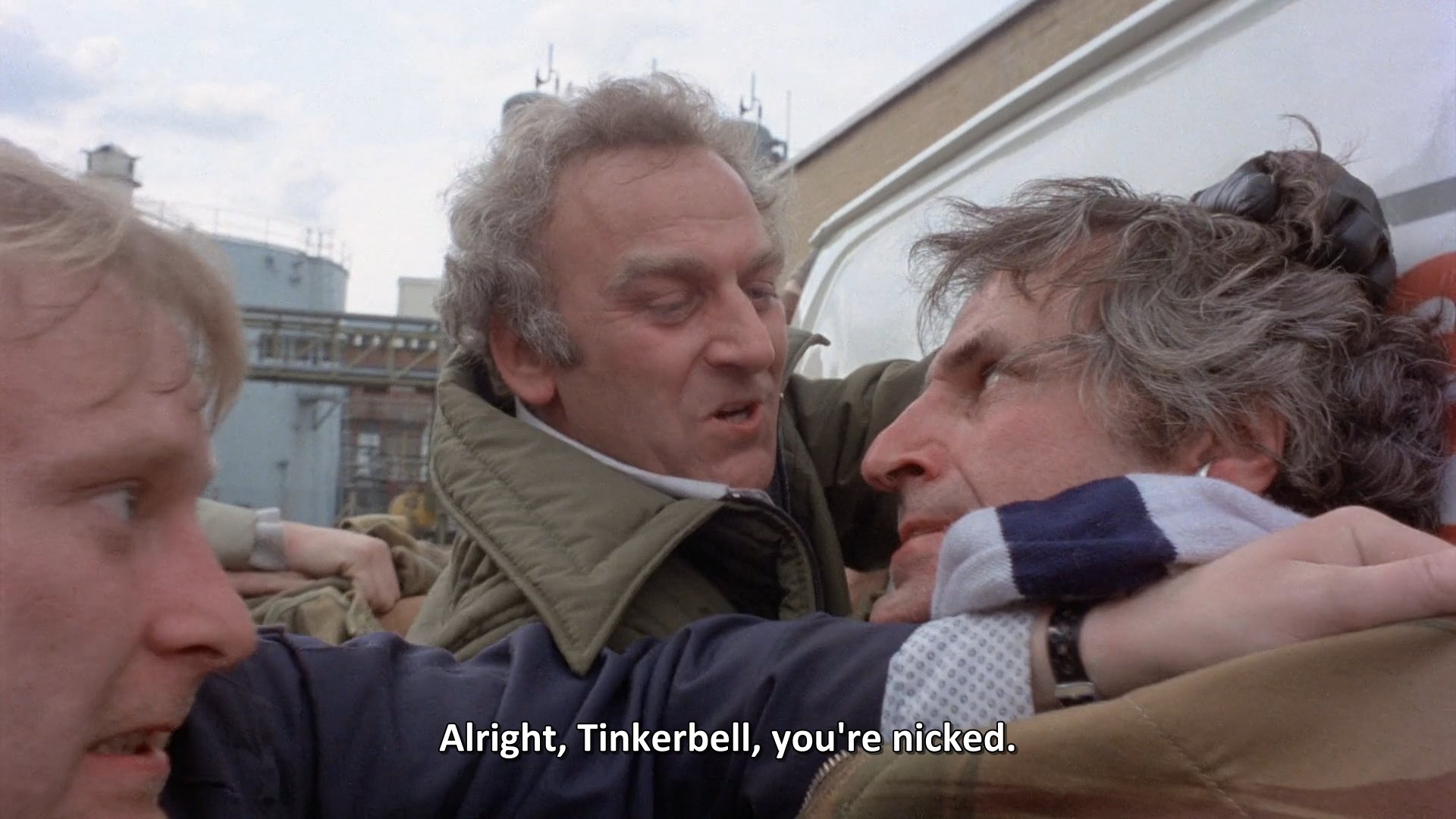
When I first started this series of posts back in 2023, they were originally intended to provide a useful overview into UK (mainly British) slang. US slang is ubiquitous globally due to the pervasive nature of American culture. Hence most people have a good grasp of its nuances. However, the proverbial door does not swing both ways. Hence most people will watch British TV dramas or read popular novels and can be quite bamboozled by some of the phrases that are used. That is what I was trying to address. However, over time this entire enterprise now reads like a some sort of Guy Ritchie film with Colin as the anti-hero. That notwithstanding, hopefully the list of slang phrases below will prove useful to know, if you ever visit the UK or tour around London. As ever I have given an example of their respective use. Feel free to ask questions if anything needs clarifying, or you wish to leave a comment with examples of you’re own national and regional slang.
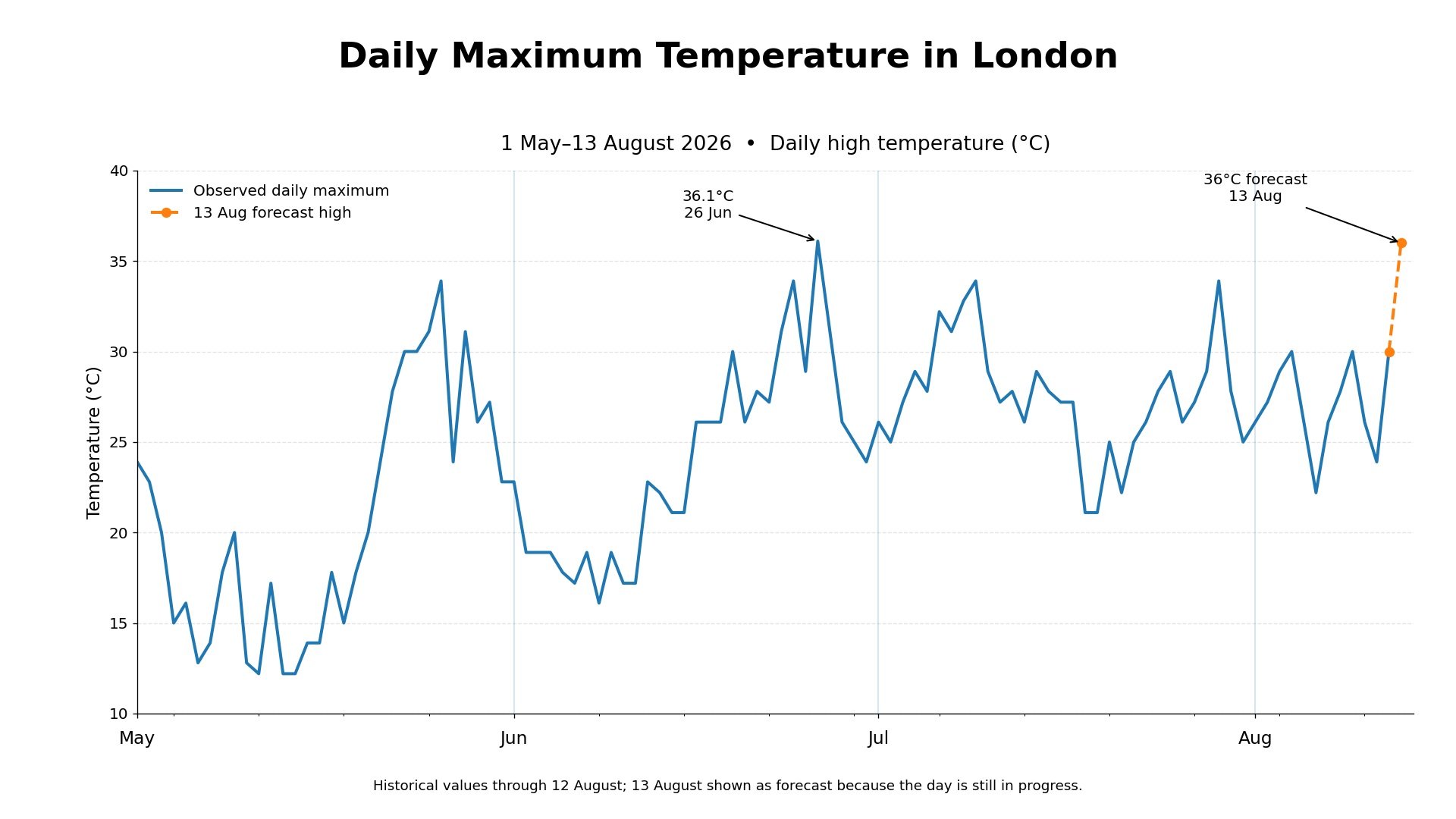
As I write this post, the temperature in Greater London is 33°C (91.4°F). This has become a regular occurrence since the middle of May onwards. High temperatures are fine when you’re on holiday mainly because you’re off work and at your leisure. You don’t have to perform the usual daily task that life requires of you such as work, shop, cook, clean etc. Furthermore, if you’re on vacation you’ll probably be staying at a resort or hotel that is fully air conditioned and you’re dressed accordingly. However, if you’re still performing you’re daily routine such as commuting to work and spending time in an office that wasn’t built with such external temperatures in mind, then 33°C is frankly a pain in the ass. Oh and if you’re one of those people who always respond to discussions such as this with “well I live in Riyadh and it’s 40°C here”, please sod off. You live in a desert which is dumb to begin with. Plus this is not a commensurate comparison. Temperatures are rising in the UK. It’s always hot in Saudi Arabia.
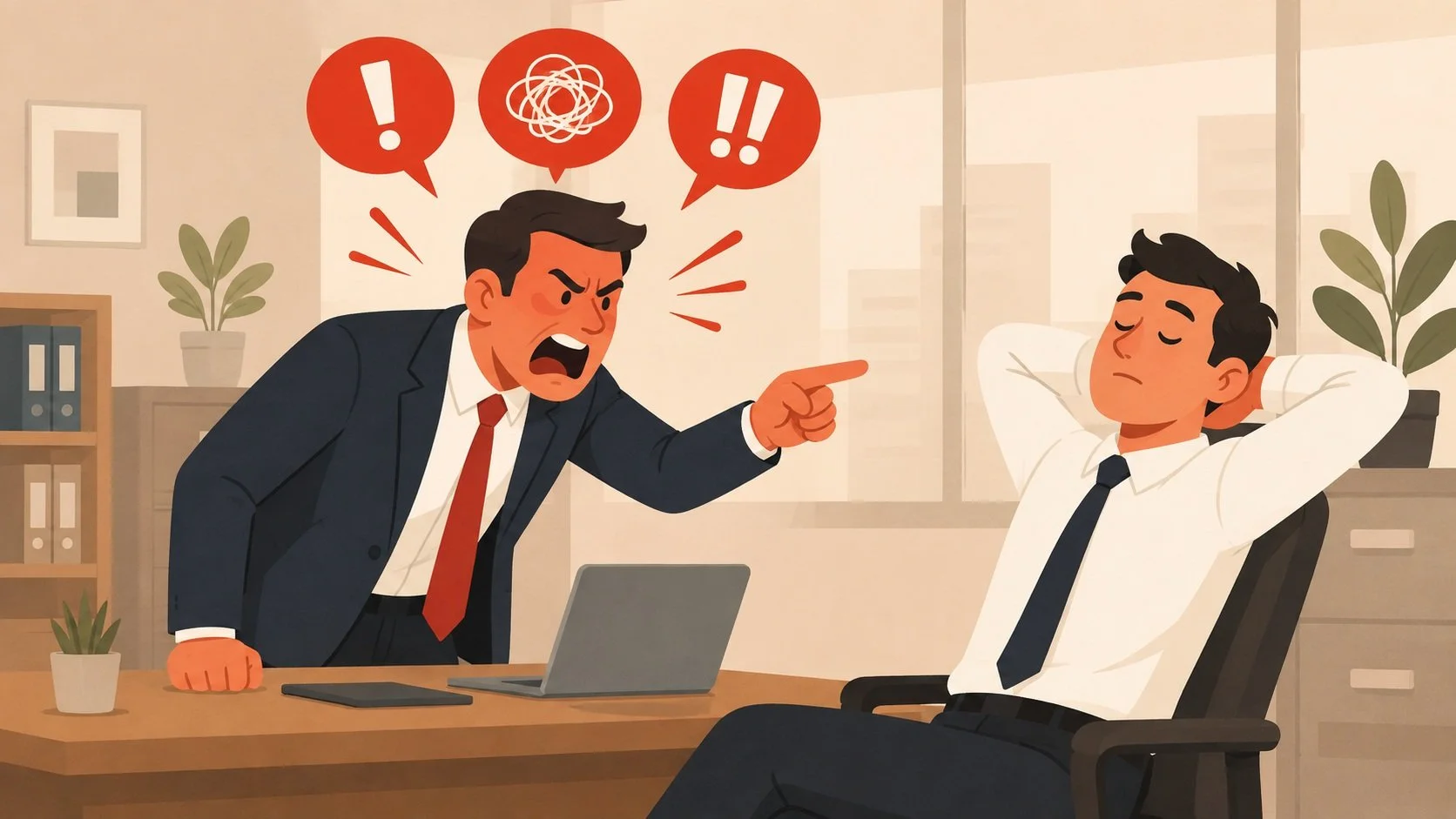
If you visit the websites for such UK tabloid newspapers as the Daily Express or the Daily Mail you will no doubt encounter prominent stories about Megan Markle, Nigel Farage and “immigrants”. If these two august institutions are short of column inches, they’ll run a piece about how some former celebrity has had the unmitigated gall and temerity to get old. I mean WTF? How dare they do what human beings are genetically disposed to do. It’s outrageous. Similarly, head over to the Unherd website and you’ll find foam flecked tirades regarding spurious points of contention over dubious subjects. Often the topic being harangued is incredibly niche and I’ve never heard of it before or even considered it being a thing. These sort of talking points are not about informing, debating and most certainly aren’t about thinking. They exist to provoke reactions.

Before we start, let me explain to those readers outside of the UK, the significance of a Dairy Milk Freddo chocolate bar and its relevance to this post. The “Freddo” is an 18g (0.63 oz) chocolate bar, in the shape of an anthropomorphic frog. When it was re-launched by Cadbury in 1990 (it had previously been manufactured by an Australian confectionery company in the seventies), it was priced at 10p (£0.10). It remained at that price until 2005 when a 1p to 2p increase began to occur each year. By 2016 Freddos were retailing at 25p. However, the following year the price “lept” to 30p with an increase that was double its usual yearly rise. This led to public outrage across social media. Since then the price of a Freddo has waxed and waned. Tesco supermarket reduced the price back to 10p as part of their centenary celebrations. The post COVID price in 2022 hit 49p. At present, the average price of a Freddo in the UK is somewhere around 35p.
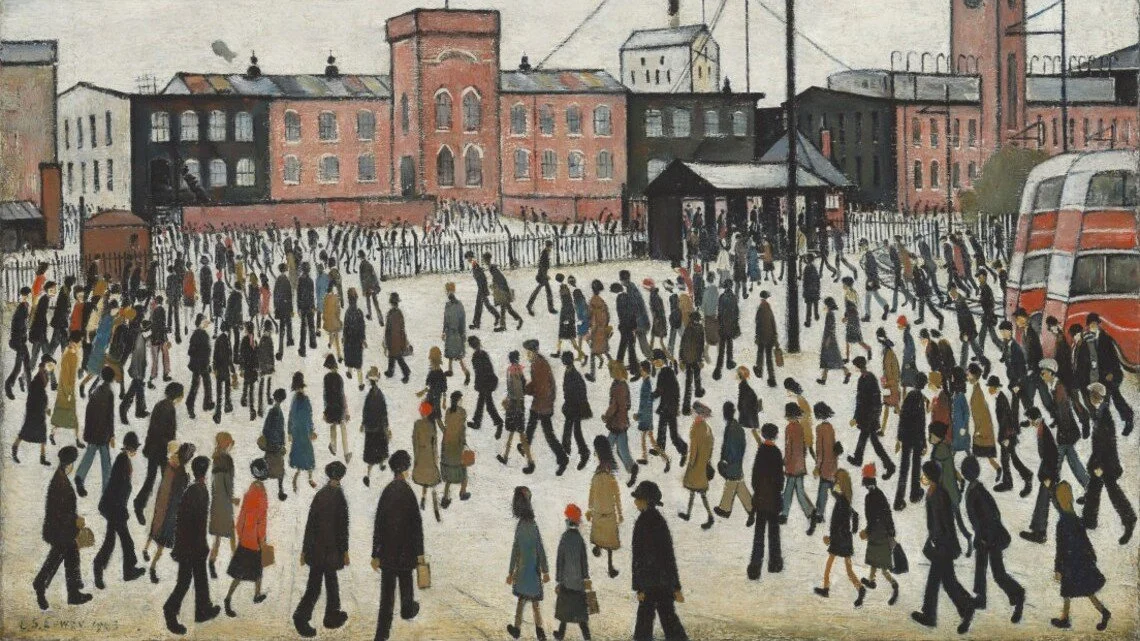
Over the last 10 years, I’ve written several blog posts about my personal working experiences and my career, such as it was. I touched upon working specifically in IT and how that industry changed over time, both technically and in the way that other people perceived it. I have also given my thoughts on the social dynamics of the modern work environment and the way we interact with our colleagues and employers. That is another area that has changed dramatically. Naturally my retirement from full time work has been written about, as it is such a radical change in one’s life. Especially if you’re the sort of person who is clearly defined by their job, which I personally was not. This time, I want to share a few thoughts I have about what I miss about “going to work” and “having a job”. I’m not sure if “miss” is the right word. Perhaps it is more a question of things being absent. Either way, there are some aspects of being employed that I use to enjoy or at least found beneficial that I now no longer experience.
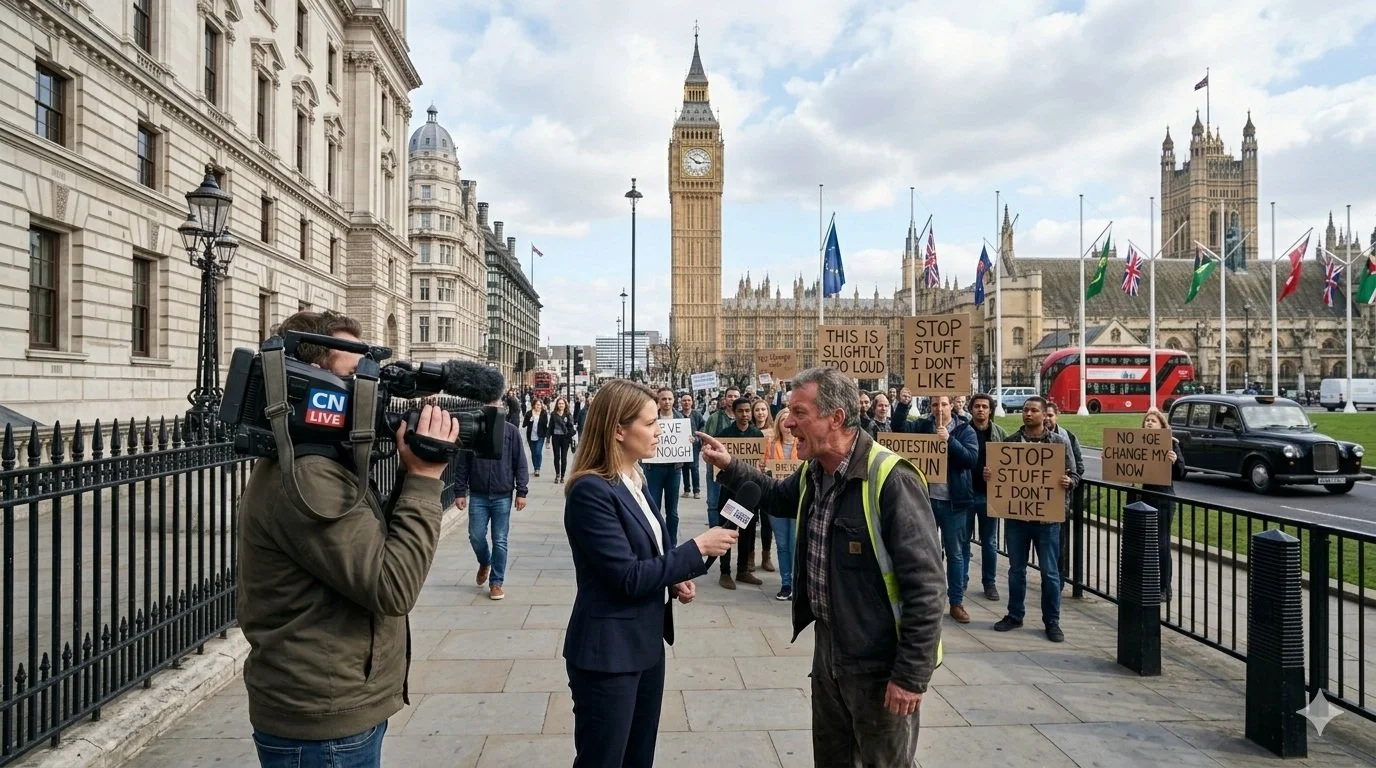
UK Prime Minister, Sir Keir Starmer has resigned and intends to leave office before the parliamentary summer recess. By then Andy Burnham will more than likely be voted leader of the Labour Party and by default will become the new Prime Minister. Due to the current size of the incumbent Government’s majority, there is no pressing reason for a General Election that the UK’s right wing tabloid press is currently calling for. Whether this provides the Government with the reset they’re hoping for when Parliament reconvenes in autumn remains to be seen. With seven Prime Ministers coming and going in a decade, there are some serious questions to be asked about the current state of UK politics. However, the mechanics of contemporary politics, the decline of clearly defined ideologies and the people that seek elected office to be our leaders are only half of the problem. The other major impediment to the UK’s democracy functioning properly is the electorate.

The UK Government has formerly announced its intention to ban under-16s from using social media. This is due to increasing public pressure that “something must be done” about the perceived iniquities of many online platforms. However, as with most complex social problems of this nature, no one has any clear or practical ideas as to what that “something” is. It remains a nebulous, non-specific panacea and clearly someone else’s job to identify and implement. As ever, why choose a nuanced and multifaceted solution to a complex problem, when it is far easier and politically expedient to just “ban” something. The former requires effort and a degree of thinking. If such an approach fails it also means that those who came up with it now carry the can. The latter dumps the problem in the lap of various third parties, who can then be conveniently blamed when the ill conceived policy fails.

Every Thursday, Mrs P volunteers at a food bank that is run from a local church; Avery Hill Christian Fellowship. Today there was a shortage of staff so I agreed to help out. It proved to be an equitable arrangement as she collated the various orders and I packed the bags and took them to the respective clients. The food bank itself is organised and administered by the Trussell Trust, a UK based NGO and charity providing emergency food and support to people locked in poverty. It is open for 2 to 3 hours a week depending upon demand. During today’s session we served just six people. Some weeks its can be triple that amount. Upon closure, a member of staff from the Trussel Trust did a stock take and collated a list of what was needed. This is provided by various local church communities via parishioners donations, as well as local supermarkets who have an arrangement with the trust to provide surplus stock or good approaching the end of their sales window.
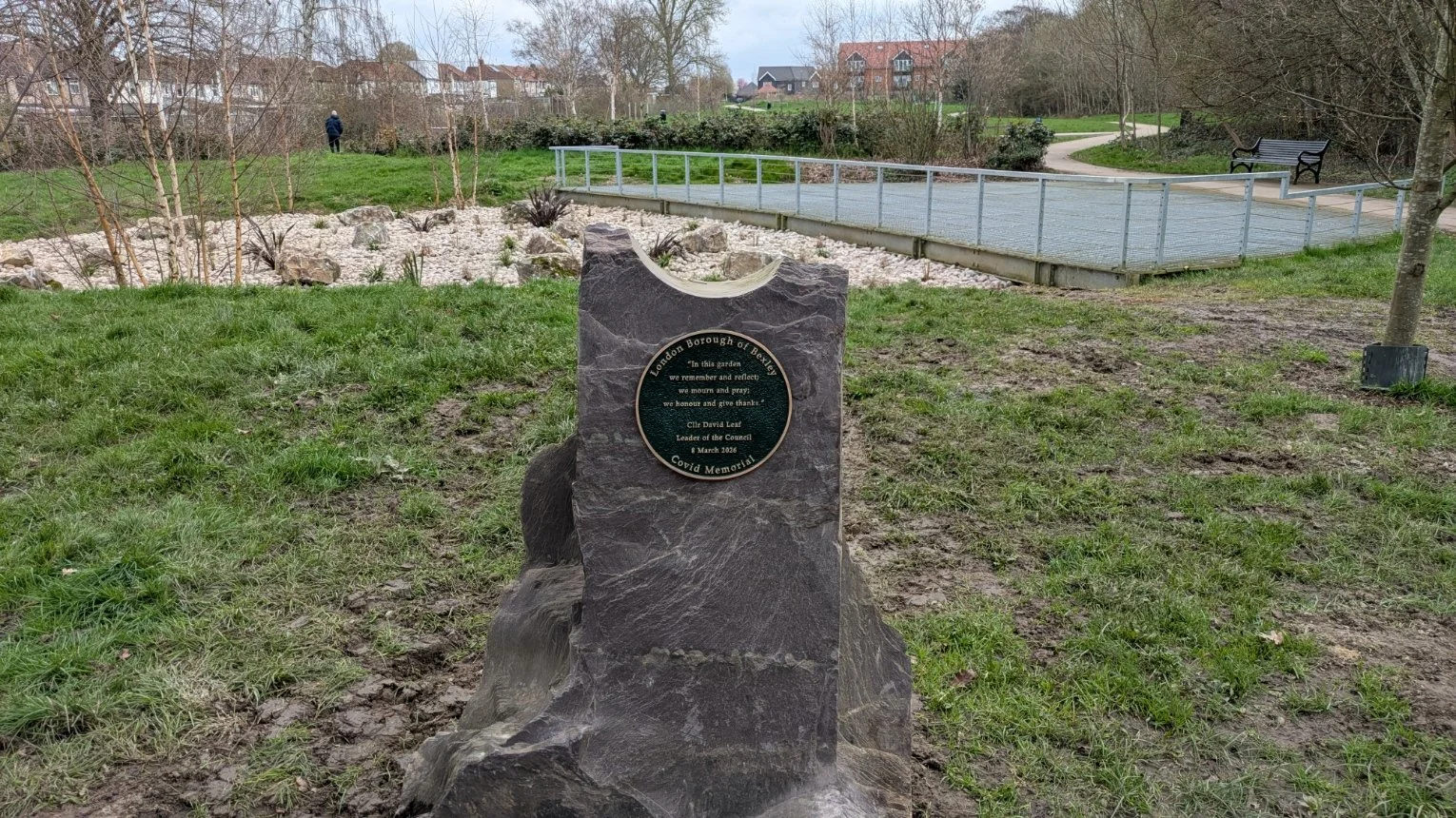
There are approximately 4000 parks and green spaces in Greater London. Bexley Borough alone has over 100. Public parks and green spaces are vital to modern cities, providing essential health, environmental and social benefits. They boost physical and mental wellbeing by reducing stress and providing a place for exercise. Furthermore they enhance urban sustainability, mitigate heat, and provide a sustainable environment for a wildlife. Parks are often a venue for social activities and events and as such are an important part of the local community. Going to the park has always been a part of my life. I live next to Old Farm Park in Sidcup and have made use of this recreational space throughout my life. I used visit with my parents in the seventies, when I was a child. Thirty years later my son, father in-law and I would fly kites there. Now I take my grandchildren to Old Farm Park as it now has a playground.
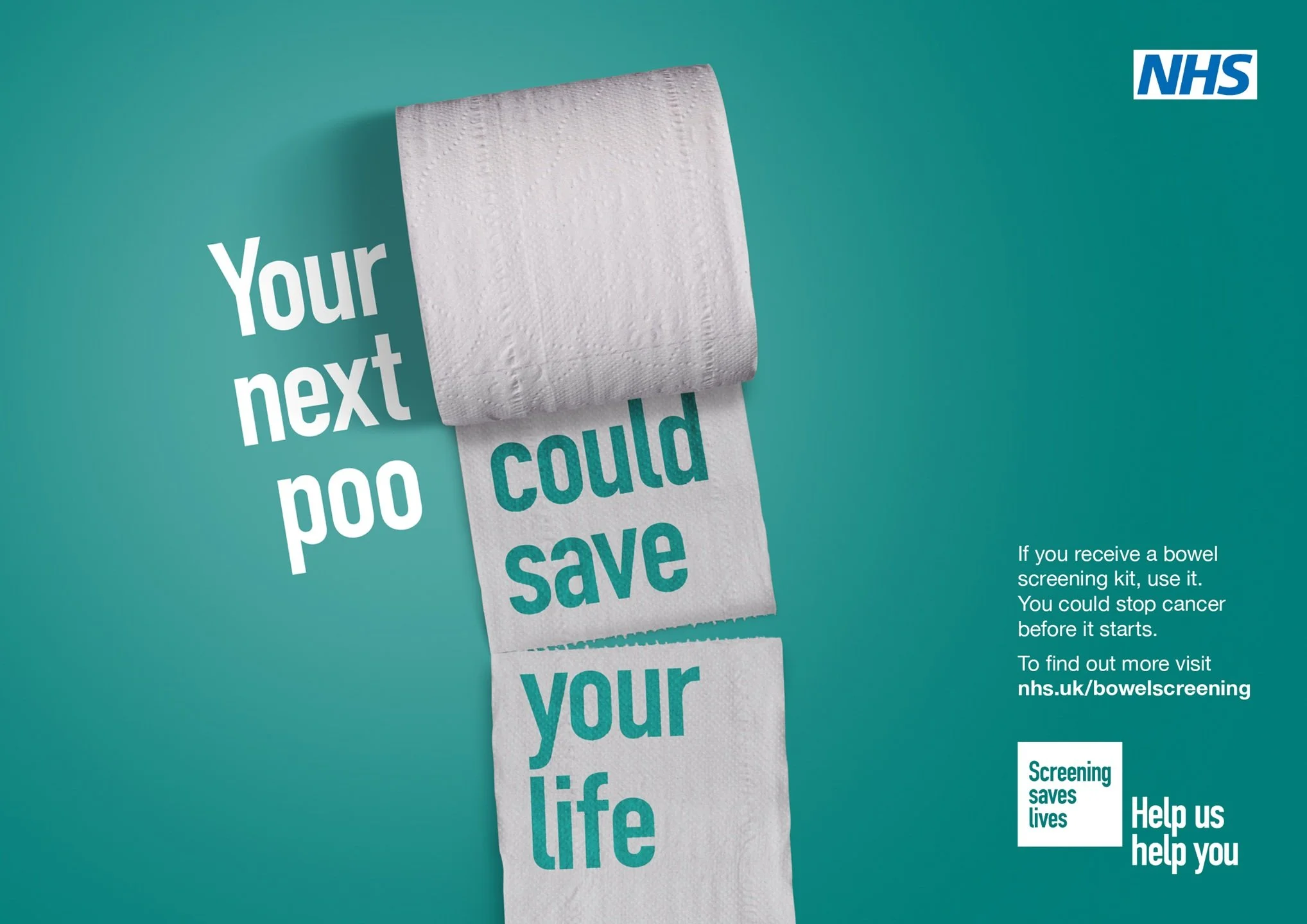
Being a 58 year old man, I welcome any undertaking which can potentially improve my health. One such thing is proactive screening and testing. The UK National Health Service has started doing a lot more of this in recent years, mainly because diagnosing a problem and treating it early is far more efficient and cost effective than retroactive action. Hence this policy and my age is why I was recently sent a NHS Bowel Cancer Test Kit via the post. This screening service takes place every two years for people aged 50 to 74 in the UK. The kit is very quick and simple to use. A sample of your stool is sent via a prepaid return envelope for testing and the entire process is free of charge. Upon receipt, the laboratory test determines whether there is any blood present in your stool, which is a potential indicator of bowel cancer. If detected, an early diagnosis greatly improves any subsequent treatment outcomes.

I like learning things. I always have. During my middle school years I thought I was a mediocre student and often I wouldn’t apply myself. According to an old school report this was because I was “too busy indulging in Tomfoolery”. Then I had the positive experience of meeting an exceptional teacher. Their lessons were the highlight of the week as they had an ability to make the subject matter, Classical History, utterly compelling and relevant. The teacher in question also treated us like adults and the class benefitted from only having five pupils. This really brought home to me that a lot of disinterest and underachievement in education is linked to the paucity of some teachers. One bad teacher can undermine the good work that all the others can do. Perhaps it has improved nowadays?

I’ve had an interest in the paranormal since I was a child. My mother always got books out of the library about ghosts and UFO phenomenon, so in some respects I was influenced by her reading habits. As a child such tales were by default interesting and any potentially scary element naturally made them more enjoyable. However, my father being an academic had taught me to question everything, so I felt fairly evenly equipped when exploring these subjects. Further to this point, over the years I have learned that humans have a very unique perspective on the world. We are hard wired to see patterns, regardless of whether they’re there or not. Our senses can also be fooled and often are. Perhaps the most important aspect of our nature that impacts upon any analysis we make into the paranormal is our penchant for creating stories. Hence unusual experiences can be subconsciously misremembered and “retconned” to form more precise narratives.
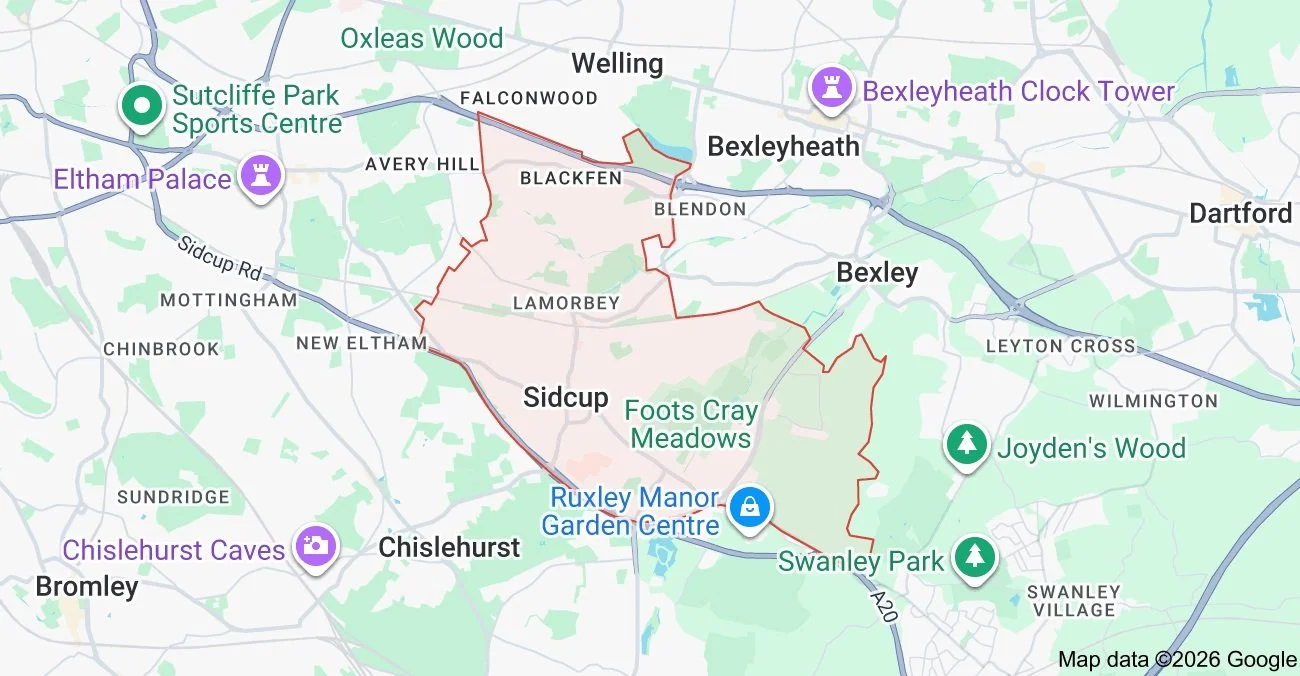
I have lived in Sidcup, in South East London, for most of my life. The first two schools that I went to were local and within 15 minutes walking distance. My Doctor’s Surgery and Dentist are only a few streets away, as is the barbershop that I’ve frequented since 1970. I now have my haircut by the son of the original barber. My point being that Sidcup has everything that residents immediately need. There’s a local hospital, good public transport networks and a broad range of shopping and restaurant facilities. It also has several parks with lakes, sport facilities and children’s play areas. It is a microcosm of the concept of suburbia with its residents commuting into Central London or out into Kent for work. People move here to raise families and end up staying. My parents lived here for 62 years.
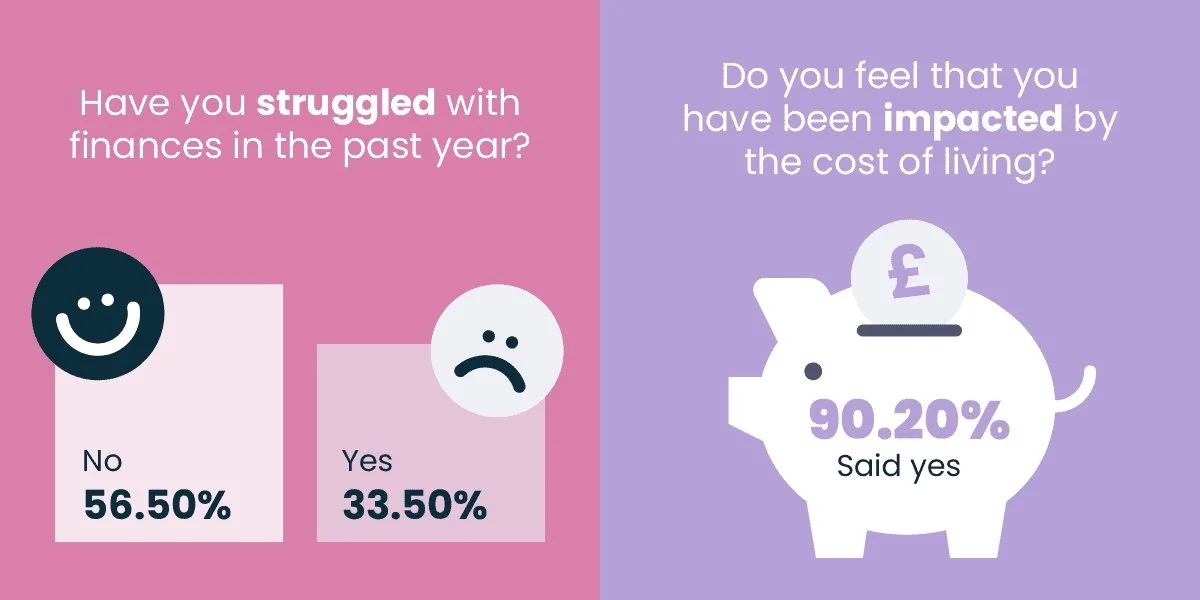
Our household is currently trying to reduce our monthly overheads in response to the ever increasing cost of living. April is not that far away and a great many service providers will increase their rates and tariff as the new financial year begins. Then there is the ongoing effects, both direct and indirect, of inflation to consider. Although the UK inflation rate is dropping, currently sitting at 3.4% in December 2025, food inflation remains higher at 4.5%. Being based in the UK, salaries and billed services tend to be administered monthly. You get paid usually at the end of the months and bills can turn up at any point, depending upon when you started a service. Any payments coming from central government, such as state pension or other benefits, are paid every 4 weeks. This means that there are 13 payments in a year. I thought it pertinent to clarify this point as other countries, such as the USA, favour a fortnightly financial cycle. Hence as a household we work around a monthly budget.

I try not to let the failings of contemporary capitalism get to me but such a mindset is very hard to maintain. From time to time it does just piss you off and you know damn well that there’s nothing you can do about it. So to begin this tale, at the end of November, our Indesit washer/dryer gave up the ghost after a valiant twelve year lifespan. As a result of this household appliance’s stirling work, it was decided to buy another from the same manufacturer. Their website informed me that the model that had just broken was no longer being produced. However, it recommended two newer appliances that had comparable specifications and more importantly the same size. This washer/dryer had to fit into a fitted kitchen unit. To cut a long story short, a model was chosen, purchased, delivered within 48 hours and installed. The broken predecessor was subsequently taken away. The wonders of modern consumer culture!

I was in a pub last night, catching up with friends before Christmas, when I noticed on the wall something I haven’t seen in a pub for a very long time. A jukebox. In my experiences most of the pubs I go to take one of the following two approaches to background music. They either have a sound system and exclusively manage any music via personally curated playlists from behind the bar. Or they have no music at all. The Wetherspoons chain of pubs broadly follow the latter policy and actively use it as a marketing point. Quiet pubs for clientele that just want to talk can be popular. Hence finding an accessible jukebox was a blast from the past. During the late eighties and early nineties, I regularly visited my local pub and often used the jukebox there, which at the time, was operated by an ever changing store of CDs. The jukebox I encountered last night was digital.

Today is my 58th birthday. It would appear that I have existed for nearly six decades. Put another way, I am over half a century old. All of which has given me pause for thought with regard to the passage of time. A phrase that is often bandied about, but what exactly does it mean? As I understand it, the “passage of time” refers to our perception of the flow of time and how we experience its movement. This is something distinct and different from objective time as measured by clocks. Our subjective experience of time can vary due to multiple factors. Two common examples are how time can feel like it's flying by when we're having fun and enjoying something or dragging its feet when you’re enduring something dull. Other factors are whether we are applying ourselves to a task, concentrating and general activity. Such focus can make time pass quickly.

When Mrs P and I moved into our current home, over twenty years ago, we were both working full time. As the garden was poorly maintained and neither of us had any horticultural skills, we decided to employ a gardener. At the time it was a practical solution to the issue of garden maintenance and remains so today. Hence it is a service we continue to use, although our personal health is now the main reason we pay a gardener.

In July the UK Government introduced the Online Safety Act which requires age checks for accessing sexually explicit content online. As a result of this, Pornhub, the 19th most visited site on the internet, has reported a 77% decline in UK traffic. Furthermore, according to the UK regulatory body, OFCOM (The Office of Communications), overall visits to pornographic websites from the UK have fallen by 33%. Naturally, those who championed this legislation are claiming a moral and political victory. However, once you consider what these facts actually mean, they paint a somewhat different and potentially more worrying picture. It would be staggeringly naïve to think that UK visitors to Pornhub have ceased visiting such sites due to the age verification requirements. The more likely explanation is that UK porn consumers are now using VPNs to circumnavigate these restrictions and that this traffic to Pornhub is now recorded as coming from elsewhere.

Formal education in the UK is a structured process, starting at early years learning and continuing through to higher education at university. Some aspects of the educational system are mandatory, whereas others are optional. At present, children in the UK must start full-time education from the age of 5 and remain until the age of 16. After this age, they are no longer required to attend school per se but must remain in some other form of education or training, such as a vocational college or an apprenticeship. Many students remain at school until 18, as there are specific exams to be obtained that are required for a subsequent university placement. Here is a breakdown of the current process as it exists in the UK.

I don’t know if you have noticed that there are quite a lot of companies that have names taken from Tolkien’s Legendarium. At first glance, this seems innocuous enough. Tolkien’s writings grew in popularity over the seventies and eighties but since the release of the film trilogy at the start of the twenty-first century, his work has become more well known and been assimilated into our wider pop culture. Hence, it seems quite logical that a startup tech company, for example, would choose a name from his writings. No doubt the founders grew up reading The Lord of the Rings and are fans. That all seems plausible. However if you take a further look, it gets somewhat more complex. Here are four companies that have Tolkien based names.
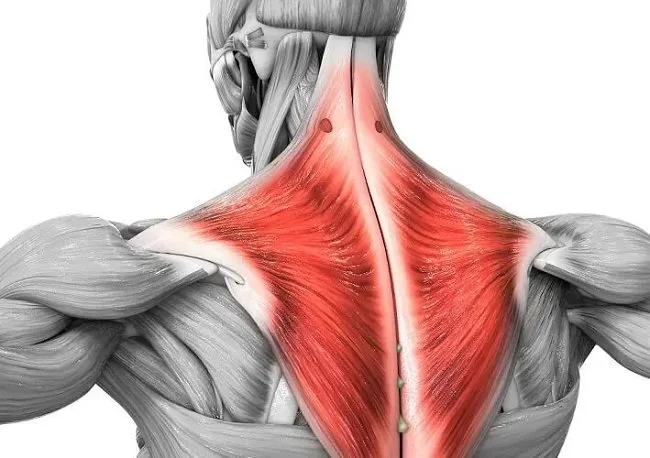
Last Wednesday, I woke up with what I thought to be a crick in my neck on the left hand side. I assumed this was simply due to sleeping awkwardly and so I self medicated with some non-prescription pain relief and judicious use of a heat pad. Unfortunately, the problem has persisted and in the last 24 hours it has become much worse. I awoke this morning at about 5:00 AM and as I sat up in bed, an intense pain ran up the left side of my neck and behind my ear. It took several attempts for me to get out of bed because if I turned my head in either direction or inclined my chin, the pain would again run up the side of my neck. Sitting down, getting up and raising my arms caused similar results. While dressing, I attempted to pull a t-shirt over my head. The pain in my neck on this occasion was so severe that I yelled out loud and nearly blacked out.

I am a non-driver. If you wish to know the specifics of how this situation came about, feel free to read the post I wrote about it back in early 2018. To be succinct, I don’t drive, I’ve never learned how and have never owned a car. I don’t feel that I’ve missed out. In fact I feel quite the opposite. I think I’ve dodged a major hassle and expense in life. Mrs P, my significant other, is the designated driver of our household. She owns a car, insures it and maintains it. She also mainly pays for the petrol, whereas I pick up the tab for other things such as lunch or hotels when we travel. All I have to do is make like Iggy Pop if we go anywhere. The most I am ever called upon to do is navigate using Google maps and Android Auto. Fortunately, Mrs P enjoys driving. Always has done. Hence I look upon this situation as an extremely fortunate and equitable arrangement.
I am getting old. I shall be 58 in December. Now, as soon as you say something like that these days, some folk will get uncomfortable and say things like “age is relative” or “you’re as old as you feel”. Well I don’t measure my age in geological terms, so it’s not relative and I’m not feeling anyone especially young at the moment, so both schools or thoughts can sod off. I am getting old by the yardstick we measure human life by, namely years. I have specific, age related health issues and I just don’t feel as energised as I did a decade ago. There are minor signs, such as deciding to go to bed earlier and taking longer to get dressed after taking a shower. I’m not at death’s door but I am slowing up physically. It would also appear that my reactions are also slowing down as I tend to get massacred in any FPS I play these days. So far, my mental faculties seem to be holding up. However, that is the one thing I worry about the most. The potential loss of cognitive abilities scares the shit out of me.
Job Hierarchies and Thoughts on Employment
I appreciate that this is a somewhat ponderous blog title but I’m trying to consolidate several ideas and streams of thoughts into one post. So to begin with it is the third week of the Blaugust 2021 Festival of Blogging event. Specifically it’s “Developer Appreciation Week”. At first glance a laudable undertaking. An opportunity to praise the developers of a game that’s close to your heart. However, given the current debacle with Blizzard Entertainment, I think there’s a conversation to be had about how fans virtual deification of specific developers of World of Warcraft and how treating them like rock stars, may well have had some bearing on their subsequent misdemeanours. I would in fact go further and say that the video game industry is another sector of work, like film, TV, music and sport that is perceived to be glamorous, aspirational and generally put on a pedestal. Fans lose sight of the fact that these companies have a lot of staff who don’t get any kudos and endure tough working conditions. Just like more conventional jobs.
I appreciate that this is a somewhat ponderous blog title but I’m trying to consolidate several ideas and streams of thoughts into one post. So to begin with it is the third week of the Blaugust 2021 Festival of Blogging event. Specifically it’s “Developer Appreciation Week”. At first glance a laudable undertaking. An opportunity to praise the developers of a game that’s close to your heart. However, given the current debacle with Blizzard Entertainment, I think there’s a conversation to be had about how fans virtual deification of specific developers of World of Warcraft and how treating them like rock stars, may well have had some bearing on their subsequent misdemeanours. I would in fact go further and say that the video game industry is another sector of work, like film, TV, music and sport that is perceived to be glamorous, aspirational and generally put on a pedestal. Fans lose sight of the fact that these companies have a lot of staff who don’t get any kudos and endure tough working conditions. Just like more conventional jobs.
There has always been a hierarchy of jobs in the public consciousness, although logically all forms of employment are essentially the same in principle. People providing a service in return for money. But life doesn’t exclusively operate within logical parameters. Hence vocational and professional jobs come with a lot of cultural baggage. Rightly or wrongly, the moment you declare to someone what you do for a living, they will instantly make assumptions and judgments about you. Often these will be erroneous or spurious but this sadly is the prevailing trend. Cleaners, carers, shop workers all do essential and invaluable work (as 2020 clearly highlighted). Yet such work is often frowned upon by certain parts of the population. Despite the fact that many who work in such sectors do so out of necessity and may well be overqualified. In fact there are stereotypes associated with jobs of all spectrum. Academia, working in the law and banking being seen as the prerogative of the rich. Estate agency (real estate) being seen as “barrow boys” and chancers. Oh and IT is exclusively populated by the socially dysfunctional.
During the course of my lifetime, the job market has evolved and changed rapidly. Applying for jobs in the eighties was a very formal process. Hand written applications and questionnaires were used to filter candidates, prior to interview by panel. Vacancies were predominantly advertised in newspapers, recruitment agencies or the government run “Job Centres”. Qualifications gated many positions, even for the most entry level administrative roles. When I started working for the DWP in 1990 on the first rung of the ladder, you still needed to have 3 GCE “O” level exams with passing grades. Nowadays, the job market is far more fast paced and like so many things, now predominantly handled online. Having a customisable curriculum vitae (or resume), that can be tailored to specific applications is essential. Sadly, the new job market has little room for feedback. Most applications never garner any sort of response. Keyword searches eliminate those who are not relevant and such automated services do not generate a polite “sorry you weren’t successful” letter.
However, these major changes to the overall employment landscape has led to an increasing amount of job homogenisation. Especially here in the UK where traditional industries have been replaced with service ones. Hence we have seen an increase in employment dissatisfaction and the rise of so-called “bullshit jobs”. I am currently reading a book on the subject by American anthropologist David Graeber. He contends that “over half of societal work is pointless and becomes psychologically destructive when paired with a work ethic that associates work with self-worth”. Graeber describes five types of meaningless jobs, in which workers pretend their role is not as pointless or harmful as they know it to be: flunkies, goons, duct tapers, box tickers, and taskmasters. He argues that the association of labour with virtuous suffering is recent in human history, and proposes universal basic income as a potential solution. I certainly wouldn’t argue against these things having had such positions in my career.
Hence we return to the jobs that are perceived as aspirational or a means to bypass the rat race, or at the very least, manage it on your own terms. Many young people look to social media as a means of escaping the fate of their parents. Because the social contract that has existed in most western societies in the post World War II era has been proven false. If you study, work hard and live within your means you’ll be able to raise a family, afford a home and the state will assist you in your autumn years. Young people know first hand that this is a lie. Many modern jobs have no formal working hours, no employee protection or rights and pay insufficient to keep an individual, let alone a family. Bullshit jobs are rife and work is a treadmill. Which is why the allure of being an “influencer” is so strong. And why a rock star game developer who gets to write really cool games and hangout at conventions and trade shows is infinitely preferable to toiling in a call centre and having to ask your 30 year old, sociopath boss if you can go to the bathroom.
There’s a good chance that I may have to return to the workplace when my caring duties end. Let it suffice to say that such a prospect does not fill me with glee. It is highly unlikely that I will seamlessly resume a career in IT and at comparable rates to what I was earning in 2016. Although the law is supposed to prevent discrimination, I’m certain my age will work against me as will no doubt my health. Furthermore, I’m not sure if my personality is cut out for the modern workplace which has become a much more complicated socio-political environment. Hence working from home and the gig economy is an obvious solution, although many creative forms of work have been devalued by internet culture. Writing for money is certainly not an immediate path to fortune and glory. People expect “all that” for free nowadays.
Therefore, if you are one of the minority of people who are actively employed in a job you actually enjoy, then count yourself very fortunate. The rest of society either just tolerates their employment and employer or actively hates them. Condemned to carry out arbitrary and pointless tasks, for people who just see them as an asset or a resource. The modern day workplace is often an endless grind and in some examples a form of indentured slavery. Oh and with regard to Blaugust, rather than thinking about those high profile game developers, who love to preen themselves on stage at E3, spare a thought for all the other staff that do the nuts and bolts work and never get a name check. It would appear they get put upon, ripped off and abused, just as much as the guy who delivers your pizza or the lady who works the checkout at your local store.

I recently stopped taking beta blockers after a consultation with my Doctor. Seven weeks on and I feel substantially better without them. I strongly advocate prescription reviews, as often the medication you’re taking does not necessarily need to be taken indefinitely. That was certainly the case with me and beta blockers. At the end of my last consultation, my GP asked me to keep a daily record of my blood pressure for a month. I could either do this at home or come into the surgery where there is a suitable device that is free to use. Fortunately I inherited an old but functional OMRON blood pressure monitor from my parents, so I was able to take readings each morning myself. It was while doing this for a month that it struck me; what exactly does all the data that I’m making note of mean exactly? What do systolic and diastolic mean and what is the difference between them? Also, where my readings good or bad?
I made a throwaway quip yesterday on social media about reaction videos on YouTube. I was specifically complaining about those made about music videos and how there is a growing trend among “content creators” to mute the audio and obscure the video of the very material they are reacting to. This is due to concerns over a copyright strike by the rights holders of the original content and the threat of potential demonetisation to those making the reaction video. What you are left with is 5 minutes of a rather tiresome, charisma vacuum watching a blurred video while listening to “elevator music”. What a world we live in. Why even bother posting such content? If there is any value to be found in reaction videos, then surely it lies in the shared experience of both the person in the video reacting and their viewers?
When I last wrote about the thorny subject of weight loss, I weighed 188 lbs (13 stone 6 lbs or 85.3 kg). That was in Spring 2022. Let it suffice to say the the optimistic health plan I subsequently embarked upon fell apart like a cheap suit, solely due to me not committing to it in any meaningful way. Since then my weight has slowly and steadily increased. I will avoid any long and tortuous explanations and quasi-justifications. I like my food and lots of it. The fact that my lifestyle has contributed to my ill health, is something that I have willingly tolerated. The pleasure outweighed the consequences. However, in early August a tipping point was finally reached. It wasn’t a theatrical epiphany or anything that can be framed dramatically. I simply woke up one morning and said to myself, “I am tired of constantly feeling like shit”.
When I was a child, I quickly learned never to say within earshot of my parents that I was bored. It was quickly met with a response along the lines of “an intelligent mind is never bored” or more worryingly “if you’ve got nothing to do, I’ll find you something” which meant a chore or Herculean task. Being a child of the seventies and due to my parents fundamentalist approach to declarations of boredom, I quickly discovered numerous ways to occupy myself. The default solution was a book or comic. I always liked reading as a child and had plenty of books to choose from. I also had numerous of comics as an alternative to a hefty tome. I would also draw and paint. My father use to work during the summer holidays as a design draftsman and as a result, we always had plenty of paper in our house. Then of course there were toys and such like. Hence I learned the art of keeping myself busy.
When I first started this series of posts back in 2023, they were originally intended to provide a useful overview into UK (mainly British) slang. US slang is ubiquitous globally due to the pervasive nature of American culture. Hence most people have a good grasp of its nuances. However, the proverbial door does not swing both ways. Hence most people will watch British TV dramas or read popular novels and can be quite bamboozled by some of the phrases that are used. That is what I was trying to address. However, over time this entire enterprise now reads like a some sort of Guy Ritchie film with Colin as the anti-hero. That notwithstanding, hopefully the list of slang phrases below will prove useful to know, if you ever visit the UK or tour around London. As ever I have given an example of their respective use. Feel free to ask questions if anything needs clarifying, or you wish to leave a comment with examples of you’re own national and regional slang.
As I write this post, the temperature in Greater London is 33°C (91.4°F). This has become a regular occurrence since the middle of May onwards. High temperatures are fine when you’re on holiday mainly because you’re off work and at your leisure. You don’t have to perform the usual daily task that life requires of you such as work, shop, cook, clean etc. Furthermore, if you’re on vacation you’ll probably be staying at a resort or hotel that is fully air conditioned and you’re dressed accordingly. However, if you’re still performing you’re daily routine such as commuting to work and spending time in an office that wasn’t built with such external temperatures in mind, then 33°C is frankly a pain in the ass. Oh and if you’re one of those people who always respond to discussions such as this with “well I live in Riyadh and it’s 40°C here”, please sod off. You live in a desert which is dumb to begin with. Plus this is not a commensurate comparison. Temperatures are rising in the UK. It’s always hot in Saudi Arabia.
If you visit the websites for such UK tabloid newspapers as the Daily Express or the Daily Mail you will no doubt encounter prominent stories about Megan Markle, Nigel Farage and “immigrants”. If these two august institutions are short of column inches, they’ll run a piece about how some former celebrity has had the unmitigated gall and temerity to get old. I mean WTF? How dare they do what human beings are genetically disposed to do. It’s outrageous. Similarly, head over to the Unherd website and you’ll find foam flecked tirades regarding spurious points of contention over dubious subjects. Often the topic being harangued is incredibly niche and I’ve never heard of it before or even considered it being a thing. These sort of talking points are not about informing, debating and most certainly aren’t about thinking. They exist to provoke reactions.
Before we start, let me explain to those readers outside of the UK, the significance of a Dairy Milk Freddo chocolate bar and its relevance to this post. The “Freddo” is an 18g (0.63 oz) chocolate bar, in the shape of an anthropomorphic frog. When it was re-launched by Cadbury in 1990 (it had previously been manufactured by an Australian confectionery company in the seventies), it was priced at 10p (£0.10). It remained at that price until 2005 when a 1p to 2p increase began to occur each year. By 2016 Freddos were retailing at 25p. However, the following year the price “lept” to 30p with an increase that was double its usual yearly rise. This led to public outrage across social media. Since then the price of a Freddo has waxed and waned. Tesco supermarket reduced the price back to 10p as part of their centenary celebrations. The post COVID price in 2022 hit 49p. At present, the average price of a Freddo in the UK is somewhere around 35p.
Over the last 10 years, I’ve written several blog posts about my personal working experiences and my career, such as it was. I touched upon working specifically in IT and how that industry changed over time, both technically and in the way that other people perceived it. I have also given my thoughts on the social dynamics of the modern work environment and the way we interact with our colleagues and employers. That is another area that has changed dramatically. Naturally my retirement from full time work has been written about, as it is such a radical change in one’s life. Especially if you’re the sort of person who is clearly defined by their job, which I personally was not. This time, I want to share a few thoughts I have about what I miss about “going to work” and “having a job”. I’m not sure if “miss” is the right word. Perhaps it is more a question of things being absent. Either way, there are some aspects of being employed that I use to enjoy or at least found beneficial that I now no longer experience.
UK Prime Minister, Sir Keir Starmer has resigned and intends to leave office before the parliamentary summer recess. By then Andy Burnham will more than likely be voted leader of the Labour Party and by default will become the new Prime Minister. Due to the current size of the incumbent Government’s majority, there is no pressing reason for a General Election that the UK’s right wing tabloid press is currently calling for. Whether this provides the Government with the reset they’re hoping for when Parliament reconvenes in autumn remains to be seen. With seven Prime Ministers coming and going in a decade, there are some serious questions to be asked about the current state of UK politics. However, the mechanics of contemporary politics, the decline of clearly defined ideologies and the people that seek elected office to be our leaders are only half of the problem. The other major impediment to the UK’s democracy functioning properly is the electorate.
The UK Government has formerly announced its intention to ban under-16s from using social media. This is due to increasing public pressure that “something must be done” about the perceived iniquities of many online platforms. However, as with most complex social problems of this nature, no one has any clear or practical ideas as to what that “something” is. It remains a nebulous, non-specific panacea and clearly someone else’s job to identify and implement. As ever, why choose a nuanced and multifaceted solution to a complex problem, when it is far easier and politically expedient to just “ban” something. The former requires effort and a degree of thinking. If such an approach fails it also means that those who came up with it now carry the can. The latter dumps the problem in the lap of various third parties, who can then be conveniently blamed when the ill conceived policy fails.
Every Thursday, Mrs P volunteers at a food bank that is run from a local church; Avery Hill Christian Fellowship. Today there was a shortage of staff so I agreed to help out. It proved to be an equitable arrangement as she collated the various orders and I packed the bags and took them to the respective clients. The food bank itself is organised and administered by the Trussell Trust, a UK based NGO and charity providing emergency food and support to people locked in poverty. It is open for 2 to 3 hours a week depending upon demand. During today’s session we served just six people. Some weeks its can be triple that amount. Upon closure, a member of staff from the Trussel Trust did a stock take and collated a list of what was needed. This is provided by various local church communities via parishioners donations, as well as local supermarkets who have an arrangement with the trust to provide surplus stock or good approaching the end of their sales window.
There are approximately 4000 parks and green spaces in Greater London. Bexley Borough alone has over 100. Public parks and green spaces are vital to modern cities, providing essential health, environmental and social benefits. They boost physical and mental wellbeing by reducing stress and providing a place for exercise. Furthermore they enhance urban sustainability, mitigate heat, and provide a sustainable environment for a wildlife. Parks are often a venue for social activities and events and as such are an important part of the local community. Going to the park has always been a part of my life. I live next to Old Farm Park in Sidcup and have made use of this recreational space throughout my life. I used visit with my parents in the seventies, when I was a child. Thirty years later my son, father in-law and I would fly kites there. Now I take my grandchildren to Old Farm Park as it now has a playground.
Being a 58 year old man, I welcome any undertaking which can potentially improve my health. One such thing is proactive screening and testing. The UK National Health Service has started doing a lot more of this in recent years, mainly because diagnosing a problem and treating it early is far more efficient and cost effective than retroactive action. Hence this policy and my age is why I was recently sent a NHS Bowel Cancer Test Kit via the post. This screening service takes place every two years for people aged 50 to 74 in the UK. The kit is very quick and simple to use. A sample of your stool is sent via a prepaid return envelope for testing and the entire process is free of charge. Upon receipt, the laboratory test determines whether there is any blood present in your stool, which is a potential indicator of bowel cancer. If detected, an early diagnosis greatly improves any subsequent treatment outcomes.
I like learning things. I always have. During my middle school years I thought I was a mediocre student and often I wouldn’t apply myself. According to an old school report this was because I was “too busy indulging in Tomfoolery”. Then I had the positive experience of meeting an exceptional teacher. Their lessons were the highlight of the week as they had an ability to make the subject matter, Classical History, utterly compelling and relevant. The teacher in question also treated us like adults and the class benefitted from only having five pupils. This really brought home to me that a lot of disinterest and underachievement in education is linked to the paucity of some teachers. One bad teacher can undermine the good work that all the others can do. Perhaps it has improved nowadays?
I’ve had an interest in the paranormal since I was a child. My mother always got books out of the library about ghosts and UFO phenomenon, so in some respects I was influenced by her reading habits. As a child such tales were by default interesting and any potentially scary element naturally made them more enjoyable. However, my father being an academic had taught me to question everything, so I felt fairly evenly equipped when exploring these subjects. Further to this point, over the years I have learned that humans have a very unique perspective on the world. We are hard wired to see patterns, regardless of whether they’re there or not. Our senses can also be fooled and often are. Perhaps the most important aspect of our nature that impacts upon any analysis we make into the paranormal is our penchant for creating stories. Hence unusual experiences can be subconsciously misremembered and “retconned” to form more precise narratives.
I have lived in Sidcup, in South East London, for most of my life. The first two schools that I went to were local and within 15 minutes walking distance. My Doctor’s Surgery and Dentist are only a few streets away, as is the barbershop that I’ve frequented since 1970. I now have my haircut by the son of the original barber. My point being that Sidcup has everything that residents immediately need. There’s a local hospital, good public transport networks and a broad range of shopping and restaurant facilities. It also has several parks with lakes, sport facilities and children’s play areas. It is a microcosm of the concept of suburbia with its residents commuting into Central London or out into Kent for work. People move here to raise families and end up staying. My parents lived here for 62 years.
Our household is currently trying to reduce our monthly overheads in response to the ever increasing cost of living. April is not that far away and a great many service providers will increase their rates and tariff as the new financial year begins. Then there is the ongoing effects, both direct and indirect, of inflation to consider. Although the UK inflation rate is dropping, currently sitting at 3.4% in December 2025, food inflation remains higher at 4.5%. Being based in the UK, salaries and billed services tend to be administered monthly. You get paid usually at the end of the months and bills can turn up at any point, depending upon when you started a service. Any payments coming from central government, such as state pension or other benefits, are paid every 4 weeks. This means that there are 13 payments in a year. I thought it pertinent to clarify this point as other countries, such as the USA, favour a fortnightly financial cycle. Hence as a household we work around a monthly budget.
I try not to let the failings of contemporary capitalism get to me but such a mindset is very hard to maintain. From time to time it does just piss you off and you know damn well that there’s nothing you can do about it. So to begin this tale, at the end of November, our Indesit washer/dryer gave up the ghost after a valiant twelve year lifespan. As a result of this household appliance’s stirling work, it was decided to buy another from the same manufacturer. Their website informed me that the model that had just broken was no longer being produced. However, it recommended two newer appliances that had comparable specifications and more importantly the same size. This washer/dryer had to fit into a fitted kitchen unit. To cut a long story short, a model was chosen, purchased, delivered within 48 hours and installed. The broken predecessor was subsequently taken away. The wonders of modern consumer culture!
I was in a pub last night, catching up with friends before Christmas, when I noticed on the wall something I haven’t seen in a pub for a very long time. A jukebox. In my experiences most of the pubs I go to take one of the following two approaches to background music. They either have a sound system and exclusively manage any music via personally curated playlists from behind the bar. Or they have no music at all. The Wetherspoons chain of pubs broadly follow the latter policy and actively use it as a marketing point. Quiet pubs for clientele that just want to talk can be popular. Hence finding an accessible jukebox was a blast from the past. During the late eighties and early nineties, I regularly visited my local pub and often used the jukebox there, which at the time, was operated by an ever changing store of CDs. The jukebox I encountered last night was digital.
Today is my 58th birthday. It would appear that I have existed for nearly six decades. Put another way, I am over half a century old. All of which has given me pause for thought with regard to the passage of time. A phrase that is often bandied about, but what exactly does it mean? As I understand it, the “passage of time” refers to our perception of the flow of time and how we experience its movement. This is something distinct and different from objective time as measured by clocks. Our subjective experience of time can vary due to multiple factors. Two common examples are how time can feel like it's flying by when we're having fun and enjoying something or dragging its feet when you’re enduring something dull. Other factors are whether we are applying ourselves to a task, concentrating and general activity. Such focus can make time pass quickly.
When Mrs P and I moved into our current home, over twenty years ago, we were both working full time. As the garden was poorly maintained and neither of us had any horticultural skills, we decided to employ a gardener. At the time it was a practical solution to the issue of garden maintenance and remains so today. Hence it is a service we continue to use, although our personal health is now the main reason we pay a gardener.
In July the UK Government introduced the Online Safety Act which requires age checks for accessing sexually explicit content online. As a result of this, Pornhub, the 19th most visited site on the internet, has reported a 77% decline in UK traffic. Furthermore, according to the UK regulatory body, OFCOM (The Office of Communications), overall visits to pornographic websites from the UK have fallen by 33%. Naturally, those who championed this legislation are claiming a moral and political victory. However, once you consider what these facts actually mean, they paint a somewhat different and potentially more worrying picture. It would be staggeringly naïve to think that UK visitors to Pornhub have ceased visiting such sites due to the age verification requirements. The more likely explanation is that UK porn consumers are now using VPNs to circumnavigate these restrictions and that this traffic to Pornhub is now recorded as coming from elsewhere.
Formal education in the UK is a structured process, starting at early years learning and continuing through to higher education at university. Some aspects of the educational system are mandatory, whereas others are optional. At present, children in the UK must start full-time education from the age of 5 and remain until the age of 16. After this age, they are no longer required to attend school per se but must remain in some other form of education or training, such as a vocational college or an apprenticeship. Many students remain at school until 18, as there are specific exams to be obtained that are required for a subsequent university placement. Here is a breakdown of the current process as it exists in the UK.
I don’t know if you have noticed that there are quite a lot of companies that have names taken from Tolkien’s Legendarium. At first glance, this seems innocuous enough. Tolkien’s writings grew in popularity over the seventies and eighties but since the release of the film trilogy at the start of the twenty-first century, his work has become more well known and been assimilated into our wider pop culture. Hence, it seems quite logical that a startup tech company, for example, would choose a name from his writings. No doubt the founders grew up reading The Lord of the Rings and are fans. That all seems plausible. However if you take a further look, it gets somewhat more complex. Here are four companies that have Tolkien based names.
Last Wednesday, I woke up with what I thought to be a crick in my neck on the left hand side. I assumed this was simply due to sleeping awkwardly and so I self medicated with some non-prescription pain relief and judicious use of a heat pad. Unfortunately, the problem has persisted and in the last 24 hours it has become much worse. I awoke this morning at about 5:00 AM and as I sat up in bed, an intense pain ran up the left side of my neck and behind my ear. It took several attempts for me to get out of bed because if I turned my head in either direction or inclined my chin, the pain would again run up the side of my neck. Sitting down, getting up and raising my arms caused similar results. While dressing, I attempted to pull a t-shirt over my head. The pain in my neck on this occasion was so severe that I yelled out loud and nearly blacked out.
I am a non-driver. If you wish to know the specifics of how this situation came about, feel free to read the post I wrote about it back in early 2018. To be succinct, I don’t drive, I’ve never learned how and have never owned a car. I don’t feel that I’ve missed out. In fact I feel quite the opposite. I think I’ve dodged a major hassle and expense in life. Mrs P, my significant other, is the designated driver of our household. She owns a car, insures it and maintains it. She also mainly pays for the petrol, whereas I pick up the tab for other things such as lunch or hotels when we travel. All I have to do is make like Iggy Pop if we go anywhere. The most I am ever called upon to do is navigate using Google maps and Android Auto. Fortunately, Mrs P enjoys driving. Always has done. Hence I look upon this situation as an extremely fortunate and equitable arrangement.
I am getting old. I shall be 58 in December. Now, as soon as you say something like that these days, some folk will get uncomfortable and say things like “age is relative” or “you’re as old as you feel”. Well I don’t measure my age in geological terms, so it’s not relative and I’m not feeling anyone especially young at the moment, so both schools or thoughts can sod off. I am getting old by the yardstick we measure human life by, namely years. I have specific, age related health issues and I just don’t feel as energised as I did a decade ago. There are minor signs, such as deciding to go to bed earlier and taking longer to get dressed after taking a shower. I’m not at death’s door but I am slowing up physically. It would also appear that my reactions are also slowing down as I tend to get massacred in any FPS I play these days. So far, my mental faculties seem to be holding up. However, that is the one thing I worry about the most. The potential loss of cognitive abilities scares the shit out of me.
I recently stopped taking beta blockers after a consultation with my Doctor. Seven weeks on and I feel substantially better without them. I strongly advocate prescription reviews, as often the medication you’re taking does not necessarily need to be taken indefinitely. That was certainly the case with me and beta blockers. At the end of my last consultation, my GP asked me to keep a daily record of my blood pressure for a month. I could either do this at home or come into the surgery where there is a suitable device that is free to use. Fortunately I inherited an old but functional OMRON blood pressure monitor from my parents, so I was able to take readings each morning myself. It was while doing this for a month that it struck me; what exactly does all the data that I’m making note of mean exactly? What do systolic and diastolic mean and what is the difference between them? Also, where my readings good or bad?