Your First Mistake Was Having Expectations
Two stories have broken today regarding a pair of established and much-loved pop culture franchises. The first is the news that actor Henry Cavill has been cast as Geralt of Rivia, in the forthcoming Witcher TV show currently in production by Netflix. The second is regarding how newly established games developers Athlon Games are currently working on a new F2P Middle-earth based MMO. Considering there is no further details on either of these two points beyond what has already been stated, one could be tempted to say rhetorically “nothing to see here, move along”. However, this is the age of social media, so let it suffice to say that both these announcements have caused a degree of consternation in certain quarters. Namely fans of those already established iterations of The Witcher and The Lord of the Rings.
Two stories have broken today regarding a pair of established and much-loved pop culture franchises. The first is the news that actor Henry Cavill has been cast as Geralt of Rivia, in the forthcoming Witcher TV show currently in production by Netflix. The second is regarding how newly established games developers Athlon Games are currently working on a new F2P Middle-earth based MMO. Considering there is no further details on either of these two points beyond what has already been stated, one could be tempted to say rhetorically “nothing to see here, move along”. However, this is the age of social media, so let it suffice to say that both these announcements have caused a degree of consternation in certain quarters. Namely fans of those already established iterations of The Witcher and The Lord of the Rings.
As I get older and therefore less sentimental and less invested in fandom per se, I do find the sort of complaints, criticism and sundry “brouhaha” that has accompanied both of these developments, somewhat irrelevant. All are based on a misplaced assumption that existing fans needs are the primary force driving both projects. But they are not. Yes, I agree that the look, feel and voice of Geralt of Rivia where honed to perfection in CD Projekt Red’s video games. This will naturally determine a lot of people’s conception of the character, the same way that a handful of artists such as John Howe and Alan Lee have shaped the popular opinion of what Tolkien’s characters should look like. Another example that is age dependent, is who you consider to be the best incarnation of James Bond. But artistic interpretation as a concept tends to “pooh-pooh” such dogmatic ideas as “the definitive version”.
From what I’ve gleaned from the information that’s available about Netflix’s The Witcher TV show, it is not intended to be merely a fan service to those that enjoyed the three video games. It is a broader adaptation of the original source material by by Polish writer Andrzej Sapkowski, intended to reach as wide an audience as possible. Fantasy as a genre is very popular and marketable at present. Thus, casting a known quantity such as Henry Cavill, who has experience of genre productions along with matinee idol good looks is hardly surprising. The objections of a minority of “core fans” is frankly just standard operational collateral damage when adapting such a franchise. Frankly, when you consider the current trend for remakes, reboots, altering race, gender and generally repurposing any franchise or brand if it is deemed profitable to do so, complaining about the casting of Henry Cavill is somewhat redundant.
As for there being a new Tolkien based MMORPG that is set at some point in The Lord of the Rings timeline, I really don’t see it being a major issue for the existing ten-year-old LOTRO. It’s hardly uncommon for multiple licensed products to share a specific market place at the same time. Look at Neverwinter and DDO for example. Furthermore, it is highly likely that both games will be very different from each other and therefore not in direct competition. I recently wrote about the possibility of a LOTRO 2.0 and how those players “joined at the hip” with the existing iteration of the game are not necessarily disposed towards migrating to a new and more modern game. A new title with contemporary bells and whistles would seek a new audience who favour such mechanics. I see it very much as an “apples and orange” situation. Plus, the point has already been raised as to whether the new Middle-earth based MMO is going to be linked in someway to the TV show that is currently under development for Amazon Prime.
Both of these examples reflect once again the inherent myopia that seems to accompany contemporary fandom. They represent a failure to see both of these franchises for what they are; products. And as such they can be augmented by the rights holder in whatever way they see fit. That doesn’t mean that fans can’t have an opinion. They are of course free to like or not like something. But considering the nature of the global market that all products must compete in these days, the uniquely subjective needs of fans only makes up a small percentage of potential customers. Therefore, these bespoke “requirements” are far from paramount. If you want a more specific example, then consider how the Marvel Cinematic Universe has “adapted” the source material to make it accessible to a wider audience. Lore has been altered and known box-office names have been cast to ensure a wide reach. Yes, some fans have disliked what they’ve seen, but in business terms Disney have struck gold. In a world where hype, following trends and number crunching dictates policy, it’s hardly surprising that the Henry Cavill has been cast as Geralt of Rivia and that a new Middle-earth based MMO is going to embrace the current foibles of the F2P business model. To those bemused by all this, your first mistake was having expectations.



The Lord of the Rings Online 2.0
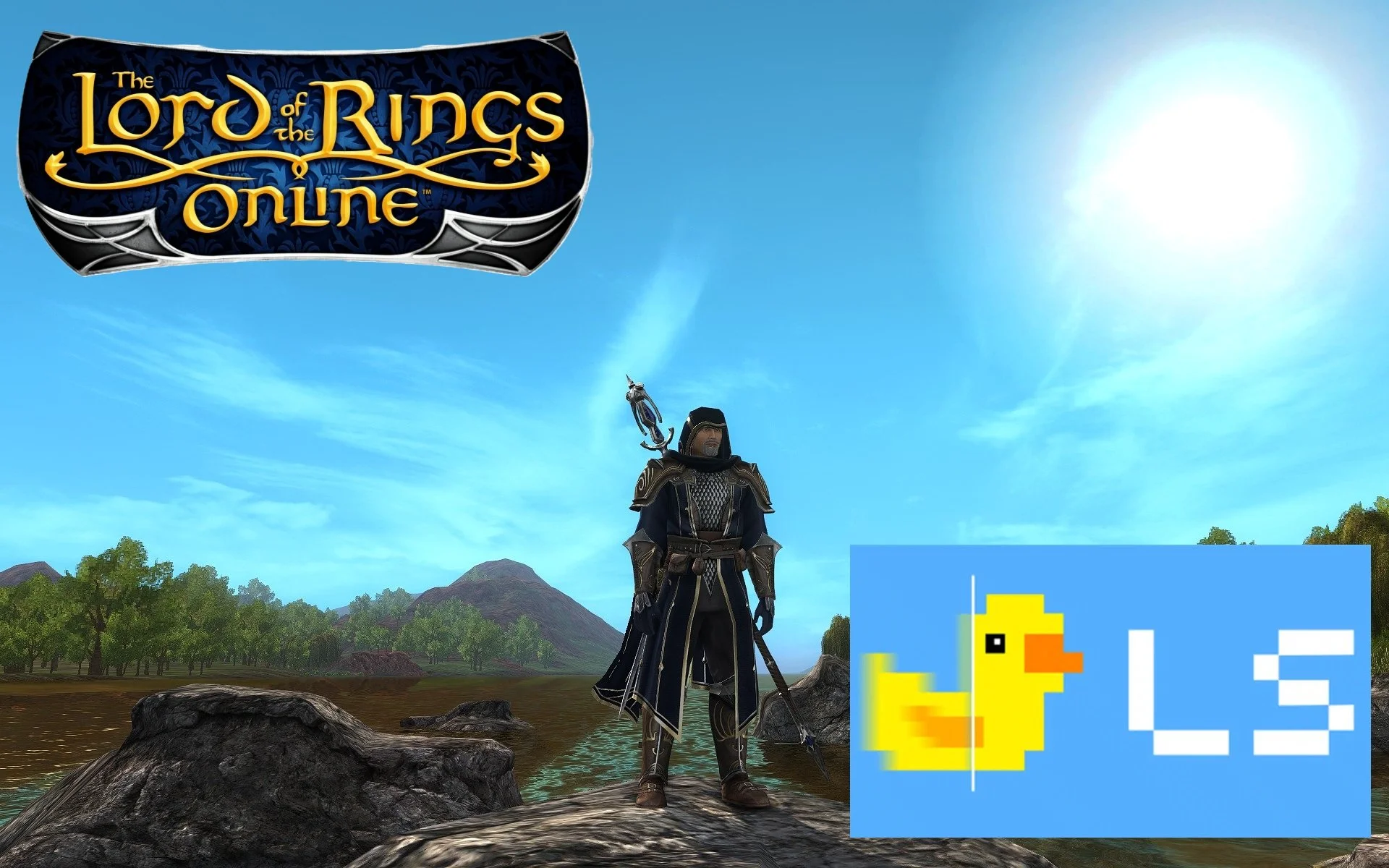
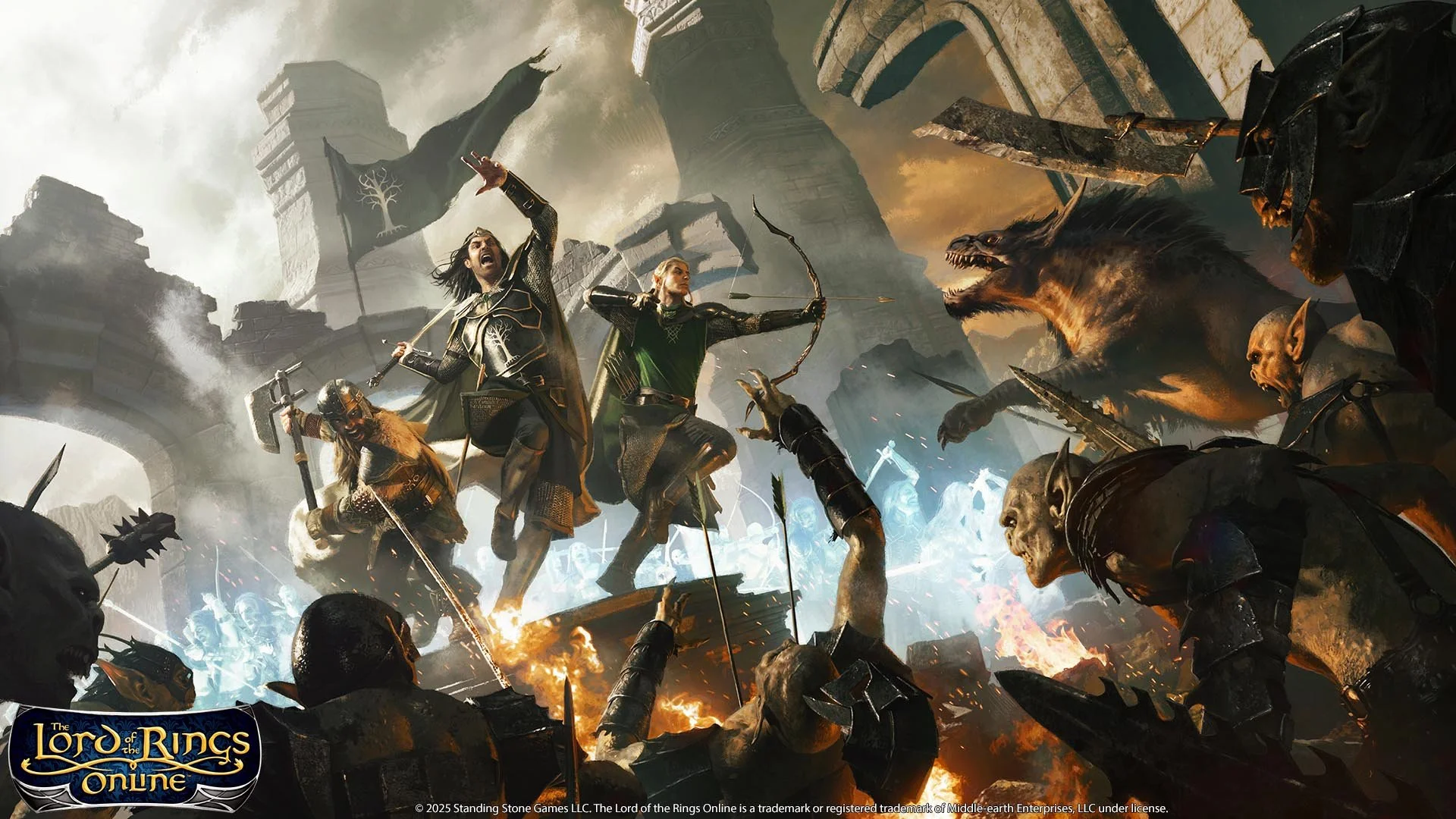
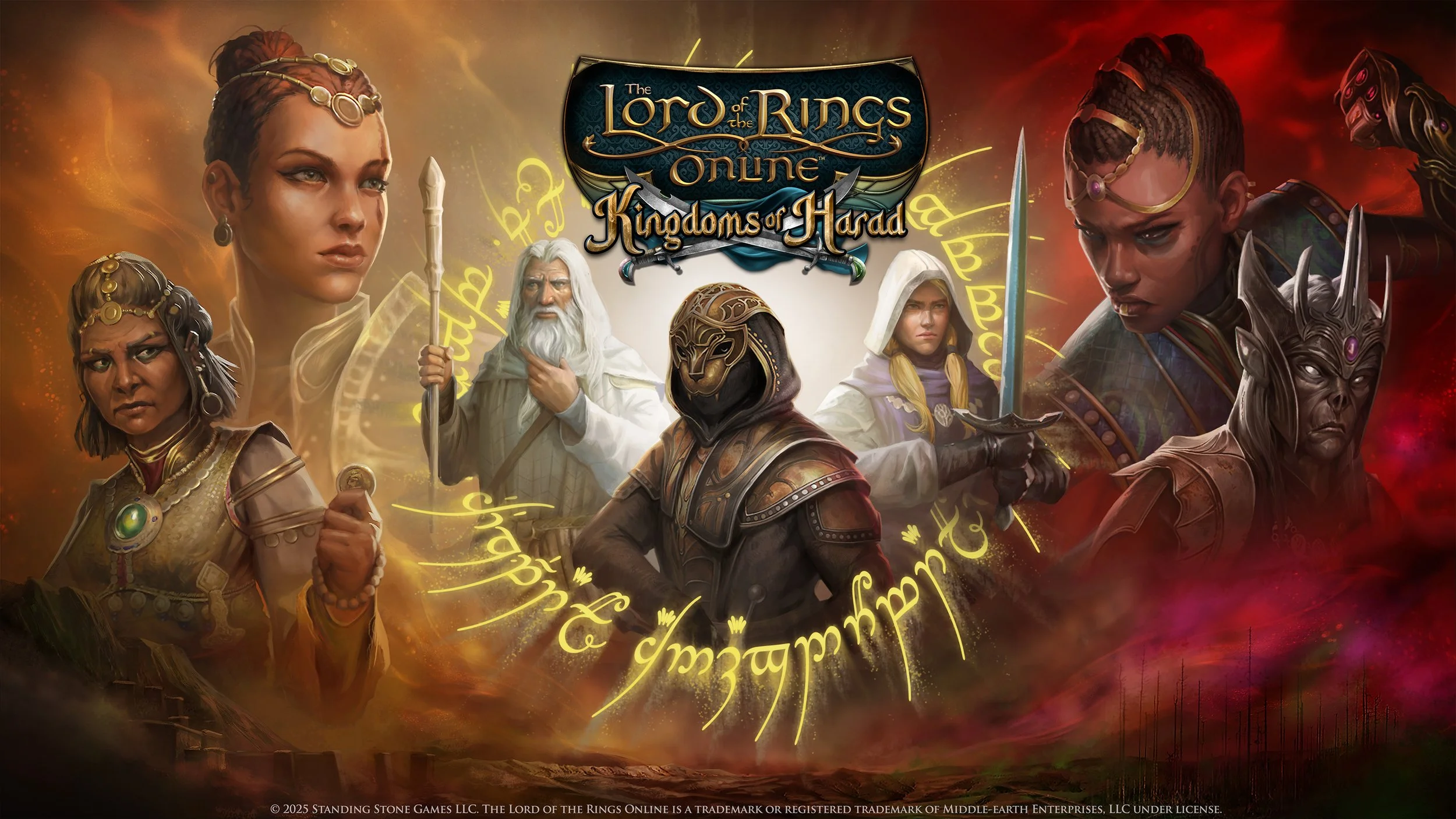
“I’d love to see LOTRO reimagined in a new engine with a certain modernization of gameplay". So said Koshelkin, in a recent comment made over at the Massively Overpowered website. It’s a common sentiment that often expressed by the LOTRO community and I must admit, I have a similar curiosity. But the more I ponder this idea, the more I find myself thinking “be careful what you wish for”. Because LOTRO as it currently exists, embodies the MMO ethos of the time that spawned it. Long-term players love it because of its foibles. As I’ve mentioned before in previous blog posts many LOTRO players are not gamers per se and therefore have no exposure to modern MMOs along with contemporary game mechanics. Thus, if Standing Stone Games were to radically redesign their virtual Middle-earth to include action combat and a truly open world, they may find themselves alienating a great many current LOTRO players, who would be all at sea in a modern iteration of the game.
“I’d love to see LOTRO reimagined in a new engine with a certain modernization of gameplay". So said Koshelkin, in a recent comment made over at the Massively Overpowered website. It’s a common sentiment that often expressed by the LOTRO community and I must admit, I have a similar curiosity. But the more I ponder this idea, the more I find myself thinking “be careful what you wish for”. Because LOTRO as it currently exists, embodies the MMO ethos of the time that spawned it. Long-term players love it because of its foibles. As I’ve mentioned before in previous blog posts many LOTRO players are not gamers per se and therefore have no exposure to modern MMOs along with contemporary game mechanics. Thus, if Standing Stone Games were to radically redesign their virtual Middle-earth to include action combat and a truly open world, they may find themselves alienating a great many current LOTRO players, who would be all at sea in a modern iteration of the game.
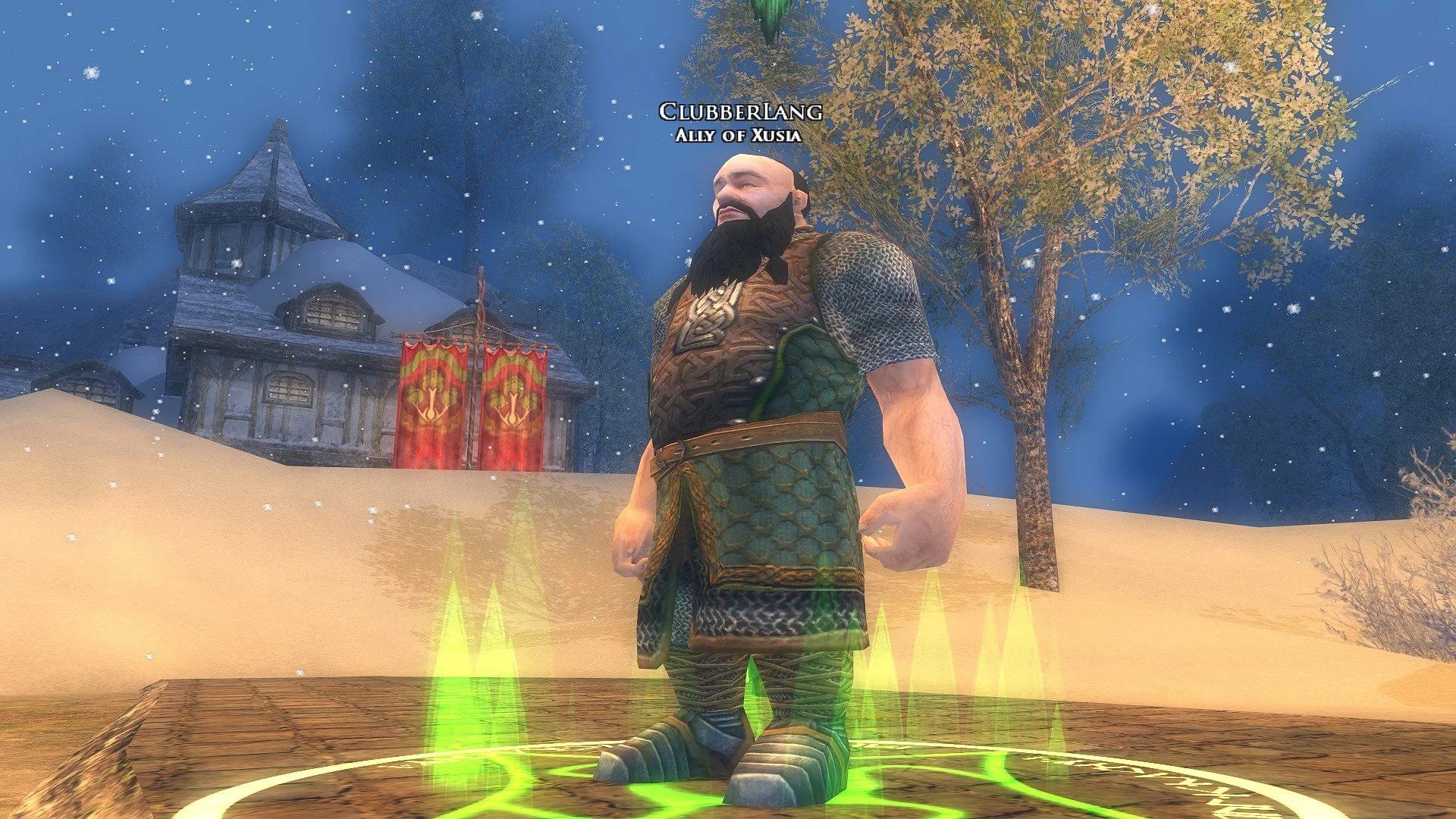
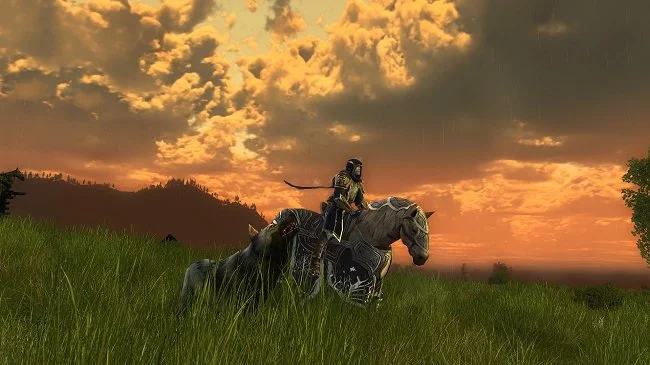
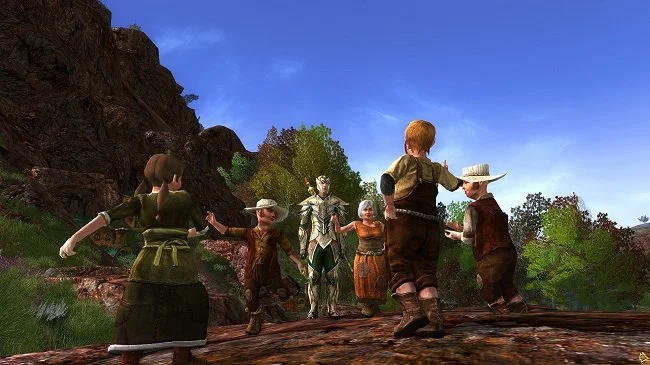
I recently revisited LOTRO to check out the new seasonal instance The Perfect Picnic. Penny the Pony trotted off in true LOTRO NPC fashion and made no effort to avoid the various mobs that plague The Shire during a summer heatwave. However, a decade of playing LOTRO has prepared me for such situations. As a seasoned Lore-master, I sent my pet ahead to occupy the oncoming threat, while I languidly went through my skills rotation. I tend to move in parallel with whoever or whatever I have to escort and seldom shift position while in combat. LOTRO being an older MMO does not support action combat and moving will stop your skill induction. Movement is thus limited to simply removing yourself from AoE effects and such like. It’s a tried and tested method and SSG have ensured that it doesn’t limit your combat experience. Just because fighting is static, it doesn’t mean it is devoid of nuance and tactic. However, many LOTRO players are totally conditioned to deal with this style. The fluid combat of The Elder Scrolls Online may not suit everyone or fit with their abilities as a player.
LOTRO is also very linear in its story structure and quest hubs. Since the game reached the regions of Dunland and Rohan, zones tend to funnel players from A to B very efficiently. It’s convenient but it is not very flexible if you want to do things “your way”. Stray too far ahead and you’ll either find yourself in a zone to high for your level or you’ll miss the start of the “breadcrumb” trail. Because there is no auto levelling beyond the Epic Battle system, it is not always safe to explore too far and no incentive to revisit lower level regions with friends. Again, bringing the narrative and regional freedom that we find in The Elder Scrolls Online, may well completely wrong foot traditional LOTRO players. I remember reading a thread on the Guild Wars 2 forums when the game first launched in 2012, by a player who felt completely lost as to what to do and where to go within the game. The open regional quests and timed events were also a stumbling block for some, who felt they lack direct instruction.
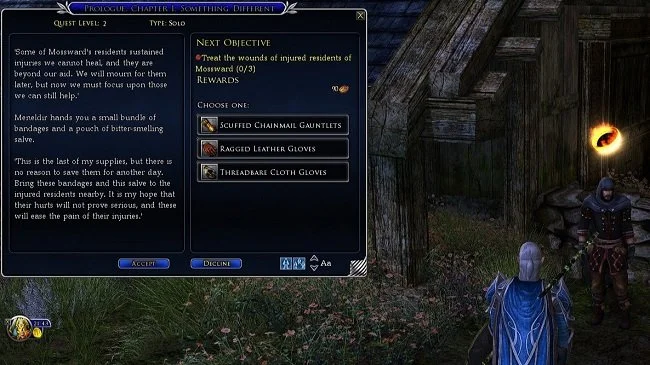
Another aspect of LOTRO that dates it, is its lack of voice acting. Yes, there is some but far less compared to other MMOs. Text boxes filled with written exposition that requires little user interaction are somewhat dull. Although the definition of an MMO has changed and continues to do so, we should not forget that they’re also a variant of the RPG genre. Hence it would be nice to see far more detailed voice acting, branching dialogue options and a greater variety of narrative outcomes. However, providing “choice” can cut both ways. Some players do not like too many options and can find such a mechanic a cause of stress. What happens if you make the “wrong” decision? This however, has been a dilemma of the MMO genre for a long time. It can apply to how you spend your skills points and what faction you join. Plus, voice acting also raises the additional spectre of lore and canon. Middle-earth is blessed with an especially hard lexicon. Most languages have a complex structure and there is plenty of scope for additional spoken dialogue to incur the wrath of the “pronunciation police”.
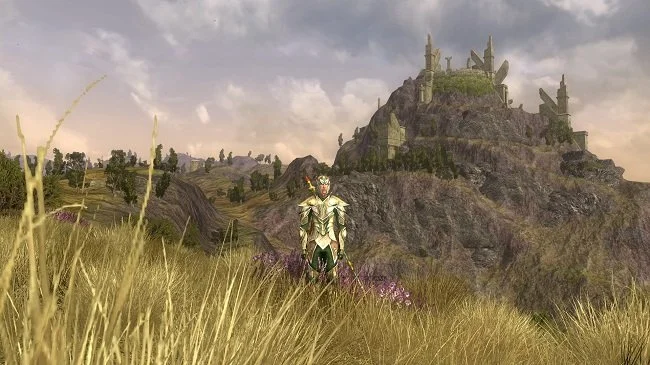
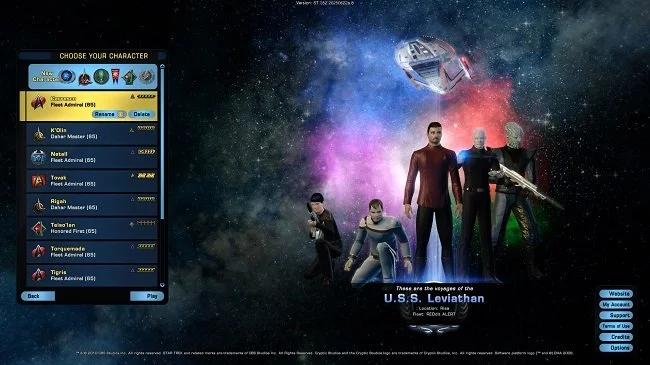
I think completely rebuilding LOTRO to embrace the best elements of the modern MMO genre would be a big and risky undertaking. I think that the finished product would not necessarily appeal to all current players and many would not make the transition to LOTRO 2.0 successfully. Middle-earth: Shadow of Mordor and its sequel Shadow of War feature beautifully realised environments which hint at the visual potential of a new version of LOTRO. I would certainly like to see a new vision of Middle-earth more akin to the structure of The Elder Scrolls Online, as that game serves the needs of the solo player and the group well. But the cost and risk in developing such a project make it highly unlikely that such a game will come to pass. I think after a decade, the most we can honestly expect rom SSG is a revamp of the game engine, similar to that seen in STO a few years ago. It would also be nice to see a 64-bit client and an elimination of the lag and stuttering that plagues the game. Beyond that I think LOTRO 2.0 in the true sense, will just remain a talking point.