
The Abandoned Graveyard
In LOTRO, as you travel north of Bree along the Greenway, there is a small cleft in the hills to the left of the road. It’s southeast of Saeradan's Cabin, east of Thornley's Work Site, and south of the Festival Grounds. In this remote spot is a small abandoned graveyard within a low walled enclosure. An empty cabin overlooks the site and a solitary mourner weeps at the grave of a departed friend. It’s a rather mournful place and somewhat esoteric. The mourner doesn’t bestow any quests, nor do any of the other NPCs in the vicinity. In fact, beyond the aesthetic, this location serves no apparent purpose in the game. So, what is the purpose of the abandoned graveyard?
In LOTRO, as you travel north of Bree along the Greenway, there is a small cleft in the hills to the left of the road. It’s southeast of Saeradan's Cabin, east of Thornley's Work Site, and south of the Festival Grounds. In this remote spot is a small abandoned graveyard within a low walled enclosure. An empty cabin overlooks the site and a solitary mourner weeps at the grave of a departed friend. It’s a rather mournful place and somewhat esoteric. The mourner doesn’t bestow any quests, nor do any of the other NPCs in the vicinity. In fact, beyond the aesthetic, this location serves no apparent purpose in the game. So, what is the purpose of the abandoned graveyard?
Well after a little research, trawling through old forum posts and defunct websites, it would appear that this particular location represents a storyline and quest hub that was removed from the game during its development. Breeland is one of the original areas of LOTRO that came with Shadow of Angmar. It is quite common for material to be removed from a game during its testing. There are (or at least were) other examples of such in LOTRO. At one point a hidden Hobbit village, west of the Shire, was still accessible in the game. As for why such content was changed I cannot say. Size, relevance or quality may well have been deciding factors.
There is certainly some evidence remaining within the graveyard area itself that sheds light on a possible story arc. To the right of the cabin is an old wagon. Next to it is a corpse with a dagger in its chest. There are also skeletal remains scattered around the area. Was someone caught grave robbing and subject to summary justice? Also there’s the graveyard mourner and her reference to old Cal. Both present interesting possibilities. Who are they and what is their history. There is also one grave that differs from the others by having a small bush (or flowers) growing on it. Is this of any significance?
The graveyard itself is also a point to ponder. In western culture, such places are usually linked to major religious institutions. Yet Tolkien does not mention any comparable equivalent bodies in The Lord of the Rings. In fact, theirs is a conspicuous lack of any major organised faith in the source text. Although a Catholic, Tolkien conspicuously avoids any major theological elements in his work. With regard to burial practises, the only references that I can immediately recall are to barrows, burial mounds and tombs. So, is a graveyard a little incongruous, or should we just accept it, assuming it to be the standard manner of dealing with the deceased of Middle Earth?
There may well be more examples of residual stories and quest littering the game. However, they may not be as tangible as the abandoned graveyard. As the game has been revamped on several occasions, it gets harder to tell. So many NPCs, items and quest locations have been moved over LOTROs lifespan, it’s possible that many potential clues have now been lost. Yet these anomalies do add a great deal of character to the game which is one of the reasons I return to LOTRO frequently. And there presence provides more reasons to explore the MMOs extensive regions and zones.
The Geography of LOTRO: Part 1 The Shire
One of the most engaging aspects of The Lord of the Rings is the expansive and detailed world that Tolkien has created. His love of maps combined with his detailed descriptions of the geography of Middle Earth, makes a credible and living environment. The Shire in particular is described in great depth, becoming a character in itself within the narrative. So, when Turbine developed LOTRO a decade ago, they were faced with an extremely difficult task of adapting this territory into a suitable MMO environment. However, the results have been well received and this region has remained a firm favourite with LOTRO players. So, I thought it would be interesting to look in more detail at selected areas of Middle Earth and explore the subtle differences between the game and the source text over a series of blog posts. So, let us start where the story begins, in The Shire.
One of the most engaging aspects of The Lord of the Rings is the expansive and detailed world that Tolkien has created. His love of maps combined with his detailed descriptions of the geography of Middle Earth, makes a credible and living environment. The Shire in particular is described in great depth, becoming a character in itself within the narrative. So, when Turbine developed LOTRO a decade ago, they were faced with an extremely difficult task of adapting this territory into a suitable MMO environment. However, the results have been well received and this region has remained a firm favourite with LOTRO players. So, I thought it would be interesting to look in more detail at selected areas of Middle Earth and explore the subtle differences between the game and the source text over a series of blog posts. So, let us start where the story begins, in The Shire.
One of the most important factors to consider with regard to an MMO map, is size. No matter how much of a Tolkien purist you are, I do not think that any game player would be happy with an exact scale realization of Middle Earth. It would mean taking days to travel anywhere, which far from practical for an MMO. Remember that it took Frodo, Sam and Pippin two and a half days to get from Hobbiton to Crickhollow on foot. So Turbine have reduced the scale in a measured and reasonable way. They have also morphed the in-game map to give locations a more even spread . This is quite noticeable in "The Shire". Green Hill Country has been drastically reduced in size and several northern settlements such as Oatbarton and Dwalling removed from the map and relocated to the next in-game area. It should also be noted that at present, the entire "South Farthing" is absent from the game. In light of Standing Stone Games recent acquisition of the game, perhaps this area will appear later in a future expansion.
Despite these adaptations, Turbine have still managed to recreate the spirit of The Shire. They have maintained the rustic feel with the farmlands, orchards and such embellishments as waterwheels and windmills. It is easy to balk at the encompassing mountains ranges that effectively fence in each gaming area but one is hard pressed to come up with a suitable alternative. As a gamer, I have never been a big fan of invisible barriers as they are jarring and can break immersion for some. The Shire is also filled with a wealth of features taken directly from the book, varying from the well-known to the subtle. Various taverns and farms can be found which most readers will be familiar with, as well as more esoteric landmarks such as Three Farthing Stone.
When you contrast the in-game map with one from the books, you discover much that is missing from LOTRO. As mentioned earlier, some may well feature in future expansions. Currently in LOTRO, The Shire has a gate not far from the homestead entrance, that separates the "South Farthing". Beyond this should lie such settlements as Hardbottle, Sackville and Longbottom. The latter being the main area for the cultivation of pipe-weed in The Shire. Another thing to consider is the substantial reduction in size of Green Hill Country. Although I can see the necessity to do so, it does mitigate a plot point. Unspoilt areas of forest such as the Woody End, were rare in this region of Middle-earth. This was a main reason that the High Elves still visited The Shire and is therefore of significance in terms of the story. It should also be noted that much of the infrastructure of the area (roads and bridges) were originally established by the Dunedain. The region was initially was a part of Arthedain, and as such a part of Arnor. It was at one time part of the farm land for that kingdom.
The Shire remains one of the most popular areas in LOTRO. Turbine managed to create a depiction of Tolkien's work, that despite practical compromises, has not been trivialised or suffered from "Disneyfication". It captures the essence of the source text, which in itself is based on pre-industrial West Midlands of England and offers a very striking visual interpretation. As one of the first areas made for the MMO, The Shire has a level of attention to detail that has been missing from some of the more recent zones. Perhaps that is why it resonates so well with the community. You’ll find region bustling with players throughout the year.
The Elder Scrolls Online, Again
I participated in the Beta testing of The Elder Scrolls Online in spring 2014. Overall I found the game agreeable enough but chose not to purchase it upon its release, due to the subscription model and a lack of time. Like many MMOs the initial launch was problematic and the game had numerous issues and bugs. Within a year, the game was re-branded with a buy-to-play business model and extensive patching made the overall game more equitable. As a result, I’ve had my eye on The Elder Scrolls Online: Tamriel Unlimited for a while and frequently toyed with the idea of buying it. Perhaps one of the reasons I’ve held off from purchasing the game is because I have such fond memories of Skyrim and therefore wonder if I’d prefer a new RPG to an MMO.
I participated in the Beta testing of The Elder Scrolls Online in spring 2014. Overall I found the game agreeable enough but chose not to purchase it upon its release, due to the subscription model and a lack of time. Like many MMOs the initial launch was problematic and the game had numerous issues and bugs. Within a year, the game was re-branded with a buy-to-play business model and extensive patching made the overall game more equitable. As a result, I’ve had my eye on The Elder Scrolls Online: Tamriel Unlimited for a while and frequently toyed with the idea of buying it. Perhaps one of the reasons I’ve held off from purchasing the game is because I have such fond memories of Skyrim and therefore wonder if I’d prefer a new RPG to an MMO.
However, to cut a long story short, a deal turned up recently on a key selling site and was still there a week later. So, I took advantage of this favourable offer tonight and bought The Imperial Edition of The Elder Scrolls Online for just under £14. This particular variant of the game comes with the following bonuses and extras:
Imperial Race: Play as an Imperial in any alliances.
Imperial White Horse: This in-game mount has the same stats as any other horses in the game.
Rings of Mara: Receive the blessing of Mara, the goddess of Love, who will bless your union with a partner of your choice (aka friend).
Mudcrab Vanity Pet: A self-explanatory cosmetic pet.
Another thing worth noting about The Elder Scrolls Online: Tamriel Unlimited, is that the game client is currently up to a whopping 38GB which is not an easy download, even for those with a decent fibre connection. The game also has an optional subscription service (ESO Plus) that allows access to the various DLC that have been released in the last year. These can be unlocked for a monthly cost of £8.99 or bought permanently using the in-game currency. For the meantime I shall defer both options. It remains to be seen whether I need additional content as there may be sufficient in the base game. The Crown stipend that comes with the sub is not a compelling bonus at the moment.
Because I’m the sort of gamer that likes to know in advance “what’s what”, I’ll probably read a few FAQs and websites before I jump in to the game. It may beneficial for me to join a US rather than European server, as I know several people that play The Elder Scrolls Online: Tamriel Unlimited and they are all in North America. Another major plus that this MMO offers, is the opportunity to write about a game again, which is something I’ve been struggling with recently. So, expect to see some posts regarding my initial experience in Tamriel over the next week or two. Hopefully it will be a positive one.
Meanwhile, Back in LOTRO
The recent news regarding Standing Stone Games’ acquisition of LOTRO has certainly re-invigorated the fan community and led to some renewed wider interest in the game. I’ve kept my own subscription going mostly out of curiosity for LOTROs future, rather than a burning passion for the MMO. In fact, on Laurelin server, it’s pretty much business as usual. My kinship has a core group of players who logon regularly as do most others. Key regional hubs such as Bree and the Twenty-first Hall are relatively busy, usually with role players and music groups running events. Beyond this there doesn’t appear to have been a major change at present to the game’s overall population. Perhaps something tangible needs to be added to LOTRO first before we see such a shift.
The recent news regarding Standing Stone Games’ acquisition of LOTRO has certainly re-invigorated the fan community and led to some renewed wider interest in the game. I’ve kept my own subscription going mostly out of curiosity for LOTROs future, rather than a burning passion for the MMO. In fact, on Laurelin server, it’s pretty much business as usual. My kinship has a core group of players who logon regularly as do most others. Key regional hubs such as Bree and the Twenty-first Hall are relatively busy, usually with role players and music groups running events. Beyond this there doesn’t appear to have been a major change at present to the game’s overall population. Perhaps something tangible needs to be added to LOTRO first before we see such a shift.
In the meantime, I continue to work my way through various regional quests in The Beacon Hills, Taur Drúadan and North Ithilien, in a leisurely fashion. My primary character is a Lore-master at level cap that I’ve had since I first started LOTRO back in Winter 2008. Yet despite numerous in-game achievements over the last eight years, I still find outstanding deeds to do and activities to pursue. LOTRO has an inordinately large amount of content and landmass to explore. At present, I’m spending some time on my Explorer vocation that I’ve neglected of late. The tenth tier was not unlocked, so I focused on that today. Crafting ingots is still a trying affair. Plus, I only just noticed that an auctioneer had been added to the Bree Crafting Hall, which shows how infrequently I visit.
Another more recent addition to Bree is the Scholar’s Hall (opposite the Cat Lady’s House). This has apparently been added to LOTRO to accommodate the Mythgard Institute's academic lectures with the Tolkien Professor, as well as concerts and other community events. Although I welcome such a venue being added to the game, its distinctly Gondorian style of architecture (and not Anorian) does seem a little incongruous, considering its location. I suppose it’s easier to use existing in-game assets than create new ones. The interior is suitably sumptuous and reflects the various regions of Middle-earth. Let us hope that the faithful find it useful and to their liking.
I recently found some use for my LOTRO points (formerly Turbine points), spending several thousand of them on Relics for my Legendary Items. Although the store Settings, Gems, and Runes may not be the best, they certainly offer both convenience and a leg up on those I had already. Their addition to my weapons has had a tangible impact upon my stats. I have also finally grasped the nettle and started equipping slotted armour and adding appropriate essences. In the past, I have eschewed this game mechanic because it adds another layer of complexity that lazy players such as I eschew. However, I found that I had sufficient funds to buy suitable essences and have started grinding for the latest armour set.
Having no significant alts, means that I have a lot of time to spend on my primary character. Therefore, at present, my time in LOTRO is spent at a sedate pace. I set straightforward goals and pursue them in a manner that still allows me to enjoy my surroundings. The ambient music in North Ithilien is of a high quality and I suspect that some material that was recorded earlier on in the games life, was kept back for key locations. My recent tinkering with my build means that even an indifferent player such as I, doesn’t have to worry about survivability. All in all, I go where I please and face no major challenges, which is how I like to play. I dislike being underpowered and at a disadvantage. Let us not forget what Conan said about what is best in life.
Such is my personal status quo in LOTRO at present. I must admit it’s an advantageous position to be in. It certainly allows me to reflect upon what may be coming next in 2017. Will the Daybreak Gaming Company offer a new tier of subscription? There are occasions when I do regret not buying a lifetime sub but I wouldn’t be surprised if that gets replaced by something else. A new broom always likes top sweep clean and all that. Then of course, there is the small matter of getting to Mordor and may be beyond? LOTRO in the Fourth Age is an interesting proposition. Over to you Standing Stone Games. We await new content.
Landmark to Close on February 21st
It was announced yesterday by the Daybreak Game Company that the MMO Landmark will be closing on 21st of February. Landmark joins an ever-growing list of titles that have closed since DGC acquired SOEs back catalogue. As ever the press release does not give any specific details as to why the game is to be shutdown. However, it is more than likely down to operating costs versus profits. Furthermore, irrespective of the corporate reasons for the decision, there are still numbers of Landmark players who will be saddened by the news. This development is also of interest to LOTRO and DDO players, due to the Daybreak Game Company recently becoming the publisher of those titles.
It was announced yesterday by the Daybreak Game Company that the MMO Landmark will be closing on 21st of February. Landmark joins an ever-growing list of titles that have closed since DGC acquired SOEs back catalogue. As ever the press release does not give any specific details as to why the game is to be shutdown. However, it is more than likely down to operating costs versus profits. Furthermore, irrespective of the corporate reasons for the decision, there are still numbers of Landmark players who will be saddened by the news. This development is also of interest to LOTRO and DDO players, due to the Daybreak Game Company recently becoming the publisher of those titles.
Now if you peruse the comments section of a site such as Massively OP, then you’ll find statements such as “LOTRO is fine” and there’s nothing to be concerned about because DGC is just the publisher for Standing Stone Games. However, I don’t think the situation is as binary as that and it would be wise to scrutinise the business relationship between DGC and SSG more closely. Because I and others suspect that DGC may well have underwritten SSG costs, when they acquired both DDO and LOTRO from Turbine and Warner Bros. If that is the case, then such financial involvement give DGC far more leverage with SSG than merely publishing their gaming catalogue.
Too many gamers allow personal sentiment and affection for the games that they play to blind them to the realities of business. MMOs as I have said time and time again are not social services but products to be bought and sold for money. The moment any product doesn't meet the expectations its owners, then it's future is in question. I would have thought that was abundantly clear by the way Warner Bros. cut LOTRO and DDO loose, as they organise their balance sheet for their pending acquisition with AT&T. Why should the Daybreak Gaming Company, itself a subsidiary of a Russian venture capital company, view its assets any differently?
Game Developers often have the best of intentions for the products they make. Artistic vision and ethical practises may well be key to their business ethos. However, unless those that create have total financial and therefore legal control, then such noble aspirations can and are frequently side-lined. In my experience business is usually driven by those who control the purse strings, which once again returns me to the question of whether DGC are merely SSGs publisher or is there a more complex business relationship? Are LOTRO and DDO going to be measured by criteria set by their developers or someone else? If these games survival is dependent on targets set by DGC, then their future may not be as rosy as some like to think.
A Year in Multimedia
In the past, I’ve often written a summary of my experiences with gaming, movies and TV at the end of each year. Similarly, I usually reflect upon my activities in podcasting and blogging as well. However, 2016 has been unique in many respects. Political and social tides have changed in the West and there is much to reflect upon in the real world. Certainly, my appetite for creating content has taken a knock and I have at times stopped and wondered if it really is all worth the bother. But after such moments of introspection I still see the benefits of the written word or bellowing in to a microphone, so here we are once again. The only difference this time is rather than multiple posts, I can pretty much distil my thought on 2016 in one simple account.
In the past, I’ve often written a summary of my experiences with gaming, movies and TV at the end of each year. Similarly, I usually reflect upon my activities in podcasting and blogging as well. However, 2016 has been unique in many respects. Political and social tides have changed in the West and there is much to reflect upon in the real world. Certainly, my appetite for creating content has taken a knock and I have at times stopped and wondered if it really is all worth the bother. But after such moments of introspection I still see the benefits of the written word or bellowing in to a microphone, so here we are once again. The only difference this time is rather than multiple posts, I can pretty much distil my thought on 2016 in one simple account.
Gaming:
To things have had a major impact upon my gaming this year. A lack of time and too few new titles that aroused my interest. I started the year playing through Hearts of Stone, the first DLC for The Witcher III: Wild Hunt and continued with the second expansion, Blood and Wine when it was released in May. I waxed lyrical about the quality of this RPG last year and will continue to do so this time. The last DLC not only added yet another superbly crafted narrative but refined the game mechanics and system even further. I think it will be a long time before I find another game from this genre that offers anywhere near a comparable experience.
MMO wise I have continued to regularly log into Star Trek Online during 2016 as it has frequently had new content to explore. This year being the 50th Anniversary of Star Trek, the new expansion, Agents of Yesterday, offered an appropriate homage to the original series. The new lighting system has improved the overall aesthetic of the game and it’s clear that developers Cryptic have plenty more in store for the MMO. It’s recent port to consoles clearly indicates that the game is in a healthy state.
LOTRO has had a curious year. I took a six-month break from the game due to the repetitive and formulaic nature of the new content. Yet the Battle of Pelennor Fields brought me back, being surprisingly well realised given the restrictions of the ageing game engine. Update 19 released in October took the game one step closer to Mordor. As ever the epic central story continues to be written to a high standard and certainly compensates for other more pedestrian regional quests. Recent news that ex Turbine staff have formed a new independent company and taken over the development of the game does seem to have renewed interest in the MMO. I remain cautiously optimistic for LOTRO’s future.
It would be remiss of me if I didn’t mention Overwatch. I played the open beta out of idle curiosity and was greatly surprised by how accessible the game is. It has now become my game of choice whenever I want a quick fix of entertainment. I’m still amazed at how equitable this team based, first person shooter is and how anyone can find a role to play, regardless of the style or abilities. It continues to add content and new characters ensuring longevity. Something that Pokémon Go has failed to do. This was another title that I was drawn to out of nostalgia and curiosity but it quickly became apparent that it was unsustainable.
TV and Movies:
I only went to my local multiplex to see movies upon their release, six time this year, which is unusual for me. This is mainly due to there being precious little of interest for me these days. Cinemas seem choked with Blockbusters and Super Hero movies. A lot of the more niche market, independent films have limited releases and tend to be available on-demand very quickly. Those movies I did see were suitably entertaining. Deadpool provided audiences with exactly what they expected and proved that the R rating could still be economically viable. Star Trek Beyond finally saw the new stories set in the Kelvin Timeline hit their stride. It offered a good character driven story that finally tapped in to the soul of the original series. Fantastic Beast and Where to Find Them also proved to be a crowd pleaser with excellent production values and a decent storyline. I have high hopes for this off shoot of the Wizarding World franchise. Rogue One certainly met with my approval and filled a suitable gap in the Star Wars lore. I almost got as much fun out of the fan driven debates about the story as the film itself.
TV once again proved to be the home of more cerebral and densely plotted drama. Stranger Things was a wonderful homage to eighties genre cinema and popular culture. Finally embracing both Amazon Prime and Netflix certainly afforded our household with more choice and provided a respite from the scourge of advertising which just seems to become increasingly preposterous and crass. The Man in the High Castle provided a suitable bookend to the start and end of the year and continues to be both intriguing and entertaining. It has also been beneficial to have access to all previous series of Star Trek and work my way through those shows I’m less familiar with.
Network TV on both sides of the Atlantic has been entertaining. There are still far too many shows to keep up with and I’m constantly amazed at how many shows bite the dust after one lacklustre season. Elementary still maintains a high standard of writing and the central characters of Holmes and Watson still have engaging story arcs. The final season of Person of Interest was both succinct and fitting, providing a bitter sweet, yet plausible ending for the show. Blindpsot somehow made it to a second season and completely reinvented itself to try and escape the narrative knot it had go itself in to. Back in the UK, Endeavour once again proved to be both superbly acted and well written. It’s sedate pace and introspective themes continue to be captivating.
As a grandparent, I also watch a great deal of children’s television, especially those aimed at the pre-school demographic. Therefore, I would like to praise CBeebies for their continued quality programming and point out that Hey Duggee is a sublime show. If you are thirtysomething, then you’ll love the pop culture references that litter every episode. Plus, in the last few days, I also been caught up in the hype surrounding Guillermo del Toro’s Trollhunters. Let it suffice to say that it is charming and entertaining. It’s curious how some creative talents can handle sentimentality without tipping in to emotional overkill.
Blogging and Podcasting:
I stopped writing daily in 2016. I simply ran out of steam after five years and then real world changes meant that such a schedule was off the table for the immediate future. However, I managed to contribute to this year’s NBI and Blaugust, so I guess content creation wasn’t a complete write off (no pun intended). The Burton & Scrooge Podcast became The Burton & Scrooge Uncut Podcast and followed a somewhat erratic release pattern. I enjoy recording with my co-host Brian but I’m thinking we need to either seriously rethink the show format for 2017 or take a break for a while. I’m determined to get my movie related show in to production next year and I also need to return to writing my book, which ground to a halt this summer.
It would appear that real life and all that it contains caught up with many of my blogging and podcasting colleagues this year. Thus, there was reduced output from certain quarters and some went so far as to take a break. It’s sad but totally understandable. Yet it was not all doom and gloom. Syp over at Bio Break continues to write and podcast with great enthusiasm. The year also saw the launch of the Geek to Geek Podcast with Void and Beej. Their dedication and focus has been a source of inspiration and the show itself is thoroughly entertaining. It also reacquainted me with the concept that you can agree to disagree, cordially. Pam over at Cannot be Tamed also produced lots of quality content via blog post, podcast and You Tube. Joseph (formerly known as the MMO troll) kept creating his own unique brand of content with the Pthppt! podcast. It always raises a wry smile and I’ll happily listen to topics that I usually wouldn’t consider exploring.
Valedictory Remarks:
For me the overwhelming impression that 2016 leaves is ones of change. This has been reflected in politics, world events, within the entertainment industry per se and even my personal life. Yet change is an inherent part of life and cannot be avoided. Therefore, I intend to start 2017 with a positive outlook and rather than focus on what I can’t do, explore what can be achieved with the time and resources that I have. I’m also sure there will still be good content available in all mediums. It may simply be a case of having to broaden one’s search. I recently discovered to my surprise that there’s a fourth instalment of Sniper Elite arriving in spring and I’m still greatly looking forward to Star Trek Discovery. I shall also continue to blog and podcast in my own peculiar way. Perhaps I may even encourage others to do so. After all, you’ve got to have a project.
Standing Stone Games and LOTRO
To date one of LOTRO’s greatest weaknesses has been the way it’s been run and marketed. There are other flaws but these have been fully discussed over the years, so I see no reason to revisit them. Considering the games pedigree, the nine-year-old MMO has never reached its full potential but that is a criticism that can be levelled at many entries in this genre. In recent years LOTRO has limped forward, hobbled by an ever-diminishing development team and starved of resources by its corporate master. Yet because of the dedication of a core group of fans the game generates sufficient revenue to keep it from folding. Thus, despite continued predictions of closure from armchair experts such as myself, LOTRO endures, while other titles have sailed into the West.
To date one of LOTRO’s greatest weaknesses has been the way it’s been run and marketed. There are other flaws but these have been fully discussed over the years, so I see no reason to revisit them. Considering the games pedigree, the nine-year-old MMO has never reached its full potential but that is a criticism that can be levelled at many entries in this genre. In recent years LOTRO has limped forward, hobbled by an ever-diminishing development team and starved of resources by its corporate master. Yet because of the dedication of a core group of fans the game generates sufficient revenue to keep it from folding. Thus, despite continued predictions of closure from armchair experts such as myself, LOTRO endures, while other titles have sailed into the West.
Yesterday it was announced that Turbine would no longer be overseeing the development of LOTRO. In fact, the core team that has running both LOTRO and DDO over recent years, has formed their own new independent game studio called Standing Stone Games and have acquired both properties. Furthermore, Standing Stone Games have partnered with Daybreak Game Company who will provide global publishing services. Sundry press releases were made by both parties and a FAQ was posted to reassure existing customers of both MMOs. The separation process from Turbine and Warner Bros. Interactive Entertainment is ongoing but already LOTRO has been patched to add the Standing Stone Games logo.
Now whether you are a die-hard LOTRO fan or a casually interested bystander (I’m somewhere between these two positions), this change raises a lot of questions. As ever a lot of the answers will only be known to those at the top of each respective company and will not be addressed publicly. However, common sense and a degree of deductive reasoning will probably furnish some answers. For example, it is reasonable to assume that the licensing issue has been addressed and that LOTRO has gained an extension and will not close in 2017. Middle Earth Enterprises may well have become more relaxed about licensing per se since the recent death of Saul Zaentz. I certainly can’t see any company embarking on such a transfer of ownership for a product that had less than a year to live.
Warner Bros. Interactive Entertainment obviously didn’t see the need to hang on to LOTRO, which is hardly surprising as they’ve done precious little with the IP since they acquired Turbine in 2012. At the time, many LOTRO players envisaged a sizeable capital injection and an increase in game development but it never really happened. Warner’s were more than likely just acquiring studios and assets for licenses and patents. So, Standing Stone Games proposition was probably viewed as expedient and convenient. However, the most intriguing aspect of this transfer of ownership is the involvement of Daybreak Game Company. Their acquisition of SOE in early 2015 was surprise and their management of several online titles has been chequered to say the least. Exactly what impact (if any) will they have upon LOTRO?
As a publisher of an online game DGC will theoretically be responsible for things such as account systems, support services and server infrastructure. However, from what we’ve learned already it would appear that a lot of the existing facilities for LOTRO are to be maintained. However, there is the issue of the Turbine Store which no doubt will be quickly converted to reflect DGCs branding. Can we expect to see a change in the LOTROs monetisation policy? It’s very dependent upon Standing Stone Games relationship with Daybreak Game Company. As a new indie studio where did SSG get its funding. Is DGC bankrolling the development team? Or did they provide the capital for the game license which I’m sure did cost pocket change. If you follow the money you usually find out who calls the shots and that will surely impact upon the direction that LOTRO takes.
As ever with a change of this kind, speculation seems to be at both ends of the possible spectrum. LOTRO according to some is to enjoy some sort of renaissance and have a wealth of new content, or alternatively decline into lock box, money grab hell and be dead within six months. Realistically the truth is more than likely somewhere in the middle. Standing Stone Games is now in a better position to focus exclusively for content creation for both LOTRO and DDO without losing staff to other projects. If this transition is handled well then LOTRO can still deliver a modest and steady stream of revenue. DGC may well be pursuing a different endgame that is beyond LOTRO. Perhaps they have an eye on a longer-term relationship with SSG and future products. As ever only time will tell but in the meantime, it is wise to remain cautious. Perhaps this unseen news may even encourage some players to return to LOTRO. Either way my advice is to live in the present and enjoy LOTRO while you can.
Cosmetic Uniform Controversy in Star Trek Online
Star Trek Online like many MMOs uses multiple in-game currencies. Reputation, fleet equipment as well as cosmetic items are purchasable using a variety of energy credits, dilithium and reputation tokens. Cryptic have therefore placed various restrictions governing these items to ensure that the game economy remains functional. However many players still amass sizeable quantities of these currencies overtime; especially those with multiple alts and sufficient time to invest in the game. At present although dilithium ore can be earned in multiple ways, a daily cap allows only 8,000 units to be refined each day. It is refined dilithium that can be used as a tradeable currency.
Star Trek Online like many MMOs uses multiple in-game currencies. Reputation, fleet equipment as well as cosmetic items are purchasable using a variety of energy credits, dilithium and reputation tokens. Cryptic have therefore placed various restrictions governing these items to ensure that the game economy remains functional. However many players still amass sizeable quantities of these currencies overtime; especially those with multiple alts and sufficient time to invest in the game. At present although dilithium ore can be earned in multiple ways, a daily cap allows only 8,000 units to be refined each day. It is refined dilithium that can be used as a tradeable currency.
Five years on from its launch STO has a sizeable player base with a high percentage of veteran players. Because of the nature of the franchise, a lot of these are lifetime account holders who invest heavily in the game and make it their personal gaming focus. In a nutshell, a lot of folk have a ton of dilithium. Farming across multiple toons is a common practise and even I have a modest supply that is regularly topped up via four characters. So naturally the game developers from time to time, create new dilithium sinks as a way of reducing the surfeit of this in-game resource. Today Cryptic did just that and added some cosmetic outfits to the dilithium store; items that had previously been available in the Zen store and purchasable for real money.
As ever with matters of this nature, the decision has been met with disapproval from some quarters. The prices for these cosmetic uniforms range from one to two million dilithium. That equates to approximately 2,482 Zen at current exchange rates which would cost about £17/$22.50 in real money. The fact that these purchases are character bound and not unlockable across an entire account has also met with criticism. However it should be noted that cosmetic items and ships are already purchasable from the Lobi store for similar prices with comparable criteria, which does somewhat mitigate such complaints.
I personally have no objection to dilithium sinks of this nature and it can be cogently argued that nothing currently on sale in the dilithium store is essential to play STO. Perhaps Cryptic could offer a wider variety of items, such as some of the limited edition ships that were exclusively available from previously events. Items of this nature may well be perceived as better value than cosmetic uniforms. However offering previously exclusive items can similarly antagonise a percentage of the player base, proving yet again that you cannot please everyone in the MMO genre. Ultimately this particular “drama” will pass with time, like most others and do no major harm to the game. Furthermore the need for a dilithium sink will continue to occur through STO’s lifecycle.
New Content or Rinse and Repeat?
Over the weekend I finally finished the Blood and Wine DLC for The Witcher 3: Wild Hunt. By which I mean I’ve completed the main story (and achieved the “best” of three possible outcomes) and all (allegedly) of the secondary quests. It’s hard to tell with this game; it may well still have surprises to spring within its open world. However pedantry aside, to all intents and purposes I’ve played through the game. This got me thinking about the thorny issue of game content because The Witcher 3: Wild Hunt and all its DLC contains a lot. Playable content is a subject that frequently comes up when discussing games because there is no standard quantity. Furthermore the nature of content itself varies. Some is meant to be unique where other is specifically designed to be repeated. Whatever a developers approach to this issue, a game’s content is certainly a key selling point.
Over the weekend I finally finished the Blood and Wine DLC for The Witcher 3: Wild Hunt. By which I mean I’ve completed the main story (and achieved the “best” of three possible outcomes) and all (allegedly) of the secondary quests. It’s hard to tell with this game; it may well still have surprises to spring within its open world. However pedantry aside, to all intents and purposes I’ve played through the game. This got me thinking about the thorny issue of game content because The Witcher 3: Wild Hunt and all its DLC contains a lot. Playable content is a subject that frequently comes up when discussing games because there is no standard quantity. Furthermore the nature of content itself varies. Some is meant to be unique where other is specifically designed to be repeated. Whatever a developers approach to this issue, a game’s content is certainly a key selling point.
Both the RPG and MMO genres are very much dependent on the volume of content that they contain. New releases need to ensure that the player has a viable amount of content to work through. It’s the same with expansions and DLC. Players want to feel they are getting “value for money” although that can prove a somewhat nebulous term to quantify. However creating quality new content for both these genres, is both expensive and time consuming. It requires input from writers, programmers and a plethora of other creative artists. Furthermore regardless how much is produced, players always seems to burn through it too quickly. Consumption and demand simply cannot be met.
One solution to this conundrum is to encourage players to replay old content. This is common in the MMO genre and is also applicable to RPGs. With a game such as The Witcher 3: Wild Hunt, due to the multiple story outcomes, there is a sufficient incentive to play again. Some MMOs will offer you a degree of new content if you play through old content with a new class or faction. SWTOR does this well, offering a bespoke central regardless of what character you choose to play. Guild Wars 2 also provides a similar degree of variety. Star Trek Online also does this to a degree, offering unique stories to each faction for the first third of the game. After that the remainder of content available is standardised. However Cryptic have cunningly devised ways to encourage players to repeat content. Last year saw the Delta Recruitment event and the current expansion, Agents of Yesterday, provides further incentives. Enhanced XP, bonus Dilithium, improved loot drops and account wide unlocks can encourage even the most reticent of STO players to do it all again.
Sadly there are many examples of games that are far from generous with their content. Star Wars Battlefront for example launched with a woefully poor amount of maps and game modes. Subsequent DLC has addressed this to a degree but that didn’t benefit those playing on day one of the game’s launch. Also many of the ageing MMOs suffer from a lack of new content. A declining player base means less revenue which inevitably means less frequent new content. LOTRO is a prime example of this. Since the game moved from paid expansions to free updates, most new content has just been variations on existing themes. It keeps the faithful quiet but does not bring new players to the game. Guild Wars 2 has also suffered from lack of regular new content. Last year’s expansion was aimed squarely at those players at level cap and the new content was far from universally well received. Beyond that the base game endured without any significant update for several years.
As a player, a simple solution to this problem is to not be an early adopter. Starting an MMO a year or so after launch often ensures a fair amount of content will be available. Once the game of the year edition of an RPG is released, twelve months after the initial launch, players often find the game bundled with all DLC and a lot of bug fixes. I tackled Skyrim in 2013, eighteen months after it’s release and as a result got over three hundred hours of enjoyment out of the game. However the issue of repeating content is a more difficult matter. Some players simply don’t like to play through material they’re already familiar with. It’s a position I have a degree of sympathy with as it’s not something I always enjoy. Certainly there is no incentive when it comes to older MMOs unless the games developers make it so. At present replaying through Rift, or Age of Conan: Unchained will not be significantly different experience to how it was five years ago.
Conversely music, books, films and TV can all be revisited at a later date after their original consumption, to varying degrees of success. This may be due to the respective depths of these mediums and the fact that content of these genres can be multi-layered and nuanced. Each visit can potentially yield something new or a broader meaning. The fact that we change with age and experience may also aid this process. Games may not necessarily follow suite. Gaming mechanics do not always offers such varied outcomes and unfortunately many games still suffer from poor narratives, especially the RPG and MMO genres. Overall I think that for the immediate future there is no long term solution to this problem. Content availability is still going to be a sticking point for both developers and gamers. Perhaps the future lies with games that side step this issue. Procedurally generated content is one option as is simply relying on non-narrative driven genres. Perhaps Pokémon GO and Overwatch ultimately offer greater longevity, due to their non-narrative nature. The content in these cases is the unique experience of actually playing the game. If that is the case we may need to rethink exactly what the definition of content is.
Pokémon GO – Ten Days Later
Ten days on from the launch of Pokémon Go the game has finally been officially released in the UK. However judging by the amount of gyms that have been claimed in my neighbourhood, it would seem that many people have already opted to download and install the client unofficially, like myself. Pokémon Go has gone beyond being just a popular mobile game and quickly morphed into a pop culture phenomenon. It’s everywhere at present and Nintendo are obviously enjoying the fruits of their labour. However it will be interesting to see in the weeks to come whether the level of enthusiasm the game currently enjoys can be sustained.
Ten days on from the launch of Pokémon Go the game has finally been officially released in the UK. However judging by the amount of gyms that have been claimed in my neighbourhood, it would seem that many people have already opted to download and install the client unofficially, like myself. Pokémon Go has gone beyond being just a popular mobile game and quickly morphed into a pop culture phenomenon. It’s everywhere at present and Nintendo are obviously enjoying the fruits of their labour. However it will be interesting to see in the weeks to come whether the level of enthusiasm the game currently enjoys can be sustained.
As for me, I’ve already dialled back by excitement for Pokémon Go. All the local Pokégyms are beyond my current level and none of my existing Pokémon are sufficiently robust enough to provide a significant challenge, so I’m mainly focused on collecting at present. Due to where I live, there are plenty of Pokéstops. It would appear that pubs, churches and parks all meet the games criteria to be a designated as such and there’s no shortage of these in South East London. Avery Hill Park next to the Halls of Residence for Greenwich University has over twelve Pokéstops and two gyms. The park itself can also offer a variety of Pokémon, which change according to the time of day.
The twenty minute walk that it takes to reach this particular open space, plus the time needed to walk round the entire park provides a great opportunity to hatch eggs. This is an additional facet of Pokémon Go that brings me pleasure, although it raised a curious look from Mrs Peril when I told her I was going out to incubate my eggs. It’s also the only aspect of the game that has so far made me contemplate spending money. I briefly thought it may be useful to purchase additional incubators but quickly shelved the idea. I already put enough money into several other games that I play and am still suspicious about the cost to fun ratio of mobile games. I also have a nagging doubt that I may get bored with Pokémon Go because I cannot invest the time that is needed to progress and succeed in the game.
One final part of Pokémon Go culture that is worth mentioning is the comradery. I was at the Crayford branch of Sainsbury’s yesterday and there was several families shopping while playing the game. A few friendly words were exchanged once everyone determined we were all doing the same thing, which makes for a pleasant change. I also noticed more people politely nodding and smiling when out and about. I guess the way we carry our phones and the manic grin is a bit of a giveaway that we’re all after the same rare Pokémon. Personally I find these minor but positive changes in social interaction a pleasant counterbalance to all the negative stories that have been associated with the game. It would seem that there are still many players who seem oblivious to their own and others safety.
Pokémon Go uses a popular franchise and combines it with the human compulsion to collect, as well as our love of gamifying the arbitrary and the mundane. I’m still not sure if the game is a stroke of genius or a case of the emperor’s new clothes. Certainly it has been nice to be part of a burgeoning craze while it actually happens, rather than being on the outside looking in. I also think that Augmented Reality may be the sleeper game format that gazumps the crown that Virtual Reality is striving for. We’ll just have to wait and see. In the meantime perhaps we should start placing bets on other popular franchises from the nineties that may be revived. My money is on Johnny Bravo.
Pokémon GO – The Madness Spreads
Well the world seems to be going crazy for Pokémon GO at present, myself included. I must admit the first thing I did today when I woke up was reach for my phone and log into the game. I ended up catching a Drowzee in my bedroom which came as a surprise to me. So much for me trying to temper my smart phone “addiction”. Just five days after the release of Pokémon GO, the Nintendo Corporation is enjoying a $7.5 billion increase in their market value. The game itself is certainly gaining a lot of media attention as well as traction with the player base, despite performance issues and bugs. I hope that Niantic release an updated client soon with various fixes.
Well the world seems to be going crazy for Pokémon GO at present, myself included. I must admit the first thing I did today when I woke up was reach for my phone and log into the game. I ended up catching a Drowzee in my bedroom which came as a surprise to me. So much for me trying to temper my smart phone “addiction”. Just five days after the release of Pokémon GO, the Nintendo Corporation is enjoying a $7.5 billion increase in their market value. The game itself is certainly gaining a lot of media attention as well as traction with the player base, despite performance issues and bugs. I hope that Niantic release an updated client soon with various fixes.
Although I applaud the notion of encouraging gamers to venture outdoors and exercise, it would seem that many of the problems that I and others pointed out last week, have indeed manifested themselves. PokéStops and Gyms are at times in inappropriate locations. Health and safety issues have also been raised over players pursuing their quarry. Sadly it’s the human factor that is the most upsetting and problematic. Stories have emerged of players behaving poorly in sensitive places such as cemeteries, churches and even the Holocaust Museum in Washington. The fact that some people don’t seem to have any grasp of social etiquette, decorum and old fashioned good manners both worries and angers me. Here are a few examples (and yes I know not everyone is an asshole but guess what, they’re far more than you think!)
Pokémon Go: Singapore company sacks Australian for rant
US Teens Accused Of Using Pokémon Go To Rob
Pokémon Go player finds dead body in Wyoming river while searching for a Pokéstop
However, it is not all doom and gloom. The Pokémon Company has since clarified that there is a system in place for buildings and businesses to be delisted from the game. "PokéStops and Gyms in Pokémon Go are found at publicly accessible places such as historical markers, public art installations, museums and monuments," a Pokémon Company spokesperson said. "If you want to report inappropriate locations or content, please submit a ticket on the Pokémon GO Support website https://support.Pokémongo.nianticlabs.com." In the meantime, let us hope that at least some of the offending individuals reflect upon the situation and moderate their behaviour.
Pokémon GO
"Okay, it's 1 AM in Seattle, and I saw no fewer than 12 other people roaming the downtown Seattle streets looking for Pokémon" Tweeted by Talarian 7th July 2016.
I’ve never been a big Pokémon fan. My exposure to the franchise was mainly through my son who was obsessed with it during the late nineties. Over the years I’ve played a few of the games on handheld devices and like so many other Nintendo products found them to be engaging and polished. In recent times I’ve watched with both sadness and fascination as Nintendo’s fortunes have waned, both within the console and handheld markets. For a company with so many good products and customer goodwill, they certainly seem to make a lot of poor business decisions. So when they finally announced a year ago that they would enter the mobile game market my interest was piqued.
"Okay, it's 1 AM in Seattle, and I saw no fewer than 12 other people roaming the downtown Seattle streets looking for Pokémon" Tweeted by Talarian 7th July 2016.
I’ve never been a big Pokémon fan. My exposure to the franchise was mainly through my son who was obsessed with it during the late nineties. Over the years I’ve played a few of the games on handheld devices and like so many other Nintendo products found them to be engaging and polished. In recent times I’ve watched with both sadness and fascination as Nintendo’s fortunes have waned, both within the console and handheld markets. For a company with so many good products and customer goodwill, they certainly seem to make a lot of poor business decisions. So when they finally announced a year ago that they would enter the mobile game market my interest was piqued.
One year on we now have Pokémon GO, a game that despite much publicity somehow managed to stay off my radar until Wednesday when my twitter timeline became filled with curious tweets such as that at the top of this post. Naturally I did some investigating and decided that this augmented reality game sounded like a lot of fun and I should join in. However Pokémon GO has not been officially released in the UK. For the present the game is only available in the US, Australia and New Zealand. However I see no reason why the regional marketing policy of Nintendo should stand in the way of me and casual gaming, so I found a third party website that hosted the appropriate APK file and installed the game manually.
So the first thing I noticed about Pokémon GO is that there aren’t any instructions with the game, or at least not with the version I installed. So I had to figure the basic mechanics of the game out for myself. It took me a while to work out how to throw the Poké Ball and capture the various beasties. It would also seem that some of the features of the game won’t load or have details missing. For example there is a Pokéstop at the end of my road but when I get there it doesn’t show anything other than the base template. It should also be noted that I haven’t yet encountered anyone else who plays the game. This aspect of Pokémon GO has the potential to be both great fun and problematic. Interfacing with other carbon based lifeforms is so often fraught with risk these days. How long will it be before we hear of the first Pokémon GO related assault or murder.
But enough of these moral conundrums and societal concerns; one of the biggest issues that comes with the launch of a new game is picking a cool name. The best ones go very quickly. I won’t burden you with the tortuous events and factors that lead to my current screen name but needless to say Uncle Trumpet was not my first choice. Furthermore, beyond a few circuits of my local streets, I’ve done precious little than capture a few low level Pokémon. Again, possibly due to the version I’ve installed there doesn’t seem to be a way to cleanly close the game. It may be prudent to re-install the game client once an official version becomes available in the UK.
From what I’ve experienced myself (which is somewhat limited) and read on other people’s blogs, it looks like Pokémon GO is proving to be a major shot in the arm for Nintendo. The game includes a ubiquitous cash store and shares in the company have risen over the last 24 hours. If I can convince my son to install the game then I think I should be able to get a much better handle on what Pokémon GO can offer. It must admit what I’ve seen so far is fun and I really like the way the game links to your location. If this provides an incentive for people who are usually housebound to venture outside, then so much the better. Mind you I wouldn’t be surprised to read of someone being run over while playing Pokémon GO; as if smart phones weren’t absorbing enough already.
Star Trek Online: Agents of Yesterday
The third free expansion for Star Trek Online, Agents of Yesterday, went live today and there was much merriment and rejoicing among TOS fans. Cryptic have done a fine job in capturing the essence of the sixties shows. The new faction has a starter zone set in the 23rd century which features several stories that link to specific episodes from the classic era. There are Gorn in Gornkinis, neural parasites and Rumulans in knitwear. The game aesthetic is spot on and features a wealth of sound effects that are lore appropriate. Mind you, if you spend too much time on Taurus II revelling in your tricorder readings, you may find yourself on the wrong end of a Folsom Point.
The third free expansion for Star Trek Online, Agents of Yesterday, went live today and there was much merriment and rejoicing among TOS fans. Cryptic have done a fine job in capturing the essence of the sixties shows. The new faction has a starter zone set in the 23rd century which features several stories that link to specific episodes from the classic era. There are Gorn in Gornkinis, neural parasites and Rumulans in knitwear. The game aesthetic is spot on and features a wealth of sound effects that are lore appropriate. Mind you, if you spend too much time on Taurus II revelling in your tricorder readings, you may find yourself on the wrong end of a Folsom Point.
The game writers then cleverly linked the old with the new via Temporal Agent Daniels who featured in Star Trek: Enterprise. Through this plot device your newly created character is brought forward in time to the 25th century of the prime Star Trek universe. However the latest expansion has even managed to find a way to include the alternative timeline from the recent Trek movies. There’s also a ton of new gear, a new skills specification and rep faction. Plus there’s a wealth of new ships including the Kelvin Timeline Heavy Command Cruiser [T6] (the JJ-verse Enterprise) and Intel Dreadnought Cruiser [T6], also known as the Vengeance-class. If that wasn’t enough to get excited about Cryptic have once again secured voice acting from the actors associated with the various shows both canonical and non-canonical, including Walter Koenig, Chris Doohan and Vic Mignogna.
If you’re looking for a new MMO to play and like the Star Trek IP, or if you’re a former player who’s drifted away, then now is an ideal time to return to the game. Regardless of some of Star Trek Online's faults, namely a somewhat clunky game engine and a lack of polish here and there, the game has constantly improved over the last five years. The stories are incredibly lore friendly and creative, space combat is immense fun and the much lambasted ground combat is not half as bad as it’s claimed. As for that tedious mantra that’s regularly trotted out about the lack of exploration, all I can say is try watching a lot of the TV shows both old and new. Exploration usually means flirting with a green chick, flying chest kicks, ripping t-shirts and blowing shit up.
Like many MMOs, STO has lots of game mechanics and systems that don’t immediately become apparent. However there is a wealth of information available online, via Reddit and Gamepedia. Plus if you join a fleet you’ll find lots of like minded players happy to share their knowledge. STO also benefits from not having to rely upon all the default sword and sorcery tropes you find in most other games of the MMO genre. At present, five years into its lifecycle, STO has a healthy player base and plenty of new content. It’s a game you can spend money on if you see fit, or play quite happily as a F2P player. It’s also has managed to keep me continuously occupied for the last year. Agents of Yesterday has just added to that and done so with a degree of panache. Not many MMOs can boast such a claim.
Update: I was fortunate once again when it came to opening a few lock boxes (okay another 20) and managed to secure a Vengeance class Dreadnought Cruiser. It really is a beast of a ship, although it handles like a sonofabitch, so it may be time to swap to the Pilot Specialisation to improve its mobility. I also ran both the new Special Task Force missions that have been added to the game, one of which "Days of Doom" is based in the TOS era and features the iconic Doomsday machine. It even includes music cues by Sol Kaplan from the original show.
Blood and Wine
Blood and Wine, the swansong DLC for The Witcher 3: Wild Hunt, is yet another exquisitely crafted blend of quality adult narrative and action gaming. As ever with this franchise there’s a central story that drives the game but the devil is in the detail of the secondary quests, witcher contracts and treasure hunts that occur along the way. Blood and Wine oozes both beauty and mystery during its thirty plus hours of content. It’s also a fitting denouement for Geralt of Rivia; a character I’ve warmed to over the four hundred plus hours I’ve played. Future RPGs will have a tough act to follow now that CD Projekt Red has set the bar so high.
Blood and Wine, the swansong DLC for The Witcher 3: Wild Hunt, is yet another exquisitely crafted blend of quality adult narrative and action gaming. As ever with this franchise there’s a central story that drives the game but the devil is in the detail of the secondary quests, witcher contracts and treasure hunts that occur along the way. Blood and Wine oozes both beauty and mystery during its thirty plus hours of content. It’s also a fitting denouement for Geralt of Rivia; a character I’ve warmed to over the four hundred plus hours I’ve played. Future RPGs will have a tough act to follow now that CD Projekt Red has set the bar so high.
Set after the events of the main game, Blood and Wine finds Geralt of Rivia summoned to the Duchy of Toussaint to investigate the slaying of the regions elite by a creature dubbed “The Beast”. The new region bears a striking resemblance to Southern France, with a warm climate, vineyards and picturesque villages. It’s a striking contrast to the windswept and rainy forests of Velen and Novigrad. As with the main game the superficially straightforward plot soon become complex, filled with duplicity, difficult decisions and multiple story outcomes. Toussaint is also a dangerous zone which can be taxing even at the default difficulty level. Bandits and monsters are considerably more robust requiring a more considered approach to combat. Alas, Superior Grapeshot is no longer the get out of jail card it was in previous DLC.
Blood and Wine not only offers new content but a wealth of upgrades to the UI, quest trackers and such like, which greatly enhance the game. Sorting your inventory is now far easier as is managing your abilities. The DLC adds a new mutation mechanic that allows you to create specialised ability modifiers. It certainly adds to the combat system and levels the playing field against some of the sturdier monsters. Blood and Wine also embraces the cosmetic allowing colour customisation of Geralt’s armour, of which there is now a Grandmaster tier. Early on in the game you are awarded a vineyard and an estate that can be upgraded. It boasts an alchemy table, armour bench and stable for Roach.
Irrespective of the fine tuning, which is most welcome by the way, the foundation of Blood and Wine as well as the main game is the quality of the stories it tells. When I first started playing The Witcher 3: Wild Hunt, I was not overly familiar with the character of Geralt of Rivia. I had played through some of the first game in the franchise and had skipped the second. At first I thought Geralt was going to be another gravel voiced anti-hero in the classic Clint Eastwood idiom. I was greatly surprised by breadth of his backstory and depth of his character. Due to the dialogue options there is scope to play Geralt as an insensitive dolt, if you so please. However if you embrace the emotional quandaries that the story offers and go with your gut feelings, you’re rewarded with the tale of a decent and humane individual that flies in the face of the stereotype that witchers are emotionless.
Blood and Wine offers several storylines that have moral choices and these tend to be complex and nuanced, as opposed to arbitrary and trite. I found the side quest involving the Spotted Wight especially tragic yet the option to be merciful has a satisfying outcome. There is sentiment in the game from time to time but it is tempered and often bitter sweet. Life is frequently depicted as a bleak struggle, especially for those of the lower classes. Yet it is through the prism of this flawed and brutal world that CD Projekt Red explores the finer points of humanity. Games seldom have this level of maturity and intellectual honesty.
Games reviewer Tom Senior over at PC Gamer effectively sums up how I feel about The Witcher 3: Wild Hunt and its DLC. “Frankly if one of these expansions came out every year I'd still be playing The Witcher 3 in 2020”. Sadly this is the last we’ll be seeing o the Northern Realms and Geralt of Rivia for the immediate future. Developers CD Projekt Red naturally wants to focus on new games and fresh ideas. In the meantime I shall content myself with finishing all available content in Blood and Wine and ensuring that I’ve left no stone unturned. It’s the little things in The Witcher 3: Wild Hunt that are the most rewarding. The notes and journals that you read with their snatches of people’s lives or the rhymes the children sing as they play in the streets. The pop culture references that you find along the way often raise a wry smile. So I intend to enjoy every last part of the game as I suspect it will remain a high point, not to be bettered for a long time.
Preparing for Agents of Yesterday
With the latest free expansion for Star Trek Online, Agents of Yesterday, launching on 6th July, I decided to do some in-game housekeeping in preparation today. Having only three alts this wasn’t too difficult and it didn’t take long to trawl through inventories, sell unwanted items and delete or dry dock unused ships. I also moved some energy credits into the shared bank so the new character I create on Wednesday is not without financial resources. I also receive my monthly Zen stipend round about the time of the new expansion launch, so overall I consider myself ready to enjoy the new content.
With the latest free expansion for Star Trek Online, Agents of Yesterday, launching on 6th July, I decided to do some in-game housekeeping in preparation today. Having only three alts this wasn’t too difficult and it didn’t take long to trawl through inventories, sell unwanted items and delete or dry dock unused ships. I also moved some energy credits into the shared bank so the new character I create on Wednesday is not without financial resources. I also receive my monthly Zen stipend round about the time of the new expansion launch, so overall I consider myself ready to enjoy the new content.
While undertaking these tasks, I decided to see if the recent economy adjustment caused by the introduction of the Infinity lock boxes, has yet had an impact upon the various third party vendors that trade in STO consumables. It would appear that it has and one site has already started heavily discounting the various items it sells. As a result I was able to buy both the Delta Rising Operations Pack and the Legacy of Romulus Legacy Pack for $40, which is about £30 at the current exchange rate. Needless to say this was a ridiculous bargain as these items collectively retail at £130 at present.
As well as the multitude of ships that these bundles offer, the Legacy of Romulus Legacy Pack also comes with thirty lock box keys. So I took this opportunity to open twenty Infinity lock boxes which proved to be very lucrative. Not only did I make one hundred and nine Lobi but I also gained over a half a dozen items that sell well at present on the exchange. However the jewel in the crown was obtaining a T6 Tholian Tarantula Dreadnought Cruiser. I managed to sell this for 150 million energy credits and promptly bought the T6 Wells Temporal Science Vessel, a ship I’ve been after for a while.
Agents of Yesterday certainly offers a wealth of account wide benefits if you create a new faction alt and play through the existing game content once again. One year on from returning Star Trek Online, I’m still enthused and engaged by this MMO and happy to spend time in what is at present my primary game. STO is also great for people watching as it seems to have a higher proportion of über fans and whales, compared to some of the other MMOs I’ve played. It’s more than likely due to the IP. Whatever the reason it’s reassuring to know that at the present, STO seems to be thriving which is not bad for a five year old game.
Resetting the Market
Over the last five years Cryptic have introduced a variety of themed lock boxes into Star Trek Online. Each type of lock box has only been available for a limited period of time, thus making much of their contents quite rare. Naturally this has led to a booming market based on the trading these items. Consoles such as Plasmonic Leech and such ships at the Wells Temporal Science Vessel have regularly sold on the exchange for hundreds of millions of energy credits along with other scarce rewards. STO has long been a haven for commodity speculators and even led to an illicit trade outside of the game where rare items are sold for real money.
Over the last five years Cryptic have introduced a variety of themed lock boxes into Star Trek Online. Each type of lock box has only been available for a limited period of time, thus making much of their contents quite rare. Naturally this has led to a booming market based on the trading these items. Consoles such as Plasmonic Leech and such ships at the Wells Temporal Science Vessel have regularly sold on the exchange for hundreds of millions of energy credits along with other scarce rewards. STO has long been a haven for commodity speculators and even led to an illicit trade outside of the game where rare items are sold for real money.
However on Tuesday 28th of June Cryptic took steps to address the matter of lock box rarity and in doing so also reset the in-game market. The introduction of The Infinity Lock Box offers players “the prizes from nearly all retired boxes in a single, massive prize table”. Until now if you were hoping to obtain a Jem'Hadar Heavy Escort Carrier, you would have to open a Dominion Lock Box. Similarly the Tholian Tarantula Dreadnought Cruiser was exclusive to the Mirror Incursion lock box. The new system allows players who have won a top tier prize to pick the specific item of their choice from a comprehensive list. Scarcity of specific types of lock boxes is no longer a factor.
Naturally this has caused prices of previously rare and obscure items to plummet on the exchange. Those who play the in-game market are peeved but many players, including myself, are extremely pleased with this supply and demand re-calibration. I have already taken advantage of the situation and bought several personal space traits and news abilities such as Kemocite-Laced Weaponry. All of which have had a positive impact upon my current ship build and its overall DPS output. It will be interesting to see if this market change will impact as quickly upon the third party traders that exist outside of STO and whether it spells an end for this illegal cottage industry.
Cryptic have made a positive improvement to Star Trek Online with the introduction of The Infinity Lock Box. However these are not to remain in the game indefinitely. It would appear that the developers still intend to release further themed lock boxes in the future, with the Kelvin Lock Box due for release on the 6th of July in conjunction with the new expansion, Agents of Yesterday. It would appear that The Infinity Lock Box will continue to appear from time to time in-game to ensure that new and returning players can still potentially access items they may have previously missed.
A Gamer By Name and Nothing More
I have played video games since I was a child. I use to play arcade games, then home consoles in my youth during the late eighties. I moved to PC gaming in the mid-nineties and have remained there ever since. I play a variety of game genres but the common factor has always been that I play for fun, amusement and entertainment. There is an element of personal challenge involved and I do like some of the social interaction that comes with certain genres. However I'm don't game to be the best of the best, nor am I looking to be excessively stretched with a steep and complex learning curve. Although I like being part of the gaming community it is not the centre of my social activities. For me games are just a pleasant pastime and an amusing diversion.
I have played video games since I was a child. I use to play arcade games, then home consoles in my youth during the late eighties. I moved to PC gaming in the mid-nineties and have remained there ever since. I play a variety of game genres but the common factor has always been that I play for fun, amusement and entertainment. There is an element of personal challenge involved and I do like some of the social interaction that comes with certain genres. However I'm don't game to be the best of the best, nor am I looking to be excessively stretched with a steep and complex learning curve. Although I like being part of the gaming community it is not the centre of my social activities. For me games are just a pleasant pastime and an amusing diversion.
Because I play games, I believe that makes me a "gamer" but beyond that being a functional description, I don't ascribe any further significance to the term with regard to myself. However I am fully aware that some people identify with the term a lot more than I do, seeing it as a wider social moniker with broader connotations. Sadly because some of those connotations are now associated with ideologies and attitudes that I don't support, this simply reinforces my choice to distance myself from any wider definition of "gamer".
I have no major prejudice against gaming as a leisure activity. It has its merits and pitfalls, the same as any other hobby or pastime. One can spend too much time fishing, or stamp collecting just the same as gaming excessively. However something I do find odd about gaming is the huge amount of time and energy some people devote to negative or trivial aspects of the gaming scene. You'll find no end of blog posts, podcast and You Tube videos berating gaming minutiae or the perceived transgressions of a developer and publisher. If only there was a similar amount of dedication shown towards pressing real world issues.
Simon Pegg courted controversy last year with his comments (which were grossly taken out of context) about "the infantilisation of society", postulated by French cultural theorist, Jean Baudrillard. This along with the growing phenomenon of the "man child" causes me concern, because I feel that gaming culture includes large numbers of people in both these camps. These are not things I want to be associated with as I don't see them as being especially edifying for gaming per se or benefical for society. If it is essential to pigeonhole people, then I wish to be defined by something with a far more robust criteria and less divisive nature than "gaming".
So I'm a gamer, the same way that I'm a reader, a listener and a viewer. Like those mediums, gaming can also provide a degree of insight and an opportunity to learn new skills. However I don't buy into the notion that gamers are an untapped resource of elite problems solvers. Sure video games require a degree of lateral thinking and an aptitude for puzzles solving, but so do crosswords, sudoko and chess. Don't get me wrong, I like a lot of my fellow gamers, but I see no evidence that they’re a group of Nietzschean Übermensch.
There's a chance that some see this post as being "anti-gamer". I don't believe that to be the case, although I am certainly against the cult of the self-aggrandizing, malcontent, savant gamers. Sadly this seems to be the group that gets all the media attention these days. However regardless of these quibbles and distinctions, I'll probably continue to game well into my autumn years and beyond, simply because gaming is an everyday aspect of life now, the same way that social media and the internet are. If an EMP ever puts pay to gaming as we currently know it, I will simply put a colander on my head and play Nine Mens Morris using stones. It would just be a case of same meat, different gravy.
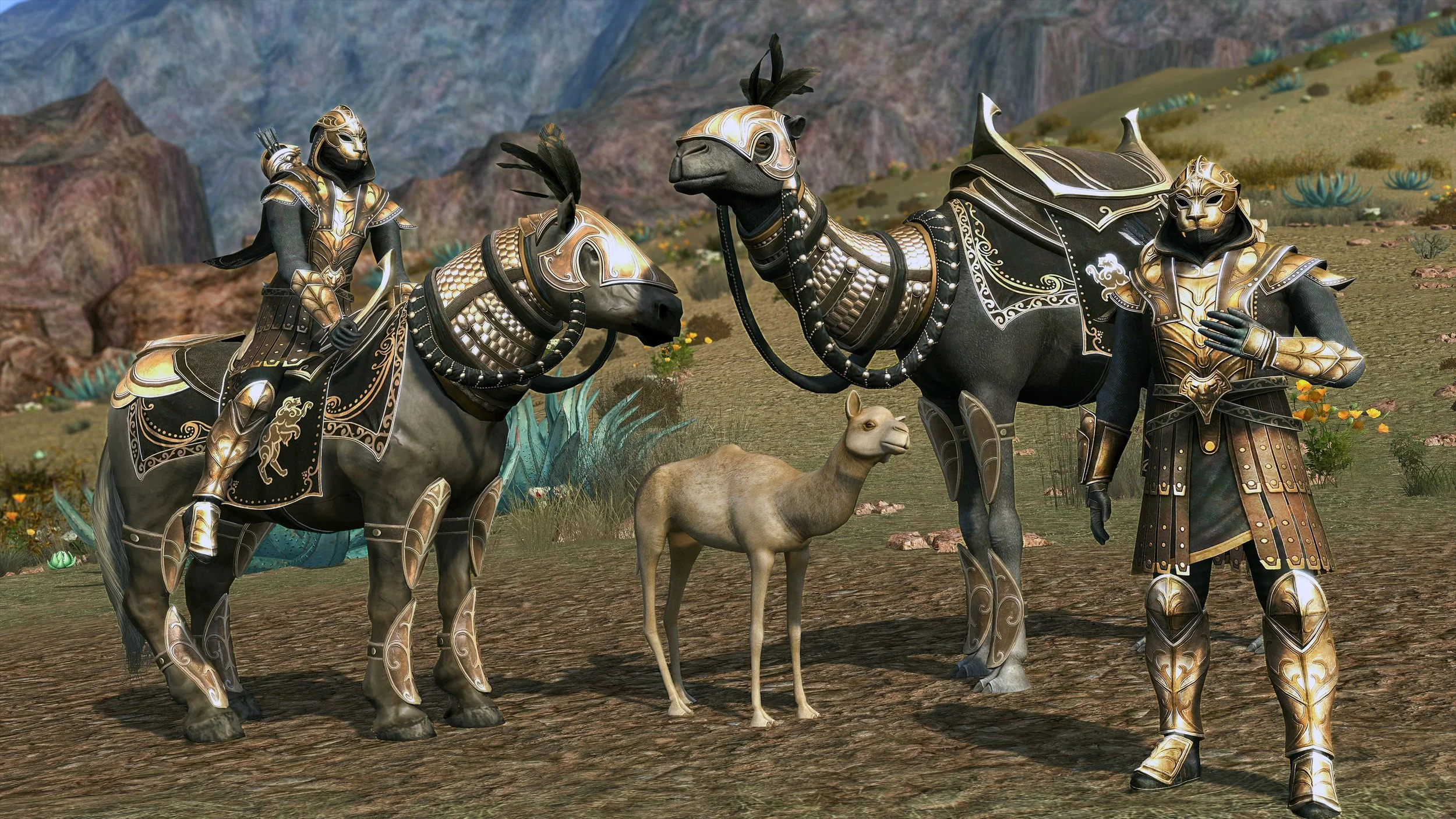
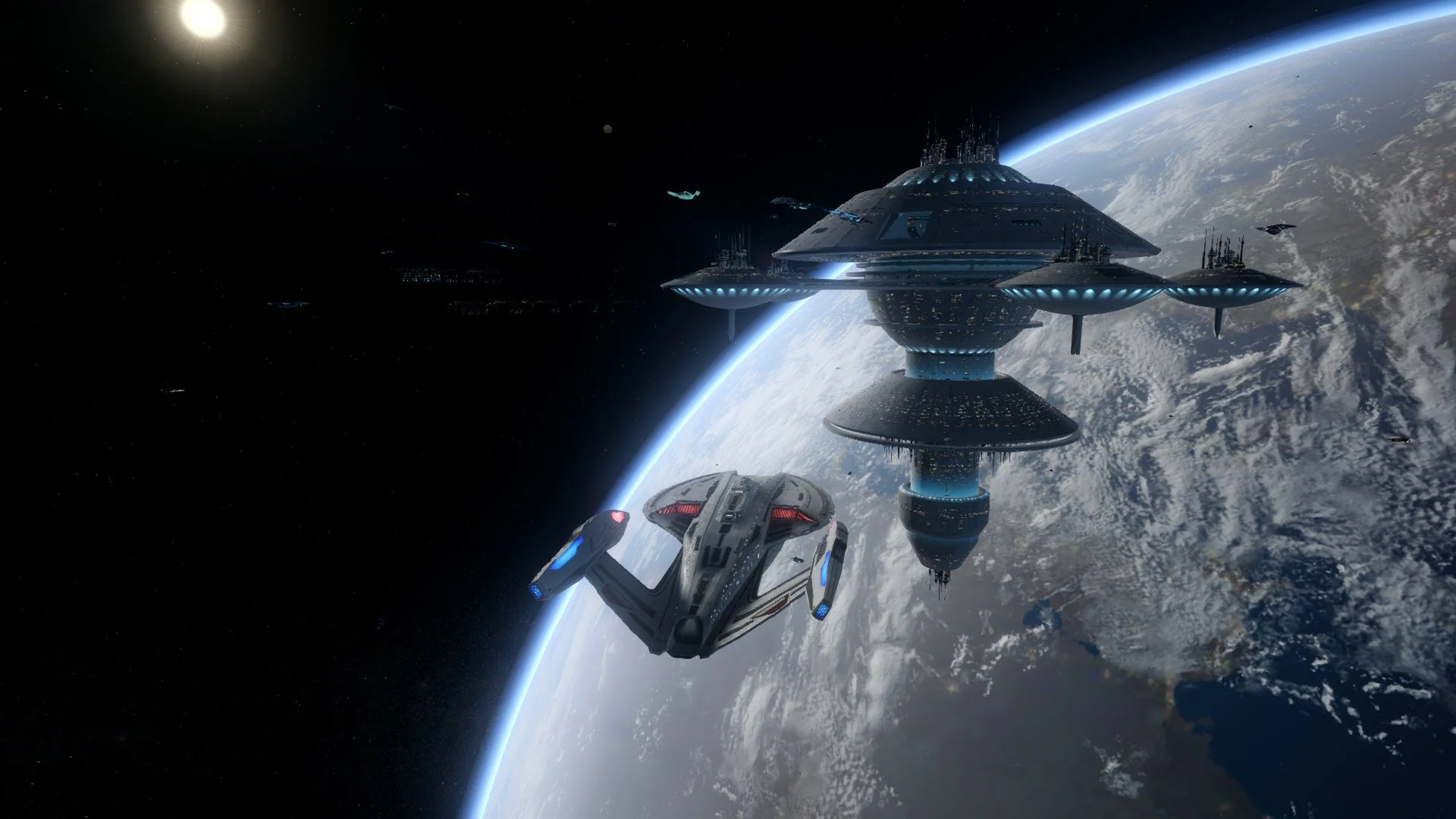

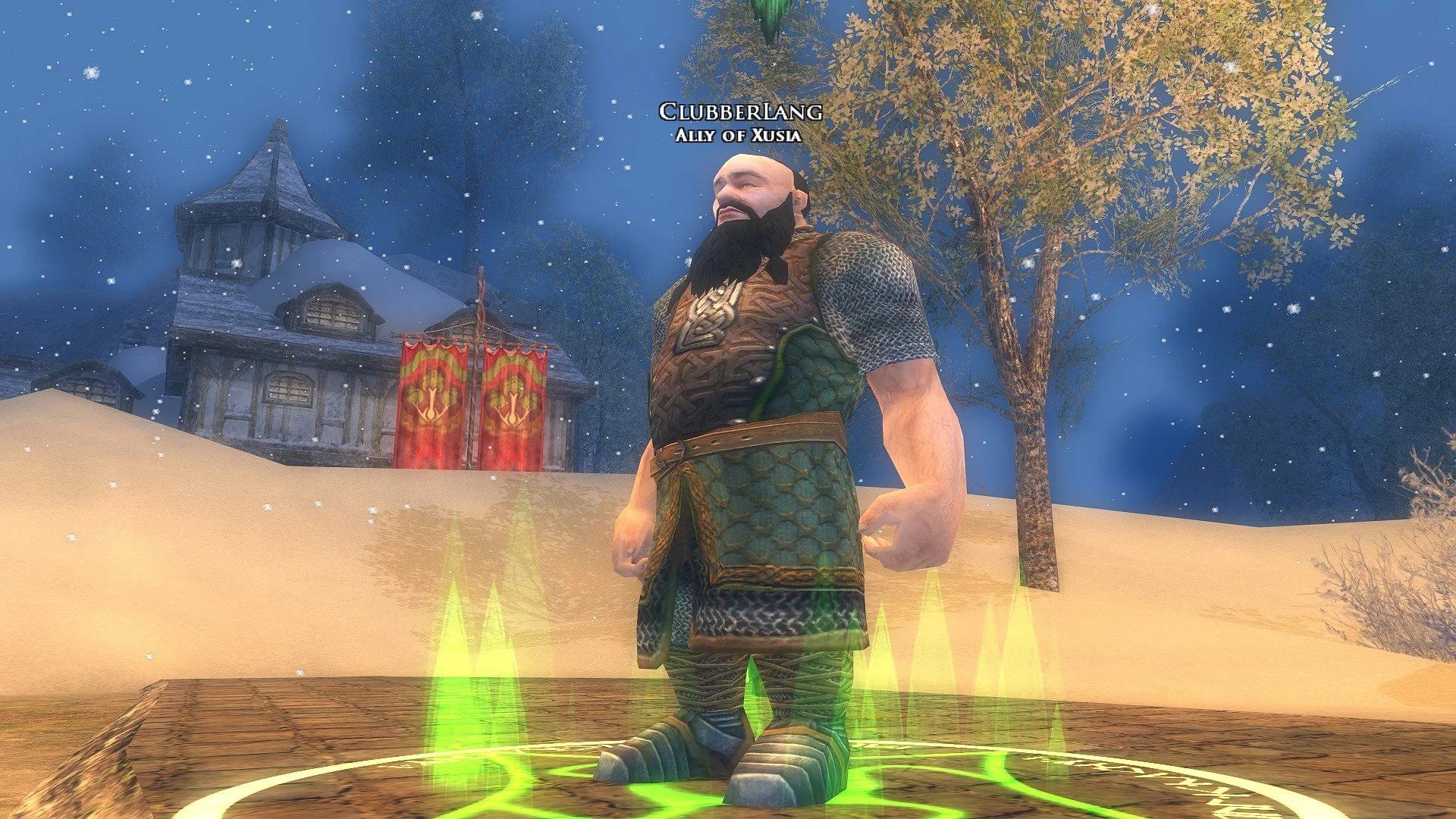


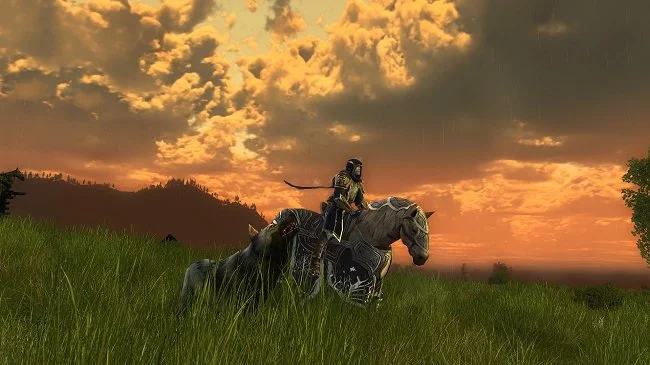
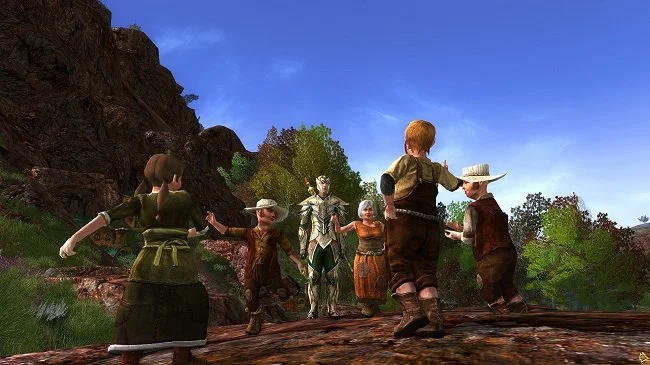
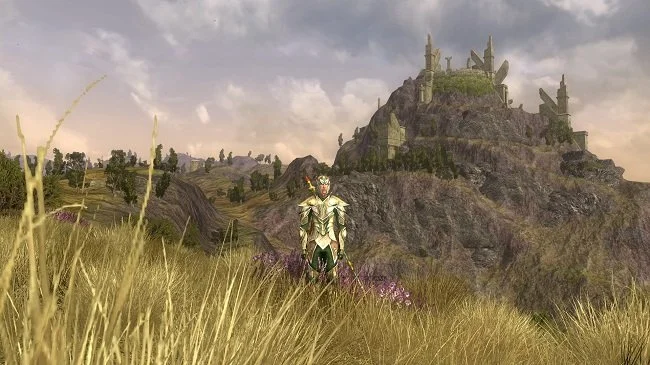
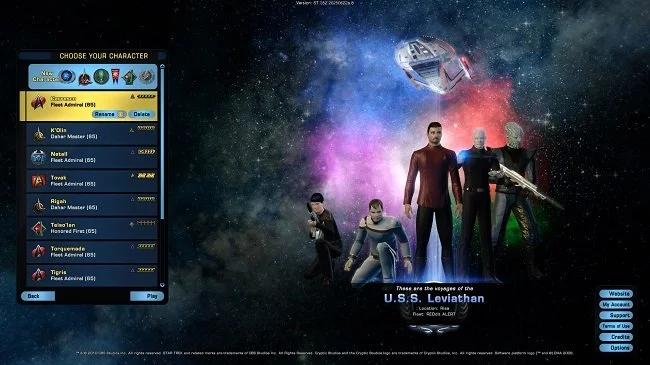
J.R.R. Tolkien's The Lord Of The Rings Volume 1
In a fit of nostalgia I recently found myself perusing several retro gaming websites, pondering on some of the titles that I use to play on the Super Nintendo Entertainment. During the early nineties when this platform was my primary source of gaming I use to meticulously research new titles before purchasing. This was the pre-internet age and console cartridges came at a premium price, so you did not want to waste valuable money on a poor game. Magazines featuring previews and in-depth reviews were the main source of information. The other would be your local gaming boutique where you could hang out and discuss such matters with fellow gamers. Broadly this system worked and I enjoyed most of the games I played on the SNES.
In a fit of nostalgia I recently found myself perusing several retro gaming websites, pondering on some of the titles that I use to play on the Super Nintendo Entertainment. During the early nineties when this platform was my primary source of gaming I use to meticulously research new titles before purchasing. This was the pre-internet age and console cartridges came at a premium price, so you did not want to waste valuable money on a poor game. Magazines featuring previews and in-depth reviews were the main source of information. The other would be your local gaming boutique where you could hang out and discuss such matters with fellow gamers. Broadly this system worked and I enjoyed most of the games I played on the SNES.
However one title bypassed this screening process. It did so because I allowed my love of a particular intellectual property to cloud my vision. I refer to Interplay's J.R.R. Tolkien's The Lord of the Rings Volume 1. This was an adventure game from 1994, loosely tied in with both the Tolkien’s books and the 1978 animated feature film. Certainly part of the games aesthetic was influenced by Ralph Bakshi’s movie and the game used the font and logo from that film. At the time my default sense of scepticism was not as finally honed as it is now, so I foolishly allowed my optimism and imagination to side step the facts. Thus I purchased the said game and in a short period of time discovered it was one of the worse titles based on a license created for the SNES.
As memory serves, J.R.R. Tolkien's The Lord of the Rings Volume 1 played more like a Zelda game and had very little to do with The Lord of the Rings in narrative terms. In fact the game showed a complete disregard to the lore. Within the confines of this game Bilbo gives the ring to Frodo at his leaving party and tells him to take it to Rivendell. Prior to the player actually embarking upon the said quest the game requires you to help Sam find his Gaffer's spectacles that have been lost in some local caves. These topographical features have fallen under the malevolent influence of Sauron (for some particular reason). Tedium ensues as the player pursues arbitrary task designed to extend a poorly designed games lifespan and plays through bland cookie cutter environments. I can distinctly remember naively hoping that matters would improve as the game progressed. Sadly they did not.
The game mechanics were very clunky, even by console standards of the console time. Characters would often get caught in the environment and the bulk of the quests were mainly of the "fetch multiple items" variety. The game graphics were far from original with many of the sprites and backgrounds sporting a generic look. Apart from some superficial attempts to make the main characters look vaguely like their counterparts from the movie, it was hard to see exactly how this was anything to do with Tolkien’s work. The game soundtrack was that tiresome Celtic style "Diddly Dee" nonsense that still seems to be de rigueur when developers try to interpret The Shire and other parts of Middle-earth. You could mash your controller endlessly in the vain hope of killing an enemy but more often than not, you’d simply die randomly for no discernible reason. The game also offered the facility to save access to completed levels via a serious of codes, but unfortunately unless you were a former employee of Bletchley Park, then the system was quite impenetrable.
Twenty two years on I still flinch while reflecting upon J.R.R. Tolkien's The Lord of the Rings Volume 1. It was and remains an excruciating game and insulting franchise cash in. Needless to say there was never a Part 2 as I believe there was a universal consensus that this was a shoddy product. It’s a curious thing that the platform that spawned Super Mario Kart, which is considered the embodiment quality design, also produced such nonsense as J.R.R. Tolkien's The Lord of the Rings Volume 1. Now in the age of console emulators there may well be a few Tolkien enthusiasts that want to check this game out of some sort of idle curiosity. I would strongly advise them not to. A quick visit to You Tube will demonstrate the folly of such a notion.
Star Trek Online Skills System Revamp
The current skill system in Star Trek Online is both esoteric and somewhat clumsy. For many players rather than risk experimenting with a build that may prove ineffective and costly to undo, generic templates are frequently adhered to. I recently asked in fleet chat about a simple DPS build for a tactical Captain and was directed to one of the most common place skills point allocations there is. Furthermore it worked perfectly for me. However I am fully aware that there are players at the other end of the games spectrum that use the existing system in a way that grants them far more subtle and bespoke builds. Not only does this provide practical benefits but it’s also a source of pleasure for them and part of STO’s overall appeal. Therefore Cryptic’s announcement today that the skills system was due for a revamp has been met with mixed reactions.
The current skill system in Star Trek Online is both esoteric and somewhat clumsy. For many players rather than risk experimenting with a build that may prove ineffective and costly to undo, generic templates are frequently adhered to. I recently asked in fleet chat about a simple DPS build for a tactical Captain and was directed to one of the most common place skills point allocations there is. Furthermore it worked perfectly for me. However I am fully aware that there are players at the other end of the games spectrum that use the existing system in a way that grants them far more subtle and bespoke builds. Not only does this provide practical benefits but it’s also a source of pleasure for them and part of STO’s overall appeal. Therefore Cryptic’s announcement today that the skills system was due for a revamp has been met with mixed reactions.
I found Cryptic’s lengthy post and explanation regarding the new skills system very confusing and because I do not play STO to such a level, a lot of the data went over my head. I then went to the official forums and STO subreddit to see if I could gauge the communities overall reaction. The prevailing opinion seemed to be one of “wait and see” and as soon as the new system was available for beta testing on the Tribble server, meaningful feedback would be provided. However there was concern that a move to a more traditional skills tree, as seen in most other MMOs would mean that there would ultimately be less choice. The one size fits all approach is beneficial for players like myself but the loss of some of the flexibility of the current system would be a tangible blow to more invested players.
The only comparison I can draw is with LOTRO and when Turbine carried out a similar skills revamp with the Helm’s Deep expansion. I was well acquainted with the old skills system and although it was unwieldy it did lend itself to a wide degree of choice. I could equip skills from various lines, which is something I lost when the system was revised. Skills became tied to specific trees and I lost access to some the moment I committed to a specific build. It would be disappointing to see a similar situation arise in STO. I appreciate that there is a need for a degree of simplicity in some of the games core mechanics but to do so at the expense of variety and choice isn’t necessarily a good trade. So like many others I shall be monitoring this situation over the months to come to see if skills system revamp can be implemented with minimal fallout.
Goodbye Bingo Boffin
When Turbine introduced the episodic content, The ballad of Bingo Boffin to LOTRO last June, I was fully aware of its underlying purpose. The weekly story is a tour guide around the ageing games various zones and serves as a marketing campaign for free players to either subscribe or buy quests packs. The story has at times had its charms and despite its fundamental lore breaking premise, has proven intermittently entertaining. However the current instalment episode 21 First Breakfast is perhaps the most lacklustre undertaking to date. Firstly we now find ourselves in Mirkwood, perhaps the most lamentable zone in LOTRO and secondly the narrative and quest parameters are by far the most arbitrary. I feel that the game that I’ve played consistently since 2008 has now crossed a line and I no longer see any reason to continue logging in for the immediate future.
When Turbine introduced the episodic content, The ballad of Bingo Boffin to LOTRO last June, I was fully aware of its underlying purpose. The weekly story is a tour guide around the ageing games various zones and serves as a marketing campaign for free players to either subscribe or buy quests packs. The story has at times had its charms and despite its fundamental lore breaking premise, has proven intermittently entertaining. However the current instalment episode 21 First Breakfast is perhaps the most lacklustre undertaking to date. Firstly we now find ourselves in Mirkwood, perhaps the most lamentable zone in LOTRO and secondly the narrative and quest parameters are by far the most arbitrary. I feel that the game that I’ve played consistently since 2008 has now crossed a line and I no longer see any reason to continue logging in for the immediate future.
On mature reflection, I would have thought it would have been one of the larger issues that have arisen since LOTRO went F2P that would’ve proven to be the straw that broke the camel’s back. I was unhappy about the move to a consolidated skills tree that came with Helm’s Deep, yet I managed to look beyond this. I also thought the cessation of paid expansions was a poor decision yet found a degree of compensation with the bi-annual update system. Loyalty and a sense of idle curiosity about LOTRO’s fate has kept me playing for the last eighteen months but today has starkly highlighted just how far the game has declined. To call LOTRO an interactive travelogue is frankly too generous. The game in its current state is treading water. A new player may well enjoy the original content from The Shadow of Angmar and the Mines of Moria but those languishing at level cap are faced with a uninspiring regional quests a numerous, monotonous reputation grinds.
So for the time being I shall no longer log into LOTRO. The game no longer offers anything that I want to do. Yes there is content but none of it seems to provide any anything of any worth and even the so called “journey” can no longer suffice as an incentive. The journey is simply now a chore and as gaming is supposed to be “fun”, I will have to seek that fun elsewhere. It would appear that the recent server upgrades have failed to address any of the technical issues that have plagued the game’s performance since mounted combat was introduced. As a result many players have decided to vote with their feet. When you consider the size of the current development team and the resources they have available to them, it is highly unlikely there will be some sort of LOTRO renaissance. Perhaps leaving Middle-earth now is a smarter choice than enduring a long and protracted decline.