
Classic Movie Themes: The Day the Earth Stood Still
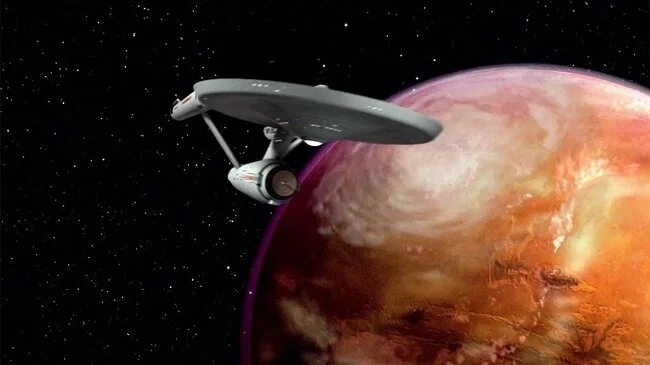
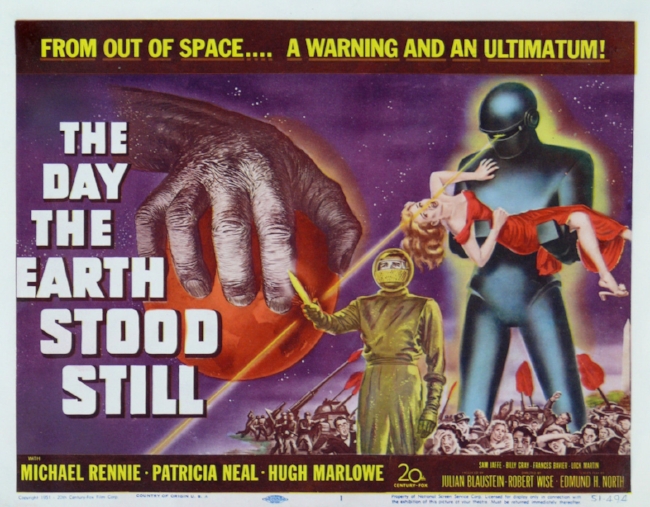
Film producer Julian Blaustein had a long-standing desire to make a film that addressed the fears and concerns of the post war Atomic Age. With the backing from Fox Studio Executive Darryl F. Zanuck, he hired screenwriter Edmund North to adapt the short story Farewell to the Master by Harry Bates. The screenplay provided a moral commentary about the ongoing arms race and featured an alien visitor with Christ like qualities who delivers an apocalyptic message. Veteran director Robert Wise was brought in head the project and a fine cast of established characters actors such as Michael Rennie, Patricia Neal Hugh Marlowe and Sam Jaffe was assembled. The finished movie has proven to be one of the greatest science fiction movies ever; it is The Day the Earth Stood Still made in 1951.
Film producer Julian Blaustein had a long-standing desire to make a film that addressed the fears and concerns of the post war Atomic Age. With the backing from Fox Studio Executive Darryl F. Zanuck, he hired screenwriter Edmund North to adapt the short story Farewell to the Master by Harry Bates. The screenplay provided a moral commentary about the ongoing arms race and featured an alien visitor with Christ like qualities who delivers an apocalyptic message. Veteran director Robert Wise was brought in head the project and a fine cast of established characters actors such as Michael Rennie, Patricia Neal Hugh Marlowe and Sam Jaffe was assembled. The finished movie has proven to be one of the greatest science fiction movies ever; it is The Day the Earth Stood Still made in 1951.
Alfred Newman was Director of Music at 20th Century Fox at the time and decided to assign the project to Bernard Herrmann, who has recently relocated to Los Angeles. Director Robert Wise had worked previously with Herrmann on The Magnificent Ambersons in 1942 and the pair had a good working relationship. So, he effectively gave him an open remit to create something different and special. Herrmann was far from a musical traditionalist and chose to craft an innovative soundscape to highlight the differences between the Alien Klaatu the bellicose and bombastic nature of humanity. He therefore elected to remove acoustic string and woodwind instruments from the orchestra and expanded the horn section. He then further embellished the sound of the film by adding such diverse instruments as an electric violin, Theremins, Hammond organs, vibraphones, and a celesta.
“Prelude and Outer Space” is a magnificent opening cue which highlights Herrmann genius in capturing the narratives emotional essence. The opening credits roll against a shifting panorama of stars and the sumptuously eerie main motif, featuring multi-tracked Theremin and tuba, juxtaposed by piano arpeggios, horns and crystalline harp. Herrmann further embellishes this portentous theme with a vibraphone played backwards. This cue is a masterpiece in both conception and execution. “Radar” offers another incredible track, which demonstrates Herrmann’s compositional aptitude. As the world watches on at the alien space ship, a harp glissando preludes a rapid duet between two pianos, one with bass and the other with vibraphone, which are octaves apart.
Bernard Herrmann was one of the most innovative composers of his generation who endeavoured to bring new and dynamic methods to the process of film scoring. His decision to remove the acoustic instruments from the string and woodwind sections of the orchestra and to augment his score with the abstract otherworldly sounds of the Theremin, vibraphone, and celesta was a bold move. Yet it proved to be a genre defining decision and adds another layer of subtlety to the storytelling. Over the years, many of the unique aspects of the film score have become standard genre tropes. You only have to listen to Danny Elfman’s main them for the 1996 Tim Burton movie, Mars Attacks to hear the reach of Herrmann’s influence.






Classic Movie Themes: King Solomon's Mines
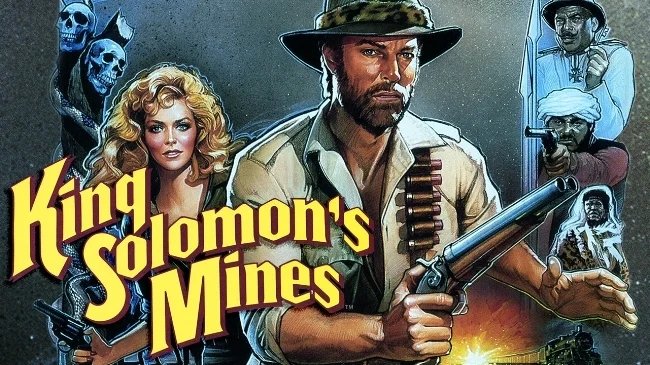
King Solomon’s Mines is a 1985 Cannon Films production based on the pulp works of H. Rider Haggard. It was quickly made to cash in on the ongoing success of Indiana Jones franchise, although the finished movie bears little resemblance to the classic original novel. Like most Cannon movies from that boom era, it was a cheap and fast enterprise that superficially sported a good cast, but ultimately didn’t do much with them. Veteran director J. Lee Thompson favoured a light and comic approach to the material, as the film’s budget could hardly sustain any major notable set pieces. Yet, it proved popular enough at the box office to warrant a sequel the following year. Allan Quatermain and the Lost City of Gold proved to be as equally silly but by then the public’s interest had waned.
King Solomon’s Mines is a 1985 Cannon Films production based on the pulp works of H. Rider Haggard. It was quickly made to cash in on the ongoing success of Indiana Jones franchise, although the finished movie bears little resemblance to the classic original novel. Like most Cannon movies from that boom era, it was a cheap and fast enterprise that superficially sported a good cast, but ultimately didn’t do much with them. Veteran director J. Lee Thompson favoured a light and comic approach to the material, as the film’s budget could hardly sustain any major notable set pieces. Yet, it proved popular enough at the box office to warrant a sequel the following year. Allan Quatermain and the Lost City of Gold proved to be as equally silly but by then the public’s interest had waned.
Set in 1910 in an unspecified part of colonial Africa, Allen Quartermain (Richard Chamberlin) is an adventurer and fortune hunter hired by Jesse Huston (Sharon Stone) to find her missing father. Professor Huston has been captured by a German military expedition led by Colonel Bockner (Herbert Lom) and Turkish slave-trader and adventurer, Dogati (John Rhys-Davies), who are searching for the legendary King Solomon’s Mines. Cliched adventures such as being chased by natives, wild animals and cooked in a pot ensue, along with modicum of cheap special effects. The screenplay is weak and tries to pass off a bunch of tired stereotypes as humour. Some viewers may find it a dumb, silly adventure. But for many it’s a tedious experience.
However, King Solomon’s Mines has one sole virtue in so far as it boasts a score by the legendary Jerry Goldsmith. Despite being intentionally composed in the idiom of John Williams Indiana Jones March, Goldsmith’s main title theme is sufficiently engaging in its own right. It exudes all of his usual sophistication and charm as well as being devilishly catchy. Despite being a musical caricature, the score, especially the title theme gets away with it in the same way as the The Rutles do. Once again it proves that Jerry Goldsmith could turn his hand to anything, musically speaking. Even when required to produce something “generic”, his work still remains a cut above the rest.
Classic Game Themes: Some of my Personal Favourites
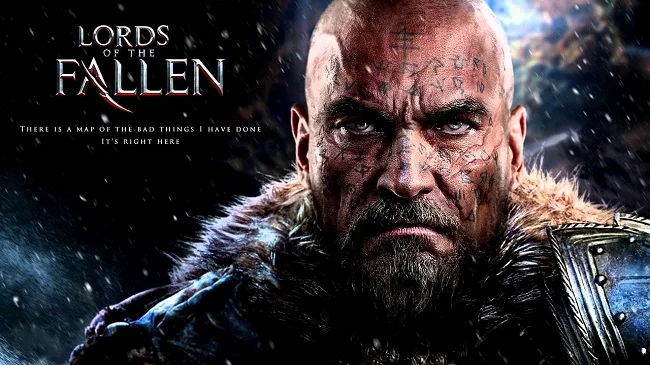
A ten months ago, I wrote about the LOTRO soundtrack and listed some of my favourite tracks. This time round rather than just limit myself to music from one game, I thought it may be more interesting to broaden the remit. So, I have decided to upload seven of my favourite tracks and music cues from various games I have played over the last two decades. As with cinema, the soundtrack of a game plays a very important role. It can make a substantial impact on the players perceptions and enjoyment. The following tracks are examples that I feel have greatly enhanced a game. They’re also ones that I find particularly enjoyable. They are not in any order of preference.
A ten months ago, I wrote about the LOTRO soundtrack and listed some of my favourite tracks. This time round rather than just limit myself to music from one game, I thought it may be more interesting to broaden the remit. So, I have decided to upload seven of my favourite tracks and music cues from various games I have played over the last two decades. As with cinema, the soundtrack of a game plays a very important role. It can make a substantial impact on the players perceptions and enjoyment. The following tracks are examples that I feel have greatly enhanced a game. They’re also ones that I find particularly enjoyable. They are not in any order of preference.
Lord of The Rings Online. Mines of Moria: A Journey in the Dark. By Chance Thomas
This is a superb track. The blend of strings and vocals catches the enigma of Moria beautifully. I personally consider it to be the highlight of the expansions soundtrack.
Battlefield 1943: Main Theme. By Joel Eriksson
This utterly rousing track by Swedish composer Eriksson, totally embodies military action and a call to arms. Sadly, the more contemporary arrangements that have featured in more recent instalments of the franchise have less impact.
Age of Conan: The Damp Barachan Nights. By Knut Avenstroup Haugen
I was greatly surprised by the sophistication of the Age of Conan soundtrack. This acoustic piece beautifully captures the tropical nights of the Island of Tortage.
Tomb Raider: Main Theme. By Nathan McCree and Martin Iveson
An iconic theme that still holds up very well after twenty-two years.
Lord of The Rings Online. Shadows of Angmar: Stars and Glory. By Chance Thomas
This cue plays in the Lonelands at night. It was one of the first tracks from LOTRO that left a lasting impression on me.
Call of Duty Modern Warfare 2: Estate Escape. Hans Zimmer
Hans Zimmer brings his "A" list Hollywood talent to this franchise. I love the Middle Eastern elements that he brings to this piece.
Warhammer - Dark Omen: Main Theme. Mark Knight
An unsettling and creepy electronic score from 1998, It suits the game perfectly.
Classic Movie Themes: Basic Instinct
Paul Verhoeven has seldom made a movie without some semblance of controversy associated with it, and his 1992 neo-noir Basic Instinct was no different. Even before its US release, Basic Instinct courted controversy due over its overt sexuality and graphic depiction of violence. It was strongly opposed by gay rights activists, who criticised the film's depiction of homosexual relationships and the portrayal of a bisexual woman as a homocidal narcissistic psychopath. The opening murder with an icepick is still shocking twenty six years later and is an excellent showcase for makeup FX artists Rob Bottin.
Paul Verhoeven has seldom made a movie without some semblance of controversy associated with it, and his 1992 neo-noir Basic Instinct was no different. Even before its US release, Basic Instinct courted controversy due over its overt sexuality and graphic depiction of violence. It was strongly opposed by gay rights activists, who criticised the film's depiction of homosexual relationships and the portrayal of a bisexual woman as a homocidal narcissistic psychopath. The opening murder with an icepick is still shocking twenty six years later and is an excellent showcase for makeup FX artists Rob Bottin.
The plot is a text book example for the genre. Troubled police detective (Michael Douglas), returns from suspension to investigates a brutal murder, in which a manipulative and seductive woman (Sharon Stone) could be involved. Events quickly get out of hand as detective Nick Curran becomes personally involved in the case. The script by Joe Eszter has smoulders with sexual tension and is further punctuated by explosions of violence. Performances are universally good, elevating what is essentially a rather sleazy murder mystery into a far classier undertaking. The film also offers an interesting social commentary on contemporary US sexual politics. Let it suffice to say that beauty often harbours a dark heart.
Regardless of your views on the merit of the movie, Jerry Goldsmith score for Basic Instinct is absolute gem, finely balancing the suspense and the on-screen sexuality. He brilliantly blends mystifying strings, woodwinds, harp, along with piano to build a sense of tension. The soft, wistful title theme is both alluring as well as ominous; a subtle warning of the events that follow in the movies opening scene. The strings section carries the burden of the work, as they do for every other cue throughout the remainder of the score. Basic Instinct remains a text book example of the craft of the late Jerry Goldsmith, bringing distinct elements of class and maturity to the raw passion of the movie.
Classic TV Themes: Joe 90
You can write pages on Gerry Anderson's 1968 Supermarionation series Joe 90. There's the morally ambiguous premise of giving an emotionally immature nine-year-old the experiences of an adult. Then the psychological effects of allowing him to kill at will. Then there's the perennial issue of scientists prostituting their skills to the intelligence community. One can also reflect upon the absence of any major female characters in the series and how that may impact upon Joe himself. Finally, when one finally arrives she's a gold-digging bitch who tries to exploit Joe’s Dad, Professor McClaine. Joe 90 is certainly a psychiatrist’s dream subject.
You can write pages on Gerry Anderson's 1968 Supermarionation series Joe 90. There's the morally ambiguous premise of giving an emotionally immature nine-year-old the experiences of an adult. Then the psychological effects of allowing him to kill at will. Then there's the perennial issue of scientists prostituting their skills to the intelligence community. One can also reflect upon the absence of any major female characters in the series and how that may impact upon Joe himself. Finally, when one finally arrives she's a gold-digging bitch who tries to exploit Joe's Dad, Professor McClaine. Joe 90 is certainly a psychiatrist’s dream subject.
However, we won't dignify such pseudo-intellectual analysis here. Joe 90 simply has to be taken in context and viewed on its simple premise that every nine-year-old boy (at the time) wanted to be James Bond. If we apply modern sensibilities to everything made prior to 2000, then we’ll end up writing off everything. However, the most important aspect of Joe 90, that made the show so good was the get down funky theme tune, written by the immensely talented composer Barry Gray. Gerry Anderson wrote in his biography that the Joe 90 theme was a "dizzying piece of psychedelic pop art that could have been produced only in the late Sixties". A statement I whole heartedly concur with.
Curiously, when the series was syndicated internationally, changes were sometimes made. This was most noticeable for the Japanese release, where the catchy original title theme was completely replaced with a language specific song for that market. Now Japanese theme songs and pop music from the sixties is an entire sub-genre of its own, and I will not attempt explore this particular niche here. I will simply present you with both versions of the theme for your edification and entertainment. Feel free to comment.
1.) This is the original TV theme tune and not the commercial re-recording that was subsequently released as a single. This version includes the sound effects for the "BIG RAT" computer that gave Joe his special abilities.
2.) This is the Japanese theme song. If anyone can translate the lyrics, I would be very interested. It's not exactly Barry Gray, but it's kind of groovy in its own right.
Classic Movie Themes: Thunderbird 6
Despite the popularity of the TV show in 1965, the two spinoff Thunderbirds feature films were both box offices failures. This has often been attributed to the indifferently written screenplays that seem to have completely missed the sense of suspense that the fifty-minute episodes achieved. Both feature films feel rather slow and like extended episodes rather than big budget extravaganzas. They fail to do anything different with established characters and apart from showcasing more extensive miniature effects in a widescreen format, don’t really have much more to offer. It’s curious that the winning, character driven formula that worked on television was overlooked for these big screen outings.
Despite the popularity of the TV show in 1965, the two spinoff Thunderbirds feature films were both box offices failures. This has often been attributed to the indifferently written screenplays that seem to have completely missed the sense of suspense that the fifty-minute episodes achieved. Both feature films feel rather slow and like extended episodes rather than big budget extravaganzas. They fail to do anything different with established characters and apart from showcasing more extensive miniature effects in a widescreen format, don’t really have much more to offer. It’s curious that the winning, character driven formula that worked on television was overlooked for these big screen outings.
However, there is one aspect of both film productions that is flawless. Composer Barry Gray’s musical scores. Thunderbird 6 was his favourite of the two, as it afforded him a wider range of musical themes with its globetrotting storyline. Through the use of a 56-piece orchestra he successfully managed to vary many of the classic Thunderbird themes, using them as motifs to reflect either impending danger or regional locations. All of this is done with a generous helping of typically 1960s lounge jazz. The various locations visited throughout the film also provide local ethnic idioms to further embellish the score. As usual there are humorous pastiches to underpin comic moments by Parker or Brains, all of which are interpreted in Barry Gray’s very literal musical style.
It's all very well crafted and ingeniously orchestrated as you would expect from a master composer at the peak of his career. It may lack some of the more urgent style of the TV series, but this is down to the somewhat ponderous narrative that drive the score. Below are two musical cues that are my personal favourites. The first is the main opening theme from Thunderbird 6. It is not the traditional tune associated with the series, but a bespoke track designed to capture the spirit of international travel which was still considered “glamourous” at the time.
The next track was written for when Skyship 1 travels over the Grand Canyon. It is designed to reflect the beauty and awe of this geographical feature. It then segues into a more mysterious piece as the villains’ plot against International Rescue. The cue again embodies the class and flamboyance of Barry Gray’s talent.
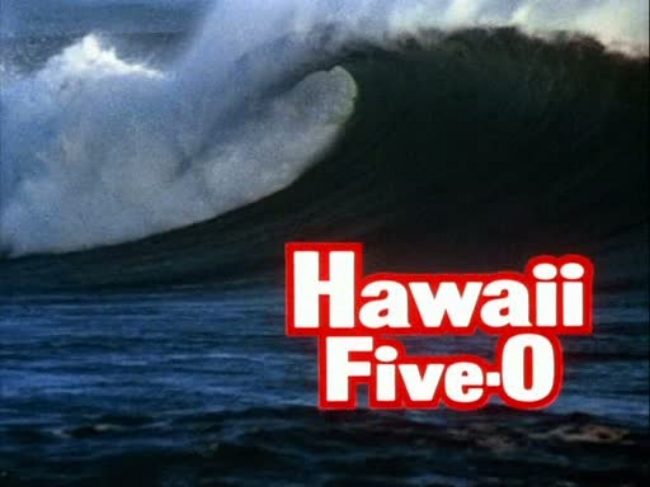
Classic TV Themes: Hawaii Five-O
I grew up during the seventies when network TV shows still put a lot of thought and effort into such things as their theme tune. It was a decade littered with memorable tracks that captured the essence of the shows they came from. Many have now become integral aspects of popular culture, leading to countless internet memes as well as becoming the ringtones of choice for many a fortysomething. However, things are very different now. You can have a staggeringly good theme for your show, but it can't possibly be longer than thirty seconds. And don’t think for a moment that viewers can listen to it again at the end, as it has now become standard practice to compress the credits into a third of the TV screen and preview what's coming next, while some link announcer spouts inanities. Mercifully, cable and streaming companies tend to treat their TV shows with greater respect. The lack of commercial advertising ensures a longer program duration and hence more focus on a theme tune. However, network TV still commands big audiences, yet hasn’t in recent years produced any TV show themes of note.
I grew up during the seventies when network TV shows still put a lot of thought and effort into such things as their theme tune. It was a decade littered with memorable tracks that captured the essence of the shows they came from. Many have now become integral aspects of popular culture, leading to countless internet memes as well as becoming the ringtones of choice for many a fortysomething. However, things are very different now. You can have a staggeringly good theme for your show, but it can't possibly be longer than thirty seconds. And don’t think for a moment that viewers can listen to it again at the end, as it has now become standard practice to compress the credits into a third of the TV screen and preview what's coming next, while some link announcer spouts inanities. Mercifully, cable and streaming companies tend to treat their TV shows with greater respect. The lack of commercial advertising ensures a longer program duration and hence more focus on a theme tune. However, network TV still commands big audiences, yet hasn’t in recent years produced any TV show themes of note.
For me the track that embodies the traditional notion of the TV theme tune and elevates it to an art form, is Morton Steven's Hawaii Five-O theme. I cannot think of a piece of music, born of a TV show that is quite as evocative and inspirational. For years there has not been an original recording available so fans and enthusiasts have had to slum it with indifferent cover versions (which I hate). However, in 2012 the only legitimate soundtrack album was finally re-released on CD. It contains a studio extended version of the main theme along with incidental music from one the episode Operation Smash. It is a crisp and tight arrangement of the theme and superior to all previous version in circulation.
In 2010 the show was rebooted and has proven to be surprisingly popular. It is currently in its 8th season. However, at the time the question on everyone’s lips was would the main theme be retained, or would it be jettisoned for something else? Luckily common sense prevailed so the classic iconic theme and title credits were cleverly recreated. But the process was not exactly problem free. Brian Tyler, a composer with a respectable pedigree in film and TV, was brought on-board to manage the soundtrack production. He initially toyed with idea of re-arranging Stevens seminal theme tune. Let it suffice to say that test audiences did not warm to it and after some overtly negative feedback the it was replaced with a more traditional arrangement. This recording even included some of the session musicians that worked on the original track in 1968. Sadly, the demands of modern TV broadcasting still had an impact on the completed piece of music. Modern title sequences on popular network shows are now no more than thirty second and so the theme was shortened to meet this requirement. However, the full version can be found on the official soundtrack album to season one and is version posted below along with the original from 1968.
Classic Game Themes: The Lord of the Rings Online
One of the most compelling aspects of The Lord of the Rings Online is its soundtrack. The score, mainly written by Chance Thomas and featuring additional material by Stephen DiGregorio, is comparable to that of any major feature film in its scope, sophistication and musical accomplishment. Chance Thomas favours a leitmotif for each race and culture which then vary as the game’s narrative progress. Stephen DiGregorio focuses more upon thematic or ambient pieces that capture the spirit of an area or region. Despite different styles and approaches, both composers contribute to a vivid score that has become an additional character in the overall game over the last decade. Middle-earth is an immense world with an ever-present sense of history and deep lore. The soundtrack for the game taps into this narrative vein and uses it to create a rich and nuanced audio soundscape.
One of the most compelling aspects of The Lord of the Rings Online is its soundtrack. The score, mainly written by Chance Thomas and featuring additional material by Stephen DiGregorio, is comparable to that of any major feature film in its scope, sophistication and musical accomplishment. Chance Thomas favours a leitmotif for each race and culture which then vary as the game’s narrative progress. Stephen DiGregorio focuses more upon thematic or ambient pieces that capture the spirit of an area or region. Despite different styles and approaches, both composers contribute to a vivid score that has become an additional character in the overall game over the last decade. Middle-earth is an immense world with an ever-present sense of history and deep lore. The soundtrack for the game taps into this narrative vein and uses it to create a rich and nuanced audio soundscape.
Over the past ten years, selected material from the games soundtrack have been available on limited edition CDs and digital download. Sadly, a comprehensive release has never been forthcoming. This year’s tenth anniversary saw a new compilation become available, but it contained only a few unreleased tracks. It is a great shame that a more substantial collection has not been produced as I believe there are plenty of dedicated LOTRO fans who would jump at the opportunity to own a comprehensive CD collection of the games entire soundtrack. At present the only way to access all the music contained within the game is data mine it from the installation files. This is a relatively complex task and produces a substantial directory of files in .ogg format, none of which are named.
Because the majority of music that features in LOTRO is written by Chance Thomas, he often becomes the focus of attention when discussing the games soundtrack. His work is of the highest calibre and he certainly seems to have a strong understanding of the musical needs of the game. As a result, his works sometimes eclipses that of Stephen DiGregorio. Personally, I do not consider Stephen’s work to be inferior. There are several of his tracks that I have great affection for. If I have one complaint it is mainly to do with the arrangement, which at times sounds like it is using the most basic of synthesisers and musical sequencers. However, I have often thought that this has been due to budget. Hiring quality composers is more than likely expensive enough. Performing and recording with a full orchestra in a studio is probably prohibitive financially, hence there is a reliance on more economical solutions.
Because of my personal history with LOTRO (it was the first MMORPG that I played) and my enjoyment of the soundtrack, I thought I would post several tracks that are among my favourites. It’s a difficult choice as there is a decade’s worth of material to choose from spanning numerous updates and expansions. There is also a minor issue regarding track names as they can vary depending on what material you have. For example, on the original Shadow of Angmar soundtrack digital download there is a track called “Let us sing together”. This features again on the 10th anniversary CD under the name of “The House of Tom Bombadil”. It’s a minor complaint but it can cause a degree of confusion. Some of the tracks on the anniversary album are also alternative recordings or edited versions of the cues that feature in the game.
Silent Hope plays as you stand on the threshold of Bag End and look out across Hobbiton. Taken from the Shadows of Angmar soundtrack and composed by Chance Thomas, the track is the very essence of LOTRO. Whenever listening to this particular piece of music I always reflect upon Frodo and Sam embarking upon their momentous journey, yet holding on to their inherent Hobbit common sense and decency. It a sublime music cue.
The Hollin Gate is the first track on the Mines of Moria soundtrack by Chance Thomas. It a beautifully realised track that encapsulates the fading Elven beauty of the region. It also has a vaguely portentous quality to it, hinting at the mystery and adventure that lies ahead.
Triumphant Will is from the Helm’s Deep soundtrack by Stephen DiGregorio and plays during several of the Epic Battles. With its harmonious vocalisation and sequential nature is has a hint of Morricone about. This is a track I would very much like to hear performed by a full orchestra and choir as it would improve it immensely.
Corruption and High Treason features on the Riders of Rohan soundtrack and is by Chance Thomas. It’s a subtle variation of the main Rohan theme for the region. When it plays out at night in Snowbourn, it is wonderfully atmospheric, reflecting the earthy beauty of Rohan and the ongoing intrigue of Saruman in the region.
Finally, the last track I’ve chosen has been extracted direct from the game and therefore I do not know its correct name. It is an ambient piece that plays in and around Minas Tirith prior to the Battle of Pelennor Fields. Composed by Stephen DiGregorio it is a wistful and introspective piece reflecting an ailing Gondor. Again, when I listen to it I here shades of the great Morricone in the lead trumpet. A beautiful piece.
Classic Game Themes: Shadow of War
The soundtrack for Middle-earth: Shadow of Mordor by Gary Schyman and Nathan Grigg was a dark and brooding affair, reflecting the tragedy of its central characters. It was a score based upon haunting strings, low vocals and ominous tones. However, both composers have crafted a somewhat different soundscape for the sequel Middle-earth: Shadow of War. It should be noted that if you are an ardent fan of Howard Shores scores for Peter Jackson’s movies, that Gary Schyman and Nathan Grigg’s approach to Middle-earth is quite different, although both are orchestral works. Shores grandiose themes often reflected the enormity and history of Middle-earth. Here the music is more personal, channelling the emotions of those who stories unfold against such momentous events.
The soundtrack for Middle-earth: Shadow of Mordor by Gary Schyman and Nathan Grigg was a dark and brooding affair, reflecting the tragedy of its central characters. It was a score based upon haunting strings, low vocals and ominous tones. However, both composers have crafted a somewhat different soundscape for the sequel Middle-earth: Shadow of War. It should be noted that if you are an ardent fan of Howard Shores scores for Peter Jackson’s movies, that Gary Schyman and Nathan Grigg’s approach to Middle-earth is quite different, although both are orchestral works. Shores grandiose themes often reflected the enormity and history of Middle-earth. Here the music is more personal, channelling the emotions of those who stories unfold against such momentous events.
The first theme we encounter is with the games main menu. It is in fact an instrumental version of the song Fires of War which later plays across the end credits. This time round the music takes a different approach with a more positive and uplifting undercurrent. The stygian darkness of Mordor has been swapped for a more stoical mood and opening theme features swelling staccato strings. The central melody does still feature the high overtone along with the violins that were present in the first game but it feels very different this time, with a more optimistic spin. Talion is no longer seeking revenge but to over throw Sauron himself and this driving passion is reflected in the soundtrack.
Once you start following the narrative of the central story and move beyond Minas Ithil, the soundtrack feels much closer to the tense and portentous ambience of the original title, with choral parts and low register piano interludes. There are not so many leitmotifs used this time round and the score is more of an evolving soundscape. This suits the game play far more appropriately. For the sake of continuity, many of the themes associated with Talion’s specific abilities are used again. This includes the magnificent Caragor Riding with its off-kilter beat, Cello and vocalisation of the Ring Lore. Overall Middle-earth: Shadow of War boasts a very accomplished soundtrack and a worthy successor to its predecessor.
Classic Movie Themes: Zeppelin
Zeppelin is an often overlooked, World War I action movie made in 1971. Michael York plays a British Officer of Bavarian decent, who goes under cover for British Intelligence to thwart a German plot involving a new prototype dirigible. It's a very straightforward ripping yarn, that benefits greatly from Alan Hume’s superb cinematography. The visual effects credits are a veritable "who's, who" of British artist from the time, featuring the likes of Cliff Richardson, Cliff Culley and Wally Veevers. One of the stand out elements of this movie is the fine score by Roy Budd. Budd was a completely self-taught musician who was hailed as a child prodigy. Over the course of his career Budd wrote a diverse selection of film scores and was adept at many different styles.
Zeppelin is an often overlooked, World War I action movie made in 1971. Michael York plays a British Officer of Bavarian decent, who goes under cover for British Intelligence to thwart a German plot involving a new prototype dirigible. It's a very straightforward ripping yarn, that benefits greatly from Alan Hume’s superb cinematography. The visual effects credits are a veritable "who's, who" of British artist from the time, featuring the likes of Cliff Richardson, Cliff Culley and Wally Veevers. One of the stand out elements of this movie is the fine score by Roy Budd. Budd was a completely self-taught musician who was hailed as a child prodigy. Over the course of his career Budd wrote a diverse selection of film scores and was adept at many different styles.
Roy Budd's score for Zeppelin is an exercise in smart minimalism with its leitmotif. The main theme with its simple melody, key change and use of military snare drums works wonderfully. It doesn't need to be more complicated than this and beautifully compliments the traditional approach of the movie. Sadly, the tapes of the original recording have subsequently been lost so the main theme is the only piece of music from the soundtrack currently available. It's a shame because the movie has some very robust cues such as the prelude to the German attack on the castle, as well as the assault itself. Perhaps a full re-recording may be made in the future.
Classic Game Themes: EVE Online
EVE Online is in many ways the most complex, absorbing and time consuming MMO that I've never played. I didn't survive beyond a twenty-one-day trial and found that the exacting minutiae of the game far too demanding. However, although the mechanics were not to my taste, my limited experience left a strong impression upon me and I still have a healthy respect and a strong sense of fascination for this niche market product. I'm not alone in this. Many gamers do not play EVE Online but are fascinated by both its intricacies and community.
EVE Online is in many ways the most complex, absorbing and time consuming MMO that I've never played. I didn't survive beyond a twenty-one-day trial and found that the exacting minutiae of the game far too demanding. However, although the mechanics were not to my taste, my limited experience left a strong impression upon me and I still have a healthy respect and a strong sense of fascination for this niche market product. I'm not alone in this. Many gamers do not play EVE Online but are fascinated by both its intricacies and community.
Because of the sandbox nature of EVE Online, it's soundtrack is designed to be ambient rather than event specific. Yet the electronic score by Jón Hallur Haraldsson superbly embellishes the games overall atmosphere. CCP have made much of games music (about seven hours in total) available on Soundcloud. If you like such artists as Tangerine Dream and Vangelis you'll find many common parallels with Haraldssons's work.
Although there is much to choose from, I have decided to use the track Below the Asteroids as an example of the composer’s contribution to EVE Online. It has an introspective quality that draws the listener in and adds to the ongoing immersion. Due to its space setting the game has less visual input to engage the player, so must rely more on the soundscape and complexity of the game itself. This track highlights exactly how Jón Hallur Haraldsson does that.
Classic Game Themes: Guild Wars 2
Jeremy Soule's score for Guild Wars 2 is an integral part of the games charm and appeal. It enhances the world of Tyria and is a character in its own right. As a player, whenever you visit one of the vast cities or travel the rolling countryside, it is Soule's music that breathes life into the finely crafted world that ArenaNet have made. Upon the games launch in 2012, the soundtrack for Guild Wars 2 was released in a four-disc box set, via Soule's own record label DirectSong. Sadly, this was a limited pressing and is now out of print. Copies now change hands for exceedingly large sums of money.
Jeremy Soule's score for Guild Wars 2 is an integral part of the games charm and appeal. It enhances the world of Tyria and is a character in its own right. As a player, whenever you visit one of the vast cities or travel the rolling countryside, it is Soule's music that breathes life into the finely crafted world that ArenaNet have made. Upon the games launch in 2012, the soundtrack for Guild Wars 2 was released in a four-disc box set, via Soule's own record label DirectSong. Sadly, this was a limited pressing and is now out of print. Copies now change hands for exceedingly large sums of money.
The score for Guild Wars 2 has a high production value and displays a great attention to detail. The compositional quality of each piece included on the four-disc set are musically and stylistically diverse. There are many stand-out pieces that do more than just provide ambient background atmosphere. This is game soundtrack writing of the highest calibre. It is musically literate, thoughtful and rousing. Sadly, Jeremy Soule was not involved with the soundtrack for the 2015 expansion pack, Heart of Thorns.
The track I have chosen in many ways encapsulates all the positive attributes of the soundtrack. Dawn in Shaemoor plays in the human starter zone of Queensdale and is a beautiful example of the quality of Soule's work. It has a very haunting feel to it and sets the tone for the game.
Classic Movie Themes: Excalibur (1981)
Excalibur (1981) is a visually arresting retelling of the Arthurian legend. Filmed at a time when studios where happy to finance large budget fantasy films, John Boormans movie is not your typical sword and sorcery fodder. It’s an adult adaptation of Mallory's Morte' D'arthur, filled with scenes of sex and violence, driven by some eclectic and eccentric performances from the ensemble British cast. The film boasts a handsome production design with a very stylised aesthetic. The Irish locations are lush and verdant. This is not intended to be a historically accurate portrayal of the source text but more of a visual homage. Excalibur evokes both the mythic power of Tolkien and the operatic splendour of Wagner. Boorman had tried to adapt The Lord of the Rings a decade earlier.
Excalibur (1981) is a visually arresting retelling of the Arthurian legend. Filmed at a time when studios where happy to finance large budget fantasy films, John Boormans movie is not your typical sword and sorcery fodder. It’s an adult adaptation of Mallory's Morte' D'arthur, filled with scenes of sex and violence, driven by some eclectic and eccentric performances from the ensemble British cast. The film boasts a handsome production design with a very stylised aesthetic. The Irish locations are lush and verdant. This is not intended to be a historically accurate portrayal of the source text but more of a visual homage. Excalibur evokes both the mythic power of Tolkien and the operatic splendour of Wagner. Boorman had tried to adapt The Lord of the Rings a decade earlier.
The soundtrack for the film blends original material by composer Trevor Jones along with classical pieces. The opening scenes in which Uther Pendragon is victorious in battle plays out against Siegfried's Funeral March from The Ring by Richard Wagner. This arrangement was specially recorded by London Philharmonic Orchestra and conducted by Norman Del Mar. It is a very imposing sequence, especially the entrance of Merlin (Nicol Williamson). The use of classical music in movies is not as easy as some may think and it requires a lot of skill to choose an appropriate piece that compliments the movie’s visual. Boorman's choice of Wagner is both wise and appropriate and thus greatly enhances the movie.
Below is the edited version of the track specifically designed for the movie, followed by a full recording.
Classic Movie Themes: Mackenna's Gold
Mackenna's Gold is a perfect example of the Western at its most decadent. Made at a time when the genre was becoming increasingly tired and facing strong competition from the Italian market, Hollywood decided that the way to renew public interest was to turn everything up to eleven and turn the Western into a multimillion dollar spectacle. The movie cost Columbia Pictures $14 million in 1969 and boasted an all-star cast, as well as action and special effects. However, it was not a smooth production and the studio seemed to get cold feet prior to its release. The Three hour running time was reduced to one hundred and twenty-eight minutes, leaving the final cut feeling somewhat uneven. Overall, the public were indifferent and the box office takings were low.
Mackenna's Gold is a perfect example of the Western at its most decadent. Made at a time when the genre was becoming increasingly tired and facing strong competition from the Italian market, Hollywood decided that the way to renew public interest was to turn everything up to eleven and turn the Western into a multimillion dollar spectacle. The movie cost Columbia Pictures $14 million in 1969 and boasted an all-star cast, as well as action and special effects. However, it was not a smooth production and the studio seemed to get cold feet prior to its release. The Three hour running time was reduced to one hundred and twenty-eight minutes, leaving the final cut feeling somewhat uneven. Overall, the public were indifferent and the box office takings were low.
Despite the movies flaws there is still much to like about Mackenna's Gold, although one’s enjoyment is frequently linked to the preposterous nature of the screenplay and the varying quality of the visual effects. One such aspect is the rather cool and groovy soundtrack by Quincy Jones. It has all his usual hallmarks such as crescendo's and tone colour shifts. Even within the confines of the Western idiom he manages to include a hint of his jazz and blues roots. The movie also features Jose Feliciano singing "Ole Turkey Buzzard", a song that re-occurs throughout the film. The cautionary lyrics regarding men killing each other in their lust for gold, mirror the on-screen story and change as the narrative progresses. It's catchy nature and somewhat incongruous inclusion in the movie’s score has earned it a somewhat cult reputation.
Classic Movie Themes: Coogan’s Bluff
Coogan's Bluff was the first of many movie collaborations between Clint Eastwood and legendary director Don Siegel. The film is a traditional “fish out of water” tale that still rings true today. Arizona cop, Coogan, is sent to New York to collect a prisoner. Unfortunately, he escapes, forcing Coogan to search through the weirdest and most dangerous place he's ever experienced; New York in 1968.
Lalo Schifrin's score for Coogan's Bluff, is a hip contemporary score (for its time) that has all the composer's trademark funk material. The music encompasses a variety of idioms from western to eastern, with elements of jazz, rock and funk. It really captures the mood of the times tapping into the sixties motif, with use of such instruments as tabla and sitar.
Coogan's Bluff was the first of many movie collaborations between Clint Eastwood and legendary director Don Siegel. The film is a traditional “fish out of water” tale that still rings true today. Arizona cop, Coogan, is sent to New York to collect a prisoner. Unfortunately, he escapes, forcing Coogan to search through the weirdest and most dangerous place he's ever experienced; New York in 1968.
Lalo Schifrin's score for Coogan's Bluff, is a hip contemporary score (for its time) that has all the composer's trademark funk material. The music encompasses a variety of idioms from western to eastern, with elements of jazz, rock and funk. It really captures the mood of the times tapping into the sixties motif, with use of such instruments as tabla and sitar.
One of the most memorable scenes in the movie is Coogan's visit to a night club. Nothing dates a film more than the inclusion of popular music or concert footage. Coogan's Bluff exemplifies this with its depiction of late sixties counter-culture. Viewers are treated to liquid light shows, psychedelic music, sexual liberation and drugs. The icing on the cake is the song played by the band, Pigeon-Toed Orange Peel. It’s a formulaic number that somehow manages to tread a fine line between cliché and satire, whilst still being devilishly catchy.
Classic Movie Themes: The Taking of Pelham One Two Three
The Taking of Pelham One Two Three, is possibly one of the best thrillers of the Seventies. Not only does this underground heist movie have a well-crafted screenplay filled with hard-boiled dialogue and dry quips, it also features a cast of quality character actors, such as Walther Matthau, Robert Shaw and Martin Balsam. It also boasts a superb score by composer David Shire. This embellishes the film, underpinning the key dramatic and action sequences. Over the years The Taking of Pelham One Two Three soundtrack has become very popular with collectors and fans.
The Taking of Pelham One Two Three, is possibly one of the best thrillers of the Seventies. Not only does this underground heist movie have a well-crafted screenplay filled with hard-boiled dialogue and dry quips, it also features a cast of quality character actors, such as Walther Matthau, Robert Shaw and Martin Balsam. It also boasts a superb score by composer David Shire. This embellishes the film, underpinning the key dramatic and action sequences. Over the years The Taking of Pelham One Two Three soundtrack has become very popular with collectors and fans.
Shire uses serial techniques and a funky multicultural rhythm section for the main theme. The twelve-tone composition method creates an unusual, somewhat dissonant melody. It is brass heavy with a healthy dose of electric piano. This was often the instrument of choice of that other great composer of the time, Lalo Schifrin. The overall style is intended to evoke the bustle and diversity of New York City, with it pounding rhythm. Shire received two Grammy nominations for his work on the film. Here are both the opening and closing variations of the central theme from the film, for your enjoyment.
Classic Movie Themes: The Bride of Frankenstein
Franz Waxman's score for James Whale's The Bride of Frankenstein is as iconic as the movie itself. It has a weird and haunting quality to it with its three distinctive themes: one for the Monster; one for the Bride; and another for Pretorius. With only a modest twenty two piece orchestra , the score was recorded in a single nine hour session. Universal recycled many elements of the music in other productions over the years, most notably in Flash Gordon's Trip to Mars. This has led to it becoming an accepted part of popular culture and synonymous with spooky castles and baroque electrical equipment. It has aged remarkably well over the years and is still very evocative.
Franz Waxman's score for James Whale's The Bride of Frankenstein is as iconic as the movie itself. It has a weird and haunting quality to it with its three distinctive themes: one for the Monster; one for the Bride; and another for Pretorius. With only a modest twenty two piece orchestra , the score was recorded in a single nine hour session. Universal recycled many elements of the music in other productions over the years, most notably in Flash Gordon's Trip to Mars. This has led to it becoming an accepted part of popular culture and synonymous with spooky castles and baroque electrical equipment. It has aged remarkably well over the years and is still very evocative.
Filled with strange, sweeping yet disquieting melodies and unusual timbres, it was an extremely ambitious soundtrack for a movie at the time. Waxman's music for The Bride of Frankenstein provided the movie with the impact and sweep of a Wagnerian opera, although the finale recalls the Mahler "Symphony No. 2". The "crucifixion" of the monster, the homunculii of Doctor Pretorius and the "birth" of the Bride are magnificently embellished by the subtleties of the score. Seldom has a movie score been so integral to the overall success of the film. Franz Waxman's score remains the epitome of atmosphere and craftmanship.
Classic Movie Themes: I Hate You (From Star Trek IV The Voyage Home)
Leonard Rosenman's soundtrack for Star Trek IV The Voyage Home, is a subtly different beast to James Horner's or Jerry Goldsmith's scores. But it is not Mr. Rosenman's work that I wish to discuss in this post. Instead I’d like to focus on the unforgettable faux punk rock song "I Hate You", that was specifically written for the movie by actor and associate producer Kirk Thatcher. The scene with the punk on the bus has become a seminal part of both Star Trek lore and pop culture. It still raises a wry smile, over thirty-one years later Yet according to Kirk Thatcher, the song that was originally going to be used was quite different.
Leonard Rosenman's soundtrack for Star Trek IV The Voyage Home, is a subtly different beast to James Horner's or Jerry Goldsmith's scores. But it is not Mr. Rosenman's work that I wish to discuss in this post. Instead I’d like to focus on the unforgettable faux punk rock song "I Hate You", that was specifically written for the movie by actor and associate producer Kirk Thatcher. The scene with the punk on the bus has become a seminal part of both Star Trek lore and pop culture. It still raises a wry smile, over thirty-one years later Yet according to Kirk Thatcher, the song that was originally going to be used was quite different.
We shot the scene with no sound – there was no music playing. I was just miming to a beat. After we wrapped the movie, the music department was coming to us, and they were playing...like...Duran Duran, or whoever Paramount had some deal with. I said, "That isn't punk rock music. Punk rock is really raw and gritty and dirty." They said, "Well, we don't really deal with the Sex Pistols and stuff." I said to Leonard, "You know, let me write you a song. I can do a song."
Luckily common sense prevailed so Kirk Thatcher hastily formed a band, The Edge of Etiquette and "I Hate You" was recorded and used in the final edit of the movie. The song also featured a year later in the 1987 Frankie Avalons and Annette Funicello beach party comedy Back To The Beach. Allegedly Mr. Thatcher earned more from the rights than he did for his work on the Star Trek movie.
What makes "I Hate You" so enjoyable is that it manages to achieve a tongue in cheek approach to the punk genre without descending into total parody. It has an undercurrent of erudition with its articulate lyrics. "I hate you and I berate you" roll off the tongue. As does "I eschew you and I say screw you". Then again, good satire is always smart. The song was unavailable until recently, when it was included in the 2011 expanded release of the movie soundtrack album.
Classic Movie Themes: Starcrash
Starcrash is a shameless Italian Star Wars knock off from 1979. The movie is regarded by some critics as a campy B film with cheap special effects that falls into the “so bad its good” category. Directed by exploitation cinema veteran Luigi Cozzi, Starcrash stars ex-Bond girl Caroline Munro (The Spy Who Loved Me) as Stella Star. She spends most of the film wearing very little as she cavorts around the galaxy with her trusty sidekick, Akton (Marjoe Gortner). The plot is derivative even by genre standards and boasts some staggering inane dialogue. For example, "You know, my son, I wouldn't be Emperor of the Galaxy if I didn't have a few powers at my disposal. Imperial Battleship, halt the flow of time!" and then there’s "Look, Amazon women on horseback. I hope they're friendly".
Starcrash is a shameless Italian Star Wars knock off from 1979. The movie is regarded by some critics as a campy B film with cheap special effects that falls into the “so bad its good” category. Directed by exploitation cinema veteran Luigi Cozzi, Starcrash stars ex-Bond girl Caroline Munro (The Spy Who Loved Me) as Stella Star. She spends most of the film wearing very little as she cavorts around the galaxy with her trusty sidekick, Akton (Marjoe Gortner). The plot is derivative even by genre standards and boasts some staggering inane dialogue. For example, "You know, my son, I wouldn't be Emperor of the Galaxy if I didn't have a few powers at my disposal. Imperial Battleship, halt the flow of time!" and then there’s "Look, Amazon women on horseback. I hope they're friendly".
However, despite poor miniature effects and cheap stop motion monsters, Starcrash has a curious cast of quality character actors. Christopher Plummer and Joe Spinell both allegedly accepted their respective roles simply to get a free holiday in Rome. Starcrash also features a top-notch soundtrack by the legendary John Barry. The score certainly has a Bond vibe, sharing more than a little in common with Moonraker which was composed shortly afterwards. The main theme is suitably grandiose and as it develops picks up a subtle disco beat reflecting the times. Overall, it’s a far better soundtrack than the film deserves and is its only truly redeeming quality. Michael Giacchino’s main theme for Rogue One has an interesting passing similarity to Barry’s work on Starcrash, although I consider this more to be a homage than plagiarism.
Classic Movie Themes: Assault on Precinct 13
Assault on Precinct 13 was John Carpenter's second feature film. The movies score was composed and recorded by Carpenter himself on a synthesizer over a period of three days. It features a minimalist style comprising of just four distinct music cues, which are used sparingly throughout the movie. The pulsating beats and elongated eerie notes combine with a mournful main melody. This lean, pared back approach suits the narrative perfectly and reflects the tonal trend of cinema at the time. There are hints of Morricone (who Carpenter later worked with on The Thing) and Lalo Schifrin in the soundtrack.
Assault on Precinct 13 was John Carpenter's second feature film. The movies score was composed and recorded by Carpenter himself on a synthesizer over a period of three days. It features a minimalist style comprising of just four distinct music cues, which are used sparingly throughout the movie. The pulsating beats and elongated eerie notes combine with a mournful main melody. This lean, pared back approach suits the narrative perfectly and reflects the tonal trend of cinema at the time. There are hints of Morricone (who Carpenter later worked with on The Thing) and Lalo Schifrin in the soundtrack.
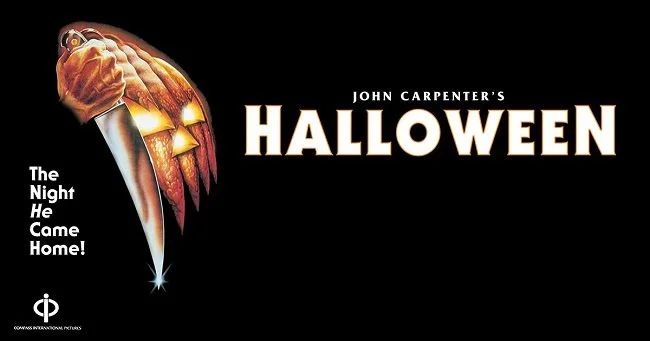
It's interesting that Carpenter's subtle and understated compositions were perhaps more influential on minimalist electronic music, rather than on contemporary movie scores. Certainly Carpenter's style became grander and musically more complex as he continued to score his later movies such as Prince of Darkness and later In the Mouth of Madness. Although he may well best known for the Halloween theme, the Assault on Precinct 13 soundtrack provided the original musical blueprint and is in many ways its equal. Film composers working today could learn valuable lessons from its simple eloquence.