
The Celebrity Traitors
Whenever certain TV shows gain popularity and become internet talking points, it simultaneously piques my interest while also invoking my scepticism. Popularity is not always indicative of quality. I can think of numerous UK TV shows that attract big audiences that do not appeal to me whatsoever. However, sometimes it can be enjoyable to watch something that is in the public eye and to participate in the “buzz” associated with that show. I watch Strictly Come Dancing each year for this reason and because watching people learn a skill is entertaining. However, this post is about another show. Namely The Celebrity Traitors which has just begun its second season on the BBC.
The Traitors is a British reality television series broadcast on BBC One, based on the Dutch series De Verraders. The show features a group of contestants participating in a social deduction game, set in the Ardross Castle Estate in Scotland. During the course of the game, several contestants are secretly appointed "Traitors" and must work together to eliminate the other contestants to win a grand prize. The remaining contestants, the "Faithful", are tasked with discovering and banishing the Traitors by a round table vote. Since 2022, there have been for seasons of the show, featuring members of the public and a “celebrity” version. Viewer audiences can reach up to 15 million, making it one of the most popular shows on UK TV.
I’ve not watched any of the previous seasons but have I decided to give The Celebrity Traitors a go, mainly because I was somewhat fed up with the amount of column inches the show gets in the press, when it is on. It also tends to monopolises my social media timeline, so I decided to see exactly what the fuss was all about. The show is also something that Mrs P and I can watch together. I also find the actor Richard E. Grant very entertaining so as he is a contestant this year, that pretty much clinched the deal. Last night, we caught up with the first two episodes and I must admit I was entertained and had plenty to say about the show. However, not necessarily for the same reasons as everyone else.
Before I begin, here are all the celebrities taking part in the current show. Some of the names I know, others mean nothing to me (or Midge Ure). Bella Ramsey (Actor), Hannah Fry (Broadcaster & mathematician), James Acaster (Comedian), James Blunt (Singer-songwriter), Jerry Hall (Model & Actor), Joanne McNally (Comedian), Joe Lycett (Comedian), Julie Hesmondhalgh (Actor), Leigh-Anne Pinnock (Singer-songwriter), Maya Jama (Broadcaster), Michael Sheen (Actor), Miranda Hart (Actress & comedian), Myha'la (Actor), Richard E. Grant (Actor), Rob Beckett (Comedian), Romesh Ranganathan (Comedian), Ross Kemp (Actor), Sebastian Croft (Singer & actor), Amol Rajan (Journalist & broadcaster), King Kenny (Content Creator) and Sharon Rooney (Actor).
The premise for this show is essentially a cross between a Victorian era parlour game and the video game Among Us. Once the respective roles of “traitors” and “faithful” have been assigned it is a question of observing contestants behaviour and interactions with others and then determine through deductive reasoning, which faction they belong to. Logically at the start of the game when there are 21 contestants, there is very little information or discernable facts to go on. Hence it doesn’t take long to most people to lapse into baseless speculation, erroneous assumptions and paranoia. Was a friendly pat on the back a death mark, a signal between two people or simply a friendly pat on the back. Therein lies the appeal of the show. You get to watch celebrities think that their Hercule Poirot and make poor choices based on their own personal biases.
One example of this was Mathematician Hannah Fry noticing that Actress and Singer Leigh-Anne Pinnock was applying make-up at the end of the evening when contestants were about to return to their respective apartments. “Why would she do that” Dr Fry surmised. “Unless she had an assignation with the other traitors” was the deduction. It was wrong of course and the person in question was simply an individual who constantly adjusts their make-up out of habit. The person who observed this obviously has a less rigorous make-up regime. But it was fascinating to see how humans in the absence of data, will happily seek to find some, regardless of whether it is there or not. Similarly, actor Ross Kemp became increasingly paranoid about someone rubbing his arm and on another occasion, placing of a hat upon his head during one of the games challenges. Had he been marked, or would those who saw these thing happen consider it as a cover signal?
However, the highlight of the first two episodes was the wonderfully unpredictable, Richard E. Grant. He desperately wanted to be a “traitor” at the beginning of the show, as it is by far the better role for an actor. He was subsequently picked. Immediately afterwards, when the contestants had gathered for the first time after being assigned role, when he was asked casually whether he was a “traitor” by Joe Lycett, he emphatically said yes. Had he made a schoolboy error and given the game away, or was this some sort of cunning triple bluff like the plot of Alistair MacLeans Where Eagles Dare? His statement did initially arise a lot of suspicion, as you would expect, yet it did subsequently polarise opinion in the wider group. Some discounted it as a joke, others a ploy, while a few were simply discombobulated by the remark. It was a bold tactic. However, he may still be voted off as a result of his strategy.
In the absence of any correctly observed and verifiable information, the logical position at the first round table (where the contestants try and vote someone off who they suspect is a traitor), is to simply state “there is insufficient data”. You’d probably get a better result by tossing a coin or crunching the numbers, than pursuing bogus lines of investigation. At present, there are 6 comedians and 10 actors out of the group of 21 contestants. Hence it statistically more likely that the “traitors” will be found within those groups. However, taking such an analytical approach to the problem doesn’t make for dramatic entertainment. Furthermore, very few people are capable of thinking in purely logical terms, even the academics. Human frailty wins every time. Hence we had a debate based on spurious facts and poorly conceived theories.
So after a crash course, I can see the overall appeal of The Celebrity Traitors. It is in the drama arising from contestants speculation, from the curious alliances that seem to form and the banter from the comedians and some of the more charismatic contestants. I was certainly entertained. Also, another selling point is the lively debate that happens online after each episode. It is fun to be part of a “cultural event”. Can we learn anything from the show? Yes. If the UK ever becomes a police state, this is how your friends, family and peers would turn on you and send you to the Gulag, or worse. All based on speculation and paranoia. Can the show be improved in any way? Yes but not legally. I personally would like to see the use of scopolamine and beating confessions out of people with a telephone directory but I suspect that may deter contestants from signing up. It is also why I don’t work in television. In meantime let’s see what happens in next week’s show.
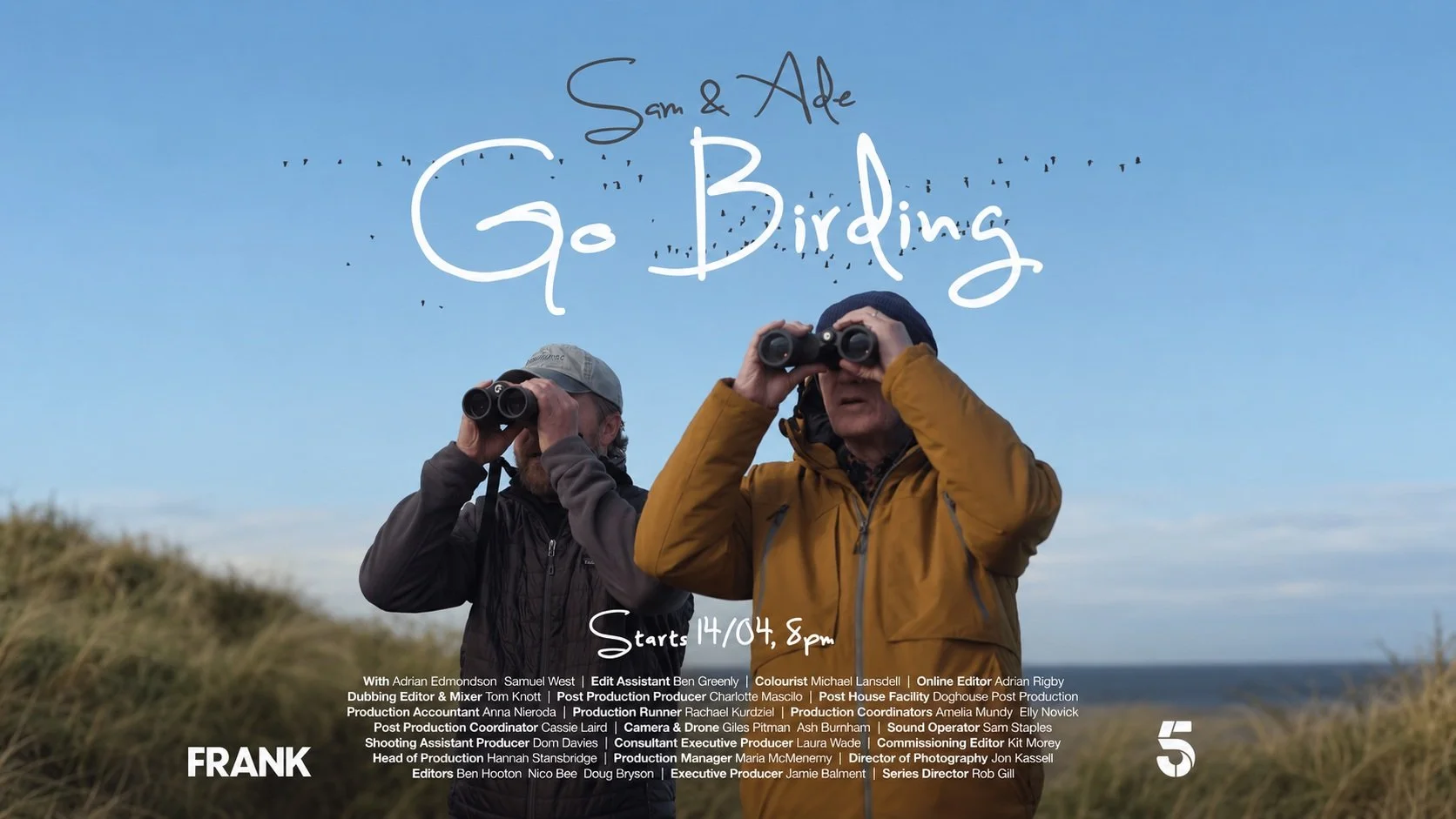
It has become a popular TV formula to find two celebrities or television personalities and put them into an informal documentary style show. While the pair nominally undertake the task at hand, the emergent banter between the two is the alleged television gold. Hence we had Mortimer and Whitehouse: Gone Fishing which became a big hit. Then there’s shows such as Extraordinary Escapes with Sandi Toksvig and Perfect Pub Walks with Bill Bailey where the presenter is joined by a different celebrity guest each episode. Again it is the off topic chats that make these shows interesting variations on pure documentaries. All of which brings me nicely to Sam & Ade Go Birding. I missed this show when it was first broadcast in the UK in April this year. I caught five minutes of a repeat recently while channel hopping and was so intrigued by the premise, I immediately went to the appropriate on demand player and watched the first episode. Over the next two evenings I watched the remaining two instalments. All of which was a wonderful change of pace from the frenetic and boisterous enthusiasm of mainstream entertainment. Two guys go bird watching. One is an expert, the other isn’t. Banter ensues along with some superb wildlife photography. This is calming, tranquil and relaxing viewing.
Star Trek is slightly older than me by 14 months. I was born on December 18th 1967. Star Trek was first broadcast in the US on 8th September 1966. Hence this show has always been part of the prevailing pop culture that surrounded me, as I grew up. I first began watching Star Trek as a young child in the early seventies. It would be repeated on the BBC in the early evening on Fridays and it became a family ritual to sit down together and watch it. As a seven or eight year old, it left a great impression upon me and was in many ways, the television highlight of the week. Star Trek along with Doctor Who certainly started my interest in science fiction. Star Trek was also one of the first shows that introduced me to tie-in marketing. I remember seeing in a toy shop, near to my school at the time, a Dinky Klingon Battle Cruiser and was flabbergasted that such a thing existed. I immediately coveted it but sadly never obtained one.
Thoughts on TV shows and my current viewing habits.
This so-called recurring post is certainly becoming quite irregular, as It’s been over a year since I wrote the last instalment of The Idiot Box. I noted back then how I was watching less television and to be frank that hasn’t really changed. Although there are plenty of well written and entertaining shows out there, too often choosing to watch one effectively places you in an opened ended social contract. For example, I watched the first season of The Agency, which is a superior espionage drama. It ended with the main story completed and a few plot lines open for another season. A second season has just been released and I have learned from a blog post by Wilhelm Arcturus, that this season ends on a cliffhanger. Oh dear. Do I really want to get on another TV show treadmill? Nope. I like TV shows that have self-contained seasons. So I guess I’ll be skipping The Agency. Shame. I liked the Jack Black cover of a U2 song that they use on the title credits.
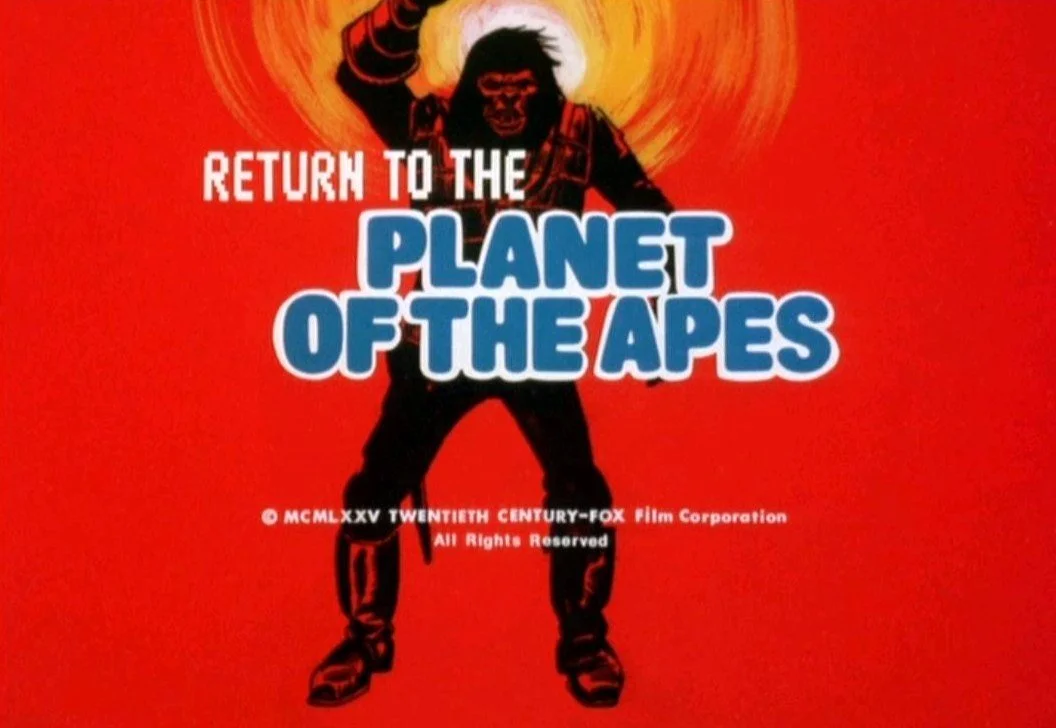
I recently found a DVD boxset of Return to the Planet of the Apes in a charity shop which I bought for £4, which is a ridiculously cheap price. I considered it an interesting find because it was a Region 1, US copy. However, that is not so unusual these days as most DVD players are now region free and Amazon (UK) sells media from all over the world. As for the show in question, I vaguely remember Return to the Planet of the Apes being shown on UK network TV when I was a child, probably circa 1976. Back then it would usually take a year or so before US shows made it onto UK television. From a commercial perspective, the entire Planet of the Apes franchise was beginning to run out of steam. I was 8 years old at the time so had missed most of the film releases. However, I enjoyed the live action TV show hence an animated follow up had obvious appeal to a child of my age.
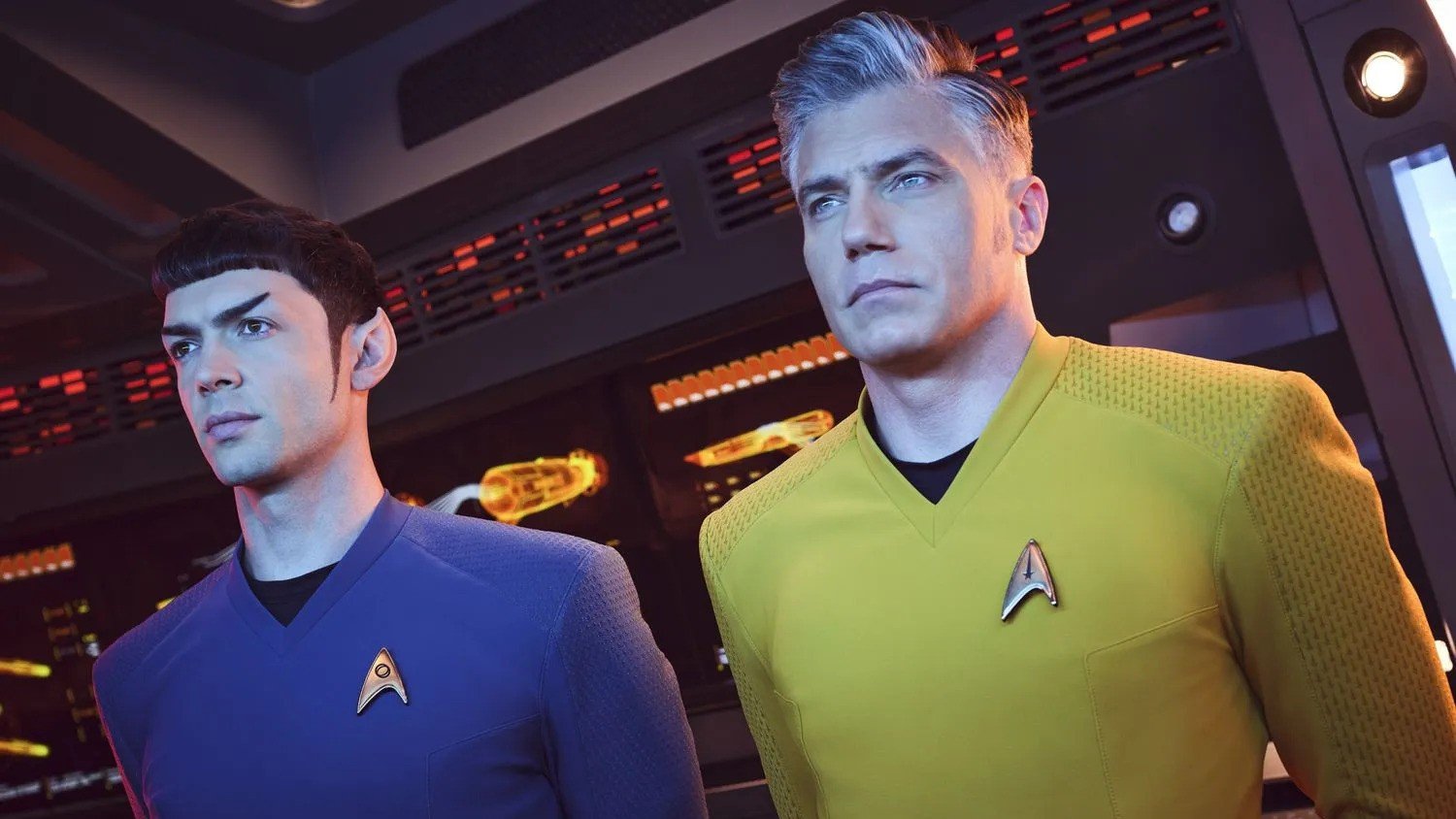
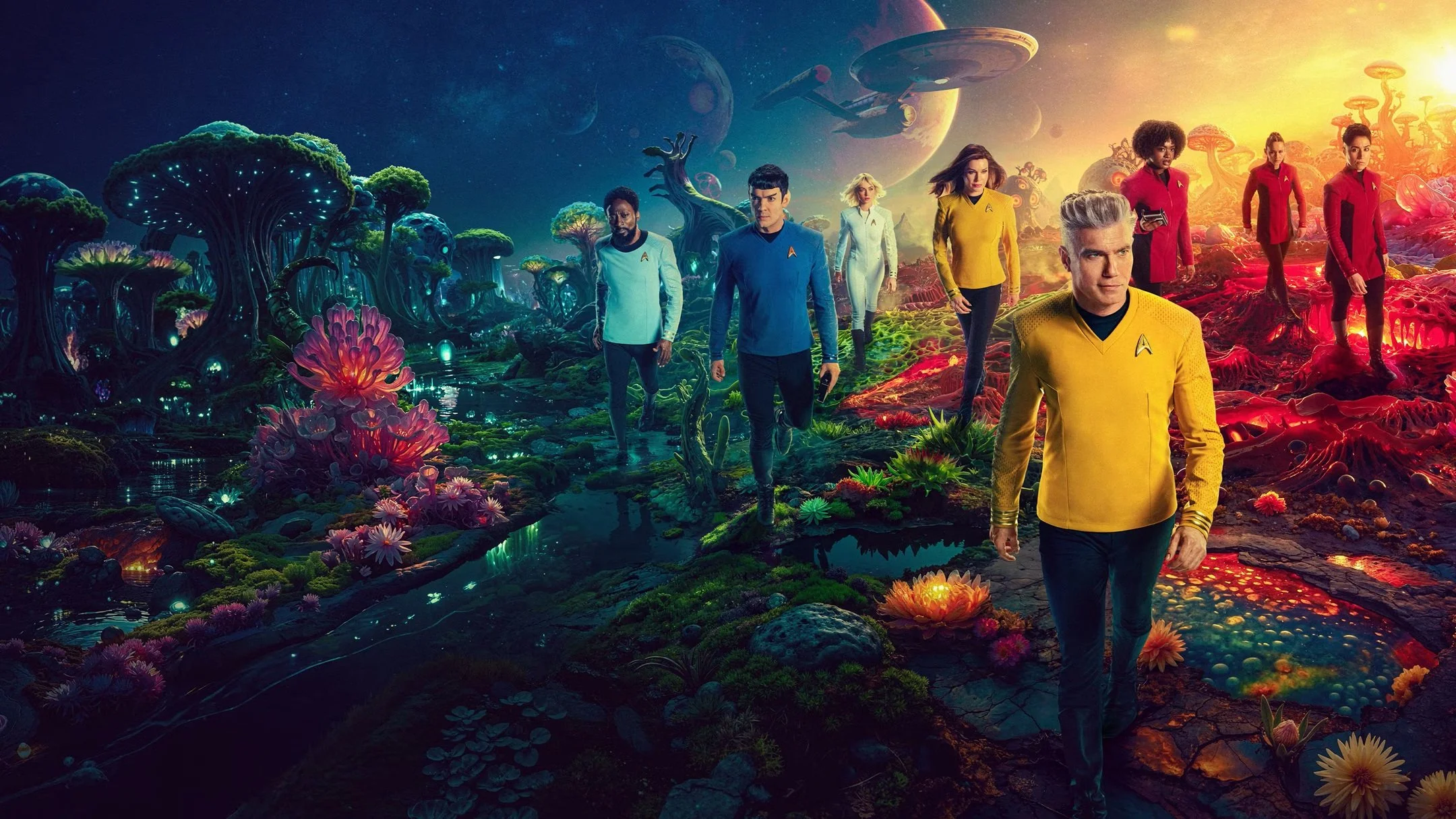
I have not watched as much TV as I usually do, this year. Mainly because I have become a little weary of the ways contemporary TV is produced, especially with regards to streaming shows. Due to the costs, shows such as Star Trek: Strange New Worlds only have 10 episodes per season. Simply put, the season begins to hit its stride and then is abruptly over. This problem (if you see it as such) is then further compounded by there being a significant wait between seasons. In the case of STSNW it was two years between season two and season three. Not all shows fall foul of this. Apple TV produces two seasons of the excellent espionage drama Slow Horses at a time, ensuring a prompt release schedule. However, even this has issues. Due to the complexity of the plots of many contemporary TV shows, something that is a marketing point, some viewers cannot remember the plot after a twelve month hiatus. Network TV shows seldom have these issues with each season being 20 plus episodes long and story arcs that are seldom as complex.
Strictly Come Dancing remains the BBC’s flagship light entertainment show for Autumn. Despite controversy and scandal, the show bounced back last year and firmly re-established itself as the “feel good, family show” it has always claimed to be. Blind comedian Chris McCausland becoming the 2024 champion certainly validated the show’s commitment to diversity and inclusion and helped place Strictly (as it is known to its fans) back on its cultural pedestal. I’m sure those involved in the production of the show breathed a sigh of relief when the season ended on such a positive note, eclipsing the negative press that had been ever present last summer. Second chances and opportunities for a “course correction” are few and far between these days. Especially when you have elements of the UK press waiting with bated breath and hoping that you’ll fail.
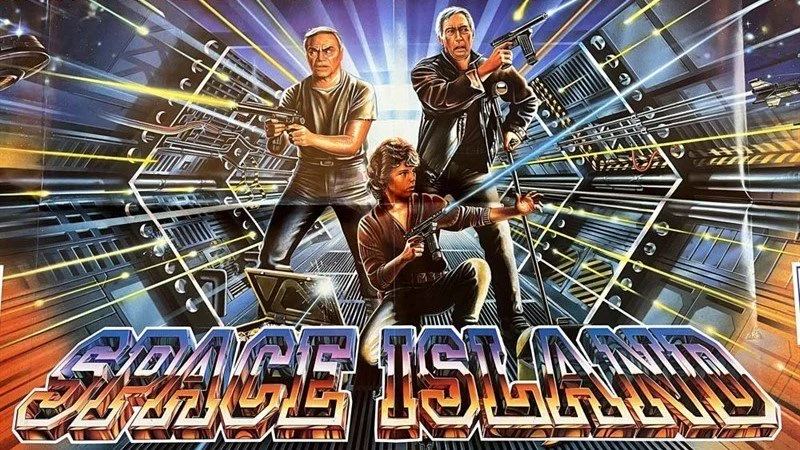
Treasure Island In Outer Space is a curious Italian television production from 1987 starring Anthony Quinn and Ernest Borgnine. It also features numerous international actors better known for their work in cult and exploitation films, such as Bobby Rhodes, David Warbeck and John Morghan. Directed by Antonio Margheriti (AKA Anthony Dawson), famous for such films as Killer Fish (a cash in on Piranha) and The Last Hunter (a Vietnam exploitation epic), Treasure Island In Outer Space is a faithful adaptation of Robert Louis Stevenson’s classic novel. The screenplay by Renato Castellani and Lucio De Caro draws heavily from the source text, maintaining character names and original dialogue. However in updating the material to a futuristic setting, the script is littered with the worst kind of eighties sci-fi clichés. We are subjected to sonic trains, anti-gravity rays and the usual buzzword driven faux science.
Thoughts on TV shows and my current viewing habits.
I last wrote a blog post in this series back in February 2022. Then for various reasons, I stopped. Possibly because my relationship with TV has changed in recent years. It’s fair to say at present that viewers are spoilt for choice. There are lots of very good shows around. Conversely, there is also a lot of bland, generic, filler as well. I appreciate that not every television series has to be an industry milestone and there are times when I’m content to watch undemanding content. However, I am very protective of how I spend my leisure time at present. I am not prepared to sink 6 or 8 hours into a show that is just “okay”. Hence I’m becoming very particular about what I watch. If something isn’t working for me in any fashion then I just abandon it and am happy to do so.
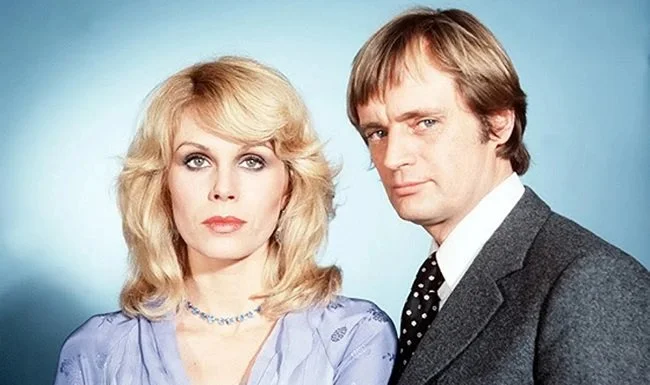
The seventies was an interesting time for UK genre television. Despite small budgets and often low key visual effects, there was no shortage of good ideas and creativity. Sapphire & Steel is a prime example of a show couched in a high concept, produced on a shoestring. It also credits its audiences with some degree of intelligence. Rather than spoon feeding the narrative in a didactic manner, it hints and implies, then leaves the rest to its viewers imagination. Created by Peter J. Hammond, a veteran TV writer, Sapphire & Steel centres on a pair of interdimensional operatives named Sapphire and Steel. They are two of a number of elements that assume human form. Over the course of three seasons little is revealed about the pair but they appear whenever there is any anomalous temporal activity. Time itself is portrayed as a sentient and malignant force that seeks to make incursions into the present reality, through weaknesses in the fabric of space.
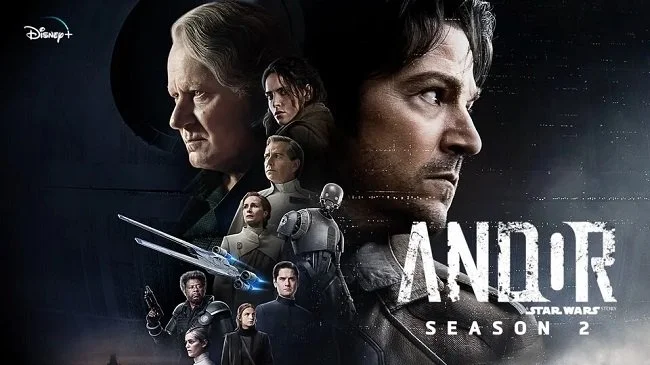
Season 2 of Andor has received praise from both critics and fans alike. It finally seems to have put to bed the common argument that Star Wars as a franchise has traditionally been light on narrative depth, character development and the exploration of the themes that its main story is predicated upon. Andor shows the realities of opposing authoritarian regimes and exists within shades of grey, rather than purille, binary positions. Many have drawn parallels with the current state of geopolitics, especially that of the United States. I certainly found the second season of Andor to be engaging and thought provoking. I also enjoyed the performances of many of the British actors who by default are cast in all the major Empire roles. I thought Anton Lesser was especially noteworthy as a senior officer in the Imperial Security Bureau.
If you don’t want to pay for streaming services, or premium digital satellite and cable content, then your choice in the UK is somewhat limited. You can receive all “free to air channels”, IE the ones that have advertising, via the digital terrestrial platform Freeview. Most UK televisions have Freeview access built in. Alternatively, the same selection of channels are available via the digital satellite platform Freesat. You can also buy either Freeview or Freesat digital video recorders and require only a rooftop aerial or satellite dish respectively to access these platforms. Most DVRs come with additional IPTV functionality built in along with the most popular streaming apps, so additional subscription services can be added if the viewer so desires. Freeview and Freesat carry a mixture of high definition and standard definition channels. Internet based services offer 4K content.
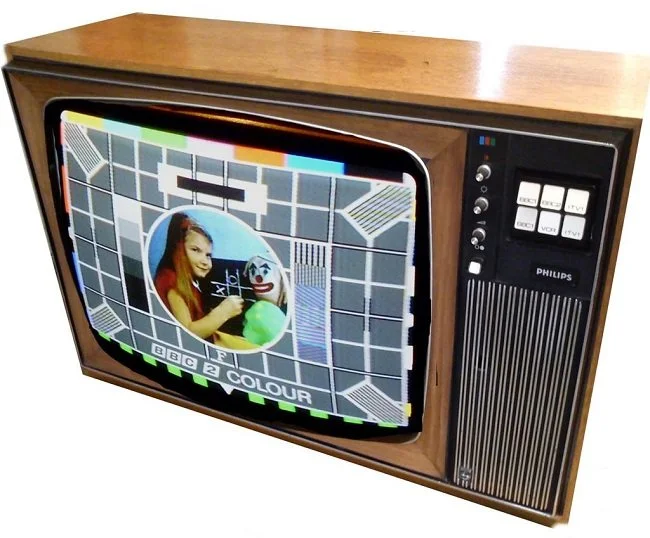
When I started writing this post it was intended to be about changing from one UK TV provider to another. However, I became concerned that there was a need to provide some sort of historical context, because I wasn’t sure whether all readers would be familiar with how television is provided here. The next thing I know, I’ve written a potted history of public and commercial broadcasting in the UK and the resulting post has become somewhat lengthy. So I have decided to split the text into two halves. The first being a summary of how the provision of television has changed in the UK over the course of the last fifty plus years. The second focuses more upon changes to the TV industry’s business model, consumer habits and the present status quo.
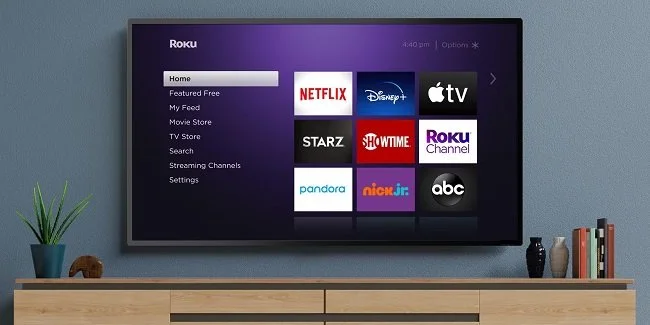
It is fair to say that we live in an age where we do not lack quality TV. There are numerous shows that have garnered critical acclaim or a strong word of mouth following that are deemed “must see” viewing. No doubt you, like myself, have a long “to do” list of programs that you need to “get round to watching” on top of those shows which are staples of your viewing regime. If you didn’t have enough programmes already to catch up with, we all have friends and family telling us about a “great show” that’s on a platform we don’t subscribe to, that we really need to see. It is quite extraordinary and a far cry from my youth when the UK simply had three terrestrial channels until satellite TV became popular in the late eighties. To paraphrase the former Prime Minister Harold Macmillan “we’ve never had it so good”.

Music by John Williams is a documentary celebration of the famous composer and his illustrious body of work. It provides some interesting biographical background information as to how the man was born into a family of talented musicians. It then traces his rise from pianist for hire to the most well known film composer today. Along the way, anyone who is anyone in film and music appears to heap justifiable praise upon him and his body of work. It also features a continuous medley of John Williams’ greatest hits, as it catalogues his work in broadly chronological order. Music by John Williams is an upbeat and positive love letter to the composer and exactly what you would expect, when you consider that the documentary was produced by his friends and peers.
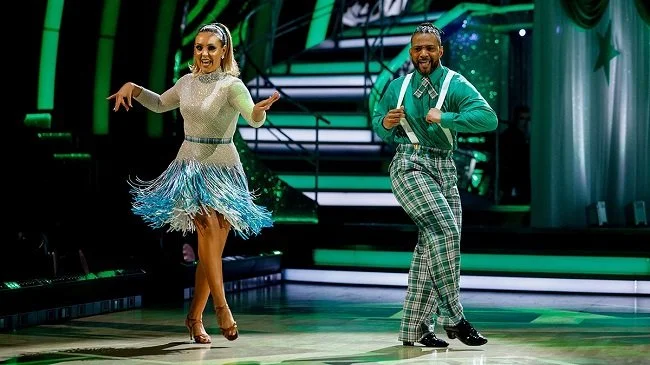
Tonight’s results for week 5 of Strictly Come Dancing (season 22) have once again demonstrated that this show is more than just a dancing competition to UK viewers. If it were just a case of determining who are the best dancers, then JB Gill would not have been in the dance off. The judges may well see things exclusively in such terms but the public clearly do not. I last wrote about this phenomenon in 2019 and I think it appropriate to raise the subject again as this season of Strictly seems to be bucking past trends and I suspect we may be in for further upsets in the run up to the season finale. Broadly speaking, the public usually tends to vote in a manner similar to the official leaderboard. Hence, those who score the lowest usually end up in the dance off. Occasionally an underdog will be championed and kept on the show but that trend seems to have lost its novelty in recent years. This season appears to be quite different.

I make no bones about the fact that I watch Strictly Come Dancing every year. For those who live outside of the UK, this is the original version of the dancing reality show that you probably know as Dancing With the Stars in your country. It is still a big deal in the UK as far as TV ratings go, getting audiences on average of 6.6 million viewers. There are many aspects of the show that are textbook examples of prime time, popular entertainment but I like it because the “celebrities” that take part are ultimately learning a skill that is genuinely difficult. The latest season of Strictly, as it is known to its fans, is especially interesting as the BBC had a major PR problem earlier in the year, where several previous participants made allegations of bullying and abuse about their pro-dancer partners. An investigation is still ongoing and in the meantime, the two professional dancers that were named have withdrawn from the show. Hence everyone involved with the latest season are all on message, stating that it’s “all about having fun”.
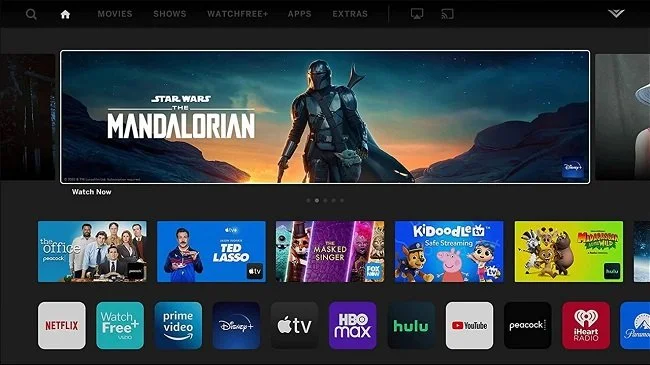
Watching TV was a far more communal activity in my youth. Families sat and watched specific shows or sports together. “Appointment TV” had its benefits not only for TV ratings but for advertising revenue. Although audiences may have grown over the years, they have also become more fragmented and compartmentalised. Smaller market shares have therefore made advertising far more pervasive. Even big streaming platforms are feeling the squeeze with declining subscribers and therefore introducing advertising on lower tier tariffs. Many catch up services also rely on advertising. However, viewers can always pay a fee if they wish to dispense with it. Another foible of modern digital television is poor picture quality Many smaller digital channels broadcast in standard definition. The source material has often been converted between different picture formats and has been cropped to suit a 16:9 screen. This results in low definition picture quality, with weak colours and a lot of digital artefacts.
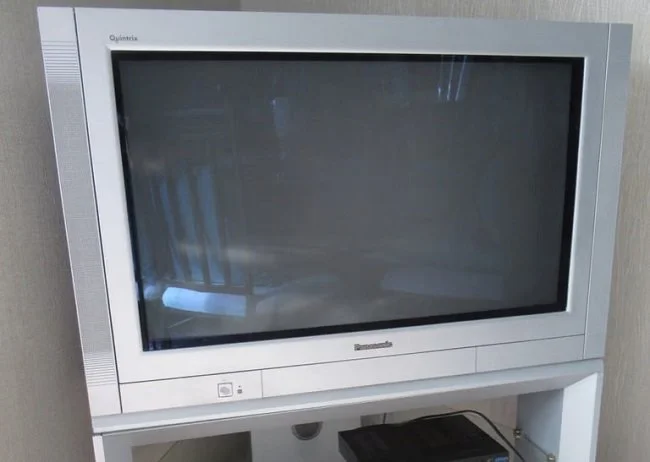
I recently visited my local branch of the British Heart Foundation. This is a chain of UK charity shops that sell previously owned furniture and electrical goods, all of which are certified to be in good working order. It’s one of the few places where you’ll still find old school CRT televisions. These mainly come from house clearances. On this occasion, a particularly bulky model from the early 2000s was on display and despite its age, it still had a good, clear picture. I spoke to a member of staff and apparently these TVs are still popular with gamers who buy them for use with retro video games consoles. I felt especially nostalgic for this particular ageing Sony TV, because Mrs P and I had once owned a similar model. We bought it from a local department store (which no longer exists) and I remember it took two robust gentlemen to deliver it and install it.

We all knew it had to happen sooner or later. According to reports, Lucasfilm is planning to reduce its Star Wars related output on Disney+. Specifically, from 2025 there will be only one live-action television series per year. For comparison, Disney+ commissioned three shows in 2022 and two shows in both 2023 and 2024. It should be noted that this reduced output doesn’t include animated shows. It would appear that senior management at Disney have finally figured out something most of us have known for a while. That saturating the market with content based upon a specific intellectual property, is ultimately detrimental to its popularity and financial viability. To use an old adage “familiarity breeds contempt”. At present, hardcore fans are “unhappy” with the way the IP is being developed, while casual fans are somewhat burned out by the excess of content and its varying quality.

Two years ago, The Lord of the Rings: The Rings of Power premiered on Amazon Prime to mixed reviews and a tedious and predictable internet brouhaha. I have no interest in that debacle as I consider it spurious, to say the least. Representation is a commercial imperative for any big budget television production. As for any deviation from the established canon, that’s due to the show being an “adaptation” of Tolkien’s work. At no point were viewers promised a literal interpretation of the source text. Therefore I am only interested in legitimate critiques of the show based upon its production, writing and acting. As far as I’m concerned, the first season was broadly entertaining and had outstanding production values. Overall I enjoyed The Lord of the Rings: The Rings of Power as an exciting and inventive take on Tolkien’s legendarium. Hence, I have been looking forward to the second season, which began today.

Ghostwatch is a controversial British horror “mockumentary” produced by the BBC that was first broadcast on October 31st 1992. Written by Stephen Volk and produced by Ruth Baumgarten it is now considered a milestone in UK broadcasting. This was mainly due to the strong reaction it provoked from the public, many of whom failed to grasp that it was a drama. At the time it raised serious questions about responsible programming and caused a furore in the British press. It has curiously never been shown since by the BBC. Ghostwatch remains a talking point to this day and is a text book example of the power of television as well as the publics enduring belief in the supernatural.
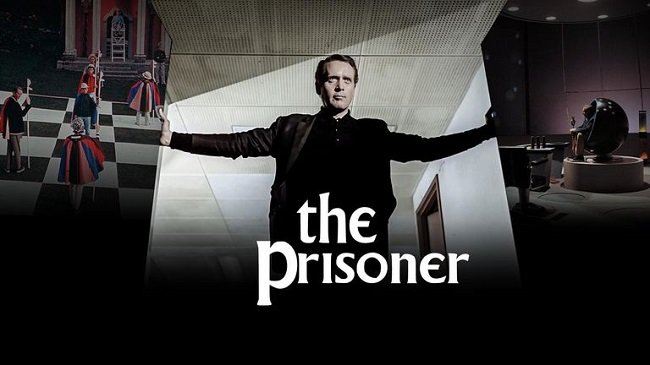
Ronald Erle Grainer (11 August 1922 – 21 February 1981) was a prolific Australian composer who is best remembered for his work in the United Kingdom during the sixties and seventies. He wrote numerous notable scores and theme music for several iconic television shows such as Doctor Who, Steptoe and Son and Tales of the Unexpected. He also composed the soundtrack for several major motion pictures such as Some People (1962), The Assassination Bureau (1969) and The Omega Man (1971). Grainer relocated to London from Australia in 1952 but it was not until 1960 that he gained critical success after writing the music for the popular TV show Maigret. He subsequently received an Ivor Novello award for “Outstanding Composition for Film, TV or Radio”.

Anyone who writes regularly, sooner or later will have the following epiphany. The realisation that the post you consider your best work seldom finds an audience. Furthermore, the most inconsequential, disposable things that you have written on a whim, will often end up being the one article that gets a big response. It can be very frustrating but it is a reality of writing. It is with that idea in mind, I wish to move on to the matter of “Walter Watches”. In late March 2019, I took a picture of Walter sitting in his chair, watching a classic episode of The Twilight Zone. I subsequently Tweeted this image along with a descriptive caption. This gained a number of “likes” and retweets, so a day later I posted another. This time Walter was watching the film Krull (1983) and I added a humorous caption. Let’s just say I got more of a response for that one Tweet than I had for anything else I had posted over the previous nine years when promoting a blog post.
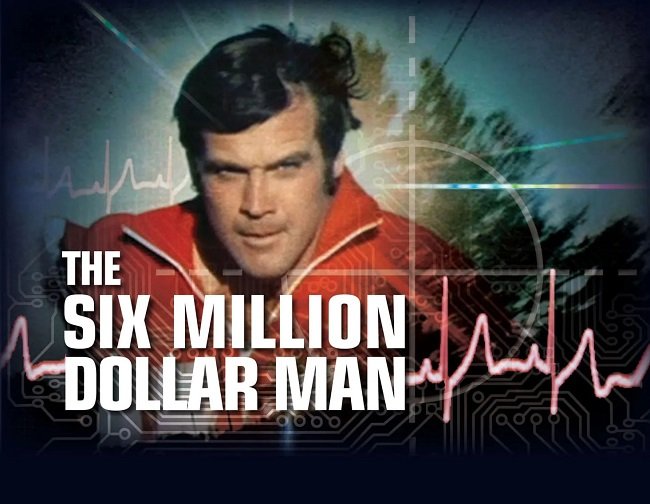
I was seven when The Six Million Dollar Man was first broadcast in the UK in late 1974. As a young and impressionable child, who was already fascinated by Doctor Who, Star Trek (TOS) and the films of Ray Harryhausen, this show was essential weekly viewing. I believe for the first couple of seasons, we sat and watched it as an entire family. Television was less sophisticated back then and dominated by sitcoms, police procedurals and traditional dramas. So a weekly show blending the espionage genre with science fiction themes was revolutionary. It also inspired a generation of school kids to run around the playground in “slow motion” and give themselves hernias as they attempted to lift heavy objects. And don’t get me started on the range of Steve Austin toys. One had a “bionic eye” which meant it had a lens in the front of the action figure’s face and you could look through the back of his head like a telescope. What a time to be alive!
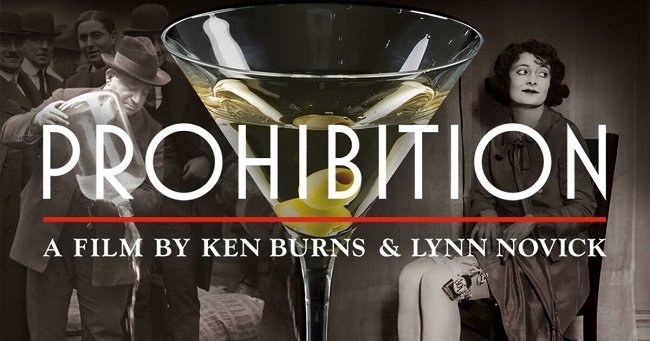
Despite being an analysis of the past there is a portentous air about Ken Burns and Lynn Novick’s Prohibition. A fascinating five-and-a-half-hour documentary produced for PBS in 2011. The history of this disastrous experiment, the banning of alcoholic beverages, is a textbook example of how the transactional nature of US politics can be effectively used upon “wedge” issues. Prohibition follows the format and style of Burns previous documentaries such as the Civil War (1990) and The War (2007) with the wider subject broken down and analysed according to protagonists, events and the political background. Specific historical figures and key players are followed throughout the documentary’s narrative, giving viewers a sense of focus. Hence we meet the hatchet-wielding Carrie Nation, Wayne Wheeler from the Anti-Saloon League and media savvy gangsters like Al Capone. It is interesting to note that some themes continue from Burns’ previous work, such as the political and cultural conflict between native-born Americans and European immigrants. The rural heartlands versus the big cities.
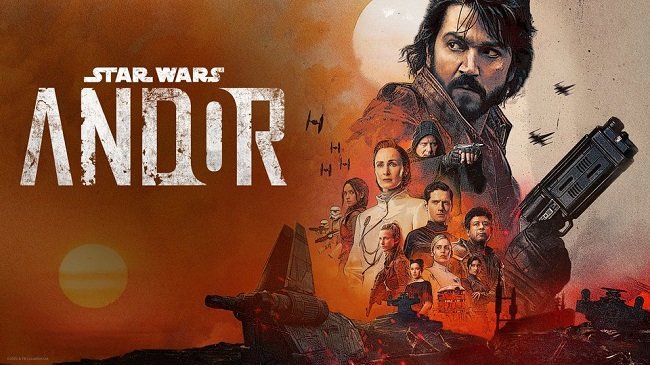
Andor is not like other entries in the Star Wars canon. It explores the human, social and political consequences of rebelling against an oppressive, totalitarian regime. The writing is intelligent and well observed, choosing to focus on the average citizens of the Empire and the nature of their daily lives. Andor also explores the ineffectual politicians and the way the senate are self serving and ultimately impotent. The Emperor is remote and instead we see how Imperial colonialism works at a grassroots level. It is an all too familiar depiction, born out of historical fact, such as Vichy France during World War II. Petty thugs and aspiring psychopaths happily align themselves with their Imperial overlords and actively oppress their own people. As for the Empire, and in particular the ISB (Imperial Security Bureau) it is rife with infighting, personal fiefdoms and all the flaws of similar institutions from the real world.
Having watched the first two episodes of The Lord of the Rings: The Rings of Power, I wish to express my thoughts on what I’ve seen and my overall impressions so far. I do not think it would be fair to frame this post as a review as the two episodes only constitute 25% of the show’s total content. A formal review of the first season seems more appropriate when I have seen it in its entirety. Before I begin commenting on specific points about the two premier episodes, I wish to point out that I have no problem with “representation” and have expressed my thoughts on this matter in a previous post. It also covers the matter of “adaptation” and how complex texts can at times require augmenting to be made accessible to wider audiences. Hence those viewers who want 100% canonical purity are unrealistic in their expectations. Objections based in racism and sexism can simply be ignored. NB I shall endeavour to keep my thoughts spoiler free.
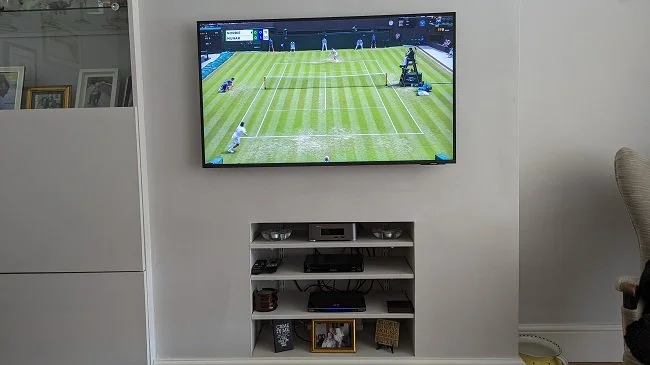
The last time I wrote about our home entertainment system was six years ago. Back then I was hoping to upgrade our TV from HD to UHD. However, unless you are fortunate to have a surfeit of cash, most of us tend to soldier on with the hardware we already have until it breaks. Then at least we can justify replacing it. And that is exactly what happened to us last week. It would appear that both the TV and the powerline internet adapters which are in our lounge, suffered electrical induction damage during a recent thunderstorm. One of the powerline adapters was completely dead and the HDMI sockets on the television ceased to function. This meant we had no access to streaming services, the Blu-ray player or our BT TV DVR. We could access a selection of free, terrestrial digital channels via the aerial, but could not pause or record anything. Furthermore all of these were in standard definition.
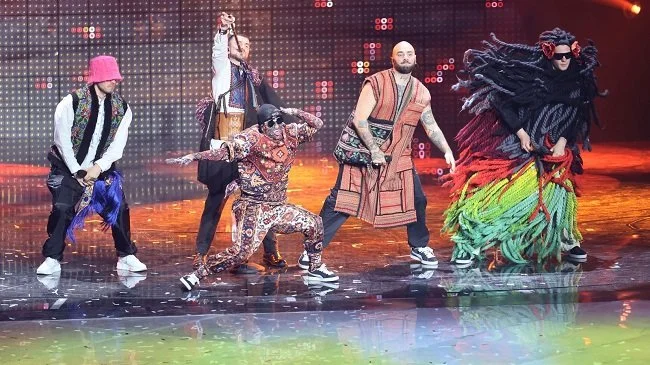
The Eurovision Song Contest is a lot of things but it is never dull. Even if the songs that make it through to the final are a little lacklustre, there’s always drama to be found in the scoring. The first round of votes come from national juries made up of professionals from the music industry. Hence there is a propensity to judge songs on their technical and marketing merits. This often means that the juries favour songs that don’t necessarily appeal to the public. However, this is addressed in the second round in which the viewers can vote. The only caveat is that you cannot vote for your own country. Hence things can really change after the professional jury votes are counted and the public votes are added to the overall score. And that is what happened last night. There was a massive public vote for Ukrainian entry Stefania by the Kalush Orchestra and they subsequently won the contest.
 Roger Edwards
Whenever certain TV shows gain popularity and become internet talking points, it simultaneously piques my interest while also invoking my scepticism. Popularity is not always indicative of quality. I can think of numerous UK TV shows that attract big audiences that do not appeal to me whatsoever. However, sometimes it can be enjoyable to watch something that is in the public eye and to participate in the “buzz” associated with that show. I watch Strictly Come Dancing each year for this reason and because watching people learn a skill is entertaining. However, this post is about another show. Namely The Celebrity Traitors which has just begun its second season on the BBC.