
Star Wars Battlefront II
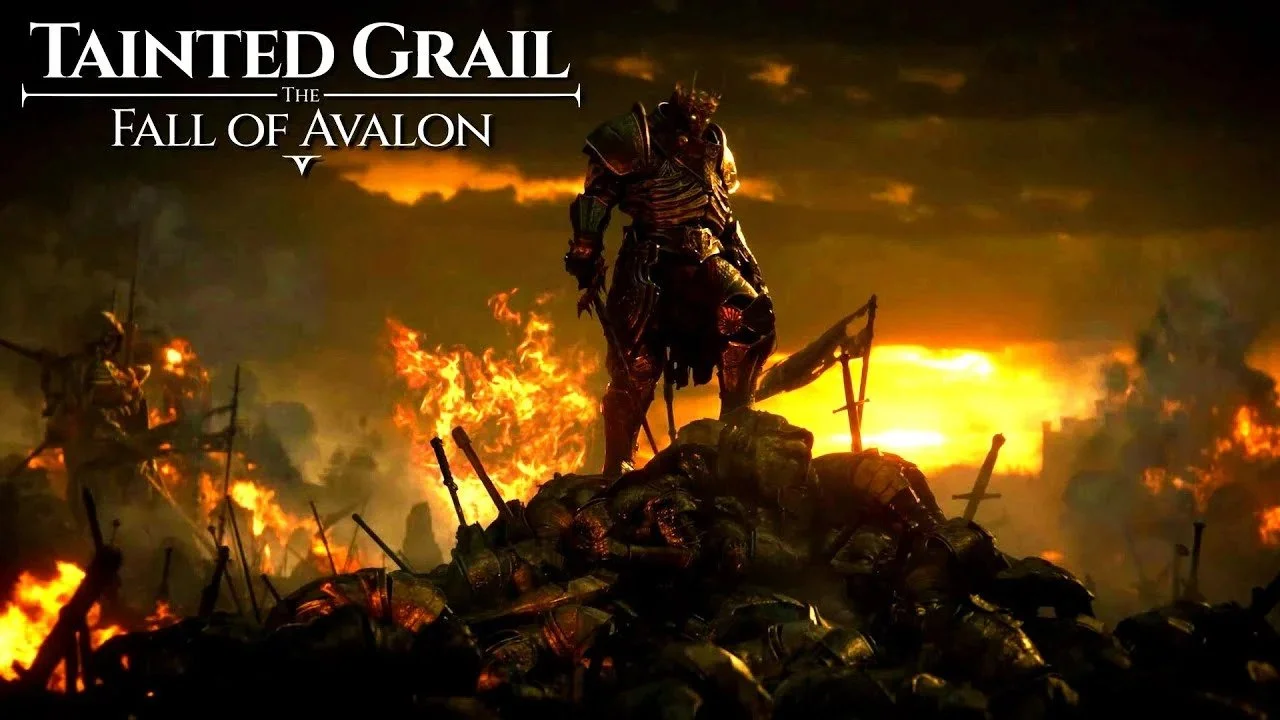
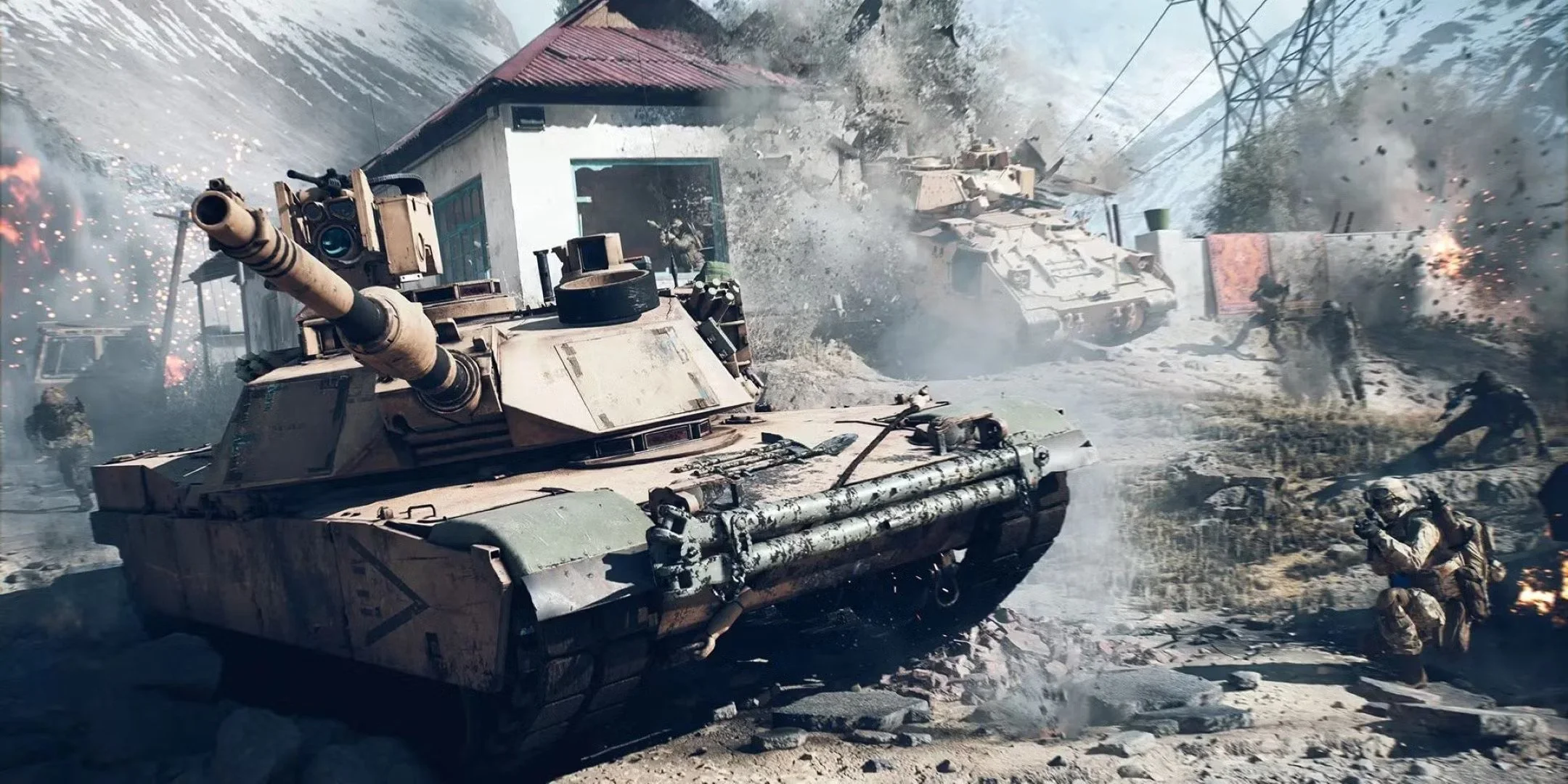
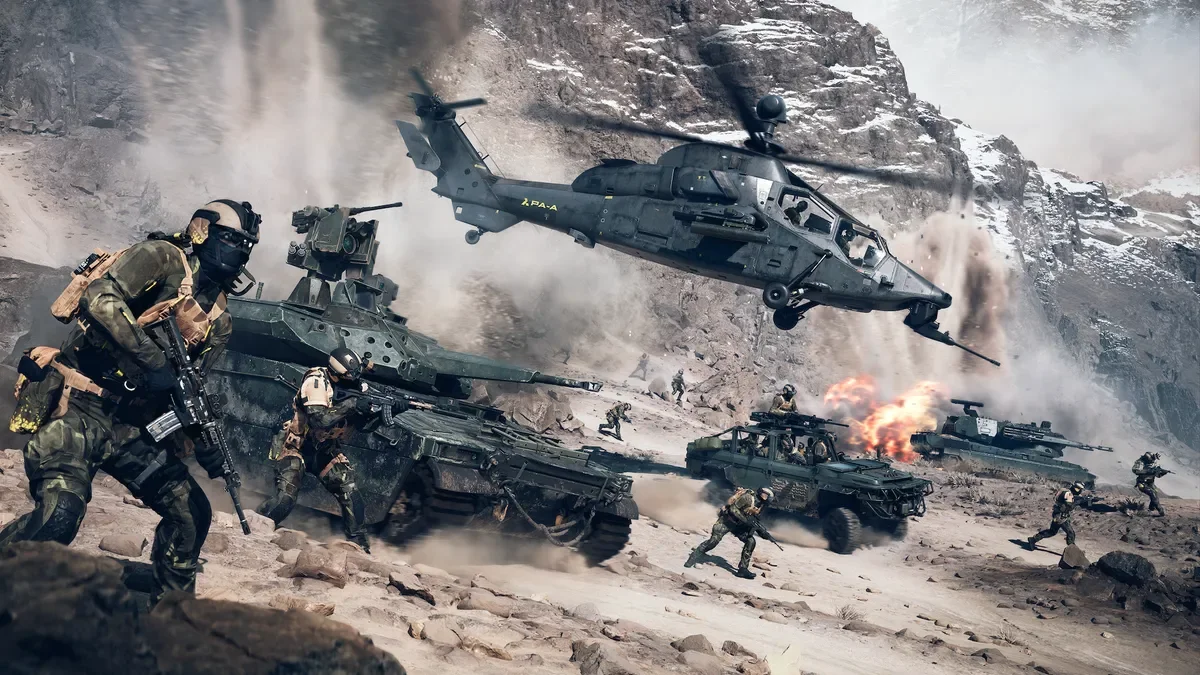
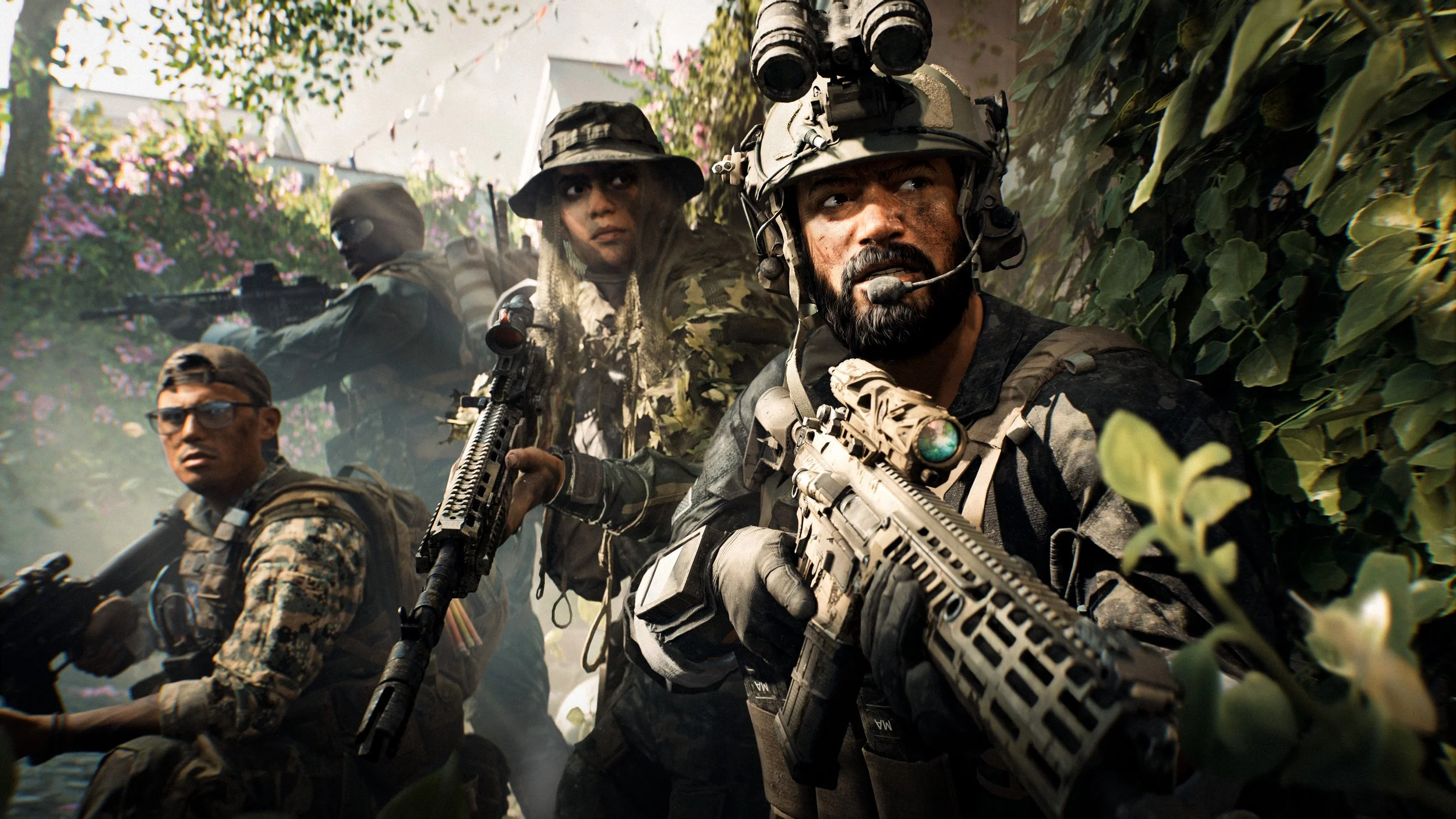
Star Wars Battlefront II looks superb, even on an ageing PC such as mine. It absolutely exudes Star Wars ambience, with its aesthetics and sound design. If you are looking for a game that show cases the cutting edge of game graphics, then look no further. However, I cannot praise the game play and mechanics in the same ways as its visuals. Star Wars Battlefront II is hobbled by a progression system that is tied and potentially undermined by its loot crate mechanic. Furthermore, I won’t say “this is a real shame” as if it’s something that just happened by accident because it patently isn’t. The game was design this way. EA elected to block player progression and then provide a means to circumnavigate it, through the spending of additional funds.
Star Wars Battlefront II looks superb, even on an ageing PC such as mine. It absolutely exudes Star Wars ambience, with its aesthetics and sound design. If you are looking for a game that show cases the cutting edge of game graphics, then look no further. However, I cannot praise the game play and mechanics in the same ways as its visuals. Star Wars Battlefront II is hobbled by a progression system that is tied and potentially undermined by its loot crate mechanic. Furthermore, I won’t say “this is a real shame” as if it’s something that just happened by accident because it patently isn’t. The game was design this way. EA elected to block player progression and then provide a means to circumnavigate it, through the spending of additional funds.
Weapons and characters in Star Wars Battlefront II can have their base skills upgraded. In most games with a similar mechanic, as you level up you earn skills points that you then spend to unlock modifiers and upgrades. Here they are dependent on star cards which are only available from loot crates. Theoretically you could simply earn everything you need by grinding through the game and earning the necessary currency and depending on chance. However, it would be a tortuously slow process. Naturally, paying for additional loot crates is the solution that EA have seen fit to implement. You can therefore spend additional money over the cost of the base game and gain modifiers that give you a significant advantage.
Even if you set aside for a moment the questionable ethics of this business model, Star Wars Battlefront II has no match making system in place. Thus, a new player will immediately compete against those who have purchased a clear advantage. These manifests themselves as reduced timers for weapon over heating or quicker weapons lock on in space combat. The net result is that the new player will die more frequently. Even those adept at the FPS genre will find that they have to play far harder for less results. Whether the player has the patience to plod through the game until they have unlocked all the necessary skills without paying for them, ultimately come down to their temperament. All I have to add to this sorry state of affairs is that fun and success should not be the prerogative of those who pay extra. This is supposed to be a “game”.
There is a single player campaign with this instalment of the franchise and from what I’ve seen so far, it is not too bad. The voice acting is solid and the story from an imperial perspective is enjoyable. EA have also made it clear that all future maps and DLC for the game will be free but given that your performance through any additional material is dependent on the skills that you’ve unlocked, we are forced to return to the issue of the loot crates and how not using them diminishes your success in the game. The sad reality is that this system gates player performance and therefore player fun. So, I cannot personally recommend Star Wars Battlefront II. It is immensely enjoyable in principle and embodies Star Wars in many respects but is flawed by an unpleasant and egregious business model.
NB. I shall post an update to this post when I've completed by ten hour trial.


Destiny 2
I bought Destiny 2 on a whim this week. I did not play the first instalment but many of my friends and colleagues gave the game positive feedback. They continued to extol the virtues of the franchise with the recent launch of the sequel, so I decided to give it a try. I’ve always enjoyed the FPS genre and the fact that this title is a pseudo MMO, piqued my interest. So, I shopped around as usual and bought the base game for £42.79, which isn’t a bad price. I didn’t commit to the season pass in case the overall game wasn’t to my liking. However, so far things have been both enjoyable and interesting. I’ve only played for about five or six hours, so haven’t got that far into the game but overall Destiny 2 seems to be a wise investment.
I bought Destiny 2 on a whim this week. I did not play the first instalment but many of my friends and colleagues gave the game positive feedback. They continued to extol the virtues of the franchise with the recent launch of the sequel, so I decided to give it a try. I’ve always enjoyed the FPS genre and the fact that this title is a pseudo MMO, piqued my interest. So, I shopped around as usual and bought the base game for £42.79, which isn’t a bad price. I didn’t commit to the season pass in case the overall game wasn’t to my liking. However, so far things have been both enjoyable and interesting. I’ve only played for about five or six hours, so haven’t got that far into the game but overall Destiny 2 seems to be a wise investment.
Before, I start on what I like about the game, let me voice one criticism. At present it is my only one I have. I was expecting Destiny 2 to start with a specific tutorial, as you would find in an MMO. Something that would introduce all the game systems and provide you with an overview of managing my character and their gear. I appreciate that tutorials are not universally loved. Some players hate the way they slow you down, but I feel it would be beneficial to the game. I’d even settle for highlighted tooltips. Yet both options are conspicuously absent. I therefore had to muddle through the best I could initially and when I encountered something I wasn’t sure about, such as replacing gear or seeking a quest log, I had to tab out of the game and Google it. I always feel that it is a fundamental flaw in any game if you have to temporarily leave it to seek information.
However, the tutorial issue aside, there is much that I like about Destiny 2. Firstly, it looks devilishly saucy. I make no bones about the fact that I like my game to be visually attractive and Destiny 2 makes my graphics card “sing”. Then there’s the actual combat itself, which is very fluid and requires a lot of situational awareness. The mobs are not confined to linear movement and therefore you have to fire very selectively if you wish to conserve ammunition and maintain accuracy. I like the fact that combat is not a cakewalk and that you have to understand your enemy, pick the right weapon and fight tactically. I also enjoy the public events, having become a big fan of this game mechanic in Guild Wars 2. The player interaction has been better than I expected so far, with people banding together and broadly supporting each other.
I found out that I won’t be getting a Sparrow until endgame but frankly that’s fine with me. This is an open world game and wondering about is part of the appeal. From what I’ve seen, having transport would certainly cut down the length of the central campaign and possibly afford to much of an opportunity to miss the out on the game’s striking environment. As an intermediate player who doesn’t always ways feel social, I like the way that all the usual voice chat and text options are turned off by default. I may well have had other players cursing me for my ineptitude in the last few days but I haven’t had to listen to such garrulous inanities. Overall, I think that Destiny 2 is going to scratch an itch I’ve had for a while. I won’t be buying Call of Duty: World War II as a result and the only immediate competition this game has at present is the imminent release of Star Wars Battlefront II.
Game Maps
I've been pondering of late the subject of game maps and how they can vary quite radically from title to title. Size, content and instancing can all have an impact on a maps accessibility and the way they are perceived. Then there is the issue of individual player tastes and preferences. Those who like to explore will happily spend time attempting to access remote nooks and crannies. Others will quickly become frustrated if there is no direct route to their goal, as with Guild Wars 2: Heart of Thorns. A games genre also has a significant impact upon map design. A FPS or MOBA has different requirements from it virtual environment that an MMO. I'm sure there are far more variables involved in a maps creation. However, I think most gamers seem to inherently know when the developers have got it right.
I've been pondering of late the subject of game maps and how they can vary quite radically from title to title. Size, content and instancing can all have an impact on a maps accessibility and the way they are perceived. Then there is the issue of individual player tastes and preferences. Those who like to explore will happily spend time attempting to access remote nooks and crannies. Others will quickly become frustrated if there is no direct route to their goal, as with Guild Wars 2: Heart of Thorns. A games genre also has a significant impact upon map design. A FPS or MOBA has different requirements from it virtual environment that an MMO. I'm sure there are far more variables involved in a maps creation. However, I think most gamers seem to inherently know when the developers have got it right.
For me one such example of a map being "just so" is Skyrim. The landmass is about sixteen square miles, which is big but pales into significance when compared to Just Cause 2 which clocks in at four hundred square miles. However, the thing that Bethesda has got right with Skyrim is the balance between the size of the area, the amount of content and aesthetics. The day and night cycle, coupled with procedurally driven events makes it feel like a living environment. You can watch as villagers go about their tasks and farm animals graze for food. The fact that there's no instancing when travelling above ground until you entered a building, also provides an air of authenticity.
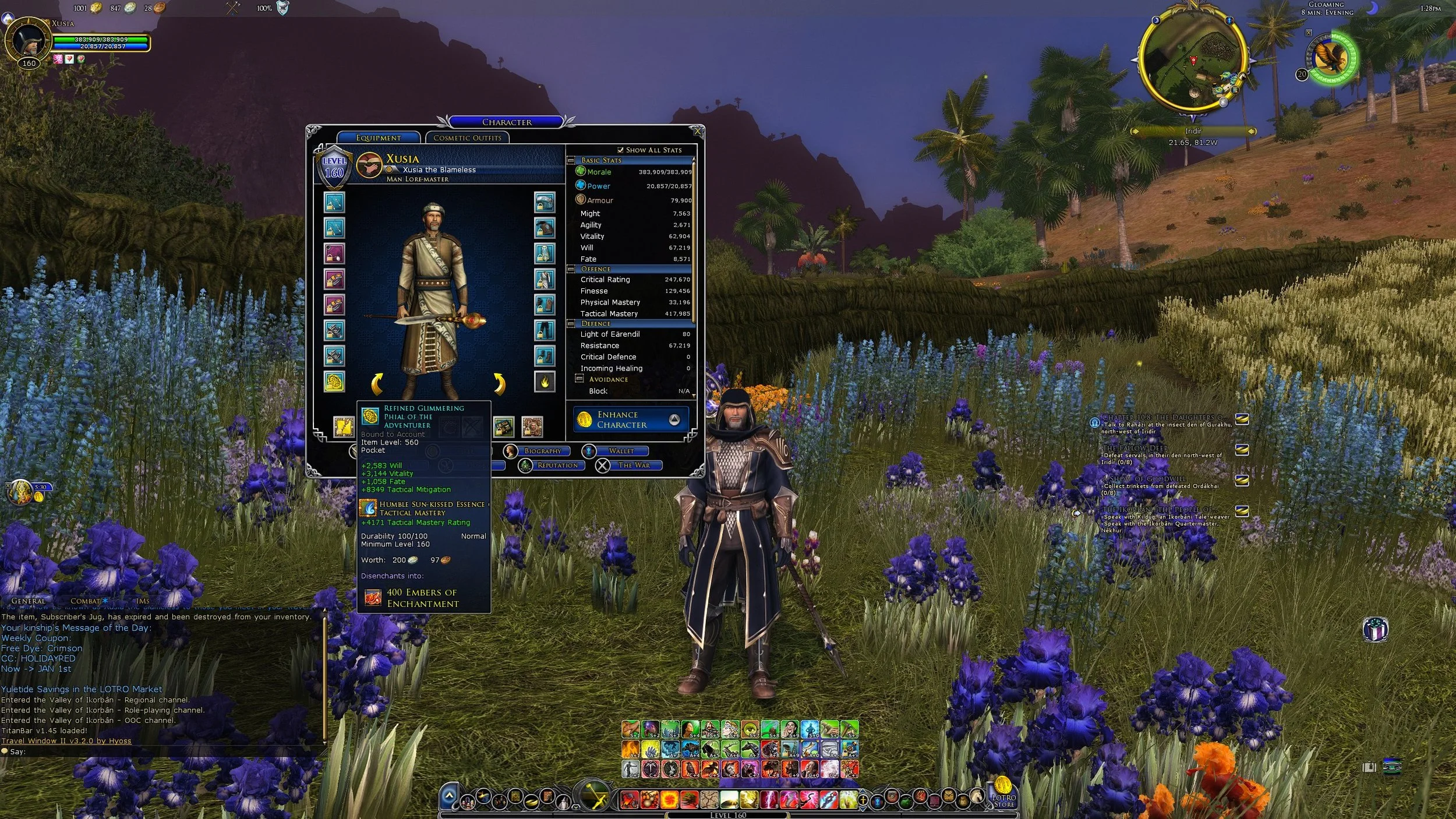
In the halcyon days of LOTRO, Bree-Land was prime example of a rich and varied MMO game map. Although it doesn't have the faux living dynamic of other games, it remains a large and varied landmass with plenty of content to seek out. It also makes a half decent attempt at realising the geography as written in Tolkien's source text. LOTRO still remains a game with a handsome world design but the regions that have subsequently been added of late are far more functional in their construction. Players often cannot access certain areas due to rivers and mountains and find themselves funnelled through pleasant zones on the way to the next quest hub. However more recent MMO's such as ArcheAge and Guild Wars 2 still encourage the exploration of their game worlds and have devised content around players desire to do so.
The open world cities of Mafia 3 or GTA V can also be compelling environments to immerse oneself in. Like their real-world counterparts, both New Bordeaux and Los Santos have distinct zones such as commercial and residential areas. Again random events occur to the citizens as you travel through the map. Weather systems and a customisable day and night cycle again lend credibility to the setting. Unlike fantasy games, these titles have the advantage of contemporary embellishments such as radio stations, roadside advertising and inner-city congestion; all adding to the overall ambience. You can visit bars and diners and watch “life rich pageant” unfold, or at least the developers nearest approximation of it.
However, game maps are still very much determined by the prevailing technology and although things are progressively getting better, there are still limitations. The MMO genre not only has to consider such factors as draw distances and texture loading but there is the question of the players themselves. The game engine has to accommodate both the environment and the population. Unless you have a very high-end gaming PC, then you will often notice system foibles such as "pop-in" as objects appear as you get closer to them. SWTOR and LOTRO are two older MMOs that suffer from this technical idiosyncrasy. Often developers will try to fudge this by blocking line of sight or introducing haze, fog or some other environmental workaround. Single player games have different demands upon them, allowing titles such as Crysis to have draw distance of over nine miles.
Irrespective of a maps design, its success ultimately depends upon how well it is integrated into the game. The two zones of Mordor and Nurn in Middle-earth: Shadow of Mordor are relatively small but diverse and well implemented. There is a wealth of topographical features that break up the landscape in a very organic way. Unlike some MMOs, this is not done is such an arbitrary and linear fashion. North Africa is well realised in Sniper Elite III, affording the player multiple routes to various targets, across varied terrain. This greatly enhances the re-playability of the game. In Sniper Elite IV, the Sicilian villages and seaports are extremely credible and authentic. The rolling fields and forests of The Witcher 3: Wild Hunt are expansive and atmospheric with a distinctly Eastern European feel to them. Furthermore, the landscape is populated in a credible fashion. Bandits will make use of remote and covered areas. Regions of Wilderness are appropriately empty with minimal amounts of NPCs.
Conversely the London maps in a game such as Sherlock Holmes: Crimes and Punishments are far less dynamic and more functional. They are mainly there for ambience and provide little more than a conduit between each crime scene. The maps in both FPS and MOBA genres, have additional criteria to consider. The fluid nature of their game play requires a different approach to their construction. Multiple routes and chokepoints are common place in such designs. Snipers require vantage points but these need to be relatively exposed to ensure that a single location doesn’t dominate the game. The Battlefield franchise takes map design a stage further, with a mechanic that allows players to destroy the environment and thus change the dynamics of the game. This was to be an integral feature of the now defunct EverQuest Next, although I suspect would have been subject to a wealth of caveats.
As players, we also bring a human element when we interact with game maps and there are many factors that shape our perceptions. Ambient music or when or who we’re playing with, influence how we feel about specific in-game zones. As a result, we often have personal favourites. Evendim in LOTRO is an example of a map that I have fond affection for. More recently the region of Toussaint in the Blood and Wine expansion for The Witcher 3, attracted my interest. It’s a sunny and luxuriant zone and a radical change from the usual ice or desert archetypes you find in so many games. Hopefully, as game technology and the hardware it runs on evolves, we will see map design advance accordingly. I look forward to experiencing larger, more detailed open world environments populated with flora and fauna that have their own lifecycles.
The Trivialisation of World War II?
I have enjoyed Sniper Elite 4 and all of the sundry DLC immensely since its release in Spring. The game presents an interesting alternative to the traditional shooter with its stealth based level design. The latest instalment, Obliteration (the third part of an ongoing story), is set in an empty Bavarian town and has an intricate map with an authentic period feel. It offers opportunities for both long range sniping and close quarters stealth kills. Overall, I have found that the franchise provides engaging and complex gameplay, as well as satisfying the players baser need for blood and violence. However, playing this and other similar titles got me thinking. It would appear that World War II, one of the defining periods of the last century that still has ramifications today, is in certain quarters now simply a setting, a plot device or a Hitchcockian MacGuffin. Is the broader subtext of this major event now irrelevant to a generation of players because they have no immediate connection to this period in history? If that is the case, exactly when does it become acceptable for something of this magnitude, to be trivialised in this manner (if that is indeed the case).
I have enjoyed Sniper Elite 4 and all of the sundry DLC immensely since its release in Spring. The game presents an interesting alternative to the traditional shooter with its stealth based level design. The latest instalment, Obliteration (the third part of an ongoing story), is set in an empty Bavarian town and has an intricate map with an authentic period feel. It offers opportunities for both long range sniping and close quarters stealth kills. Overall, I have found that the franchise provides engaging and complex gameplay, as well as satisfying the players baser need for blood and violence. However, playing this and other similar titles got me thinking. It would appear that World War II, one of the defining periods of the last century that still has ramifications today, is in certain quarters now simply a setting, a plot device or a Hitchcockian MacGuffin. Is the broader subtext of this major event now irrelevant to a generation of players because they have no immediate connection to this period in history? If that is the case, exactly when does it become acceptable for something of this magnitude, to be trivialised in this manner (if that is indeed the case).
If memory serves, in early 2010 EA ran into some PR problems during the run up to the launch of Medal of Honor, when it was revealed that in the multiplayer mode players could play as the Taliban. Needless to say, this decision was robustly challenged by sections of the “popular” press, politicians and many bodies representing servicemen and their families. Eventually, EA capitulated and changed the multiplayer game so that the enemy was known as the Opposing Force or OP4 in military jargon. If we dispense with the tabloid hyperbole and faux moral outrage from blustering politicians, it would appear that the main objection to this situation was that there are still many servicemen and women as well as their families that have suffered directly or indirectly at the hands of the Taliban. It is the current and ongoing human connection to the associated events in Afghanistan that were problematic and thus causes potential public outrage.
So, it would seem that time and an emotional link to the matter in hand, decides whether a historical event is either a bonafide setting for a game or nothing more than tasteless exploitation. Because when you apply these criteria to World War II then we find that many people, especially those under twenty-five, have no living relatives that served or grew up during that era. Hence the passage of time renders these profoundly important events into abstract, textbook history. Effectively it becomes something to be read about, but with no immediate bearing on one’s current existence, although obviously the complete opposite is true. This sense of disconnection with the past is further compounded by socio-political and economic change. Culturally speaking contemporary London, as seen through the eyes of a twentysomething, is a world apart from what my Father’s generation experienced, seventy plus years earlier.
Both my Grandfathers served during World War II. One was an Army Surgeon and the other served in the Eighth Army. My Father was born in 1929 and lived in South London during the Blitz. For him and his peers, World War II was a defining point in his life. He still uses to this day the phrase “before the War” as a means to reference the societal difference between then and now. I grew up in the seventies knowing many men and women who had served. There was a Theology teacher at one of my schools who had spent several years in a Japanese P.O.W camp. One of our neighbours when I was growing up, was a veteran and a member of The Burma Star Association. I would conservatively estimate that for at least four decades after the end of World War II, British society was still tangibly experiencing its fallout in some shape or form.
Yet, time and tide wait for no man. Call of Duty will be releasing their latest instalment of their game in November this year and the franchise is returning to its roots with a World War II setting. Due to the immense popularity of this FPS, a substantial percentage of players who are young, will be introduced to a historical setting that they are not overly familiar with. What will they make of the Normandy landings, the scale of the loss of life and the fundamental causes for World War II itself? Will they simply see the Germans as “baddies” by cultural default? Has the inherent evil of Nazi policies and of Hitler himself any immediate significance, or are they now nothing more than clichéd exemplars of stereotypical notions of evil. Have the passage of time and popular culture simply neutered them of their potency?
As I stated at the start of this post, this article stems from a train of thought and still remains a point to ponder, rather than a working theory. Such a subject needs to be explored by greater thinkers than I and no doubt have been. Already I’m pondering counterpoints to my own assertion. For example, I grew up at a time when a substantial number of comics still had stories set in World War II. Precious few were of any note. Where these also contributing to the trivialisation process I have suggested? What about the films and TV dramas that filled theatres and broadcasting schedules during the post war decades? Are comedies such as 'Allo 'Allo! or Hogan's Heroes artistically justified or potentially just as offensive and exploitative as games such as Sniper Elite (assuming you see them in such terms)?
As someone who tries to avoid the binary or a tendency towards knee-jerk responses, these are all difficult questions to answer. Especially at a time when rationality has been usurped by the cult of virtue signalling and an addiction to “finding offense”. I would like to think that common sense may prevail but even that seems to be a term that we cannot agree upon these days. As for the trivialisation of World War II and potentially many other important events and causes, I think that it will remain a hotly debated topic. If you’re looking for games publishers to act and think responsibly then I’m sure the majority will disappoint you. Morality seldom deters and as we have seen, change is usually only embraced if there is risk to the bottom line. As for myself, I have sufficient gumption not to allow the depiction of World War II in video games to impact upon my real-world perspective of those historical events themselves. Yet I still have a nagging feeling from time to time that something about these titles is somehow “troubling”.
Running Around Shooting Things
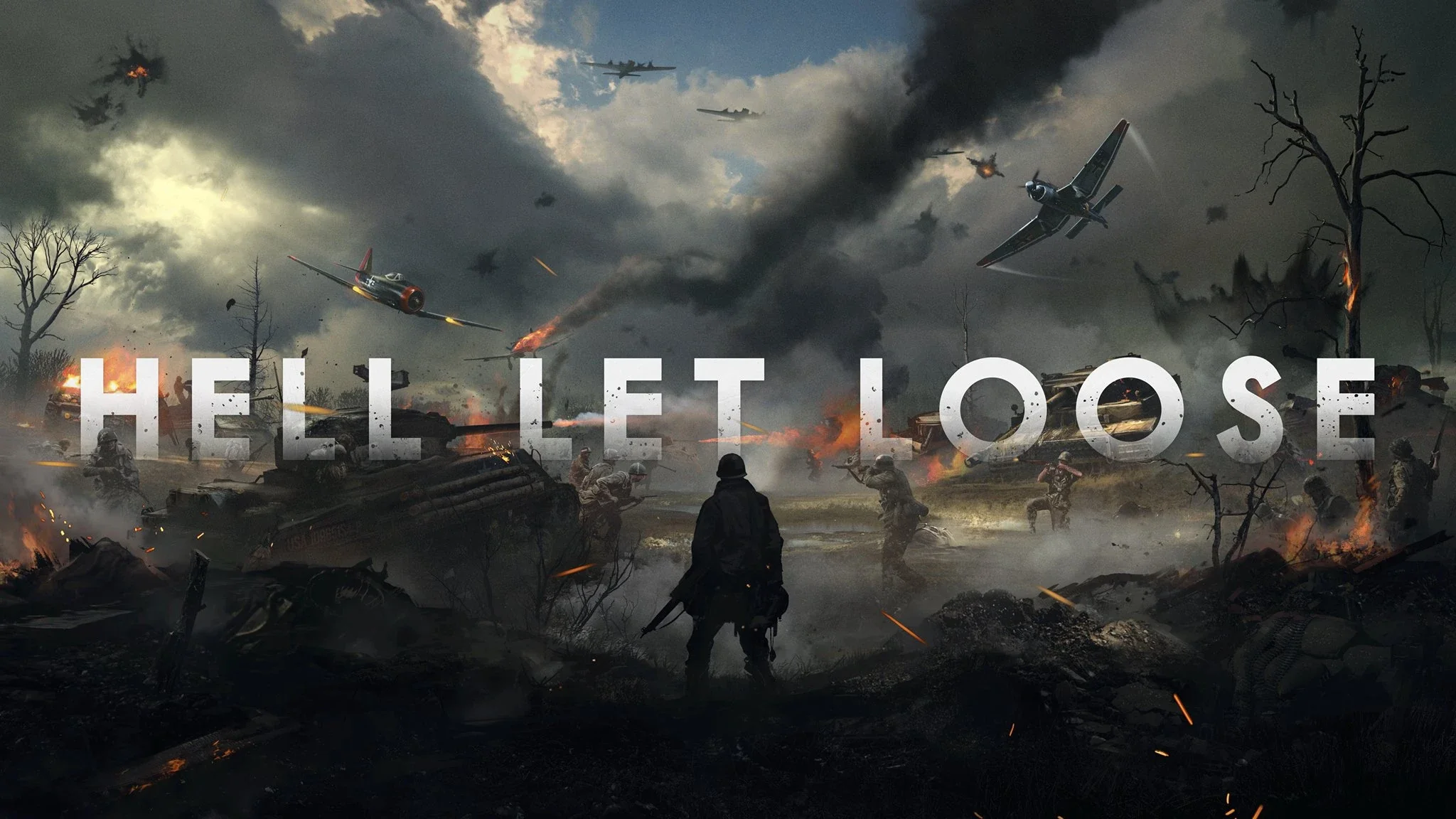
I took advantage of the current summer sales and pre-ordered the next instalment of Call of Duty, succinctly named WWII, due to be released in Autumn. After straying far from the established model, it’s nice to see CoD returning to its roots. The Second World War is a tried and tested formula and will no doubt be well received by fans of the franchise. As I have said before, COD is not a revolutionary product and as far as I know has never claimed to be. It provides a standard formula with sufficient variation, which is commercially viable and demonstrably popular. Those gamers that constantly rail against these games are on a hiding to nothing. You might as well complain about pop music being mainstream and accessible.
I took advantage of the current summer sales and pre-ordered the next instalment of Call of Duty, succinctly named WWII, due to be released in Autumn. After straying far from the established model, it’s nice to see CoD returning to its roots. The Second World War is a tried and tested formula and will no doubt be well received by fans of the franchise. As I have said before, COD is not a revolutionary product and as far as I know has never claimed to be. It provides a standard formula with sufficient variation, which is commercially viable and demonstrably popular. Those gamers that constantly rail against these games are on a hiding to nothing. You might as well complain about pop music being mainstream and accessible.
Over the years I played numerous FPS franchises such as Doom, Quake and Battlefield. Recently I’ve strayed in to cooperative variants such as Overwatch and For Honor. They all have their respective merits and downsides. But they all have to be offset against my relative lack of skill with the FPS genre. Map familiarity, optimising your load out and effective tactics are required skills if you want to get the most from the games. Skills that I lack. As a result, many of these titles have never fully satisfied me and lived up to the frenetic experience that the marketing depicted. However, COD, particularly the Treyarch produced instalments, have not fallen into this category.
The barriers to success are lower due to the mechanics of the game. Weapons physics and map designs are less esoteric and there is also an opportunity for luck. Even the most myopic of players will be presented with a chance to get kill sooner or later, even if it is simply by a player spawning in front of you. What some see as dumbing down is the foundation of the games appeal. For those that want a more challenging experience there are harder game modes. But for those that don't want a strict learning curve or the intricacies of more sophisticated games, COD provides a quick fix. There is also the offline multiplayer option in some instalment for those who wish to play against bots.
I have spent time in various incarnations of Battlefield where the multiplayer experience has been very good. But that has often been dependent on the server I was playing on. I have also had times when endless running across the map only to be shot the moment I arrived at the action, became very trying. The way certain players monopolise some of the vehicles is also a pain at times. Simply put, being a poor player inhibits your enjoyment of the game. With CoD, this simply doesn't arise as often. You may at times chance across some tedious troll but this can be addressed with the judicious use of the mute button. Overall you can jump into the action and quickly start enjoying the game without having to think to hard or worry about tactics. Overwatch has a similar accessibility about it. If you desire a greater challenge you can always find it with the variety of options these games offer.
The FPS genre provides a variety of products, catering to a broad range of tastes. Each has its place in the market and arguing that one is better than another seems as senseless to me as saying apples are better than oranges. There are times when I will knuckle down and attempt to up my game when playing something like Red Orchestra 2 Heroes of Stalingrad. It often helps in a more complex environment to be part of an organised team. On other occasions, I am happy to take a more leisurely approach because sometimes, all I want to do is run around and shoot things. It is then that I recapture that enjoyment I had when playing Unreal Tournament, back in 1999. Because isn't having fun what gaming is supposed to be about?