
To Blog or Not to Blog?
I’ve been ill recently. What started off as just an innocuous winter cold subsequently became a chest and eye infection. Despite being in relatively good health for a man of my age, this bout of illness really knocked me for six. The Doctor ordered bed rest and that’s exactly what I did. Frankly I didn’t feel at all disposed towards doing anything else, so as a result all blogging ceased and the podcast, which was already on hiatus, has been kicked further into the long grass. For a few fleeting minutes I felt some misplaced angst, regarding this lull in content creation but it was short lived. Frankly it felt good to not have to worry about daily posts or interesting topics to discuss.
I’ve been ill recently. What started off as just an innocuous winter cold subsequently became a chest and eye infection. Despite being in relatively good health for a man of my age, this bout of illness really knocked me for six. The Doctor ordered bed rest and that’s exactly what I did. Frankly I didn’t feel at all disposed towards doing anything else, so as a result all blogging ceased and the podcast, which was already on hiatus, has been kicked further into the long grass. For a few fleeting minutes I felt some misplaced angst, regarding this lull in content creation but it was short lived. Frankly it felt good to not have to worry about daily posts or interesting topics to discuss.
I have been feeling somewhat jaded with regard to blogging of late; especially when it comes to gaming. People are still writing about the games they play and reacting to the latest news but no one seems to be doing any in-depth think pieces anymore. They’ve either all be done or perhaps some bloggers just feel that there isn’t any point anymore. I look back through material I wrote five years ago and I no longer recognise the love and affection I use to lavish on the games I played back then. I also often find myself at odds with the community I’m allegedly part of. I see gamers behaving in an unedifying fashion or simply demonstrating a distinct lack of perspective and proportion.
Plus it shouldn’t be forgotten that writing a blog to some sort of standard or creating a weekly podcast is time consuming and “work” for want of another phrase. It can be very rewarding when the heavens align and you produce something that connects with your audience. On other occasions it is a proverbial millstone round your neck that you’d happily be rid of. Then there is the perennial issue of time and the fact that it’s a finite commodity. I think there’s something about hitting middle age that really provides you with an epiphany with regard to this precious resource.
However despite all the apathy and negativity, I still find blogging very useful for marshalling my thoughts and refining my views and opinions. Irrespective of whether people read my writing, I find the process of committing my ideas to text an incredibly beneficial tool. I also enjoy recording the Burton and Scrooge podcast. When it goes well Brian and I have a lot of fun. I am very fortunate to have such an amiable co-host. So it would seem that the good points about content creation currently trump the bad ones and therefore motivate me to push through this malaise of indifference.
So over the next few weeks I shall not only continue to inflict my views upon an unsuspecting internet but I’ll actually back fill posts from the previous two weeks. I don’t know why exactly but it seems to satisfy my notions of order and balance. Don’t be surprised if I stray in to non-game related subjects more often. I’ve become increasingly disposed towards just writing what comes in to my head these days and some of the stuff in their even surprises me. So it’s back to the grindstone I guess.
Not Liking Sport
Sport can be a universal icebreaker at social and work related gatherings. Having spent several years in the field of short term IT contracts, I’ve frequently found myself working with small groups of men (mainly), often from different parts of the UK or from around the world. One of the first subjects broached so people could get to know each other would usually be sport. “Did you see the (insert sporting event here)?” is a common place opening gambit. The next thing you know people are holding forth and a social dynamic is formed. This is a classic example of the sort of etiquette that helps society tick over. However there’s only one problem with this social tool. I don't care for sport. As a result I can be at a social disadvantage in certain scenarios.
Sport can be a universal icebreaker at social and work related gatherings. Having spent several years in the field of short term IT contracts, I’ve frequently found myself working with small groups of men (mainly), often from different parts of the UK or from around the world. One of the first subjects broached so people could get to know each other would usually be sport. “Did you see the (insert sporting event here)?” is a common place opening gambit. The next thing you know people are holding forth and a social dynamic is formed. This is a classic example of the sort of etiquette that helps society tick over. However there’s only one problem with this social tool. I don't care for sport. As a result I can be at a social disadvantage in certain scenarios.
Let me qualify my position. I have no specific hatred of sport or sporting endeavours. I totally "get" why other people do like them in all there various manifestations. I simply have no major interest in any of them and don't imbue them, their respective exponents or the wider culture with a lot of the virtues and merits that some people do. I recognise that sport can do a lot of good for both individuals and groups and that it can play a valid role within society. However I temper this outlook with the fact that sports are big business and that this will potentially bring a whole host of other not so beneficial issues to bear.
One of the questions I’ve pondered over the years is how have I arrived at being a non-sports person, when so many people do the opposite? Well I guess it has a lot to do with one’s personal upbringing. A love of sports usually starts in the home, which is something I’ve never had. As a child the TV was not on during Saturday afternoon, mainly because my Dad is an academic with no interest in sport. We never went to sporting events of supported any local teams or activities. Thus sports per se have always just been something that other people do and therefore never had a particular hold over me. With my own son I was scrupulously aware that a lack of exposure to sport may be a negative thing, so his Godfather filled the gap in this area, taking him to football matches and the like.
Other aspects of sporting culture have proven problematic for me over the years and have ensured that I have not altered my position. Many sports are vehicles for elitism, sexism, racism, and pretty much any other "ism" that's going. I am aware that not everyone involved with sport falls in to this category but it’s not just a fringe element either. I also struggle with the entire concept of vicariously living through others achievements and that terms such as “we” are frequently used when discussing a team’s achievements or failures. Fandom is also rife with armchair experts and folk wearing sports related clothing. Yet many are patently incapable of participating in the activities that they venerate. It should be noted that fandom is seldom based upon critical thinking and thus has its blind spots.
Despite my upbringing I was far from averse from participating in sporting activities at school. Quite the opposite was true and I use to try pretty much everything with an open mind. However my motivation was often very different to others. I participated in sporting activities for their own inherent fun and was not really interested in the prevailing culture of competitiveness. This changed when I was picked to be on the school football team (in the UK sense of the word) roundabout the age of eleven. Here is a condensed version of the incident.
PE Teacher: Why didn't you come to football practise on Saturday morning?
Me: I didn't want to miss Swap Shop (for non UK folk, insert some other popular Saturday morning TV show )
PE Teacher: It's not about what you want but what the school wants...
This resulted in the PE teacher taking the matter up with my Father, thinking he could prevail on his generational notions of obligation, team play and respecting authority. He didn’t count on my Dad being an intellectual snob who thought Physical Education was a shit Degree to have. As a result he got short thrift from my Father who pointed out what I did with my own time was my concern and none of his. I spent the next few years on this particular teacher’s shit list as a result. But then again PE teachers in the 1970s were notorious bastards.
Let me be very candid about one other thing that I believe is relevant to this discussion. It’s something that a lot of people won't admit to. I don't enjoy losing. Although I’m old enough now to hide it well in social situations it still really gets on my tits. Naturally this is a stumbling block in the competitive world of sports. I also don't care for some of the aspects of team dynamics that are associated with sport, such as the concept of team failure over individual failure. I remember as a child being castigated by another teacher because the team that I was on had lost a game. It annoyed me no end that we were blamed as a group when the fault lay with two very specific individuals. Sod team responsibilities and the bogus notion of “character building”, whatever the fuck that is. I deal in logic and intellectual processes to determine where the weak link in a chain is.
So here I am now at the age of Fortysomething and there is an entire aspect of UK culture that passes me by. Don't get me wrong I can happily watch any major sporting event on TV, understand it and even discuss it for the sake of courtesy. I just don't give a shit about it. However as I mentioned earlier, I recognise that sport is a major ice breaker and therefore an invaluable social tool. But if you aren't in to it, then there’s a lot of TV programming, social events and general culture that simply passes you by. It doesn't happen so much now, especially in the circles I currently move in, but if you don't like sports you are often met with suspicion from certain quarters. Some will even consider it to be an indicator of your sexuality or politics for some reason.
Venerating an individual or a team’s dedication to excellence is laudable in principle. Human beings are competitive and naturally sports feed in to that. Sports also foster collaboration which is another important life skill. Yet like so many other cultural institutions there comes a tipping point where the positive and beneficial aspects that accompany them can quickly become something far less edifying. Fandom can become partisan and lead to violence. Then there is the entire issue of being part of a group that is not perceived as being part of the accepted social norm. Not liking sports can put you in such a demographic. I have fortunately not suffered to any degree by not embracing this part of UK culture. However I could see it being a problem for others in certain situations. Difference can be a convenient tool of oppression.
So there you have a succinct breakdown of my relationship with sport, or non-relationship as it is in this case. It just remains for me to put one question to you, the reader. Where do you stand on this matter? Do you like me, not care for this part of day to day life? Does it cause you any issues? How do you deal with it? I’d be fascinated to know.
Gravedigger Volume 1: Hot Women, Cold Cash (2015)
A fortuitous tweet in my timeline on Friday night afforded me the opportunity to buy Gravedigger Volume 1: Hot Women, Cold Cash for the bargain price of £2.50, over at Comixology. I’ve been aware of this film noir inspired comic series for a while but simply hadn’t gotten around to doing the right thing and supporting its creators Christopher Mills and Rick Burchett. Having now corrected this error I can now confidently state that Gravedigger thoroughly deserves all the plaudits it’s garnered of late. It’s been a while since a comic has grabbed my attention in this way and offered a thoroughly immersive experience.
A fortuitous tweet in my timeline on Friday night afforded me the opportunity to buy Gravedigger Volume 1: Hot Women, Cold Cash for the bargain price of £2.50, over at Comixology. I’ve been aware of this film noir inspired comic series for a while but simply hadn’t gotten around to doing the right thing and supporting its creators Christopher Mills and Rick Burchett. Having now corrected this error I can now confidently state that Gravedigger thoroughly deserves all the plaudits it’s garnered of late. It’s been a while since a comic has grabbed my attention in this way and offered a thoroughly immersive experience.
Volume 1 contains both parts of the 2015 story The Predators as well as the 2004 tale, The Scavengers. Both adventures centre on career thief and professional criminal “Gravedigger” McCrae; a hard, ruthless and calculating man with a weakness for the ladies and cold cash. The Predators finds McCrae in Florida for some rest and relaxation. When he wakes up next to the dead body of local mobster’s daughter he has to look to his wits to avoid both hired killers and the local wildlife. The Scavengers finds McCrae hired to plan a weapons heist and cutting a side deal with a femme fatale. Multiple double crosses lead to a desert showdown with no good outcomes.
What makes Gravedigger so compelling are its broad horizontal canvases and lean black and white art style. Rick Burchett’s artwork is tonally right, providing sufficient detail and pacing without getting bogged down in superfluous embellishment. Christopher Mills’ dialogue is very direct and he does a great deal with only a little. Both stories speak for themselves, yet there is depth and substance despite the lean and mean approach. It is clear that Burchett and Mills understand both the medium and the genre the story is set in. Gravedigger is aimed at a mature and savvy audience.
If you like the wise cracking, hardboiled literary thriller genre as well as the anti-hero driven crime movies of seventies, then Gravedigger has all that you need. It exudes atmosphere, menace and wry humour. The stories are concise and perfectly paced. If only Hollywood could make movies as classy as this. As for the Lee Marvin vibe that clearly runs through Gravedigger, what more can I say than it just works. McCrae even speaks his lines in Marvin’s sardonic tones when I’m reading. It’s a sublime embellishment. Therefore Gravedigger definitely gets the Contains Moderate Peril seal of approval (for what it’s worth) and I look forward to Gravedigger Volume 2, as soon as it becomes available.
Who Dares Wins (1982)
After watching television coverage of the SAS raid on the London Iranian Embassy in 1980, enterprising British producer Euan Lloyd registered the regimental motto of “Who Dares Wins” as a film title. The covert operations of the Special Air Service naturally lent themselves to cinematic interpretation as did the topical nature of their embassy siege. Lloyd, a veteran producer with several solid action movies under his belt (The Wild Geese, The Sea Wolves), then got busy casting trying to find an action hero who could star in the film and launch a possible franchise. It was no chance that role went to actor Lewis Collins, star of the TV series The Professionals.
After watching television coverage of the SAS raid on the London Iranian Embassy in 1980, enterprising British producer Euan Lloyd registered the regimental motto of “Who Dares Wins” as a film title. The covert operations of the Special Air Service naturally lent themselves to cinematic interpretation as did the topical nature of the embassy siege. Lloyd, a veteran producer with several solid action movies under his belt (The Wild Geese, The Sea Wolves), then began trying to find a suitable action hero who could star in the film and launch a possible franchise. It was no chance that role went to actor Lewis Collins, star of the TV series The Professionals.
Collins, who had at one point been a contender for the role of Bond, was taken by Lloyd to the same barber and tailor that Sean Connery had used and was then marketed as the new British lead man and action star. The production received a great deal of media coverage and looked to be a box office hit. Sadly despite the success of Who Dares Wins in the UK market, it failed to do well in the US, where it was released under the title of The Final Option. Attempts to secure funding for a sequel failed and the project inevitably stalled. Collins subsequently left the UK and gained success in the Europe with a string of international action films, such as Codename: Wild Geese and Commando Leopard.
The script by Reginald Rose was loosely adapted from James Follet's novel, "The Tiptoe Boys". It also draws heavily on the TV footage of the Iranian embassy siege, which caused quite a stir at the time. The central characters and the political subtext are somewhat formulaic and the subject of unilateral disarmament is explored in a heavy handed fashion. The terrorists are stereotypical with a clichéd revolutionary ideology and the politicians also two dimensional. The "skinheads" that appear and disrupt a benefit concert are possibly the most implausible ever depicted. The cast of British character actors such as Edward Woodward and Kenneth Griffith do their best with the leaden script.
Fortunately the military aspects of the story are very credible and manage to save Who Dares Wins from utter disaster. Training with live ammunition, survival exercises in Wales and exchange projects with other special forces from allied countries are all based in fact. The action scenes, particularly the climatic raid on the Embassy are accurately staged, by veteran Bond Stunt co-ordinator Bob Simmons. For example the SAS do not shoot the locks off the door but the timber around the hinges. Details such as the staircase shootings and the curtains set alight by the thunder flash explosion are based upon incidents that occurred during the real raid. There are several hand to hand fight scenes that are also well staged.
Who Dares Wins is a fine companion piece to Euan Lloyd's other famous action film The Wild Geese, as they share many similarities. Both have a somewhat naïve grasp of geo-politics, a plethora of British character actors struggling with an overcooked script and finely crafted action scenes. Who Dares Wins also sports a solid score by British Composer Roy Budd. There’s an excruciating concert scene which features Jerry and Marc Donahue, as the band Metamorphosis. The song “Right on Time” is not that bad but when you consider the music of the decade and the bands associated with such organisations as CND, it feels somewhat out of place. However, this and many other flaws actually add to the peculiar charm of the movie. Who Dares Wins is far from an accurate depiction of events but it does make for enjoyable post pub viewing.
Getting What You Want in MMOs
MMOs are all about the proverbial carrot on a stick. The carrot can take on many guises and not everyone is pursuing the same goal. However most players at some point have set their sight on something in particular and doggedly gone about pursuing it. The tale I am about to tell is regarding Star Trek Online, although I’m sure readers may well find parallels with other MMOs that they may play. Essentially this is about when you just decide that you want something in a game. It may be relevant to your overall gameplay and offer a significant enhancement. It may also be just a cosmetic item that has taken your fancy. Either way you’ve decided that you must have this specific thing and that you are going to get it, come hell or high water.
MMOs are all about the proverbial carrot on a stick. The carrot can take on many guises and not everyone is pursuing the same goal. However most players at some point have set their sight on something in particular and doggedly gone about pursuing it. The tale I am about to tell is regarding Star Trek Online, although I’m sure readers may well find parallels with other MMOs that they may play. Essentially this is about when you just decide that you want something in a game. It may be relevant to your overall gameplay and offer a significant enhancement. It may also be just a cosmetic item that has taken your fancy. Either way you’ve decided that you must have this specific thing and that you are going to get it, come hell or high water.
If there is a spectrum of players in STO, I guess I’m somewhere in the middle. I have three characters at level cap and have a fairly well kitted out primary Federation alt. I’m not really interested in pursuing top tier status with a ship outputting 50K plus DPS because it means too much work. However I’m not a casual player content with just getting by via just in-game drops. So I have bought ships from the in-game store and equipped them with reputation and fleet items. Also I like to customise the look of my vessel and my crew; personalising your MMO experience is a major part of its selling point.
Last year after perusing the STO wiki, I discovered the Wells Temporal Science Vessel and for no particular reason it became the object of my affection. I don’t even play a Science class, preferring the pew-pew approach of a Tactical Captain. Yet this didn’t matter, as the Wells Temporal Science Vessel is a fine looking ship. That’s pretty much what it boiled down to. I decided I wanted something shiny. Furthermore this ship is not available for purchase in the in-game store. It can only be obtained via a Temporal Lockbox. In STO lockboxes are opened by keys that can be purchased or exchanged for in-game currency. It should also be noted that the chance of getting the aforementioned vessel from a lockbox is 0.41% or thereabouts.
To cut a long story short, after a several months of stockpiling my Zen stipend and also converting Dilithium into more Zen, I opened thirty one Temporal lockboxes. Let it suffice to say that apart from some indifferent duty officers, a smattering of Lobi crystals and some minor boost tokens I did not secure the ship I was looking for. Had I purchased the lockbox keys with cash I would have spent about $30 or so, which gave me pause for thought. Naturally my lack of success increased my desire for the ship in question and I considered the possibility of spending real money on purchasing a further batch of keys. However another option came to mind and after a quick Google search I decided upon an alternative plan.
Lockboxes give Lobi crystals when opened. This can be anything between four and fifty. The crystals can then be exchanged via a vendor for gear and ships. One such ship is the Mobius Temporal Destroyer, a Mirror Universe variant of the Wells Temporal Science Vessel. It has a tactical build so is actually more suitable for my type of game play (which is not sophisticated). Through spurious logic I quickly made this ship my new objection of obsession. However it costs 800 Lobi crystals and I have only 166. The random nature of lockboxes meant I could potential spend a fortune on keys before I had sufficient currency. So I opted to buy the ship for $28 from an online vendor instead. That works out at about £15 which I thought was a fair price.
Now buying from such sources always comes with an element of risk. These sort of online traders that primarily deal in gold are far from legitimate. However I saw the risk as being no more than that of buying a bunch of lockbox keys and not getting lucky, so I bought the ship via PayPal. It was delivered to me in-game about half a day later (due to the time differences between the UK and China). Let it suffice to say that I now have the ship I desired and not only is it a fine looking vessel but it performs well. Being a Tier 5 ship from a lockbox, I was entitled to a free Tier 5U upgrade and I now have all the ship’s mastery skills unlocked. I have also managed to increase my DPS output to 11K which is not too shameful.
In writing this account it is curious to reflect upon the way we latch on to certain items or pursue specific goals in MMOs. I’m sure someone, somewhere has written a study about such behaviour. This recent situation with the ship has put me in mind of when I was determined to get the skeleton horse in LOTRO when the Haunted Burrow event went live for the first time. I also obsessed for hours regarding the Charzooka in Guild Wars 2. I’m still not exactly sure what drives these needs and desires to get what we allegedly want. Bragging rights is one answer or may be the satisfaction of earning something after a long grind. I simply got what I wanted by spending money so perhaps that makes we feel that I’ve gamed the system. Either way, I wouldn’t be in the least bit surprised if I find myself doing this gain in the future, either in STO or some other MMOs.
Note:
Both the Wells Temporal Science Vessel and the Mobius Temporal Destroyer, being unbound items can be exchanged or sold on the in-game auction house. Their respective prices are 400 million and 175 million Energy Credits, which for those who do not play STO, is a lot.
LOTRO – Update 17.2 Adds New Quests in Minas Tirith
Having recently completed Update 17 for LOTRO one of my main complaints was a shortage of quality quests in the new area. The Epic Story dominates the proceedings and I was quite surprised by the lack of secondary quest hubs both inside and outside of the Pelennor Fields. However update 17.2 that was deployed today has addressed this issue by adding several new quest lines. These can be found near the Stone Theatre (in the northern 1st Tier), inside the Houses of Lore, inside the Houses of Healing, at the Citadel, at the Training Ground, and near the Baths of Belecthor (in the 4th Tier). A new public endgame space is available in the city Cisterns.
Having recently completed Update 17 for LOTRO one of my main complaints was a shortage of quality quests in the new area. The Epic Story dominates the proceedings and I was quite surprised by the lack of secondary quest hubs both inside and outside of the Pelennor Fields. However update 17.2 that was deployed today has addressed this issue by adding several new quest lines. These can be found near the Stone Theatre (in the northern 1st Tier), inside the Houses of Lore, inside the Houses of Healing, at the Citadel, at the Training Ground, and near the Baths of Belecthor (in the 4th Tier). A new public endgame space is available in the city Cisterns.
The patch has also added a comprehensive list of all emotes that are available in the game. These can be perused and previewed via the collections panel. There have been nominal changes to some of the barter currency requirements and tweaks to the housing system. All mounted combat melee skills now do more damage (including melee auto-attack). Melee damage should be approximately doubled. There are now more stable travel options within Minas Tirith. It would also appear that Turbine have added a further “Chicken Run” via Sandson's Farm. Comprehensive patch notes can be found on the official LOTRO forums.
This patch certainly seems to be more generous than the usual bug fixes that are released. Perhaps Turbine are trying to make amends after their woeful datacentre move last week that is still proving problematic for some players. Furthermore, as many tech savvy players have stated, although improving the server performance issues may well improve gameplay to a degree, it doesn’t address the bottlenecks that exist within the game client that remains un-optimised. May be LOTRO players can take comfort in the fact that Turbine are currently recruiting for the following roles; Database Administrator, Senior Big Data Engineer and Senior Performance Engineer. Perhaps there are further performance improvements on the way.
Theremin versus Ondes Martenot
A few years ago UK Film Critic Mark Kermode made a short video extolling the virtues of that curious musical instrument the Theremin. However his performance was far from edifying, so to redress the balance, I’ve posted below the main theme from Mars Attacks by Danny Elfman. It highlights the ubiquity of this instrument in the science fiction genre. All of which stems from the wonderfully atmospheric score for the 1951 classic, The Day the Earth Stood by the great Hollywood composer Bernard Herrmann. It was a milestone in the evolution of film soundtracks. Both tracks illustrates the point made by Mr. Kermode perfectly. The Theremin, due to its frequent use in a genre during its most formative years, has virtually become the de facto “sound of space" in popular culture.
A few years ago UK Film Critic Mark Kermode made a short video extolling the virtues of that curious musical instrument the Theremin. However his performance was far from edifying, so to redress the balance, I’ve posted below the main theme from Mars Attacks by Danny Elfman. It highlights the ubiquity of this instrument in the science fiction genre. All of which stems from the wonderfully atmospheric score for the 1951 classic, The Day the Earth Stood by the great Hollywood composer Bernard Herrmann. It was a milestone in the evolution of film soundtracks. Both tracks illustrates the point made by Mr. Kermode perfectly. The Theremin, due to its frequent use in a genre during its most formative years, has virtually become the de facto “sound of space" in popular culture.
Or is it? There is another instrument that vies for the crown of the definitive sound of science fiction; namely the Ondes Martenot. This esoteric French instrument, has been used in many films and TV series, such as The Twilight Zone, Lawrence of Arabia, Billion Dollar Brain and Ghostbusters. The original design was similar in sound to the Theremin. The instrument's eerie wavering notes are produced by varying the frequency of oscillation in vacuum tubes.
Composer Barry Gray often used this instrument to great effect and I would argue that some of his compositions are the equal of those by the Hollywood greats. Here is the classic "Sleeping Astronauts" theme from the 1969 film Doppelgänger AKA Journey to the Far side of the Sun. It remains one of Barry Gray’s finest tracks.
It is often a mistake to make generalisations when it comes to fandom, due to its subjective nature. Genres that are so liberally populated by fanboys will be rife with debate over the most minor and esoteric of points. However I do not think that either instrument trumps the other and I like the eerie ambience of both. These two tracks are outstanding in their own way and I think that pop culture can happily give them equal billing with regard to their contribution to the “sound of space”.
Tomorrow Never Dies (1997)
By the time the Bond franchise had reached its 18th incarnation in 1997 with Tomorrow Never Dies, the coveted opportunity to provide the title track was chosen through a competitive tender process. There were twelve submissions made for the movie, including songs from Swan Lee, Pulp, Saint Etienne, Marc Almond, Sheryl Crow and David Arnold. Arnold had already been personally recommended to compose the film’s soundtrack by Bond veteran John Barry, who had retired from the series in 1987.
By the time the Bond franchise had reached its 18th incarnation in 1997 with Tomorrow Never Dies, the coveted opportunity to provide the title track was chosen through a competitive tender process. There were twelve submissions made for the movie, including songs from Swan Lee, Pulp, Saint Etienne, Marc Almond, Sheryl Crow and David Arnold. Arnold had already been personally recommended to compose the film’s soundtrack by Bond veteran John Barry, who had retired from the series in 1987.
The producers eventually chose Sheryl Crow's track for the main titles, while David Arnold's song "Surrender" performed by K.D. Lang, was relegated to the end titles. Arnold’s song had obviously been a very serious contender at one point as its melody occurs in various cues throughout the film. The decision to parachute Crows song into the iconic title sequence was more than likely based on commercial considerations. However, "Surrender" is an infinitely superior song, written in a traditional Bond idiom and performed in a similarly appropriate fashion.
This is yet another example of the many “curious” business decisions that have been made regarding the Bond movies over the last fifty years. Others include the removal of George Lazenby after one movie and the decision to release Licence to Kill in the summer of 1989, thus competing with Lethal Weapon 2, Indiana Jones and the Last Crusade and Batman. Yet despite these odd choices the franchise still remains a major box office attraction and K.D. Lang’s "Surrender" is still the epitome of a Bond title song, even if it never quite achieved that status.
LOTRO Server Issues
Monday’s datacentre migration has unsurprisingly proven problematic for Turbine. As a result major issues continue to affect LOTRO players with faults such as severe lag, bad rubberbanding and random crashes to desktop and server disconnects being common place. Players have also had to endure loss of housing items, loss of friend lists and disconnection from chat servers. Five days later, despite hotfixes and continuing maintenance many players still find the game “problematic”. Turbine are naturally trying their best to keep the community informed but the longer this problem persists the more damage it potentially does.
Monday’s datacentre migration has unsurprisingly proven problematic for Turbine. As a result major issues continue to affect LOTRO players with faults such as severe lag, bad rubberbanding and random crashes to desktop and server disconnects being common place. Players have also had to endure loss of housing items, loss of friend lists and disconnection from chat servers. Five days later, despite hotfixes and continuing maintenance many players still find the game “problematic”. Turbine are naturally trying their best to keep the community informed but the longer this problem persists the more damage it potentially does.
A side issue that has emerged from this situation is the fact that the five remaining European LOTRO servers will now not be relocated to Amsterdam. Instead they will be joining the five US servers in New Jersey in the new datacentre. Naturally players based outside of the US have already voiced concerns as to whether the increase in latency and exacerbates the ongoing technical problems. Furthermore Turbine have not yet confirmed a revised date for the proposed EU server move bringing in to question whether it was ever a genuine proposal.
Turbine have struggled in the past to make good on some of their promises and commitments. Like many businesses those dealing with the public are not necessarily privy to policy decisions being made at senior levels. It has been suggested by some more canny industry commentators that perhaps the company is reticent to move infrastructure to Europe in light of recent changes to consumer protection legislation, which are more robust and customer friendly than its US counterpart. Whether this is the case or not is uncertain at present but certainly both the change in decision regarding the servers and the impact that the migration has had is pause for thought for all concerned.
Downtime and login issues impact ultimately on the bottom line. A player that does not log in to the game is a player that is not spending and I have suspicion that LOTRO is a game that survives purely because it hits a specific financial target each quarter. Despite what some gamers may think there is seldom any sentiment in business and the moment the numbers aren’t favourable then hard decisions are made. Let us hope that the folk at Turbine can find a speedy solution to the ongoing issues currently affecting LOTRO. I cannot help but think that given the reduced size of the production team that they may have overreached themselves. Let us hope that is not the case.
Are the Oscars Still Relevant?
The idea of a meritocracy where you are fairly judged by your peers is a noble and idealistic notion. It is one that many august bodies aspire to, as they endeavour to honour those they claim to represent. Yet the reality is often quite different from the intended aim. I believe that the Oscars are a text book example of this. Rather than being an impartial and honest award ceremony, the entire events is more a demonstration of corporate leverage and power politics. Furthermore, it would seem that the wider public has fallen out of love with Hollywood as yearly viewing figures fluctuate. Overall this is more of an event for the benefit of Hollywood, rather than a promotion of the art of cinema.
The idea of a meritocracy where you are fairly judged by your peers is a noble and idealistic notion. It is one that many august bodies aspire to, as they endeavour to honour those they claim to represent. Yet the reality is often quite different from the intended aim. I believe that the Oscars are a text book example of this. Rather than being an impartial and honest award ceremony, the entire events is more a demonstration of corporate leverage and power politics. Furthermore, it would seem that the wider public has fallen out of love with Hollywood as yearly viewing figures fluctuate. Overall this is more of an event for the benefit of Hollywood, rather than a promotion of the art of cinema.
There's a degree of cynicism associated with this annual event and each year’s nominations are frequently met with an air of scepticism. "Worthy" titles that have performed well at the box office, or that tick the right boxes make the list. It is all very predictable. There also prevails a "them and us" mentality between independent film makers and the big studios. The academy is a creature of habit that seldom deviates from its established game plan. Certain genres will never be afforded any acknowledgement and specific actors and film makers who exist outside of the mainstream are effectively out of the running.
That's not to say that all academy awards are contrived or unjust. A great deal of talented individuals and quality productions are appropriately honoured. Life time achievements are often honestly given. But the proceedings are still hindered by a very US-centric outlook and a predilection to focus on box office returns rather than broader creativity. Documentaries, short films, animation, as well as genres such as horror and science fiction do not get treated the same as human dramas, biopic, or historical movies. It seems at times that there is almost a formula to achieving an academy award. Perhaps there is truth in Kirk Lazarus' statement about "Never go full retard".
It will be interesting to see how well this year’s live award ceremony will be received. I have a horrible suspicion that the return of Chris Rock as host is merely a political gesture to try and negate the #OscarsSoWhite lobby that has manifested for a second year. Furthermore exactly how much influence does this annual event have on an increasingly independently minded public? It would seem that the traditional critic now has to seriously compete with social media and word of mouth. People seem more comfortable taking advice and recommendations from friends rather than established bodies. If the Oscars fail to have the impact that people such as Harvey Weinstein expect, then there may well be a lot of disappointed executives and investors.
We live in times when fans and enthusiasts can easily communicate with each other, create communities and hold events. Often awards and honours coming from these quarters hold more meaning for the recipients. If people feel that the academy is not representing certain sectors or showcasing certain artists, then alternative bodies will emerge to fill the gap. If recent history has shown us anything, it is that niche markets can often grow in to far more substantial entities. We have also seen a cultural shift in which the public increasingly feels it’s important that they have a say in matters themselves. Perhaps the Academy of Motion Picture Arts and Sciences needs to consider reinventing itself before it becomes totally obsolete.
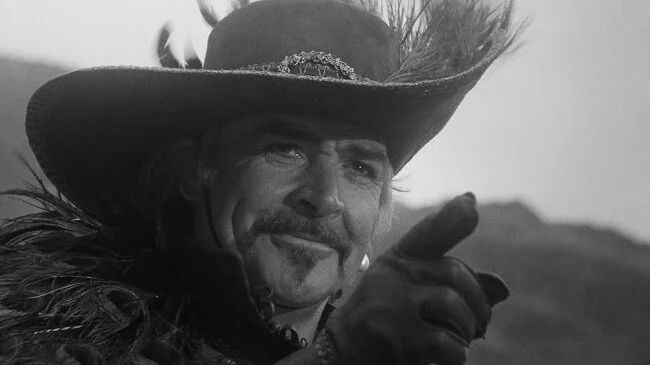
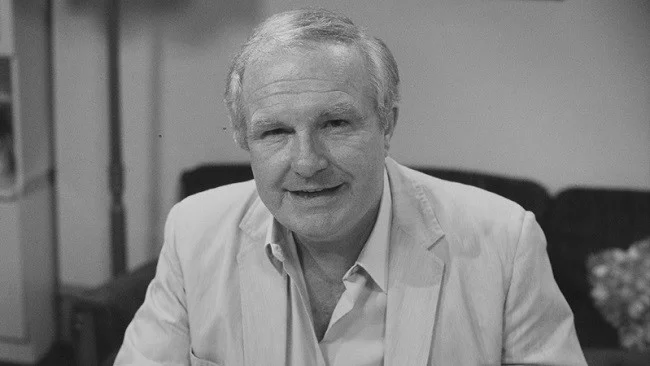
Alan Rickman (1946 - 2016)
I first became aware of the actor Alan Rickman during the early eighties while watching The Barchester Chronicles. He played the scheming curate Obadiah Slope who aspired to the office of Bishop, in this television adaptation of Anthony Trollopes novels. It was the sort of period costumed drama that the BBC excels at and a role the Rickman clearly relished. Six years later his performance as the German terrorist Hans Gruber in Die Hard gained him international acclaim and placed him squarely on Hollywood’s radar. He continued to appear in both mainstream blockbusters and smaller more cerebral independent productions over the years, yet maintained his credibility as a serious character actor, despite his fame and association with populist franchises.
I first became aware of the actor Alan Rickman during the early eighties while watching The Barchester Chronicles. He played the scheming curate Obadiah Slope who aspired to the office of Bishop, in this television adaptation of Anthony Trollopes novels. It was the sort of period costumed drama that the BBC excels at and a role the Rickman clearly relished. Six years later his performance as the German terrorist Hans Gruber in Die Hard gained him international acclaim and placed him squarely on Hollywood’s radar. He continued to appear in both mainstream blockbusters and smaller more cerebral independent productions over the years, yet maintained his credibility as a serious character actor, despite his fame and association with populist franchises.
Alan’s appeal was very much due to his versatility. He could perform classic theatre, light comedy and even action movies with ease. He knew exactly when to adopt a theatrical style (Robin Hood Prince of Thieves) and when to take a more understated approach (Sense and Sensibility). He was an actor with a broad dramatic range and a commanding voice, yet often did his finest work through the most subtle of expressions of his face. His presence in a film always piqued my interest and I would at time stray out of my personal cinematic comfort zone just to see a movie in which he appeared; his performance as Ronald Reagan in The Butler being one such example.
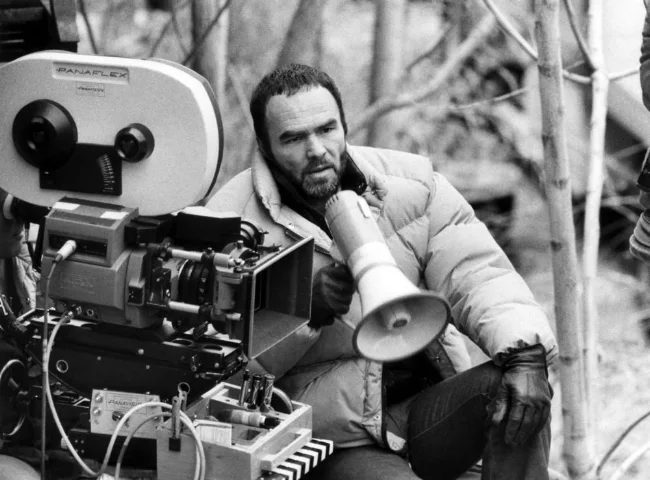
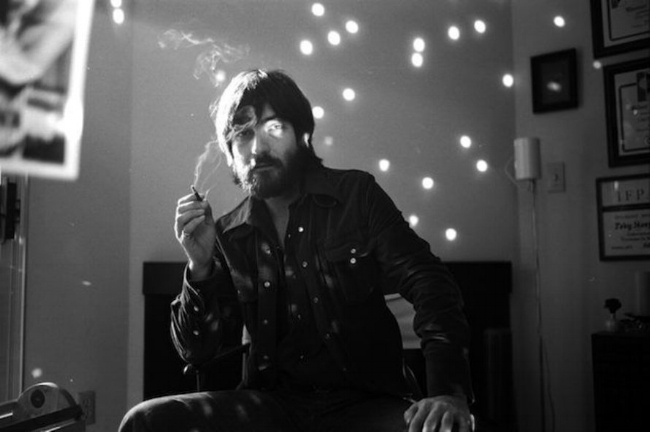
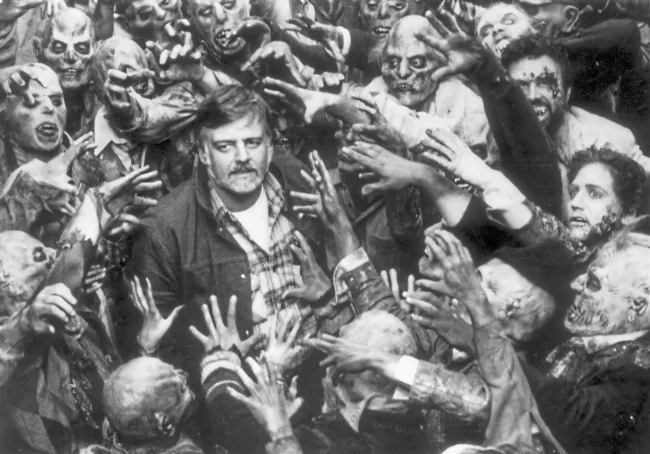
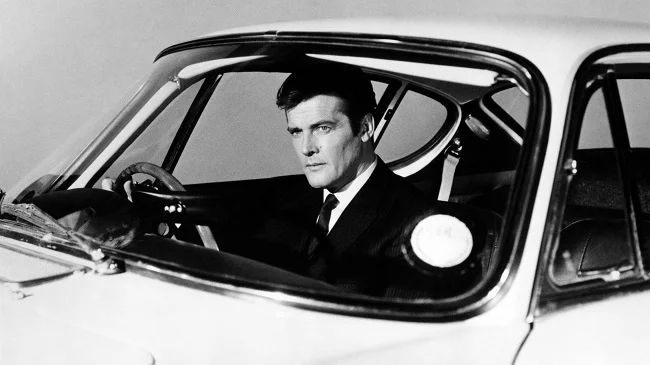
For a whole generation Alan Rickman will always be Professor Severus Snape, as this was the role that introduced them to his work. I will always enjoy is outstanding performance in Galaxy Quest, an underrated movie that is one of the finest satires I’ve seen about popular culture. He excels as aging Shakespearean actor Alexander Dane who has a love hate relationship with his alter ego Dr Lazarus. Rickman has by far the best lines in the film, which are acerbically delivered with consummate ease. Again much of the nuances of his performance are from his mannerism and deportment. It’s an excellent showcase for his acting talent. He will be sorely missed. “Happy Trails, Hans”.








The Decline of the PC?
Market analysis by International Data Corporation, an American market research firm, has shown a record-breaking 10.6 per cent drop in PC sales over quarter four of 2015, with Apple being the only manufacturer making significant gains. If you have an interest in economics and business per se there’s a full breakdown of the report can be found over at gamesindustry.biz and it certainly makes for interesting viewing. However like most numbers this data needs to be placed within a wider context, so that we don’t make the mistake of jumping to erroneous conclusions. So in what markets are PC sales dropping and what exactly are the reasons why?
Market analysis by International Data Corporation, an American market research firm, has shown a record-breaking 10.6 per cent drop in PC sales over quarter four of 2015, with Apple being the only manufacturer making significant gains. If you have an interest in economics and business per se there’s a full breakdown of the report can be found over at gamesindustry.biz and it certainly makes for interesting viewing. However like most numbers this data needs to be placed within a wider context, so that we don’t make the mistake of jumping to erroneous conclusions. So in what markets are PC sales dropping and what exactly are the reasons why?
As a consultant I have a lot of dealing with small and medium sized businesses, especially those in the legal, financial and public relations sectors. The more traditional industries still seem to favour desktop hardware, although leasing has mainly replaced company ownership. Windows 10 has also been adopted quite widely by many of my clients. However I am also seeing an increase in businesses that have consolidated all their work resources to the cloud and look to staff to provide their own hardware for access. Tablets and ultrabooks seem to be very much in vogue in these instances. This shift has an impact upon new sales and replacements but I cannot see it accounting for such a decline.
The home market seems to be the obvious main culprit as so many day to day PC tasks can now be carried out on tablets and smartphones. I am aware of a lot of friends and colleagues that have ditched their home desktop PCs as the bulk of their online habits are based around social media and the consumption of content. Many of these people game via consoles or their handheld device. The PC therefore ceases to be a necessary or an inviting financial investment. As for those power users who still remain wedded to the PC for gaming and content creation (such as myself), there is a tendency to tinker and upgrade, thus negating the need to buy a new PC so often. In fact when there is a requirement to replace a system we often build it ourselves as it is a more economical and flexible option.
I certainly don’t expect to see the PC vanish anytime soon but I think that there will be a continuing shrinking of the market, as people look to alternative devices to carry out basic tasks. I think that the TV and home entertainment system will grow further in use and that smartphone will continue to dominate communication, content sharing and online purchasing. My recent phone upgrade has provided me with a very powerful handheld device and I have devolved further task to it such as banking and the consumption of podcasts and similar media. My desktop PC is a tool specifically for producing audio content and a gaming platform. At present those tasks cannot be dealt with to my liking on another platform. However there may well come a time when that is not the case and that may be sooner rather than later.
Hearts of Stone
The Witcher 3: Wild Hunt was a gaming milestone in many ways and was by far the best game I played in 2015. For me an RPG is all about character and plot first, followed by gaming mechanics. The Witcher 3 has a rich and varied narrative that doesn’t shy away from difficult issues. The plot is nuanced and doesn’t offer glib binary dialogue options. I actually cared about the characters and was moved by the tragedy of some storylines. It’s the nearest I’ve come to an interactive novel. The open world is enthralling and combat is accommodating of different play styles. Overall I feel that the £27.48 I spent on the base game and season pass has been incredible value.
The Witcher 3: Wild Hunt was a gaming milestone in many ways and was by far the best game I played in 2015. For me an RPG is all about character and plot first, followed by gaming mechanics. The Witcher 3 has a rich and varied narrative that doesn’t shy away from difficult issues. The plot is nuanced and doesn’t offer glib binary dialogue options. I actually cared about the characters and was moved by the tragedy of some storylines. It’s the nearest I’ve come to an interactive novel. The open world is enthralling and combat is accommodating of different play styles. Overall I feel that the £27.48 I spent on the base game and season pass has been incredible value.
I returned to The Witcher 3 last week as I had time in my schedule to tackle the first expansion, Hearts of Stone that was released last October. As the benchmark for story telling had been set so high with the initial game, I was somewhat sceptical if CD Projekt Red could maintain the standard with this standalone tale. However my concerns were misplaced and Hearts of Stone has proved to be another intelligent, thought provoking, bittersweet tale. The expansion also strives to add more variety to the questline and I found such events as the wedding celebration to be a particularly different. Interacting with guests, playing party games and dancing make a pleasant change from the usual carnage. The vault break in was also a departure from the norm and I liked the way I got to choose my crew. I purposely antagonised the Dwarf Cassimir Bassi so he blew himself up.
There is naturally new armour and weapons available if you need to upgrade. I still find the Superior Wolven Witcher Gear to be a good set, even at level 39. The only change I’ve made is with my primary weapon. After defeating The Caretaker, I looted his spade which is an unusual weapon that heals you for 10% of all damage inflicted on enemies. I’m still experimenting with Runewords and Glyphwords system. They give large bonuses to weapons and armour but destroy the slots that they’re applied to. It’s something I want to ensure that I get right so a little more research is required before I’ll commit to a specific build. I recently started using bombs in combat, especially when fighting large groups of bandits or pirates. The Superior Grapeshot really does cause a lot of carnage if used pre-emptively.
As Hearts of stone have proven to be such a good expansion, I am now very optimistic regarding the next content update Blood and Wine. It allegedly offers twenty hours plus of narrative set in the all-new in-game region of Toussaint. I’m therefore looking forward to another involving tale and the pleasure of exploring a new part of “The Continent”. As plaudits continue to be heaped upon The Witcher 3, perhaps a few more game developers will take note of all the things that CD Projekt Red seem to be getting right. Commercial success does not have to be at the expense of creativity, quality or priced prohibitively.
David Bowie (1947 - 2016)
Last September I was sitting in the cinema enjoying The Martian when to my delight Starman featured as part of the movie soundtrack. At the time it raised a wry smile and a moment of contemplation as I reflected on how appropriate the song was, the relevance of the lyrics and how David Bowie has been ever present throughout my youth and adult life. As an artist Bowie has continuously explored new avenues, tested himself and remained relevant while his contemporaries are just content to tour and revisit their greatest hits. Therefore I was both shocked and saddened to wake up this morning and learn of his death. It took a while to compute, after all, he only released two new albums last week.
Last September I was sitting in the cinema enjoying The Martian when to my delight Starman featured as part of the movie soundtrack. At the time it raised a wry smile and a moment of contemplation as I reflected on how appropriate the song was, the relevance of the lyrics and how David Bowie has been ever present throughout my youth and adult life. As an artist Bowie has continuously explored new avenues, tested himself and remained relevant while his contemporaries are just content to tour and revisit their greatest hits. Therefore I was both shocked and saddened to wake up this morning and learn of his death. It took a while to compute, after all, he only released two new albums last week.
David Bowie was more than just an outstanding musician and performance artists. He was cultural touchstone who showed us that we can define ourselves if we choose to, in whatever way we see fit and that it’s possible to rise above cultural perceptions of gender and sexuality. After five decades of critical and commercial success he still managed to maintain a private life and enjoyed a reputation of being dignified, professional and gracious. Those who had the opportunity to see him perform have often said that it was unique and unlike anything that they’d previously experienced. His work is far from ephemeral and has an enduring quality to it. As an actor Bowie was subtle and understated. It’s a shame he didn’t explore the medium further.
In an age when exposure is confused with fame and internet traffic appears to trump talent, there are precious few artists left like David Bowie. This is a man whose death has effectively cleared the UK news agenda and even the Prime Minister feels compelled to comment. A man who sold an estimated 140 million records worldwide and who’s body of work is considered to be of the highest calibre. It is still somewhat difficult to come to terms with the passing of such a cultural icon. His larger than life musical personas and his enduring significance made many of us think he was in some way immortal. Sadly this was not the case. Yet he leaves behind an incredible legacy for those that come after and will remain forever a cultural beacon.
Teddy Floppy Ear - Kayaking
I saw a trailer for this game last year and for some reason found it amusing. I did some digging around online and discovered that Teddy Floppy Ear or Miś Uszatek was an established character from Polish children’s literature. There was a TV show using stop motion animation, which ran from the mid-seventies to the late eighties similar to the likes of Paddington or The Clangers. There’s also a statue dedicated to Miś Uszatek Piotrkowska Street in Łódź, so it would seem that he’s held in high regard and considered to be cultural significance in Poland. So when a gaming bundle appeared recently at Indie Gala, including the above game and two others featuring Teddy Floppy Ear, I considered it rude not to buy them.
I saw a trailer for this game last year and for some reason found it amusing. I did some digging around online and discovered that Teddy Floppy Ear or Miś Uszatek was an established character from Polish children’s literature. There was a TV show using stop motion animation, which ran from the mid-seventies to the late eighties similar to the likes of Paddington or The Clangers. There’s also a statue dedicated to Miś Uszatek Piotrkowska Street in Łódź, so it would seem that he’s held in high regard and considered to be cultural significance in Poland. So when a gaming bundle appeared recently at Indie Gala, including the above game and two others featuring Teddy Floppy Ear, I considered it rude not to buy them.
So to begin with, Teddy Floppy Ear – Kayaking is a children’s game aimed at five to eight year olds, according to the developers notes but certainly it has appeal beyond those parameters. This point and click adventure game mixes an enjoyable story with puzzles and healthy dose of learning. There’s a strong moral subtext to the proceedings and good manners are extoled at all times. During this particular adventure, Teddy Floppy Ear takes advantage of the beautiful spring weather and goes on a kayaking trip with his friend Piglet. He soon finds out that there is a problem with Mr. Catfish who acts a little too bossy, and needs to be taught a lesson in kindness. During his trip, our hero solves numerous puzzles testing mathematical skills, eye-hand coordination, logical thinking and perceptiveness.
The game can be completed in a few hours but could be spread out over a week or so, if played in measured sessions. I must admit I did enjoy this concise, amusing adventure and found the central character rather likable. Some of the time based puzzles proved challenging to a gentleman of my mature years but children will more than likely complete them with ease. The simple kayaking sections of the game are restful, as is the ambient sound track by Michał Wasilewski. Overall I think the phrase “charming” is very appropriate for Teddy Floppy Ear – Kayaking. I look forward to playing both the Mountain Adventure and The Race, which seems to be a Teddy Floppy Ear themed kart game.
Room 237 (2012)
I knew very little about Room 237 prior to viewing, other than the fact it was a documentary about Stanley Kubrick's The Shining and that it explored the movies potential meaning. What is actually on offer is a movie about Kubrick fans and their personal interpretations. For those of a more charitable disposition director Rodney Ascher has created an ode to cinematic love. For those with a more sceptical demeanour, this is vehicle for exploring obsession and possibly an invitation to mock. Either way, it is very compelling viewing, despite being a little too long and a little too clever for its own good.
I knew very little about Room 237 prior to viewing, other than the fact it was a documentary about Stanley Kubrick's The Shining and that it explored the movies potential meaning. What is actually on offer is a movie about Kubrick fans and their personal interpretations. For those of a more charitable disposition director Rodney Ascher has created an ode to cinematic love. For those with a more sceptical demeanour, this is vehicle for exploring obsession and possibly an invitation to mock. Either way, it is very compelling viewing, despite being a little too long and a little too clever for its own good.
Room 237 caught me a little off guard, as it started with a selection of voice overs from fans, talking about their initial exposure to The Shining and reflecting upon how they each discovered the works of Stanley Kubrick. Then one individual said that the sixties were a "rather pathetic time...for film" and I sat up and took noticed, because that's not a position that you'll hear advocated very often. From then onwards the documentary continued to catalogue further "unconventional" views, all backed up with the most complex of reasons. The Shining became an allegory of the genocide of the Native Americans or alternatively the Holocaust, also a coded confession that Kubrick had faked the moon landings.
"Kubrick likes to make you think" it was claimed. I do not dispute this but there's thinking and then there's over-thinking. People often misconstrue applicability with allegory and I think what we have here are individuals that have simply seen what they want to see in The Shining, to validate their own pet theories and monomanias. Kubrick was indeed a highly skilled film maker but the likelihood that he could or would contrive to make a movie so heavily coded in subtext as these individual claim is frankly implausible. The cult of Kubrick plays a major part in this situation. I doubt if you'd find this level of dissection over the work of his contemporaries.
However I played along for the duration and did enjoy some of the lesser ideas banded about. I especially liked the concept of the move being played forward and backward, over each other, simultaneously. At the end of Room 237, I found myself pondering the same question that many viewers have raised already. Not whether the theories are true but does the documentary have a point? I believe that it does; that the obsessive and complex personality of director Stanley Kubrick is mirrored not only in his work but also in some of his fans. All three have a common connection based on intricacy. Ultimately one good thing did occur as a result of me watching Room 237; I immediately watched The Shining again.
How Not to Do Business
I've been blogging for nearly nine years and by sheer persistence the audience has grown and traffic is relatively respectable. There are plenty of web based tools available that can determine how well a site is performing and as a result I have recently started receiving a great deal more unsolicited material. This consists of press releases, invitations to review content and even the occasional freebie. I'm fine with all this because it broadly indicates that Contains Moderate Peril is growing and appearing on the radar of a wider variety of organisations. Plus some of the stuff I’m sent is quite useful. At the very least it proves the old adage that if you throw enough shit at the wall, some of it will stick.
I've been blogging for nearly nine years and by sheer persistence the audience has grown and traffic is relatively respectable. There are plenty of web based tools available that can determine how well a site is performing and as a result I have recently started receiving a great deal more unsolicited material. This consists of press releases, invitations to review content and even the occasional freebie. I'm fine with all this because it broadly indicates that Contains Moderate Peril is growing and appearing on the radar of a wider variety of organisations. Plus some of the stuff I’m sent is quite useful. At the very least it proves the old adage that if you throw enough shit at the wall, some of it will stick.
However among these various communications are small percentage from businesses that always seem to have a "great business opportunity" or "proposal that I can't afford to miss". Effectively they're trying to sell me something that I don't need or worse still, they want to buy a link back to their site. It is the latter galls me the most.
Now I am not averse to the notion of my blogging endeavours making money if possible, but funnily enough I do have some principles regarding how this is done. Firstly, I don't carry any advertising on the website because the delivery software totally dictates what material gets shown. I don't like that notion at all. Then there are are some businesses that I don't want to be associated with and featuring them on my site in my opinions cheapens it. Plus the use of adblockers seems to be making this means of generating revenue obsolete anyway. I also apply exactly the same stipulations to anyone trying to buy a link from my site to their. Do I want to be associated with you?
Secondly, although link sharing has its uses, it is fundamentally based on a parasitical concept. Think about it for a moment. After years of giving up my free time to write and build up an audience, some third party thinks they can just waltz in, toss me a few dollars and leech off my blood sweat and tears? I think not. Plus while we’re talking about hard work, something I’ve noticed about many of the business requests I receive is the casual and lacklustre way in which they are made. They often lack any real effort. Business etiquette, common sense and good manners seem to elude them.
Take for example the above email. Who in their right mind thinks this is a good way to conduct business? Let's address some of its points of failure in bullet point format, because it will curb my tendency to rant excessively about the overall stupidity of this communication.
1.) For starters what kind of business do you wish to conduct? If you are making a pitch then it may be beneficial to include the relevant details.
2.) So my site fits your needs? Really? As you haven't at this point given me any inkling of what it is that you want, please remind me again why I should give a fuck about what fits your needs?
3.) As for the best way to contact me, let's ponder that one for a moment? Hey why not drop me an email like the one you just fucking sent?
So it would appear that this joker wants to do some sort of business with me, but is reticent to stipulate the exact nature of which and furthermore wants me to waste my precious time contacting them to proceed further. The stupidity of the proposition beggars belief. They must be stupid, ill-mannered or utterly clueless about how to conduct business; or maybe all three? Perhaps a Venn diagram will help clarify the situation.
Here is some guidance to those wanting to do business with Contains Moderate Peril. If you have any sort of business proposal then a concise email providing an overview of what you are offering is required. I will then on the basis of that communication decide whether I wish to contact you to discuss the matter further. Do not make any type of pitch where I have to do all the leg work. If you want something from me then make some effort yourself. My time is precious and I have better things to do than accommodating your ineptitude.
Also take time out to consider what you are selling. I'm not interested in gambling sites, miracle cures, dating websites, stilts for Dachshunds or an Osmonds tribute act. Make sure it is relevant to Contains Moderate Peril. And if you haven’t even the decency to use my name in your email then don’t bother. I like manners. By following these simple rules there's a chance for a mutually beneficial relationship. Ignore them and you'll be pissing in the wind.
Oculus Rift to Retail at $599
The consumer electronics industry has been labouring on virtual reality for decades, pursuing what they see as the next major technological innovation of our time. I have never doubted that VR has many practical applications that are both beneficial and profitable. Gaming is certainly one of them, offering a new medium in immersive entertainment. However I have never felt especially enthralled the prospect of VR and what it has to offer. I don’t like experiences that isolate my senses and so the idea of placing a device over my head that does just is far from inviting.
The consumer electronics industry has been labouring on virtual reality for decades, pursuing what they see as the next major technological innovation of our time. I have never doubted that VR has many practical applications that are both beneficial and profitable. Gaming is certainly one of them, offering a new medium in immersive entertainment. However I have never felt especially enthralled the prospect of VR and what it has to offer. I don’t like experiences that isolate my senses and so the idea of placing a device over my head that does just is far from inviting.
However the development of the Oculus Rift in recent years has been a fascinating process to watch. The project was originally crowd funded in 2012 and those involved with its development had many laudable aspirations. The idea was to create something that was reasonably priced, customisable and accessible to as broader customer base as possible. Virtual reality and specifically the Oculus Rift were seen as part of the ongoing “democratisation” of technology. Sadly that perception took a major knock in July 2014 when Facebook acquired the Oculus VR for $2 billion and the hip indie ideology was replaced by corporate imperatives.
As of today consumers can finally pre-orders the CV1 version of the headset via the Oculus website. The unit price is $599 (£410) and orders will ship in March. This move was timed to coincide with the CES tech show in Las Vegas, where Oculus is demoing the headset. Although the technology on display has been broadly praised the price has not been well received among consumers, especially gamers. Costing $100 more than a next-gen console the device is not going to be universally adopted immediately. It is interesting to note that Oculus have not elected to sell the device at a discounted price to secure a foothold in this new market, despite the presence of competitors.
There are a few other things to consider with regard to the Oculus Rift and the whole VR idea per se. As of yet there is not a killer app for this medium; no essential game that showcases why we need VR. The headset also requires an extremely robust PC to showcase its abilities. Buying one may also require a similar cash outlay on a computer upgrade. There also doesn’t seem to be an immediately obvious ancillary market the developers can rely upon to raise further revenue, such as a licensing scheme or app store. All these factors could work against the Oculus Rift. If the device does not find its predicted market then it could end up being this year’s 3D TV.
An Unpleasant Truth
A few years ago I was listening to talk radio presenter Nick Ferrari discussing violence in video games. It’s a perennial subject that often fills the phone in schedules. Nick is in his mid-fifties, is not a gamer and struggles to understand its appeal. While talking to a caller, the conversation continuously came round to the fact that killing plays such an integral role in so many games. The caller did their best to highlight the other aspects of gaming, such as the challenge of attaining achievements, the development of new skills and the social dimension. To which Mr Ferrari simply said “so why not play chess?” which also offers all of the above. Now I considered this to be a good question at the time. Then recently I purchased a game that stated as a selling point that it contained absolutely no violence, which brought this subject back to mind.
A few years ago I was listening to talk radio presenter Nick Ferrari discussing violence in video games. It’s a perennial subject that often fills the phone in schedules. Nick is in his mid-fifties, is not a gamer and struggles to understand its appeal. While talking to a caller, the conversation continuously came round to the fact that killing plays such an integral role in so many games. The caller did their best to highlight the other aspects of gaming, such as the challenge of attaining achievements, the development of new skills and the social dimension. To which Mr Ferrari simply said “so why not play chess?” which also offers all of the above. Now I considered this to be a good question at the time. Then recently I purchased a game that stated as a selling point that it contained absolutely no violence, which brought this subject back to mind.
Obviously not all games are centred on killing. However let us proceed on the understanding that a sizeable portion do. Pick any premium title FPS then take a moment to consider its attractions. I’m sure such things as personal achievement, bragging rights and an adrenaline rush, come to mind. I’m sure catharsis and letting off steam also play a part. However, is there not an elephant in the room? And would not that said pachyderm be violence? It is a very emotive point. The moment that term is introduced into the equation, people will naturally start to backpedal. We are modern gamers. We are reconstructed, renaissance men and women. We are no longer knuckle trailing cellar dwellers. We’re well rounded, fully functional, emotionally connected human beings. As such, do we really wish to admit to a facet of our nature that is considered taboo?
Well most of us don’t. So we will spin as much bullshit as possible to avoid being linked to this aspect of gaming. Perhaps it would help if I admitted a few things, that possibly a lot of gamers do to a greater or lesser degree. When playing an FPS, I frequently give vent to the less seemly aspects of my personality. For example, I become extremely angry if things do not go my way, or if I am “one shotted” by some gaming savant. Furthermore I relish not just the defeat of an enemy but the very act of violence itself that is used; the more extreme and outrageous the better. Rational behaviour goes out the window and I become a potty mouthed, ill tempered, boiling cauldron of emotions. I revel in the exhilaration of this state. There is nothing like adrenaline and strong emotions to make you feel alive.
Gaming often inspires a broad spectrum of emotional responses. Be it the touchy-feely warmth of social gameplay, or throwing a complete fit because you got beat at Mario Kart once again. But it is the FPS that affords you the opportunity to act in a manner that you normally would never countenance, that elicits the strongest response. Society runs on a strict set of rules and a requirement that the public adheres to them. Unlike some people, I am happy to accept that everybody has the capacity to behave in the opposite fashion. These negative facets of our personality may well be baggage from our evolutionary past, but they cannot be ignored. I am not in any way endorsing that we should embrace these passions and allow them to govern our lives, but I do feel it is important that we at least acknowledge them.
At times gaming has shown me some of the less pleasant facets of my own nature. However rather than encourage these traits, I believe that gaming allows me to identify them, manage them and even purge them. Now I know a lot of people will reject this notion, as it offends their moral sensibilities to admit that within every human being a monster lurks. Yet has history not shown us that the most heinous crimes that we’ve committed against each other have frequently been carried out by regular people such as you and me? Therefore I believe it beneficial that gaming can provide a conduit for the channelling of aggression in a positive manner, in the same way that sports can.
Classic Game Themes: Star Trek Online
MMORPG genre frequently benefits from a robust and charismatic score. It helps greatly in establishing specific races, classes and regions within the game, giving them a unique identity and characteristics. Music can be used to provide the player with audio cues about the environment and the quests they are undertaking. The use of a leitmotif can be invaluable in establishing a games tone as the story progresses. Therefore many games in this genre have sumptuous scores by established composers. As so many are set within a traditional fantasy setting, many soundtracks seem to follow a particular pattern. Star Trek Online however is one of a handful of science fiction based MMOs and as a result its soundtrack is subtly different.
MMORPG genre frequently benefits from a robust and charismatic score. It helps greatly in establishing specific races, classes and regions within the game, giving them a unique identity and characteristics. Music can be used to provide the player with audio cues about the environment and the quests they are undertaking. The use of a leitmotif can be invaluable in establishing a games tone as the story progresses. Therefore many games in this genre have sumptuous scores by established composers. As so many are set within a traditional fantasy setting, many soundtracks seem to follow a particular pattern. Star Trek Online however is one of a handful of science fiction based MMOs and as a result its soundtrack is subtly different.
Many fans have had their musical association with Star Trek shaped by such composers as Sol Kaplan, Alexander Courage, Dennis McCarthy and Jay Chattaway, who contributed to the scores of the various TV shows. However it is the movie spinoffs and their iconic themes from the likes of James Horner and Jerry Goldsmith that perhaps have made the most lasting impressions. Naturally when Star Trek Online launched in 2010, players were expecting something inherently in the idiom of the established franchise and suitable epic considering the scope of the game. Thankfully composer Kevin Manthei musically literate score managed to address expectations and remains a very engaging and varied game soundtrack.
Kevin has a strong background in composing for games as well as television. He also studied at the University of Southern California under Jerry Goldsmith, which possibly gives him a further insight into the existing sound of Star Trek. Certainly a lot of his work for STO still retains an inherently nautical theme which both Goldsmith and Horner explored with their movie soundtracks. There is also a healthy dose of tribal percussion to cues associated with the Klingons. But it is in space and through the ambient music that plays whilst exploring that really seems to evoke the heart of Star Trek. Through a diverse selection of themes, the player really gets a sense of the enormity of respective quadrants and the thrill of boldly going where no one has gone before.