
The World at War (1973)
The seventies were a Golden Age for cerebral documentaries with such outstanding examples as The Ascent of Man, Cosmos and Life on Earth. Such shows were content driven, relying heavily upon the quality of the script along with the charisma and gravitas of the presenter. Jacob Bronowski, Carl Sagan and David Attenborough were exemplars of this. Jeremy Isaac’s The World at War is another archetype of quality documentary film making from this decade.
The seventies were a Golden Age for cerebral documentaries with such outstanding examples as The Ascent of Man, Cosmos and Life on Earth. Such shows were content driven, relying heavily upon the quality of the script along with the charisma and gravitas of the presenter. Jacob Bronowski, Carl Sagan and David Attenborough were exemplars of this. Jeremy Isaac’s The World at War is another archetype of quality documentary film making from this decade.
The World at War was first broadcast in the UK on Wednesday 26th October in 1973 on the ITV network. This was the year of the oil crisis, one of many miners' strike and Ted Heath's three-day week. World War II still loomed large in the nation’s collection psyche and influenced global politics. Forty Two years on, The World at War it is still being watched all over the world via DVDs, VoD and TV repeats. It can be cogently argued that the documentary still remains an powerful account of World War II. There are some areas that possibly may revision due to the emergence of de-classified information but as a whole this is still an in-depth, scholarly and accessible historical analysis.
Isaacs always was motivated by wanting to tell the story of World War II from a truly global perspective. At the time UK film makers and scholars still tended to follow a very UK-centric narrative adhering to Churchill’s "finest hour" mindset. Noble Frankland the director of the Imperial War Museum and the series historical adviser encouraged Isaacs to not only adopt this approach but emphasise the role of the Red Army and explore to a greater degree the significance of the war against Japan.
One of the most powerful features of the series was the use of in-depth conversations with ordinary people, often those who were directly involved in the event being explored. The first hand experiences of the average soldier at Anzio or the perspective of the civilians that endured the Blitz remains compelling viewing. The World at War also contains an unprecedented wealth of interviews with the politicians and military leaders of the time. Admiral Dönitz, Anthony Eden, Mark Clark and "Bomber" Harris are among those who shared their often contradictory views on the way key event unfolded. Perhaps the most significant contributor was Hitler's secretary Traudl Junge who paints a very human picture of the Führer's final days.
Two elements worthy of note are the series score by composer Carl Davis and narration by Laurence Olivier. Both underpin the archive newsreel footage and add gravitas to the overall narrative. The script although focusing upon the global scope of World War II, maintains a very human perspective with passages from letters, journals and popular songs from the time. Olivier’s understated delivery often affords the viewer opportunity to contemplate the magnitude of events. Davis’ score adds focus to each episode and never strays into melodrama.
Although the factual rigour of The World at War remains robust there are areas where the narrative requires updating and theatres of war that need a broader exploration. Since the shows original broadcast the facts regarding the breaking of the enigma code at Bletchley Park have come to light. As a result the episode "Wolfpack" about the battle of the Atlantic is now somewhat passé. Both China and India’s experiences during the war are conspicuous by their absence; likewise Yugoslavia’s war time ordeal is only alluded to.
The World at War was a significant undertaking for a major television network at the time and keenly reflected the production and audience standards of the decade. It is highly unlikely that a documentary series of this calibre could be produced today. Not only are there no longer any surviving interviewees with first-hand experience of the events in question, there may no longer be an appetite from the general public for such an in-depth analysis of a period of history we are becoming increasingly removed from.
Subtitles
My hearing is fairly robust for a man of my age. I also pride myself on my ability to concentrate. Yet despite the benefits of both those attributes, I still often find myself struggling to keep up with the dialogue and plot of many a game, TV show or movie. It’s something that is not unique to me and seems to be part of a growing phenomenon. Take last year’s science fiction blockbuster Interstellar. Amongst the critical praise there was a lot of grumbling over the mixing of ambient sound effects and the movies score drowning out dialogue. Similar complaints have been levelled at a lot of contemporary TV shows.
My hearing is fairly robust for a man of my age. I also pride myself on my ability to concentrate. Yet despite the benefits of both those attributes, I still often find myself struggling to keep up with the dialogue and plot of many a game, TV show or movie. It’s something that is not unique to me and seems to be part of a growing phenomenon. Take last year’s science fiction blockbuster Interstellar. Amongst the critical praise there was a lot of grumbling over the mixing of ambient sound effects and the movies score drowning out dialogue. Similar complaints have been levelled at a lot of contemporary TV shows.
This problem frequently manifests itself in video games, although it is more often than not due to overlapping dialogue. All too often I’ve been playing a game in which an essential piece of narrative from a key NPC is competing against the ambient dialogue from background characters. As someone who enjoys a good story and likes to absorb as much details as possible, this problem can be quite frustrating. Hence I’ve recently started enabling all subtitle options on games, TV shows and movies by default. It was a little disconcerting initially but it’s something I have adapted to quite quickly.
Subtitles apart from reflecting the main dialogue, often have the benefit of providing a lot more detail. Audio descriptions of sound effects, as well as secondary dialogue and other background noise can prove to be most illuminating. When watching the movie Right at Your Door, the subtitles displayed all the details of the radio and TV broadcasts that were playing in the background. This greatly enhanced the plot and provided some invaluable narrative detail. Subtitles are also a great way of obtaining an accurate quote and resolving the esoteric spelling of certain words and character names.
I find subtitles in gaming to be increasingly useful. Unlike a movie you cannot easily rewind a cutscene or the bestowal dialogue for a quest. If like me you find the story one of the main selling points of a game then you don’t really like to miss any of the plot. Also games don’t always have the best voice acting and subtitles allow you a means of penetrating poor accents and poorly expressed dialogue. Therefore having an additional tier of information is useful. It can also provide some amusement when the text is misspelt or has not been updated and is merely place-holder content.
However subtitles are not for everyone. Some people find onscreen text very distracting and a major impediment to their enjoyment of the game or movie. Plot and dialogue are also not important to all gamers, many of whom simply want to get to the action, rather than waste time upon a story that is superfluous to them. Therefore it very much is a question of taste and mercifully subtitles are more often than not optional. For me I consider them to be a great asset and an enhancement to my entertainment. They also play a great part in making many leisure activities far more accessible and inclusional. As a result I find their absence from certain mediums an inconvenience.
The Manitou (1978)
After the commercial success of The Exorcist in 1973, the low budget independent horror films of Hammer and American International fell into decline. The major Hollywood studios started financing more expensive genre movies. Twentieth Century Fox scored a box office hit with The Omen in 1976 proving once again that the supernatural was financially viable. Subsequently several independent film financiers realized that they would have to invest in bigger budget projects if they wished to compete. William Girdler’s 1978 adaptation of the bestselling horror novel, The Manitou, was one such example of this.
After the commercial success of The Exorcist in 1973, the low budget independent horror films of Hammer and American International fell into decline. The major Hollywood studios started financing more expensive genre movies. Twentieth Century Fox scored a box office hit with The Omen in 1976 proving once again that the supernatural was financially viable. Subsequently several independent film financiers realized that they would have to invest in bigger budget projects if they wished to compete. William Girdler’s 1978 adaptation of the bestselling horror novel, The Manitou, was one such example of this.
The Manitou by Graham Masterton is an eminently enjoyable piece of pulp horror fiction despite its outrageous premise. However adapting such a book for the big screen can test an audience’s suspension of disbelief. It would appear that critics and cinema goers alike struggled with the plot of The Manitou upon its release. The story is about a 400 year old re-incarnated Indian Medicine Man called Misquamacus, who is growing in a tumour on a woman’s back. Her ex-boyfriend, a fake medium, turns to a contemporary Indian Medicine Man for help. The use of x-rays by the hospital staff cause birth defects in Misquamacus, resulting in him being born deformed.
Despite the bizarre nature of the plot, the production managed to assemble an impressive cast. Tony Curtis plays the lead role of Harry Erskine, with Michael Ansara as John Singing Rock and Susan Strasberg as Karen Tanday. There is a cameo appearance by Burgess Meredith as the anthropologist and Native American History expert Dr. Snow. The screenplay by director William Girdler and cast member John Cedar is a fairly good adaptation of the source novel, remaining true to the overall plot. The first act of the movie features some pleasant location work set in San Francisco. However once the story moves to the hospital where surgeons attempt to remove Karen Tandy’s tumour, the film becomes an entirely studio bound production for the remainder of its duration.
The Manitou is very much a movie of its time, with an extremely seventies production design. Flared trousers and shirts with unfeasibly large collars abound. The plot explores the clash between modern technology and ancient supernatural forces. As a result a great deal of the hardware on display, such as the hospital computer system and surgical laser are now somewhat archaic. The soundtrack by the ubiquitous Lalo Schifrin is steeped in the musical style of the time. The infamous birth scene created by the Burman studios is suitably ghoulish. Felix Silla best known as Twikki in Buck Rogers and Joe Gieb both play Misquamacus at various points during the film. Sadly some of the optical effects at the movies climax are a little lacklustre.
The Manitou despite its clumsy racial politics is never genuinely disrespectful of Native American culture and the central characters although verging on caricature, are still likeable. If you can look beyond the far-fetched nature of the initial premise there is an entertaining movie to be found. Sadly The Manitou was met with a lukewarm reception from both critics and the public upon its release and failed to live up to box office expectations. The proposed sequel based upon Graham Masterton’s second novel was subsequently abandoned during pre-production.
Gaming and Lore
Lore: A body of traditions and knowledge on a subject or held by a particular group, typically passed from person to person by word of mouth. Synonyms: mythology, myths, legends, stories, traditions, folklore, culture, beliefs, sayings, superstitions, fantasy, oral tradition.
Certain genres of games love to steep themselves in faux lore. Then there are titles based upon existing intellectual properties that have a wealth of material to draw upon. Either way it would seem that such content is very popular among gamers. Perhaps it has something to do with how an in-depth sense of history can bring a virtual world to life. Or maybe it’s more about being human and our compulsion to share stories. Regardless of the armchair psychology, the bottom line is lore can be a major selling point for a game.
Lore: A body of traditions and knowledge on a subject or held by a particular group, typically passed from person to person by word of mouth. Synonyms: mythology, myths, legends, stories, traditions, folklore, culture, beliefs, sayings, superstitions, fantasy, oral tradition.
Certain genres of games love to steep themselves in faux lore. Then there are titles based upon existing intellectual properties that have a wealth of material to draw upon. Either way it would seem that such content is very popular among gamers. Perhaps it has something to do with how an in-depth sense of history can bring a virtual world to life. Or maybe it’s more about being human and our compulsion to share stories. Regardless of the armchair psychology, the bottom line is lore can be a major selling point for a game.
Personally I like strong narratives in the games, whether it’s based on an established franchises such as Star Wars, Star Trek or Middle-earth, or wholly original like The Elder Scrolls. When questing in a MMO or single player RPG, I like to know why I have to vanquish the Nibble-pibblies, rather than just blithely go and exterminate them. Ultimately it comes down to the old literary device of “investment”. Providing a back story makes the player more likely to empathise with the characters and the narrative. This contributes to the sense of immersion, which for many is a key aspect of gaming.
The Lord of the Rings Online is a text book example of an MMO whose lore is integral to its popularity. In some respects it is quite unique beast in so far that it’s IP has the capacity to attract non-gamers. The game developer’s Turbine have always managed to work within the confines of the established lore and create stories that although are not canonical, are inventive, measured and engaging. LOTRO is one of the games that I always ensure that I read all bestowal and dialogue text. I am interested in how the in-game characters link to existing plot elements from Tolkien’s source text.
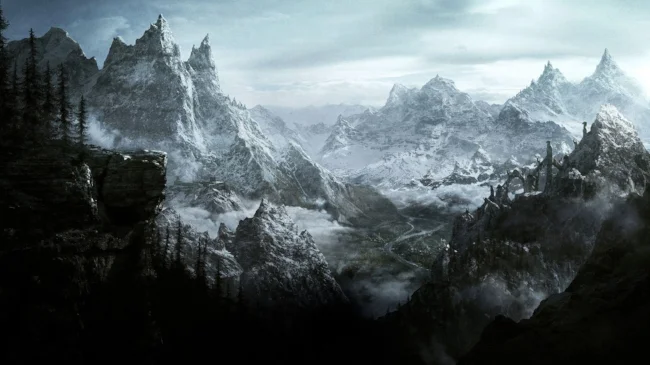
Sadly not every game is successful at creating a vibrant and involved lore. The fantasy genre can often be extremely generic, self-plagiarising and even arbitrary. Where the lore in Skyrim prompted me to conduct further research outside of the game, due to its depth and sophistication, the storyline of Arcania Gothic 4 was lost on me. The latter game seemed to have a very inconsistent narrative that had precious little new to offer. Thus by the time I completed the RPG after thirty hours plus of gameplay, I was left confused as to the meaning of the ending and ill disposed towards installing the expansion.
Lore can also find itself at odds with pre-established material when it pertains to popular IPs. Both Star Wars: The Old Republic and Star Trek Online have complex and well written storylines that were designed to work in harmony with existing content. Sadly both are officially non-canonical, marginalising the hard work of the writers. This is especially galling for Star Trek fans as there is not any official new material being created at present, outside of the recent movies which are set in an alternate timeline.
Earlier this year I attempted to complete Dragon Age: Inquisition. Having not played through the previous two games in the series, I was not au fait with the lore and as a result struggled to keep abreast of the wider story. Although I enjoyed the fully voice acted character interactions I couldn’t apply myself to the various codex entries that regularly appeared. Despite having an impressive legendarium I was far more concerned with trying to master the various game mechanics. As a result the lore actively became a distraction rather than an embellishment.
As ever with gaming there are always opposite points of view and the matter of lore is no different. I know many a player who will happily skip cutscenes, ignore bestowal dialogue and are not in the least bit interested in the prevailing back story of the virtual world they inhabit. If that is their chosen play style then so be it. There is no right or wrong way to play a game, despite what some may tell you. There are players who are more interested in the task in hand, rather than the motivation for it. As long as they are having fun, then that is all that matters. However for me, lore still counts as an integral part of my game enjoyment and I shall continue to seek it out in the titles I play.
Legend (2015)
Legend is an extremely lavish biopic. Despite being about a pair of notorious British villains it has both the look and feel of an American gangster epic. There is no real attempt to depict either the period or the locations accurately nor is the story of the Kray twins themselves factually correct. As ever with American productions of this nature both the era and the subject matter are viewed through a miasma of sentimentality and faux nostalgia. The Krays are portrayed as folk heroes rather than the petty thugs that they were. However if you are prepared to overlook these deliberate biases then Legend is can still be an entertaining movie.
Legend is an extremely lavish biopic. Despite being about a pair of notorious British villains it has both the look and feel of an American gangster epic. There is no real attempt to depict either the period or the locations accurately nor is the story of the Kray twins themselves factually correct. As ever with American productions of this nature both the era and the subject matter are viewed through a miasma of sentimentality and faux nostalgia. The Krays are portrayed as folk heroes rather than the petty thugs that they were. However if you are prepared to overlook these deliberate biases then Legend is can still be an entertaining movie.
There is a very slick and even Vogue-like aesthetic to Legend. The cinematography by Dick Pope is very luxuriant as it strives to recreate that Sixties look and feel. However, as so often is the case, the production design becomes a caricature of what it strives to achieve, resulting in distinct lack of authenticity. London was never that glamourous and no amount of Burt Bacharach or ambient period music can really convince us otherwise. This ersatz world of the Krays is also somewhat tonally inconsistent with the bloodletting and violence.
Naturally the dual roles played by Tom Hardy dominate the proceedings and the critical reviews. Such a daunting task as creating two unique performances is seldom undertaken by actors. I can only recollect two convincing prior attempts, namely Jeremy Irons in Dead Ringers and Sam Rockwell in Moon. In this instance Hardy’s portrayal of Reggie Kray is thoroughly credible. His performance with regard to Ronnie is shall we say a little more experimental. Ronnie has a somewhat comic element to his nature which at times veers from sinister to borderline Alan Partridge. The interaction between the twins is also inconsistent. On occasions you feel you are in the company of two genuine gangsters and at others it’s like you’re listening to Peter Cook and Dudley Moore discussing Shelley Winter’s in The Poseidon Adventure. Because of the focus on Hardy’s dual roles, it puts a lot of the rest of the cast in the shade which is a shame. There’s a lot of talent in the cast of Legend.
Legend has obviously been made for an international market and therefore plays to the tropes and memes of the genre. Emily Browning’s voice-over highlights this in every way as it attempts to sell this patently stylised mythology of the Krays. The violence depicted during the film is unpleasant but curiously mitigated by the patently phoney historical context. Although there were failings in Peter Medak’s 1990 movie The Krays, it got a lot more right and was far more powerful in its depiction of East End thuggery. It was also a more honest movie because it didn't try and sell us the folk hero myth that writer/director Brian Helgeland does in Legend.
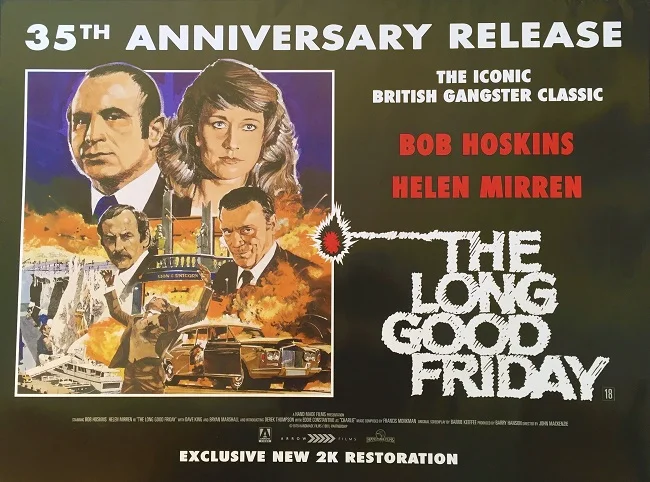
If you are happy to accept from the get go that Legend is a commercial and stylised gangster story rather than a credible biopic then it may well grant you an undemanding evening’s entertainment. Tom Hardy is fascinating to watch and if the narrative is not to your liking then you can happily focus on the technical achievement of the movie. The seamless interaction between Hardy’s two performances is impressive. Legend is no The Long Good Friday or Sexy Beast, so don’t expect a film of commensurate calibre. This is very much a pop culture movie rather than a serious evaluation of Britain’s most infamous criminals. However as the legacy of the Kray twins has since become a commercial brand in itself perhaps Legend is the most appropriate form of depiction.
The Cost to Fun Ratio
In January I bought a Codemasters gaming bundle for the sum of £2.79 which contained ten titles. One of them was the action RPG Rise of the Argonauts, initially released in 2008. The game’s setting in the world of Greek mythology was its main appeal. A little research showed that the game had a distinctly average score and offered nothing new. I completed the entire story over the period of a week in about sixteen hours or so. It was broadly entertaining, although nothing special, apart from not being in the usual fantasy setting. The word “adequate” springs to mind.
In January I bought a Codemasters gaming bundle for the sum of £2.79 which contained ten titles. One of them was the action RPG Rise of the Argonauts, initially released in 2008. The game’s setting in the world of Greek mythology was its main appeal. A little research showed that the game had a distinctly average score and offered nothing new. I completed the entire story over the period of a week in about sixteen hours or so. It was broadly entertaining, although nothing special, apart from not being in the usual fantasy setting. The word “adequate” springs to mind. Here’s a reminder of the dictionary definition.
Adequate (adjective). Satisfactory or acceptable in quality or quantity.
Rise of the Argonauts has an enjoyable story, which apart from drawing upon famous characters, has no real basis in established mythology. Yet the original plot serves its purpose and includes some enjoyable characters and good voice acting. I liked Pan especially, mainly due to his banter and quips. Combat is based around hit chains and unlocking bonus skills. There are the usual dialogue trees with their arbitrary choices and optional side quests. However if this game were compared with a more recent title such as The Witcher 3: Wild Hunt, it is simply not quite of the same calibre. However I still enjoyed Rise of the Argonauts and felt that my time had been well spent.
This raises the question how much does a games price have upon the level of enjoyment you gain from it? Is there such a thing as the cost to fun ratio? If I had spent £40 or more on Rise of the Argonauts would I have been so forgiving of its generic game mechanics or distinctly average storyline? Would I have felt that its sixteen hours plus running time was good value for money? Would I have finished the game with quite the same sense of satisfaction? I believe that my opinion on these points would be somewhat different.
In the past I have equated the difference between good and average games as being similar to comparing a fine restaurant and a fast food outlet. Both can be enjoyable experiences but they satisfy different needs. The money that you spend determines some interesting differences between meals, such as presentation, the overall quality of the constituent parts and that most nebulous of terms, the customer experience. Fast food chains use their generic nature as an actual selling point. You can get an identical meal at any of their outlets. The expensive restaurant is trying to sell a more unique experience with the bespoke creations of its gourmet chef. These points can be applicable to games.
Another important aspect to consider is the expectation that comes with the purchase of any game. This most certainly does vary and there’s a great deal of research out there on this very matter. When you stump up £70 for a triple A title along with a season pass, you do so expecting to have your socks well and truly blown off. It’s the same if you go and see a major band or musical artists perform an arena concert or buy a top of the range electrical device. Purchases of this nature come with perceived expectations and practical obligations. Conversely, games bought as part of a bundle is not subject to the same criteria. If it amuses for an evening then it’s justified its cost. If not then it was hardly a major financial loss.
I can’t really say whether this perceived difference in the quality “fun” is real or simply an illusion, born of snobbery and clever marketing. I do think there is some truth regarding cost influencing expectation. From my own perspective, I’ve had more consistent enjoyment of late from games I’ve bought from bundles than those I’ve purchased upon releases. Out of the five premium games I bought upon launch last year, three were abandoned for various reasons. Yet many of the titles I bought at a discount were played to completion. So perhaps for me at least I am influenced by the cost to fun ratio.
Is there a similar parallel in other industries? Are other products subject to the same scrutiny? For example consider the difference between an inexpensive bottle of wine and one of a fine and rare vintage. Both can be the basis of a good evening, have a similar affect as far as consuming alcohol but have entirely different price implications. Returning to a gaming example I enjoyed Skyrim immensely but I bought it in 2013 at the retail half price with all the DLC included. Would I have enjoyed it just as much if I had purchased it at launch eighteen months earlier?
Once Upon Atari (2003)
Once Upon Atari is a documentary exploring the meteoric success of the Atari company during the seventies and eighties. It consists mainly of interviews with many original Atari 2600 game development staff. Made by Howard Scott Warshaw, a programmer and author of titles such as Yar’s Revenge, Indiana Jones and the infamous E.T. the documentary provides a fascinating insight into day-to-day life at what was one of the most iconic companies of its era. The work environment as described by those who laboured there is the polar opposite of the way many businesses are structured today. This was the age of the game auteur, where successful coders were indulged.
Once Upon Atari is a documentary exploring the meteoric success of the Atari company during the seventies and eighties. It consists mainly of interviews with many original Atari 2600 game development staff. Made by Howard Scott Warshaw, a programmer and author of titles such as Yar’s Revenge, Indiana Jones and the infamous E.T. the documentary provides a fascinating insight into day-to-day life at what was one of the most iconic companies of its era. The work environment as described by those who laboured there is the polar opposite of the way many businesses are structured today. This was the age of the game auteur, where successful coders were indulged.
Once Upon Atari features informal but in-depth interviews with the likes of Larry Kaplan (Kaboom! ), Rob Fulop (Missile Command ), Tod Frye (Pac-Man ) as well as Atari co-founder, Nolan Bushnell. The documentary format is predominantly "talking head" interviews intercut with some game clips and a wealth of personal photos. If you're at all interested in the significance of Atari and its place in the annals of gaming history then you'll be extremely satisfied. This is an honest snapshot of how the game industry worked over three decades ago. It certainly paints a vivid picture of the organised chaos that occurred daily at the Atari office.
Once Upon Atari is filled with anecdotes such as “the hot tub, the sprinkler lobotomy, the flying frog, walking on walls”. Many were fuelled by the use of recreational drug. It’s amazing how these talented individuals were given creative freedom and fiscal responsibility at such a young age. It reminds me of the similar culture that existed in dot-com “companies” of the late nineties. The programmers essentially worked their own hours, eschewed the conventional formality of the business world and were known for their hijinks both in and out of the office. As with dot-com “millionaires”, the programmers often made their fortunes, only to lose them shortly thereafter.
Although very simply made Once Upon Atari highlights the unique situation at Atari and how through synchronicity, it brought an eclectic group of talented freethinkers together at the right time. It’s amazing to think that during the eighties, a hit game could be conceived, written and lovingly crafted by just a single developer. A freedom that I’m sure many who currently work in the gaming industry would view with envy today. If you are a gamer who is at all interested in the history of the medium or have fond memories of the Atari 2600, then you need to watch this documentary. It’s funny, informative and compelling.
Lifeforce (1985)
It’s funny how the very name of certain films will get a noticeable response. Especially when talking to fans of genre movies and connoisseurs of the obscure and cult. If you mention Lifeforce to a film buffs of a certain age you’ll more than likely get one of following three reactions.
• Oh that’s the one where that woman wanders around naked all the time.
• Didn't that star Peter Firth? (Usually said with a degree of incredulity)
• That was one seriously fucked up movie.
It’s funny how the very name of certain films will get a noticeable response. Especially when talking to fans of genre movies and connoisseurs of the obscure and cult. If you mention Lifeforce to a film buffs of a certain age you’ll more than likely get one of following three reactions.
• Oh that’s the one where that woman wanders around naked all the time.
• Didn't that star Peter Firth? (Usually said with a degree of incredulity)
• That was one seriously fucked up movie.
Now all of these are true and totally justified. Remember that we are talking about a film featuring a naked female space vampire who’s found on a spaceship in Halley’s Comet, brought back to earth where she zombiefies half the population of London and confounds Shakespearean actors and an ex Double Decker (click here for clarification).
Before we proceed, let us quickly reflect upon the history of this cinematic oddity. Lifeforce was the last of a three picture deal between Canon Films and celebrated director Tobe Hooper. The other two films were a remake of Invaders from Mars and The Texas Chainsaw Massacre 2. Canon films had become big on the back of a string of cheap action films made in the early eighties and where now looking to hit the big league. Lifeforce was supposed to cater to the public’s appetite for both sc-fi and horror which were extremely marketable genres at the time.
The movie was originally filmed and promoted under the title The Space Vampires, based upon Colin Wilson’s novel. Cannon Film spent over $25 million on the production intending to create an international blockbuster. In an attempt to distance themselves from their own low budget past, the film’s title was changed to Lifeforce to try and avoid any exploitation connotations. However what was originally envisaged as sci-fi horror filled with American and European stars ended up as a curious over blown B movie with a distinctly British cast and flavour.
On paper the basic premise for Lifeforce was sound. Tobe Hooper was (and still is) a director with a reputation and the market was ripe for a blockbuster of this kind. Remember that Aliens came out the following year and was a massive commercial success. However Lifeforce was not destined to be a comparable movie. The production was extremely problematic. There were financial issues, continuous revisions to the screenplay, casting changes, further re-writes, arguments between the producers and the director, arguments between the producers and the effects team, arguments between the producers and the cast. Finally it ended with arguments between producer and producer.
After much blood, sweat and tears Tobe Hooper produced an initial cut of the film clocking in at 128 minutes. This was then trimmed down to 116 minutes, removing much of the early material set on-board the space shuttle. Due to poor test screenings the US version was further reduced to 101 minutes. This turned an already confused film into an incoherent mess. These factors along with the lack of any US actors of note (apologies to Steve Railsback) doomed the film. The critics turned on it with relish, the film tanked and Canon films moved a step closer to bankruptcy.
Let us take a few moments to reflect upon some flaws that can be found in Lifeforce. Remember that this movie was originally conceived to be a big budget, star driven, cinematic blockbuster. Consider the following:
• Since when have Frank Finlay, Peter Firth and Michael Gothard been A list box office stars?
• Why do the security guards try to apprehend the naked female space vampire by offering her a half-eaten biscuit?
• Why did the costume department think that SAS officers wear roll neck sweaters and flasher macs?
• Who thought casting Nicholas Ball was a good idea?
• Who the fuck wrote this dialogue?
• Exactly how big did the production designers think the space shuttle was?
• If a corpse sits up as you are about to carry out an autopsy, wouldn’t it be prudent to make like Scooby Doo?
• Why do the UK military have Bloodhound anti-aircraft missiles deployed on Blackheath, when they are supposed to be fighting a communicable contagion?
• Why does Mathilda May spend the whole film naked. Really, why? I mean I dig naked women (usual caveats and small print applicable) but this really has no relevance.
• Why is Halley’s Comet green?
Lifeforce has to be seen to be believed. The dialogue is appalling and yet the film is littered with British character actors of good standing. The effects work, particularly Nick Maley’s animatronics are superb. Henry Mancini’s score is also very effective and is wasted on such drivel. Yet this utter train wreck of a film still exudes a morbid fascination and can be compelling viewing. Furthermore you can see brief references and flashes of inspiration derived from wider genre works. The ending in particular has an uncanny similarity to Nigel Kneale’s Quatermass and the Pit. Yet Lifeforce ultimately fails because the producers, Menahem Golan Yoram Globus simply had no idea how to handle such material and a production of this size.
Once you have seen Lifeforce, you will begin to understand the reactions I listed at the start of this post. It's a film that stays with you for a long time after viewing. You may frequently find yourself musing on it and ending your thought process with the phrase “what the fuck?” Finally I’ll leave you with some dialogue from the film. It may entice you into watching it. I regularly do so, although I’m not entirely sure why.
Colonel Tom Carlsen: She’s resisting. I’m going to have to force her to tell me. Despite appearances, this women is a masochist. An extreme masochist. She wants me to force the name out of her. She wants me to hurt her. I can see the images in her mind. You want to stay? Otherwise wait outside!
Colonel Colin Caine: Not at all. I’m a natural voyeur.
NB The DVD and Blu-ray versions of Lifeforce currently available in the US and Europe, feature the 116 minute international print as well as the shorter theatrical release.
Gamers and Self-deprecation
Wisdom does not automatically accompany age. I know people who are just as dumb as they were twenty five years ago. Age does however offer a new perspective and an opportunity to reflect upon change. It’s down to the individual whether they choose to do this or not. I happily admit that I have shed a great deal of my nobler ideals over the years. I'm no longer passionate about many of the things I was in youth. I also tend not to get angry or irritated by things any more. Getting mad is not good for your health and seldom solves anything. Also why hand someone the ability to push your buttons on a plate. For me age has brought equilibrium and a degree of contentment because I don’t give a shit about lots of things any more.
Wisdom does not automatically accompany age. I know people who are just as dumb as they were twenty five years ago. Age does however offer a new perspective and an opportunity to reflect upon change. It’s down to the individual whether they choose to do this or not. I happily admit that I have shed a great deal of my nobler ideals over the years. I'm no longer passionate about many of the things I was in youth. I also tend not to get angry or irritated by things any more. Getting mad is not good for your health and seldom solves anything. Also why hand someone the ability to push your buttons on a plate. For me age has brought equilibrium and a degree of contentment because I don’t give a shit about lots of things any more.
Now that I have set out my proverbial stall, let us move on to main point of this post. Some gamers are their own worst enemy and once again because of the behaviour of a few, the perception and credibility of the whole is harmed. I refer of course to the recent incident involving US talk show host and comedian Jimmy Kimmel. He made a few flip remarks regarding gaming and live streaming on his show and subsequently received a tide of abuse, outrage and death threats which seems to be the default response these days. It was all very predictable and thoroughly demoralising.
Kimmel’s comment themselves were far from original and not especially vitriolic. He merely referenced how incredible it was to him that people would wish to watch other people play games. Such comments are not surprising. Comedians traditionally favour soft and obvious targets. The more you protest the more they’ll continue to mock. In this instance I can even appreciate his perspective. Kimmel and I are both the same age and I still find the idea of watching someone else play games somewhat incongruous, although I also see its benefits. From my perspective, I simply didn't find his remarks problematic.
Sadly some gamers did and responded in an all too familiar manner. Which beggars the question why do they do this? I would suggest it’s because these gamers completely lack any sense of self-deprecation. They take themselves far too seriously and their behaviour demonstrates that they are emotionally illiterate. Since when has it become the social norm to go nuclear as your opening gambit to any form mockery or criticism? I also worry that some gamers perceive themselves as an oppressed minority with commensurate needs. Nothing could be farther from the truth. Gaming is very much the preserve of the middle-class professional or their offspring; hardly a marginalised group.
Some gamers still cling to the myth that they are some sort of über problem solvers or have a unique set of skills. This again is nonsense, perpetuated by some spurious scientific research taken out of context. Gamers therefore deserve no special treatment and should be subject to the same amount of deference or lack of it, as any other social group. Frankly the social dysfunction that is so often demonstrated by those that shout the loudest, simply invites further opprobrium.
Is this lack of perspective solely the province of gamers or evidence of a wider cultural problem? Are we as a society losing our sense of tolerance and emotional maturity? Are we too quick to go off alarmingly when criticised and turn our response up to eleven? Well politics and social commentary has certainly got more confrontational of late, especially on social media. It can be argued that the internet has removed some people’s inhibitions and freed them from social etiquette and responsibility. Sports fans also don’t take mockery well. Yet I can’t think of any other group that seem to have such a short fuse as gamers. Perhaps it stems from intense fandom associated with gaming culture.
Humour such as that demonstrated by Jimmy Kimmel is par for the course and not something that is likely to be going away any time soon. The correct response when confronted by such loaded comments is to shrug it off and let it lie. Ask any politician, scientist or religious leader and they’ll tell you the same. So will your Mum. Until this particular subset of gamers learn this invaluable lesson and cultivate a sense of perspective and dignity, they will continue to find themselves squarely in the sights of comedians and others. Sadly their predictable reaction to being baited simply encourages their more socially adept colleagues to further disassociate themselves with the gaming community.
Star Wars and Me
The seventies were a very curious time, especially in the UK. The post war world with its sensibilities, culture and etiquette was slowly slipping away. Sadly the future had not quite lived up to its scientific and cultural potential. Political, industrial and economic turmoil were rife. Even as a child I was aware that all was not right with the world. Then Star Wars was released and very quickly became a cultural phenomenon. I embraced it like many others and took it to my heart. It offered not only spectacle but a boundless galaxy filled with stories and possibilities, which captivated a child’s imagination. It had not only a strong sense of morality but a wider philosophical subtext. It provided a modern mythology just as George Lucas intended. Its optimism was in some ways an antidote to the prevailing cynicism of the times.
The seventies were a very curious time, especially in the UK. The post war world with its sensibilities, culture and etiquette was slowly slipping away. Sadly the future had not quite lived up to its scientific and cultural potential. Political, industrial and economic turmoil were rife. Even as a child I was aware that all was not right with the world. Then Star Wars was released and very quickly became a cultural phenomenon. I embraced it like many others and took it to my heart. It offered not only spectacle but a boundless galaxy filled with stories and possibilities, which captivated a child’s imagination. It had not only a strong sense of morality but a wider philosophical subtext. It provided a modern mythology just as George Lucas intended. Its optimism was in some ways an antidote to the prevailing cynicism of the times.
Because of Star Wars, I became aware of the concept of fandom and its sub-culture. It provided a gateway into other literary, cinematic and cultural works which I consumed with an equal passion. For the next twenty years Star Wars was ever present in my life and I was happy for it to be there. One of the greatest pleasures I’ve had as a Father was introducing my son to the classic version of the trilogy on Laserdisc in 1997. It was shortly after that the Special Editions were announced and the opportunity to see the films in the theatre again was sufficient to overrule my concerns over some of the changes that had been made.
Then came the new trilogy along with the accompanying hope and subsequent disappointment. It seemed that George Lucas had lost his way and had become sadly a victim of his own success. No one seemed willing to challenge him and by the time the new movies were made the damage was done. Furthermore this process took place during a decade when the marketing of the entire franchise reached new heights. Slowly it seemed that Star Wars was crossing the line from cultural phenomenon to pop culture ubiquity. Star Wars was simply another brand such as Coca-Cola or McDonalds. It was this transformation into a truly corporate product that tainted it for me and many others. When Disney acquired the rights to the franchise in October 2012 and promised us more, I just sighed.
Over the recent decades there have been substantial changes in the way we experience movies. In the seventies movies could only be seen at the cinema so unless they merited a re-release, once their initial run ended they were gone until they showed up on TV. This meant that fans had a very different relationship with the object of their affection. The rise of home video in the eighties changed this as did the internet in the nineties. Nowadays every aspect of a film is delineated and analysed, before it is even shown. Movies can be owned three months after release, offering a beautiful high definition experience along with a wealth of extras. Knowledge and expertise is no longer the province of the obsessive geek. It’s given away on a plate to anyone with the mildest interest.
It is this over familiarity that is perhaps the biggest factor with regard to my changing views on Star Wars. That and the recognition that our memories of are often specific to particular times in our lives. The Star Wars I experienced as a child has gone forever. Furthermore no matter how hard we try it is impossible to recreate those feelings we initially felt. For many people personal tastes change over time but this is just part of life and should not be feared. Therefore it would be unrealistic for me to still feel the same way about George Lucas’s movies after thirty eight years. In some respects the change in perspective is quite liberating, allowing me to revisit the movies with a more critical eye, as I have done so recently via Jamie Benning’s documentaries.
Of course not everybody will have necessarily had a similar experience to me and Star Wars still has a hardcore fanbase of unwavering loyalty. Devotion of this kind is arguably both a fans greatest asset and weakness. For me, I feel that my association with the Star Wars phenomenon has overall been a positive experience. Not in spite of my changing relationship but because of it. Perhaps the final lesson I have learned from that galaxy far, far away is the correct way to embrace nostalgia and to be comfortable with the notion of change. Whether those who now own the franchise understands this point is another matter entirely. Therefore I await the release of Star Wars: The Force Awakens with a degree of measured interest rather than unbridled passion. My expectations are realistic and I suspect that this may be the key to surviving the pending hype and marketing.
Cult Movie Soundtracks
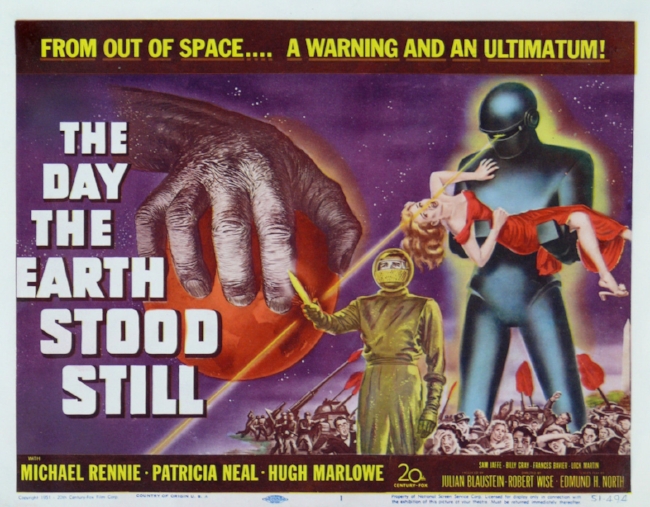
There is a common consensus that a cult movie doesn’t necessarily have to be a good one. Badly written scripts, low budgets and curious casting are just some of the things that can contribute to making a film a cult classic. Many movies of this idiom have showcased talent that subsequently went on to better things. Sometimes films that are hailed as complete turkeys or financial disasters upon release are retrospectively deemed of merit. Often it is films soundtrack that can be its one saving grace. Take for example Ennio Morricone’s prodigious body of work. He is considered by many to be one of the finest (if not the finest) film composer alive. Yet some of his best work has been for incredibly poor, flawed or indifferent films. Consider Hundra, Treasure of the Four Crowns or Orca for example.
There is a common consensus that a cult movie doesn’t necessarily have to be a good one. Badly written scripts, low budgets and curious casting are just some of the things that can contribute to making a film a cult classic. Many movies of this idiom have showcased talent that subsequently went on to better things. Sometimes films that are hailed as complete turkeys or financial disasters upon release are retrospectively deemed of merit. Often it is films soundtrack that can be its one saving grace. Take for example Ennio Morricone’s prodigious body of work. He is considered by many to be one of the finest (if not the finest) film composer alive. Yet some of his best work has been for incredibly poor, flawed or indifferent films. Consider Hundra, Treasure of the Four Crowns or Orca for example.
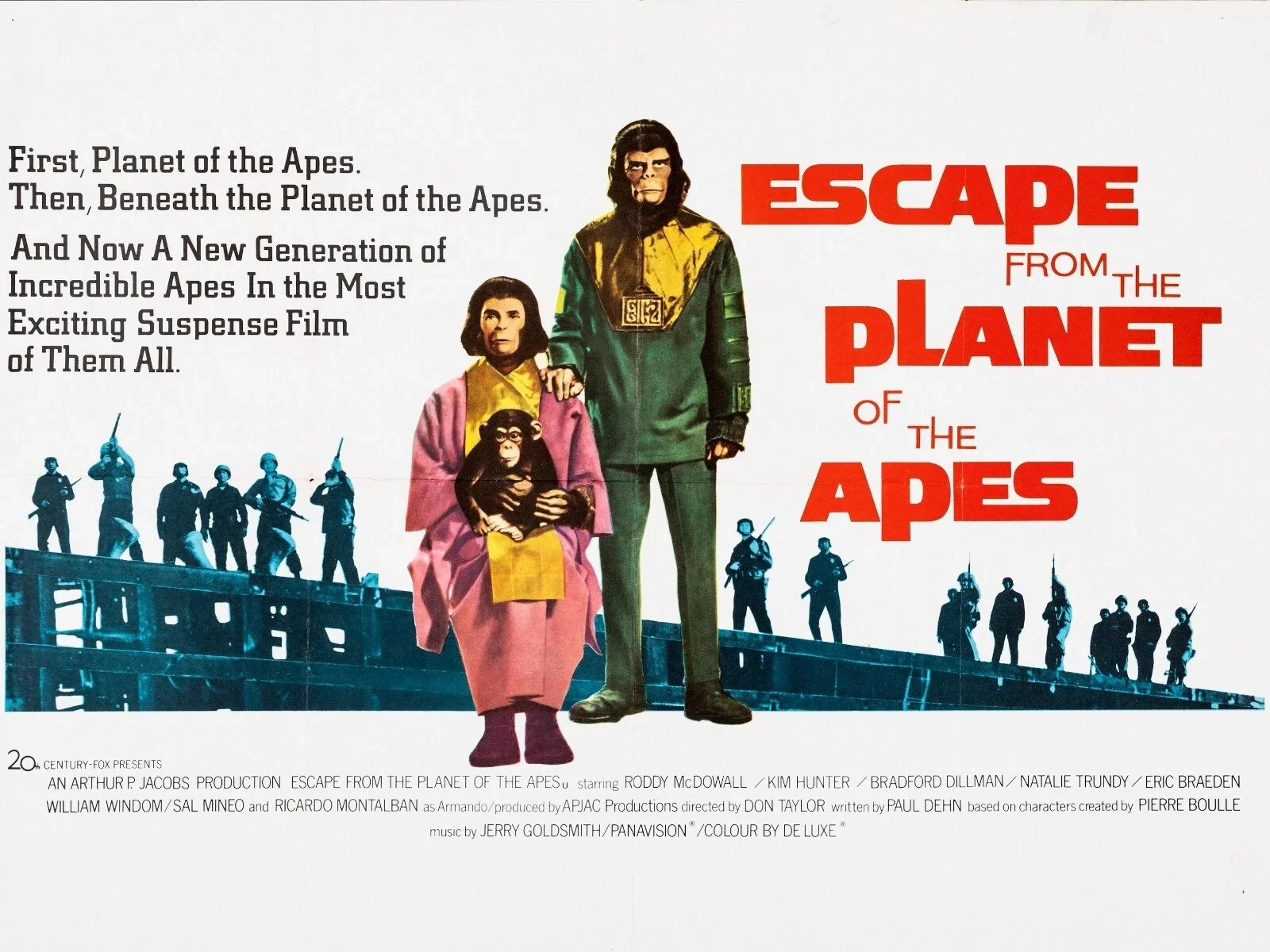
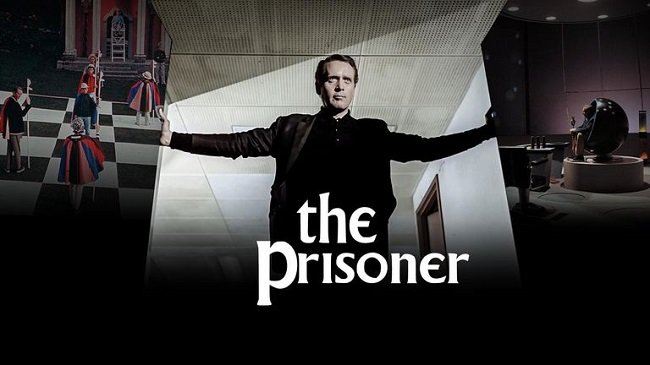
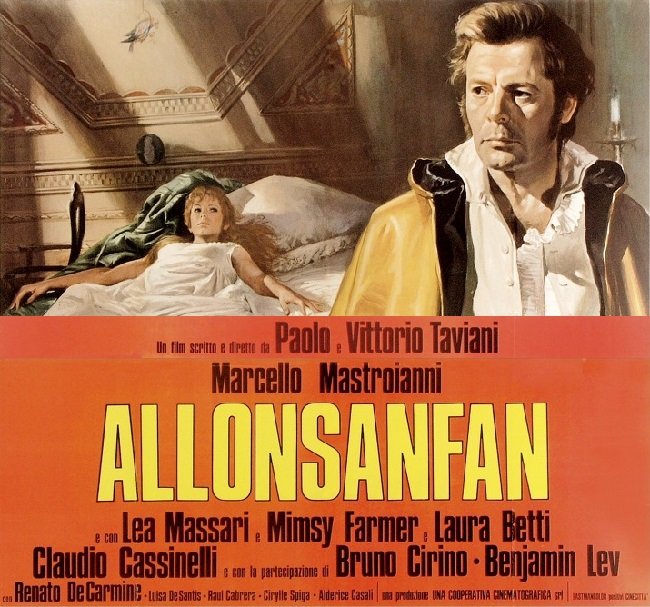
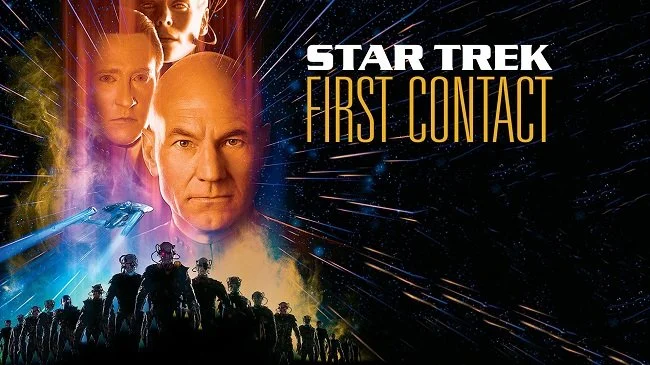
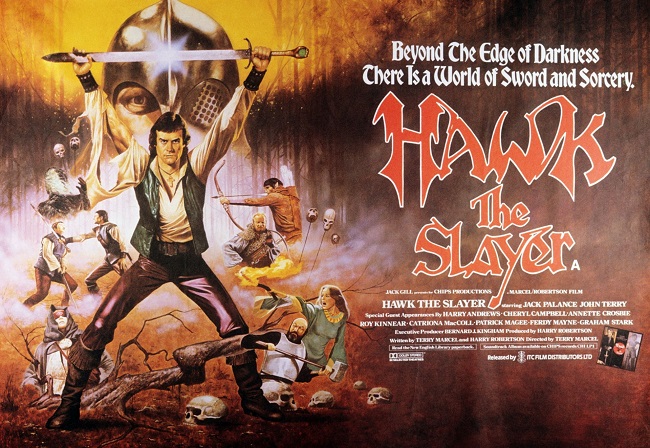
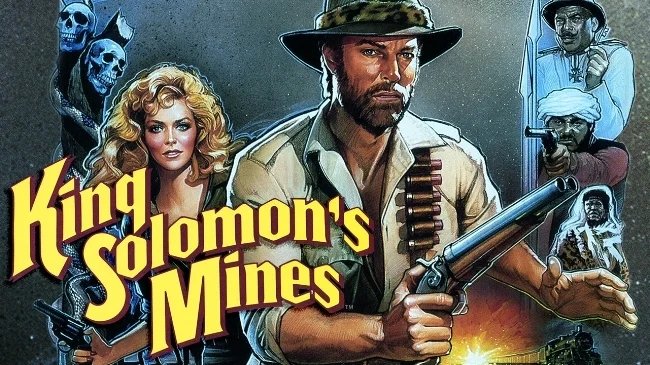
With this idea in mind I've collated five films that are for various reasons are labelled “cult” and have suffered the “slings and arrows of outrageous fortune” over the years. All have scores of interest and note, though for different reasons. I have chosen a track from each soundtrack which I think highlights the musical excellence and integrity of the composers involved. The genres are varied as are the musical styles and nuances of each piece. All clearly demonstrate how a well-conceived score can embellish and enhance a movie, effectively becoming a character in its own right.
Much has been written about Sir Lew Grade’s 1980 adaptation of the popular Clive Cussler’s novel, Raise the Titanic and precious little is complimentary. Yet despite the films faults which mainly came from multiple script re-writes, the soundtrack by the late John Barry is an outstanding piece of work. It captures the mood of the film perfectly, especially during the underwater sequences. Often it is played against extensive miniature work with little human interaction, yet it vividly enhances these sequences and conveys sense of urgency and risk associated with undersea exploration. I have chosen the cue when the submersible Deep Quest finally locates the wreck of the Titanic. The music changes from the sombre themes of the search to one of elation. This is vintage John Barry at his best.
The Beastmaster is the embodiment of a cult movie. A low budget, independent production from the early eighties designed to cash-in on the sword and sorcery boom of the time, it features a quality score by Lee Holdridge. Holdridge is primarily known for his work on television on such shows as Moonlighting and Beauty and the Beast. His forays into the world of cinema are less frequent but often of note. The Beastmaster is the story of Dar, who by a quirk of his birth has gained the power to communicate with beasts. The fact that his Black Panther sidekick is in fact a Tiger that’s been dyed is neither here nor there. The main theme for the movie is rousing and of a standard seldom seen in movies of this genre.
I make no bones about the fact that I utterly love this car crash of a movie. Lifeforce is a text book example of a movie that endured a tumultuous production and a last minute re-edit. There are vast differences between the US release of the film and the international version. The Shorter American print features a re-scored soundtrack by Michael Kamen, a very popular composer at the time. The lengthier, more coherent and marginally better European cut included the full original soundtrack by none other than the great Henry Mancini. It's not a name that you immediately associate with the Sci-Fi genre. However Mancini manages to bring gravitas to the proceedings with several finely polished cues that nearly make you forget the preposterous nature of the film. The main theme is a sweeping orchestral piece that really should belong to a better film.
Any film that features a repeating crossbow, death by silly string and Bernard Bresslaw cannot be all bad. Hawk the Slayer is a wonderful piece of low budget, sword and sorcery hokum. It is also very British. Producer Harry Robertson also wrote the film score and it is the embodiment of early eighties UK synth-pop. Drawing upon such diverse influences as Jeff Wayne’s musical version of War of the Worlds and the work of Ennio Morricone (specifically Westerns) it’s kitsch yet an engaging score. It utterly suits the idiom of the film and is immense fun although possibly for all the wrong reasons. The cue below is re-iterated through the early stages of the film as Hawk gathers his band of warriors.
Finally Battle Beyond the Stars was one of James Horner’s earliest scores. Considering the low budget of the film, it was extremely ambitious for the producers to pursue a full orchestral soundtrack arrangement. Many others would have opted for an electronic score. Yet Horner’s iconic main theme is incredibly accomplished and imbues the film with a quality and ambience beyond its humbled origins. It was this score that caught the notice of Paramount studios and subsequently led to James Horner composing the soundtrack for Star Trek II: The wrath of Khan. The title theme of Battle Beyond the Stars contains all the hallmarks of Horner’s style. Its use of brass and rhythmic cadence are instantly captivating and convey the spirit of the narrative.







My Work and Gaming Environment
I know a good bandwagon to jump on when I see one, so I’m also going to write about my personal work space. Joking aside I don’t consider this sort of post to be just filler. As a self-employed person my desk and PC set up has a major impact upon how I make my living. I spend a significant part of my week based at my desk, so it’s essential to me that it is an organised, efficient and healthy work space. As I use the same set up for recreational purposes, it is doubly important that this is an agreeable environment.
I know a good bandwagon to jump on when I see one, so I’m also going to write about my personal work space. Joking aside I don’t consider this sort of post to be just filler. As a self-employed person my desk and PC set up has a major impact upon how I make my living. I spend a significant part of my week based at my desk, so it’s essential to me that it is an organised, efficient and healthy work space. As I use the same set up for recreational purposes, it is doubly important that this is an agreeable environment.
First off there is my chair. It is an executive model that is two years old and has certainly seen better days. It conforms to all the usual health and safety regulations, being fully adjustable and fire resistant. However it doesn’t matter how well designed a chair may be, if you don’t sit in it properly then all its health benefits are mitigated. I have a tendency to slouch but when I do sit properly my trusty chair has proven to be comfortable and supportive.
The desk is actually a dining table I bought back in 2008. It is a little higher than the average office desk and as a result my monitor is directly level with my line of sight. I favour a clear desk and tend to avoid the miscellaneous bric-a-brac that usually accumulates. I keep an A4 notepad to hand as well as my 7 inch Android tablet. I use this so I don’t have to tab out of games to web browse and to also playback podcasts. This has the benefits of not placing additional system demands upon my PC. I tend not to eat at my desk while at work or gaming. I use a coaster for drinks because someone has to maintain standards.
My primary display is a single Samsung SyncMaster T240HD dual monitor and TV. This is a curious hybrid with a native resolution of 1920 x 1200. It’s becoming increasingly hard to find 24 inch screens that accommodate this resolution these days. Although seven years old this screen still has a bright and vivid image quality. Audio is via a pair of Logitech LS21 stereo speakers and subwoofer. These are over 12 years old but still provide adequate sound quality for gaming.
Having worked in IT for twenty years, I have until recently maintained a stockpile of spare peripherals. These were mainly surplus stock from corporate rollouts and tended to be Dell or HP items. I get through a keyboard and mouse every twelve months as I wear them out through constant use. This summer I exhausted my stock and had to buy a new gaming mouse. I chose a mid-range Steelseries Rival Optical mouse which I’ve found to be perfectly adequate. My keyboard is the one that came with my Zoostorm PC when I last upgraded in spring 2014. Cataloguing the finer details of one’s PC is incredibly tedious. Let is suffice to say I have system based around the ubiquitous Intel Core i-5 processor, an acceptable amount of RAM and a suitable Nvidia GPU. I recently upgraded to Windows 10.
Overall I am content with my work and gaming environment. Much of the hardware could be upgraded if I chose to but everything that is currently in place is both functional and a known quantity. The space in which you work and play is just as much about comfort and familiarity as it is about performance and reliability. So at present I am happy to maintain the status quo. It suits my needs eminently and ensures that my desk is free from water marks. Finally before anyone asks, yes I do dust my desk and PC about twice a week. I am not a barbarian.
Re-evaluating my Relationship with Twitter
I enjoy Twitter. I consider it to be an amusing diversion. It provides an opportunity to interact with friends that I’ve made all over the world. I find that swapping banter and trading quips with my twitter chums, often raises the spirits after a day filled with first world problems.
I recently went through my Twitter settings and “unfollowed” a lot of accounts. This included celebrities that only Tweet occasionally when they had a tour or a book to promote. Politicians and social commentators whose views and principles I find tiring. I even ditched a few fellow bloggers who have a tendency to whine or moan about their lot in life. You could argue that I’ve created an echo chamber and that I’m living in an online bubble. You may well be right. Humans often do the opposite of what they claim to believe. It’s like our default setting is one of cognitive dissonance.
I enjoy Twitter. I consider it to be an amusing diversion. It provides an opportunity to interact with friends that I’ve made all over the world. I find that swapping banter and trading quips with my twitter chums, often raises the spirits after a day filled with first world problems.
I recently went through my Twitter settings and “unfollowed” a lot of accounts. This included celebrities that only Tweet occasionally when they had a tour or a book to promote. Politicians and social commentators whose views and principles I find tiring. I even ditched a few fellow bloggers who have a tendency to whine or moan about their lot in life. You could argue that I’ve created an echo chamber and that I’m living in an online bubble. You may well be right. Humans often do the opposite of what they claim to believe. It’s like our default setting is one of cognitive dissonance.
The today at about 6:15 PM GMT the following Tweets appeared in my timeline. A timeline filled with gaming news, movie trivia, jokes and fun; a tide of light, ephemeral and utterly inconsequential inanities.
There amid all the trivia and decadence that we surround ourselves with on a daily basis was a picture of a small child, face down in the water on a beach in Turkey. Dead.
It took several seconds for this image to fully compute. What exactly was this picture that Father Roderick Vonhogen had unceremoniously dumped in my bright and cheerful timeline? So I followed the link to The Independent website and read the subsequent story. Then finally magnitude of what was depicted finally hit me and it hit me hard. I make no bones about the fact that I wept at the utter tragedy of what I saw and read.
If you can bring yourself to follow the link to the newspaper article, you’ll discover the very human face of the “ongoing migrant crisis” that is currently occurring across Europe. The child is believed to be a dead Syrian refugee, one of eleven that have died trying to reach the Greek island of Kos. Like many people, my perception of this political and social issue is both vague and abstract. Until today it’s simply something that has just occupied the news and frankly doesn't have any meaningful impact upon my cosy life.
Today that has changed.
I have no political axe to grind with regard this matter. I fully appreciate that all the factors that are contributory to the current wave of migrants are very complex. This is not a black and white situation and there are no easy solutions or quick fixes. I am sympathetic to the needs of both the migrants and refugees as well the populations of the European countries affected. But as a human being I can no longer ignore the fact that there is a very real tragedy taking place on my very doorstep. I cannot dismiss dead children washing up on beaches as if it were nothing. So tomorrow I shall start by lobbying my local Member of Parliament and seek clarification as to exactly what the UK government is doing with regard to this matter. Ironically my MP James Brokenshire, is also Minister of State for Immigration. Contacting my political representative may not have much impact but it’s a start. A position of concern is better than one of indifference.
And so we return to the subject of Twitter. Ultimately it is wrong to adopt a shoot the messenger mind set, after all my Twitter timeline is something of my own making. Plus it is intellectually flawed to assume that everything that is not a weighty issue is “bad” and should be dismissed. Relativism and context should not be thrown out with the bath water in a fit of knee-jerk self-pity.
However I do think that if Twitter is to continue to be one of the windows that I use to view the world, it may be time to take some steps to change the view. I need to leave my self-imposed comfort zone and allow a greater diversity of content in my timeline. Rather than disengaging with the world as I grow older, I need to do the opposite. Exactly what I should do I’m not sure but I feel that I should do something? Changing my use of social media is perhaps the first step of that process.
Brainstorm (1983)
Director Douglas Trumbull’s background in the special effects industry has given him a unique perspective on film making. It is said that he made Silent Running with its humane and environmental message as a direct response to Stanley Kubrick’s 2001: A Space Odyssey, which he saw as stark, cold and clinical. Brainstorm again takes a technological story and adds a very human angle. The production was delayed by the death of lead actress Natalie Wood and the studio was somewhat at a loss as how to sell this film once it was completed. Everyone else at the time was still making space operas and this cerebral piece of cinema was very much ahead of its time.
Director Douglas Trumbull’s background in the special effects industry has given him a unique perspective on film making. It is said that he made Silent Running with its humane and environmental message as a direct response to Stanley Kubrick’s 2001: A Space Odyssey, which he saw as stark, cold and clinical. Brainstorm again takes a technological story and adds a very human angle. The production was delayed by the death of lead actress Natalie Wood and the studio was somewhat at a loss as how to sell this film once it was completed. Everyone else at the time was still making space operas and this cerebral piece of cinema was very much ahead of its time.
Brainstorm is an innovate take on the traditional conflict between science and big business. Brilliant researchers Lillian Reynolds (Louise Fletcher) and Michael Brace (Christopher Walken) develop a system of recording people’s experiences, feelings and emotions. It is not long before this breakthrough attracts the attention of the military and Michael soon finds himself at odds with his employer. His devotion to his research also costs him his marriage. When his colleague suffers a fatal heart attack, she manages to record her dying experiences. Michael has to consider the risks to himself if he plays back the recording. In the meantime the Military have other ideas regarding both the tape and the future of the entire project.
Brainstorm is a thoughtful and somewhat sentimental film. Despite the technological setting, it deals with traditional themes such as love, death and taking responsibility for our own actions. Walken is ideally cast as the obsessive and driven scientist who neglects his family’s emotional welfare. Natalie Wood gives a warm performance as his estranged wife. The script is somewhat old school and adopts a rather conservative moral tone. The production design also reflects what was considered to be cutting edge technology in the early eighties. It’s interesting to see the reliance on telephony and mainframes in the days before the internet, as well as the lack of optical or solid state media.
Brainstorm features several sub plots that are not fully developed. This may be due to the re-editing that had to be done to accommodate Natalie Wood’s death. There is also a rather incongruous sequence where a production line is sabotaged. This descends into slapstick, with security personnel desperately trying to cope with the mayhem while wading around in a sea of fire retardant foam. Yet despite these minor criticisms, Brainstorm still manages to engage the mind in a thought provoking manner. The optical effects are outstanding for the pre-digital age. The ending with its glimpses of heaven and hell are very intriguing. Apparently a lot more footage was shot for these scenes but omitted from the final edit, possibly for ratings reasons. There is definitely footage in the trailer that is not in the theatrical release.
I saw Brainstorm on video on its initial release. At that time it was only available in 4:3 pan and scan format. The current Blu-ray release shows the film in two aspect ratios. 1.85:1 for the real world scenes and 2.20:1 for the “recording” of others peoples experiences. Sadly rather than switching between ratios, the print is formatted to the larger format and thus shows majority of the movie is a picture box presentation which is far from satisfactory. Douglas Trumbull wanted to film the entire movie in an experimental format that ran a 60FPS but studio vetoed this idea for financial reasons the. Despite a difficult production and it’s narrative inconsistencies Brainstorm still merits viewing and will appeal to the more thoughtful and discerning viewer.
The Challenge of Writing Daily
Writing content for your blog or website on a daily basis can be very challenging and quite daunting. That’s why I’m very impressed with those who have stayed the course of this year’s Blaugust writing event and fully understand why others opted to stand down. For some posting a blog post everyday simply cannot be sustained due to time restrictions. Real life can be very demanding. For those who have managed to sustain writing throughout August, it will be interesting to learn their thoughts on the event and whether they choose to continue to post every day.
Writing content for your blog or website on a daily basis can be very challenging and quite daunting. That’s why I’m very impressed with those who have stayed the course of this year’s Blaugust writing event and fully understand why others opted to stand down. For some posting a blog post everyday simply cannot be sustained due to time restrictions. Real life can be very demanding. For those who have managed to sustain writing throughout August, it will be interesting to learn their thoughts on the event and whether they choose to continue to post every day.
Blogging on a daily basis is a great way to improve one’s writing skills and refine your creative processes. It teaches time management and the realities of working to a deadline. I’m sure many bloggers may have noticed a change over the month as their personal approach to writing has evolved. Hopefully the process of creating a post is a lot quicker now than it was thirty one days ago. Over the years I have found that continuously producing content has made me a more organised writer. I frequently make notes, conduct research and ensure that I have a suitable writing environment, free from distractions.
Blaugust has also had a very positive effect on the blogging community. I believe more writers have undertaken the challenge this year than last. There have been several posts of an interactive nature, encouraging writers to pick up the baton and offer their personal perspective on specific subjects. Riffing off each other can be an excellent solution to writers block. It also means that comments and traffic are shared as the discussion moves from blog to blog. The trackbacks and links have proved a great way to discover new writers and sites and as a result I shall be creating a new blog roll.
One of the best things about Blaugust is the way it’s encouraged many writers to diversify their content. Writing about a single subject has benefits but can be restricting at times. It has been very enjoyable to read peoples thoughts on subjects other than gaming. Perhaps it may encourage others to broaden their creative remit. Doing so can certainly make content creation a lot easier and extend the lifespan of your blog. After all interests and passions do change and take new directions overtime. There used to be a mind set about five years ago that a blog had to be specific and focused. I think we are now far more accepting of lifestyle related sites or those that cover popular culture or provide a stream of consciousness.
As I stated in my relaunch post at the beginning of August, Contains Moderate Peril, it will no longer continue with its daily schedule, after the Blaugust event ends. I have written virtually every day since 2011 and although it has proven to be both enjoyable and rewarding, I can no longer sustain such a schedule due to real world commitments. As a result of my evolving relationship with gaming I prefer to write more in-depth “think pieces” about the industry and community, rather than commentary on what I'm currently playing. So there may be a shift in style and tone in my posts.
Despite a potential reduction in output, I find that I'm enjoying writing and creating content more so than I have previously. I feel that I have finally got a handle on both podcasting and blogging, after nearly eight years. Rebooting the site has also proven to be a shot in the arm and has contributed to my positive outlook. Hopefully Blaugust has had an equally positive effect upon my blogging colleagues and that the rigour of a daily writing regime has also afforded an opportunity for introspection and growth. I still firmly believe that it is both important and beneficial that regular people express themselves through the written word and that there’s always an alternative to the mainstream press.
Outland (1981)
Outland was one of the first AA rated movies I ever saw (which is now an obsolete rating in the UK). I remember that I was expecting the worst because the trailer implied that there was at least one exploding head featured during the film. Turns out there were two. Anyway the movie made a strong impression upon me at the age thirteen and I have revisited it numerous times since its release. I recently discovered that Outland had been given a Blu-ray release from Warner Brothers and decided to watch it once again but this time with a more critical eye rather than a nostalgic one.
Outland was one of the first AA rated movies I ever saw (which is now an obsolete rating in the UK). I remember that I was expecting the worst because the trailer implied that there was at least one exploding head featured during the film. Turns out there were two. Anyway the movie made a strong impression upon me at the age thirteen and I have revisited it numerous times since its release. I recently discovered that Outland had been given a Blu-ray release from Warner Brothers and decided to watch it once again but this time with a more critical eye rather than a nostalgic one.
The story is very straight forward being essentially a western in outer space. Federal Marshal O’Neil is beginning a year’s tour of duty at a major mining facility on Io, one of Jupiter’s moons. After a spate of suicides and random violent crimes, the Marshal discovers that General Manager Sheppard (Peter Boyle) is distributing drugs among the work force to increase productivity. The side effect of long term addiction leads to psychosis. Unable to trust his fellow officers the Marshal find his only ally is the facilities cynical chief medical officer, Dr. Lazarus (Frances Sternhagen). O’Neil’s investigations inevitably lead to him to a show down with two contract killers.
You would have to be an extremely causal viewer not to see shades of High Noon in this movie. But unlike the westerns of the 50’s with their sanitised depiction of the West, this frontier in space is grimy, seedy and altogether plausible. Writer/Director Peter Hyams creates a credible working environment, similar to that of an oilrig. Everything is functional and basic. There is no privacy or glamour. The future is run by big corporations and driven by return on investment. It’s a bleak and rather all too familiar world.
What elevates Outland above the standard of similar genre products from the time is the universally high standard in every aspect of the production. The script is tight, honest and plays to the strengths of the lead actors. The dynamic between Connery and Sternhagen is very plausible, with dry quips, cynicism and grudging respect. The sets are claustrophobic and depressingly credible. The technology on display hasn’t dated too much. Hyams did not make the usual genre mistakes such as exotic costumes and weaponry. The miniature work by Martin J. Bower is outstanding and the Introvision front projection effects works still look acceptable.
Peter Hyams has always been somewhat underrated as a director. All the hallmarks of his previous works are present in Outland. There is a well-crafted chase scene, the mythical “good cop” and corporate/political conspiracies. Of course the movie is not without fault. You can easily question some of the science and there are a few plot wholes. However, the sheer presence of Sean Connery overshadows these minor quibbles. The movie is a showcase for his acting talent which is often overlooked. Outland also demonstrates that can get a lot of mileage from a classic tale and if you are sufficiently inventive. By not involving aliens in this vision of the future and showing that man’s worst enemy in space is himself, the tale maintains credibility.
Outland still remains a finely crafted, character driven thriller. It transcends the usual limitations that some studios impose upon the genre to be a superior piece of film making. There’s not a slack moment in the narrative which is perfectly paced. It would also be remiss of me not to mention the atmospheric score by Jerry Goldsmith. Warner Brothers Blu-ray transfer is very good and the movie looks crisp and clear. Obsessive movie fans you can finally do a comprehensive frame by frame analysis of P.H. Moriarty’s head explosion. For a movie that is thirty one years old, it holds up very well and is still solid entertainment.
Retro Gaming
Despite having a robust gaming PC and a multitude of new titles to choose from, I have recently found myself returning to older games. I even went so far as to track down a SNES emulator recently so I could revisit some classic titles. Retro gaming is a curious phenomenon and a more complex subject than you may expect. Having examined my own motives and feelings I have concluded that it is not driven purely by a rose tinted view of my gaming past. So I thought it would be interesting to list some of the different factors that have encouraged me to look backwards, rather than forwards. I suspect they may strike a chord with other gamers.
Despite having a robust gaming PC and a multitude of new titles to choose from, I have recently found myself returning to older games. I even went so far as to track down a SNES emulator recently so I could revisit some classic titles. Retro gaming is a curious phenomenon and a more complex subject than you may expect. Having examined my own motives and feelings I have concluded that it is not driven purely by a rose tinted view of my gaming past. So I thought it would be interesting to list some of the different factors that have encouraged me to look backwards, rather than forwards. I suspect they may strike a chord with other gamers.
The power of nostalgia.
Nostalgia is a very strong emotion that is often perceived to be a false interpretation of past experiences. However it doesn’t have to be so. One can be nostalgic while maintaining a degree of balance and perspective. When I started console gaming in the early nineties I found games to be far simpler and accessible. I often played them for long periods with a circle of friends. Overall this was a good period in my life so I don’t consider my memories of this time to be incorrect or misleading. I had a similar experience with MMOs and as a result enjoyed the genre the most between 2008 and 2010. Although it is impossible to recreate these experiences, simply by revisiting specific titles, I do sometimes get a flashback of how I use to feel and it is often brought about by the most trivial of things.
Bargain prices.
Many classic titles are still available usually at bargain prices. The advent of gaming bundles is a major contributory factor to the rise in retro gaming. Ten dollars will buy you a fistful of titles, where many modern games and DLC can cost you six or seven times more. Google is your friend when it comes to tracking down older and discontinued titles. There are plenty of forums where vintage titles are exchanged and traded. If you are comfortable with straying off the path of legality and entering the “grey” market, then there are even more options available to you.
Better gaming?
It is frequently argued that some older games are superior to their modern equivalents. Although they may be graphically lacking, they often have stronger game mechanics, challenge the player more and require a greater degree of application. However this is not a universal rule. Ultimately this comes down to personal taste, although I do think that the technical limitations of the previous decades did force the game designers to be more innovative. Another thing to consider is “replayablity”. There are console titles from the nineties that I regularly return to and enjoy. I don’t find this to be the case so often with contemporary titles. Perhaps the simplicity factor is the key here.
Emulation.
I have emulators for several old consoles installed on both my phone and my seven inch tablet. The simple nature of many of the SNES and Genesis titles makes eminently suitable for these platforms. Unlike many contemporary Android and iOS games, retro games do not restrict content behind pay walls or mislead you about their gameplay. Emulators can also improve and enhance classic titles to standards beyond their initial incarnation. PC emulators will often add multiplayer and other features that weren't necessarily available on some titles.
Running older games on modern PCs.
Because technology has advanced so rapidly over the last three decades, many older PC games will not run in a modern Windows 64 bit environment. However companies such as Good old Games do optimise classic titles and bridge the compatibility gap. If you are technically minded it can be an interesting challenge to see if you can do this for yourself. I spent several hours recently looking at re-installing the classic horror title Nocturne. Designed to run on Windows 98 and with older graphic cards, the game can be coaxed to run normally with a few tweaks and additional drivers.
I do not view retro gaming as an alternative to contemporary gaming, nor do I consider it preferable. It is simply another facet of gaming per se and something to be enjoyed as equally as playing the latest blockbuster or indie title. Does reading Charles Dickens or Joseph Conrad constitute retro reading? Once again we have a phenomenon that really requires a more sophisticated name, rather than a binary label such as retro or old school.
I do think that as games have evolved over the years, the technicalities and aesthetics have on some occasions over shadowed the gameplay or narrative. Necessity is the mother of invention and some older titles had to rely more on their creativity rather than on their looks. But this is a subjective observation rather than a hard and fast rule. There are just as many old titles that are bad as well as modern releases.
I would encourage younger gamers to checkout some of the classic games titles as it may well prove both fun and illuminating. Having an informed perspective on the past can be very useful when considering the present. Reconnecting with older games can demonstrate how some underlying concepts and mechanics are timeless and why they’re still prevalent today. It’s also amusing to consider that many of the title that we consider cutting edge, will be deemed old school in thirty years’ time and subject to scepticism and amusement by our children and grandchildren.
My Name is Nobody (1973)
As the Western waned in popularity in the seventies, the Italian market was still further revising this already stylised genre with a distinctly comedic element. The uniquely European approach to slapstick was introduced as a mean to try and explore the genre in new ways. Unlike US comedy Westerns such as The Hallelujah Trail and There Was a Crooked Man, their Italians counterparts seemed to have an allegorical theme and as ever a heavy political sub-text. They were also steeped in the unique audio and visual style of their makers.
As the Western waned in popularity in the seventies, the Italian market was still further revising this already stylised genre with a distinctly comedic element. The uniquely European approach to slapstick was introduced as a mean to try and explore the genre in new ways. Unlike US comedy Westerns such as The Hallelujah Trail and There Was a Crooked Man, their Italians counterparts seemed to have an allegorical theme and as ever a heavy political sub-text. They were also steeped in the unique audio and visual style of their makers.
My Name is Nobody (Il mio nome è Nessuno) is perhaps the most obvious example of this curious cinematic sub-category, pairing iconic Hollywood Western actor Henry Fonda with the visually charismatic Terence Hill (Mario Girotti). Upon first look this is a simple tale of an ageing gunman Jack Beauregard, who’s tired of his legendary reputation and the constant attempts upon his life from those who seek fame by killing him. Things take a curious turn when he meets an enigmatic Saddle Tramp (who claims to be “nobody”), with an unorthodox plan to take his crown. After a series of misadventures the unlikely pair find themselves facing The Wild Bunch; a gang of a hundred gunmen.
My Name is Nobody is a leisurely paced movie with many of the usual tropes of the genre. Gunfights are meticulously staged and shot (the opening scene was allegedly conceived and devised by Sergio Leone). There are also extensive slow motion montages of horseman riding, set to yet another outstandingly quirky Ennio Morricone Soundtrack. Director Tonino Valerii handles the simple slapstick humour with aplomb. Viewers have the option of ascribing a deeper meaning to the story, if they are of a philosophical bent.
This is an enjoyable Western, if approached with the right frame of mind. The humour is mainly visual and of a physical nature. Don’t go expecting anything like Blazing Saddles. As ever with a genre that is more interested in style and aesthetics rather than logic, there are several plot holes and tonal inconsistencies. Also be aware that there are a large amount of horse falls in the climatic action sequence. Such stunt work is not to everyone’s liking. Overall My Name is Nobody is a curious hybrid and in some ways that in itself makes it quite special. Such experimentation with an established genre is a rarity these days.
Pontypool (2009)
If you like your entertainment to be perfunctory, devoid of any requirement for you to think, or use your imagination then do not watch Pontypool. If you are expecting a bog standard zombie film, then Pontypool will not be for you. However if you are tired of the generic studio offerings that are slowly killing the genre, have an enquiring mind and fancy seeing a different take on an established theme, then do watch Pontypool. It's not without its faults and does sail close to the wind with regards to being pretentious. But then again, semiotics is a complex subject.
If you like your entertainment to be perfunctory, devoid of any requirement for you to think, or use your imagination then do not watch Pontypool. If you are expecting a bog standard zombie film, then Pontypool will not be for you. However if you are tired of the generic studio offerings that are slowly killing the genre, have an enquiring mind and fancy seeing a different take on an established theme, then do watch Pontypool. It's not without its faults and does sail close to the wind with regards to being pretentious. But then again, semiotics is a complex subject.
Pontypool is about a Talk Radio Shock Jock in the twilight of his career, who becomes aware of a possible zombie apocalypse that is unfolding during the course of his daily radio phone-in. However the story subsequently focuses on how we as a population react and consume news, rather than simply regaling us with the undead munching on the living. Set mainly in the radio studio, the atmosphere is claustrophobic and brooding. This is a character driven movies with the emphasis on themes rather than action. If you are looking for a wealth of blood and gore then you’ll not find it.
Stephen McHattie, an underrated actor, gives an engaging performance as DJ Grant Mazzy and director Bruce McDonald delivers a minimalist film that still manages to achieve both scientific and political satire. Ultimately more questions are raised than answered but you never feel that writer Tony Burgess is copping out. This is a movie about ideas and it is therefore logical that the production is intended to not only entertain you but make you think. The central theme of the movie about the power of words and how they become the literal medium for a virus is indeed thought provoking.
Pontypool is a rare find; a cerebral horror movie and as such it will not necessarily appeal to mainstream viewers looking for a quick fix of shocks and thrills. However the horror genre is far broader in scope than many consider and Pontypool proves that it can be a medium for more intelligent stories. It certainly puts many contemporary horror movie offerings such as the Paranormal Activity franchise in the shade. Therefore Pontypool is recommend to open minded movie fans seeking a more challenging ninety minutes.
Mr. Tickle by Roger Hargreaves (1971)
Mr. Tickle was written in 1971 and if we wish to gain a greater understanding of this work, then we need to consider the political and historical landscape of the time, as so much of it is reflected in the subtleties of the text. This was the year that the UK changed its currency through decimalization. While Cambodia was ravaged by the Khmer Rouge, America opened Disney World as a shrine to capitalism and consumerism. These were turbulent times which saw the passing of old established world orders. The idea of whether the individual can have a meaningful impact upon the world during such an era is examined and stripped bare in Mr. Tickle, if one takes the time to find it.
Mr. Tickle was written in 1971 and if we wish to gain a greater understanding of this work, then we need to consider the political and historical landscape of the time, as so much of it is reflected in the subtleties of the text. This was the year that the UK changed its currency through decimalization. While Cambodia was ravaged by the Khmer Rouge, America opened Disney World as a shrine to capitalism and consumerism. These were turbulent times which saw the passing of old established world orders. The idea of whether the individual can have a meaningful impact upon the world during such an era is examined and stripped bare in Mr. Tickle, if one takes the time to find it.
Roger Hargreaves’ first work, Mr. Happy is regarded by many as his masterpiece. Mr. Tickle is something of a rarity amongst his body of work as it bucks the author’s previous style. The impact of excess or entrenched dogma, as seen in Mr. Greedy and Mr. Messy, are not explored in this story. Nor are the complex social ramifications of such monomanias dissected, as in those erudite cautionary tales, Mr. Nosey and Mr. Noisy. Mr. Tickle is a far more existential tale and easily the equal of Catcher in the Rye.
In many respects Mr. Tickle is an enigma, depicting a man free from the restraints of civilization. His pursuit of sensual enjoyment via the medium of tickling is both hedonistic and threatens the social order. For example he causes a postman to drop all his letters in a puddle, the tickling of a policeman ends in a traffic jam and his unbridled tactile stimulation of a Teacher leads to a rapid breakdown of classroom discipline. Yet it also demonstrates society’s inability to deal with anything outside of perceived social norms and customs. It is interesting to note that no sanction is taken against Mr. Tickle and the author cunningly infers that the protagonist actions ultimately liberate his “victims”, like a bizarre form of “Stockholm Syndrome”.
Does this make Mr. Tickle a terrorist? His weapons are laughter and his extraordinary long arms, yet they are as devastatingly effective to the establishment, as an AK-47 or a hand grenade. Though his principal targets wear uniforms, Mr. Tickle does not have the same goals as the contemporary revolutionary organisations such as the Red Brigade or the Baader-Meinhof Group. Hargreaves’ is not interested in over throwing the established order from without but seeking reform from within, by the removal of social conditioning. Freedom through “tickling” is used as a metaphor for existential self-realisation.
It should be noted that Mr. Tickle himself is not an unchecked force of nature. Indeed he is the embodiment of measured restraint and not tainted by the “shock and awe” excesses of the Robert McNamara generation. At the end of his day’s exploits he calmly reflects on events, in a sober and sanguine fashion from the comfort of his armchair. He extols the virtues of catharsis as an escape from restrictive social conventions and entrenched establishment dogma. He demonstrates that all humans need to embrace their desires to a degree and to deny them is to deny our very humanity. Cormac McCarthy takes two hundred and forty six pages to reach this conclusion, in his novel The Road. Hargreaves does it in thirty two.