
Game Maps
I've been pondering of late the subject of game maps and how they can vary quite radically from title to title. Size, content and instancing can all have an impact on a maps accessibility and the way they are perceived. Then there is the issue of individual player tastes and preferences. Those who like to explore will happily spend time attempting to access remote nooks and crannies. Others will quickly become frustrated if there is no direct route to their goal, as with Guild Wars 2: Heart of Thorns. A games genre also has a significant impact upon map design. A FPS or MOBA has different requirements from it virtual environment that an MMO. I'm sure there are far more variables involved in a maps creation. However, I think most gamers seem to inherently know when the developers have got it right.
I've been pondering of late the subject of game maps and how they can vary quite radically from title to title. Size, content and instancing can all have an impact on a maps accessibility and the way they are perceived. Then there is the issue of individual player tastes and preferences. Those who like to explore will happily spend time attempting to access remote nooks and crannies. Others will quickly become frustrated if there is no direct route to their goal, as with Guild Wars 2: Heart of Thorns. A games genre also has a significant impact upon map design. A FPS or MOBA has different requirements from it virtual environment that an MMO. I'm sure there are far more variables involved in a maps creation. However, I think most gamers seem to inherently know when the developers have got it right.
For me one such example of a map being "just so" is Skyrim. The landmass is about sixteen square miles, which is big but pales into significance when compared to Just Cause 2 which clocks in at four hundred square miles. However, the thing that Bethesda has got right with Skyrim is the balance between the size of the area, the amount of content and aesthetics. The day and night cycle, coupled with procedurally driven events makes it feel like a living environment. You can watch as villagers go about their tasks and farm animals graze for food. The fact that there's no instancing when travelling above ground until you entered a building, also provides an air of authenticity.
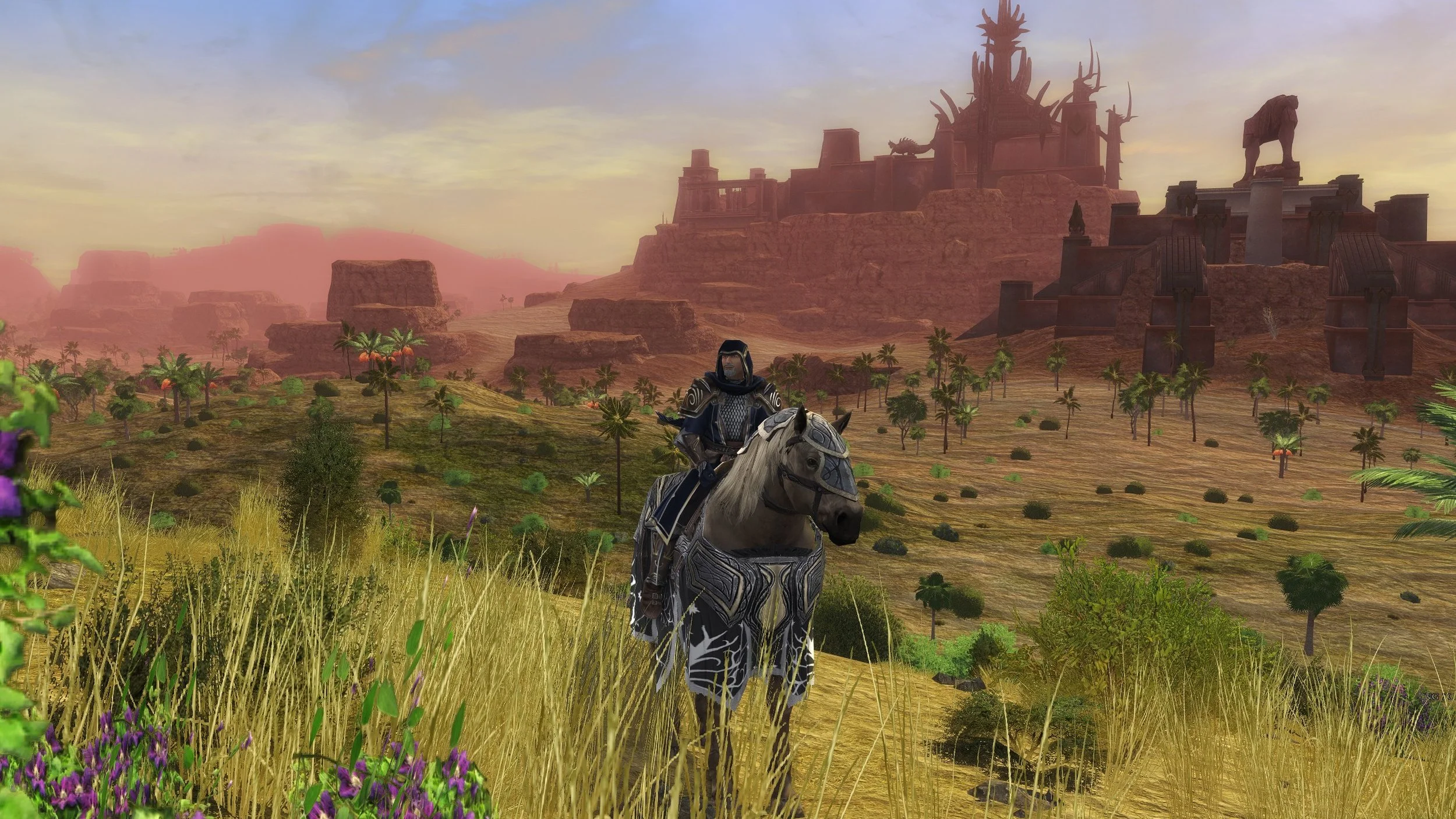
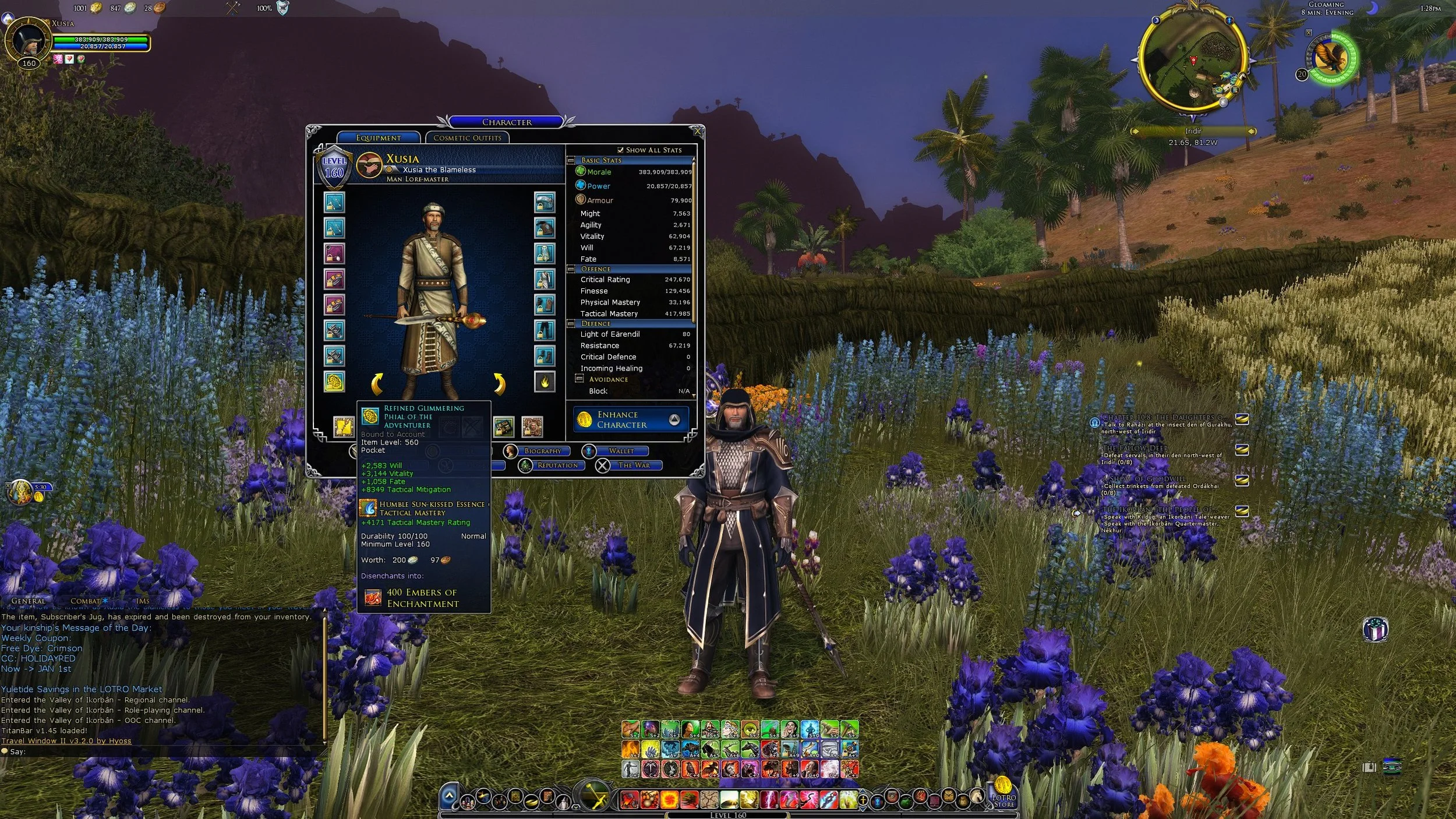
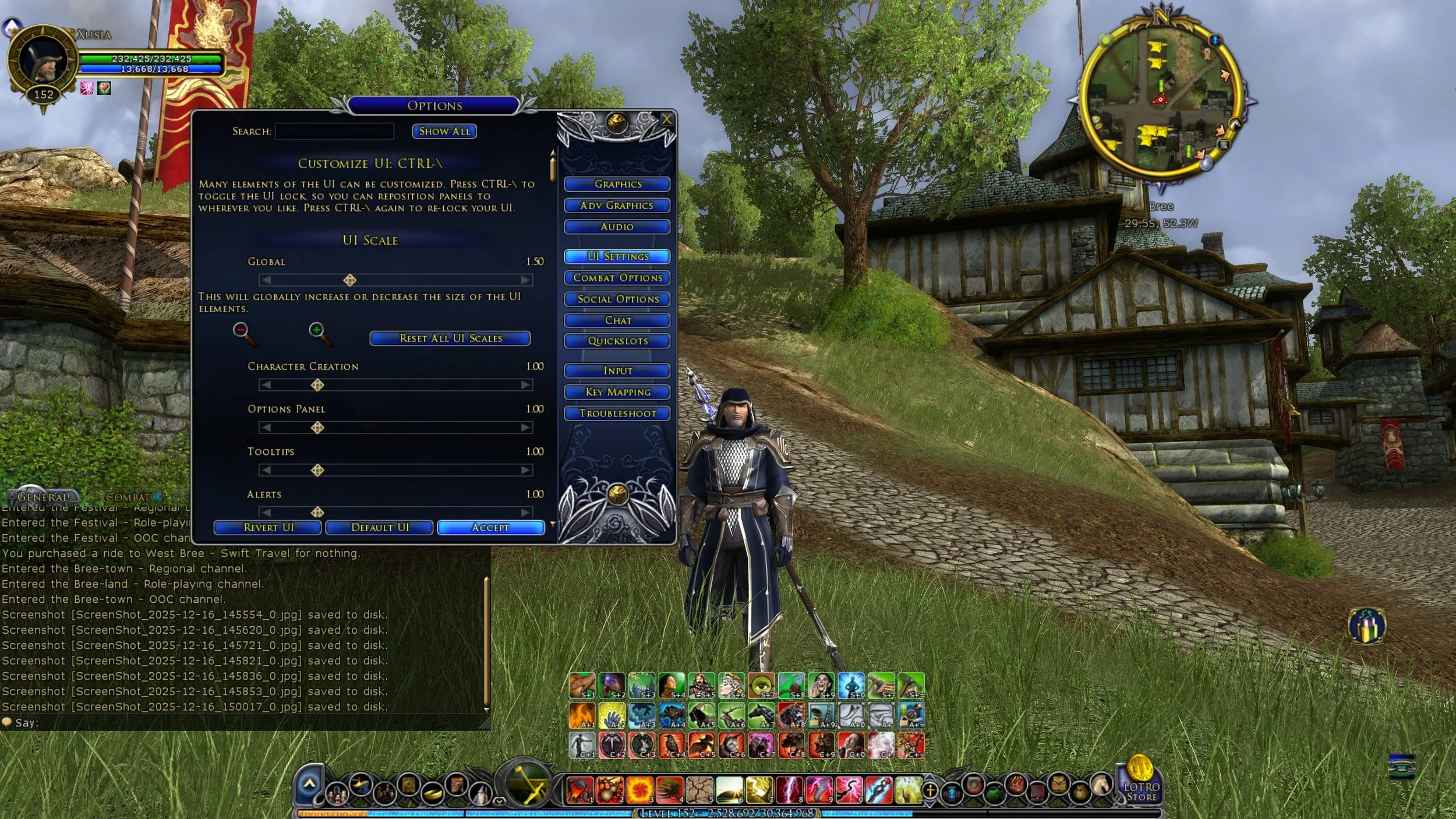
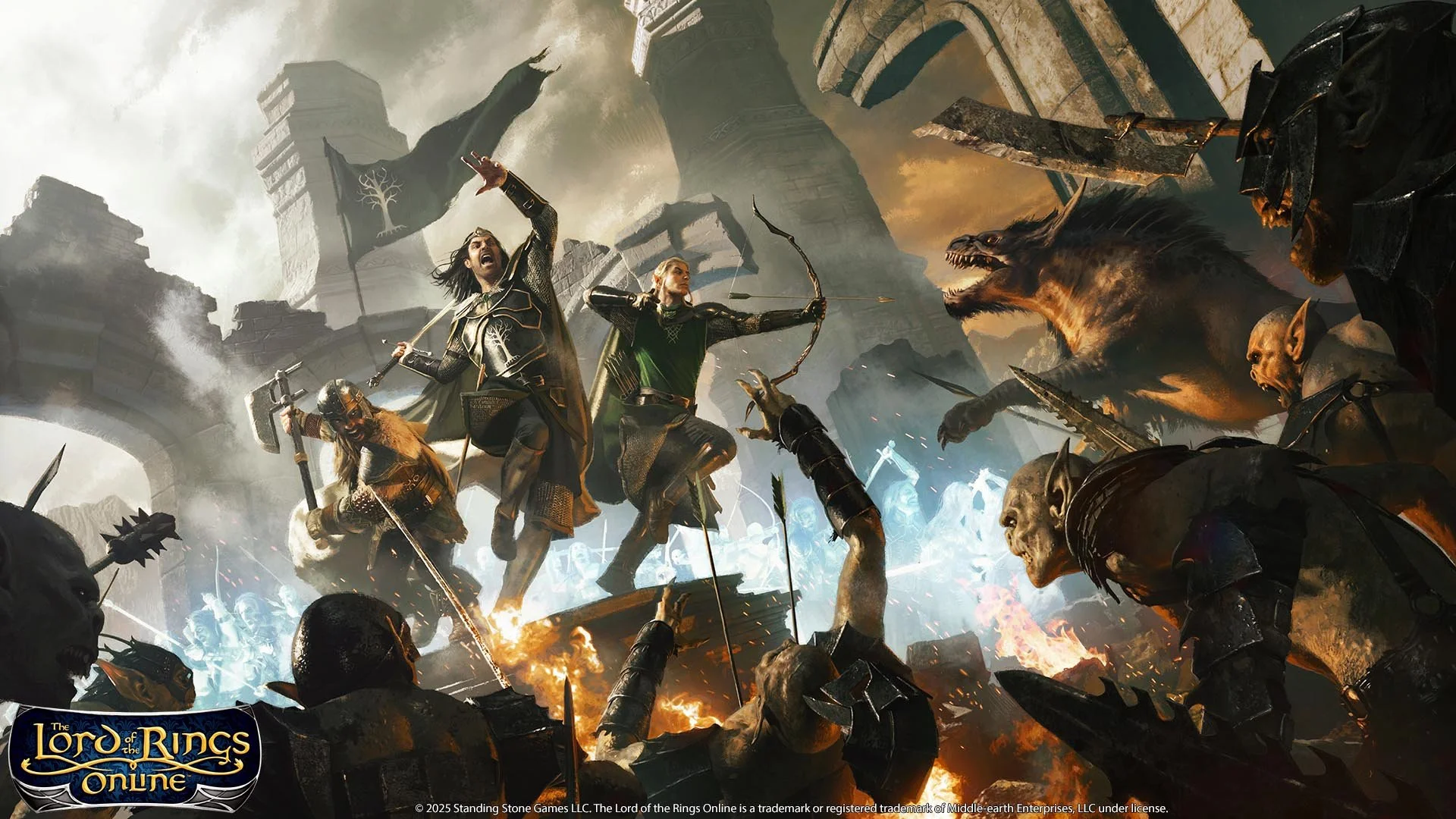
In the halcyon days of LOTRO, Bree-Land was prime example of a rich and varied MMO game map. Although it doesn't have the faux living dynamic of other games, it remains a large and varied landmass with plenty of content to seek out. It also makes a half decent attempt at realising the geography as written in Tolkien's source text. LOTRO still remains a game with a handsome world design but the regions that have subsequently been added of late are far more functional in their construction. Players often cannot access certain areas due to rivers and mountains and find themselves funnelled through pleasant zones on the way to the next quest hub. However more recent MMO's such as ArcheAge and Guild Wars 2 still encourage the exploration of their game worlds and have devised content around players desire to do so.
The open world cities of Mafia 3 or GTA V can also be compelling environments to immerse oneself in. Like their real-world counterparts, both New Bordeaux and Los Santos have distinct zones such as commercial and residential areas. Again random events occur to the citizens as you travel through the map. Weather systems and a customisable day and night cycle again lend credibility to the setting. Unlike fantasy games, these titles have the advantage of contemporary embellishments such as radio stations, roadside advertising and inner-city congestion; all adding to the overall ambience. You can visit bars and diners and watch “life rich pageant” unfold, or at least the developers nearest approximation of it.
However, game maps are still very much determined by the prevailing technology and although things are progressively getting better, there are still limitations. The MMO genre not only has to consider such factors as draw distances and texture loading but there is the question of the players themselves. The game engine has to accommodate both the environment and the population. Unless you have a very high-end gaming PC, then you will often notice system foibles such as "pop-in" as objects appear as you get closer to them. SWTOR and LOTRO are two older MMOs that suffer from this technical idiosyncrasy. Often developers will try to fudge this by blocking line of sight or introducing haze, fog or some other environmental workaround. Single player games have different demands upon them, allowing titles such as Crysis to have draw distance of over nine miles.
Irrespective of a maps design, its success ultimately depends upon how well it is integrated into the game. The two zones of Mordor and Nurn in Middle-earth: Shadow of Mordor are relatively small but diverse and well implemented. There is a wealth of topographical features that break up the landscape in a very organic way. Unlike some MMOs, this is not done is such an arbitrary and linear fashion. North Africa is well realised in Sniper Elite III, affording the player multiple routes to various targets, across varied terrain. This greatly enhances the re-playability of the game. In Sniper Elite IV, the Sicilian villages and seaports are extremely credible and authentic. The rolling fields and forests of The Witcher 3: Wild Hunt are expansive and atmospheric with a distinctly Eastern European feel to them. Furthermore, the landscape is populated in a credible fashion. Bandits will make use of remote and covered areas. Regions of Wilderness are appropriately empty with minimal amounts of NPCs.
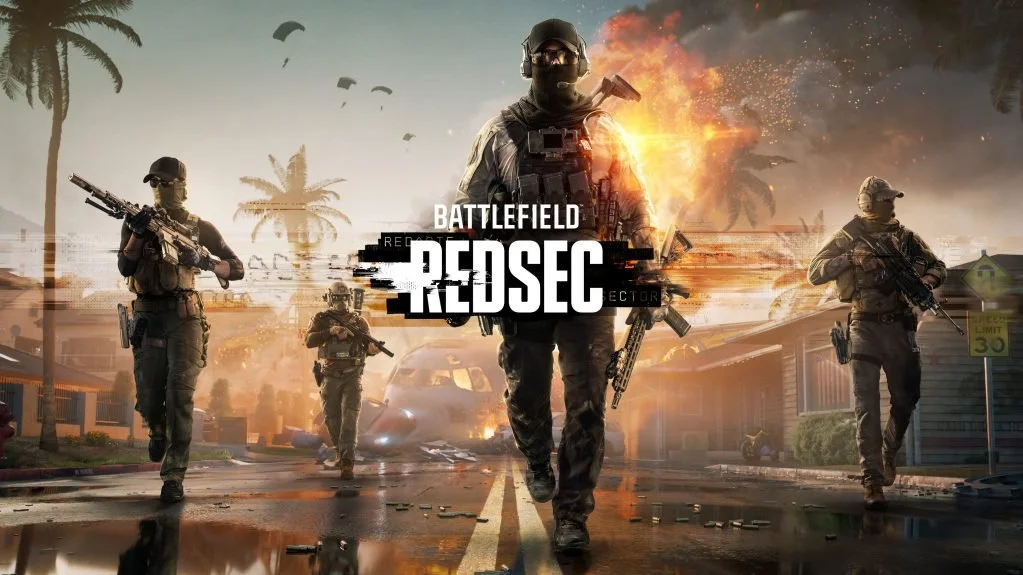
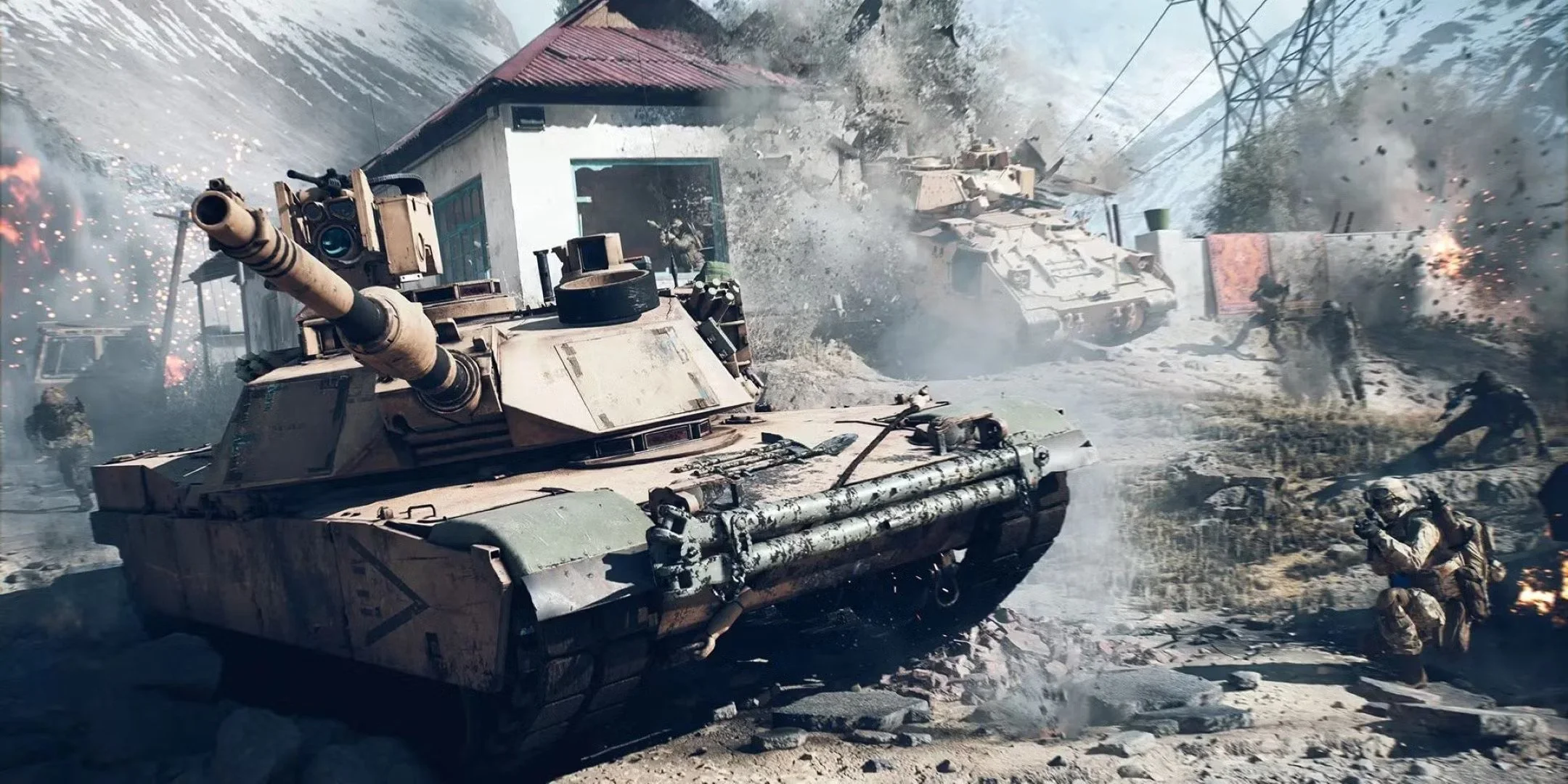
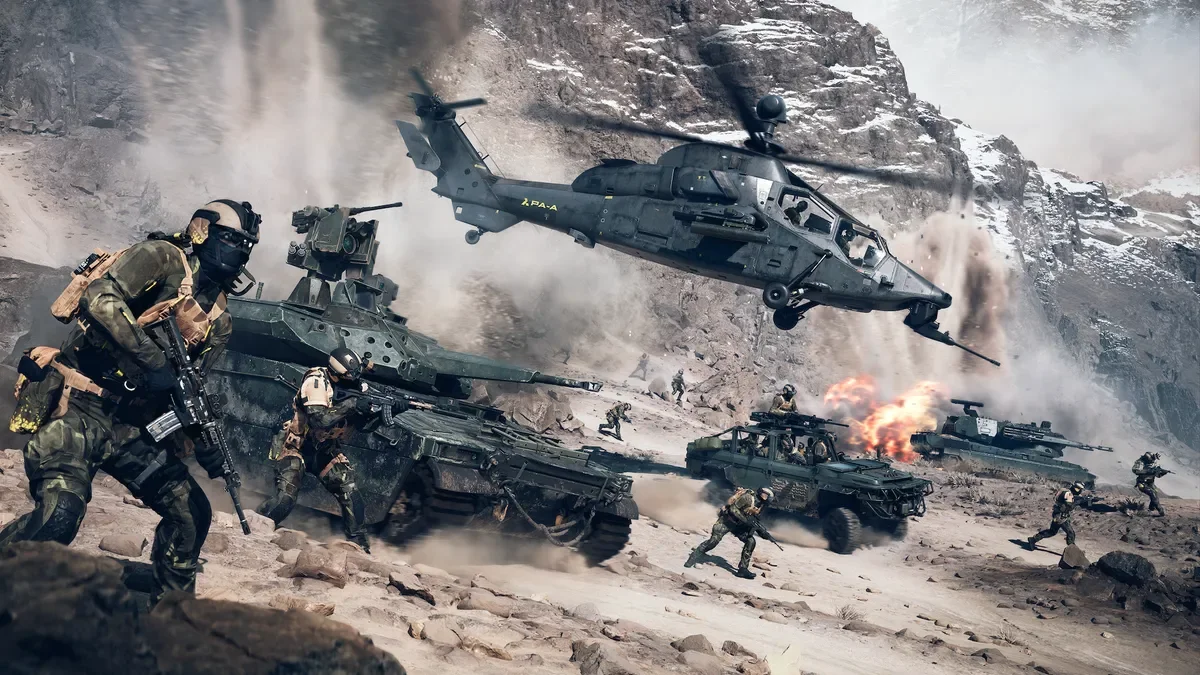
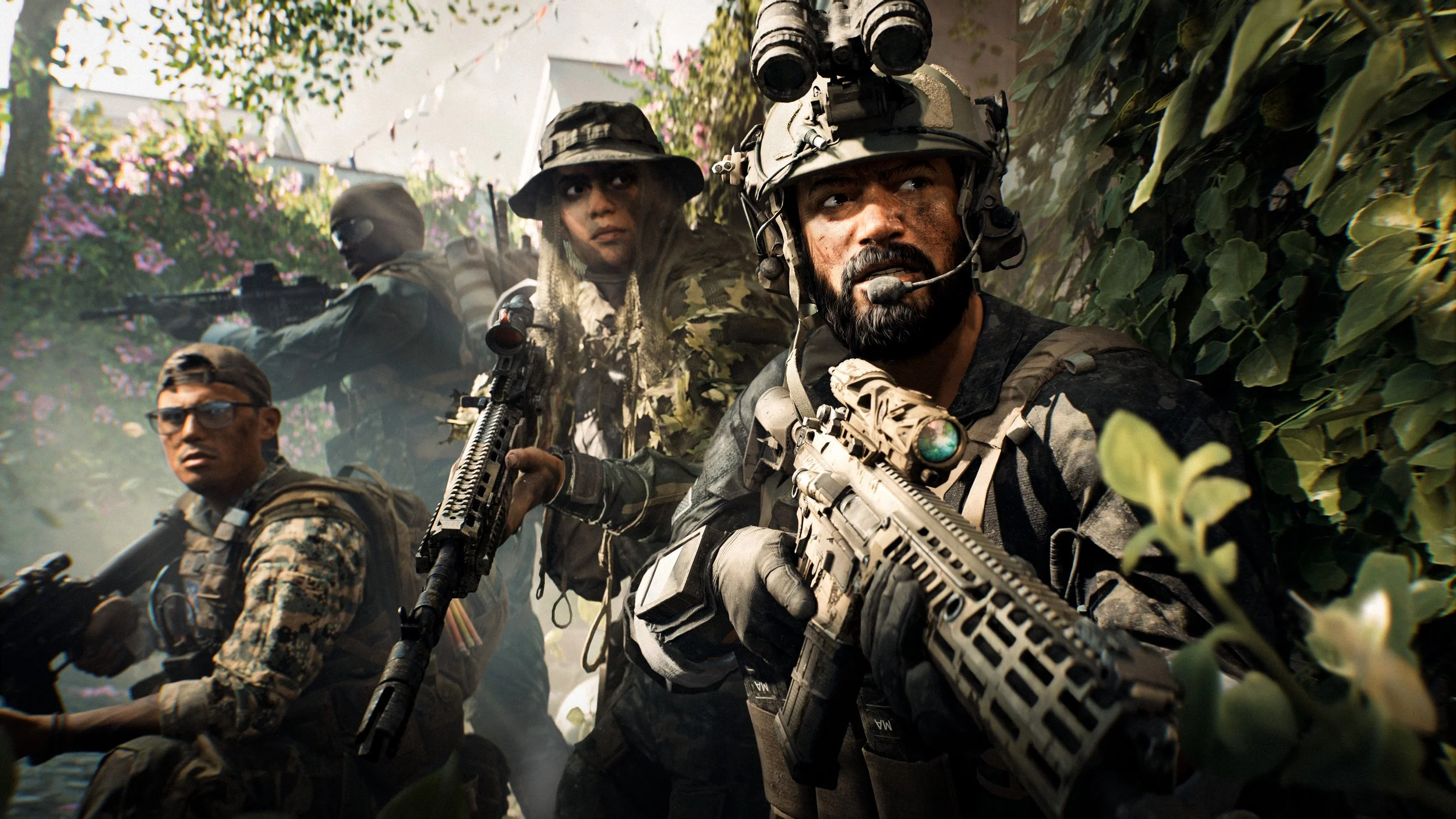
Conversely the London maps in a game such as Sherlock Holmes: Crimes and Punishments are far less dynamic and more functional. They are mainly there for ambience and provide little more than a conduit between each crime scene. The maps in both FPS and MOBA genres, have additional criteria to consider. The fluid nature of their game play requires a different approach to their construction. Multiple routes and chokepoints are common place in such designs. Snipers require vantage points but these need to be relatively exposed to ensure that a single location doesn’t dominate the game. The Battlefield franchise takes map design a stage further, with a mechanic that allows players to destroy the environment and thus change the dynamics of the game. This was to be an integral feature of the now defunct EverQuest Next, although I suspect would have been subject to a wealth of caveats.
As players, we also bring a human element when we interact with game maps and there are many factors that shape our perceptions. Ambient music or when or who we’re playing with, influence how we feel about specific in-game zones. As a result, we often have personal favourites. Evendim in LOTRO is an example of a map that I have fond affection for. More recently the region of Toussaint in the Blood and Wine expansion for The Witcher 3, attracted my interest. It’s a sunny and luxuriant zone and a radical change from the usual ice or desert archetypes you find in so many games. Hopefully, as game technology and the hardware it runs on evolves, we will see map design advance accordingly. I look forward to experiencing larger, more detailed open world environments populated with flora and fauna that have their own lifecycles.






Two Worlds II: New DLC After Seven Years
I bought a bundle of games in August 2014, which included the RPG Two Worlds II and its expansion, Pirates of the Flying Fortress. With such purchases, there is a tendency to adjust your expectations in accordance to your financial investment. However, I pleasantly surprised to find Two Worlds II a quirky and enjoyable role-playing game. The animations and combat are somewhat clunky but the loot system that allows you to break down every item into upgrade components, is useful. The game also boasts a customisable spell system, that utilises collectable cards as modifiers. It is quite an innovative mechanic and certainly allows players to create builds that suit their tastes. Two Worlds II benefits from a pleasing soundtrack and a standalone expansion that offers a superior story to the base game. Not every RPG can be a Skyrim or Witcher 3. Two Worlds II is an acceptable genre title to play between such releases.
I bought a bundle of games in August 2014, which included the RPG Two Worlds II and its expansion, Pirates of the Flying Fortress. With such purchases, there is a tendency to adjust your expectations in accordance to your financial investment. However, I pleasantly surprised to find Two Worlds II a quirky and enjoyable role-playing game. The animations and combat are somewhat clunky but the loot system that allows you to break down every item into upgrade components, is useful. The game also boasts a customisable spell system, that utilises collectable cards as modifiers. It is quite an innovative mechanic and certainly allows players to create builds that suit their tastes. Two Worlds II benefits from a pleasing soundtrack and a standalone expansion that offers a superior story to the base game. Not every RPG can be a Skyrim or Witcher 3. Two Worlds II is an acceptable genre title to play between such releases.
After playing through Two Worlds II and the subsequent expansion I deleted the game from my hard drive. After all, this was a title that was originally released in late 2010 and as far as I was concerned the game’s life cycle had come to an end. Turns out I was wrong. Not only about the games life cycle but in my assumptions about the franchises popularity. Because over the weekend I received a marketing email from publishers TopWare regarding new DLC for Two Worlds II. Here is some of the promotional blurb. “After the blockbuster success of Two Worlds II: Pirates of the Flying Fortress, TopWare Interactive and Reality Pump Studios have created a brand new chapter in the phenomenal RPG series! With an all new HD graphics engine, new enemies, weapons and a completely revamped alchemy system, Two Worlds II: Call of the Tenebrae will take you on yet another immersive adventure through the world of Antaloor! But the adventure doesn’t stop there for season pass holders! The Season Pass also includes the follow-up DLC, Two Worlds II, Shattered Embrace, which will launch during Q4 of 2017. Don’t miss out on the chance to continue the fight in Antaloor!”
The first thing that ran through my mind was “who resurrects a game after six years” but the more I thought about it, the more I realised that there are examples of this happening before. Star Wars: Knights of the Old Republic 2 and Anarchy Online are two that immediately spring to mind. Then of course there is the vogue for "remasters" with older titles being given graphical overhauls. Modern warfare, Bio-Shock and Skyrim have all had such revisions made to them. Then there is the issue of sales and the dreaded “number of units sold”. It turns out that Two Worlds II has quite a following in Europe and has shifted over two million copies. North American and international sales add a further million to the total. As developers and publishers are not known for their charitable tendencies, one must assume that the new DLC has viable sales potential.
As I’m between RPGs at present and still mourning the end (for the immediate future) of The Witcher franchise, I decided that developers Reality Pump have sufficient goodwill in my eyes, for me to take a punt on the new content for Two Worlds II. So, I bought a season pass at the discounted price of €29.99 as I’m apparently such a “loyal customer”. Although I’ve read some marketing material, I’m going to try and dive in to this game relatively blind upon its release on June 15th. Hopefully the DLC will be as unusual and fun as the previous content. Furthermore, in light of this development, perhaps my hopes for a third instalment of the World War II co-op shooter, Hidden & Dangerous, are not as misplaced as I initially thought.
Looking for the Right RPG
Sometimes when you try something new, you can inadvertently enter the market at the top end. For example, if the first fantasy novel you read may be The Lord of the Rings or the first RPG game you play is either Skyrim or The Witcher 3: Wild Hunt, then you’re definitely dealing with A list products. Although this has the benefit of providing a high quality personal experience, it also comes with a downside. The bar for such content has now been set extremely high and subsequent forays into similar territory may not be as good or enjoyable. To use a clumsy analogy, once you’ve had Châteauneuf-du-Pape, your local stores economy brand may no longer suffice.
Sometimes when you try something new, you can inadvertently enter the market at the top end. For example, if the first fantasy novel you read may be The Lord of the Rings or the first RPG game you play is either Skyrim or The Witcher 3: Wild Hunt, then you’re definitely dealing with A list products. Although this has the benefit of providing a high quality personal experience, it also comes with a downside. The bar for such content has now been set extremely high and subsequent forays into similar territory may not be as good or enjoyable. To use a clumsy analogy, once you’ve had Châteauneuf-du-Pape, your local stores economy brand may no longer suffice.
I have grown to like RPGs in recent years. I enjoy the open world environments and the scope they offer for epic story telling. When done well an RPG creates the illusion of a living world. This can range from major events that have an impact upon the landscape, all the way down to the banter that is exchanged between NPCs in the town centres. For me the most important factor in all of this is the underlying narrative. I want to like the central character and participate in an engaging story. Effectively, The Witcher 3: Wild Hunt has spoilt me rotten and I would very much like to have a comparable experience with another title. However, finding such a game can prove difficult.
Recently I revisited Arcania: Gothic 4 and played through the main game as well as the expansion, Fall of Setarrif. The game's mechanics are perfectly adequate and the combat, crafting and skills point allocation have been straight forward. The game engine is not too shabby and ingame world looks quite vivid. The climate changes from sunshine to rain and the wind sways the foliage, producing a pleasant and credible environment to explore. The different zones do feel a little to artificially hemmed in at times, which can break the illusion that this is a true open world but it’s not a deal breaker. Sadly the sea is not accessible and you cannot swim from the coastline due to invisible walls
The character models are acceptable but upon closer inspection are repeated quite a lot within the game. You cannot customise the look of the character that you play, which is a little disappointing. The voice acting is also somewhat patchy and there are dialogue glitches that occur from time to time. The subtitles do not always match what is said, which can be both confusing and hilarious. Which leads me to the games overall story which is sadly an arbitrary fantasy adventure. It not excruciatingly bad and I've endured far worse in the past. It's just very generic with the usual tropes, faux lore and geographical locations. The dialogue is a very stylised form of "Olde English" with liberal use of UK colloquial slang.
It's a shame that there aren't more open world games based in different settings. The RPGs, despite having some high-profile forays in to the science fiction genre, still seems to be predominantly, fantasy-centric. Can we not have a change? This is one of the reasons I like Sherlock Homes: Crimes & Punishment and The Testament of Sherlock Holmes. I love the authentic Victorian world that developers Frogwares have created with its attention to detail and period atmosphere. Such an environment would be ideal for an RPG but sadly these games are not technically of that genre and merely hint at the potential of true open world. The bottom line is that fantasy sells, having a tried and tested track record, so it takes a bold vision to do something different.
Even with the latest technological resources, creating an expansive open world game which simulates a living world, as well as populating it with well-defined NPCs, is time consuming and expensive. As a result, game’s such a Skyrim and The Witcher 3 are few and far between. The PC port of Grand Theft Auto V, despite sporting a fantastically detailed sandbox environment sadly lacked the depth of narrative that I look for. It was a similar story with Watch Dogs. It makes me wonder if the RPG genre will ever reach its full potential, due to the fact that gamers aspirations and developers financial imperatives seem to be at odds with each other. In the meantime, I'll soldier on and try another of the RPGs I have in my Steam catalogue. Let’s see if there’s any mileage in Risen 3: Titan Lords.
New Content or Rinse and Repeat?
Over the weekend I finally finished the Blood and Wine DLC for The Witcher 3: Wild Hunt. By which I mean I’ve completed the main story (and achieved the “best” of three possible outcomes) and all (allegedly) of the secondary quests. It’s hard to tell with this game; it may well still have surprises to spring within its open world. However pedantry aside, to all intents and purposes I’ve played through the game. This got me thinking about the thorny issue of game content because The Witcher 3: Wild Hunt and all its DLC contains a lot. Playable content is a subject that frequently comes up when discussing games because there is no standard quantity. Furthermore the nature of content itself varies. Some is meant to be unique where other is specifically designed to be repeated. Whatever a developers approach to this issue, a game’s content is certainly a key selling point.
Over the weekend I finally finished the Blood and Wine DLC for The Witcher 3: Wild Hunt. By which I mean I’ve completed the main story (and achieved the “best” of three possible outcomes) and all (allegedly) of the secondary quests. It’s hard to tell with this game; it may well still have surprises to spring within its open world. However pedantry aside, to all intents and purposes I’ve played through the game. This got me thinking about the thorny issue of game content because The Witcher 3: Wild Hunt and all its DLC contains a lot. Playable content is a subject that frequently comes up when discussing games because there is no standard quantity. Furthermore the nature of content itself varies. Some is meant to be unique where other is specifically designed to be repeated. Whatever a developers approach to this issue, a game’s content is certainly a key selling point.
Both the RPG and MMO genres are very much dependent on the volume of content that they contain. New releases need to ensure that the player has a viable amount of content to work through. It’s the same with expansions and DLC. Players want to feel they are getting “value for money” although that can prove a somewhat nebulous term to quantify. However creating quality new content for both these genres, is both expensive and time consuming. It requires input from writers, programmers and a plethora of other creative artists. Furthermore regardless how much is produced, players always seems to burn through it too quickly. Consumption and demand simply cannot be met.
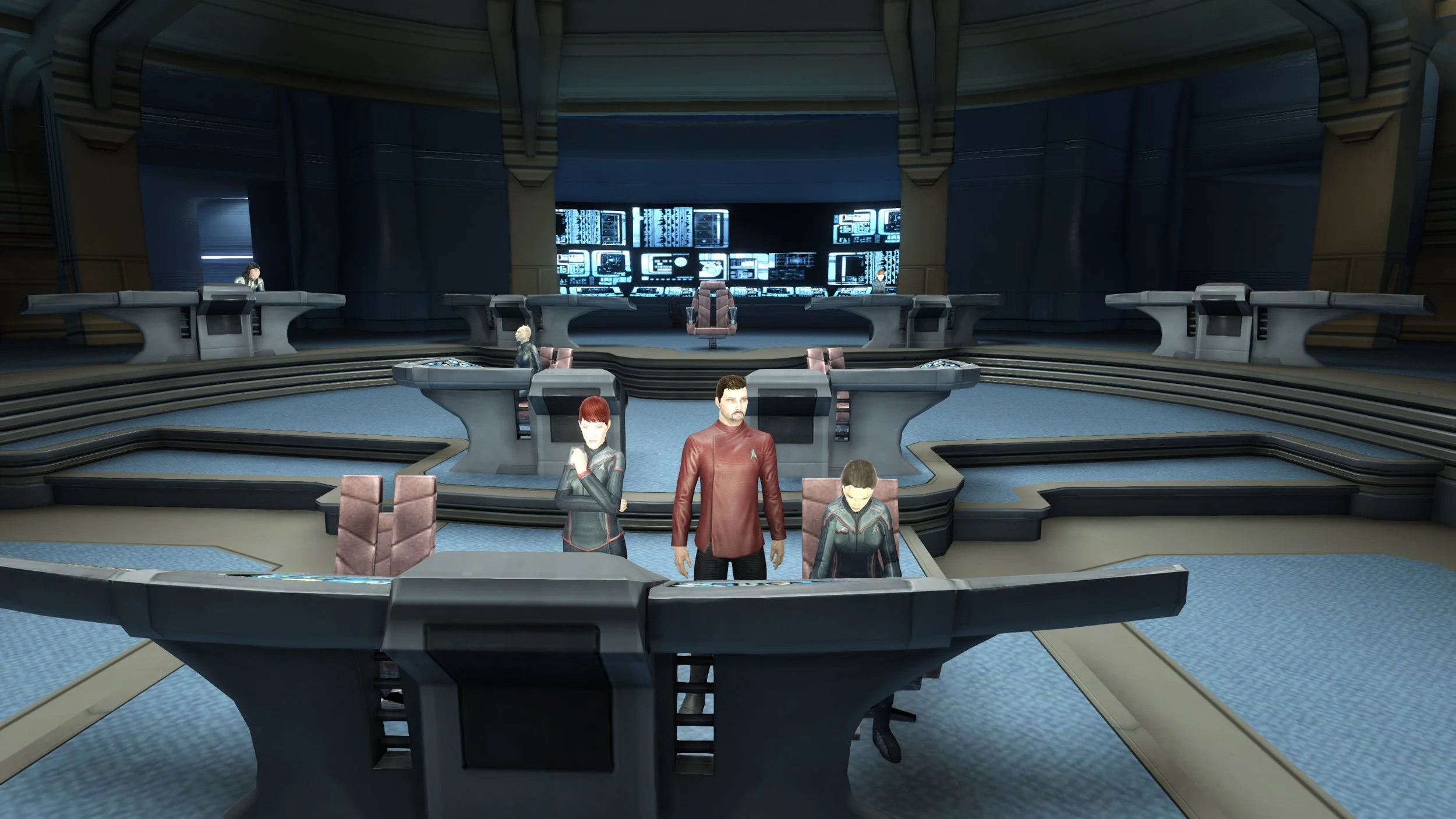
One solution to this conundrum is to encourage players to replay old content. This is common in the MMO genre and is also applicable to RPGs. With a game such as The Witcher 3: Wild Hunt, due to the multiple story outcomes, there is a sufficient incentive to play again. Some MMOs will offer you a degree of new content if you play through old content with a new class or faction. SWTOR does this well, offering a bespoke central regardless of what character you choose to play. Guild Wars 2 also provides a similar degree of variety. Star Trek Online also does this to a degree, offering unique stories to each faction for the first third of the game. After that the remainder of content available is standardised. However Cryptic have cunningly devised ways to encourage players to repeat content. Last year saw the Delta Recruitment event and the current expansion, Agents of Yesterday, provides further incentives. Enhanced XP, bonus Dilithium, improved loot drops and account wide unlocks can encourage even the most reticent of STO players to do it all again.
Sadly there are many examples of games that are far from generous with their content. Star Wars Battlefront for example launched with a woefully poor amount of maps and game modes. Subsequent DLC has addressed this to a degree but that didn’t benefit those playing on day one of the game’s launch. Also many of the ageing MMOs suffer from a lack of new content. A declining player base means less revenue which inevitably means less frequent new content. LOTRO is a prime example of this. Since the game moved from paid expansions to free updates, most new content has just been variations on existing themes. It keeps the faithful quiet but does not bring new players to the game. Guild Wars 2 has also suffered from lack of regular new content. Last year’s expansion was aimed squarely at those players at level cap and the new content was far from universally well received. Beyond that the base game endured without any significant update for several years.
As a player, a simple solution to this problem is to not be an early adopter. Starting an MMO a year or so after launch often ensures a fair amount of content will be available. Once the game of the year edition of an RPG is released, twelve months after the initial launch, players often find the game bundled with all DLC and a lot of bug fixes. I tackled Skyrim in 2013, eighteen months after it’s release and as a result got over three hundred hours of enjoyment out of the game. However the issue of repeating content is a more difficult matter. Some players simply don’t like to play through material they’re already familiar with. It’s a position I have a degree of sympathy with as it’s not something I always enjoy. Certainly there is no incentive when it comes to older MMOs unless the games developers make it so. At present replaying through Rift, or Age of Conan: Unchained will not be significantly different experience to how it was five years ago.
Conversely music, books, films and TV can all be revisited at a later date after their original consumption, to varying degrees of success. This may be due to the respective depths of these mediums and the fact that content of these genres can be multi-layered and nuanced. Each visit can potentially yield something new or a broader meaning. The fact that we change with age and experience may also aid this process. Games may not necessarily follow suite. Gaming mechanics do not always offers such varied outcomes and unfortunately many games still suffer from poor narratives, especially the RPG and MMO genres. Overall I think that for the immediate future there is no long term solution to this problem. Content availability is still going to be a sticking point for both developers and gamers. Perhaps the future lies with games that side step this issue. Procedurally generated content is one option as is simply relying on non-narrative driven genres. Perhaps Pokémon GO and Overwatch ultimately offer greater longevity, due to their non-narrative nature. The content in these cases is the unique experience of actually playing the game. If that is the case we may need to rethink exactly what the definition of content is.