
I went Christmas shopping to the Bluewater shopping centre in Kent today with both my granddaughters. Both are 11 years old, going on 30 and so Mrs P and I thought it best to let them choose for themselves what they wanted as presents. So we set a budget of £100 per twin and then let them go to whatever shops they wanted and pick various items they desired. It wasn’t too bad an experience as I got to sit down a lot. Shops have got a lot better of late at providing seats for the reluctant shopper. Beyond walking around the mall, all I had to do was present a debit card from time to time. This afforded me with an opportunity to do some “people watching”, something I always enjoy. Anecdotally speaking, it seemed to be very busy at Bluewater and people were busy spending, despite the current economic climate. This got me wondering whether this due to consumer confidence or if it simply driven by the cult of “Christmas” which is prevalent in the UK.
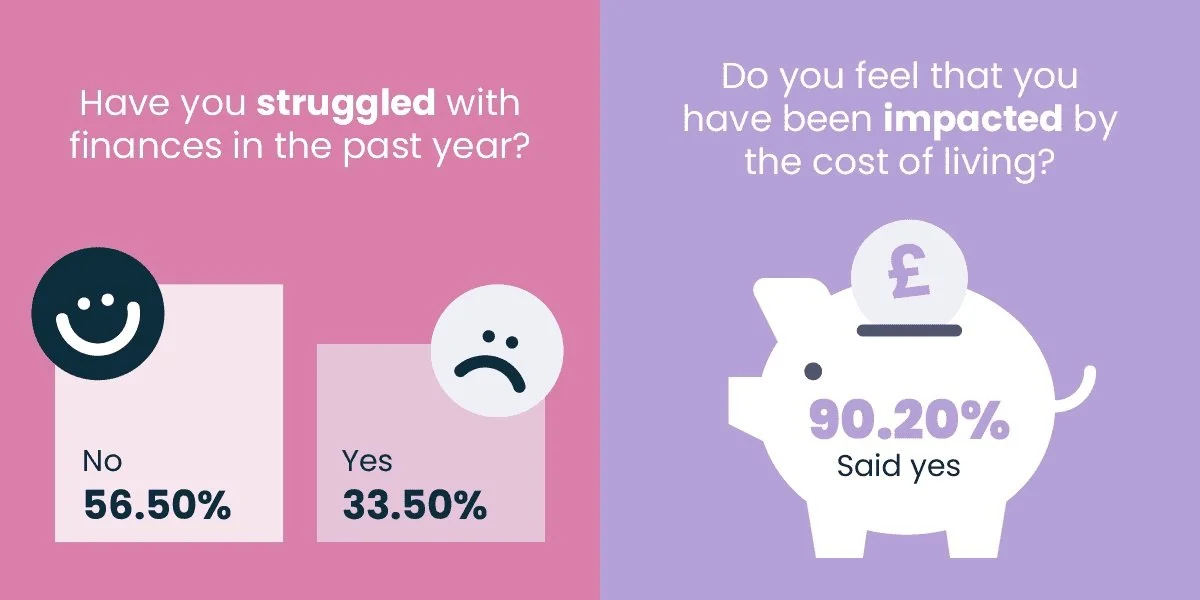
It would appear that my observations of a bustling Bluewater retail park reflects a rather complex interplay between UK economic data and deep-rooted seasonal behaviour. While a crowded shopping centre superficially suggests robust consumer health, economic analysis indicates that high footfall at this time of year is mainly driven by the “mandatory cultural momentum of the British Christmas” as economists call it and an increasing reliance on consumer credit, rather than a genuine surge in genuine grass roots, consumer confidence. True consumer confidence across the UK remains historically subdued, due to the ongoing cost-of-living crisis and residual core inflation. When shoppers head to places such as Bluewater, it doesn’t signal increased disposable income or optimism about their personal finances. In fact, general surveys show that consumers are highly risk-averse, and that daily discretionary spending is tightly controlled. However, Christmas changes this.
The cultural expectation of Christmas in the UK acts as an “inelastic demand shock” every autumn (I love these economic terms). Retailers refer to this period as the “Golden Quarter” because British consumers treat festive spending on such things as gifts, hosting and the very experience of festive shopping, as non-negotiable social obligations rather than optional luxuries. This deep cultural momentum artificially inflates “footfall at premier retail destinations”, belying underlying economic constraints as households prioritise Christmas tradition over financial prudence. This seasonal surge is heavily subsidised by debt, with credit card borrowing and “Buy Now, Pay Later” (BNPL) platforms seeing increases between October and December. A large percentage of Christmas shoppers use revolving credit to bridge the spending gap. Hence the busy shops I saw at Bluewater are populated by consumers using credit, deferring the true financial consequences until 2027.


I went Christmas shopping to the Bluewater shopping centre in Kent today with both my granddaughters. Both are 11 years old, going on 30 and so Mrs P and I thought it best to let them choose for themselves what they wanted as presents. So we set a budget of £100 per twin and then let them go to whatever shops they wanted and pick various items they desired. It wasn’t too bad an experience as I got to sit down a lot. Shops have got a lot better of late at providing seats for the reluctant shopper. Beyond walking around the mall, all I had to do was present a debit card from time to time. This afforded me with an opportunity to do some “people watching”, something I always enjoy. Anecdotally speaking, it seemed to be very busy at Bluewater and people were busy spending, despite the current economic climate. This got me wondering whether this due to consumer confidence or if it simply driven by the cult of “Christmas” which is prevalent in the UK.