
International Picture Posting Month: Star Trek Online
Although I pre-ordered Star Trek Online in early 2010, I was initially disappointed with the game. It took three attempts over several years for me to warm to this MMORPG and make it a mainstay of my gaming activities. STO was a mess when it launched. The game had switched game studios during its development and its new owners Cryptic, were legally obliged to abide by the existing release date. Hence the game was incomplete and somewhat lacking. Furthermore there were systems and mechanics in place that were geared towards a more traditional MMO methodology. Many of these were subsequently sidelined as Cryptic endeavoured to tidy up and refine the game. The MMO went F2P in January 2012 and it proved beneficial in so far as providing the developers with a stable business environment. Over the next three years, Cryptic made the game more coherent and orderly. Long term story arcs were presented in episodic feature episodes, reputation and gear procedures were refined and eventually the skills system was overhauled into a simpler “tree” format. By 2015, STO was finally the game it should have been at launch.
It was during the 2015 Delta Recruitment event that I finally got bitten by the STO bug. I created characters from all three of the faction then available, as each has a unique story for the first third of the game’s narrative. Playing Federation, Klingon and Romulan alts also offers a different perspective on the central story. The game has grown since then and a further three factions have been added. But although it is enjoyable to play such diverse characters, the greatest strength of STO lies in the lore. Set after the events of Star Trek: The Next Generation the story line explores some very interesting themes. The peace treaty with the Klingon Empire breaks down and leads to war. The destruction of the Romulan home world causes a schism in the Star Empire, leading to a Romulan Republic born out of the Vulcan reunification movement and the Reman Resistance. And being Star Trek there is naturally time travel resulting in the player visiting past era’s and even the alternative Kelvin Timeline. It is quite convoluted at times but the stories are frequently marbled with references to classic Trek lore.
STO lacks some of the polish of other MMOs. Its character models are somewhat dated and there are bugs in the game that have persisted for years. But its space combat is dynamic, engaging and satisfying. It also has a wealth of options for short, targeted gameplay, if you do not want to play through the various major story arcs. Plus the game regularly has events throughout the year, which unlike other MMOs offer more than just cosmetic rewards. There are Tier 6 ships to be earned along with other items that enhance gameplay. But the jewel in the crown of STO is its official support from rights holders CBS and the involvement of so many of the cast of the various TV shows. Interacting with such characters as Odo, Weyoun, Worf and Seven of Nine and having them voiced by René Auberjonois, Jeffrey Combs, Michael Dorn and Jeri Ryan is an absolute joy for Trek fans. Plus any game that has pet Hortas and allows you to use a Lirpa or Bat'leth in melee combat has to be doing something right. But as I’m a Trek fan and a lifetime account holder in STO, I guess I’m somewhat bias.
In addition to the pictures in this post, here is a link to a gallery of screenshots from STO via Google Photos. All are available at the original screen resolution of 1920 x 1200.
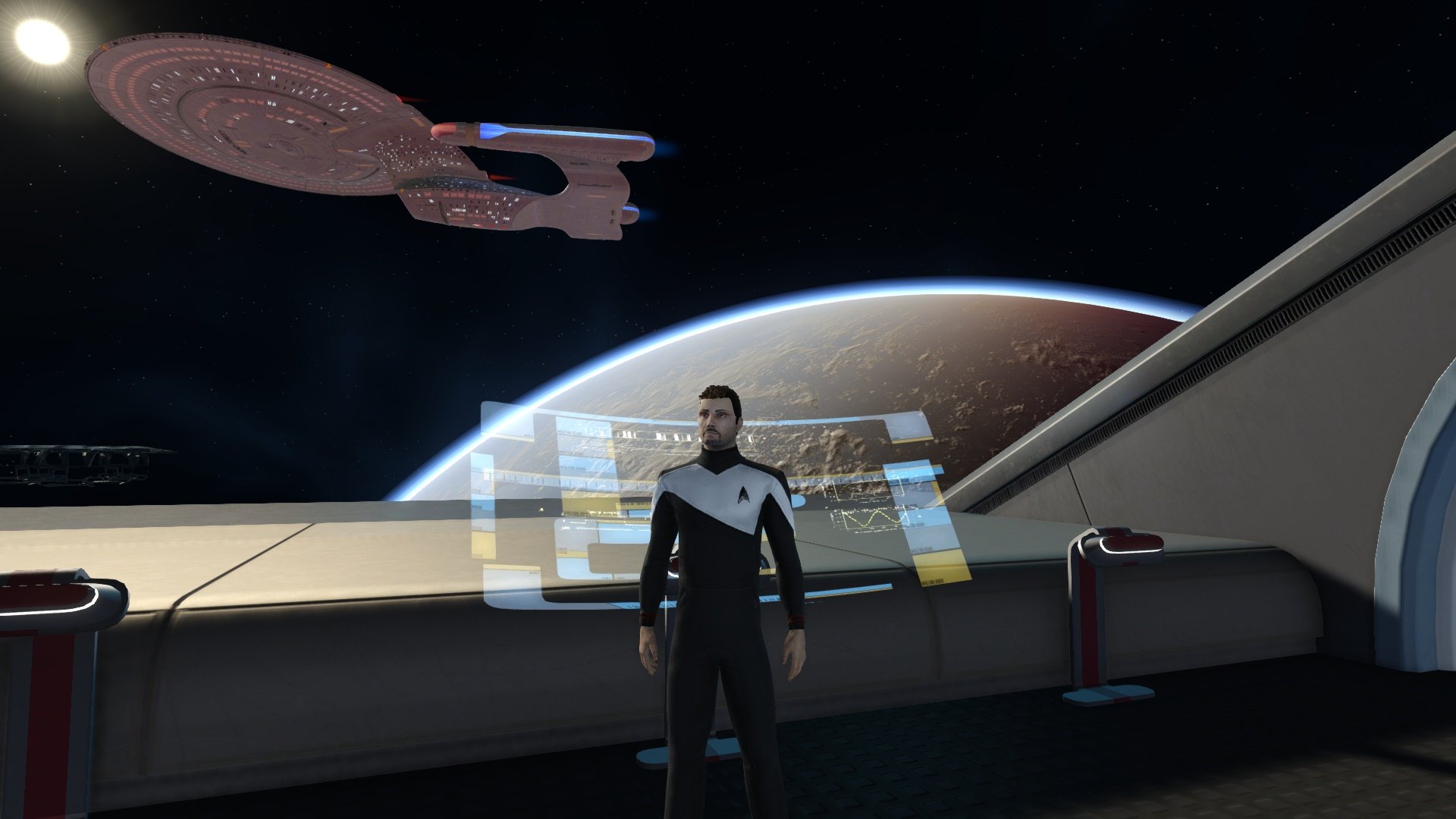
I was recently perusing my archive of old blog posts, when it struck me how much I’ve written about the MMORPG genre over the years. Naturally, there was far more material from between 2008 and 2012 as that was period when I immersed myself in the genre and was very enthusiastic about it. I was at a point in my life when I had the time to dedicate to such games and I was happy to participate in the social aspect of they offered. I would regularly play through group content and spend time socialising online with fellow guild members. My experience remains a textbook example of how online games can be more than the sum of their parts and that where you are at in your life has a major impact upon your overall enjoyment. As I read though various old posts it became clear that my experiences where specific to this particular part of my life and that they cannot be repeated. My relationship with the genre is very different now and that’s fine.
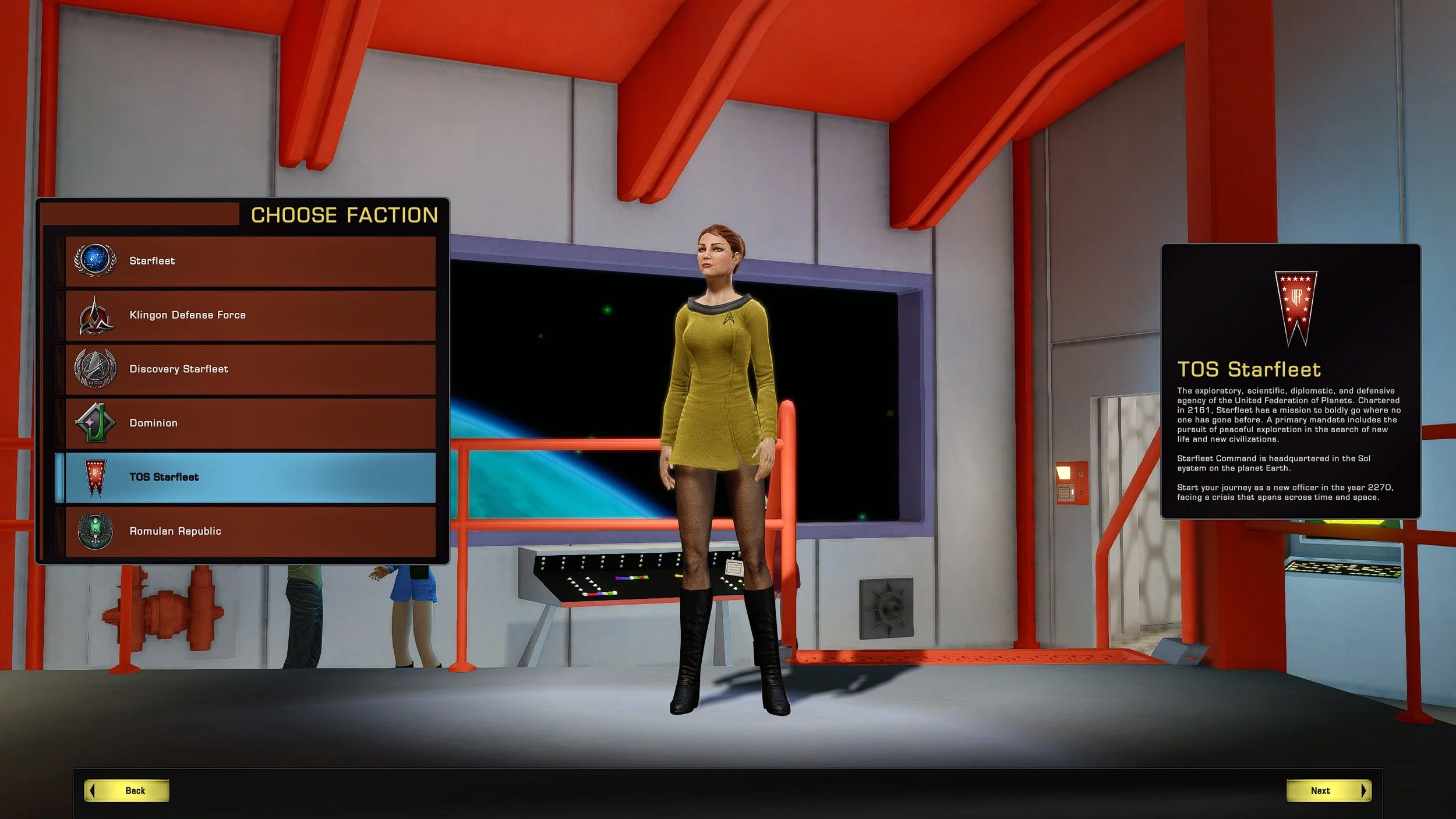
Creating alts is an integral aspect of the MMORPG genre. Many players will create a character of a specific class or faction, play it for a while, lose interest in it or they may decide that it is just not for them. Fortunately it is no effort at all to simply re-roll a new alt and set off once again. Furthermore, lots of players never reach level cap of the MMORPG that there playing. When the going get’s tough, so to speak, you can either soldier on for another 50 levels or simply create a new alt and return to the comfort of tried and tested content. Alts also give you the chance to secure an accolade or achievement that you previously missed. They are also of great benefit to the genres social aspects. Creating a new alt so you can play along with a friend who is just starting is great fun. Developer’s love them too as it means you’re still playing the game.
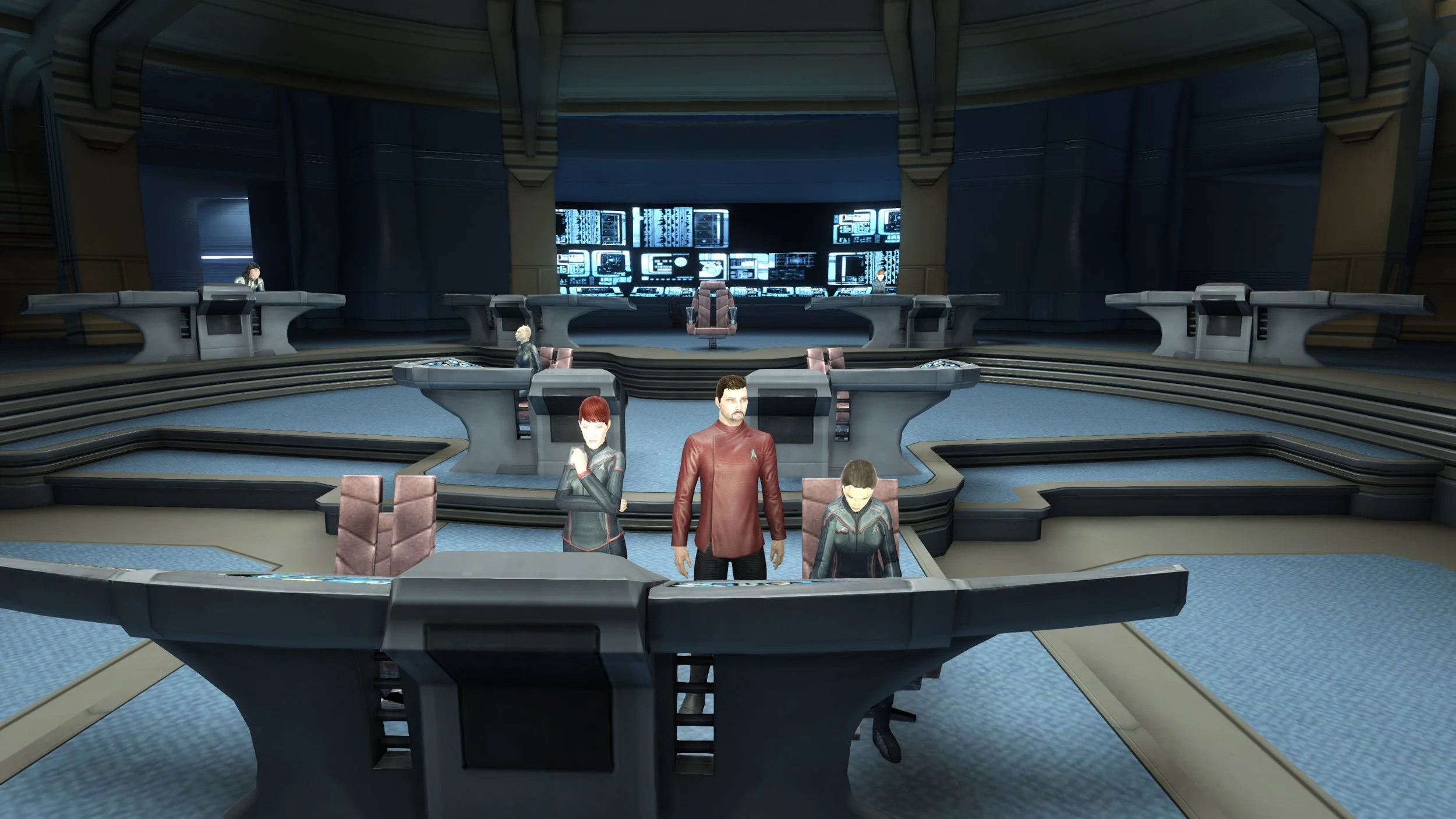
I recently took a break from Crimson Desert choosing instead to to play something familiar and easy going. As I’ve been logging into Star Trek Online daily to participate in the anniversary event, I decided to look through my various alts and see how far they had progressed through the game and what resources they had. At present I have twelve alts. My primary Captain was created in 2015 during the original Delta Recruit Event. I had previously played STO intermittently since its release in January 2010 but I never kept any of those characters. Hence this decade old Tactical Federation Captain has been my main focus when playing. The other eleven alts are the result of other recruitment events or whenever I wanted to try something different, such as playing a specific class or faction. I obviously played a lot of STO during the lockdown as several alts date from that period. Several had maximum reputation across all factions.
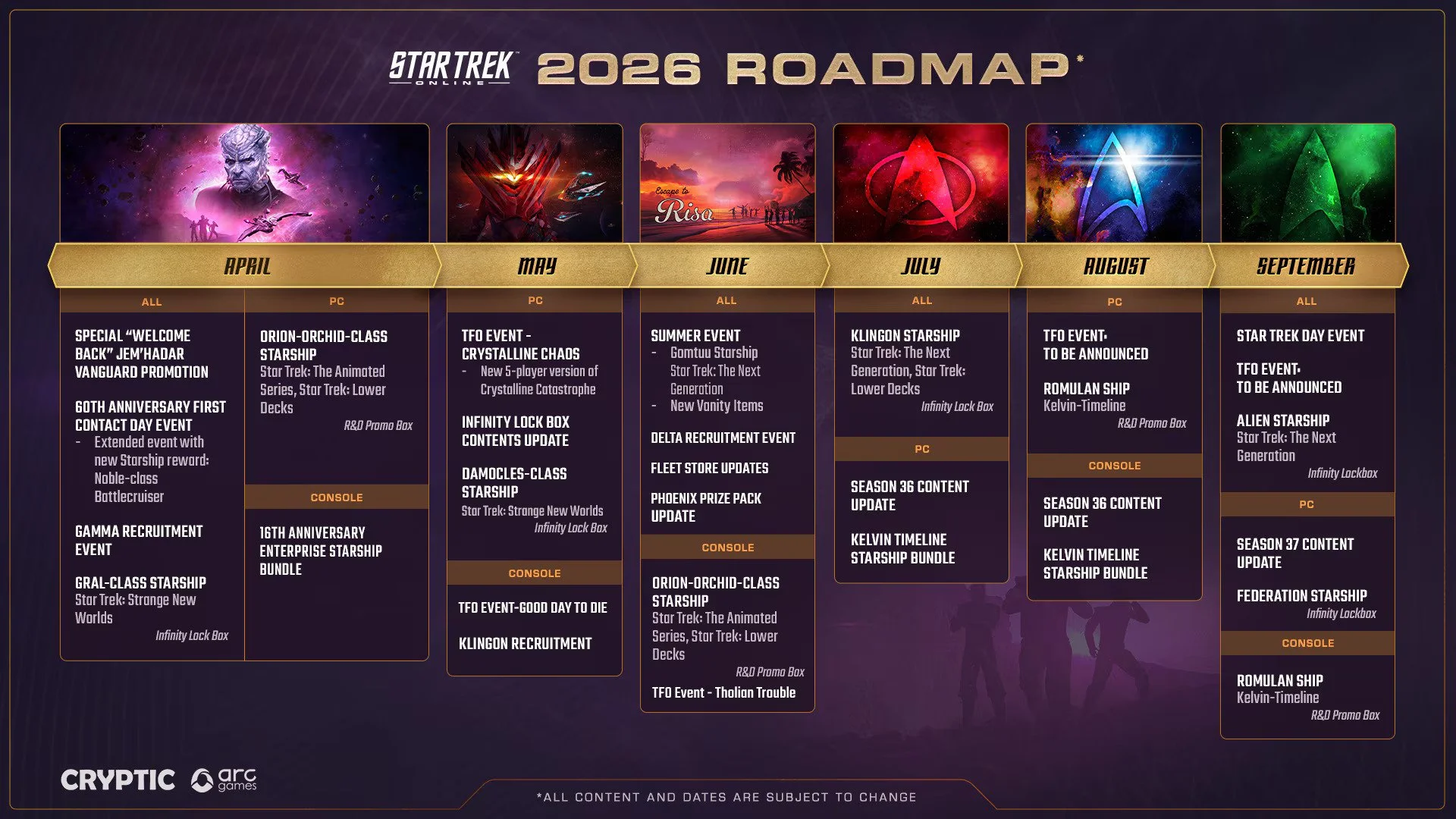
This year is the 60th anniversary of Star Trek. The original TV show was first broadcast in the US on September 8th 1966. If you search online you’ll find details of lots of related events. There are documentaries, conventions, new TV shows and even some video games in development. However, what you won’t find are any details regarding what will be happening with the MMORPG Star Trek Online. So far no road map for 2026 has been posted online by the developers but it is still quite early in the New Year. That being the case, I am not especially optimistic about there being any major plans waiting to be revealed. It is not as if DECA Games have demonstrated or stated any major ambitions for STO beyond keeping the endless events treadmill going and regularly adding content to the in-game store, during their development tenure. The ongoing story arc drags on inexorably and is as dull as ditchwater.
I recently read a post on Massively Overpowered about skills rotation in the MMORPG genre. I found the subsequent discussion in the comments fascinating. Mainly because I have never used a fixed rotation of skills in any of the MMORPGs that I play. I understand the reasoning behind such things and why some players want to optimise their combat performance. Using one’s skills in a specific order to maximise damage and manage their subsequent cooldown has a logical appeal. In Star Trek Online, some players go so far as to create keybinds for their rotations and assign it to a specific hotkey, which is then continuously pressed throughout combat. However, rotations are a blunt tool that lack flexibility, often being geared towards dealing with a single target or using an area of effect skill against a larger group. They may not be the optimal approach to combat when things do not go to plan.

If you check the Star Trek Online Wiki, you’ll find that there has been a steady stream of new content added to the MMORPG over the last 15 years. However, it doesn’t quite feel that way, mainly because more recent material seems weaker and less memorable. The last two major story arcs in STO have been somewhat lacklustre and demonstrably inferior to those that went before. Both Terran Gambit and Kings & Queens suffer from uninspired, repetitive ideas as well as an infrequent release schedule. Effectively weak stories have been dragged out over too much time. No doubt changes among the STO writing team have had an impact on content but it also seems that some of the newer stories have been tailored around whatever former Star Trek cast members that are available. As a result there has been a somewhat “square pegs in a round holes” aspect to both story arcs, where the pieces just don’t seem to fit together well.
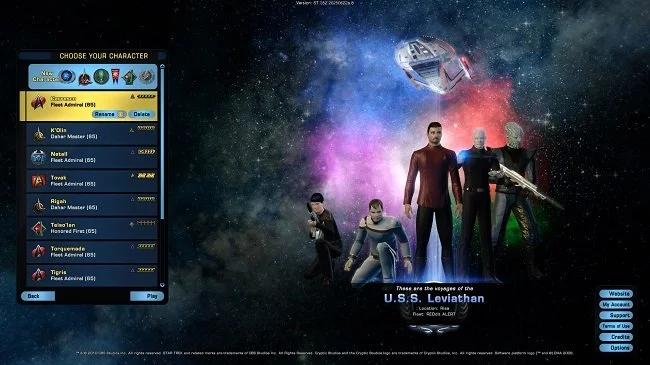
In massively multiplayer online games (MMOs), alts (short for alternate characters), are new characters created by a player in addition to their primary character (often called the “main”). Alts are often encouraged by developers as a means to keep players engaged with their game(s). Sometimes an MMO will actively reward the creation of alts either with access to exclusive content, or with additional skills or items previously unlocked by primary characters. As the myth that an MMO really begins at endgame still persists in gaming culture, some games sell boosts that will instantly raise the level of an alt to that of the current level cap. Creating alts is such a key aspect of the MMO genre, that some games will sell additional character slots, so that players can create further alts beyond the default amount allowed. There are many reasons why players create alts. Let us consider some.
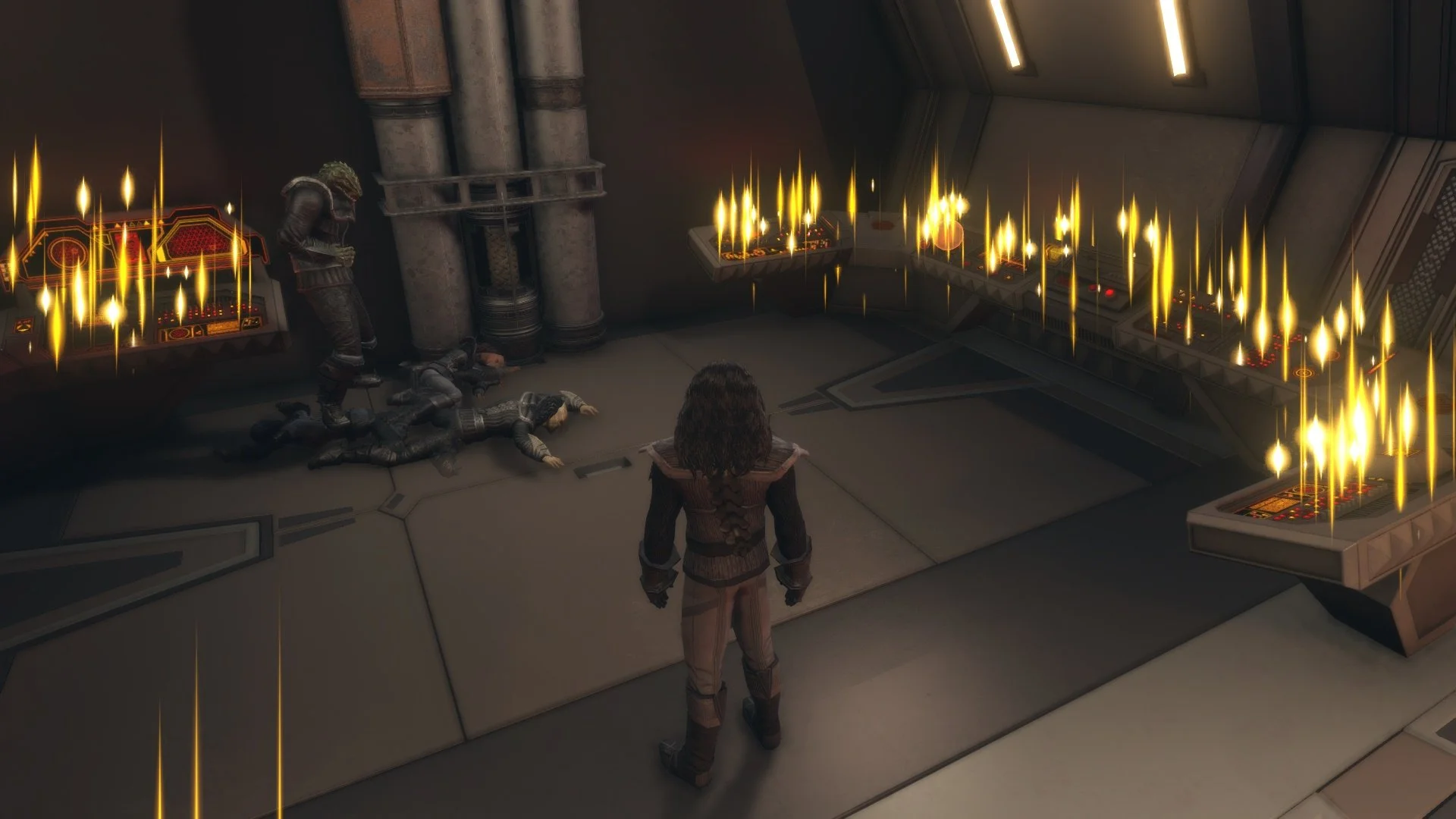
Star Trek Online is currently running its yearly Klingon Recruitment Event for PC players. Characters created from January 21st to February 11th gain additional rewards and account wide unlocks while levelling. It is a particularly useful way to orientate new and returning players. I created a Klingon Engineer during the 2021 Klingon Recruitment Event which I previously levelled to the current cap. However, I hadn’t taken this character through all the episodic missions, so I thought the current event would be a good time to resume their progress. Therefore today I resumed playing through the Romulan Mystery story arc. It was during the course of the final part of the episode, “Mine Enemy”, that I encountered a curious bug. It amused me sufficiently to prompt this blog post and make a lazy pop culture reference.
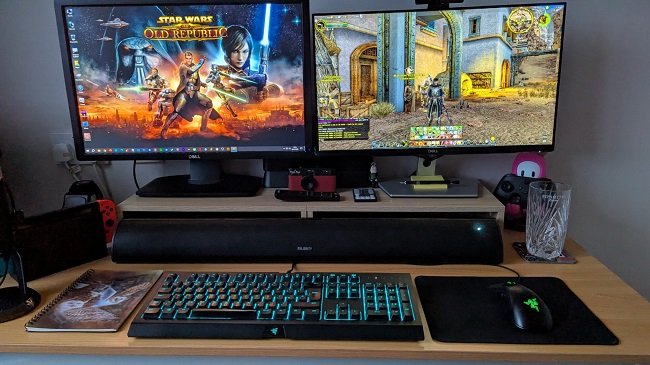
I have two monitors on my desk. The first (which is the primary monitor as far as my PC is concerned), is on the left and the second is on the right. The primary monitor is a 24 Dell U2412M, which has a resolution of 1920 x 1200. It therefore has an aspect ratio of 16:10 which adds a little extra desktop real estate, which I prefer when writing. The second monitor is a 24 inch Dell S2421H with a screen resolution of 1920 x 1080. It has an aspect ratio of 16:9 which is standard FHD. My chair is adjacent to the middle of my desk and I can turn according to each monitor I’m using. I tend to use the primary, larger monitor on the left for tasks such as writing via Google Docs and emails. The second monitor on the right is used for YouTube and gaming. This is because of its FHD format. I also have a Nintendo Switch connected to the second monitor for the same reason.
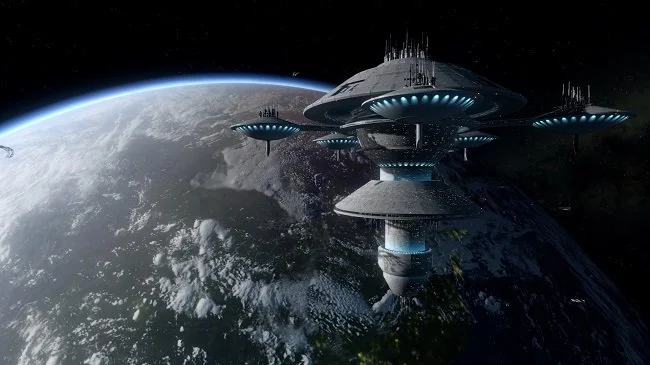
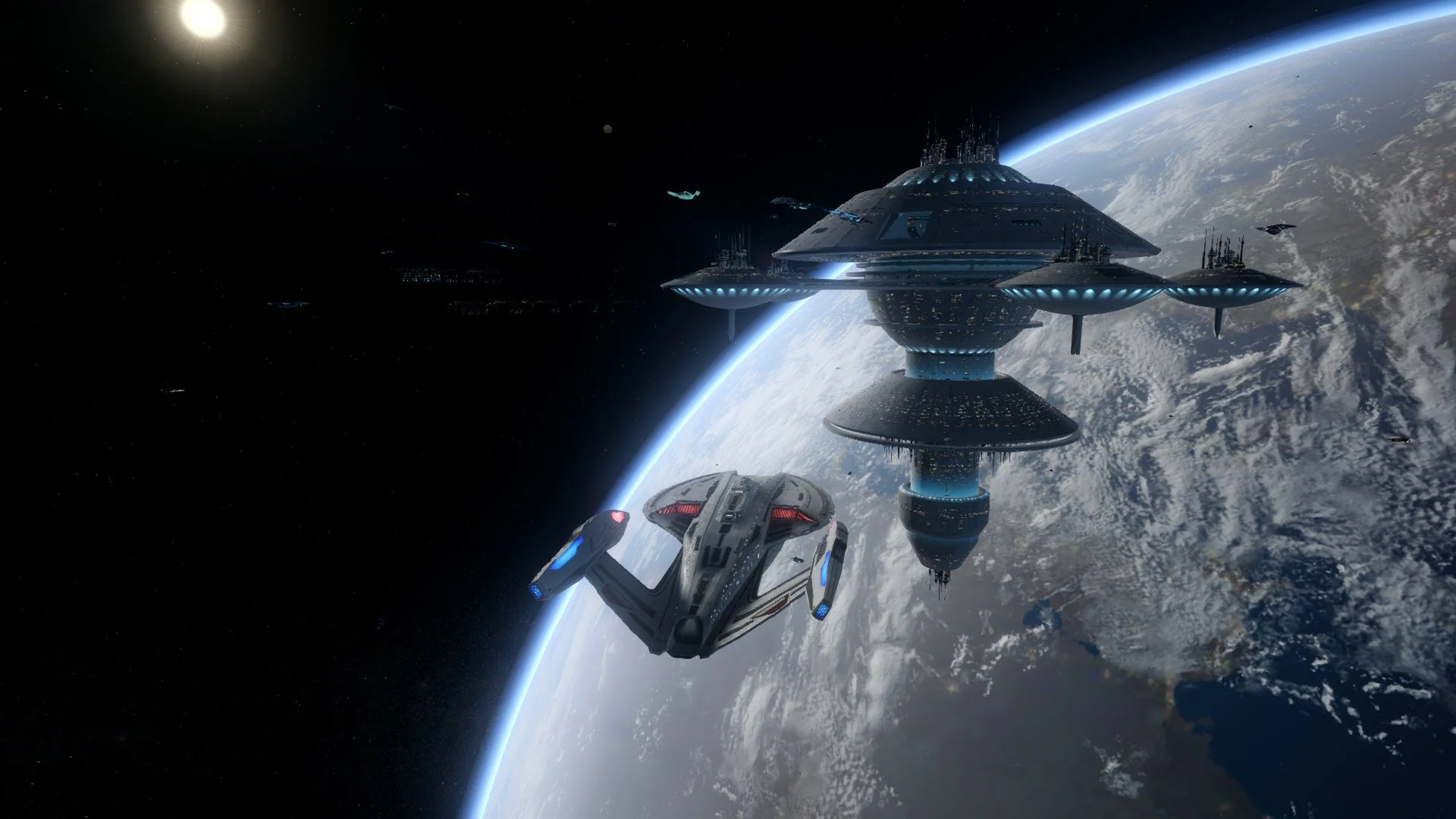
Yesterday the MMORPG Star Trek Online updated Earth Spacedock for the PC version of the game. The console version will be released a little later on. This replacement impacts upon Sol system space, the entire exterior model of ESD and elements of the interior. The outgoing model was somewhat old with several anomalies that linked to aspects of the game that have changed over the years. Perhaps the biggest reason for the change is a canon update to ESD as seen in the third season of Star Trek: Picard. The TV show features a new Earth Spacedock, also known as Probert Station, which boasts a larger superstructure designed to meet the demand of Starfleet in 2401. It would appear that this update is the first substantial release from the developers at DECA Games and may potentially indicate the quality of future content.
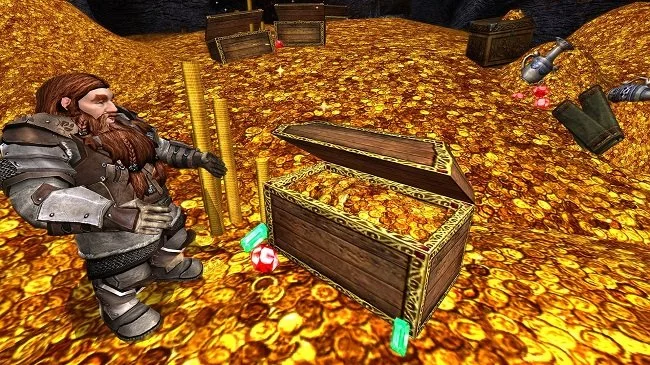
Bree Royce, editor-in chief at Massively Overpowered, recently asked the question “what is the most expensive MMORPG right now”. My first thought was to search through my old draft blog posts and track down an MMO cost analysis I wrote circa 2019. It includes data such as subscription rates and the price of current expansions. There was also information on what were the most popular cash shop items at the time. However, I then read some of the comments that had been left on Bree’s post and I quickly realised that this wasn’t just a matter of financial expenditure. Whether or not an MMO is expensive is also determined by one’s disposable income, respective wealth and personal relationship with money. The latter is perhaps the most important, irrespective whether you consider yourself rich or poor.
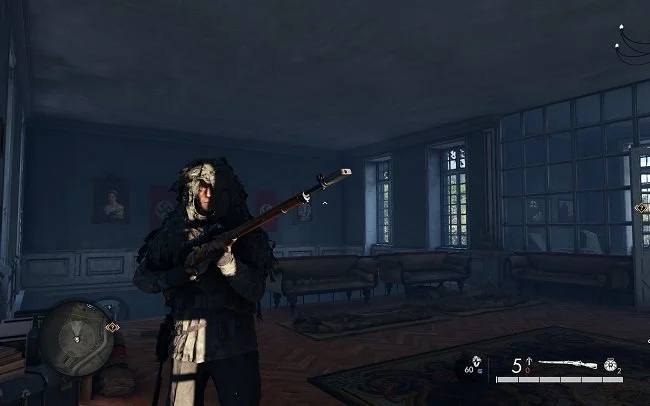
It is customary for me to write an end of year summary of my gaming activities but I suspect that on this occasion it will be somewhat short. For me, 2024 has really hammered home the notion of the ephemeral nature of video games as well as their commercial ubiquity. The moment a game fails to satisfy for whatever reason, rather than complain or worry about it, I just move on to something else. It’s not as if there’s a shortage of games out there. I have a substantial back catalogue of games that Epic and Amazon prime regularly giveaway. I have bought numerous discounted bundles in the past, in the pious hope that I’ll play one of the games included, at some point in the future. Games may well be enjoyable and engaging but many are also disposable. That’s not to say they’re bad. While playing them you are indeed “entertained”. However, when you’re “done”, it’s amazing how you quickly find another and forget what you were previously playing.
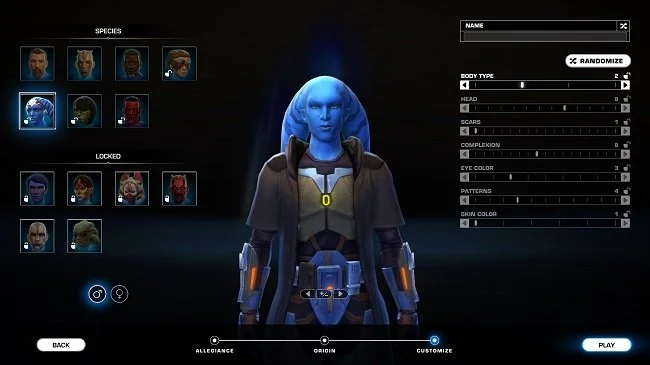
If you’ve ever played an MMORPG, then you have more than likely encountered this problem. Especially if you start playing a game that has been long established. You diligently create your character and spend time and effort customising them to suit your needs. All you’ve got to do next is choose a name, so you type in a pithy and droll title only to find that it has already been taken. So you quickly come up with another and that too is rejected. Next you try the same name but with some “alternative” spelling but the game resolutely tells you that even that permutation is already in use. I have found that even with a list of names that I’ve drawn up prior to playing the game, it can still take anything from 5 to 30 minutes to find one that is available. Naturally, this process is very frustrating, which is hardly the ideal user experience for a new player.

It would appear that one of the reasons potential new players avoid the MMORPG genre is due to the perception that they are all time sinks. I wouldn’t argue against this assumption because the reality is that it’s true. However any game that you enjoy, irrespective of genre, can become a time sink. That being said, the main difference between other genres and MMOs is as follows. A new player can jump straight into a FPS game and within minutes enjoy some multiplayer action, whereas in an MMO, a new player has to play through a tutorial and several hours of a starter zone before they start making headway in the game. This distinction does not have to be a deal breaker. An FPS can provide a quick fix of gaming and as such fulfils a need. MMORPGs can provide long term entertainment which scratches an ongoing gaming itch. Both are valid ways to enjoy gaming.
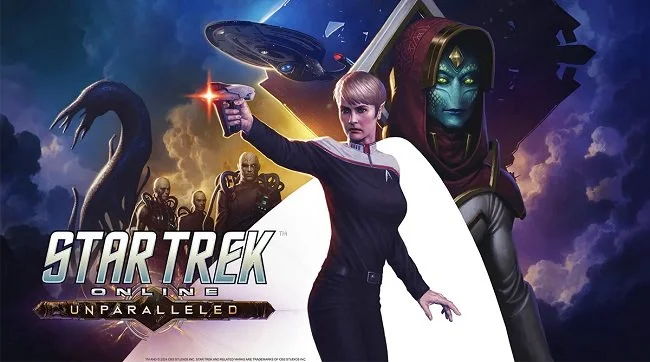
Cryptic Studios appear to have started a new round of layoffs, following those made last November. Although the developers of Star Trek Online and Neverwinter have not formally commented on the situation, it is more than likely that this is a continuation of their owners, the Embracer Group, ongoing restructuring program. So far, the Swedish company has laid off over 1,500 employees since June 2023, in an attempt to address its ill considered over expansion in recent years. At present development of Star Trek Online and other titles are being transitioned from Cryptic to DECA. The German developers are mainly known for mobile games and have recently positioned themselves as “breathing life into old games”. Their intent is to keep developing content for STO and to maintain a working relationship with the owners of the intellectual property.
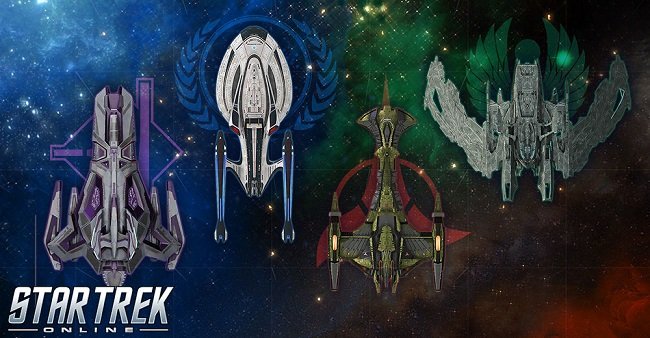
If you are a new player, then Star Trek Online has 14 years of content to play through. It is all story driven and is frequently couched in existing lore from the various Star Trek TV shows. It also benefits from many of the original actors reprising their respective roles within the game. This provides an additional air of authenticity to the proceedings as well as being a spectacular fan service. Furthermore, much of that content is faction specific, hence there is a great deal of replay value to be had from this MMO. Apart from The Lord of the Rings Online, I cannot think of another game that manages to successfully tap into the style and idiom of its source intellectual property. Simply put, Star Trek Online looks and feels “very “Star Trek”. Which is why it has a robust and loyal player base and still proves to be a viable financial asset to its owners, DECA Games.
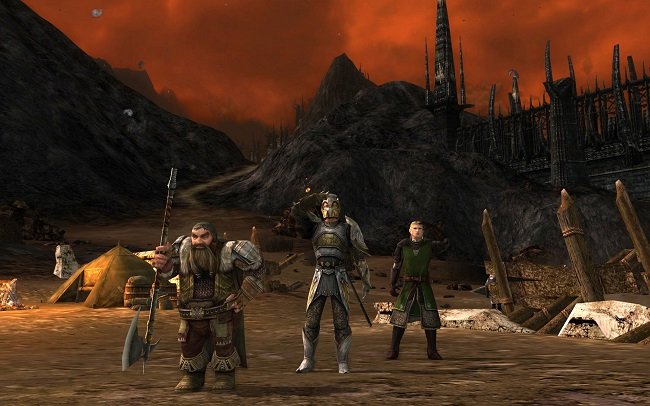
“The MMO genre is rife with its own set of tropes; recurring themes and motifs that have become established and ubiquitous. All of which are ideal material for a hastily produced, lazily conceived, recurring blog post”. One of the integral game mechanics of the MMORPG genre is the acquisition of loot. As you travel your virtual world of choice, committing random murder against all forms of flora and fauna, you acquire miscellaneous items by looting the corpses of the slain or stealing from houses and NPCs. Oh it’s a glamorous genre, the MMORPG. These random items can be crafting resources such as hides or ore. They may be food items or healing potions that provide some kind of statistical buff. If you’re fortunate, they may be gear that corresponds with your class or specific build, providing a much needed upgrade. Loot may also be the in-game currency, thus boosting your respective wealth. As you can see, loot comes in all shapes and sizes but how important is it?
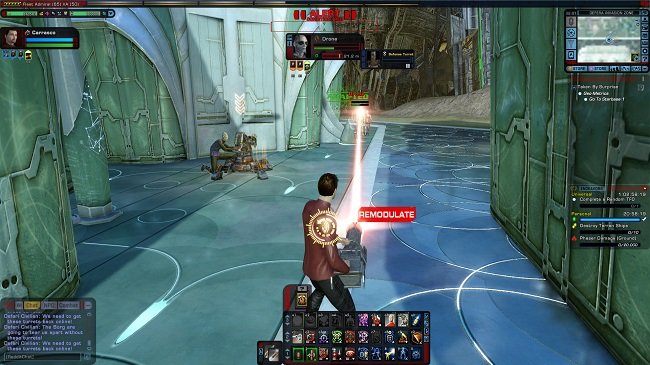
Ever since the Borg have been part of the MMORPG Star Trek Online, players have had to equip a Frequency Remodulator. The Borg adapt to damage from beam weapons after a few minutes and so players have to recalibrate their rifles or pistols, accordingly, using a Frequency Remodulator. This takes 5 seconds to perform and so has to be timed carefully to ensure that the player is not vulnerable to attack during this period. An upgraded version called a Fractal Remodulator, has been available from Federation and Klingon vendors in the Base Camp of the Defera Invasion Zone. It can be crafted for 50 Nanopower Capacitors, 50 Fibro-Neural Interface Cabling and 50 Cybernetic Armatures. It is quicker than the standard model, taking 3 seconds to apply new frequencies. Kinetic weapons do not require remodulation and the Borg cannot adapt to them.
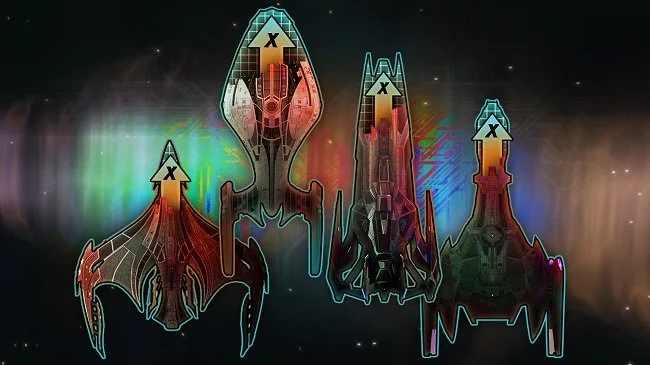
Cryptic used the same statement on their recent news release. Except they ended it with an exclamation mark whereas I’ve chosen a question mark instead. Because I really do question the wisdom of expanding the Experimental Ship Upgrade path and the benefits of applying additional tokens to your ships, unlocking further device, console and trait slots. This is a classic example of doing something because you can, as opposed because you should. Do players at level cap who have already upgraded their ship(s) from Tier 6 to Tier 6-X really need to augment it further? Beyond the immediate stats boost, does it offer any significant benefit to the player or the game in the long run? Or does this situation simply boil down to the fact that it’s another cynically contrived excuse for Star Trek Online developers, Cryptic, to sell you something. For the record, Experimental Ship Upgrade tokens are available for sale in the Zen Store (for money) or can be purchased via Phoenix Prize Pack (for dilithium).
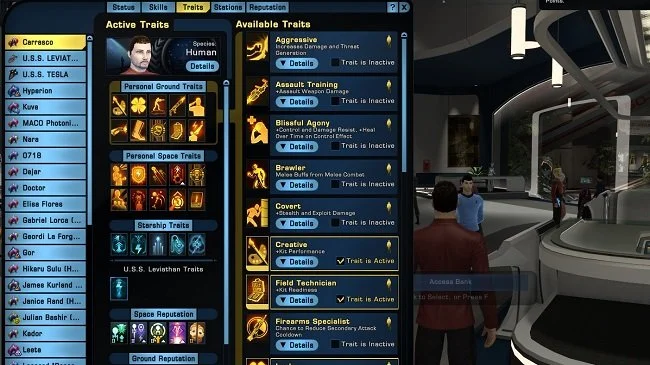
All MMORPGs have bugs. It is a certainty in life, just like death and taxes. However, some have more than others. I’m sure we could argue for hours as to which particular game has the most but I’ll leave that discussion to others. Star Trek Online has its share, many of which have persisted for years. But there is one that stands out, due to its longevity and sheer annoyance. To be specific, the “trait bug”. Like many MMO’s STO has a trait system that offers a range of passive or active buffs, skill boosts and statistical tweaks. STO is very much a number game, especially if you are chasing a high DPS output, which lots of players do. The trait bug is the random “unslotting” of some of your characters traits. It can affect any of the seven categories of traits but tends to most often happen to Personal Space Traits and Starship Traits. Unless you regularly check, most players will not immediately know this has happened.
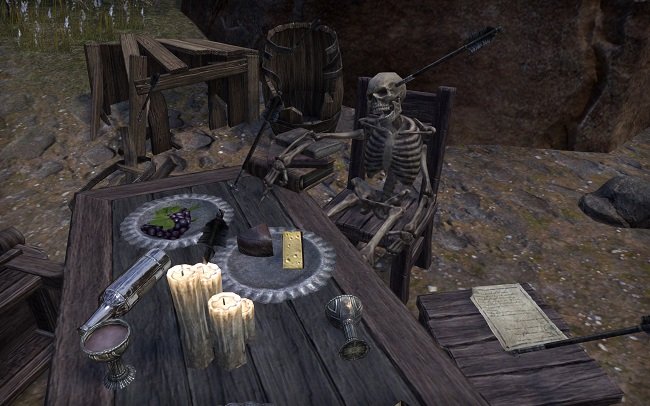
“The MMO genre is rife with its own set of tropes; recurring themes and motifs that have become established and ubiquitous. All of which are ideal material for a hastily produced, lazily conceived, recurring blog post”. Dying in an Massively Multiplayer Online Role-Playing Game is a clear and unambiguous fail state. A means by which to teach the player that they’re doing something wrong and that they need to rethink their strategy. IE Don’t mess with the foul Marmydons unless you have back up and are wielding the Sword of Kagnazax. Dying is a reminder to not get overconfident and maintain situational awareness. It teaches us to ensure you have the right gear and consumables, to be au fait with the mechanics of any fight you’re about to get into and that winning is not a given. Any enterprise that offers a tangible reward will come with potential risks and consequences. If you’re playing in a group then death provides a timely reminder not to rely on Colin.
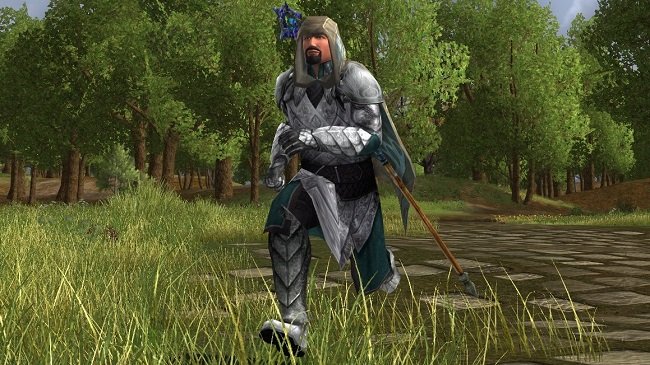
“The MMO genre is rife with its own set of tropes; recurring themes and motifs that have become established and ubiquitous. All of which are ideal material for a hastily produced, lazily conceived, recurring blog post”. I was in London recently, idly walking to the Natural History Museum in South Kensington, when a group of tourists started running for no discernable reason. Someone I was with asked “ I wonder why they’re running” and I replied “perhaps they think they’re in an MMO”. The quips fell on deaf ears but that is a cross I often have to bear. This anecdote highlights one of the points of this post. Namely, why do our avatars in the MMORPG genre run by default? I would also like to discuss the manner in which MMOs address the issue of travel around an ever expanding virtual world. Is fast travel lazy? Our mounts a boon or a bane?
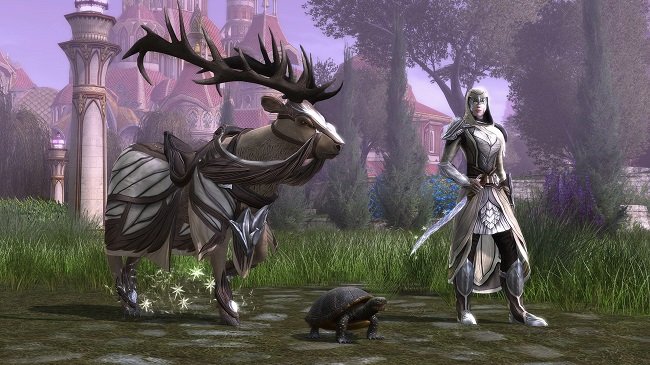
Here we are again with another summary of my gaming activities in recent months. Or in this case since last September. It’s been a while but I’ve been on a blogging hiatus until recently. However, I’ve kept myself busy gaming wise and often I find the hunt for news video games, just as entertaining as I do playing them. Perhaps that could be a future blog post. Back to the matter in hand. Gaming wise, pretty much all things related to the MMORPG genre are currently on the back burner. I’ll give specifics later but I am taking a break from these for the present. I am currently looking at trying games outside my usual comfort zone and also trying to test whether you can or cannot teach an old dog new tricks. Fortunately, the answer appears to be yes you can. Enough summation, on to the specifics.
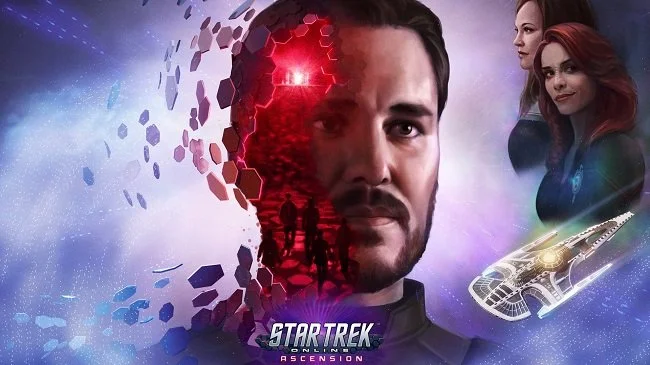
This afternoon Cryptic launched the latest season update, Ascension, for the MMORPG Star Trek Online. Furthermore, I’m sure it will not come as a shock to long term players that it was broken and an emergency patch had to be applied. Oh how we all laughed. Even after being “fixed” players are still experiencing bugs with the new content, especially the ground mission part of the update, but this sadly is just par for the course. Personally speaking, it is not the bugs that I have a problem with as they are just part of the overall gaming experience when playing STO. What I am saddened about is the actual gameplay found in Ascension. The space combat section of the game is simply “more of the same”. Destroy some specific vessels and once the goal has been met, watch the cutscene. But the ground combat is especially uninspired and repetitive, despite its interesting setting.
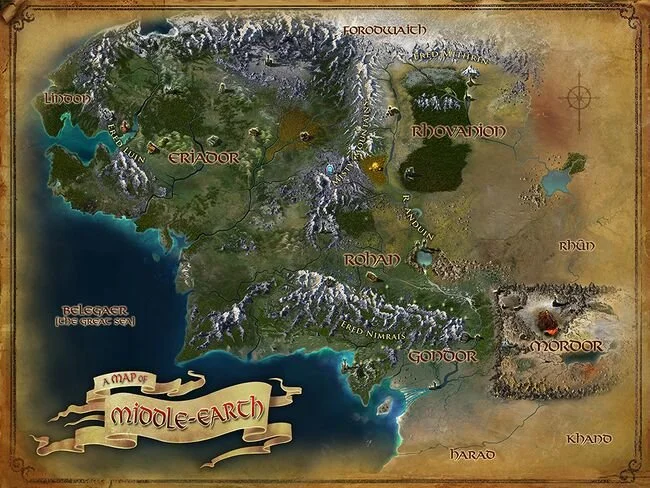
The Lord of the Rings Online was my first major MMORPG. I started playing in late 2008 and quickly discovered that there was a necessity to become familiar with the game world. Although the game provides quick travel options they were not ubiquitous at that point and often a player would simply travel on foot to travel costs down and to take the most direct route. Back in 2008 you could not own a mount until level 30. Hence I began “learning the maps” in the game and to this day still remember how to travel from one side of Moria, to another. The maps in the base game remain clear in my mind as they were so well trodden. Not so those in the regions. There are far more stables with fast mounts present in the game now and so convenience trumps any requirement to become so familiar with newly added zones. Nowadays Standing Stone Games designs new zones that tend to funnel players through them from quest hub to quest hub.
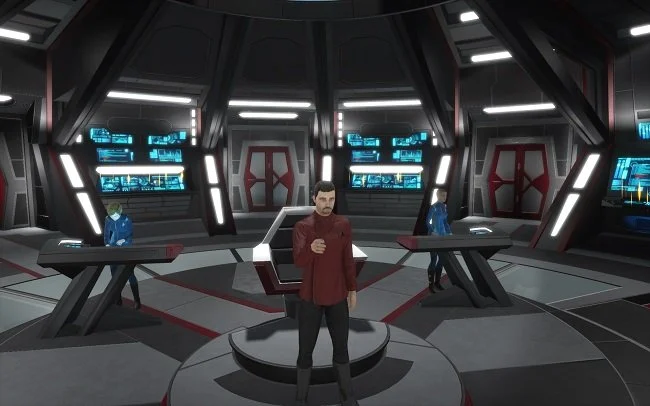
I’ve been playing Star Trek Online on and off for about 8 years. During that time I read a lot of Wikis and watched a lot of videos on YouTube that explore the game’s various systems and mechanics. I find a lot of the recommendations made by “expert” players to be impractical. The commonest being builds that include traits and consoles that you can only obtain from buying specific ships. Or using resources in quantities that take months of grinding to build up. This is hardly what I’d call handy advice for a new player. So I thought I’d give five tips of my own in no particular order, that I feel are useful. Some are glaringly obvious. Others not so. But hopefully they will prove useful to both new and returning players.
Cryptic are once again running the Temporal Agent Recruitment event in Star Trek Online from Tuesday 6th September 2022. Players who create a TOS (The original series) era character during this time are eligible for bonus dilithium, equipment and special traits as they play through the game. Progression also unlocks rewards for existing alts which can prove very useful. There are also unique tasks associated with Temporal Agents such as finding and unlocking Temporal Probes, which are hidden throughout the game’s story content. Once a player has created a 23rd century Starfleet character, completed the tutorial and received their special Temporal Agent transceiver device, they will gain the title Temporal Agent. The goals and bonus content associated with the event can be completed anytime, even after it ends on October 4th.
 Roger Edwards
Star Trek Online has many in-game systems that are common to the MMORPG genre. The reputation system is one such example. In STO there are 13 reputation factions. Once a player has reached level 50 they may start progressing through the 6 reputation tiers of each one. Players gain progression through daily projects (20 hours in duration). Hourly projects are also available though they yield less reputation advancement and are limited to three times a day. Hence 20 hour projects are consider by default the most efficient way to gain rep. Projects require 30 Faction Specific Marks (earned via various activities in-game), 15,000 Energy Credits (standard in-game currency) and 2000 Expertise points. The most efficient way to tackle the reputation grind is to build up the necessary resources in advance and then at a designated time each day, start all 13 respective projects. Upon completion projects yield a player bound lockbox containing a random space or ground weapon, a console or Elite Marks which can be used to acquire faction gear.