
Neil Marshall's third film is fast paced action movie, which pays homage to the "Post Apocalypse" genre and much more. It is a text book example of a film in three acts and is also pretty much the sum of its parts. The dialogue is minimalist, the acting adequate and the action frenetic and violent. Be warned, this film has earned it's 18 certificate for its UK release. However, none of these attributes are bad things. Doomsday makes its intention clear right from the beginning. If you want any further clues, take a look at the UK theatrical poster. The club with spikes is a fair indication that subtlety is not this movie’s strong point.
A deadly plague, known as the “Reaper Virus,” has killed hundreds of thousands and left Scotland devastated. In desperation, the British Government evacuates as many survivors as it can out of the infected area, and then builds a wall, preventing the remainder from escaping. Thirty years later, with the wall still up and the victims all but forgotten, the virus appears to breaks out again in London. The Government decides to send a crack team of operatives, led by Major Eden Sinclair, into the hot zone behind the wall, to investigate the possibility of a cure.
Neil Marshall’s previous two films, Dog Soldiers and The Descent were very well received by both the public and critics. The latter was tightly written and directed and stood out compared to the usual contrived commercial studio fodder. Doomsday is a far more main stream affair and does not have the same level of tension and sophistication. It is a high octane action film that deliberately pays tribute to such pictures as Escape From New York, The Medieval Dead and Mad Max 2. However, the story unfolds at such a fast pace and lurid fashion, it is easy to overlook the plot flaws and inherent silliness of the premise.
The first act showing the outbreak of the reaper virus, the isolation of Scotland and then the subsequent raid into the forbidden territory, is by far the most engaging. Acts two and three are a series of action sequences in two different environments. They serve to expedite and close some plot lines and whittle down the cast. The production values are good and the film is littered with visual jokes and references. Performances are exactly the kind you need in such a movie. Bob Hoskins gives it plenty of "South London", Malcolm McDowell is suitably sinister and Craig Conway is cheerfully psychotic. Rhona Mitra proves that women can happily take on the role of action hero.
Doomsday is very entertaining on a "what you see is what you get" basis. It may particularly appeal to people of the director’s age group. Those who can remember the "Post Apocalypse" direct-to-video releases that saturated the market in the eighties. The soundtrack by Tyler Bates reflects this with its use of synthesisers and songs by "Adam and the Ants" and "Frankie Goes To Hollywood". The car chases and pyrotechnics are good for the films budgetary limitations. Be warned, as I said earlier, this film is violent. Bodies are crushed, limbs hacked off and there's even cannibalism.
My only criticism relating to Doomsday is the modern, rapid fire editing, that seems to be so fashionable these days. This actually dilutes some of the action sequences, rather than enhance them, which is a shame as some of the combat scenes have been well choreographed. But apart from this issue, I consider Doomsday to be a solid and affectionate tribute to the action genre of the eighties and nineties. Viewers get a professionally crafted action vehicle, that is tonally spot on for such genre material. It may not be the director’s best work but it’s possibly the most fun.
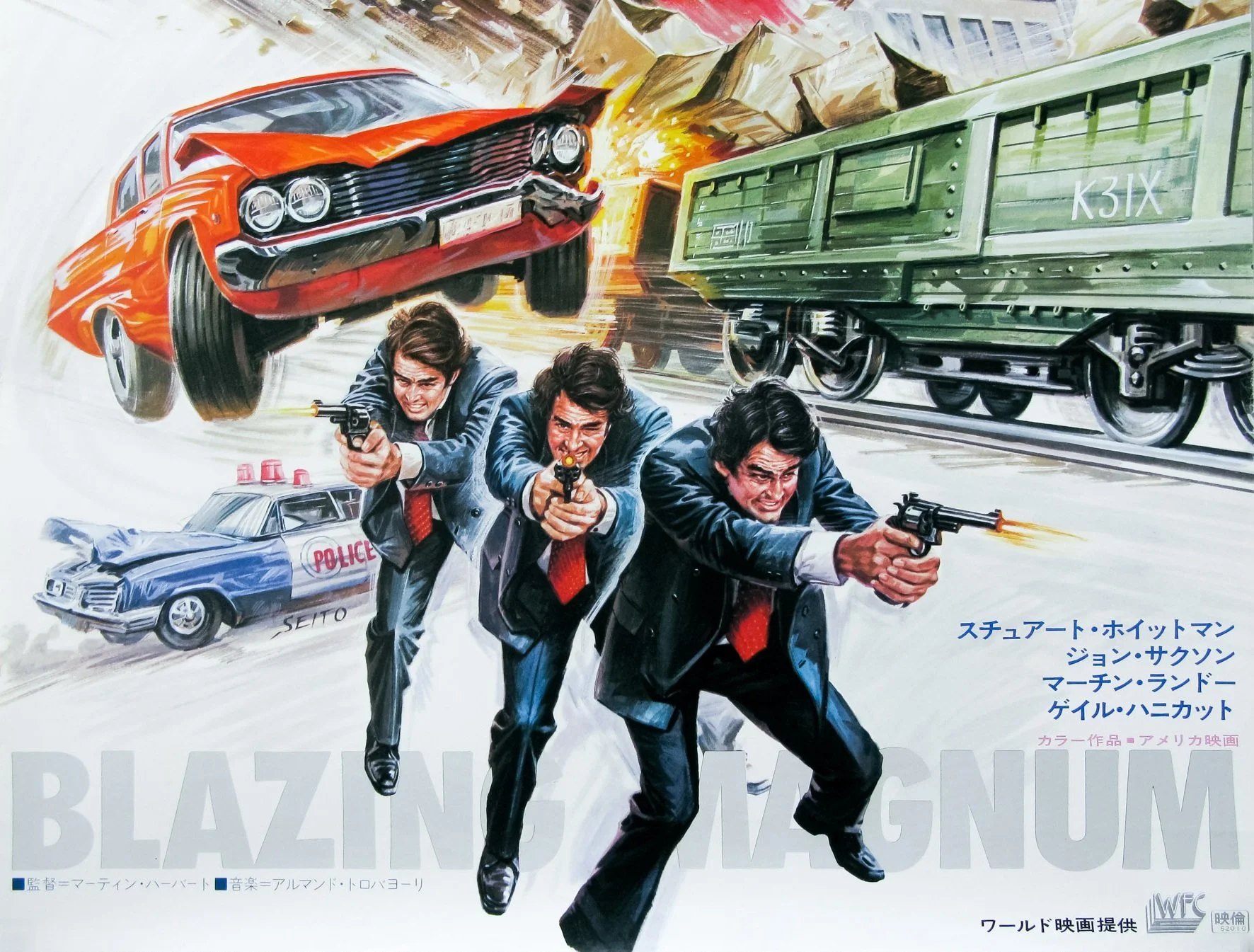
Mainstream films are easy to recommend to people. They’re usually formulaic, work within clear parameters and they’re not controversial. Most people, when viewing such film on someone else’s suggestion, are left with a fairly simply choice. Did they like it or not? Whatever the outcome, no feathers are ruffled. No one looks at you askance afterwards and says “why the hell did you think I’d like that piece of shit”? If something like this happens, then you have clearly not recommended a mainstream film. Perhaps you’ve suggested something that’s a little more of an acquired taste. Something niche, from a very specific sub-genre. Which brings me neatly to Blazing Magnum AKA Strange Shadows in an Empty Room (1976). The US title gives the impression that this film is a hard boiled cop thriller, like so many others that followed in the wake of Dirty Harry. But there’s a clue in the European title. Yes, this movie has more than just a whiff of a giallo about it.

In the year 1860, Baron Victor Frankenstein (Peter Cushing) faces execution by guillotine for the murders perpetrated by the creature he created. With the assistance of a hunchback named Karl (Oscar Quitak) he avoids death by beheading the priest who came to give him the last rites. The priest’s body is then mistakenly buried by the authorities. Three years later, Victor, now using the name Doctor Stein, has established himself as a prosperous physician in Karlsbrück, serving both affluent patients and the poor at a paupers’ hospital. Hans Kleve (Francis Matthews), a junior member of the medical council, recognises Victor and being an admirer, seeks to become his apprentice. Victor and Hans then undertake an experiment to transplant Karl’s living brain into a new, more refined body, rather than a grotesque monstrosity the Baron has previously made. Karl is eager to have a new healthy body, especially after encountering Margaret Conrad (Eunice Gayson), the charming new assistant at the hospital.

This movie questionnaire was originally created by Alexander from Cinemaniac Reviews. Sadly, I believe that website is now defunct. However, that doesn’t in anyway invalidate the questionnaire itself which has some very good questions about your relationship with cinema. Some of my answers to the questions posed are about films that I enjoy, as opposed to those that are considered cinematic classics. However, I have answered some questions more seriously than others, especially the one about undeserving recipients of the Best Film Oscar. I struggled with a couple of questions because I no longer go the cinema as frequently as I did 10 years ago. This is mainly due to the fact that a lot of the films I find interesting end up going straight to streaming after very brief theatrical releases. Some do not even get shown in cinemas. Hence I view far more at home. But I digress. On with the questions and answers. Feel free to comment below and share your views.
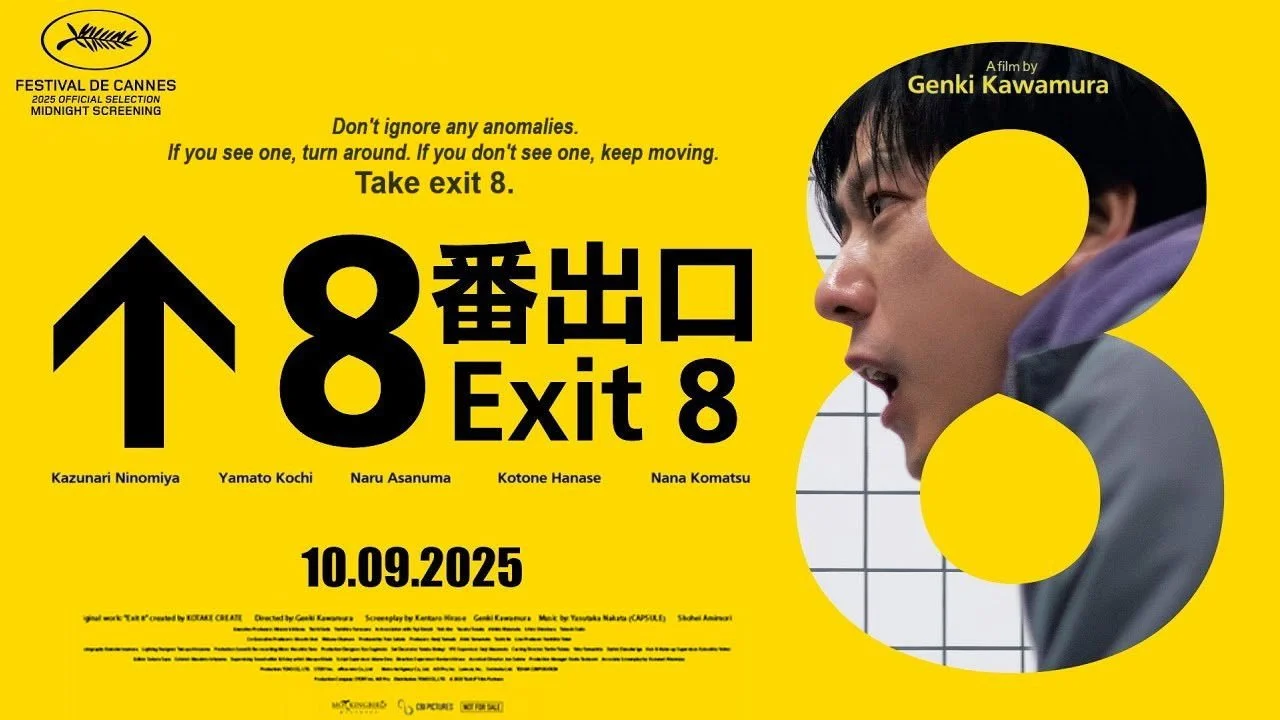
Exit 8 is a sophisticated and claustrophobic psychological thriller directed by Genki Kawamura, which skilfully transforms a minimalist indie walking-simulator game into a cinematic existential enigma. This overtly metaphorical film renders the repetitive nature and drudgery of modern working life into a physical environment in which the lead character is trapped and must find a way out. A random, brutal maze filled with an atmosphere of indifference to the lab rats that find themselves trapped within. Or is it their personal guilt that has put them there? Genki Kawamura’s psychological mystery draws inspiration from the Japanese video game of the same name, as well as from the cyclical nature of Groundhog Day and endless corridors of the Overlook Hotel in Kubrick’s The Shining. Although there are jump scares and some ghoulish imagery, this is not a horror vehicle. Instead this is a disquieting psychological drama with a strong sense of morality.
I wrote a post 18 month’s ago regarding whether a directors cut of a film is superior by default to the version originally shown in cinemas. Obviously the answer was no and I then went on to give three examples of films where I think the theatrical release is better to lengthier or substantially altered director’s cut that was subsequently made available at a later date. This time round in this post, I would like to do the complete opposite. I shall provide some examples of films that I think are significantly improved by a longer cut or a substantially, restructured edit. Note some of these examples are technically not a “director’s cuts” but a restoration or reconstruction of the director’s original vision. I shall endeavour to highlight what specific material or broader changes make each respective film “better”. As ever, all of these examples are a matter of subjective opinion and my views are presented as such, not “fact”.
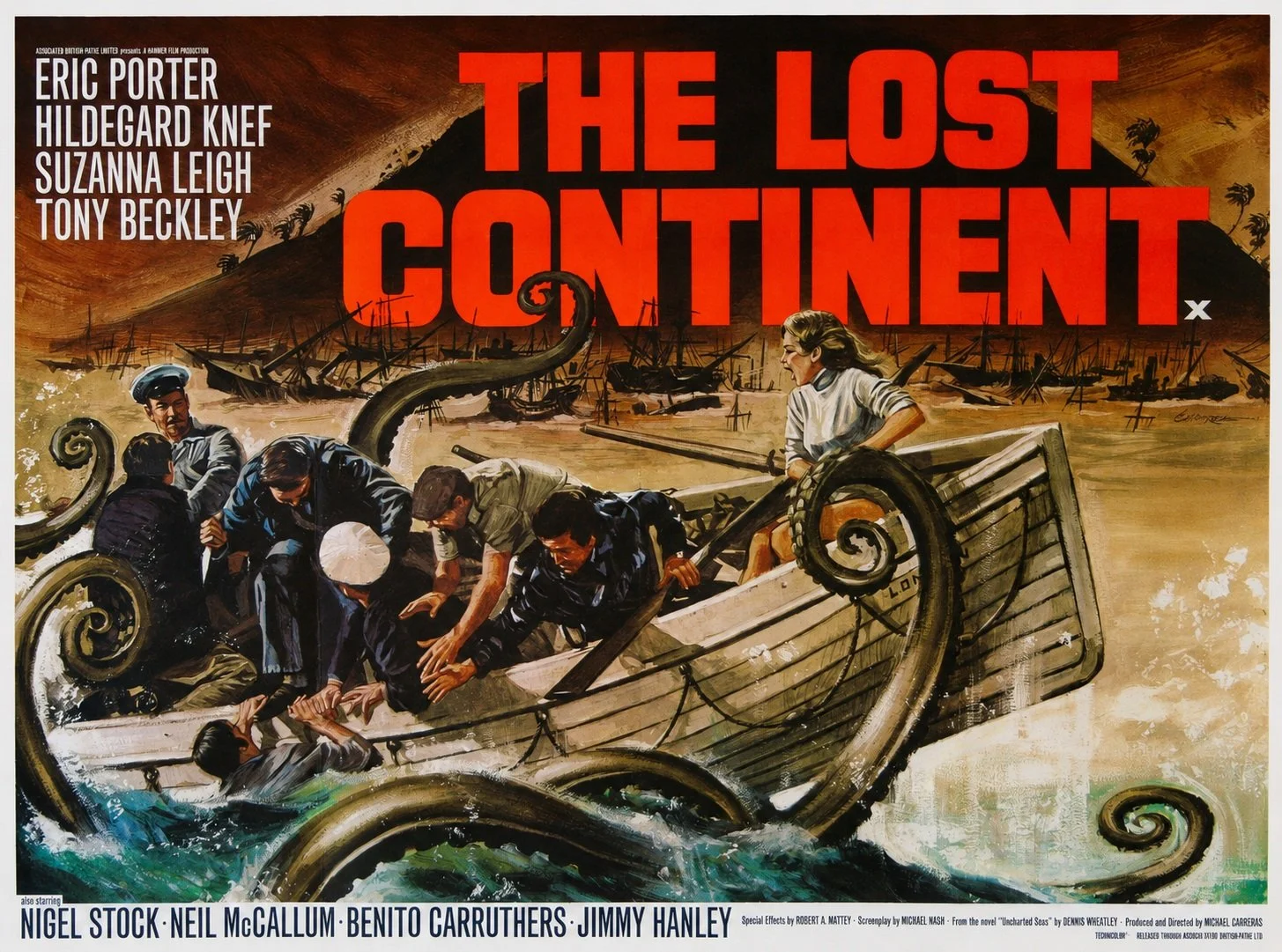
In 1968 the dilapidated freighter Corita hastily leaves Freetown to avoid a customs inspection. Captain Lansen (Eric Porter) has a cargo of dangerous explosives which he is smuggling so he can finally retire. His ship’s passengers also have reasons for leaving in a hurry. Dr. Webster (Nigel Stock), together with his daughter Unity (Suzanna leigh), is relocating due to his indiscretions with patients and illegal operations. Alcoholic pianist Harry Tyler (Tony Beckley) is aimlessly drifting from port to port. Eva Peters (Hildegard Knef) is fleeing from her husband with stolen bearer bonds which she intend to use to buy back her son from his evil clutches Caracas. Ricaldi (Ben Carruthers), a questionable lawyer, is pursuing Eva to retrieve the stolen bonds. First officer Hemmings (Neil McCallum) suggests that the ship should return to Freetown after an imminent Hurricane warning. The Captain asks the passengers and they are unanimous that they do not wish to return. However a mutinous crew, the bad weather and the instability of the explosives force everyone to abandon ship. The survivors find themselves adrift in a lifeboat surrounded by a strange carnivorous seaweed.
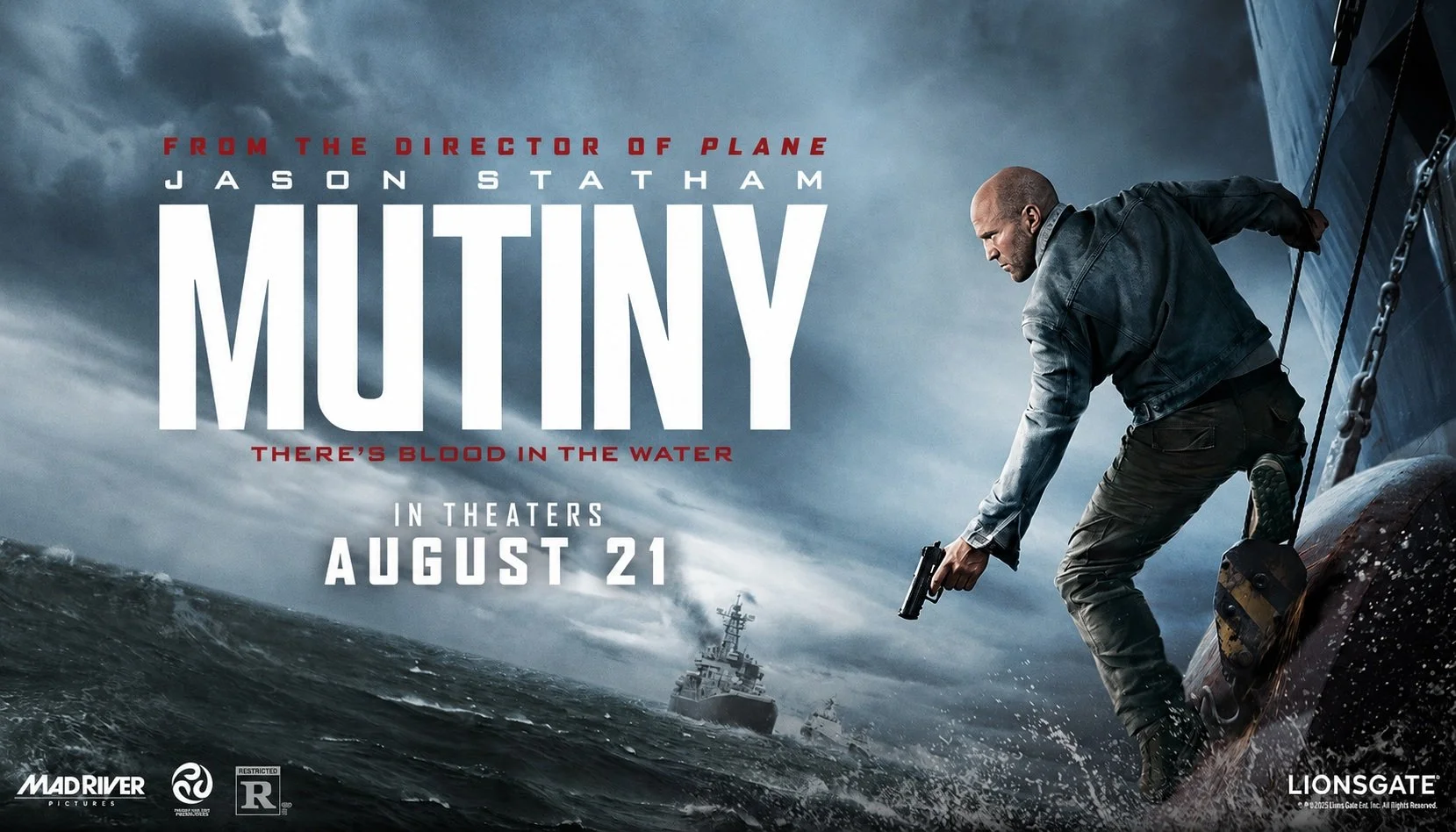
Jason Statham is an exemplar of the US mantra of “staying in your lane”. He makes action movies and occasionally strays into action comedies. His formula broadly works and is sufficiently lucrative to keep Mr. Statham employed. Therefore, if you watch a film in which he stars, you have a fairly good idea of what you’ll be getting. Of late, the criteria for his action vehicles have become more succinct. Jason Statham will play an innocuous character, such as a construction foreman or a bee keeper. Something terrible will subsequently befall another character who Mr. Statham has an emotional connection with in some capacity. He will subsequently hunt down those responsible and meet out death and violence. At some point the villain of the story will enquire as to how this innocuous person is so lethal. Research will then show that our Jason is in fact an ex-police officer/special forces operative/international assassin. There’s then a showdown and the villain dies. Job done.
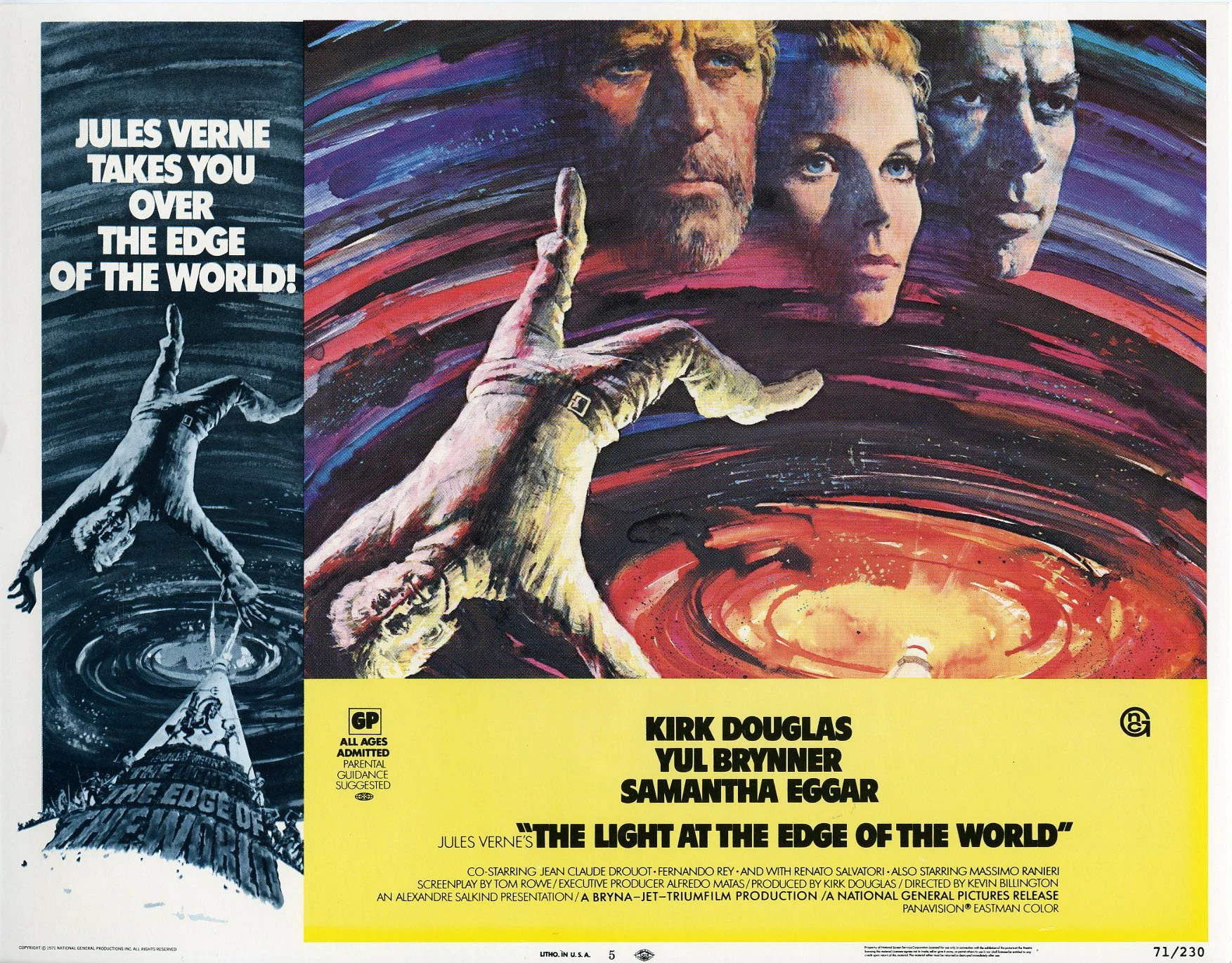
The Light at the Edge of the World presented itself as an action movie upon its release in 1971. Based upon a story by Jules Verne, the Spanish American co-production was driven by its star Kirk Douglas, who curiously hired British director Kevin Billington to helm the project. This tale of a lighthouse keeper fighting a war of attrition against a group of pirates that have captured his island, was market as an adventure film ostensibly in the idiom of the authors previous works and as a pirate movie. MGM bought the rights to distribute the film in the UK on the misunderstanding that it was a family friendly production. It was not and remains so. They subsequently had to cut 15 minutes of violence and torture as well as an undercurrent of sexual assault to secure a suitable rating. Conversely, the US distributors received an arbitrary PG rating, despite the fact this is one of a handful of films that honestly depicts pirates as murderers, rapists and worse.
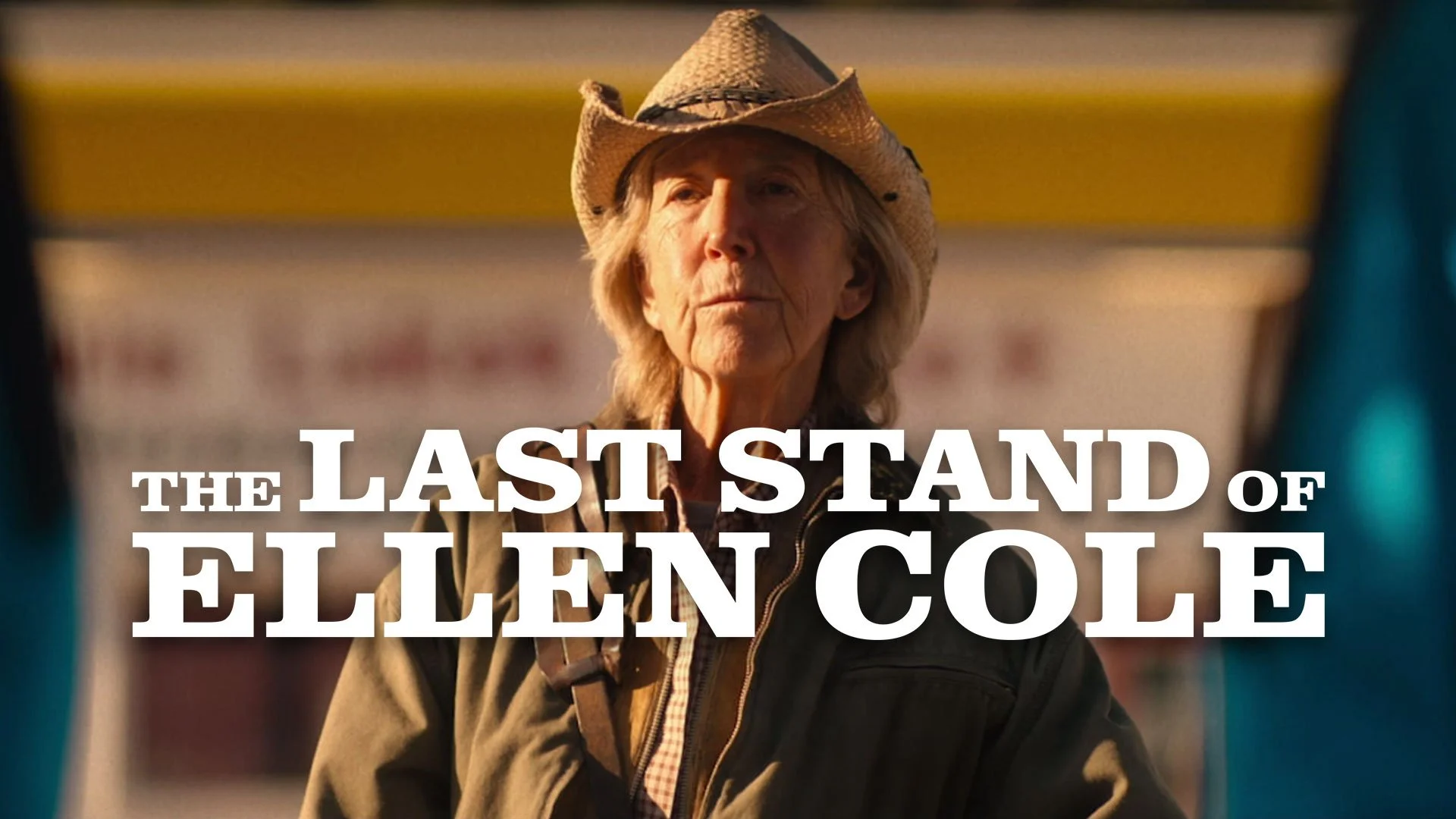
It’s an established action film trope. The fire team comprised of ex-military personnel, move in on their target. Only to have the tables turned by someone they don’t deem a threat. What makes it different in The Last Stand of Ellen Cole is a throwaway line of dialogue. The bested operative lies bleeding on the floor and the protagonists stands over them ready to finish them off. “Don’t, I have a cat” they feebly plead. For me that was the icing on the cake. The movie had already established it was taking the “same old, same old” and doing something different. Something fun, if taken in the right spirit. This scene tipped the balance and I embraced this film because it was being honest about what it is. This is a modern B movie that decides to give a very specific sub-genre a makeover. Furthermore, its clearly done with an affectionate wink, which is very different to sly wink. This isn’t deliberate self-knowing irony. Its just a film doing something different and possibly silly but it genuinely wants to have fun with it.
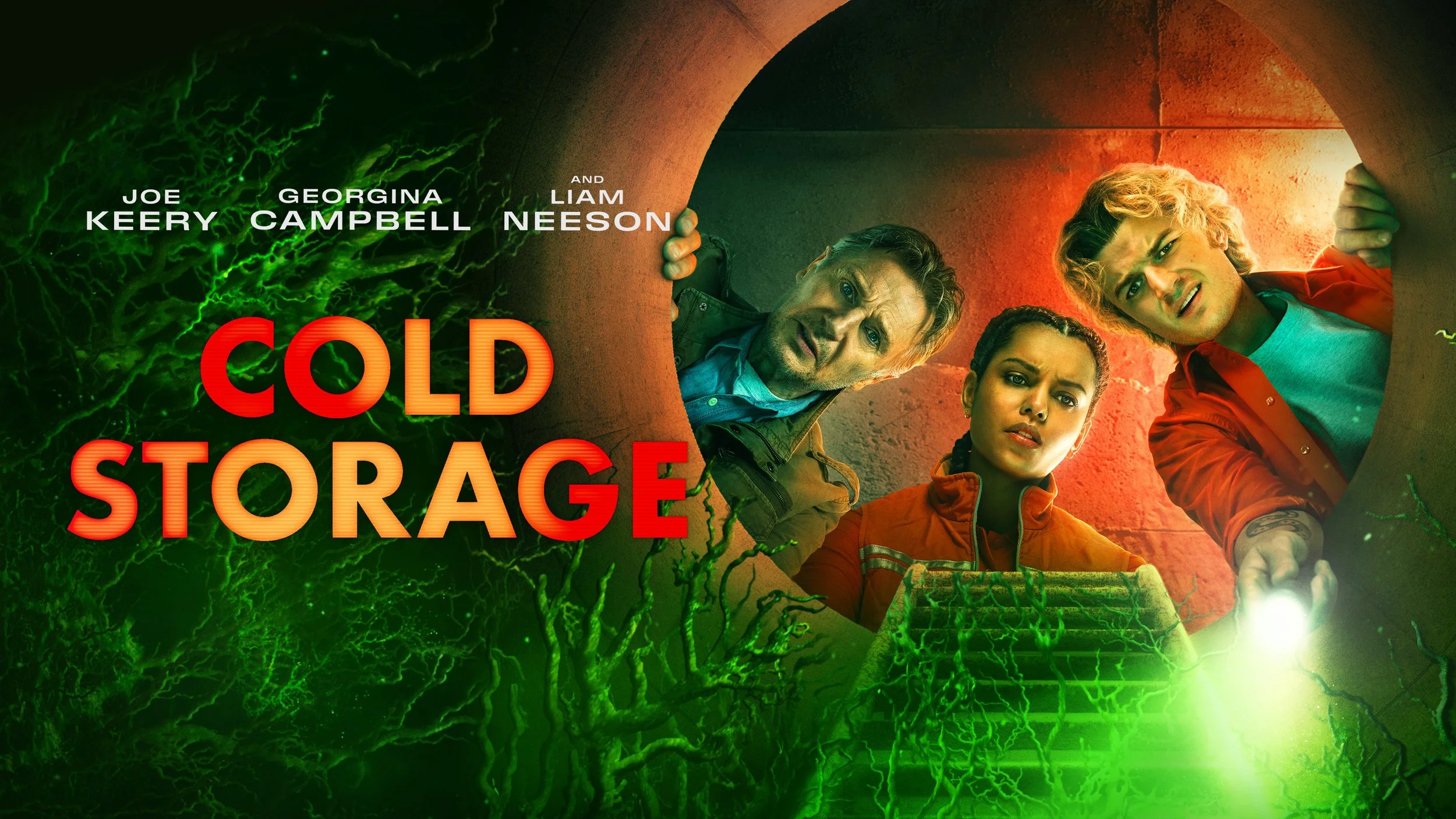
David Koepp is no stranger to genre cinema, having written the screenplay for such films as Jurassic Park, Spider-man and War of the Worlds. Where these titles are big budget, major studio productions, Cold Storage is a far more modest production with a smaller scope. Adapted from his own novel, the screenplay is by David Koepp and the film is directed by British film-maker Jonny Campbell. At first glance, Cold Storage seems a somewhat derivative science fiction horror film with a relatively modest budget, financed through a convoluted US and French co-production. Lurid green and red colours feature heavily in the marketing artwork and it is easy, after a cursory look, to write the film off as cheap, generic, direct-to-streaming filler. However, Cold Storage is prime example of why you should not judge a book by it’s cover, or in this case, a film by its posters and online advertising. It is in fact an amusing and fun endeavour that can fill an evening.
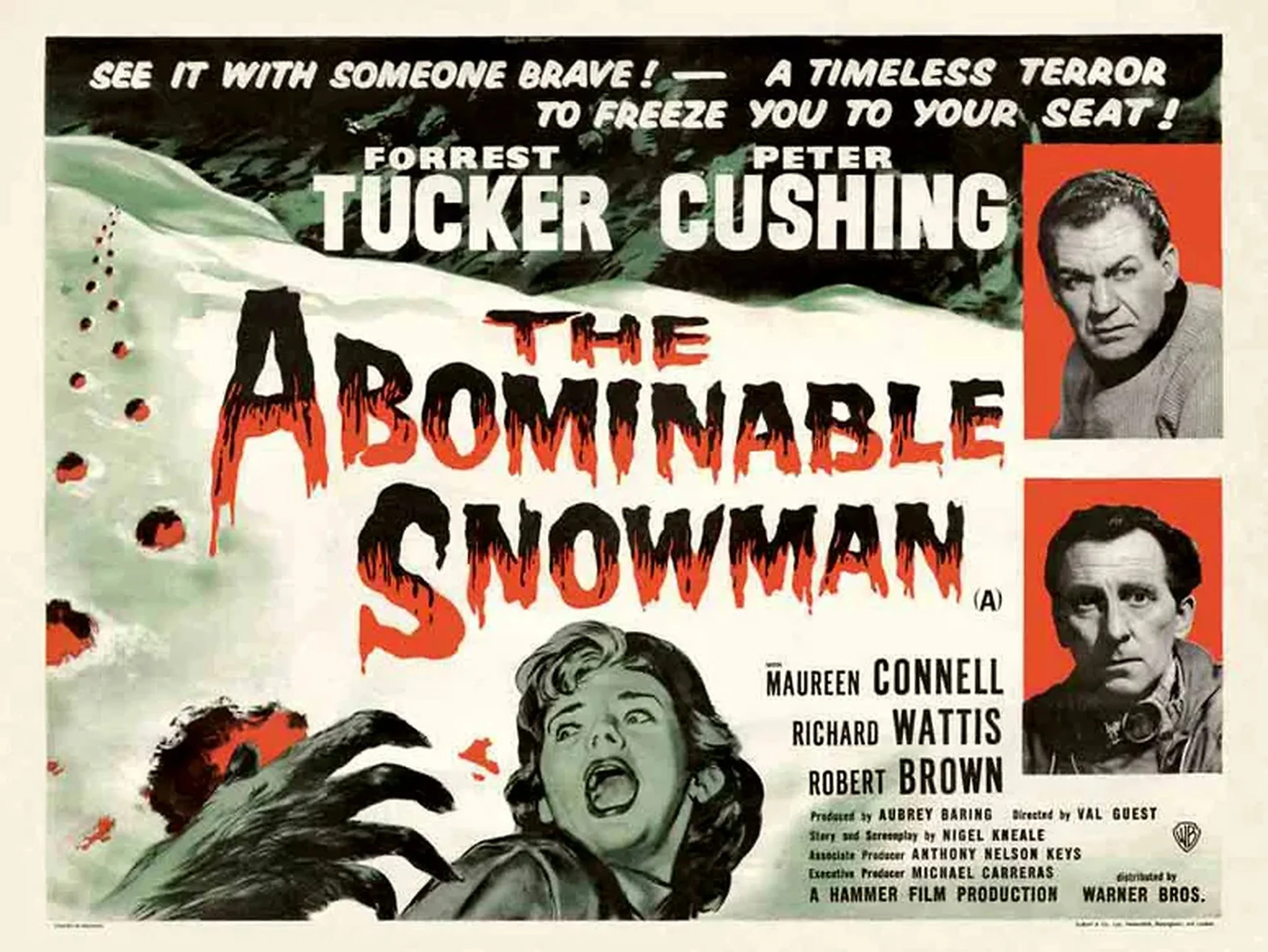
Despite being considered by many as an original story, The Abominable Snowman (1957) is in fact a remake of a made for television play, The Creature, that was originally broadcast in the UK in 1955. Hammer Films would often purchase the rights of popular TV programs and subsequently re-work them for mainstream, international cinema. Larger production budgets and fewer censorship restrictions allowed them to make their cinematic interpretations more lurid, thus commercially viable. Hence The Quatermass Xperiment, Quatermass II and Quatermass and the Pit were all given a big screen makeover and were commercially successful. The Abominable Snowman was written by acclaimed writer Nigel Kneale, who also wrote the original television drama and the aforementioned Quatermass trilogy. Although ostensibly marketed as a horror film this production is actually an interesting blend of psychological thriller and science fiction.
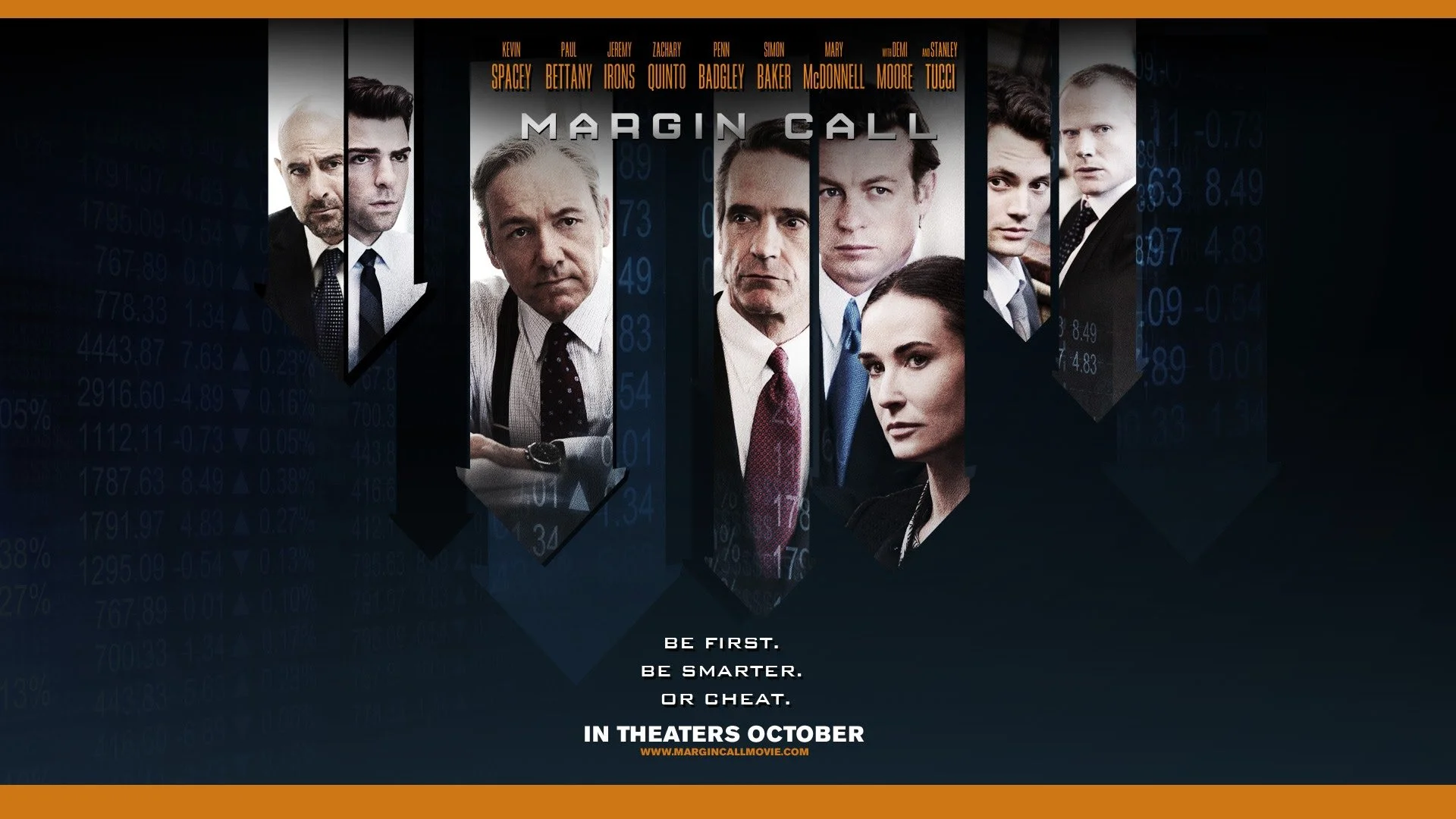
There are certain subjects that are notoriously uncinematic. These tend to be things that exist or are undertaken mainly in the mind, rather than expressed in an overtly physical way. Computing, science and mathematics are good examples. Writing code or working out complex equations does not immediately lend themselves to a visual medium such as cinema. Therefore, any film dealing with the world of corporate finance has its work cut out. Hence writer-director J C Chandor immediately deserves praise for making Margin Call, a film about the financial crash of 2008, as gripping and compelling as any political thriller. He does this by keeping the financial elements of the story to a minimum, choosing instead to focus upon those who have become aware of the imminent crisis and their reaction to it. However, the film remains a tough watch with regard to the some of the characters and their respective personal morality or lack there of.
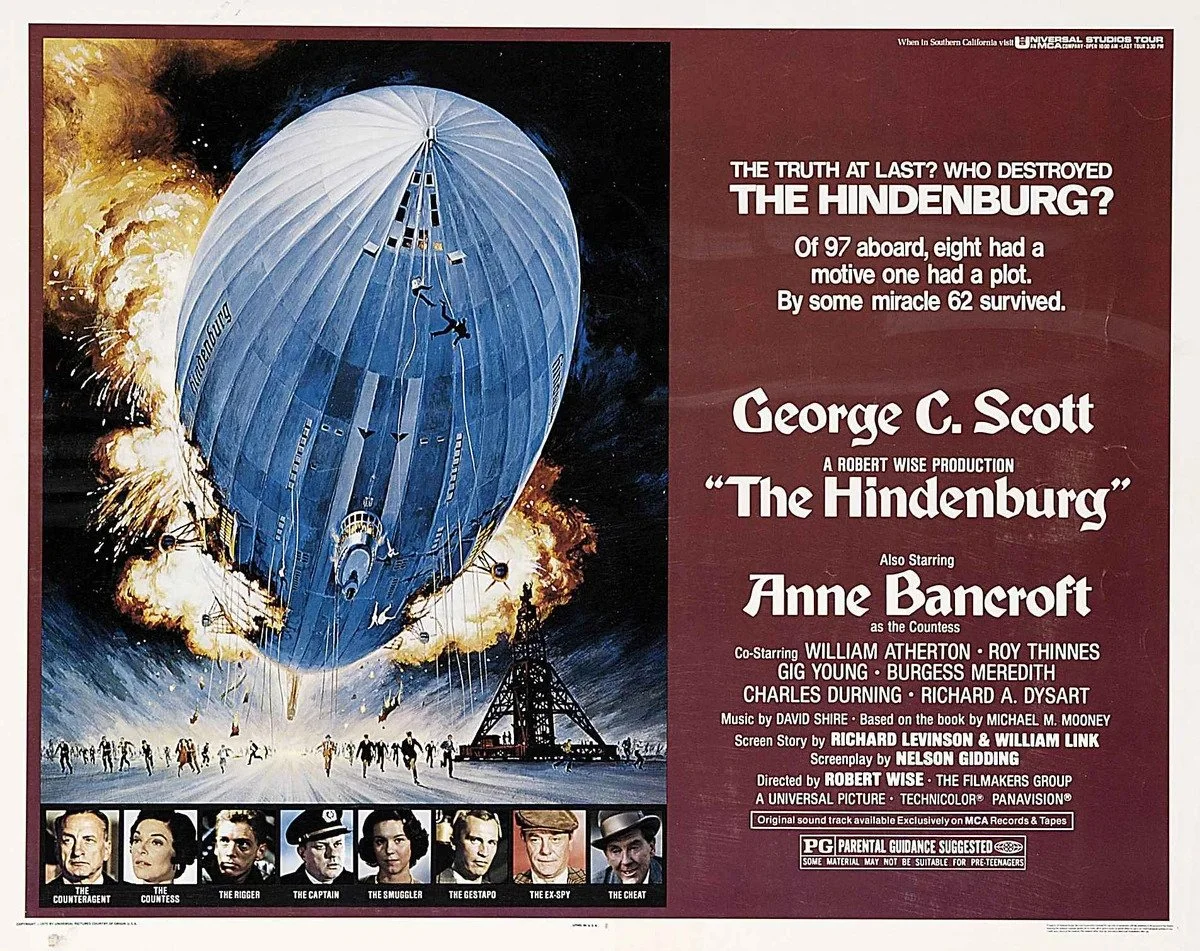
The 1937 Hindenburg disaster has remained an enduring mystery over the years. The physical mechanics of how this airship filled with 7,000,000 cubic feet of hydrogen gas caught fire has been fully explored over the decades and there are now several extremely plausible theories as to how it may have happened. However, there remains the possibility of sabotage. As such an idea has more dramatic potential than mechanical failure, it was used as the central theme of the 1975 disaster movie The Hindenburg. Directed by Robert Wise, the screenplay by Nelson Gidding explores a German resistance against the Nazi regime. The airship is targeted as it is a powerful propaganda symbol for Hitler’s Germany. Sadly despite some interesting ideas, a strong cast and solid, old school optical effects, The Hindenburg is a slow and somewhat ponderous production. Although the final 20 minutes of the film recreate the infamous explosion meticulously, it doesn’t quite compensate for the uneventful, dialogue driven investigation of the previous 100 minutes.

On the Eastern Front in 1943, a German Tiger tank crew led by Lieutenant Philip Gerkens (David Schütter) is sent on a mission to rescue the missing officer Paul von Hardenburg (Tilman Strauss) from a top-secret bunker that is at risk of falling into enemy hands. As they make their way through an eerie no-man’s land, they have to avoid Russian armoured vehicles that seem to be aware of their mission. They also encounter a German unit taking punitive action against a peasant village, in reprisal for partisan activity in the area. The youngest crew member, Michel (Yoran Leicher), talks of the land being home to ghosts and spirits. As the tank penetrates further into contested territory the crew become increasingly disturbed by the uncanny nature of their mission and begin to fall prey to their own inner fears.
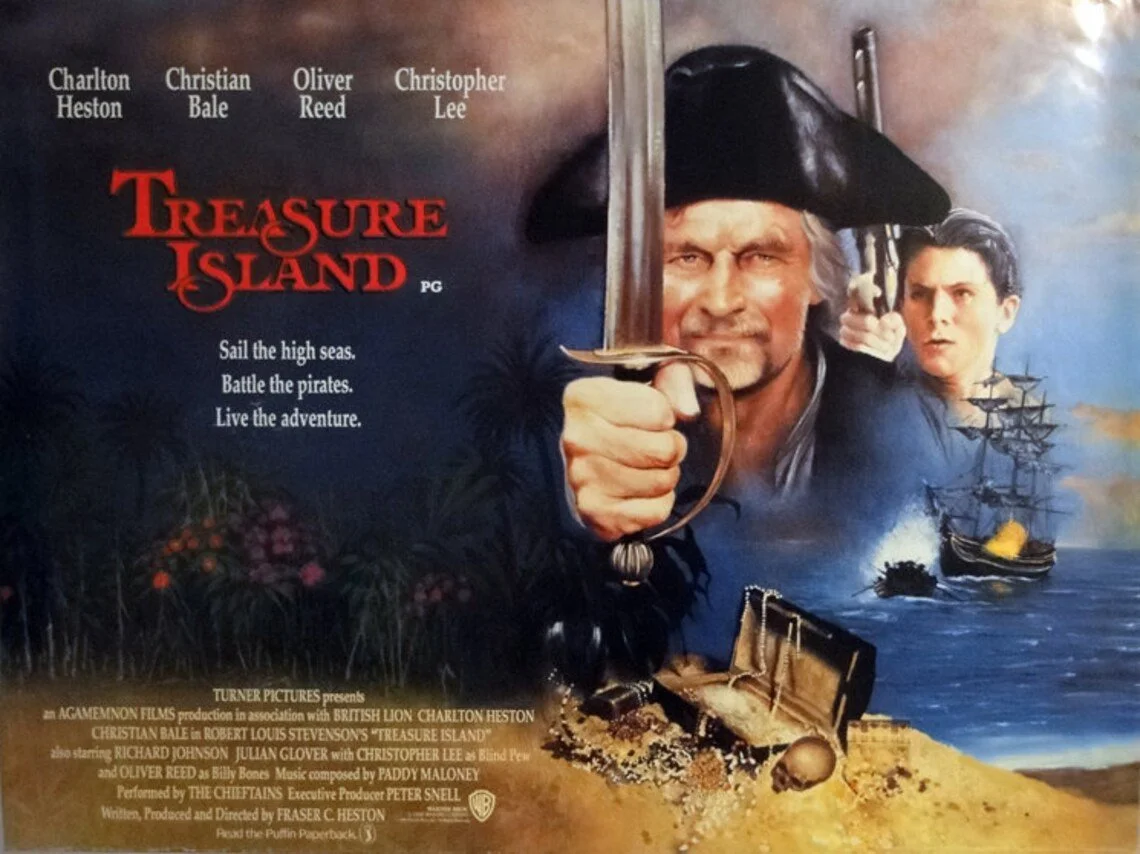
Robert Louis Stevenson’s classic novel has been adapted for cinema and television numerous times. Perhaps the most well known is the 1950 Disney version, starring Robert Newton as Long John Silver. His eye rolling performance and exaggerated West Country accent is credited with popularising the stereotypical form of “pirate speech" that has become the pop culture default. Although an enjoyable film, it does gloss over the more sinister aspects of both the source text and history, perpetuating the myth that pirates are just loveable scoundrels. Many subsequent adaptations have fallen into the same trap to a greater or lesser degree. However, that is not the case with the 1990 version of Treasure island, which was made for the TNT cable network and released theatrically outside of the US. This darker and notably more violent adaptation closely follows the source text and is widely considered the most faithful to the book.

College Professor Peter Proud (Michael Sarrazin) has a recurring dream about a man swimming on a lake late at night. A woman named Marcia (Margot Kidder) paddles a small boat out to meet him. As the man tries to climb aboard, Marcia hits him with an oar and he drowns. Perplexed and disturbed, Peter approaches Doctor Sam Goodman (Paul Hecht) who is conducting research into sleep at the College. He conducts several tests which prove that Peter’s experiences are not registering as dreams. The Doctor suggests that they’re hallucinations but Peter theorises that they may be memories of a past life. A chance viewing of a TV documentary about Massachusetts, triggers further memories, so Peter decides to go an investigate. He subsequently learns that the man in his visions is a former Tennis coach, Jeff Curtis, who died in the late 1940s under mysterious circumstances. Is Peter the reincarnation of this man? If so, didn’t he have a daughter, Ann (Jennifer O’Neil). Furthermore is Marcia, Ann’s mother, still alive?