
What are You Doing and Where are You Going?
The title for this post is a quote from The Hobbit by J.R.R. Tolkien. I’ve used it as a verbal cue to try and give readers an overview of the point I’m striving to convey. Because I want to talk about modern life in western civilization, specifically its complexity and increasing uncertainty. If you’re extremely wealthy you can mitigate these two points but I’m working on the premise that most of the people who read Contains Moderate Peril are not. The blogging community, of which I am a participant, is a diverse group but from what I’ve observed it’s not populated by millionaires. In fact most of the people I know, both online and in person, are just holding down a job, trying to keep a roof over their head and pay the bills. Often they’re doing the job they do in default of anything else and they’re at the very least ambivalent towards it. The pandemic has also brought home how fragile so-called “normality” is. Modern politics are also volatile and life in general just doesn’t seem as certain as it was twenty years ago.
The title for this post is a quote from The Hobbit by J.R.R. Tolkien. I’ve used it as a verbal cue to try and give readers an overview of the point I’m striving to convey. Because I want to talk about modern life in western civilization, specifically its complexity and increasing uncertainty. If you’re extremely wealthy you can mitigate these two points but I’m working on the premise that most of the people who read Contains Moderate Peril are not. The blogging community, of which I am a participant, is a diverse group but from what I’ve observed it’s not populated by millionaires. In fact most of the people I know, both online and in person, are just holding down a job, trying to keep a roof over their head and pay the bills. Often they’re doing the job they do in default of anything else and they’re at the very least ambivalent towards it. The pandemic has also brought home how fragile so-called “normality” is. Modern politics are also volatile and life in general just doesn’t seem as certain as it was twenty years ago.
We all approach life and deal with its respective slings and arrows in our own way. I am of an age where I was culturally indoctrinated to have a plan. They were very popular in the seventies and eighties. Everyone seemed to have one. Paul Simon, Leonid Brezhnev, Baldrick to name but a few. As a child, the plan that my parents had for me was pretty much the standard one from that era. Go to school and get an education and good qualifications. Find a suitable career. If you’re not sure about a career, then get a good intermediary job. Find a suitable partner and get married. Buy a home, have children and try to improve your lot in life. It was pretty much the white, middle class equivalent of the Xenomorph’s life cycle from Alien. By and large I broadly tried to follow this strategy but I found that reality constantly got in the way and tried to obstruct both me and everyone else who was trying to navigate life’s choppy waters.
So here I am at the age of 54. Life has changed for both my family and me a lot in the last eight years in ways that I never really imagined. This is documented in other posts so I won’t cover old ground here. Returning to the title of this piece, I find myself at a time in my life where I am considering “what am I doing and where and I going?”, so to speak. There are many reasons why we all get philosophically introspective at times. Society expects us to have an orderly trajectory to our lives, passing certain milestones along the way. However, many of these expectations are unrealistic and unattainable, so we then devote an excess of our time and energy examining our perceived failures. It is hardly a recipe for personal happiness and contentment. The information age has also opened our eyes to the reality of our relationship with the government. The various social contracts that are supposed to exist between citizens and state are all broken. Working hard does not necessarily pay off, neither does “doing the right thing”.
It is therefore not unusual to wish for a fairer and stable world. A world where opportunities exist for all, a job pays sufficient to keep a roof over your head and there is equality before the law. Sadly, that is not the case. Here in the UK the political system is broken and taken advantage of. It’s binary nature and tribal culture often means people vote for what they believe is the least worst of two “evils”. Hence people end up directly and indirectly voting at times against their own interests. At present we have a politically and intellectually weak government who are greedy, petty and dangerous. We are isolated internationally during the midst of the biggest geopolitical problem since World War II. The immediate future for the UK is not good politically, economically or socially. It is more upsetting knowing that some of these problems we inflicted upon ourselves.
So returning to the original question of “what are you doing and where are you going?” I have a major decision ahead of me this year. My caring commitments will be coming to an end in April and I have to determine whether I shall be returning to the job market, or whether my personal finances will allow me to officially retire. I suspect that the latter may not be possible and the prospect of the modern work environment doesn’t fill me with joy. My long term plan is to move out of London and attempt to keep the world’s problems at arms length. I just want to live out the remainder of my days in as much peace and quiet as possible. However, that seems more and more like an aspiration rather than a definitive plan, especially if I am reliant upon a job. It seems like no one can escape uncertainty these days. Being free from worry seems to be becoming a prerogative exclusive to the rich. It would be nice to end this post on a positive note but I cannot think of one.














Video Game Monopolies
Less than two weeks after we learned that Microsoft would be purchasing Activision Blizzard for $70 billion, today it was announced that PlayStation Studios (AKA Sony) is to buy Bungie for $3.6 billion. Both Microsoft and Sony have extolled the virtues of their respective acquisitions and claim that gamers will benefit. Game passes will become better value for money with new titles added to them. Accessibility and crossplay may well increase due to each company’s technological innovations. Console prices could even be reduced. And at a company level, restructuring and streamlining presents a potential opportunity to purge some developers of many of the toxicity issues that blight them. If you believe the press releases from both Sony and Microsoft, then the future of gaming is in safe hands and looking good. And so far there hasn’t been one mention of NFTs.
Less than two weeks after we learned that Microsoft would be purchasing Activision Blizzard for $70 billion, today it was announced that PlayStation Studios (AKA Sony) is to buy Bungie for $3.6 billion. Both Microsoft and Sony have extolled the virtues of their respective acquisitions and claim that gamers will benefit. Game passes will become better value for money with new titles added to them. Accessibility and crossplay may well increase due to each company’s technological innovations. Console prices could even be reduced. And at a company level, restructuring and streamlining presents a potential opportunity to purge some developers of many of the toxicity issues that blight them. If you believe the press releases from both Sony and Microsoft, then the future of gaming is in safe hands and looking good. And so far there hasn’t been one mention of NFTs.
However, if one steps back as a gamer and considers the nature of monopolies and their historical precedent, then things don’t look so great. Typical problems associated with monopolies are as follows. Higher prices than in competitive markets. A decline in consumer surplus. Monopolies have fewer incentives to be efficient. Possible diseconomies of scale. Monopolies often have monopsony power in paying a lower price to suppliers. All of which can lead to poor quality, unoriginal, expensive video games made by overworked developers in poorly paid and bad working conditions. And let us not forget the industry's ongoing and ever increasing infatuation with blockchain technology and non-fungible tokens. The days of paying once for a game are on the way out. The prospect of gaming being a second job is on the horizon.
I find my interest in gaming waning on a daily basis. Have I outgrown gaming? No. Not at all. I still enjoy many aspects of playing a well conceived and implemented video game. But I have outgrown the hype, the tribal and partisan nature of video game culture and I’m as tired as hell with many generic, uninspired and frankly unenjoyable titles. Like good quality films, you need to cast your net far and wide to find decent video games these days. Or defer to older classics. The prospect of large monopolies dominating the video game industry hardly assuages my concerns. However, monopolies are not bulletproof institutions. When reflecting upon successful companies like De Beers, do not forget the fate of Pan Am, IBM and AOL. And if contemplating the machinations of big business is too depressing for you, consider The Very Big Corporation of America from Monty Python’s The Meaning of Life.















DIY
During the seventies there was a boom in DIY (do it yourself) in the UK and a surge in interest in interior design. It was a decade of home extensions, loft conversions and open plan living. Social attitudes were changing and the formal layout of the family home that had prevailed since Edwardian times was giving way to ideas of a far more informal living space. I experienced this cultural change first hand between 1975 and 1985, as my Father spent a decade renovating the family home, room by room. The time and pace of this decade of DIY were dictated purely by the costs. My Father was working as a teacher and so the school holidays afforded him the time and opportunity. The practical benefits of DIY made the cost far more affordable. Plus, my Father was a mechanical engineer by trade and therefore could competently undertake woodwork, building and basic plumbing.
During the seventies there was a boom in DIY (do it yourself) in the UK and a surge in interest in interior design. It was a decade of home extensions, loft conversions and open plan living. Social attitudes were changing and the formal layout of the family home that had prevailed since Edwardian times was giving way to ideas of a far more informal living space. I experienced this cultural change first hand between 1975 and 1985, as my Father spent a decade renovating the family home, room by room. The time and pace of this decade of DIY were dictated purely by the costs. My Father was working as a teacher and so the school holidays afforded him the time and opportunity. The practical benefits of DIY made the cost far more affordable. Plus, my Father was a mechanical engineer by trade and therefore could competently undertake woodwork, building and basic plumbing.
Sadly, through a caprice of genetics, all such skills have totally bypassed me. I am not happy doing any sort of DIY around the house, apart from the most basic of tasks. I’ll replace light bulbs, not that such a task is a regularity with the new LED bulbs. I replaced the front doorbell in 2020 which involved taking off the wireless button on the door frame outside and replacing it with another. It was no more complex than removing two screws and fixing two new ones. Beyond this I’ll defer to professionals. If any small building, plumbing or electrical work is required, I’ll have it carried out by those who do it for a living. And I am quite content with this arrangement. I am fortunate enough to be able to pay for these services and if anything goes wrong, there’s a right to recourse. I am also not the sort of person who sees not being good at DIY as a slight against his manhood.
Although I am reluctant to undertake DIY in the traditional sense, I’m quite happy to mess with most sorts of technology. Taking apart a laptop, building a PC and software troubleshooting hold no fear for me and I will happily give anything of this nature a go. I can also wire Cat 5e cabling, build a server cabinet and install trunking and tray. I suppose it comes down to training and what you’re familiar with. Plus dealing with tech is not exactly comparable to redecorating your lounge. A bad installation of an operating system can be resolved by a reinstallation. A badly wallpapered lounge is a matter of public record and harder to redress. Which makes me wonder if there is an element of risk aversion in my attitude towards DIY, as opposed to just indifference and possibly a degree of indolence.
However, I recently decided to step outside of my DIY comfort zone and fitted a new letterbox to our front door. The existing one had broken and was a potential security hazard. So I measured the various dimensions and tried to find a replacement on Amazon. Needless to say, things didn’t go as planned and I had to adapt the replacement letterbox to get it to fit. Two plastic fittings that weren’t required were fouling the hole in the uPVC door, so I had to remove them. As this letterbox was a fraction larger than the old one, the existing screw holes didn’t line up. I don’t own a drill but managed to make new ones using a bradawl attachment on a Swiss Army Penknife. It wasn’t an especially difficult job but it was a learning experience. It’s made me think about my household's lack of tools and the disposable nature of so many items these days. It also highlights our lack of traditional skills as a society and the wider question of how most of us have no idea how the things we rely upon actually work.


"The World Doesn't Actually Need 10,000 New Indie Games a Year"
One of the reasons I’m not that engaged with politics at the moment is because so many people’s opinions are based upon spurious data, misconceptions and logical fallacies. There are too many hot takes that are based on bluster, faux outrage and a fundamental dislike or fear of change. Sadly, speaking before thinking seems to have become commonplace and has filtered down from political discourse into pretty much every other aspect of public discourse. The furiously hard-of-thinking dominate most public spaces and seem ready to pounce on any subject being debated with an angry, knee-jerk opinion. It is all very wearing. It would seem that being angry about someone or something is as addictive as heroin and a lot cheaper. However, it is equally just as damaging to society.
One of the reasons I’m not that engaged with politics at the moment is because so many people’s opinions are based upon spurious data, misconceptions and logical fallacies. There are too many hot takes that are based on bluster, faux outrage and a fundamental dislike or fear of change. Sadly, speaking before thinking seems to have become commonplace and has filtered down from political discourse into pretty much every other aspect of public discourse. The furiously hard-of-thinking dominate most public spaces and seem ready to pounce on any subject being debated with an angry, knee-jerk opinion. It is all very wearing. It would seem that being angry about someone or something is as addictive as heroin and a lot cheaper. However, it is equally just as damaging to society.
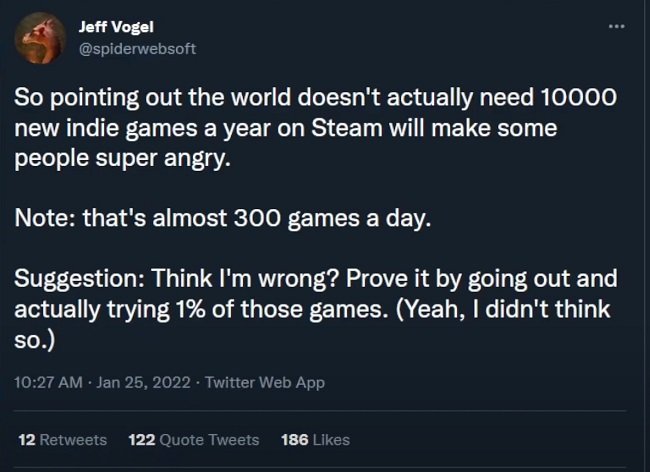
All of which brings me to recent Tweets made by software developer and businessman Jeff Vogel. Please note I have combined three of these in chronological order so we can see the full context of the points he was making. According to Mr Vogel, “When I started writing games for $$$ (1994), it was a weird eccentric thing to do and I didn't think I would make a penny. If I was starting out today, would I write video games? Almost undoubtedly not. This is a whole lot of young, smart, driven people making things nobody wants. At what point does this become a profound waste of human talent? So pointing out the world doesn't actually need 10000 new indie games a year on Steam will make some people super angry. Note: that's almost 300 games a day. Suggestion: Think I'm wrong? Prove it by going out and actually trying 1% of those games. (Yeah, I didn't think so)”.
It can be argued that if one overlooks the emotive element of Mr Vogel’s statement, there are indeed a lot of indie games produced for what is essentially a finite market. Therefore, many will fail commercially and struggle to get noticed. That part of his statement is correct on a logical basis. Beyond this point his words are personal and subjective musings on what people do with their lives and the projects that they invest their time into. He posits in subsequent Tweets that maybe people should put their efforts into other things as society still has lots of ills that need addressing. “The game industry doesn't care about this, it's too big. I think it's more about how it's a massive misallocation of talent. What forces are driving so many people to work so hard making something nobody wants, while so much of society in general is increasingly non-functional?”
The point that Jeff Vogel is making is an old one. I’ve made it myself in past posts. Essentially wouldn’t it be nice if people put the same level of energy and passion that they do with personal projects, into other things that are beneficial for wider society? For example if a local football club is going to be closed, the supporters will lobby hard to prevent it. Would they show the same dedication for a school or a hospital? However, beyond speculation, there is no practical solution to this philosophical conundrum. Because people tend not to think in such terms. For example, when my caring duties end, I shall have to find work. Given my qualifications and skills, returning to the field of IT would be logical, practical and possibly lucrative. It could also be argued as being “beneficial” for the economy and society. However, I do not wish to do this and therefore will not do so unless there is no other option. I wish to pursue a writing career although that will be far harder and pays less.
One of the problems with neoliberalism is that it goes hand in hand with the American dream; the belief that anyone, regardless of where they were born or what class they were born into, can attain their own version of success in a society in which upward mobility is possible for everyone. Hence people pursue what they’d like to do, rather than what may be most beneficial and practical. Hence so many people aspire to be “influencers” on Twitch TV and YouTube, rather than become an administrator for a firm of quantity surveyors. Does this say something about the state of the job market and people’s relationship with everyday life? I’m sure it does. You only have to read the late David Graeber’s book Bullshit Jobs to get an overview of how broken capitalism is for those not at the top. Hence people will pursue the seemingly impossible dream of developing an indie game, rather than endure the iniquities of soul crushingly pointless, underpaid work and having to interact with sociopathic management and social dysfunctional work colleagues.
Perhaps Jeff Vogel may wish to reflect on the following. Firstly, he and nobody else is the gatekeeper of indie games development or anything else for that matter. Any statement that directly or indirectly casts you in such a light is an error of judgement and will certainly provoke a reaction. Secondly, artistic endeavours and pursuing creative activities is enormously beneficial for both the artist and those who experience the resulting work of art. Creating something is not always about being financially successful. There is mental wellbeing, catharsis, mental discipline and a wealth of other benefits. This is why “the arts” are often subsidised in many countries. Art is a process of learning to create ourselves and experience the world in new ways. It supports the bigger view of life: beauty, symbols, spirituality, storytelling, and allows us to be present in the moment. Just because you can’t put a price on something doesn’t mean it’s invalid.
I don’t know that much about Jeff Vogel personally, so I can’t determine whether his Tweets are in good faith or deliberately designed to stir up an internet storm. If I assume that he meant what he said without malice, then perhaps his mistake was the way he phrased and presented his thoughts. If they had been less imperative and presented more as a point of consideration, then maybe they would have been met with less opprobrium. Perhaps such rhetorical questions as “the world doesn't actually need 10,000 new indie games a year” ultimately serve no purpose because of the nature of the human condition. We don’t run on pure logic. It is also a very problematic line of argument that can potentially be usurped to frame allsorts of other unpleasant concepts in a superficially “reasonable light”. Ultimately, the argument if taken to its inevitable conclusion would lead to group A dictating what group B does. That seldom ends well, especially in today’s political climate. People don’t take well to being told what to do. Irrespective of its rectitude.
Caring for the Elderly Part 15
In this latest post I wish to discuss hospital admissions and how they can become a regular occurrence when caring for the elderly. Being immobile, losing agency with respect to one’s personal hygiene and being dependent on medical equipment can lead to health related problems, irrespective of good home care. For example, my late Father had limited mobility and spent most of his day sitting. Hence, he used a memory foam cushion to protest against pressure sores. He also slept in a hospital bed equipped with an air mattress for similar reasons. Despite having attentive carers twice a day, he was subject to regular skin complaints due to his diet (he was fed via a PEG tube) and lack of sunlight. Perhaps the biggest source of problems came from being catheterised. Despite scrupulous cleanliness he would still regularly contract urinary tract infections. As a result hospital admissions were frequent.
In this latest post I wish to discuss hospital admissions and how they can become a regular occurrence when caring for the elderly. Being immobile, losing agency with respect to one’s personal hygiene and being dependent on medical equipment can lead to health related problems, irrespective of good home care. For example, my late Father had limited mobility and spent most of his day sitting. Hence, he used a memory foam cushion to protest against pressure sores. He also slept in a hospital bed equipped with an air mattress for similar reasons. Despite having attentive carers twice a day, he was subject to regular skin complaints due to his diet (he was fed via a PEG tube) and lack of sunlight. Perhaps the biggest source of problems came from being catheterised. Despite scrupulous cleanliness he would still regularly contract urinary tract infections. As a result hospital admissions were frequent.
For the elderly a stay in hospital is often a double edged sword. The focus of care is often upon the problem that was the cause of the admission. Sometimes this to the detriment of other secondary issues. Due to the rapid deterioration of my Mother’s mental state in early December, she was admitted to hospital on the 16th of that month to see if it could be determined what was the cause. Due to her lack of “capacity” she was taken against her wishes, which in itself was a very traumatic event for both her and our family. She spent two weeks in one hospital where it was discovered that she had COVID-19 but was asymptomatic. During that time staff did a multitude of tests to see if there was a physiological reason for her mental decline. None was found, thus making her diagnosis more likely to be dementia brought on by old age, She was then transferred to a second hospital for another two weeks and stayed on a geriatric ward. She was discharged on Monday 17th January.
The four week stay in hospital, over Christmas and New Year, has taken a heavy toll on my Mother. The change of environment, the disruption to her routine, the tests and fear of being in hospital without seeing a familiar face has left her even more fretful and suspicious. She has lost more weight, now being about 112 lbs. She has become even frailer and can no longer stand to use the Molift for transport to the commode. Hence she is now permanently bedbound and cannot feed herself without assistance. Something the hospital staff neglected to tell me until 30 minutes prior to her discharge. In many ways my Mother is the embodiment of that rather arbitrary adage “if you don’t use it, you lose it”. And although in the great scheme of things it’s not so important, several items that went into the hospital with my Mother have failed to come back with her. Such as her Pro Heel Boots that protect her feet, which cost £80.
The pandemic has certainly made hospital stays a lot more complicated and this has naturally had an impact on what staff can and cannot do. It is reasonable to bear this in mind when making any assessment about the overall virtues of a stay in hospital. But COVID-19 notwithstanding, I believe that some hospital stays for the elderly can be a major contribution to their ongoing decline. In my Mother’s case the staff focused on trying to determine the cause of her mental state to the detriment of her physical wellbeing. She may well be COVID-19 free but at a terrible cost to her overall health. Furthermore, as they haven’t found a physical reason for her decline in capacity, both the medical staff and social services do not feel inclined to pursue a mental health diagnosis. Put frankly, no one wants to use the term dementia. There seems to be a deliberate policy of using far more vague and nebulous medical terms such as delirium and confusion. Possibly because the term dementia immediately dictates a very specific and expensive course of action. One that social services and the NHS may be reluctant to take.
At present my Mother is back home and bed bound. She is still confused, hearing voices and talking to them. She is distressed and tearful a lot of the time. She has four care visits a day. Each one involves two carers. She is dependent upon them to eat and drink. Both my Sister and I have tried to get her to drink water at times outside of the care visits but she will not take anything from either of us, as she believes we are trying to do her harm. After three days there have already been several incidents of her not allowing the carers to help her. Hence we find ourselves as a family exactly back in the same situation we were in when she was admitted. Naturally I am monitoring the situation but if my Mother continues to not drink sufficiently and to neglect herself, she is likely to get ill and be admitted to hospital again. I’m not sure if she would survive another stay at the age of 91 and in her current physical and psychological condition.









Stuff to do in 2022
Regular readers will already know my position on New Year’s Resolutions. I think unrealistic, kneejerk commitments to hare-brained schemes that you know damn well won’t ever get done, are crass and tiresome. So let’s not waste each other’s time going down that route. I like sensible, realistic, attainable goals and that is exactly what I am setting myself for 2022. I want to increase my writing output this year because my drafts folder is filled with posts and ideas that haven’t quite been completed. Essentially this comes down to making the time to finish these articles and possibly embracing a somewhat briefer writing style. I’m also going to try and see if I can grow the existing audience for Contains Moderate Peril. I have some ideas as to how to do this and none of them really require any additional resources. It simply comes down to doing the required work and staying motivated. I believe that I meet both of those requirements.
Regular readers will already know my position on New Year’s Resolutions. I think unrealistic, kneejerk commitments to hare-brained schemes that you know damn well won’t ever get done, are crass and tiresome. So let’s not waste each other’s time going down that route. I like sensible, realistic, attainable goals and that is exactly what I am setting myself for 2022. I want to increase my writing output this year because my drafts folder is filled with posts and ideas that haven’t quite been completed. Essentially this comes down to making the time to finish these articles and possibly embracing a somewhat briefer writing style. I’m also going to try and see if I can grow the existing audience for Contains Moderate Peril. I have some ideas as to how to do this and none of them really require any additional resources. It simply comes down to doing the required work and staying motivated. I believe that I meet both of those requirements.
I’m 5’11 and weigh 189lbs (13st 7lb/85.7kg). According to the UK NHS BMI calculator I have a BMI of 26.4 which is a little too high. For a person of my height, age and ethnicity I should have a BMI between 18.5 and 25. My weight theoretically should be between 132lbs (9st 6lb/59.8kg) and 179lbs) (12st 11lb/81.1kg). However, BMI index is a disputed and inaccurate measure of body fat content as it does not take into account muscle mass, bone density and overall body composition. Yet the reality remains that at present, my clothes are all a little too snug and the “extra weight” which I carry on my chest gets in the way and has an adverse effect upon my physical activity. Hence I shall be changing my eating habits in the months to come and aiming to lose about 14 to 21lbs. I’ve done this before and I need to do it again. Structured meals, no snacks and a substantial reduction in my alcohol consumption is the way forward. No excuses, just adherence to a sensible regime.
Mrs P bought me a pair of walking shoes as a birthday gift a few weeks ago. Specifically Men’s Trailstorm Mid Waterproof Walking Shoe from Columbia Sportswear. Due to life getting in the way, I only just got around to walking any distance in them. Thankfully my research paid off and they have proven to be a good fit and offer exactly the sort of support that my feet need. Most of the walking that I do is through woodland and grassland, hence I didn’t need heavy footwear for rocky trails and mountain hiking. The Trailstorm is robust, comfortable and able to keep out the elements. Also, having opted for a black pair, they can be worn with a wider variety of clothes without looking too out of place. I intend to do at least one major walk each month this year. I am currently looking at existing trails and paths in my immediate vicinity. London is fortunately filled with plenty of open spaces and parks, so I’m spoilt for choice.
Looking back at last year’s plan I did manage to broadly adhere to it. My writing routine did improve when I got up at a fixed time each morning and started preparing posts for the day ahead. Unfortunately real life messed up my schedule. Keeping a physical “to do” list in a journal certainly paid dividends. Admin tasks and paperwork were kept under control in 2021. Mind you a lot of it was the sort of bureaucracy that you can’t afford to ignore. I even found a podcast to gatecrash and I’m very grateful to both Braxwolf and DJ Pimp Daddy for allowing me to appear on Beyond Bossfights. Sadly my dream to adapt The Golden Voyage of Sinbad into a West End musical still remains unrealised. Obviously this is still due to the pandemic and has nothing to do with my lack of musical ability. This idea remains on the proverbial back burner, along with Twister on a duvet cover and travel kabaddi.



















Goodbye 2021
When I wrote Goodbye 2020 a year ago, I endeavoured to be philosophical and sanguine in my approach. It was a challenging year for all of us and for me it was further compounded by a bereavement. However, I strove to keep matters in perspective and tried to look at things in a broader context. I cannot be as even handed this time. 2021 has been a very difficult year for myself and my family and I will be glad to see the back of it. Nationally speaking, things haven’t been much better. I feel that we’ve squandered the initial progress that the COVID-19 vaccines offered. Obviously, I cannot do anything about the problems that the UK faces in 2022. However, I certainly intend to address some of the issues that I and my immediate family are facing. I am going to tackle some specific problems that need to be laid to rest and set myself some tangible goals to achieve. 2022 isn’t going to be something that just happens and I passively sit back and watch.
When I wrote Goodbye 2020 a year ago, I endeavoured to be philosophical and sanguine in my approach. It was a challenging year for all of us and for me it was further compounded by a bereavement. However, I strove to keep matters in perspective and tried to look at things in a broader context. I cannot be as even handed this time. 2021 has been a very difficult year for myself and my family and I will be glad to see the back of it. Nationally speaking, things haven’t been much better. I feel that we’ve squandered the initial progress that the COVID-19 vaccines offered. Obviously, I cannot do anything about the problems that the UK faces in 2022. However, I certainly intend to address some of the issues that I and my immediate family are facing. I am going to tackle some specific problems that need to be laid to rest and set myself some tangible goals to achieve. 2022 isn’t going to be something that just happens and I passively sit back and watch.
Rather than focus on the negatives, let’s reflect upon the positives. One of the best things that did happen in 2021 was the Blaugust Festival of Blogging. I really do find this yearly event to be very motivating and it is always a pleasure to see new writers starting out and absent friends return. Trying something new, especially something creative is always a lot easier if you have a community to draw upon for advice, support and friendship. It’s also very encouraging to see over 40 blogs in my RSS feed, still actively writing on a regular basis, sharing their thoughts and ideas. It certainly counters that persistent and erroneous narrative that blogging is dead. Furthermore the Discord server created for Blaugust continues to be active throughout the year, which is also very gratifying. A community that continues talking and sharing after the event is clearly a success.
I managed to maintain a fairly regular writing regime this year although that went awry in December due to illness in the family. I intend to increase my output in 2022 as I still feel that I have things to say on a great many matters and that all too often I miss the opportunity to do so just through poor time management. I shall therefore attempt to return to a morning writing schedule, as that seems to be the optimal time of day for me. I have also planned some side projects that I will be announcing in due course. Often it is all too easy to become more enamoured with planning a project rather than actually starting it. I intend to avoid this pitfall this year. I shall also try to be more encouraging to others. I know so many talented people with interesting ideas, who sadly never follow through on them for one reason or another. Perhaps a little nudge will provide the impetus needed.
Usually the closing paragraph of these sorts of posts are either philosophical, motivational or sarcastic. A pithy summation of events of the previous year and one’s hopes and aspirations for the forthcoming one. Frankly, I’m just keen to draw a line under 2021 and move on. I recently hit 54 and I’m very conscious that I am now embarking upon a very different phase of my life compared to that which has gone before. There are important matters that I need to sort out to ensure that life is both manageable and tolerable. I certainly feel motivated at present and so I need to capitalise upon that. Best wishes to all who have supported Contains Moderate Peril over the last twelve months. It is satisfying to know that I’m not just yelling into the void. I’m going to just keep going. I hope that you do the same.



















Caring for the Elderly Part 14
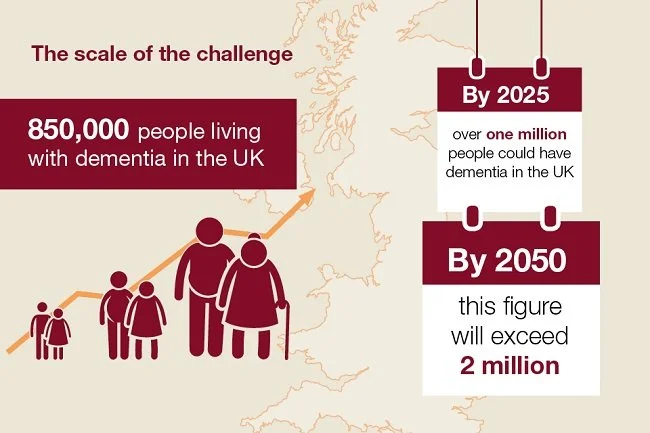
It has been over a year since I’ve written about this subject. The last post was about my late Father’s funeral. Since then life has gone on and my Mother’s ongoing care has become a fixed and somewhat uneventful regime. There are benefits to be gained from such a routine as it offers stability and certainty for both the carer and person being cared for. However, recently there has been a significant change in the status quo that warrants writing about. As always, my desire is to share some points and present my personal experiences in the hope that they may prove useful and informative to those in a similar situation or who may be just embarking upon their caring journey. The main subject of this post is a difficult one and something that is very hard to come to terms with. It is dementia. A medical condition that affects 1 in 6 people over the age of 80 in the UK.
It has been over a year since I’ve written about this subject. The last post was about my late Father’s funeral. Since then life has gone on and my Mother’s ongoing care has become a fixed and somewhat uneventful regime. There are benefits to be gained from such a routine as it offers stability and certainty for both the carer and person being cared for. However, recently there has been a significant change in the status quo that warrants writing about. As always, my desire is to share some points and present my personal experiences in the hope that they may prove useful and informative to those in a similar situation or who may be just embarking upon their caring journey. The main subject of this post is a difficult one and something that is very hard to come to terms with. It is dementia. A medical condition that affects 1 in 6 people over the age of 80 in the UK.
Dementia is a term used to describe a spectrum of symptoms affecting memory, thinking and social abilities severely enough to interfere with a patient's daily life. It isn't a specific disease per se. Several diseases can cause dementia. Though dementia generally involves memory loss, such symptoms have many different causes. Having memory loss alone doesn't mean you have dementia, although it's often one of the early signs of the condition. Alzheimer's disease is the most common cause of a progressive dementia in older adults but there are a number of other causes of dementia. Damage to or loss of nerve cells connected to the brain is the most common. Depending on which part of the brain is damaged, dementia can affect people differently and cause different symptoms. Depending on the cause, some dementia symptoms can be reversible. Others are progressive.
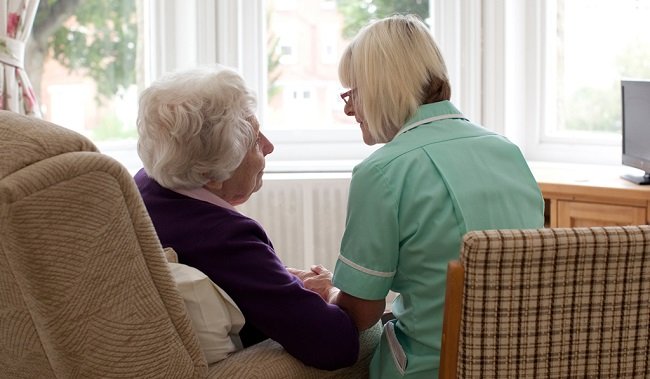
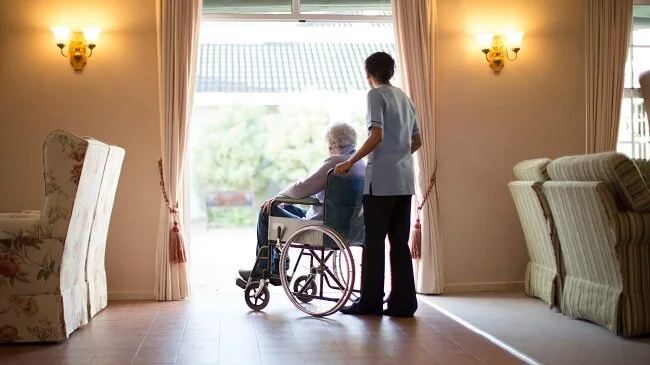
Due to my Mother’s lack of mobility she spends her days confined to one room. Each day she is washed and dressed with the assistance of carers and then transferred from her hospital bed to an orthopaedic chair in her room. Reading is her main form of entertainment. Due to her failing eyesight and hearing she has abandoned TV and music. She sadly reached this state of health just as the pandemic started in early 2020, so most of the home support services that usually are available have not been accessible. Hence visitors, day trips outside of the home, access to activity groups and physiotherapy have not been a regular option. Hence her engagement with the world is limited to myself, my sister and a handful of carers. Occasionally there have been visits from wider family but most of her peers and her own family have died. At the age of 91, my Mother has found herself socially isolated by ill health and circumstance. Her days are long, uneventful and she has nothing but her own thoughts and memories to reflect upon.
We all talk to ourselves from time to time when alone, and so I did not think it unusual when my Mother initially started doing this. Considering her environment and routine, it seemed quite logical. However, last weekend I noticed that it was a far more complicated dialogue that she was having. Instead of making the odd comment to jolly herself along like “oh you’ve lost your place in the book again. Where did I put that bookmark”, her conversations started becoming clearly addressed to third parties. Furthermore, these conversations were clearly upsetting her. Then this week, the morning carers started noticing that my Mother was agitated and engaged in arguments with people who were not there. She would become quite upset and cry. So when a convenient opportunity presented itself, I decided to broach the subject with her when she was having a calm moment. I was both heartbroken and fascinated by her comments.
My Mother is currently hearing voices. It would appear that her inner monologue and her subconscious thoughts are manifesting themselves as external voices. You or I may sometimes think when we’re down “have I made the right choices in my life” or “what will become of me”. For my Mother these thoughts manifest themselves as voices, external to herself. Often they will be the voices of deceased family members and friends. Often the conversations are very negative. It would appear the voices are encouraging her to be distrustful and are misleading her. What made this all the more troubling is that as my Mother told me this, she was lucid and clear. She paused from time to time because she was hearing another conversation in parallel while explaining things to me. Furthermore, she knows that this situation isn’t right and suspects that she is unwell. When I suggested she may have an infection she said quite candidly, “No, this is my imagination talking to me and I can’t stop it. I’m old and broken”.
Needless to say I called the family Doctor’s Surgery and a GP came to the home and thoroughly examined my Mother. No signs of an infection were found and subsequent tests have proven negative. My Mother may have had another stroke but the diagnosis is currently pointing to dementia. It does run in my Mother’s family. She has been referred to the Frailty Clinic. This specialist team conducts a Comprehensive Geriatric Assessment process to understand a person’s health and social care needs. The assessment enables early interventions to be tailored-made to the individual, to optimise their health and ensure a better quality of life. Interventions can include changes to medication, referral onto other services as well as discussing preferences for future care. The appointment is followed with a letter to the GP, summarising the clinic assessment outcomes and any recommendations. As present this service may be reduced due to current COVID-19 precautions but it does sound hopeful and interesting.
If my Mother is confirmed to have dementia and that the long term prognosis is that it will get worse over time, then the immediate practical question is how does this impact upon her ongoing care at home. Initial discussions with the Doctor focused upon whether my Mother is a danger to herself. At present this is not the case therefore, if we set aside for a moment my Mother’s auditory hallucinations and the upset it causes her, her daily care needs can be met. The carers are used to dealing with patients with such symptoms and so far my Mother’s eating and recreational habits have remained the same. However, one cannot ignore the emotional trauma that both my Mother, myself and my sister feel about the reality of the situation. I think the most harrowing aspect at present is that my Mother knows that she is not well.
I count myself fortunate that I live in a Borough where the NHS support services are quite robust. My local Doctors Surgery are also invaluable. So far everything that has been discussed as far as treatment has been done. A District Nurse came earlier today to take bloods to do comprehensive testing. I don’t feel abandoned in any way by the authorities. Maintaining a positive outlook, supporting my Mother and keeping an eye on my Sister’s wellbeing is a harder task. I find that if I engage with my Mother she stays relatively calm. However, I cannot be with her all day, everyday as I have other people dependent upon me. At present I am adopting a very “here and now” approach to this situation and I feel that is the best policy. Deal with things as and when they occur and don’t worry about what may happen a month or two from now. Writing about things is also a useful means for me to come to terms with them. In the meantime I shall keep concentrating on supporting my Mother.
Old Bexley and Sidcup By-election Part 3
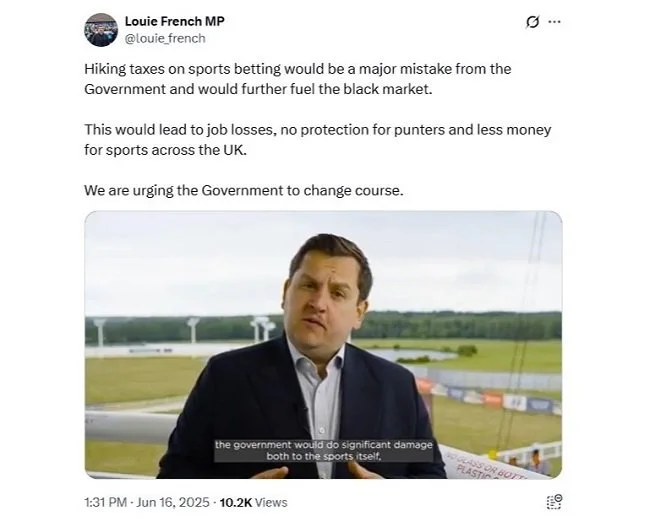
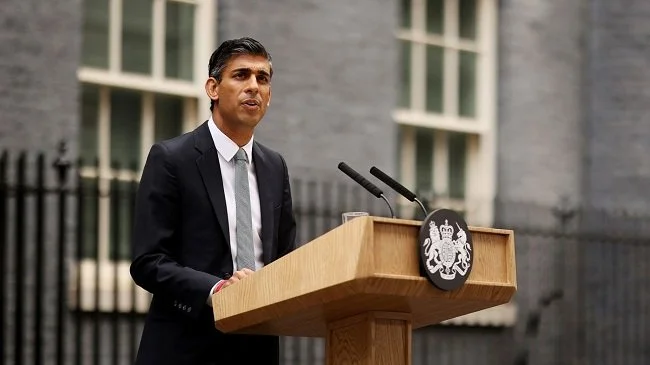
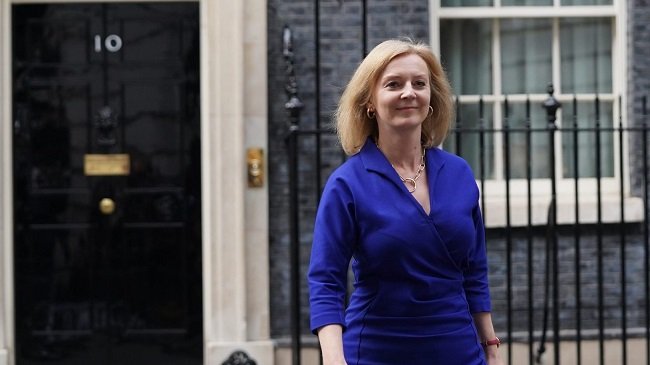
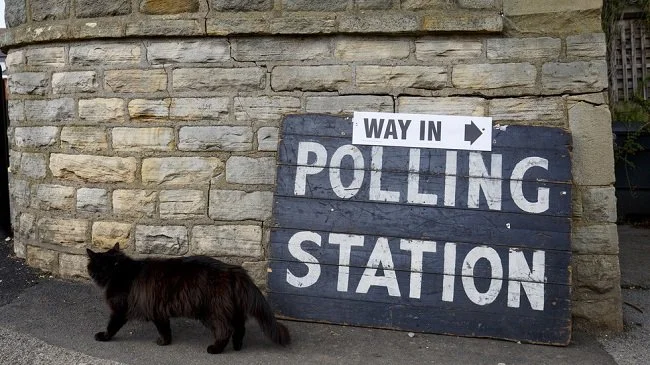
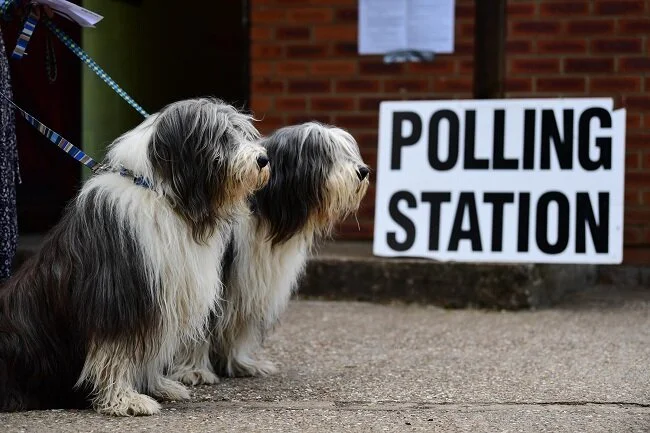
The Conservative Party successfully held onto their “safe seat” of Old Bexley and Sidcup in yesterday’s closely watched by-election. However their overall majority was reduced by more than half amid a very low voter turnout. Conservative councillor Louie French becomes the country’s newest MP after winning 11,189 votes, more than 50 per cent of those cast, in the seat previously held by the former cabinet minister James Brokenshire. Mr Brokenshire died in October from lung cancer aged 53. The closest challenger was Labour’s Daniel Francis, who secured 6,711 as the Tory majority fell from nearly 19,000 to 4,478, the equivalent of a vote share swing of 10 per cent to Labour. Turnout in the constituency was just 34%, down from the almost 70% who voted in the 2019 general election.
The Conservative Party successfully held onto their “safe seat” of Old Bexley and Sidcup in yesterday’s closely watched by-election. However their overall majority was reduced by more than half amid a very low voter turnout. Conservative councillor Louie French becomes the country’s newest MP after winning 11,189 votes, more than 50 per cent of those cast, in the seat previously held by the former cabinet minister James Brokenshire. Mr Brokenshire died in October from lung cancer aged 53. The closest challenger was Labour’s Daniel Francis, who secured 6,711 as the Tory majority fell from nearly 19,000 to 4,478, the equivalent of a vote share swing of 10 per cent to Labour. Turnout in the constituency was just 34%, down from the almost 70% who voted in the 2019 general election.
The results subsequently saw positive statements made by both the Conservatives and Labour. Mr French stated that such a victory for a sitting government was “almost unheard of”. Ellie Reeves MP, Labour's political lead for the 2021 Old Bexley and Sidcup by-election, remarked “There’s been a 10% swing over to Labour this evening”. Reform UK, formerly the Brexit Party, came third with 6.6% of the vote, with the party's leader and candidate Richard Tice describing it as a "massive result". Speaking after the results were announced, Mr Tice claimed “The reduction in the Conservatives’ majority in Old Bexley and Sidcup is a rejection of Boris Johnson personally because the Prime Minister is now viewed as a liability, not an asset in Tory heartlands”. The Green Party and Liberal Democrats both lost their deposits as they polled under 5% of the votes.
Old Bexley and Sidcup by-election 2021 results:
Louie French (Con) 11,189 (51.48%, -13.06%)
Daniel Francis (Lab) 6,711 (30.88%, +7.40%)
Richard Tice (Reform) 1,432 (6.59%)
Jonathan Rooks (Green) 830 (3.82%, +0.62%)
Simone Reynolds (Lib Dem) 647 (2.98%, -5.31%)
Elaine Cheeseman (Eng Dem) 271 (1.25%)
John Poynton (UKIP) 184 (0.85%)
Richard Hewison (Rejoin) 151 (0.69%)
David Kurten (Heritage) 116 (0.53%)
Carol Valinejad (CPA) 108 (0.50%)
Mad Mike Young (Loony) 94 (0.43%)
Although the retention of the constituency is a relief for the Conservative Party, the reduction in majority and the dismal voter turnout cannot be ignored. It is extremely disheartening to see two thirds of the electorate deciding not to bother to vote. COVID-19 and poor weather are convenient excuses but both those factors did not deter voters two years ago in the General Election of 12th December 2019. Brexit was a pressing political issue at the time but the demographics of a constituency such as Old Bexley and Sidcup means that they usually make an effort to vote. Hence such voter apathy is food for thought. Doorstep canvassing by all parties discovered a growing sense of disillusionment with the lack of political direction of the government and the inadequacy of the Prime Minister himself. Yet that despondency did not translate into votes for alternative parties.
As a floating voter who has no strong political attachment to either of the two main parties, I have reached a point where none of the choices available on the ballot paper seem appropriate or desirable. I did vote in this election but it had zero impact, due to the “winner takes all” approach that is entrenched in the UK’s political system. Unless you live in a marginal seat, voting against a majority incumbent is effectively redundant. Therefore, with a vote that feels meaningless and a paucity of parties to choose from, I fully understand why people turn their backs on politics. Especially the under 30 year olds. All the canvassing that I saw taking place seemed to be undertaken by the over 40s and pitched at a similar age demographic and above. All too often, UK politics just seems to be a form of lobbying for specific socioeconomic groups. Sadly, I do not see the situation improving anytime soon.
As for Louie French, it will be interesting to follow his voting record in parliament in the months to come to see where he fits within the spectrum of modern Conservatism. At present, as a new MP he is naturally focused upon the needs of his constituents. In his victory speech Mr French stated he will “work tirelessly to repay the trust you put in me”. But I am more intrigued to learn what his position is on several major forthcoming pieces of legislation, such as the UK Online Safety Bill and the new Policing Bill with its potential restrictions regarding the right to protest. I think his voting intentions along with the way he conducts his MPs finances will provide a measure of the man. I also suspect that despite the current drop in the overall majority for this MP, this may well increase in two year’s time when the next General Election is held.









You Can’t Sit on the Fence Forever
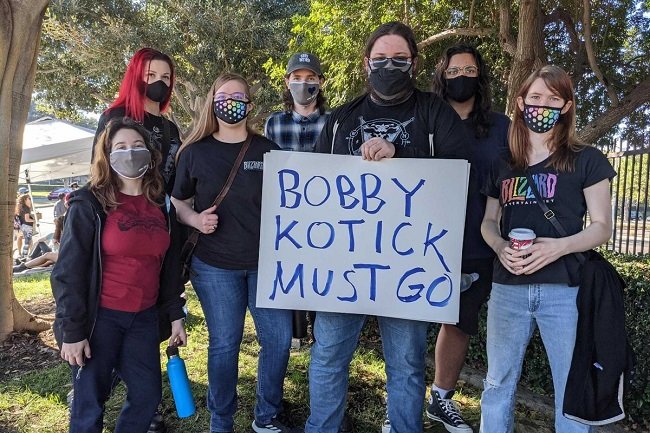
I was recently reading a post published on Massively Overpowered about Activision Blizzard CEO, Bobby Kotick. The majority of comments were not well disposed towards the man, especially in light of the fact that previous allegations made against him regarding harassment and intimidation have been settled out of court. However, there were one or two comments that flew in the face of the overall opprobrium. That’s not to say that they were supportive of Mr Kotick. They were from people who wanted to “just play games” and effectively not have to be exposed to any discussion or judgement upon the iniquities of the video games industry. It’s a common refrain from some gamers. They wish to keep the realities of the world out of the games that they play. To treat an MMO, FPS shooter or strategy games as a form of leisure devoid of any socio-political implications. Something they can immerse themselves in for a while to “escape the stress of real life”. It’s a concept that seems fair enough in principle but when considered in practical terms is abstract and unworkable.
I was recently reading a post published on Massively Overpowered about Activision Blizzard CEO, Bobby Kotick. The majority of comments were not well disposed towards the man, especially in light of the fact that previous allegations made against him regarding harassment and intimidation have been settled out of court. However, there were one or two comments that flew in the face of the overall opprobrium. That’s not to say that they were supportive of Mr Kotick. They were from people who wanted to “just play games” and effectively not have to be exposed to any discussion or judgement upon the iniquities of the video games industry. It’s a common refrain from some gamers. They wish to keep the realities of the world out of the games that they play. To treat an MMO, FPS shooter or strategy games as a form of leisure devoid of any socio-political implications. Something they can immerse themselves in for a while to “escape the stress of real life”. It’s a concept that seems fair enough in principle but when considered in practical terms is abstract and unworkable.
Take a good hard look at the world around you. It is built upon free market capitalism and consumerism. Video games are a microcosm of such ideologies. An amusing diversion that you pay to access. That is why millions of dollars are spent developing them. Because a game that blends the right amount of psychological manipulation with user engagement, can hit the jackpot and yield a handsome return on investment. Some gamers are so invested in their game of choice, especially the MMO community, they lose sight of the fact that they’re consumers paying for a product. They see it as some sort of commensurate relationship between artist and patron and the video game industry is happy to perpetuate this fallacy. Sadly, video games are not inviolate, existing in their own ethically and politically neutral separate reality. They are made by people, working within a corporate hierarchy and as such are entwined with the inherent problems of such a system.
Video games are not any different from electronics, clothes and many other consumer items we buy on a regular basis. Those manufacturing them are poorly paid and have little or no benefits, while the prodigious profits that are generated are funnelled to the top of the corporate structure. Sadly, video games are far from free from the taint of modern business practises. And as consumers, we are contributing to these problems, irrespective of whether we are ideologically supportive of the system that causes them or not. You can as a gamer “just play games” if that is what you want to do but willful ignorance does not negate the iniquities of the triple A video games industry. Nor does it absolve you, or indeed any of us, of the fact that we’re supporting a business model that is discriminatory to people not too dissimilar to ourselves.
Now there is a rather tedious and ill conceived argument that usually gets trotted out in such situations. The one that states that you can’t voice any sort of criticism regarding exploitative business practises, while still using the services they provide. IE “best give up your mobile phone, cheap clothes and consumer goods and go live in a cave”. The notion being that there is an element of hypocrisy or at least cognitive dissonance to such a stance. All that is notionally correct, that does not invalidate the rectitude of the argument against bad corporate practises. Furthermore, one doesn’t have to wait for a consensus of universal moral perfection before seeking societal change. Change is made from within the imperfect system. Take a look at Western history over the last and current century. Civil rights and equality were fought for despite a substantial percentage of the population thinking that it wasn’t their problem. Perhaps they just “wanted to play games” or whatever the equivalent soundbite was at the time?
Maintaining a civilised, fair and equitable society is hard work. It requires rules and regulations to ensure that an acceptable standard of life exists for all. It also needs citizens to “give a shit”. Now I don’t expect everyone to be an activist 24/7. But there is a price for living in an orderly society. Jury service, voting and on occasion realising that helping and supporting others with their struggles is beneficial for our collective good. If you are content to live in a world where the prevailing mantra is “fuck it, it’s not my problem”, don’t be surprised if sooner or later someone will try and take something away from you. You can’t sit on the fence forever. Let us not forget the wise words of Martin Niemöller. So returning to the original point of discussion, I hope that ongoing pressure from both the public and staff results in meaningful change at Activision Blizzard. It’s in everyone’s best interests that it does.
Old Bexley and Sidcup By-election Part 2
Political events in the constituency of Old Bexley and Sidcup have moved forward in the last few weeks, following on from the death of incumbent MP James Brokenshire on 8th of October. Although no formal announcement has yet been made regarding the date of the forthcoming by-election, the major political parties have started announcing the names of their respective candidates. There were initial concerns among some constituents that this safe Conservative Party seat may have been used as a means of parachuting in a candidate favoured by central office, rather than one determined by the local Conservative Association. Fortunately, that has not been the case. The UK Government currently enjoys a parliamentary majority of 79 seats and is therefore not in any urgent need of fast pathing further political allies.
Political events in the constituency of Old Bexley and Sidcup have moved forward in the last few weeks, following on from the death of incumbent MP James Brokenshire on 8th of October. Although no formal announcement has yet been made regarding the date of the forthcoming by-election, the major political parties have started announcing the names of their respective candidates. There were initial concerns among some constituents that this safe Conservative Party seat may have been used as a means of parachuting in a candidate favoured by central office, rather than one determined by the local Conservative Association. Fortunately, that has not been the case. The UK Government currently enjoys a parliamentary majority of 79 seats and is therefore not in any urgent need of fast pathing further political allies.
At present three candidates have been confirmed as standing for election. Louie French who is standing for The Conservative Party. Mr French has been a Bexley councillor for the last eight years and was Deputy Leader of Bexley Council from 2018 to 2021. He is a resident of the Borough and has a background in the financial services industry, working in the City of London. The late James Brokenshire was both a friend and mentor to Louie, therefore from a party political perspective, he is a logical choice to stand as The Conservative Party candidate. His existing familiarity with the borough and its constituents offers practical continuity. Considering the voting habits of constituents and the historical track record of by-elections held in Old Bexley and Sidcup, unless something radical occurs it is safe to consider that Louie French is the favourite candidate to win the seat.
Daniel Francis, a Bexley councillor and former leader of Bexley’s Labour group on the council, has been selected as Labour’s parliamentary candidate for the upcoming Old by-election. Daniel Francis represents Belvedere Ward on Bexley Council and grew up locally. He is married with two primary school aged children, one of whom has cerebral palsy and he campaigns on accessibility issues. Mr Francis served as leader of Bexley Labour group from 2017 to 2021 and is the shadow cabinet member for environment, transport and leisure. He was first elected to the council in 2000. In the 2019 election, Labour polled 23.5% of the vote. Since the constituency of Old Bexley and Sidcup was created in 1983 the electorate has only elected Conservative Members of Parliament.
The third candidate to be announced is Richard Tice, the leader of the party Reform UK. Formerly known as the Brexit Party, Reform UK is now presenting itself as a broader political entity with policies encompassing wider and more traditional issues. The party lost its 29 MEPs when the UK left the EU on 31 January 2020. At present it has three councillors nationally. Reform UK has been seeking parliamentary seats since 2019 but has not been successful so far. Mr Tice is a British businessman and CEO of the property investment firm. It will be interesting to see whether the presence of Richard Tice as both a candidate and the leader of his party will gain any traction with constituents and whether Reform UK can transition successfully from a single issue party. Furthermore, will his participation in the by-election increase media attention?
Old Bexley and Sidcup By-election Part 1
Last week James Brokenshire, MP for the constituency of Old Bexley and Sidcup, died of lung cancer at the age of 53. He had held this parliamentary seat since 2010 and maintained a strong majority throughout the 2015, 2017 and 2019 general elections. Hence the constituency of Old Bexley and Sidcup is considered a “safe seat” for the Conservative Party. In fact it has only ever returned MPs from that party since its creation in 1983. As a result of Mr Brokenshire’s death, there will now be a by-election held in the constituency of Old Bexley and Sidcup to return a new MP to parliament. What makes this local election a little more interesting than usual, is that it will not be taking place against a wider ongoing national election. Therefore, there is scope that local issues may well play a greater part in the electioneering of all participating parties.
Last week James Brokenshire, MP for the constituency of Old Bexley and Sidcup, died of lung cancer at the age of 53. He had held this parliamentary seat since 2010 and maintained a strong majority throughout the 2015, 2017 and 2019 general elections. Hence the constituency of Old Bexley and Sidcup is considered a “safe seat” for the Conservative Party. In fact it has only ever returned MPs from that party since its creation in 1983. As a result of Mr Brokenshire’s death, there will now be a by-election held in the constituency of Old Bexley and Sidcup to return a new MP to parliament. What makes this local election a little more interesting than usual, is that it will not be taking place against a wider ongoing national election. Therefore, there is scope that local issues may well play a greater part in the electioneering of all participating parties.
The parliamentary procedure for holding a by-election are as follows. The Chief Whip of the political party whose MP held the vacant seat starts the process by “moving the Writ”. This is a motion requesting “that the Speaker do issue his Warrant to the Clerk of the Crown to make out a new Writ for the electing of a Member to serve in this present Parliament for the constituency of .... in the room of…”. The Speaker puts the question to MPs to decide whether to agree to the motion. If MPs agree it becomes an Order for the Speaker. The Speaker then issues a Warrant to the Clerk of the Crown who then sends the writ to the Returning Officer, who is responsible for the administration of the by-election. A new Writ is usually issued within three months of the vacancy. The by-election timetable is between 21 and 27 working days from the issuing of the writ.

As the current UK government enjoys a majority of over 80 seats, there is no pressing political need to hold this by-election as soon as possible. Therefore it seems logical that it will more than likely happen in early 2022. However, nothing is in tablets of stone so there is a possibility it could take place prior to Christmas, as did the last General election in 2019. A more important factor than the prospective date, is the issue of the candidates fielded by each respective party. As mentioned previously, Old Bexley and Sidcup is a safe seat for the Conservative Party. Hence, it is broadly expected that whoever becomes the Conservative candidate will subsequently win the by-election, due to the established voting patterns of the constituents. Old Bexley and Sidcup is a predominantly white, middle-class suburb of South-East London and as such is seen as a Tory “heartland”.
Like any political party, the Conservatives have their own unique set of rules with regard to candidate selection. In the past, Conservative party selection was largely in the control of the local Constituency Associations, however there was an approved list held at party HQ to be considered. In recent years the approved list has been replaced and a more equitable assessment board convened ensuring greater ethnic diversity and more female representation. However, local Constituency Associations still have a major say in candidate selection. Therefore under normal circumstances, there shouldn’t be any controversy surrounding the new Conservative candidate. However, the current Prime Minister Boris Johnson isn’t known for being a “stickler for the rules”. There is a degree of concern among the constituents of Old Bexley and Sidcup, as to whether a candidate could be “imposed” and parachuted into a convenient safe seat.
Time will tell as to what happens next. There is scope for the entire by-election to be a straightforward and uncontroversial process. Equally, things may go the opposite way. UK politics have become very unsettled in the last six years, Traditional voting patterns, party loyalties and general public opinions have shifted and not necessarily along traditional party lines. Furthermore, the Conservative party has radically changed since 2019. Many moderate MPs did not stand for re-election in the last general election. Although Old Bexley and Sidcup may still be a Tory safe seat, that doesn’t mean that the constituency is by default, well disposed toward Boris Johnson and his particular brand of politics. It will be interesting to see if such sentiments are reflected in the by-election.
Up and Down Voting User Comments
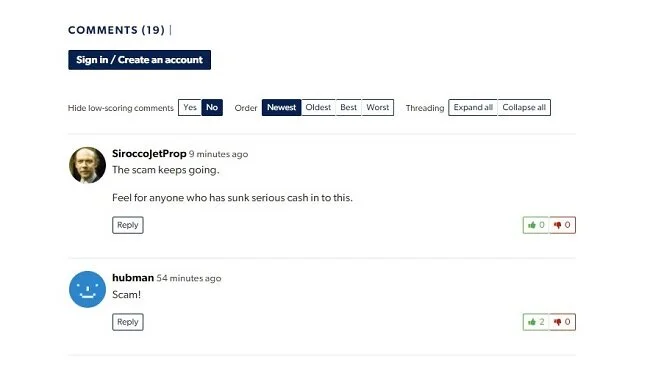
I was reading an article on Eurogamer this morning when I noticed that like so many other websites, it allows readers to vote user comments either up or down. It is a functionality that has become increasingly more commonplace in recent years. I would hazard a guess that Reddit set the trend for this so-called “social tool” and is the source of its ubiquity. If, like me, you are someone who finds the rectitude of this system “questionable”, you can set the filtering options in such a fashion so you can effectively disable the results of up or down voting. But that means taking a few minutes of your time to alter the comment settings, which means that a lot of people simply won’t bother to do it. Thus a lot of readers will miss out on content that their peers have deemed to be of little or no value, irrespective of whether or not that is actually the case. I find this a very disturbing concept and the ongoing use of up or down voting a worrying trend.
I was reading an article on Eurogamer this morning when I noticed that like so many other websites, it allows readers to vote user comments either up or down. It is a functionality that has become increasingly more commonplace in recent years. I would hazard a guess that Reddit set the trend for this so-called “social tool” and is the source of its ubiquity. If, like me, you are someone who finds the rectitude of this system “questionable”, you can set the filtering options in such a fashion so you can effectively disable the results of up or down voting. But that means taking a few minutes of your time to alter the comment settings, which means that a lot of people simply won’t bother to do it. Thus a lot of readers will miss out on content that their peers have deemed to be of little or no value, irrespective of whether or not that is actually the case. I find this a very disturbing concept and the ongoing use of up or down voting a worrying trend.
So what is the philosophy behind up and down voting of reader comments? Well those that oversee its implementation will tell you that it is a process for discovering and promoting the best comments that readers have submitted, therefore maximizing engagement and increasing the value of the content and the overall user experience. A more cynical take is that such systems are a means by which you can gamify leaving comments. The interactive element may not necessarily yield the up voting of the best comments but it encourages user interaction and increasing clicks, which means greater exposure to paid posts and advertisements. The associated dopamine rush that comes with up or down voting, or posting a comment that proves popular is tangible and makes it far more likely that readers will return. You’ve added fun but fun does not necessarily equate with value.
But the road to hell is paved with good intentions. Up and down voting comments only allows the best and most useful comments to rise to the top if the readers vote without personal bias and all approach the process with an ethical and altruistic outlook. Naturally this is not the case nine times out of ten. Up and down votes more often than not are just used as a dislike option, with people voting comments down simply because they don't agree or care for them. The process then becomes a means of controlling and silencing dissenting opinions. Thus, popularity eventually trumps validity and relevance. Critical thinking goes into decline. Websites become tribal echo chambers and so the culture wars tediously rumble on. All fun is subsequently leached out of all human interaction and so the world becomes just a little bit shittier each day, until life becomes an inescapable black hole of despair.
It can be argued that most means of airing opinions are ultimately subject to some sort of editing. The letters page of a newspaper selects what it deems are pertinent comments. The television talk show also maintains a degree of control over what is discussed and how. Yet editors are usually accountable to some degree for their decisions and are ultimately driven by a policy from their owners or shareholders. The up and down voting is simply driven by the capricious whims of “the crowd”, which I find even more concerning. Although being able to avoid things that you don’t like sounds initially quite alluring, it is actually counterproductive and hinders a broad and well balanced world view. It can also be used as an unscrupulous political tool that trivialises debate and public discourse. Sadly, because it allows people to ”stick it to the fascists”, or alternatively “own the liberals”, I don’t see up and down voting comments going away anytime soon.
Do We “Share” Too Much?
During my lifetime there have been many major cultural changes in the UK. These range from the decriminalisation of homosexuality in 1967, to the decline of the Church of England. Then at the other end of the spectrum you have the waning of social conventions and etiquette. People no longer wear hats and Sunday has ceased to be a more sedate day of the week. Such is the nature of change. Society does not remain static. One aspect of life that has radically altered is the concept of privacy. By this I mean what personal details and information we share with friends, neighbours, work colleagues and the state. Because nowadays, such information seems to be much more freely given. A lot more people seem to wear their hearts on their sleeves. Certainly social media has contributed greatly to this behavioural change.
During my lifetime there have been many major cultural changes in the UK. These range from the decriminalisation of homosexuality in 1967, to the decline of the Church of England. Then at the other end of the spectrum you have the waning of social conventions and etiquette. People no longer wear hats and Sunday has ceased to be a more sedate day of the week. Such is the nature of change. Society does not remain static. One aspect of life that has radically altered is the concept of privacy. By this I mean what personal details and information we share with friends, neighbours, work colleagues and the state. Because nowadays, such information seems to be much more freely given. A lot more people seem to wear their hearts on their sleeves. Certainly social media has contributed greatly to this behavioural change.
Here are two contrasting examples that hopefully highlight my point. I remember doing a day-long IT contract back in 2014 for a small company in central London. I arrived on site and the receptionist was my point of contact and acted as liaison. By the end of the day, that person had shared most of their life history with me and freely given information that I frankly didn’t think should be in the public domain. Yet to them, it was just “having a chat”. Now let’s compare this anecdote with another. During my childhood, Mr and Mrs Wright lived two doors away from my home. They were a nice retired couple, who were always be busy in their garden. They were friendly and happy to talk to a small child. They would make friendly small talk with my parents. They even did some childminding on a couple of occasions. To my knowledge, neither me nor my parents knew anything beyond the obvious about that pleasant old couple.
This is how things were back in the seventies and eighties. You did not share personal information. You would talk to your neighbours and peers but you wouldn’t volunteer information such as your political allegiances and personal ideologies. In fact how people voted was considered deeply private and folks would say “that’s why it’s called a secret ballot”. Sometimes during the run up to an election a neighbour may place a poster in their window, declaring their personal affiliation and it would often become a talking point. But broadly speaking people avoided discussing politics and religion as relationships remained much more amicable that way. Other taboo subjects were talking about how much you earned and certainly one’s sexuality. This state of affairs persisted not only in one’s local neighbourhood but at work place. Even the national census was far more discrete, compared to today, during these decades.
Yet we seem to have gone full circle and currently live in a world where people will happily state on social media their thoughts and opinions on absolutely any subject matter. Every activity, be it shopping or a holiday, is meticulously photographed and shared. You can look at some people’s social media accounts and know every aspect of their life. From the state of their sex life to how itchy their haemorrhoids are. And it’s catching. I like to post a few pictures on twitter when I’m out and about. However, it is a question of degrees and some folk take it to extremes. And this wealth of personal data is of immense corporate value, providing essentially free market research. It is also of use politically, as we have seen in recent elections and referendums. Targeting those of a specific mindset or affiliation can result in a sufficient percentage change to swing an outcome.
And so we come to the recent departure of John Gibson from his role as CEO of Tripwire Interactive. Mr Gibson tweeted recently “Proud of #USSupremeCourt affirming the Texas law banning abortion for babies with a heartbeat. As an entertainer I don’t get political often. Yet with so many vocal peers on the other side of this issue, I felt it was important to go on the record as a pro-life game developer”. If you’re not familiar with this new piece of legislation, there’s an excellent summation over at The Book of Jen. As a result of this statement which was not well received by Tripwire as a company, Mr Gibson has now moved on to pastures new. This situation raises numerous points of interest. Mr Gibson is entitled to his opinion and thus this matter plays into current debates about cancel culture. However, aside from the various arguments regarding free speech, political activism and such like, could not all of this have all been avoided if people just left certain aspects of their life at home? Again we come back to the culture of “sharing” personal data and opinions.
Life does seem to have gotten a lot more partisan in recent years. Trump and Brexit are just two examples of social fault lines that still divide communities. If you meet someone and within a few hours know every aspect of their life and beliefs then it may well prejudice your opinion against them. Knowing someone’s faith or political outlook may determine whether they become a personal friend or not. Yet I cannot help but think that is an erroneous outlook. There are some people who are totally defined by their beliefs such as The Pope and Peter Tatchell. But for a lot of us, this is not the case and many of the things we may believe or feel are not integral to our identity. Why miss out on a potential friend just because he votes a different way to you once every four years? It’s a shit choice to begin with.
So maybe society would benefit to a degree if we tended to share a little less. I personally would welcome a work environment where staff were civil but we didn’t know the minutiae of each other's lives. As for game developers; if equality and diversity were actively pursued in both the product range and the workforce, there would be no need for polarising statements. Actions speak louder from words. Perhaps we should all take time out to reflect upon our social media presence and reconsider exactly what information we are sharing. It certainly seems to be a growing source of problems. That is not to say I want a return to the days where certain groups feel it better to not be seen. Everyone has a right to “be”. We just need to stop “sharing” quite as much, because knowledge is power and that power can be used equally for or against you. Also, the wise man listens while the fool chatters.
COVID-19 Pandemic 2021 Part 10
I last wrote about the pandemic in February. Six months on the lockdown and most major restrictions have now been rescinded and life is returning to normal. COVID-19 cases are still occurring with many still requiring hospitalisation. The question of whether they’ll be another wave in Winter still remains, although the government has announced a programme of booster vaccinations. At the time of writing the United Kingdom has currently administered 91.2 million doses of the various vaccines. 43 million people are now fully vaccinated which is 64.6% of the population. The current focus is upon the 16 to 24 age group and there are currently plans and ongoing consultation to extend the vaccinations to school age children. All of which is happening against a background where the pandemic is slowly being pushed out of the news agenda. The UK government is certainly keen to move on and a substantial percentage of the public no longer wish to be constrained by COVID-19 protocols.
I last wrote about the pandemic in February. Six months on the lockdown and most major restrictions have now been rescinded and life is returning to normal. COVID-19 cases are still occurring with many still requiring hospitalisation. The question of whether they’ll be another wave in Winter still remains, although the government has announced a programme of booster vaccinations. At the time of writing the United Kingdom has currently administered 91.2 million doses of the various vaccines. 43 million people are now fully vaccinated which is 64.6% of the population. The current focus is upon the 16 to 24 age group and there are currently plans and ongoing consultation to extend the vaccinations to school age children. All of which is happening against a background where the pandemic is slowly being pushed out of the news agenda. The UK government is certainly keen to move on and a substantial percentage of the public no longer wish to be constrained by COVID-19 protocols.
I had my second vaccination (Pfizer-BioNTech) on 12th May and to date, all my immediate family are fully vaccinated. Since April there has been an ongoing schedule of restrictions being lifted. By May I was no longer having to cut my own hair and just before Summer most shops and businesses started to re-open. At present there are no longer limits on meeting up with friends, attending sporting events and other outdoor activities, pubs and restaurants are conducting business as usual and there is no longer a legal compulsion to wear face masks. The latter is now on a “recommended” basis, although the major rail networks still insist upon it. However, the majority of the public appear to have simply abandoned this safety measure and I often find that I am the only one wearing a mask in the supermarket queue. The only aspect of life that is still not running as normal is international travel. Hence the majority of people are not taking a foreign holiday this year.
I personally am still very cautious regarding relaxing measures against COVID-19. I went to a local pub this week and was pleased to see that the tables and seating were still sensibly distanced. Food and drink could be ordered at the bar but not consumed there. I was also pleased that similar arrangements were in place at the Bistro I went to tonight. COVID-19 is still a threat. A point that was brought home when a good friend and his wife both contracted the virus recently, despite being double vaccinated. The latter required hospitalisation but has thankfully now been discharged. Yet for a lot of people this pandemic is now “over”, simply because they want it to be so. Conversely, COVID-19 is still being used as a get out of jail card to excuse any delay, disruption or cancellation of a service, whether it’s justified or not. And there is still a vocal fringe group of anti-vaxxers making themselves a thorough nuisance with their disruptive demonstrations and constant misinformation.
Some more optimistic people other than me, hoped that there would be some major social change brought about from the pandemic. The focus upon essential workers raised the question as to whether their terms and conditions of employment would be improved. They haven’t and despite its hollow praise, the government only offered a 1% pay rise to nurses. Working from home has finally risen above its previous image, where it was often perceived as a means of skiving. However, although some businesses are going to continue to pursue a policy of work away from the office, the “working revolution” that many expected hasn’t happened. In fact, as the more sceptical among us predicted, the status quo has quickly returned and any opportunity for major socio political change has been lost. Such is the state of the UK and COVID-19 at present. Despite being a landmark, global event of historical importance, it’s amazing how quickly some people wish to forget.
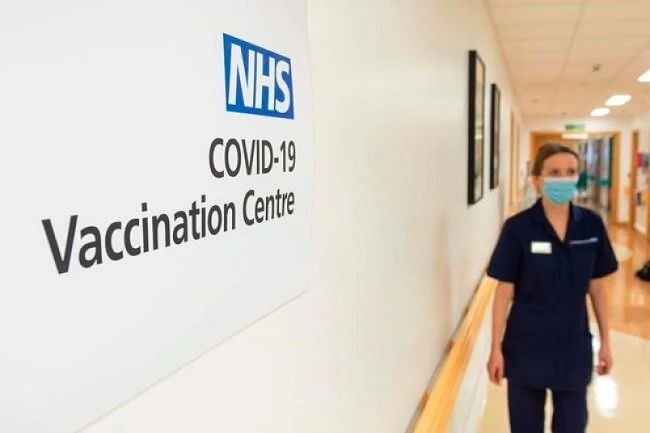

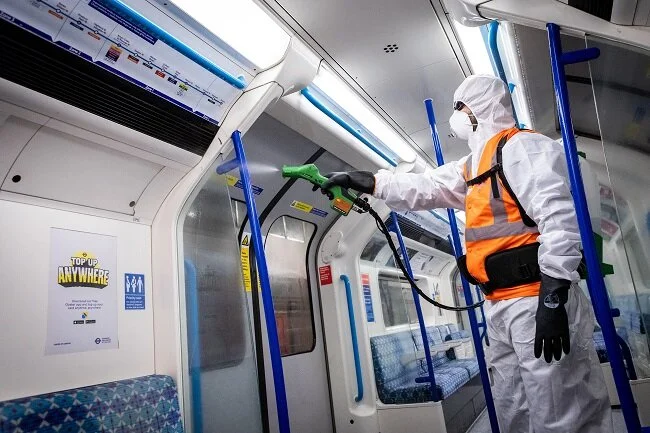


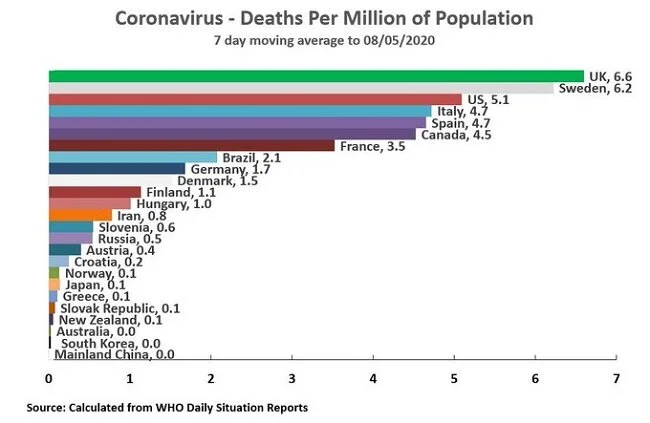




Shortages
In early June I was visiting Sainsbury’s supermarket in Crayford, apparently their biggest site in the UK, when I noticed that several shelves had the following sign. “Please bear with us. We’re experiencing high demand”. At the time I thought nothing of it but then I started seeing similar notices in other stores. I then began seeing stories on some news websites about supply chain problems. This point was then reiterated on the news radio station LBC. Two month on and this issue is now finding its way into the mainstream press. McDonald’s currently cannot supply milkshakes or bottle drinks and Nando has had to close 45 branches around the UK as it has no chicken wings to serve. It is now becoming very clear that there is a big problem on the horizon, due to several complex factors. If it is not addressed this matter will only get worse with shortages directly impacting upon Christmas sales.
In early June I was visiting Sainsbury’s supermarket in Crayford, apparently their biggest site in the UK, when I noticed that several shelves had the following sign. “Please bear with us. We’re experiencing high demand”. At the time I thought nothing of it but then I started seeing similar notices in other stores. I then began seeing stories on some news websites about supply chain problems. This point was then reiterated on the news radio station LBC. Two month on and this issue is now finding its way into the mainstream press. McDonald’s currently cannot supply milkshakes or bottle drinks and Nando has had to close 45 branches around the UK as it has no chicken wings to serve. It is now becoming very clear that there is a big problem on the horizon, due to several complex factors. If it is not addressed this matter will only get worse with shortages directly impacting upon Christmas sales.
It would appear that Britain’s supply chain crisis is a result of worker shortages and transport disruption caused by Covid and Brexit. Confederation of British Industry (CBI) has stated that major retailers currently have the lowest stock levels since 1983. Furthermore a national shortage of lorry drivers and workers for food processing plants has led to increasing disruptions for food outlets and warnings of further empty supermarket shelves. Andrew Kuyk, the director general of the Provision Trade Federation, said there was no shortage of produce from UK farms, The gaps on shelves are instead the result of manpower and logistical difficulties. “Food is still being produced on farms and in factories, but it’s getting it to the consumer that is proving the challenge in lots of different ways. There is a lack of lorry drivers, warehouse staff, staff in retail distribution centres, in the supermarket to put it on the shelves”.
So what is being done to address the situation? Recruitment across all related industries has increased but so far has not remedied the situation. The big supermarket chains are offering substantial bonuses and pay increases, especially to HGV drivers. However, the short term result is that they’re merely poaching staff from smaller outlets and alleviating their own problems by compounding those of other sectors. Another aspect of these ongoing staff shortages is the fact that those who previously worked in these jobs were migrant labour from Europe. The post Brexit landscape with increased administrative work and bureaucracy has not proved conducive to attracting replacements. Furthermore, although not exclusively a Brexit issue, its very association makes this a politically charged subject. The current UK government which was elected on the mandate of “getting Brexit done” will not want to concede that there are downsides to the undertaking.
At present, although this supply and labour problem is currently known in the UK, it has not become the focus of the UK media. Therefore many members of the public will be oblivious of this problem until it directly affects them. I wouldn’t be surprised if we see the tabloid press capitalise on this aspect, once matters worsen. I also suspect that the UK government will be late to act and when they do, their response will be inadequate, as it has been with everything else they’ve dealt with since December 2019. I’m curious to see if shortages at Christmas will have a greater impact upon the Prime Minister’s approval rating than the thousands of excess COVID-19 related deaths. In the meantime, we’ve bought a second freezer and are doing our best to prepare for a difficult winter. Sadly not everyone is in a position to do so. What a ridiculous state of affairs for a G7 country.
The Problem with “Adaptable” Recipes
It’s curious how some things that you think are simple and mundane, can turn into complex and time consuming problems. They go on to haunt you for years to come. In many ways such a scenario is a variation of the old idiom that “no good deed goes unpunished. So let me begin this story back in 2001 around Easter. A chance conversation arose about how people tend to buy cakes from the supermarket as opposed to making their own. This was just before baking shows became popular on TV. I subsequently referenced how my Mother used to make bread pudding back in the seventies. Needless to say, no sooner had I uttered those words, then I immediately desired the aforementioned dessert and it has been an albatross around my neck ever since. The problem isn’t that bread pudding is as rare as Tanzanite or rocking horse droppings. There are plenty of recipes available. Therein lies the rub. There are numerous regional and international variations. Too many in fact.
It’s curious how some things that you think are simple and mundane, can turn into complex and time consuming problems. They go on to haunt you for years to come. In many ways such a scenario is a variation of the old idiom that “no good deed goes unpunished. So let me begin this story back in 2001 around Easter. A chance conversation arose about how people tend to buy cakes from the supermarket as opposed to making their own. This was just before baking shows became popular on TV. I subsequently referenced how my Mother used to make Bread Pudding back in the seventies. Needless to say, no sooner had I uttered those words, then I immediately desired the aforementioned dessert and it has been an albatross around my neck ever since. The problem isn’t that Bread Pudding is as rare as Tanzanite or rocking horse droppings. There are plenty of recipes available. Therein lies the rub. There are numerous regional and international variations. Too many in fact.
So for those who are not familiar with the aforementioned “delicacy”, Wikipedia describes it thus. “Bread Pudding is a bread-based dessert popular in many countries' cuisines, made with stale bread and milk or cream, generally containing eggs, a form of fat such as oil, butter or suet, and depending on whether the pudding is sweet or savory, a variety of other ingredients. Sweet bread puddings may use sugar, syrup, honey, dried fruit, nuts, as well as spices such as cinnamon, nutmeg, mace, or vanilla. The bread is soaked in the liquids, mixed with the other ingredients, and baked”. They go on to mention a savoury version but that’s just crazy talk and the spawn of Beelzebub. So now that everyone’s au fait with bread pudding, I have spent the last twenty years trying to find a recipe that is close to how my Mother used to make it. Obviously, I asked her back in 2001 but she had mislaid the recipe. Subsequently interrogations have yielded less data as she is now in her nineties.
Now you may well be asking yourself, what exactly is the point I am trying to make here. Am I advocating that all family recipes should be committed to text and filed away for future reference. Well yes, but that is not my primary concern. I find that the sort of recipes that lend themselves to be “adapted” can be both a boon and a bane. Being able to easily expunge an ingredient that you don’t like and replace it with one that you do, without radically altering the dish, is a godsend. But some recipes have a tendency to be too flexible. Even nebulous. For example, Spaghetti Bolognese has many permutations. Chicken Tikka Masala is another. You could theoretically dine at a different Indian restaurant every day of the year, ordering the aforementioned dish and potentially have 365 meals of incredible diversity. Some may vary greatly from your expectations rendering them unpalatable. Conversely, a dish such as Beef Wellington is quite specific and doesn’t lend itself to radical augmentations.
Often one gains a liking for a particular meal either through dining together as a family or via a specific restaurant. Thus your perception and preferences for that meal are determined by the unique recipe of a family member or local chef. It can be confusing and sometimes even awkward, when you encounter somebody else’s version, especially if you don’t like their culinary interpretation. They might have removed the mushrooms or used shallots instead of regular onions. People can’t even agree as to the best way to make an omelette or even poach an egg. This is one of the reasons why fast food chains are so popular because they offer a homogeneous experience. A quarter pounder with cheese is virtually identical irrespective of whether you buy it from a McDonald’s in Kent or Aberdeenshire. It is comforting to know that you are going to have the same experience as last time, free from any “surprises”.
And so we return to the subject of Bread Pudding. I am finally reconciled to the fact that I shall never be able to recreate this dessert exactly as I experienced it in my youth. My Mother’s recipe has gone and so is my Mother in-law’s which came a very close second. I have however, discovered several variations that I do find quite palatable and the local Baker’s does one that is quite passable. I have even gone so far as to experiment myself and feel that using brown sugar and nutmeg are essential. As for the wider issues regarding “adaptable” recipes, I do tend to ask a lot more questions before ordering a meal in a restaurant. Most of the time, staff are happy to discuss what makes their version of a classic dish “different”. This often proves invaluable. Like many other things in life it’s best not to assume anything. Certainly don’t think, “I’ll order the Shepherd’s Pie. They can’t get that wrong”, because you’ll be surprised how they can.


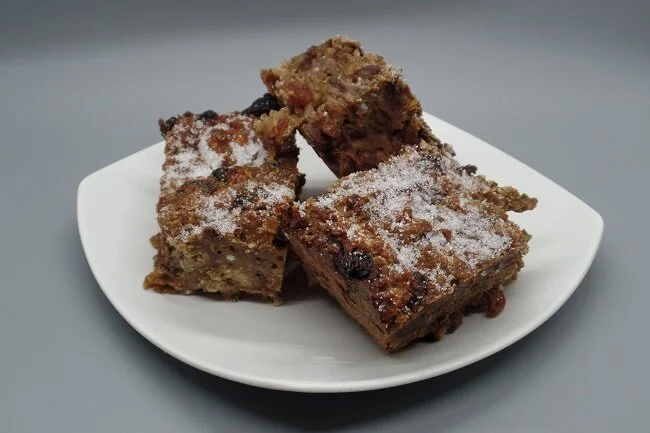
Sleep
A cursory Google search on the subject of sleep will instantly regale you with a wealth of trivia on the subject. 12% of people dream entirely in black and white. Two thirds of a cat's life is spent asleep. A giraffe only needs 1.9 hours of sleep a day, whereas a brown bat needs 19.9 hours a day. Humans spend 1/3 of their life sleeping. The record for the longest period without sleep is 11 days. Trivia aside, sleep is an important function for both the mind and body. It has multiple restorative benefits and is essential to a person’s wellbeing. Furthermore, most people’s relationship with sleep changes over the course of their life. Often as children, we resent sleep. I still do to a degree. It does seem a waste of valuable time. Conversely, as we get older the virtue of a good night’s sleep becomes something to embrace and even enjoy. And by the time we reach our dotage sleep often becomes a leading factor in life, bordering on a default position. However, whatever your thoughts on sleep, the moment you have difficulties with it, you have a serious problem.
A cursory Google search on the subject of sleep will instantly regale you with a wealth of trivia on the subject. 12% of people dream entirely in black and white. Two thirds of a cat's life is spent asleep. A giraffe only needs 1.9 hours of sleep a day, whereas a brown bat needs 19.9 hours a day. Humans spend 1/3 of their life sleeping. The record for the longest period without sleep is 11 days. Trivia aside, sleep is an important function for both the mind and body. It has multiple restorative benefits and is essential to a person’s wellbeing. Furthermore, most people’s relationship with sleep changes over the course of their life. Often as children, we resent sleep. I still do to a degree. It does seem a waste of valuable time. Conversely, as we get older the virtue of a good night’s sleep becomes something to embrace and even enjoy. And by the time we reach our dotage sleep often becomes a leading factor in life, bordering on a default position. However, whatever your thoughts on sleep, the moment you have difficulties with it, you have a serious problem.
Until fairly recently, I’ve had increasingly poor-quality periods of sleep. There were multiple reasons for this, including me staying up too late, too much light coming into the bedroom and the fact that the bed was over a decade old. The mattress was far from comfortable. I would go to bed between 1:00 and 2:00 AM and then struggle to settle and sleep. Outside activity in the street, such as people leaving for work would further disturb me. I live in a bungalow and the bedrooms are in the front of the property. So back in January 2019, a new bed was bought during the sales. As both the bed frame and mattress from Hypnos were made to order, we had to wait a month before they were delivered. However, upon arrival, the new mattress and base had a transformative effect upon the quality of my sleep. Also the curtains in the bedroom were replaced with ones with a heavier blackout lining, which not only cut out ambient light but reduced noise.
Hence over the last two years the quality of my sleep has improved greatly. I now own a Huawei Smartband which monitors a wealth of bodily metrics including sleep. I can’t vouch for the veracity of the number it assigns as a sleep rating but it shows a consistently high number within its own scale. I broadly take this to be a good sign. Certainly, until I caught COVID-19, my sleep patterns have proven stable and refreshing. Now I have a tendency to still awake feeling tired. However, this is more to do with my wider health which is currently being investigated and not in any way a reflection upon my sleep pattern. I have also started going to bed a little earlier, usually about midnight and aim for a solid 7 hours sleep. I find that making an early start at around 7:30 AM is good for my productivity. I certainly find writing first thing in the morning a lot easier than late at night.
Although the importance of a suitable bed for a good night’s sleep should not be understated, there are other factors that also should be considered. Light and noise levels, I’ve mentioned already. Ventilation and temperature are two others. Hydration is a consideration as well. Though you should not drink too much beforehand for obvious reasons. Going to bed when one is ready is another point to consider. Sometimes it is important to unwind and decompress before turning in, especially if you’ve been mentally engaged prior to this. A little light reading helps some or a phone game. All these factors can be controlled to a degree and you need to find what is right for you. However, there are some aspects that you cannot manage as well. The biggest being sharing a bed with another person. Differing sleep habits and patterns can be a major bone of contention but that is a completely separate blog post. For a good night’s sleep, focus upon what you can change and then do so. You won’t regret it.
Job Hierarchies and Thoughts on Employment
I appreciate that this is a somewhat ponderous blog title but I’m trying to consolidate several ideas and streams of thoughts into one post. So to begin with it is the third week of the Blaugust 2021 Festival of Blogging event. Specifically it’s “Developer Appreciation Week”. At first glance a laudable undertaking. An opportunity to praise the developers of a game that’s close to your heart. However, given the current debacle with Blizzard Entertainment, I think there’s a conversation to be had about how fans virtual deification of specific developers of World of Warcraft and how treating them like rock stars, may well have had some bearing on their subsequent misdemeanours. I would in fact go further and say that the video game industry is another sector of work, like film, TV, music and sport that is perceived to be glamorous, aspirational and generally put on a pedestal. Fans lose sight of the fact that these companies have a lot of staff who don’t get any kudos and endure tough working conditions. Just like more conventional jobs.
I appreciate that this is a somewhat ponderous blog title but I’m trying to consolidate several ideas and streams of thoughts into one post. So to begin with it is the third week of the Blaugust 2021 Festival of Blogging event. Specifically it’s “Developer Appreciation Week”. At first glance a laudable undertaking. An opportunity to praise the developers of a game that’s close to your heart. However, given the current debacle with Blizzard Entertainment, I think there’s a conversation to be had about how fans virtual deification of specific developers of World of Warcraft and how treating them like rock stars, may well have had some bearing on their subsequent misdemeanours. I would in fact go further and say that the video game industry is another sector of work, like film, TV, music and sport that is perceived to be glamorous, aspirational and generally put on a pedestal. Fans lose sight of the fact that these companies have a lot of staff who don’t get any kudos and endure tough working conditions. Just like more conventional jobs.
There has always been a hierarchy of jobs in the public consciousness, although logically all forms of employment are essentially the same in principle. People providing a service in return for money. But life doesn’t exclusively operate within logical parameters. Hence vocational and professional jobs come with a lot of cultural baggage. Rightly or wrongly, the moment you declare to someone what you do for a living, they will instantly make assumptions and judgments about you. Often these will be erroneous or spurious but this sadly is the prevailing trend. Cleaners, carers, shop workers all do essential and invaluable work (as 2020 clearly highlighted). Yet such work is often frowned upon by certain parts of the population. Despite the fact that many who work in such sectors do so out of necessity and may well be overqualified. In fact there are stereotypes associated with jobs of all spectrum. Academia, working in the law and banking being seen as the prerogative of the rich. Estate agency (real estate) being seen as “barrow boys” and chancers. Oh and IT is exclusively populated by the socially dysfunctional.
During the course of my lifetime, the job market has evolved and changed rapidly. Applying for jobs in the eighties was a very formal process. Hand written applications and questionnaires were used to filter candidates, prior to interview by panel. Vacancies were predominantly advertised in newspapers, recruitment agencies or the government run “Job Centres”. Qualifications gated many positions, even for the most entry level administrative roles. When I started working for the DWP in 1990 on the first rung of the ladder, you still needed to have 3 GCE “O” level exams with passing grades. Nowadays, the job market is far more fast paced and like so many things, now predominantly handled online. Having a customisable curriculum vitae (or resume), that can be tailored to specific applications is essential. Sadly, the new job market has little room for feedback. Most applications never garner any sort of response. Keyword searches eliminate those who are not relevant and such automated services do not generate a polite “sorry you weren’t successful” letter.
However, these major changes to the overall employment landscape has led to an increasing amount of job homogenisation. Especially here in the UK where traditional industries have been replaced with service ones. Hence we have seen an increase in employment dissatisfaction and the rise of so-called “bullshit jobs”. I am currently reading a book on the subject by American anthropologist David Graeber. He contends that “over half of societal work is pointless and becomes psychologically destructive when paired with a work ethic that associates work with self-worth”. Graeber describes five types of meaningless jobs, in which workers pretend their role is not as pointless or harmful as they know it to be: flunkies, goons, duct tapers, box tickers, and taskmasters. He argues that the association of labour with virtuous suffering is recent in human history, and proposes universal basic income as a potential solution. I certainly wouldn’t argue against these things having had such positions in my career.
Hence we return to the jobs that are perceived as aspirational or a means to bypass the rat race, or at the very least, manage it on your own terms. Many young people look to social media as a means of escaping the fate of their parents. Because the social contract that has existed in most western societies in the post World War II era has been proven false. If you study, work hard and live within your means you’ll be able to raise a family, afford a home and the state will assist you in your autumn years. Young people know first hand that this is a lie. Many modern jobs have no formal working hours, no employee protection or rights and pay insufficient to keep an individual, let alone a family. Bullshit jobs are rife and work is a treadmill. Which is why the allure of being an “influencer” is so strong. And why a rock star game developer who gets to write really cool games and hangout at conventions and trade shows is infinitely preferable to toiling in a call centre and having to ask your 30 year old, sociopath boss if you can go to the bathroom.
There’s a good chance that I may have to return to the workplace when my caring duties end. Let it suffice to say that such a prospect does not fill me with glee. It is highly unlikely that I will seamlessly resume a career in IT and at comparable rates to what I was earning in 2016. Although the law is supposed to prevent discrimination, I’m certain my age will work against me as will no doubt my health. Furthermore, I’m not sure if my personality is cut out for the modern workplace which has become a much more complicated socio-political environment. Hence working from home and the gig economy is an obvious solution, although many creative forms of work have been devalued by internet culture. Writing for money is certainly not an immediate path to fortune and glory. People expect “all that” for free nowadays.
Therefore, if you are one of the minority of people who are actively employed in a job you actually enjoy, then count yourself very fortunate. The rest of society either just tolerates their employment and employer or actively hates them. Condemned to carry out arbitrary and pointless tasks, for people who just see them as an asset or a resource. The modern day workplace is often an endless grind and in some examples a form of indentured slavery. Oh and with regard to Blaugust, rather than thinking about those high profile game developers, who love to preen themselves on stage at E3, spare a thought for all the other staff that do the nuts and bolts work and never get a name check. It would appear they get put upon, ripped off and abused, just as much as the guy who delivers your pizza or the lady who works the checkout at your local store.
Gamergate: Seven Years On
Not so long ago, Gamergate was referenced in a chat channel on one of the Discord servers that I frequent. Contrary to what I was expecting, this passing remark sparked very little response. Due to the age of some of the people present, they had to Google Gamergate to determine what it was all about. Those who were more au fait with the entire debacle broadly expressed the following sentiments. Firstly, was it seven years ago already? Secondly, in light of the ongoing Blizzard Entertainment controversy, it doesn’t seem that much has changed either within the gaming industry or the wider gaming community. The angry backlash against progressivism in video games now just seems to be focused elsewhere in society. Overall Gamergate was just one facet of the ongoing culture wars. At present that battle is being fought over some other issues and in a different field. But it’s still out there.
Not so long ago, Gamergate was referenced in a chat channel on one of the Discord servers that I frequent. Contrary to what I was expecting, this passing remark sparked very little response. Due to the age of some of the people present, they had to Google Gamergate to determine what it was all about. Those who were more au fait with the entire debacle broadly expressed the following sentiments. Firstly, was it seven years ago already? Secondly, in light of the ongoing Blizzard Entertainment controversy, it doesn’t seem that much has changed either within the gaming industry or the wider gaming community. The angry backlash against progressivism in video games now just seems to be focused elsewhere in society. Overall Gamergate was just one facet of the ongoing culture wars. At present that battle is being fought over some other issues and in a different field. But it’s still out there.
As someone who is interested in gaming as an artform as well as a leisure activity, I was fascinated but not surprised that video games became a focal point for such an angry controversy. Art is by its very nature political and many leisure activities have become more mainstream and accessible in recent years. Commercial success means change and inclusion. Such things are not universally well received. And five years hence exactly the same pushback exists. You’ll find it on subreddits and on twitter whenever some change is proposed to a game to make it accessible to a wider audience. People like to see themselves in the games they play. Sadly, some others don’t want to see them for “reasons”. Mercifully the angry mob is a bit light the Eye of Sauron. It attends to some places more than others, according to its need. At present there’s more traction to be had through anti-vax propaganda and fighting the oppression of COVD-19 and the pandemic.
The question that is most commonly raised in connection to Gamergate is whether it spoiled video games and the associated culture. I’d argue that the video games industry was spoiled a long time ago. The rot set in with changes to monetisation and the overall business model, which has fundamentally broken the way games are made. But Gamergate certainly had an impact on the wider gaming community. Specifically, I’ve seen a lot of good people withdraw from gaming culture because they don’t feel welcome and have been exhausted by the daily diet of bullshit and vitriol aimed at them or their communities. That grieves me because I see diversity as a great strength as well as a source of joy. Furthermore, I worry that Gamergate is akin to a dose of Malaria and at some point in the future it will return to trouble the community once again. It’s been seven years and counting.