

Diary of a Podcaster Part 20
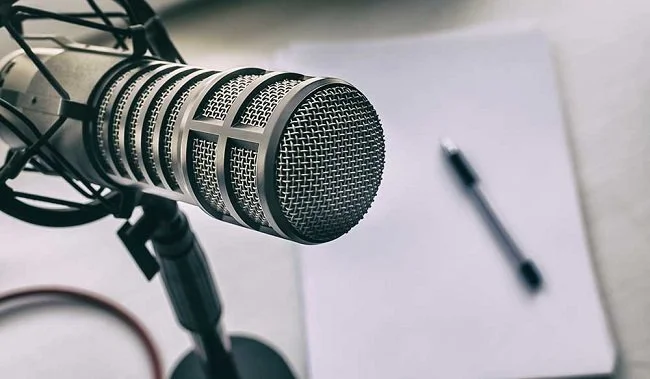
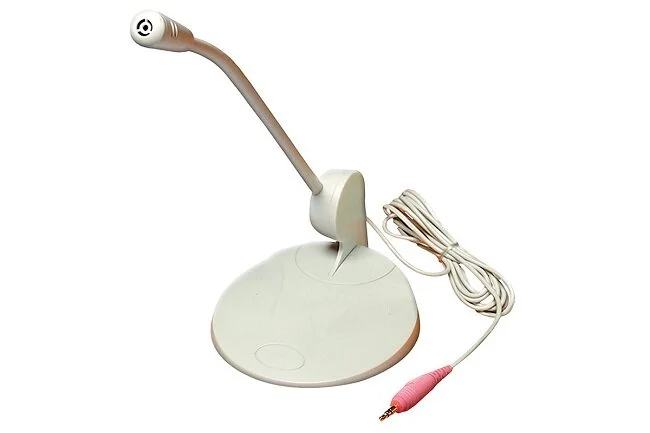
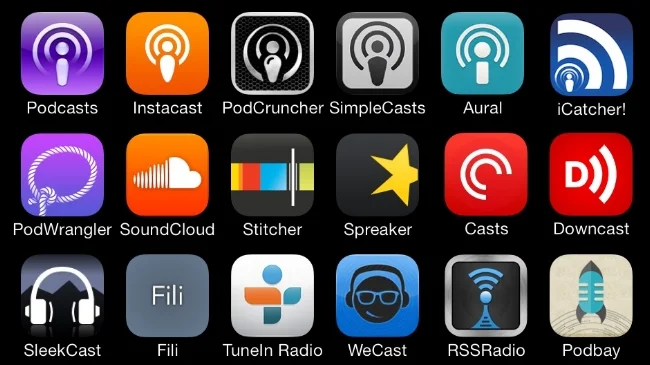
The initial podcast boom, which began circa 2005, started as an audio only medium. One of the reasons podcasting became so popular, especially among the fan community, was that you could get away with relatively low production standards. Anyone who had access to a basic microphone and a PC, could produce a show and upload it to iTunes, which was the primary platform at the time. Listeners were forgiving back then. Twenty years later and podcasting has been on a tempestuous journey. It started with the medium being accessible and democratised, sustaining a rich and diverse fan community via non-professional productions. However, slowly and inevitably it has been assimilated by corporate interests. Fan podcasts have given way to podcast production companies. The small, micro-budget, indie show has effectively been thrown out of their own party. Such shows still exist but they struggle to be heard.
The initial podcast boom, which began circa 2005, started as an audio only medium. One of the reasons podcasting became so popular, especially among the fan community, was that you could get away with relatively low production standards. Anyone who had access to a basic microphone and a PC, could produce a show and upload it to iTunes, which was the primary platform at the time. Listeners were forgiving back then. Twenty years later and podcasting has been on a tempestuous journey. It started with the medium being accessible and democratised, sustaining a rich and diverse fan community via non-professional productions. However, slowly and inevitably it has been assimilated by corporate interests. Fan podcasts have given way to podcast production companies. The small, micro-budget, indie show has effectively been thrown out of their own party. Such shows still exist but they struggle to be heard.
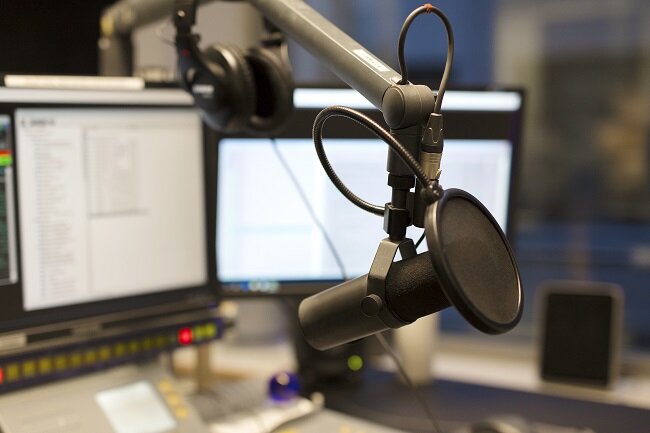
When I look around the podcast landscape today, I see little of the fan scene surviving. Too many podcasts nowadays are primarily recorded via Zoom or some other video based platform. This provides the audio for traditional podcasts and a video version that can posted on YouTube. The main advantage of such visual format is that it can produce short 30 second clips for Instagram and TikTok in hope of going viral. For those with higher budgets, there are a wealth of podcast production studios who will effectively make your show for you. All you have to do is turn up, pay and talk. Although this approach makes sound business sense, it clearly shows a prevailing mentality where most podcasts are conceived and undertaken as a business endeavour first and foremost. Fandom is a not such a common driving factor.
It’s all a far cry from a handful of fans talking about their football club or the video game they play. That’s where I started back in 2009, recording via Skype and editing with Audacity on a home PC. We talked about the MMORPG genre of video games. There were at least a dozen comparable shows at the time. We all knew each other and would often reference each others shows or even appear on them. Sadly, they've all gone now. People either stopped by choice or just slowly ran out of steam and “pod faded”. Now if you look for such content, you’ll find professionally produced shows about the wider gaming scene, made by the big video games websites that cover such content. These podcasts are slick but lack, in my opinion, character and soul. There are also lots of podcast production studios available now and the idea of editing and assembling your show yourself is far less popular.
Like non-professional blogging, the amateur podcast is a niche product nowadays and may certainly struggle to gain any traction. People often talk about blogging for yourself and not worrying about such things as an audience. Such arguments are credible and at the end of the day, although writing requires effort, it is not as labour intense as recording and editing a podcast. Which is one of the reasons why that very argument cannot be applied to podcasting. You don’t record an audio show for yourself. By nature they are designed to be shared. An unread blog post can be easily shrugged off. An hour long podcast that has been lovingly produced and then subsequently ignored is harder to dismiss. YouTube offers different opportunities to podcasting. Some would argue easier ones. Reacting to other people’s content springs to mind. Podcasting being an audio format focuses upon what is being discussed and those talking.
Upon reflection, something that was once a quasi hobbyist scene, has now evolved into a process driven, one size fits all undertaking which is often professionally adjacent. The market is saturated and it is therefore a lot harder for listeners to find new amateur podcast creators who are looking to build an audience. Shows produced by major production companies have adverting budgets and will also cross promote other shows made by the same company. Therefore the small fan podcast can be drowned out or simply overlooked as the big players take up all the oxygen in the room. However, that being said, I still think there is a lot to be be gained from experimenting in this field and giving podcasting a go. It is always good to learn new skills and do things for the pleasure of doing them. Also never under estimate word of mouth as a positive means of promotion. There is also a random element to things going viral. Just adjust your expectations if you give it a go.




The initial podcast boom, which began circa 2005, started as an audio only medium. One of the reasons podcasting became so popular, especially among the fan community, was that you could get away with relatively low production standards. Anyone who had access to a basic microphone and a PC, could produce a show and upload it to iTunes, which was the primary platform at the time. Listeners were forgiving back then. Twenty years later and podcasting has been on a tempestuous journey. It started with the medium being accessible and democratised, sustaining a rich and diverse fan community via non-professional productions. However, slowly and inevitably it has been assimilated by corporate interests. Fan podcasts have given way to podcast production companies. The small, micro-budget, indie show has effectively been thrown out of their own party. Such shows still exist but they struggle to be heard.