
60 Years of Star Trek
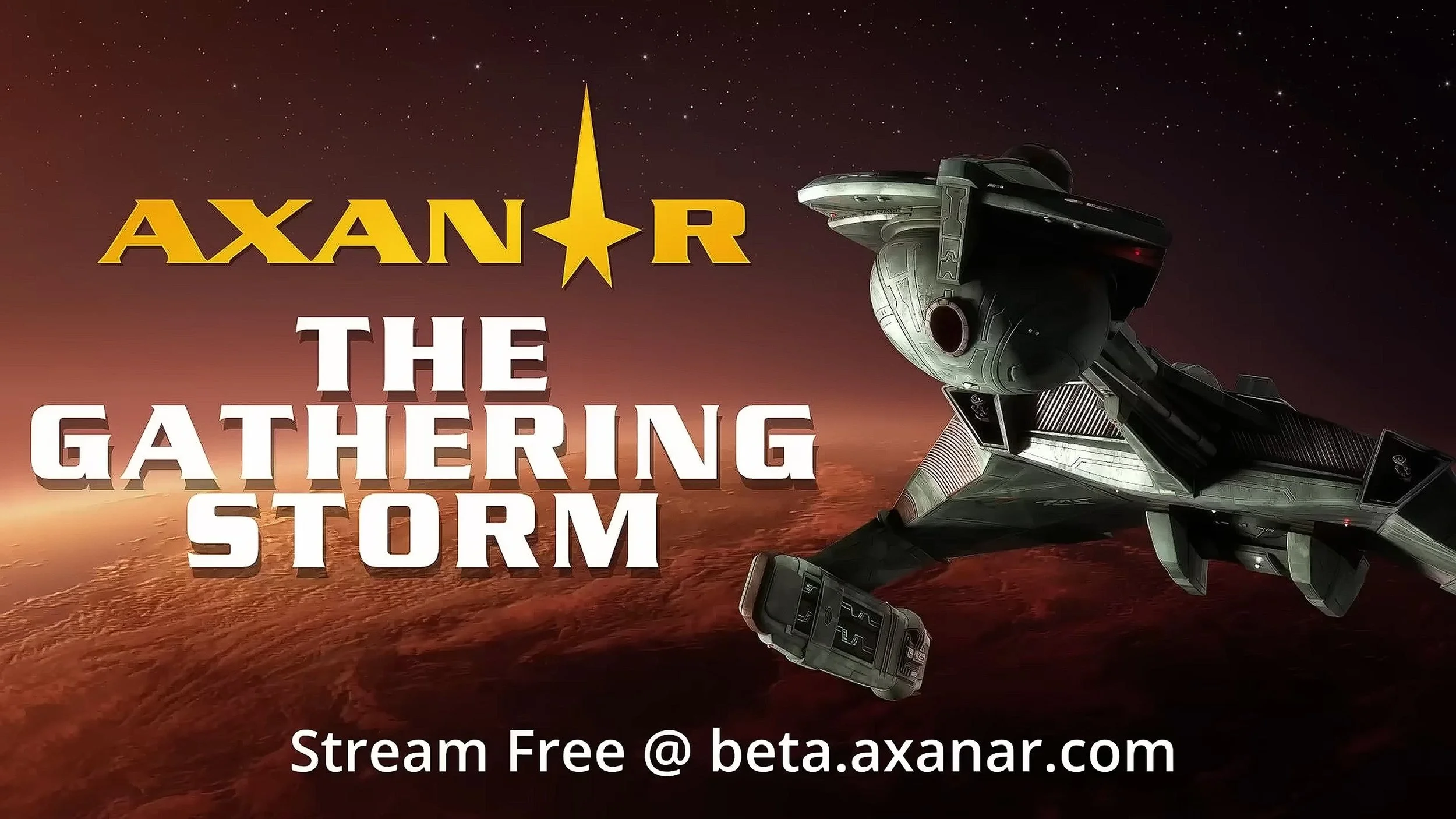
Star Trek is slightly older than me by 14 months. I was born on December 18th 1967. Star Trek was first broadcast in the US on 8th September 1966. Hence this show has always been part of the prevailing pop culture that surrounded me, as I grew up. I first began watching Star Trek as a young child in the early seventies. It would be repeated on the BBC in the early evening on Fridays and it became a family ritual to sit down together and watch it. As a seven or eight year old, it left a great impression upon me and was in many ways, the television highlight of the week. Star Trek along with Doctor Who certainly started my interest in science fiction. Star Trek was also one of the first shows that introduced me to tie-in marketing. I remember seeing in a toy shop, near to my school at the time, a Dinky Klingon Battle Cruiser and was flabbergasted that such a thing existed. I immediately coveted it but sadly never obtained one.
Star Trek is slightly older than me by 14 months. I was born on December 18th 1967. Star Trek was first broadcast in the US on 8th September 1966. Hence this show has always been part of the prevailing pop culture that surrounded me, as I grew up. I first began watching Star Trek as a young child in the early seventies. It would be repeated on the BBC in the early evening on Fridays and it became a family ritual to sit down together and watch it. As a seven or eight year old, it left a great impression upon me and was in many ways, the television highlight of the week. Star Trek along with Doctor Who certainly started my interest in science fiction. Star Trek was also one of the first shows that introduced me to tie-in marketing. I remember seeing in a toy shop, near to my school at the time, a Dinky Klingon Battle Cruiser and was flabbergasted that such a thing existed. I immediately coveted it but sadly never obtained one.
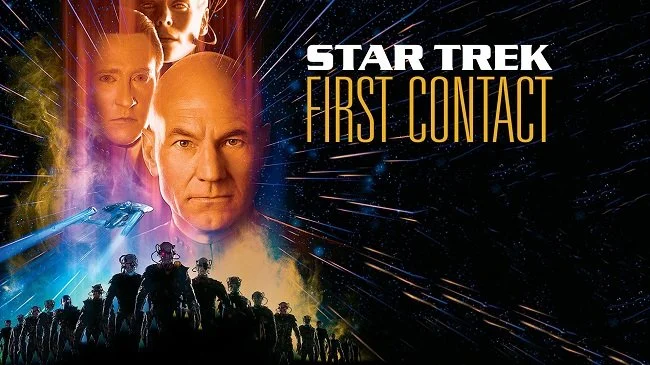
When Star Wars proved a box office success, the major Hollywood studios rushed to produce films that could satisfy the public’s need for more science fiction. I can remember getting very excited when Star Trek: The Motion Picture was announced and the classic cast reassembled. Yet the film’s hard science fiction story which focused on ideas rather than action, left me somewhat underwhelmed when I finally saw it. I have subsequently revised my opinion of it as an adult but it is a somewhat incongruous entry into the Trek canon, being far more cerebral than the show it proceeded. I enjoyed immensely, it’s sequel, Star Trek II: the Wrath of Khan, although Spock’s death at the time, broke me. It is curious the parasocial attachments you can form with fictional characters.
When Star Trek: the Next Generation was announced, I can remember my Mother adopting a very scorched earth policy towards it, before she had even seen the show. She just thought the idea was heretical. I remember that the UK papers gave a lot of coverage to this story, mainly due to a British actor being cast in the lead role. Like most TV shows in the seventies and eighties, it took a while for TNG to be shown in the UK. Released in the US in the autumn of 1987, it was show on the BBC in 1990. However, the first season or two had been released on VHS tape which had two episodes. We rented these from Blockbuster and was disappointed by the extremely poor picture quality. TNG was shot on 35m film but then transferred to NTSC video format for editing. This when combined with a further transfer to PAL video format resulted in a terrible fluorescent picture with a soft image quality. This combined with the overall weak scripts of the first few season left me somewhat indifferent to TNG. However, the subsequent feature films rekindled my interest and I have revisited the show since and now think far better of it.
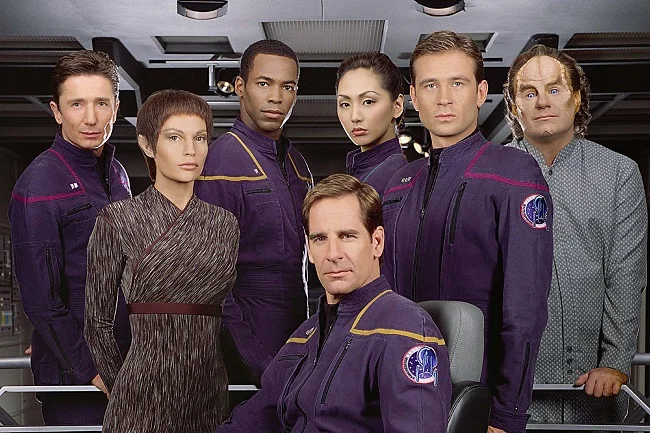
By the time Star Trek: Deep Space Nine was shown, I was an adult of 23. This was for me the era of peak Trek and this show epitomised why I liked the franchise. In many ways it was the first show to stray furthest from Gene Roddenberry’s original formula with a stand alone episode of the day and the unequivocal optimism about the rectitude of Starfleet and the future overall. DS9 dealt in ambiguity, politics versus ethics and the human cost of war. It had some great characters and it clealry define the franchise as being for grown ups in so far as what it was exploring. Due to adult life and real world commitments, I caught up with Star Trek: Voyager and Star Trek: Enterprise after their initial broadcasts. I liked them both and thought they did a good job or expanding the lore yet remaining true to the central themes of Trek.
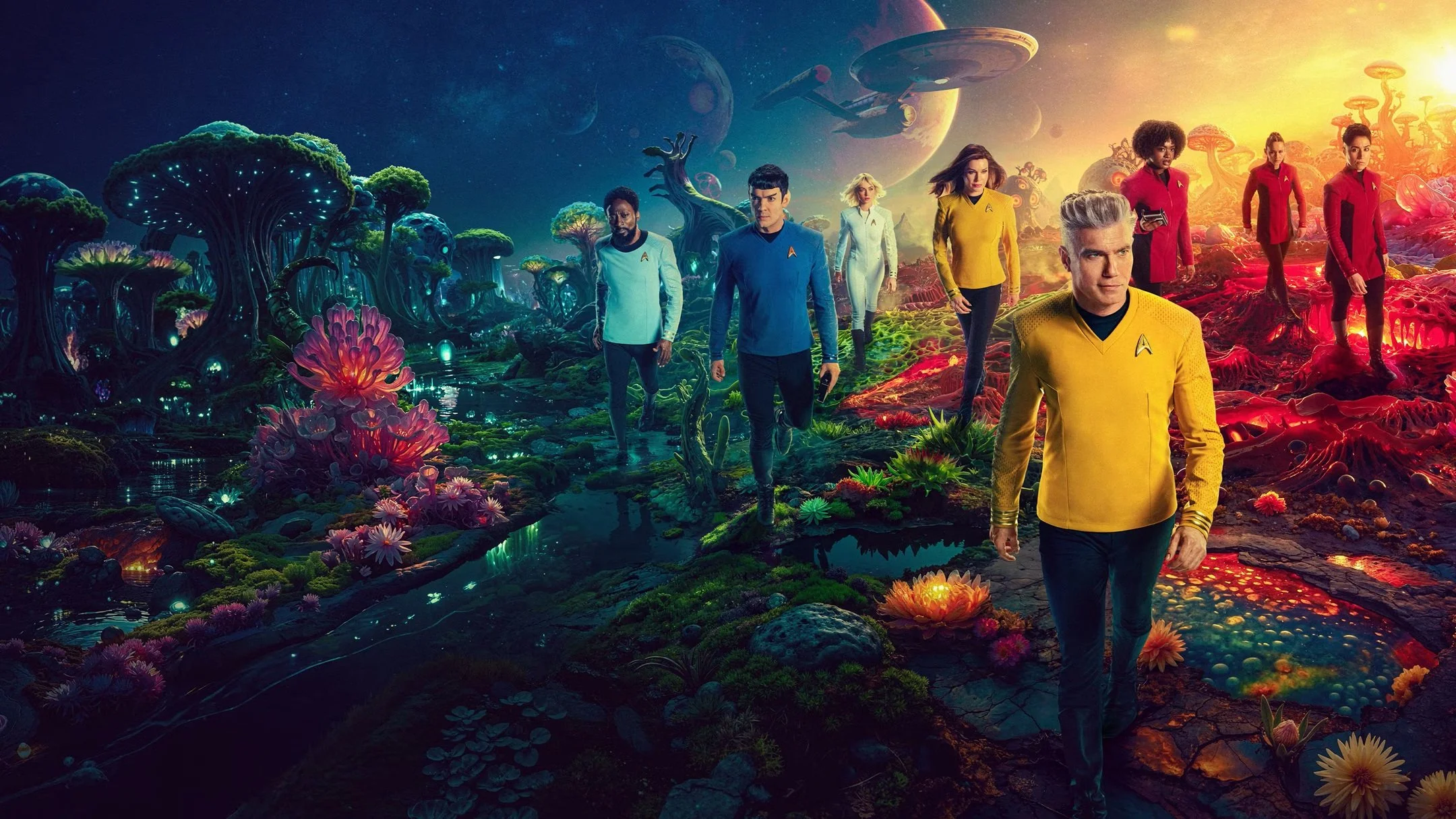
Which brings me to what we shall call modern Trek which I think has been a varied endeavour. I actually didn’t have a problem with the new feature films from this era. The Kelvin Timeline by its very nature is a separate entity and as such can be totally ignored if its not found to your liking. I quite liked it and found it sufficiently entertaining in a big spectacle sort of way. Star Trek: Discovery was a much harder experience to adjust to. Characters like Saru were and remain great but lots of other elements of the show were wanting. I felt that DISCO leaned too far into modern sensibilities and rather than casually referencing them focused too muc upon them in a performative fashion. Hence I christened the show “Hug Trek”. However by season 3 the show got more interesting once it went into the 32nd century. Star Trek: Picard was a very enjoyable fan service that tied up some interesting loose ends. Star Trek: Strange New Worlds started with a lot of promise but for me, peaked in the third season and has dropped in quality recently. The writers seem to be a little too experimental and some of the idea are too off the wall and there’s not enough respect for cannon.
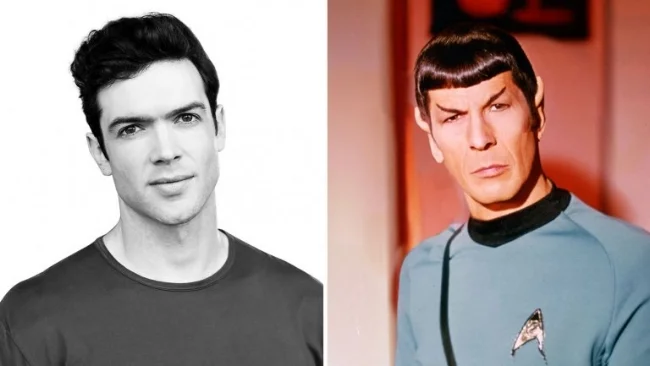
I have always enjoyed Star Trek as a franchise and like its themes of a collaborative exploration with Starfleet striving to be a benign quasi-military body. When compared to another popular sci-fi franchise (you can guess which one), I consider this far more cerebral. It deals with all the problems we have faced with modernity and real life from the sixties to the present, via the medium of genre fiction and it has consistently done it well. Trek has also done much to make pop culture and fandom mainstream. There was a time in the seventies where Trek was very much the face of fandom. As for what it has done for pop culture, well pretty much everyone knows who Captain Kirk is. I also consider Spock to be one of the finest fictional characters ever created, especially in his later years. You can write another blog post about how Trek has impacted upon technology. So many people who now work in such industries grew up watching the show.
Let us take a moment to be realistic. If history teaches us anything, it is that the future that we see in Star Trek is not going to happen, anytime soon. However, that does not mitigate the shows central themes. The merit of Star Trek resides in its message and how that message impacts upon people. Because Trek inspires hope and considers the possibility of humans at their best. When we watch the show in all its incarnations, we briefly feel positive about ourselves as a species. That makes viewers feel good about themselves at time when the wider world is the absolute opposite of Gene Roddenberry’s vision. I think that is important and something we should reflect upon now that the franchise is entering yet another new era now that its corporate ownership has changed. I sincerely hope that people will be celebrating Star Trek in another sixty years. Assuming we’re still here. Human, I mean. In the meantime, we will always have Galaxy Quest. “Never give up, never surrender”.




![Star Trek Discovery S01E01 The Vulcan Hello.mkv_snapshot_07.19_[2017.09.25_17.54.13].jpg](https://images.squarespace-cdn.com/content/v1/54e310f0e4b0f4a6ba3ac899/1506359625650-D976K1OBW47HSSSFN2S2/Star+Trek+Discovery+S01E01+The+Vulcan+Hello.mkv_snapshot_07.19_%5B2017.09.25_17.54.13%5D.jpg)

Star Trek is slightly older than me by 14 months. I was born on December 18th 1967. Star Trek was first broadcast in the US on 8th September 1966. Hence this show has always been part of the prevailing pop culture that surrounded me, as I grew up. I first began watching Star Trek as a young child in the early seventies. It would be repeated on the BBC in the early evening on Fridays and it became a family ritual to sit down together and watch it. As a seven or eight year old, it left a great impression upon me and was in many ways, the television highlight of the week. Star Trek along with Doctor Who certainly started my interest in science fiction. Star Trek was also one of the first shows that introduced me to tie-in marketing. I remember seeing in a toy shop, near to my school at the time, a Dinky Klingon Battle Cruiser and was flabbergasted that such a thing existed. I immediately coveted it but sadly never obtained one.