
Narco Road
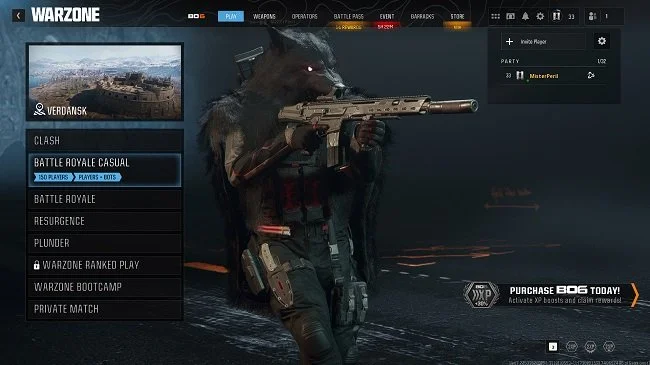
Overall, I enjoyed the base game of Ghost Recon: Wildlands. I have no major investment in the franchise and so judged the game on its story, mechanics and accessibility. As the concept of a Narco State is not beyond the realms of possibility, the story although stylised was acceptable. All games require the suspension of disbelief and as long as they don’t break their own internal logic and dramatic conceit, they tend to successfully tread the path of their narrative fantasy. Sadly, Narco Road the first DLC for Ghost Recon: Wildlands tries to take the game down a more bombastic and excessive path, filled monster trucks, extreme sports and villains that have crossed the line from the melodramatic, to caricature. Most players discovered this last April when the DLC was released. I have only discovered this now, over a year later and it’s a little disappointing.
Overall, I enjoyed the base game of Ghost Recon: Wildlands. I have no major investment in the franchise and so judged the game on its story, mechanics and accessibility. As the concept of a Narco State is not beyond the realms of possibility, the story although stylised was acceptable. All games require the suspension of disbelief and as long as they don’t break their own internal logic and dramatic conceit, they tend to successfully tread the path of their narrative fantasy. Sadly, Narco Road the first DLC for Ghost Recon: Wildlands tries to take the game down a more bombastic and excessive path, filled monster trucks, extreme sports and villains that have crossed the line from the melodramatic, to caricature. Most players discovered this last April when the DLC was released. I have only discovered this now, over a year later and it’s a little disappointing.
Narco Road begins with an interesting concept. You’re tasked with infiltrating yet another dangerous cartel that is affiliated to Santa Blanca. You have to earn the trust of three high ranking lieutenants, to learn the identity of the overall mastermind, El Invisible. There are distinct differences this time round. Large scale faction-based gun battles can frequently erupt around and if wisely exploited they can facilitate your plans However, a careless engagement causing ally and civilian collateral damage may well blow your cover. As you need to impress the various lieutenants, you’re required to indulge in various stunts and extreme sports to build up your reputation. It will also amass you an army of followers who will wade into any fight to support you. Overall this time round, you spend less time playing tactically and are frequently required to jump feet first into the fray This means blowing up gas stations, piloting damaged helicopter while dodging SAMs, and then there are the monster trucks. Yes, you get to ride trucks off massive ramps, race up mountain sides and carry out various other vehicular stunts.
Now all the above is great fun in principle but it’s not what I expected as DLC for what is otherwise a quite serious game. This tonal shift is not to my liking and I find it undermines the point of Ghost Recon: Wildlands overall. Some game journalists consider Narco Road to be a form of satire, tweaking the nose of adrenaline junkie culture and expanding upon the base game’s exploration of the world of social media. However, I don’t buy that. There may be an element of that present, but I am of the opinion that Narco Road is simply trying to appeal to the Grand Theft Auto V crowd. However, it feels to much like an afterthought. Where games like GTAV are specifically designed from the ground up to be raucous, sly and excessive, Narco Road smacks of just trying to cash in on such themes. As a result, it fails to satisfy and falls between two stools. It should also be noted that this DLC dispenses with your AI squad. If you don’t want to go down the road of internet co-op play, then you’ll find yourself dying a lot more frequently because there’s no one around to revive you when things get chaotic. So far, I’ve been playing Narco Road for about three days. If I’m still doing so in a week time, then I’ll be surprised.




Fans, Community Management and Social Media
When I first read about the furore caused by Jessica Price’s comments yesterday, I knew it wouldn’t end well. There’s a tedious inevitability to the outcome of most video game related “outrages” these days. For example, a senior member of staff from a major developer will same something crass, double down, dig a hole and then finally after being bitten on the ass by reality, will put out a mealy-mouthed half ass apology. The other scenario is that an employee affiliated to a studio says something completely left field, is presented with short window of opportunity to retract it and blame it on over the counter flu medication, before they get fired due to the ensuing PR shit storm. This particular controversy falls into the latter category. However, if you take a step back from the Jessica Price debacle you quickly notice it raises a lot of questions beyond her obvious transgression. Namely, the problem of always being “on the clock” when you work in certain professions, the need to separate your work and personal social media presence and the place “influencers have in the video games industry.
When I first read about the furore caused by Jessica Price’s comments yesterday, I knew it wouldn’t end well. There’s a tedious inevitability to the outcome of most video game related “outrages” these days. For example, a senior member of staff from a major developer will same something crass, double down, dig a hole and then finally after being bitten on the ass by reality, will put out a mealy-mouthed half ass apology. The other scenario is that an employee affiliated to a studio says something completely left field, is presented with short window of opportunity to retract it and blame it on over the counter flu medication, before they get fired due to the ensuing PR shit storm. This particular controversy falls into the latter category. However, if you take a step back from the Jessica Price debacle you quickly notice it raises a lot of questions beyond her obvious transgression. Namely, the problem of always being “on the clock” when you work in certain professions, the need to separate your work and personal social media presence and the place “influencers have in the video games industry.
First up, let’s deal with the most obvious things that standout from this “wee stooshie”. The moment you have your employers name in your twitter biography, you rightly or wrongly are now an ambassador for that company. This is a problematic foible of working in an age dominated by social media. I also think it is further exacerbated by the US work ethic which is curiously more zealous than its European counterpart. Work is more of defining factor in American culture to begin with. Irrespective of this, if you work for a major games developer and cite that in your profile then the fans will take it as read that you’re accessible 24/7 and they’ll cross examine you at every opportunity. It’s ironic but the term “emotional courtesan” that Jessica Price refutes in one of her tweets, is not a bad definition of the role that is thrust upon such employees. A company’s reputation and standing with its customers is one of its most prized assets. Questions regarding the capricious nature of fans and the fact that some totally lack any filter are ultimately irrelevant. You don’t upset the gravy train.
Next there’s the need to compartmentalise. If you work for a big player in any type of industry and feel that there are constraints placed upon your freedom of expression online as a result of that, then simply create separate social media accounts. Apply common sense to your work-related platforms and if need be follow a clear set of rules with regard to your customer interactions. As for your personal accounts, keep them separate and don’t make the mistake of getting drawn into needless arguments. Use mute or block judiciously if need be. And remember that Twitter is a public space and is therefore governed by rules of speech in such an environment. Ultimately if you want privacy in your discussion then use What’s App or something similar. Also, manners have declined in the last fifty years. Some people either lack a filter or simply refuse to use one for their own dysfunctional reasons. You have very little say or control over who decides to interject in any ongoing conversation. The sad reality is that your work related social media account forces you to do your job with one hand tied behind your back. It’s not a level playing field but if that’s place you’ve chosen to set up your stall, then that is how you have to roll with things.
Then there is the whole thorny issue of influencers. In this case, I’m not aware that You Tuber and Streamer Deroir has ever been considered a difficult or controversial individual. From what I’ve gleaned from the internet, they are a relatively benign community conduit. He’s even got an NPC named after him in the Mistlock Observatory. Therefore, it is not unreasonable for Deroir to want to interact with an ArenaNet employee such as Jessica Price. His comments were not in any way rude, so he really didn’t deserve the response he received. However, the wider gaming dependency upon influencers is a questionable practice. Not all are as measured as Deroir. It should not be forgotten that many influencers are not directly employed by the games developers and therefore not subject to the same scrutiny and security checks as regular staff. It’s a powerful position to be in and people are flawed. There have been instances of influencers going rogue in the past, although again I say this is clearly not one.
Finally, I am becoming increasingly sceptical of overt fandom of any kind. Pop culture, like politics and sports, is losing all semblance of measure and introspection and slowly becoming far more zealous. Everybody seems to have a stake or a personal claim on some part of the internet or aspect of fandom, regardless of whether it is legitimate or justified. Fandom isn’t collective ownership, although that is fast becoming a minority view. Dealing with such communities is becoming increasing hard. Who wants to navigate a daily diet of anger, accusations and bile? In the case of Jessica Price, her ill-conceived comments were wrong, and she has been sanctioned by her employers (The degree of which is subject to debate). However, what is worrying is the increasing trend that sees justifiable anger and complaint from legitimate quarters, being subsequently hi-jacked by those who simply smell blood in the water. The internet lynch mob is an extremely blunt tool and the dirty footprints of its affiliate members who often have their own agenda, ultimately just end up muddying the waters of measured and reasoned criticism. Thus, gaming culture declines further and it’s more mature and measured members find themselves moving ever further to its periphery, so as not be tarred with the same brush.
Victory is Life
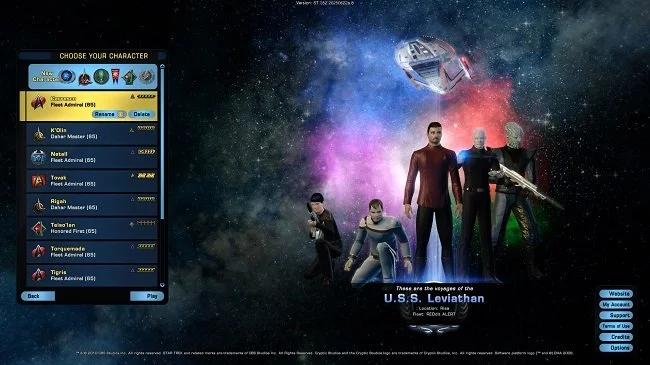
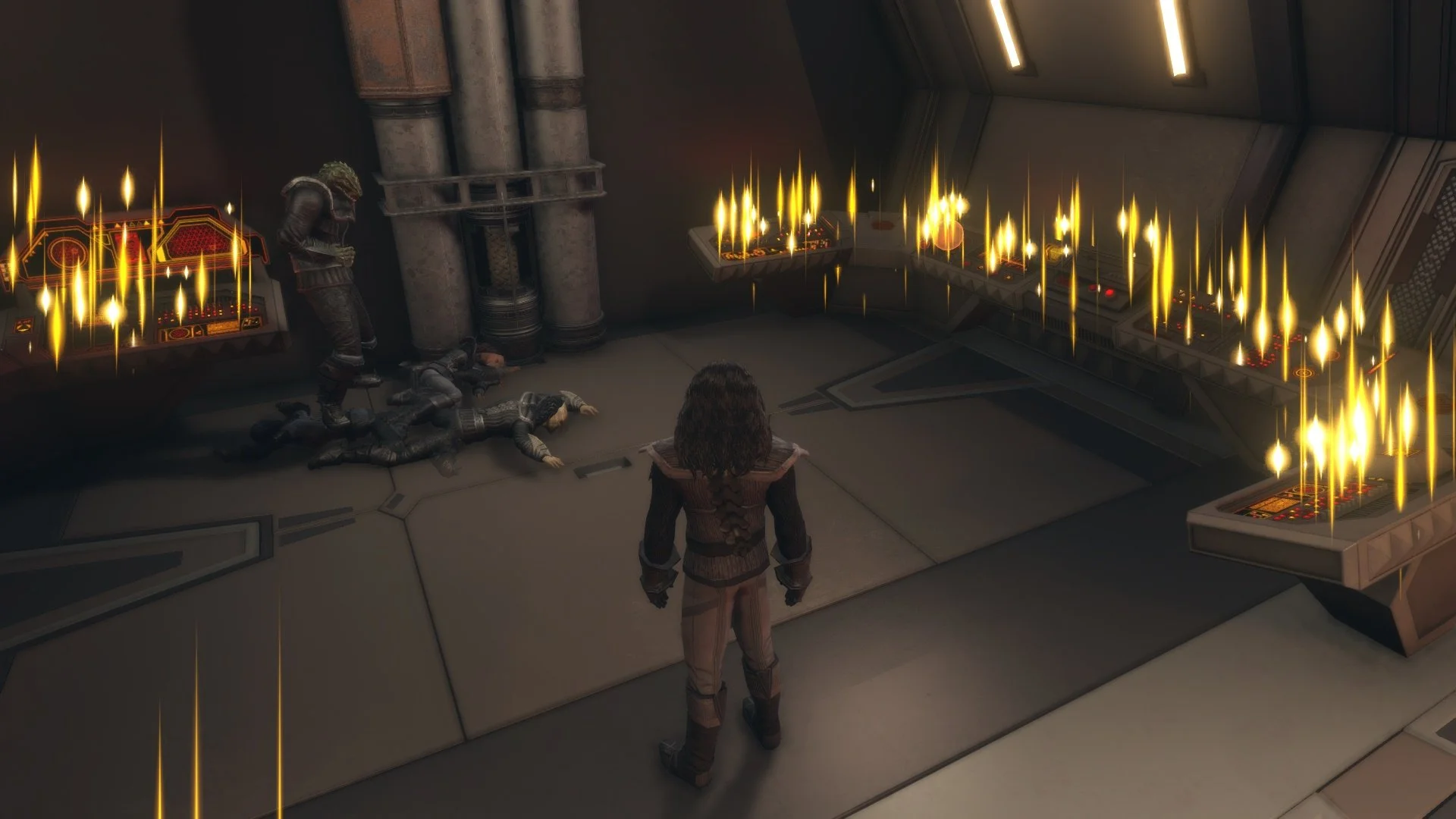
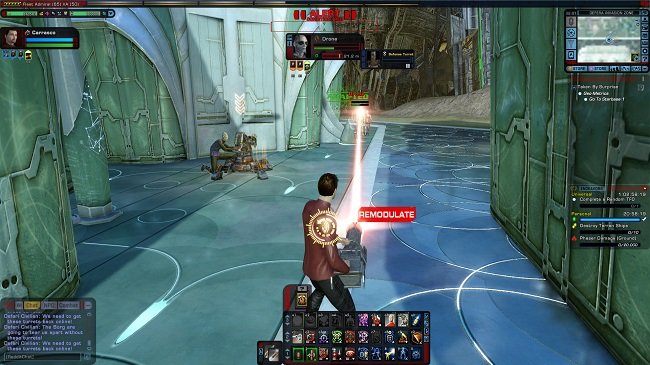
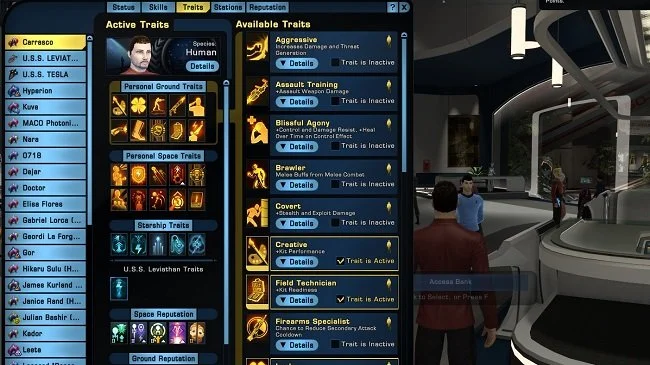
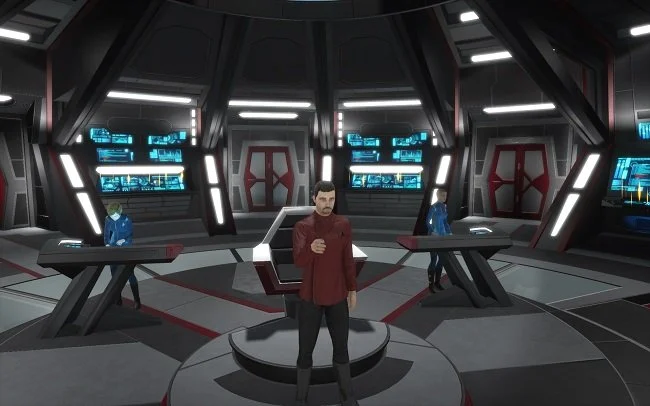
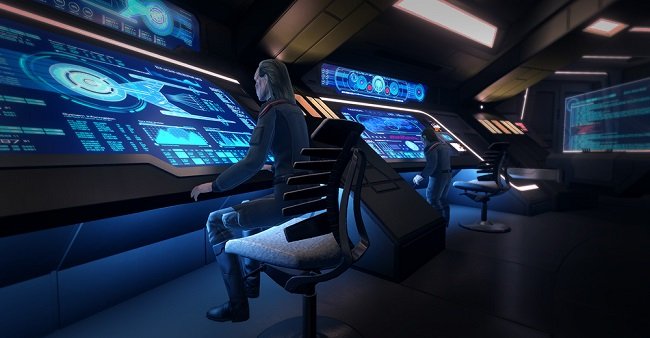
Star Trek Online is a curious beast compared to other MMOs. Although the characters that you create have gear, skills and traits to advance, it is your ship that is the real focus of in game min-maxing. The game also has several strong narrative arcs that dovetail superbly into existing Trek lore. The fact that numerous actors from the original TV shows have returned to voice their characters in the game, is another feather in the hat for Cryptic, the games developers. STO recently had a major lighting and game engine overhaul to accommodate it’s launch on the console market. Yet despite many very positive factors, there are still times when STO feels a little clunky and lacking in polish. Cutscenes can be problematic and the game has some persistent bugs and glitches. However, despite some flaws the MMO has a strong and loyal fanbase who play actively and pay prodigiously. This is also a game with a large number of whales in its wider community.
Star Trek Online is a curious beast compared to other MMOs. Although the characters that you create have gear, skills and traits to advance, it is your ship that is the real focus of in game min-maxing. The game also has several strong narrative arcs that dovetail superbly into existing Trek lore. The fact that numerous actors from the original TV shows have returned to voice their characters in the game, is another feather in the hat for Cryptic, the games developers. STO recently had a major lighting and game engine overhaul to accommodate it’s launch on the console market. Yet despite many very positive factors, there are still times when STO feels a little clunky and lacking in polish. Cutscenes can be problematic and the game has some persistent bugs and glitches. However, despite some flaws the MMO has a strong and loyal fanbase who play actively and pay prodigiously. This is also a game with a large number of whales in its wider community.
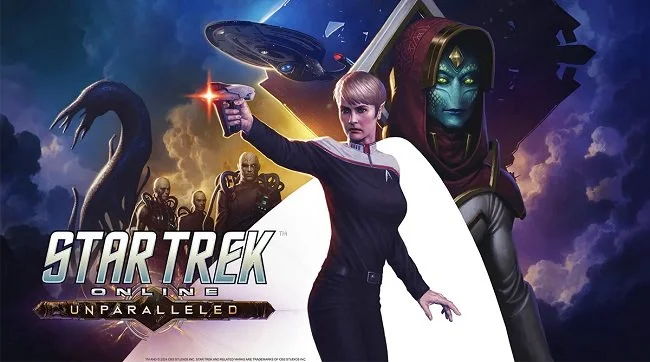
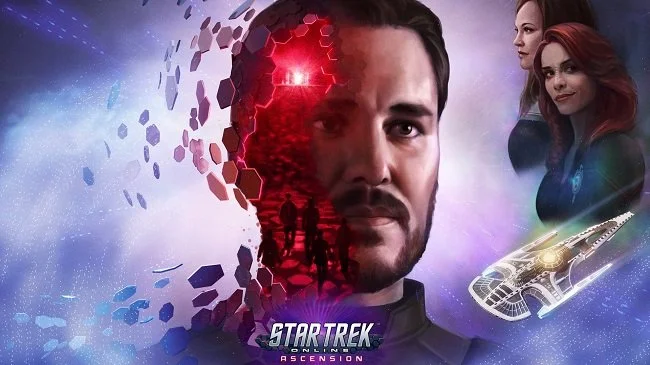
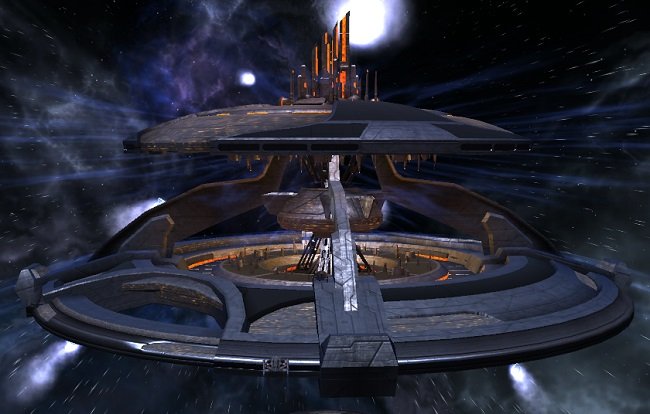
This year is the 25th anniversary of Star Trek: Deep Space Nine. Subsequently, Cryptic decided to base their latest expansion Victory if Life around the show. Released on 5th June, the new content features the voice talents of Alexander Siddig, Andrew Robinson, Armin Shimerman, Aron Eisenberg, Jeffrey Combs, J.G. Hertzler, Nana Visitor, René Auberjonois, Chase Masterson, Max Grodénchik, Bumper Robinson and Salome Jens. I won’t list all their respective characters but for fans and aficionados, this is a big deal. Star Trek Online is an officially sanctioned product and has the full support of CBS. As a result, the game enjoys a level of continuity and lore compliancy seldom seen in other MMOs with licensed intellectual properties. Although STO has as mentioned, suffered from lapses in QA from time to time, the standard of writing has never been poor and with regard to Victory if Life, I believe that it has surpassed its own high standard.
There have been some complaints that Victory if Life is more of an update in scope and size, rather than a full-blown expansion, such as Delta Rising from 2014. And I think that it there a degree of truth to in some of the criticism levelled at the release. The additional five levels are trifling and make no real tangible difference to your character. The increase in gear upgrade cap from Mark XIV to Mark XV again only really have an impact on min-maxers seeking a nominal percentage gain in DPS. Then there are the three bespoke Jem’Hadar missions that are more like tutorials. Yes, they’re fun but they don’t really feel any different to the starter missions for the other races. In fact, these ones seem even light in content. And then there are the six missions that make up the Victory if Life story arc. Technically it’s seven but one was held back until 28th June, as a feature episode to keep the sense of engagement going. Yes, compared to other arcs it is a rather compact series. Yet I am prepared to overlook all these points, purely because this arc finally feels like STO has finally met it full narrative potential.
Victory is Life addresses the issue of what has happened in the Gamma Quadrant since the end of the Dominion War. Odo returns as an Ambassador for the Changelings, bearing ill news of the ravages of Hur’q. Seeking an alliance proves difficult with the Klingon’s particularly ill-disposed towards helping a recent enemy. Yet the Iconian war has granted many worlds a new sense of perspective, so it is interesting to see more diplomatic overtures from Cardassia and even Ferenginar. Naturally Odo crosses the pass of Kira Nerys and we get to see how the years and current affairs have affected their relationship. Elim Garak once again proves that there’s more to his role in the proceeding than immediately meets the eye. And as ever Quark proves that he has a heart of latinum as well as an eye to the main chance. Victory if Life succeeds in taking the characters we know and love from the TV show and giving them an equally viable story within the frame work of STO.
What becomes abundantly clear while playing Victory if Life is the presence of multiple original cast members. We have seen returning cast members interact before in STO but never on this scale. And the cast of Star Trek: Deep Space Nine remains exceptional. Listening to the precise and measured delivery of Andrew Robinson as Elim Garak, along with gruff yet emotional resonance of René Auberjonois as Odo is an absolute joy for fans. But I believe of all the six missions that feature in the expansion it is “Quark’s Lucky Seven” that is the jewel in the crown. This wonderfully conceived caper story plays out like a Ferengi version of Oceans Eleven. Quark, Rom, Nog, Leck and Brunt join forces to steal a priceless artefact, located in possibly the most dangerous place in the galaxy. Superbly written, wonderfully acted by a much beloved cast, it totally nails the essence of the Star Trek: Deep Space Nine. The bar has just been raised and this is the standard by which all future STO content will now be judged by. That’s a big ask but it’s only what the franchise deserves. Well done Cryptic. More please.

The Twilight Zone (1959-64)
Despite the wealth of new television shows that are currently available, a few month ago I chose to revisit The Twilight Zone. In the past I have watched occasional iconic episodes during late night re-runs, but I have never really applied myself to the show. Up to now, I have mainly been familiar with this iconic show through the books that I’ve read. So, in March I started watching season one and was immediately hooked. Contemporary TV shows are often frenetic, densely plotted and at times over long. The Twilight Zone frequently manages to make it’s point in just twenty-five minutes, with strong performances and intelligent dialogue. Yes, there are aspects of the show that are dated. The production values are sometimes constrained by the budget and the special effects are not always that special. The shows gender politics are very much of the time. But all five seasons feature a cavalcade of fine actors, some already established at the time and others who would go onto greater things. Many of the episodes have bespoke scores written by the likes of Bernard Herrmann and Jerry Goldsmith. But at its core The Twilight Zone stands out because of the superb writing of its creator Rod Serling.
Despite the wealth of new television shows that are currently available, a few month ago I chose to revisit The Twilight Zone. In the past I have watched occasional iconic episodes during late night re-runs, but I have never really applied myself to the show. Up to now, I have mainly been familiar with this iconic show through the books that I’ve read. So, in March I started watching season one and was immediately hooked. Contemporary TV shows are often frenetic, densely plotted and at times over long. The Twilight Zone frequently manages to make it’s point in just twenty-five minutes, with strong performances and intelligent dialogue. Yes, there are aspects of the show that are dated. The production values are sometimes constrained by the budget and the special effects are not always that special. The shows gender politics are very much of the time. But all five seasons feature a cavalcade of fine actors, some already established at the time and others who would go onto greater things. Many of the episodes have bespoke scores written by the likes of Bernard Herrmann and Jerry Goldsmith. But at its core The Twilight Zone stands out because of the superb writing of its creator Rod Serling.
The Twilight Zone frequently uses the medium of tales of suspense, science fiction and the paranormal to explore perennial themes of prejudice, love, war, and the social issues of US society at the time. Sometimes the stories are stark, hard hitting and challenging. Other times they can be whimsical, subtle or paternal in tone. The show's signature twist endings often made the stories all the more memorable. Many of the tropes and common place plot devices that we now take for granted or even satirise, hail from Serling’s trail blazing show. This was ground breaking television at the time. Aside from Serling, who wrote or adapted over half of the total episodes, The Twilight Zone features the work of such authors as Charles Beaumont, Ray Bradbury, Earl Hamner, Jr., George Clayton Johnson, Richard Matheson, Reginald Rose, and Jerry Sohl. Many episodes also featured contemporary adaptations of classic stories by such writers as Ambrose Bierce, Jerome Bixby, Damon Knight, John Collier, and Lewis Padgett.
Over the course of five seasons these writers frequently used the medium of science fiction and broader fantasy as a means for social commentary. This proved quite beneficial as the otherwise censorial network executives and more importantly sponsors often failed to see the “message” in such fantastic material. Hence, The Twilight Zone includes stories about nuclear war, McCarthyism, and mass hysteria. Such material if referenced in a more traditional dramatic fashion would more than likely have been watered down or simply rejected. Key episodes such as "The Monsters Are Due on Maple Street" and "I Am the Night—Color Me Black" offered direct commentary on prevailing social issues and were not afraid to contradict the establishment status quo. Other stories, such as "The Masks", "I Dream of Genie", or "Mr. Denton on Doomsday" were allegorical in nature and pondered moral and philosophical conundrums through modern day fables. The spectre of World War II still looms large in many episodes, with cautionary tales about the need to remain ever vigilant against extremism and fascism. One episode “He’s Alive” has become worryingly relevant again.
Despite running for five seasons, The Twilight Zone was not an easy sell and an immediate runaway success. The ratings were good but there was still a great deal of critical prejudice against the show, simply because science fiction was a marginalised genre. Many critics as well as studio executives did not feel the medium could offer any narrative depth beyond escapism and certainly did not see it as a means of providing adult drama. The conceit of Serling's appearances on the show to introduce each story, eventually became one of its most original and distinct features. But at the time some saw this an indulgence or a distraction. It was not Serling’s idea to do this initially and he was quite reticent take up this role in front of the cameras. Yet his concise, direct delivery and distillation of the impending plot has become iconic and is still widely imitated today. Serling’s narrations and the breaking of the “fourth wall” were an innovative device and he appeared on all episodes. However, in the episode "A World of His Own", Keenan Wynn plays a writer with the power to alter his reality. He overhears and objects to Serling's narration, promptly removing him from the proceedings.
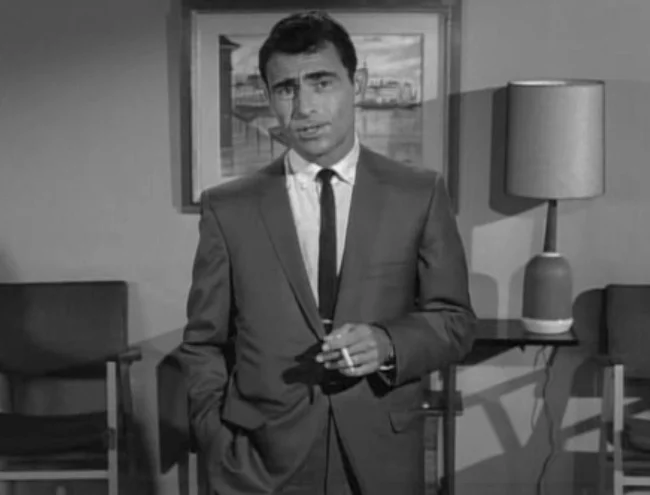
To date, I have watched the first two seasons of The Twilight Zone and am currently halfway through the third. Season one and two I’ve watched on DVD and the shows are in their syndicated format. That is to say, they do not include the sponsorship messages given by Rod Serling at the end of each episode, along with his preview of the next instalment. However, the Blu-ray boxset of the entire series (via which I’m currently viewing season three) includes the commercial break title card midway through each show, along with the aforementioned sponsorship messages and preview preamble. There are occasionally additional advertisements for charities and such like after the end credits, along with trailers for Gunsmoke with James Arness. The Blu-ray release has been lovingly restored from the original 35mm negatives and look crisp and clear. Many of the episodes that are deemed “classic” have multiple commentary tracks by cast members, writers and film historians. This release is certainly the best way to watch The Twilight Zone.
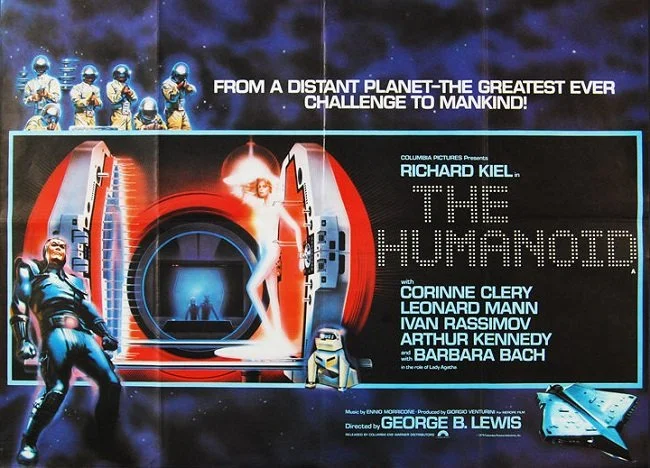
It’s hard to write anything about The Twilight Zone without referencing certain episodes. But as this has been done many times before, by far more keen-sighted critics and writers, I will simply mention those that I’ve personally enjoyed. "The Invaders" written by Richard Matheson is a tense tale of a woman living in a remote cabin, terrorised by tiny alien invaders. As ever there’s a clever sting in the tail. "It's a Good Life" stars Billy Mumy as a child devoid of a moral compass, who has the ability to will anything into or out of existence. He subsequently holds sway over a rural farming community. Interestingly, this was the episode that Joe Dante chose to remake for Twilight Zone: The Movie in 1983. "The Monsters Are Due on Maple Street" intelligently documents how a suburban community quickly turns on itself during what appears to be an alien invasion. Claude Akins give a credible performance, but it is Rod Serling’s script that is the real star in this story. I also have a soft spot for the bitter sweet "Time Enough at Last", starring the great Burgess Meredith as a hen-pecked husband who just wants to be left alone to read. The final pay-off still has the power both to raise a wry smile and a pang of sadness. I’d also recommend "Long-Distance Call" about a child who speaks to their dead Grandma on a toy telephone. You can also see a young Richard Kiel as the alien Kanamit ambassador in "To Serve Man". After sharing their technology, along with curing disease and famine, human flock to join an exchange program and visit the Kanamit homeworld. But there’s a dark secret contained within a book left my the Kanamit ambassador. The ending is the stuff on TV legends.
The Twilight Zone had an unprecedented influence on movies, television and pop culture in the years after its original broadcast. Many of it’s twist endings, iconic lines of dialogue and premises have become internet memes and are lovingly referenced in other shows. The theme tune, by Marius Constant, has itself has entered common parlance and become a signifier of the weird, odd and baroque. Just hum the first few bars of the intro music and most people with quickly guess that something off kilter has occurred. Such is the standing of Rod Serling’s show. So, if you enjoy portmanteau movies or dark TV show such as Black Mirror, then why not checkout the series that started it all. You’ll frequently find a wealth of great character actors, such as Lee Marvin, Lee Van Cleef, Vera Miles, Cloris Leachman, Dennis Hopper, Carol Burnett and Robert Duvall. And at twenty-five minutes an episode (apart from season four when they decided to double the length) these make ideal late-night viewing, often providing a bizarre or curious tale to ponder before sleep. Assuming that you’ll get any after some episodes.







Wisconsin Death Trip (1999)
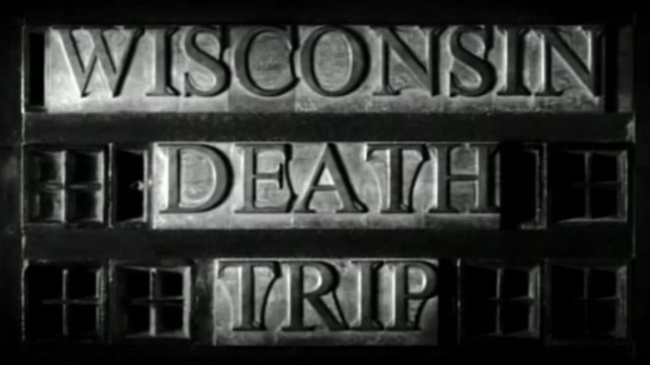
Wisconsin Death Trip is a strange, enigmatic, non-linear docudrama and that makes for compelling viewing for the open minded. It is based upon the 1973 non-fiction book Wisconsin Death Trip by Michael Lesy, which explores a collection of late 19th century photographs by Jackson County, photographer Charles Van Schaick. These are mainly taken in the city of Black River Falls. The authentic black and white pictures are further embellished by local news reports from the same period, predominantly taken from the Black River Falls newspaper. These articles emphasise the harsh aspects of Midwestern rural life under the pressures of crime, disease, mental illness, and urbanization. The book has been a source of influence over the years, with authors such as Stephen King and Rod Jones citing the impact its had upon their respective work. Film maker James Marsh has subsequently taken this curious microcosm of rural life and death and extrapolated it a compelling reflection upon mortality and the fragility of human existence.
Wisconsin Death Trip is a strange, enigmatic, non-linear docudrama and that makes for compelling viewing for the open minded. It is based upon the 1973 non-fiction book Wisconsin Death Trip by Michael Lesy, which explores a collection of late 19th century photographs by Jackson County, photographer Charles Van Schaick. These are mainly taken in the city of Black River Falls. The authentic black and white pictures are further embellished by local news reports from the same period, predominantly taken from the Black River Falls newspaper. These articles emphasise the harsh aspects of Midwestern rural life under the pressures of crime, disease, mental illness, and urbanization. The book has been a source of influence over the years, with authors such as Stephen King and Rod Jones citing the impact its had upon their respective work. Film maker James Marsh has subsequently taken this curious microcosm of rural life and death and extrapolated it a compelling reflection upon mortality and the fragility of human existence.
Wisconsin Death Trip is beautifully narrated in an understated, matter of fact fashion by Ian Holm. The docudrama avoids the traditional linear approach to exploring such subject matters and there are no explanations by historians or psychiatrists to account for the litany of deaths, murders and suicides. Director Marsh instead elects to blend the period photographs with recreation of the events being narrated. The matter of fact approach of the newspaper stories from the 1890s are quite a surprise. They lack the contemporary penchant for hyperbole and comes close to normalising what are inherently bizarre events. The original reports never seem to attempt to explore the motives for the various murders and suicides and seem to justify them with the most arbitrary of explanations. Yet the photos clearly speak for themselves about the reality of frontier life and the harsh existence that these immigrants endured. Dead babies in coffins, the Winnebago Indians suffering from small pox and the recently hung are all starkly shown.
The period stories are also intercut with colour scenes from present day Black River Falls, juxtaposing the hardship of life in the 1890s with the mundanity of contemporary small-town America. It makes for an interesting contrast. One minute we’re reflecting upon a jilted lover shooting the object of their affection and the next we’re watching modern kids playing in the streets and a local beauty pageant. Yet there is a distinct Lynchian undercurrent to the proceedings. Perhaps the inference is despite the calm and measured pace of twenty first century life in this sleepy rural town, it would only take some nominal changes in the climate or the loss of power to drive even a modern community to the edge of despair and the borders of insanity, as in the 1890s. It certainly makes you think, which seems to be the underlying point of Wisconsin Death Trip. It is an oddly fascinating 76 minutes that’s a far cry from your traditional documentary. Recommended to those who have an interest in the human condition and aren’t perturbed by the macabre.






The Boondock Saints Unrated Director's Cut (1999)
Writer and director Troy Duffy obviously set out to make The Boondock Saints a "cult" movie and to find a niche market audience that would champion it. Every thematic and cinematic attribute you associate with contemporary, "hip", independent film making is duly trotted out and used in an arbitrary fashion. The Boondock Saints is violent (in that very stylised Tarantino sense of the word), slick, contrived and deliberately controversial. It also perpetuates every possible cliché about the Irish as a race and the Roman Catholic church that you can think of. Yet despite these facts, there is still the germ of a good film at its core. Vigilanteism has always been an intriguing and emotive subject that can make for challenging cinema. Populist content such as this can also be the key to box office success.
Writer and director Troy Duffy obviously set out to make The Boondock Saints a "cult" movie and to find a niche market audience that would champion it. Every thematic and cinematic attribute you associate with contemporary, "hip", independent film making is duly trotted out and used in an arbitrary fashion. The Boondock Saints is violent (in that very stylised Tarantino sense of the word), slick, contrived and deliberately controversial. It also perpetuates every possible cliché about the Irish as a race and the Roman Catholic church that you can think of. Yet despite these facts, there is still the germ of a good film at its core. Vigilanteism has always been an intriguing and emotive subject that can make for challenging cinema. Populist content such as this can also be the key to box office success.
Two Irish Boston brothers, Connor and Murphy MacManus (Sean Patrick Flanery and Norman Reedus) fall foul of the Russian Mafia. After a questionable act of self-defence is "overlooked" by the local Police, the brothers conclude that they’re doing God's work and decide to clean up the town. Aided by a minor foot soldier of the local Mafia (David Della Rocco), who sees their crusade as a way to settle personal scores, the body count starts to increase. Enter FBI profiler Paul Smecker (Willem Dafoe), who after a time starts questioning his profession and sympathising with the murderous trio. The various conflicts of interest and upsetting of the criminal status quo, eventually leads to a standoff that seems to have an inevitable conclusion.
The Boondock Saints lurches from scene to scene with a lumbering sense of momentum, leaving occasional interesting ideas only partially explored. The opening half of the film is the most satisfactory as the story provides sufficient motive for the two brothers to pursue their killing spree. The proceeding become somewhat derailed once Rocco joins the team, as this contrived plot devices finally put pay to any originality. The introduction of an openly gay FBI agent embodies invokes possible stereotype and really does beggars belief. Profanities fly at unprecedented levels and the comic relief, such as the accidental shooting of a household pet, is unsubtle and crass. The gun battles are lovingly shot in slow motion and edited to a quasi-Irish folk, post-modern soundtrack. Mr. Duffy really wanted this film to be remembered by those enamoured with "cult" cinema and does everything he possibly can to achieve this.
Much has been made of the films violent content. The Director’s Cut of The Boondock Saints replaces all the death scenes from the theatrical version with alternative takes. One bullet hit becomes three and there is noticeably more blood splatter and injury detail. Even so, this is not anything ground breaking. We have all been here before and seen far more graphic material framed against far better narratives. There is also an attempt to imbue the action scenes with an artistic sense of style, of the "Peckinpah" idiom. There’s copious use of slow motion and cross cutting of subjects matters. However, as the overall film lacks the intellectual and emotional content The Wild Bunch or Bring Me the Head of Alfredo Garcia, then most of this visual posturing fall upon stony ground.
But despite all these faults, this chaotic mess still manages to entertain at some level. The ending is left conspicuously open and the credits roll over bogus news reports, conducting a vox pop relating to "the saints" activities. Regardless of the respective merits of this film, it garnered a big enough following via word of mouth and the internet for the director to make a sequel a decade later. Therefore, only watch The Boondock Saints if you are in a particularly forgiving mood and tolerant of fan boyish enthusiasm masquerading as genuine film making skill. Scholars of cinema may be curious just to see all the possible school boy mistakes that can be made during the course of one single action film.







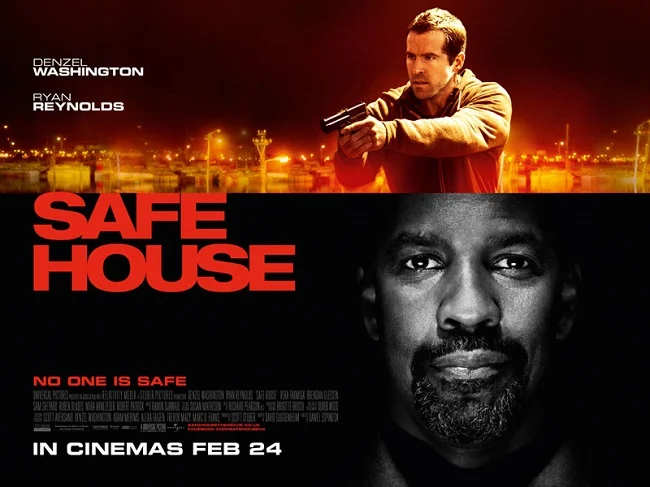
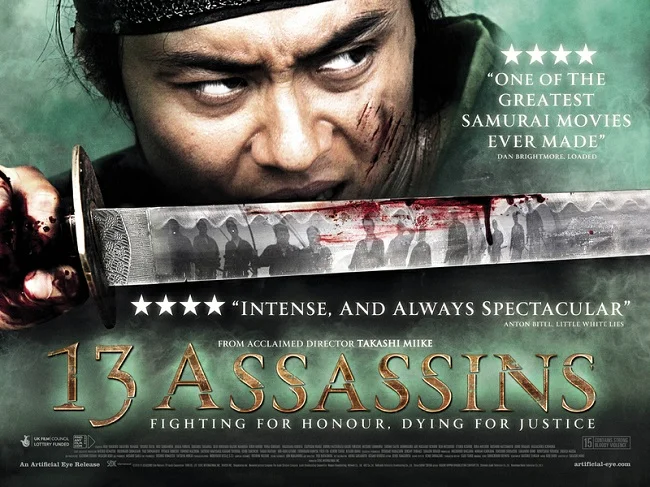
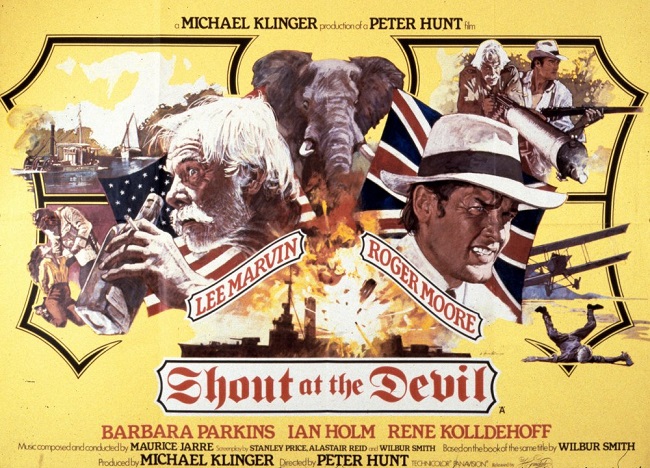
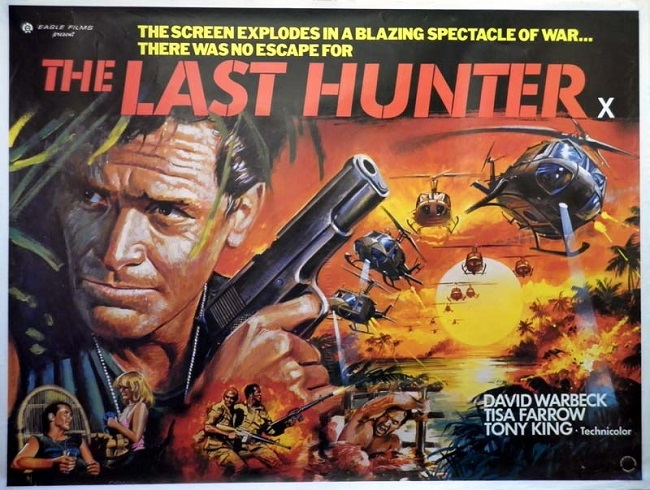
Video Games and Lawyers
Some gamers tend to forget that the video games they play are primarily commercial products. They romanticise the video game industry per se, along with their own “relationship” with the developers. There is also a tendency to forget that they are “customers. Nothing bursts this delusional bubble more efficiently than the involvement of lawyers. Lawyers tend to cut to the chase as time is money etc. Community Managers dissemble, marketing and PR companies hype and misdirect, but the moment lawyers are involved in any way, it means that something unequivocal is going to happen. Sadly, the involvement of the legal profession in a video games life cycle is often a bad sign. Something that became quite apparent this week, when developers Gun Media made an announcement about the future of Friday the 13th: The Game.
Some gamers tend to forget that the video games they play are primarily commercial products. They romanticise the video game industry per se, along with their own “relationship” with the developers. There is also a tendency to forget that they are “customers. Nothing bursts this delusionary bubble more efficiently than the involvement of lawyers. Lawyers tend to cut to the chase as time is money etc. Community Managers dissemble, marketing and PR companies hype and misdirect, but the moment lawyers are involved in any way, it means that something unequivocal is going to happen. Sadly, the involvement of the legal profession in a video games life cycle is often a bad sign. Something that became quite apparent this week, when developers Gun Media made an announcement about the future of Friday the 13th: The Game.
At present there is an ongoing dispute between the two co-creators of the original Friday the 13th film. Sean Cunningham produced and directed the movie, while Victor Miller wrote the sceenplay. Miller is attempting to gain control of the rights to the intellectual property under a provision of U.S. copyright law that allows writers to withdraw a grant of rights to their existing work. Such a step is key to claiming ownership to the content. However, Cunningham who currently holds all the IP rights has argued that Miller wrote the script on a “work-for-hire” basis and therefore has no claim on the IP. There is a lot of scrutiny on this case as it’s outcome may well set an industry precedent with far reaching implications. In the meantime, the ongoing litigation means that Gun Media have to cease any further development on their game.
Sadly, this means that a sizeable amount of new content that was scheduled to be added to Friday the 13th: The Game, now goes on indefinite hold. Gun Media cannot commit resources to the creation of material that they ultimately may not be able to use. Nor can they afford to just tread water. Thus, staff will now have to focus on work for other titles for practical business reasons. The downside of this means that even if the legal obstacles are removed at a later date, the company may not be in a position to resume development of the game. In a nutshell, the lawyers have indirectly stopped the development of Friday the 13th: The Game dead in its tracks and the game as it is now, is pretty much how it will remain. It’s a shame because if the developers had continued to refine this game and address its co-op failings then it could have been much more and met its potential.
Such is the nature of legal entanglements. Unlike other disputes these have a habit of being sudden and definitive. The moment a game such as an MMO reaches the end date of its licensing agreement then it closes. It’s not subject to any sort of argument or negotiation. If a renewal hasn’t been agreed then that game is over and done with, as with Warhammer Online. Similarly, Disney recently decided to “end” its business relationship with developers Gazillion Entertainment and as a result the guillotine fell on Marvel Heroes very promptly. All of which goes to show that gaming is a business and as such, is subject to all the usual risks and caprices of the “free market”. I’m not advocating that gamers should live in fear or trepidation regarding the future of their favourite title, but it is wise to reflect upon the fact that a lifetime account refers to the life of the game and not the owner. Games likes other forms of entertainment, are ultimately are ephemeral.
Fundamentalist Fandom
Naïve (adjective): (of a person or action) showing a lack of experience, wisdom, or judgement. I have chosen this word over delusional, foolish or puerile in an attempt to keep this post measured and level headed. Because this is a discussion about fandom and it’s a subject that is seldom driven by cool, even handed, mature reflection. Fandom is about passion, strong emotional connections and a sense of community. These can be and often are positive things. Yet fandom can also be about myopia, zealotry and gate-keeping. Something that that is supposed to bring people together can degenerate into a “them and us” scenario. Just another binary, tribal, world view that screams at anyone or anything that is not “the same”. And in recent years, due to the internet and social media, fandom has now developed an erroneous sense of ownership. By loving something and venerating it, you (allegedly) have an inherent stake in it and a right to say how it evolves. Which leads me neatly on to “Remake the Last Jedi” movement and the staggering naivety that underpins it.
Naïve (adjective): (of a person or action) showing a lack of experience, wisdom, or judgement. I have chosen this word over delusional, foolish or puerile in an attempt to keep this post measured and level headed. Because this is a discussion about fandom and it’s a subject that is seldom driven by cool, even handed, mature reflection. Fandom is about passion, strong emotional connections and a sense of community. These can be and often are positive things. Yet fandom can also be about myopia, zealotry and gate-keeping. Something that that is supposed to bring people together can degenerate into a “them and us” scenario. Just another binary, tribal, world view that screams at anyone or anything that is not “the same”. And in recent years, due to the internet and social media, fandom has now developed an erroneous sense of ownership. By loving something and venerating it, you (allegedly) have an inherent stake in it and a right to say how it evolves. Which leads me neatly on to “Remake the Last Jedi” movement and the staggering naivety that underpins it.
For those who may not be aware (and in some ways I envy you) a group of “devoted” Star Wars fans are currently lobbying, campaigning and generally advocating that the recent instalment in the franchise, Star Wars: The Last Jedi, is remade because it wasn’t to fans liking. Take a moment to read the official statement from their website. “Welcome to the Rebellion. This is a campaign to provide Disney an opportunity to course correct with the Star Wars franchise. The fans are completely divided, and the core goal of Star Wars has been abandoned. The goal is to not make one half of the fandom happy over the other, it is to make a film that the fandom in general as a whole enjoys. The hero archetypes of the original films are what made these so great, it made characters that everyone could relate to regardless of their background and beliefs. No longer having this core element along with poor storytelling, has made the franchise divisive and in disarray”.
"I felt a grave disturbance in the force. As though thousands of voices cried out because they were incapable of acting like fucking adults..."
It’s difficult to know exactly where so start with such spurious reasoning as this. The above statement seems to be predicated on numerous false axioms and driven by a quite frankly staggering degree of hubris. Yet these seem to be common facets of fandom these days. However, let’s try and remain rational and the unpick Gordian knot that is zealous, fundamentalist fandom. First off, Star Wars: The Last Jedi grossed $1,332,539,889 internationally, which is broadly five times it’s budget. Star Wars: The Force Awakens made $2,068,223,624 at the global box office, which is about eight times its production costs. So, although there was a drop-in revenue with regard to Star Wars: The Last Jedi, the movie can hardly be described as a financial flop. It can be cogently argued that the high gross of the first Star Wars sequel was primarily driven by curiosity in the franchises re-launch. The bottom line is that Star Wars: The Last Jedi was broadly a financial and critical success. The fact that it was not well received by some fans is simply a foot note to this. A tangential incident and an event of no more significance than a reflection of the capricious nature of fandom.
So, I think we can safely say that from Disney’s perspective there is no pressing need to “course correct” the Star Wars franchise. Certainly not from a financial perspective. But that’s not what is meant is it. The course correction referred to by “Remake the Last Jedi” is the narrative and specifically, its racial and gender diversity. Because apparently anything that isn’t a white hero, a white secondary hero, and venerable old sage like white hero and a solitary sassy girl who needs to be rescued, isn’t living up to “hero archetypes of the original films”. Archetypes that were steeped in the prevailing socio-political-economic attitude of the times (IE the seventies), which as we know from history where a veritable golden age of equality and moral rectitude. Make no mistake, these trite excuses trotted out with tedious predictability are just the usual smokescreen for a section of society who don’t like the slow and gradual diminishment of their demographic privilege. Once again, we see a percentage of fans that are angry because they didn’t get a movie made exclusively on their terms, servicing their questionable needs.
"Well if I can't have it my way, I'd sooner see the whole thing burn..."
Another myth that is being perpetuated here is that Star Wars movies and indeed any franchise movies per se, are made exclusively to cater to the needs of core fans. They are not. I’ll say that again in case the sound of certain parties’ jaws dropping and hitting the ground drowned me out. Just because you like something and you’re vocal about your appreciation of it, it doesn’t make you the exclusive customer. It’s a simple question of numbers and economics. The box office returns from fans alone are not going to make a healthy profit for the studio. This matter came up recently with the Warcraft movie, which I happened to think was a above average genre outing. Many of those who have avid played the game over the years felt that the movie was too broad and covered to much familiar territory. Why didn’t the film concentrate on more specific aspects of the lore? Well the answer boils down to accessibility. To ensure adequate box office returns, the movie had to provide an overview of the established lore and a means for the casual viewer to get up to speed. This is something that Peter Jackson wrestled with when he adapted (and that is the key word) The Lord of the Rings. If a studio focuses solely upon fans, then they are effectively setting boundaries on a movies appeal. Steven Spielberg struggled with this issue more recently with Ready Player One. As a result, the films narrative suffered. Movies are made for profit first, art second. More bums on seats means more money.
Furthermore, irrespective of the credibility of the arguments put forward by “Remake the Last Jedi”, there is another major pachyderm on the mezzanine to consider. Namely the legal possibility of remaking such a film is negligible. Putting aside the immense loss of face a studio would suffer in conceding that one of its products is so bad, that they felt compelled to let “joe public” remake it, the legal logistics of such an undertaking would be prodigious, requiring support and sign off from multiple parties. Although it’s far from a like-for-like comparison, look at the fate of Star Trek Axanar when it attempted to “rub” another studio’s “rhubarb”. That project has ended exactly everyone thought it would. So, because there is no conceivable situation where such a project could be facilitated, this entire “Remake the Last Jedi” endeavour is nothing more than a public act of showing one’s displeasure. Now in principle, I have no problem with that as I support the right for peaceful protest. However, those protesting do not have the right to avoid scrutiny of their cause and subsequent judgements of its righteousness. For me and many others, it is absent in this case.
"Excuse me, I'd like to borrow your franchise please..."
Steeping asides from the specifics of this incident, there is much to reflect upon in a wider context. The growth of this more zealous form of fandom is extremely counterproductive. It perpetuates a stereotype or fans being dysfunctional social misfits, drives away moderate and even-handed supporters and validates the notion held by some, that pop culture having an infantilising effect upon society. Certainly, there are elements here of “me, me” culture present in the “Remake the Last Jedi” movement. This ties in with the wider growth of “faith and feeling over facts” and the compulsion to make every nuanced discussion into a trite binary argument that demands you to pick a side. In many ways this is just another aspect of growing cultural decline that accounts for so many of the political “upsets” we’ve seen of late. Now, I’m sure some readers may be inclined towards dismissing “Remake the Last Jedi” out of hand as just being the an excessively vocal minority taking advantage of social media and it’s reach. But I think it is symptomatic of a more comprehensive shift in the western zeitgeist and that it’s not a change for the better. I fully expect something similar and more incredible to occur soon. Also, it’s only a matter of time before something tragic happens.























Ready Player One (2018)
Where do I start with Ready Player One? Like so many contemporary blockbuster movies, beneath the hype, excess of visual effects and general self-indulgence of the production team, there are several good ideas and themes marbling the central premise of the film. Sadly, these are neglected in favour of numerous frenetic set pieces and a plethora of pop culture references. Although Ready Player One is essentially based upon a fan service novel, for it to fully succeed as a movie, it needed to temper such elements by focusing on the drama of it’s dystopian future and the plight of it’s central protagonists. Stephen Spielberg however, has not achieved this and the film is tonally inconsistent, light on character development and a little too pleased with itself with regard to its homages and tributes. The latter is a real stumbling block as it is, in many ways the selling point of the film. Yet by becoming the central conceit at the expense of everything else, turns what could have been a clever and relevant piece of film making into a very expensive cinematic version of “Now That’s What I Call Music”.
Where do I start with Ready Player One? Like so many contemporary blockbuster movies, beneath the hype, excess of visual effects and general self-indulgence of the production team, there are several good ideas and themes marbling the central premise of the film. Sadly, these are neglected in favour of numerous frenetic set pieces and a plethora of pop culture references. Although Ready Player One is essentially based upon a fan service novel, for it to fully succeed as a movie, it needed to temper such elements by focusing on the drama of it’s dystopian future and the plight of it’s central protagonists. Stephen Spielberg however, has not achieved this and the film is tonally inconsistent, light on character development and a little too pleased with itself with regard to its homages and tributes. The latter is a real stumbling block as it is, in many ways the selling point of the film. Yet by becoming the central conceit at the expense of everything else, turns what could have been a clever and relevant piece of film making into a very expensive cinematic version of “Now That’s What I Call Music”.
Let me address what I felt were the films inherent weakness. Firstly, there’s the rapidly edited action scenes, filled with vivid CGI and fluid camera movements. Modern visual effects have fallen victim to a form of conformity. They are bombastic, frenetic and frankly disorientating. The sheer quantity of audio and visual data to assimilate is overwhelming, headache inducing and fast becoming tedious. The “everything including the kitchen sink” approach is often done simply because it can be done, irrespective of whether is serves any wider purpose. Ready Player One has several keys scenes that fall into this category. I defy anyone to claim they absorbed everything on first viewing. Perhaps that’s the entire point. To encourage a second viewing or hours of analysis at home, watching the Blu-ray release on frame advance. Well sorry Hollywood, but I’m a firm believer in less is more and I’m so over visual FX show-reels masquerading as narrative cinema.
Secondly, the continuous stream of pop culture references as I mention earlier becomes a distraction. Some of the more obvious ones are relevant to the narrative and some of the obscure ones can certainly raise a wry smile. But other have no purpose other than to tick a box with certain demographic and please them. Essentially the problem here is knowing not to over egg something and flog a dead horse. If you want an example of when cameos, references and homages work well, then watch Who Framed Roger Rabbit, Dead Men Don’t Wear Plaid or even The Last Action Hero. Again, I suspect that this problem stems from the fact that this is a Steven Spielberg movie. Everyone in the chain of command assumes he knows his stuff and no one wants to be the person who says “no” to a film maker of his stature. Yet from what I’ve read he’s not a martinet and may even appreciate the occasional verbal check and balance.
Thirdly, contained within this very standard story of a dystopian future where people flee the reality to find meaning in a virtual world, there are some good ideas. Material that the writers should have got their teeth stuck into. If these had been developed more and featured more prominently in the proceedings then this could have been a far more impactful piece of cinema. For example, there is a minor scene where OASIS creators James "Anorak" Halliday (Mark Rylance) and Ogden Morrow (Simon Pegg), briefly disagree about the handling of their virtual world. Morrow postulates the need from rules and consequences. This mutual “Robert Oppenheimer moment” could have been so much more. Then there’s the characters of Sho (Philip Zhao) and Daito (Win Morisaki) who despite playing pivotal roles in the proceedings have precious little back story. The screenplay also veers from a very comic tone at times to something far bleaker. One moment we have a bounty hunter with a bag full of pithy quips, the next we have indentured slaves working till they die in what is effectively a high-tech debtors prison.
Because of these weaknesses Ready Player One fails to be the movie that it could be and misses its potential to be both a blockbuster and a movie of substance (something Spielberg has achieved with his earlier work). However, because of the director’s pedigree it is still has value if you’re prepared to simply take it as populist entertainment and nothing more. Certainly, younger viewers may revel in the some of the more contemporary video games references, tropes and memes. I must admit I laughed out loud at a business proposal to sell off to advertising “80% of an individual’s visual field before inducing seizures”. The film also benefits from quite a streamlined running time and unlike other tentpole movies of this kind, it doesn’t drag. The technology depicted is also quite grounded and thus helps the story tread that fine line between the audience maintaining their sense of disbelief and jumping the shark. For older viewers, there’s also a lot of solid eighties songs that intelligently embellish the production design and aesthetic of the film.
I came away from watching Ready Player One with some disappointment, but I was not surprised that it played out this way. When you invest $175 million into a project that is built upon concepts of nostalgia and geek culture, everyone involved is going to be adding fuel to the fire to ensure that the basic remit is met. In the rush to do so nuance and subtlety are quickly and possibly unintentionally side lined. I’m not a big one for glib distillations but I wrote in my notes as the credits rolled on Ready Player One, “Willy Wonka meets Tron, with pop culture references and a shit load of licensing costs”. I also reflected upon Yogi’s Gang which I remember from my childhood in the early seventies. It was a show that featured all your favourite Hanna-Barbera cartoon characters. On paper this was Hog Heaven for a kid, but the reality was the show often favoured certain characters or was just bogged down in showcasing everyone. There’s an element of that in Ready Player One and it’s cavalcade of in-jokes and references. If you can accept this flaw, then the fan service bias of the film won’t be an obstacle.
Rush (2013)
Being a child of seventies, I remember James Hunt being constantly in the Sunday Newspapers and a guest on talk shows. I knew who he was, what he did and that his antics frequently had my parents tutting, the same way as they would at contemporary pop stars shenanigans. But beyond that I wasn't that interested in the man, being obsessed by Star Wars at the time. As an adult I now frequently find myself revisiting this particular decade through books and documentaries and re-appraising events that took place. As a result, I get to put into perspective the things that were happening around me as a child that I didn't fully understand. The miner's strike, apartheid and the trial of Jeremy Thorpe (brilliantly dramatised recently by the BBC in A Very British Scandal). I was hoping to get a similar insight from Rush.
Being a child of seventies, I remember James Hunt being constantly in the Sunday Newspapers and a guest on talk shows. I knew who he was, what he did and that his antics frequently had my parents tutting, the same way as they would at contemporary pop stars shenanigans. But beyond that I wasn't that interested in the man, being obsessed by Star Wars at the time. As an adult I now frequently find myself revisiting this particular decade through books and documentaries and re-appraising events that took place. As a result, I get to put into perspective the things that were happening around me as a child that I didn't fully understand. The miner's strike, apartheid and the trial of Jeremy Thorpe (brilliantly dramatised recently by the BBC in A Very English Scandal). I was hoping to get a similar insight from Rush.
Ron Howard, a very talented director who can turn his hand to most genres and subject matters, has elected to paint a picture with very broad-brush strokes with Rush. If you’re looking for a historically accurate character study, then you may well be disappointed. Rush is a distillation of events, packaged in a very accessible way, aimed at broadest possible audience. That is not to say it is bad, because it is most certainly not. Performances are good, the narrative is very engaging, and the race sequences especially the crashes are utterly hair raising. Rush in many ways is a throwback to the golden age of Hollywood biopics and as a result is very entertaining.
Director Ron Howard successfully achieves making the essentially unlikeable characters of James Hunt and Niki Lauda, very watchable and turning a story of hedonism, egomania and recklessness into a compelling drama. The movie combines big studios’ production values and their predilection for action sequences with that British bent for storytelling. Not bad for an independent production. You would think that a movie pitched in such a fashion, with one eye very squarely on the US market that may not be so familiar with F1, would all be neatly packaged at a PG-13 rating. That is not the case. Rush does not skimp on the realities of the subject matter. Hunt's sexual appetite is starkly shown. There's also a fair amount of profanity in the screenplay and Lauda's crash in 1976 is quite graphic in depicting his extensive burns.
The movie also proves that there’s more to Chris Hemsworth than his action-star persona. I wish he did more material like this. Both he and Daniel Brühl acquit themselves very well. However, in some respects the real star of Rush is cinematographer Anthony Dod Mantle (127 Hours, Slumdog Millionaire) who creates a real sense of tension with his beautifully edited race sequences. Production designer Mark Digby and costumer designer Julian day also deserve commendation for faithfully trying to reproduce the look and feel of the time. But this is the decade that fashion and aesthetics forgot. Modern films no matter how much they try, never quite seem to capture how crap everything looked back then. They always seem to achieve a sort of shit-chic instead.
Rush is a mainstream movie no doubt, but it is exceedingly well crafted and still has lot to offer. I did balk at the rather clumsy voice-overs during the race scenes which are designed to provide exposition for those unfamiliar with F1 racing. However, this can be excused as a necessary concession required to market the film internationally. I must also applaud Ron Howard for the fact that after crafting a tale of rivalry for nearly two hours, he doesn't overtly depict either one as being the absolute winner or loser, especially in moral or philosophical terms. This is left for the audience to ponder upon. Clumsier directors would have made a less nuanced choice. Therefore, if you’re looking for a solid drama, with good performances, compelling action scenes, along with period flavour, then Rush is a sound choice.






Escape Plan 2: Hades (2018)
Direct-to-streaming is in some respects the direct-to-video market of the current decade. However, that comes with a few caveats, as sometimes if a studio gets cold feet about a movie they’ll ditch it to streaming, even if it’s a quality product. Alex Garland’s Annihilation being an example of this. However, that isn’t the case of Escape Plan 2: Hades which clearly falls into the category of a cheaper and inferior sequel. Both Sylvester Stallone and Curtis Jackson return respectively to their previous roles, but Arnold Schwarzenegger is conspicuously absent this time round. In other cast changes, Jamie King replaces Amy Ryan as Abigail Ross. Sadly, the marketing for the movie is deliberately misleading and despite featuring prominently in the advertising, Dave Bautista only has a support role, appearing in the final third of the movie. The director for this instalment is Steven C. Miller, whose body of work is predominantly direct-to-streaming action movies and low budget thrillers.
Direct-to-streaming is in some respects the direct-to-video market of the current decade. However, that comes with a few caveats, as sometimes if a studio gets cold feet about a movie they’ll ditch it to streaming, even if it’s a quality product. Alex Garland’s Annihilation being an example of this. However, that isn’t the case of Escape Plan 2: Hades which clearly falls into the category of a cheaper and inferior sequel. Both Sylvester Stallone and Curtis Jackson return respectively to their previous roles, but Arnold Schwarzenegger is conspicuously absent this time round. In other cast changes, Jamie King replaces Amy Ryan as Abigail Ross. Sadly, the marketing for the movie is deliberately misleading and despite featuring prominently in the advertising, Dave Bautista only has a support role, appearing in the final third of the movie. The director for this instalment is Steven C. Miller, whose body of work is predominantly direct-to-streaming action movies and low budget thrillers.
It quickly become apparent when watching Escape Plan 2: Hades that the movie is primarily a vehicle for Chinese star Xiaoming Huang (Ip Man 2) and not Sylvester Stallone. His character, Shu Ren, is a protege of professional escapologist Ray Breslin, who finds himself trapped in the titular high-tech prison Hades. Meanwhile, the rest of Breslin’s team sit around their Atlanta based office pondering why their friend has “vanished from the grid”. It soon becomes clear that Shu Ren’s brother-in-law Yusheng Ma (Chen Ta) is the reason for their incarceration. Yusheng Ma is a tech genius who owns several patents for next-generation satellites. Hades is actually a front for the Ruscho Corporation who want to control this new technology for their own nefarious reason. It’s all somewhat perfunctory and one can’t help but get the impression that the screenplay written by Miles Chapman, who co-wrote the original Escape Plan, has been retrofitted to accommodate the change of focus from a US leading man to a Chinese box office star.
I like many other viewers was not expecting a sequel to Escape Plan, let alone a franchise (there’s a clear indication that a third movie is on the way at the end of this one). Initially, the prospect of more was not inherently unappealing; I’ve seen far worse material get multiple instalments. However, the change of direction and star focus is a surprise. Escape Plan did well internationally, and a sizeable percentage of that box office was the Chinese market, so it’s hardly rocket science that this Chinese backed production has dovetailed a star from the home market into the proceedings. However, the budget for Escape Plan 2: Hades is demonstrably lower than the first movie and the production has that distinct direct-to-streaming look. The cinematography is vivid with a blue, red and green colour palette, but it cannot cover for the inherent cheap feel that permeates the movie. There is a pulsing synth score from The Newton Brothers helps up the ante, but it often drowns out the expositionary dialogue. The fight scenes are also poorly shot and edited, which is a damn shame because Xiaoming Huang clearly has talent. There’s also a plethora of digital blood spray and it’s stand out like a sore thumb.
Sadly, even the presence of Stallone and Bautista cannot save Escape Plan 2: Hades. Their joint input seems very contrived and workmanlike. Perhaps the producers should have eliminated all links to the previous movie and just made this a straight forward original vehicle for Xiaoming Huang. As it stands, the existing franchise baggage (and there’s a surprising lot) and US based scenes gets in the way of the prison-based action. So, all things considered, unless you like the lacklustre ambience of lower end of the action movie market, there isn’t really a lot to recommend Escape Plan 2: Hades. Although, I can’t help but smile at the hubris of the producers, in thinking they could make such radical changes to an established movie vehicle and think they could get away with it. It makes me just a little bit curious to see how contrived the threatened third instalment in the franchise is and whether Mr. Stallone decides to grace it with his presence.
Escape Plan (2013)
If you are over a certain age, there will be certain actors, TV shows and bands that you’ve grown up with and always enjoyed. Let us consider for a moment the latter. The Stranglers will be playing at the Looe Music Festival in Cornwall on the 23rd September. They’ve been touring and producing albums for nearly forty-five years. The majority of the audience who attend their gigs will be long term fans and they’ll not be there in the hope of hearing a bunch of new material from the latest album. No, they want a concert filled with familiar tunes and greatest hits. I'm pretty sure that is what they will get as well. Escape Plan is the cinematic equivalent of this. A movie that is driven by its two leads and tailor made so they can give their fans exactly what they want.
If you are over a certain age, there will be certain actors, TV shows and bands that you’ve grown up with and always enjoyed. Let us consider for a moment the latter. The Stranglers will be playing at the Looe Music Festival in Cornwall on the 23rd September. They’ve been touring and producing albums for nearly forty-five years. The majority of the audience who attend their gigs will be long term fans and they’ll not be there in the hope of hearing a bunch of new material from the latest album. No, they want a concert filled with familiar tunes and greatest hits. I'm pretty sure that is what they will get as well. Escape Plan is the cinematic equivalent of this. A movie that is driven by its two leads and tailor made so they can give their fans exactly what they want.
On paper Escape Plan is the sort of movie that may have gone straight to video, if it had been made in the eighties. It has a very black and white plot scenario, with a clear three act story structure. The set pieces drive the narrative forward and there’s plenty of boxes ticked. What elevates this formulaic piece of genre cinema is the presence of its two stars, Stallone and Schwarzenegger. I cannot stress how much this is a piece of entertainment whose success hinges upon your personal connection both actors. For some this movie will be like putting on a comfortable pair of old shoes or having that special meal that you always have, when you go to your favourite restaurant.
Security specialist Ray Breslin (Stallone) breaks out of prisons for a living. He is offered a job by the CIA to test a new top-secret facility but soon finds that he has been set up and trapped. Forced to team up with fellow prisoner Emil Rottmayer (Schwarzenegger), Breslin treads a fine line as he attempts to learn more about his surroundings, whilst having to contend with vicious guard Drake (Vinnie Jones) and prison warden William Hobbs (Jim Caviezel). During the two-hour running time there is much fist fighting, improvised "A" Team style device manufacture and hard-boiled dialogue. The prison production design is visually impressive and adds an innovative element to the traditional plot. There's a nice cameo from Sam Neil as the prison's Doctor. We also get to hear Arnie talking in his native tongue which is most discombobulating.
Director Mikael Hafstrom manages to strike the right balance between the light banter of his two stars and the dramatic intensity of the third act. The interaction between Stallone and Schwarzenegger is very organic and they carry the movie through their personal chemistry. There are a few clever nods to the eighties and homages to both stars earlier works. Overall it doesn't seem too forced. This is where the movies strength lies. If you look beyond its high concept foundation, then it is a rather well made but ultimately standard action movie. Returning to my band analogy, the same can be said about many famous songs by high profile artists. When analysed out of context they’re often far from exceptional. But when performed with enthusiasm by those who wrote them, they become something far more sublime. Escape Plan does pretty much the same.
World Cup 2018
A few years ago, I wrote a blog post about how I’m not a major sports fan and how sporting events and their associated culture are not a major part of my life. Let it suffice to say that nothing has occurred to change my perspective since then. Effectively myself and sports exist in two separate spheres and “never the twain shall meet”. I don’t have a deep, abiding hatred of sporting activities; I simply have no interest in them. They’ve never been an integral part of my life, although in my youth I was always happy to try them. If I do have a beef, then it is with some of the wider aspects of sporting culture which can stray into racism, sexism and blind zealotry. The tribal nature of sports is also not to my liking either. However, I strive to maintain a live and let live attitude, so as long as I can keep sport at a comfortable distance, we can mutually ignore each other.
A few years ago, I wrote a blog post about how I’m not a major sports fan and how sporting events and their associated culture are not a major part of my life. Let it suffice to say that nothing has occurred to change my perspective since then. Effectively myself and sports exist in two separate spheres and “never the twain shall meet”. I don’t have a deep, abiding hatred of sporting activities; I simply have no interest in them. They’ve never been an integral part of my life, although in my youth I was always happy to try them. If I do have a beef, then it is with some of the wider aspects of sporting culture which can stray into racism, sexism and blind zealotry. The tribal nature of sports is also not to my liking either. However, I strive to maintain a live and let live attitude, so as long as I can keep sport at a comfortable distance, we can mutually ignore each other.
However, that can be a difficult proposition at times. Sport is a big deal in the UK, especially football (not the US hand egg variety). The 2018 World Cup tournament starts today and because of the time difference between the UK and Russia, most of the major games will be broadcast on network television during the mid-evening. Coverage will subsequently bleed into all media and prove very difficult to ignore or avoid. There will also be major changes to the TV schedules over the next four weeks that will enrage the letter writing brigade, who will subsequently bombard the various consumer programs with a tsunami of epistles denouncing the postponing of Bargain Hunt or Escape to the Country as high treason. Then of course there’s the pundits and armchair experts. The World Cup brings them out of the woodwork in their droves, simultaneously mangling the English language and rational thinking. And for those who miss the halcyon days of Paul the Octopus, this time round we have Achilles the Psychic Cat.
On a more serious note, the World Cup has a tangible knock on effect on productivity and has both positive and negative effects on the UK and global economies. According to Bloomberg, the 2018 World Cup might cost a total of $14.5 bn in lost productivity worldwide. As a result, Brazil's government recently announced that it will allow state workers to adjust their hours when the national team competes. In the UK, it is not unusual for farsighted small employers to show a similar degree of flexibility. I worked for one company that allowed staff to watch various games in the conference room, during the 2002 World Cup, in attempt to reduce “sick leave”. Although there was little productivity during this time, it certainly had a positive effect upon team building and company loyalty. Something that every business could do with more of these days. It will be interesting to see in the weeks ahead whether this trend continues.
Making important preparations for the World Cup... #Russia2018 #WorldCup #Football pic.twitter.com/TKuqBicak5
— Nathan Caton (@NathanCaton) June 12, 2018
For those readers outside of the UK, I cannot impress upon you how much football is part of the UK’s cultural identity. For a substantial part of the population it is an integral part of their lives and the next four weeks will mean the side-lining of a great many other social obligations. The World Cup will therefore bring a great deal of joy as well as acrimony to many a household. And for those who just want to avoid it and get on with their lives, that going to prove a bit of a challenge as it is everywhere. Virtually every conceivable consumer product has done some sort of advertising deal with FIFA. I’m surprised I haven’t seen the World Cup logo adorn my father heart medication. However, let us no be cynical and focus purely on the negative. I suspect over the next four weeks, a lot of MMOs will find that their player base has grown and that a lot of absent veteran are making a return.
Congratulations. Now Spend More Money
Video games are many things to different people. For some they are art, for others they’re a social platform. Others see games a means to compete and challenge themselves. Others use them as a medium to bolster their self-esteem. And in some quarters, games are a retreat and a safe space from all the things in life that are threatening, such as women, equality and human decency. For me, they provide an amusing diversion and a writing opportunity. But let us not forget what the primary purpose of the video games industry is. Namely, to make money. Video games are not a social service or a similar altruistic medium, although many gamers still delude themselves that they are. They’re a product to be packaged, marketed and sold. And I was given a timely reminder of this today.
Video games are many things to different people. For some they are art, for others they’re a social platform. Others see games a means to compete and challenge themselves. Others use them as a medium to bolster their self-esteem. And in some quarters, games are a retreat and a safe space from all the things in life that are threatening, such as women, equality and human decency. For me, they provide an amusing diversion and a writing opportunity. But let us not forget what the primary purpose of the video games industry is. Namely, to make money. Video games are not a social service or a similar altruistic medium, although many gamers still delude themselves that they are. They’re a product to be packaged, marketed and sold. And I was given a timely reminder of this today.
I’ve recently been playing Tom Clancy's Ghost Recon: Wildlands and slowly progressing through the games central campaign for the last three weeks or so. Last night I finally met the criteria to take down the game’s central villain, El Sueño. On my second attempt I finally made it to the mountain top mausoleum in time and triggered the cutscene which gives the game’s primary ending. This conclusion has been dubbed the “bad ending” by some players and if you then repeat the final mission, you are granted access to a second alternative outcome. Both story denouements are plausible, but I actually preferred the first. To hell with cutting deals and geo-politics. As far as I’m concerned, El Sueño had to die. However, irrespective of which ending I favoured, once he was dispensed with, I simply moved on to mopping up a few residual quests around the game map. Once this is done, then I’ll start the DLC.
This morning, I opened Microsoft Outlook to discover the following email sitting in my inbox. “El Sueño is dead!” was the stark message. Naturally I opened it and read the following. “Congrats for defeating El Sueño. You worked hard, Ghost, fired at the enemy, roamed the dusty roads of Bolivia and flew over with helicopters. Need another challenge? Exchange 100 units to get a 20% discount on a new Ubisoft game!”. It’s hardly the most heavy-handed marketing message I’ve come across in nearly thirty years of gaming, but it is unique, in so far as it was sent directly to me by email after reaching a specific achievement in-game. Effectively, the publishers are saying congratulations, now go spend more money please. Again, this entire situation initially seems very innocuous, but the more I think upon it, the more significant it appears.
I’ve not played a great deal of Ubisoft games over the years and I’ve only recently discovered how the company does it utmost to extend the lifecycle of their products and monetise them to the maximum. I recently found that they have sperate season passes for each year a game has content released. They also lock a great deal of cosmetic items, as well as practical game content such as weapons, behind pay walls. Compared to other companies they are far more “vociferous” in pursuing the content of their players wallets. So in within this context, I guess receiving an email congratulating me on my success while simultaneously encouraging me to contribute further to their shareholders pension fund, is hardly surprising. I found the whole experience to be just “odd”. I wonder if some players find such messages flattering? I also wonder if anyone actually did go straight to the store and start spending. I guess the very existence of such emails indicates that they do.
The Failings of Co-op Gameplay
It would appear that Anthem will have a campaign mode that can be played solo or co-op. This is hardly surprising because such a mechanic is pretty much de rigueur these day in gaming. On paper the ability to play through content collaboratively is a great idea. Small groups of four people or so are theoretically easier to manage and co-ordinate, unlike large unwieldy raids in the MMO genre. Discord (and such like) provides a quick and easy way for people to communicate. And despite ongoing improvements in AI technology, playing with other people often provides a superior experience. Mutually agreed tactics are more likely to succeed and if things take a turn for the worse, real players can improvise more effectively. Hence co-op play seems to be industry darling at present and is seriously putting a dent in the MMO market.
It would appear that Anthem will have a campaign mode that can be played solo or co-op. This is hardly surprising because such a mechanic is pretty much de rigueur these day in gaming. On paper the ability to play through content collaboratively is a great idea. Small groups of four people or so are theoretically easier to manage and co-ordinate, unlike large unwieldy raids in the MMO genre. Discord (and such like) provides a quick and easy way for people to communicate. And despite ongoing improvements in AI technology, playing with other people often provides a superior experience. Mutually agreed tactics are more likely to succeed and if things take a turn for the worse, real players can improvise more effectively. Hence co-op play seems to be industry darling at present and is seriously putting a dent in the MMO market.
However, the reality of co-op play is often quite different from its notional benefits. I have dabbled with this functionality via several games in the last twelve months and have had decidedly mixed results. First off, finding a group is very much dependent on the popularity of the game. If the game is a new release, then this is not an immediate problem. But if you’re playing the game of the year edition, twelve months after launch you may well find the player base has greatly diminished. Then there’s the age-old problem of player behaviour, that seems to have become exacerbated of late. I have encountered little or no communication from fellow players, as well as the ubiquitous malcontents who sound off at everyone and everything when things don’ go their way. Which leads to the other major problem that co-op regularly presents. Namely fellow group members leaving because things are not going the way they want. It is by far the most frequent failing of co-op play, in my experience.
Sadly, because online behaviour per se seems to be a race to the bottom nowadays, I cannot advocate the automated group finding tools that many games now have. Last year, I found that Sniper Elite 4 and For Honor could deliver an adequate co-op experience about two thirds of the time. One in every three games was impeded by another member of the group. Twelve months later I find that the opposite is true. Two out of three co-op games are either blighted by player behaviour or suffer due to team members abandoning the group. This is particularly true of Friday the 13th: The Game and as a result the developers are currently working on implementing a penalty system for habitual offenders. When I do find myself in a PUG I frequently find there is a distinct reticence towards communication. It’s as if there’s an assumption that everyone knows what to do and that the task in hand needs to be undertaken as quickly as possible. Sadly, the only people disposed towards talking are those who have little of worth to say.
Perhaps it’s a generational thing and I am unreasonable in expecting both courtesy and a willingness to work together when playing co-operatively. But I am now at an age where my tolerance for the socially dysfunctional, the trite shenanigans of youth and general ill manners are virtually non-existent. So auto grouping is fast becoming a waste of time for me. Which leads me neatly into the only alternative; playing with friends. Simply put, as you get older is common to find your social circle reduce in size. Jobs, relationships and family mainly account for this. Hence a lot of people that I would play with collaboratively a decade ago are not available anymore. From what I’ve seen from You Tube, those players who regularly play co-op games are often half my age. Of my friends who are available, there is the further complexity of time zones and the simple fact that not everyone has the same gaming tastes. More often than not I find that my Steam friends simply don’t play the same games as me. And as I’ve moved away from the MMO genre I find that I really miss the practical benefits of guilds.
Once again, we see something that on paper should be a major boon to the gaming community, being usurped by the lowest common denominator and rendered ineffective as a result. It seems to be the fate of all online social tools these days. Perhaps that’s why many game developers still include a solo mode with AI bots in their games, because they know in advance that a substantial element of their customer base is going to be “problematic”. May be the solution to the co-op play is to make the auto grouping tools more sophisticated and use them in a way to facilitate a good experience. This could be through incentivising acceptable behaviour and rewarding a team if they deem the experience to be positive. Conversely, providing a means to highlight and sanction poor behaviour would also be a positive step. However, such facilities require time and money to develop and policing a community requires human agency. All of which ultimately contribute to a games bottom line, so I won’t hold my breath that this issue is going to be solved any time soon. In the meantime, I’ll just continue to rely upon AI bots and come to terms with the fact the co-op play doesn’t appear to cater for my requirements.
The Need To Challenge Yourself
In March 2016 I effectively took early retirement from my IT consultancy business and became a fulltime carer. Since then I have focused my time on addressing both my disabled parents’ health needs and the logistical and administrative task of running their home. It keeps me busy to say the least, but I find that being organised, proactive and maintaining a tight routine is the key to staying on top off it all. However, what this role doesn’t provide in any shape or form is any serious intellectual challenge. Scheduling appointments, re-ordering medication and liaising with the District Nurse Team and Doctors Surgery mainly require the use of soft skills. It is gratifying to be on top of these tasks, but it doesn’t have the same satisfaction of a rigorous technical conundrum.
In March 2016 I effectively took early retirement from my IT consultancy business and became a fulltime carer. Since then I have focused my time on addressing both my disabled parents’ health needs and the logistical and administrative task of running their home. It keeps me busy to say the least, but I find that being organised, proactive and maintaining a tight routine is the key to staying on top off it all. However, what this role doesn’t provide in any shape or form is any serious intellectual challenge. Scheduling appointments, re-ordering medication and liaising with the District Nurse Team and Doctors Surgery mainly require the use of soft skills. It is gratifying to be on top of these tasks, but it doesn’t have the same satisfaction of a rigorous technical conundrum.
I have always maintained that the educational process doesn’t end the moment you leave school or university. Everyday presents opportunities both big and small to learn something new. Our lives are a continuous ongoing project of self-improvement, or at least potentially so. Sadly, not everyone embraces such an ethos and certainly in recent years, academia and knowledge per se are openly eschewed in some quarters. People want a seat at the top table without actually earning such a place, but that is a separate discussion. I personally enjoy learning and acquiring new skills. I have been raised to embrace curiosity and whenever I encounter something that I’m not au fait with, my first act is to google it and from there explore the matter further.
I have been somewhat discombobulated of late. I can’t think of another way to describe my feelings. I have focused on my parents’ requirements and have ensured that their needs have been met, but despite trying to organise my writing schedule, I have not posted as much new content as I would like. After some personal reflection I have concluded that I’m not being sufficiently intellectually engaged at present. I enjoy a technical challenge, which is one of the reasons I gravitated towards IT as a career. This is absent from my life at present and it is proving to be detrimental to my state of mind. So I’ve decided that it is time to try and take onboard a new project of some kind or learn a specific new skill. Obviously, I have to pick something that can dovetail into my existing daily routine, but I think if I am sensible in what I choose, I can accommodate it.
I recently received the latest brochure for my local Learning & Enterprise College, which provides a spectrum of adult education courses in my Borough. However, the majority of courses are for essential academic skills that I already have. The few leisure focused courses are mainly arts based or socially orientated which are fine but not exactly what I’m looking for at present. Then of course there is the cost to consider. I have clear budget and must adhere to it. Hence if I pursue a new technical project it cannot require an excess of hardware or software. Ideally, I would like to undertake any studying at home, although the social aspect of going to a class and meeting other like-minded individuals has a lot of benefits. However, at present my biggest obstacle is that I haven’t yet decided specifically what I want to do. All I do know at present is that I need to apply my mind to something challenging, as I don’t care for the drifty, listless alternative that is currently on offer. I’m sure a suitable solution will present itself soon.
It is a curious paradox, that although having stepped away from the trials and tribulations of a traditional job, there are aspects of it that I miss. Obviously not the office politics or human drama but the chance to test myself mentally. I think that irrespective of whether I need to work or not, I shall always require some sort of project at some level, to keep my nature placated. Although I enjoy leisure time and understand it’s importance as I get older, I simply don’t wish to stop using my mind. Pursuing a challenge of some kind keeps me sharp and focused and I’m not sure if it would be good for me to have that totally absent from my life. Hopefully next time I write on this subject matter, it will be about what new skill I’m learning or project I have embarked upon. And I firmly believe that it will provide me with the clarity that I feel is currently absent.
LOTRO: Update 22.2
When I first started playing LOTRO in late 2008, I actually read the manual that came with my box copy, before I decided which class I was going to play. I chose the Lore-master as it sounded and interesting mixture of both ranged attacks and the use of pets. Being new to the MMO genre at the time, I didn’t realise that it was actually quite a complex class to play. Although I have dabbled with alts over the years I have stuck with this single character and until 2017, kept them relatively up to date with regard to content and respective skills. Mordor greatly dampened what enthusiasm for LOTRO and as a result I have fallen behind the curve. My gear is poor as I haven’t really progressed far into the lastest expansion. Combat has become a tedious grind, leaving me with a paradoxical situation. Poor gear makes progression slower, but bypassing Mordor leaves my character gimped. Bearing this in mind, I’ve been eagerly awaiting the Lore-master class changes that have come with Update 22.2 in the hope they will improve my situation. Sadly, I don’t think that today’s changes are the solution I’m looking for.
When I first started playing LOTRO in late 2008, I actually read the manual that came with my box copy, before I decided which class I was going to play. I chose the Lore-master as it sounded and interesting mixture of both ranged attacks and the use of pets. Being new to the MMO genre at the time, I didn’t realise that it was actually quite a complex class to play. Although I have dabbled with alts over the years I have stuck with this single character and until 2017, kept them relatively up to date with regard to content and respective skills. Mordor greatly dampened what enthusiasm for LOTRO and as a result I have fallen behind the curve. My gear is poor as I haven’t really progressed far into the lastest expansion. Combat has become a tedious grind, leaving me with a paradoxical situation. Poor gear makes progression slower, but bypassing Mordor leaves my character gimped. Bearing this in mind, I’ve been eagerly awaiting the Lore-master class changes that have come with Update 22.2 in the hope they will improve my situation. Sadly, I don’t think that today’s changes are the solution I’m looking for.
I am not a min-maxer per se and have never been a serious number cruncher when it comes to LOTRO. I broadly know what my skills do and have adopted a rotation that is common to many other LOTRO players who favour the Lore-master class. For me I define my combat effectiveness by the amount of time it takes to kill a single mob, along with how many skills I have to use or how many times I have to repeat my rotation. This may not be the most scientific method, but it works for me. I then temper combat effectiveness with another very subjective factor. Is the combat satisfying or is it a chore? Too often of late in LOTRO combat is the latter. For me, and possibly many other MMO players, there is a very personal tipping point between a credible and engaging fight and a dull, ponderous slog. For me it may be so many seconds, for another player it may be double or triple that time. What I do find with older MMOs is that combat does seem to take a lot longer, compared to modern titles. The Secret World suffered terribly from this problem and it still wasn’t adequately addressed for my liking, when the game was revised into Secret World Legends.
In LOTRO I predominantly follow the red skills line, looking to do maximum DPS. Therefore, the recent upgrade to Burning Embers (applying Gust of Wind to augment it into Searing Embers) is a “interesting” addition. However, the induction animation is a real nuisance and needs to be shortened. Lightning Strike has been tweaked and its cooldown has been shortened. I noticed I was hitting higher critical hits as a result. However, the initial heal from Water-lore has been removed so only the HoT component remains. Thus, you’ll only get the first heal after four seconds. Plus, Ring of Fire is currently broken which is a bit of an inconvenience as its use regularly features in my play style. However, I am concerned that by making the Lore-master’s single target DPS stronger, that our AoE has suffered. Also, the removal of the Wizards Fire component and its replacement with something that is essentially not commensurate, does strike me as an over simplification of gameplay.
After running several skirmishes today, I did conclude that my overall DPS had improved but that was only in specific circumstances. For the casual, PVE-centric player, who plays cautiously, pulling mobs individually or using crowd control to make fights sequential, then this update is an adequate improvement to the class. But for those who do like to group and contribute to a communal fight, then it there isn’t so much on offer. Lore-masters are not so able to deal DoTS and their AoE skills have been reduced. And irrespective of all of these changes, I still find that combat is too slow for my liking. It’s difficult to articulate without the use of numbers, but when fighting I expect at least one skill to do 15 to 20% damage to my opponent’s moral. It still feels too much like an uphill. But this is the conundrum of combat in gaming, especially the MMO genre. Trying to find that right balance that pleases the majority of players, or at least allowing them to augment their effectiveness by accessing the right sort of gear. I’m beginning to feel that the more LOTRO is updated, the gap between what you can achieve and what I currently have, is growing wider and wider. I don’t know if I ever will catch up.
The Poppy Is Also a Flower (1966)
I was aware that The Poppy Is Also a Flower (AKA Danger Grows Wild and a host of other titles) had a reputation as being cinematic oddity, but now having watched it, I would go further and say that it really is an utter mess of a film. Yet because of its movie pedigree both in front and behind the camera, it makes for morbidly fascinating viewing. The nuts and bolts of the plot certainly have legs; on paper at least. But the problems ultimately lie with the tonally inconsistent screenplay and the haphazard directing and editing. Despite the presence of Bond director Terence Young and a plethora of Hollywood stars from the time, the movie lurches from location to location, clumsily expediting the plot and extolling its anti-drug message with all the subtlety of a Rhinoceros horn up the backside. The score by Georges Auric sits uneasily with the on screen action and has been woefully integrated into the movie, quickly informing viewers that something is off about the entire production.
I was aware that The Poppy Is Also a Flower (AKA Danger Grows Wild and a host of other titles) had a reputation as being cinematic oddity, but now having watched it, I would go further and say that it really is an utter mess of a film. Yet because of its movie pedigree both in front and behind the camera, it makes for morbidly fascinating viewing. The nuts and bolts of the plot certainly have legs; on paper at least. But the problems ultimately lie with the tonally inconsistent screenplay and the haphazard directing and editing. Despite the presence of Bond director Terence Young and a plethora of Hollywood stars from the time, the movie lurches from location to location, clumsily expediting the plot and extolling its anti-drug message with all the subtlety of a Rhinoceros horn up the backside. The score by Georges Auric sits uneasily with the on screen action and has been woefully integrated into the movie, quickly informing viewers that something is off about the entire production.
The story begins with an undercover agent (Stephen Boyd) from the United Nations buying up the local opium harvest from a Nomadic Afghan Warlord. However, he is a captured and killed by the that crime syndicate that usually traffics the drug to Europe. The Iranian Army led by Colonel Salem (Yul Brynner) subsequently cross the border and irradiate the next opium shipment, so it can be tracked back to the cartel that distributes it. International Agents Sam Lincoln (Trevor Howard) and Coley Jones (E.G. Marshall) then follow the trail of the refined drugs through Italy, France and Monaco, encountering the victims it leaves in its wake. It soon becomes apparent that millionaire businessman Serge Marko (Gilbert Roland) is a major player in the drugs smuggling business, using his various companies as a front.
The Poppy Is Also a Flower was financed as part of a multi motion picture deal, designed to promote the varied work of the United Nations. Funding partly came via the Xerox company who had a reputation for being a big business with a social conscience who regularly supported philanthropic and moral endeavours. Due to the rectitude of the subject matter an extensive catalogue of international stars were recruited for a cavalcade of extended cameos. Allegedly the cast were paid just $1 each as their fee. Director Terence Young prematurely left filming Thunderball, leaving post production in the hands of Peter Hunt, so he could helm this high-profile project. The film was specifically designed for a TV release on the ABC network in the US, with a longer version produced for an international theatrical release. The theatrical print is currently available on DVD and video on demand.
Despite Terence Young’s track record for managing such international projects, the final results are choppy and lacking in focus. The initial story conceived by Ian Fleming, was then developed into a screenplay by Jo Eisinger. It lacks any major character development, due the extensive number of celebrity cameos. The nearest the story has to main protagonists are agents Lincoln and Jones. However, they seem somewhat miscast due to their respective ages at the time (both being in their mid-fifties). Despite the serious nature of the films central theme, these two agents regularly lapse into light hearted banter and settle decisions by rock, paper, scissors. It all seems at odds the ongoing sombre proceedings. Agents Lincolns amorous advances towards various female cast members also raises an eyebrow. Whenever the script tackles the issues of addiction and the iniquities of drugs, it is hardly nuanced in its approach. The dubbing also works against the English language version of the movie, with poor lip-syncing and questionable voice acting.
Considering the scope of the story with murderous drug gangs and the deprivations of addiction, The Poppy Is Also a Flower is quite restrained in what it shows. Most murders take place off screen and we are shown a few ravaged addicts in an Italian police station but nothing much else. The torture and murder of various agents, along with the consequences of heroin abuse are mainly talked about in government departments or in conference rooms. The marketing of the film focused very much upon the James Bond connection of Terence Young and Ian Fleming, but apart from the glossy European locations, the film lacks the slickness and dynamics of an 007 movie. The theatrical release features an oddly out of place female wrestling match in a sleazy nightclub and an extended (and excruciating) musical performance by Trini López at a gala charity event. The icing on the cake for this odd, misfire off a movie, is a fight scene on a train between Harold Sakata (best known as Odd job in Goldfinger) and a E.G. Marshall. It is rapidly edited to try and cover its incongruous nature and is more of a source of bemusement than excitement, which in many ways is a succinct distillation of The Poppy Is Also a Flower in its entirety.
Non-Driver
As a carer I have to take both of my disabled parents to various clinics, appointments and sundry trips out. Today, it was a visit to the hairdresser with my Mother and then a journey to the audiologist, to collect and be fitted with her new hearing aid. There was then a journey for shopping and a final visit to the pharmacist, before returning home. Luckily, both my parents qualify for the London Taxicard Scheme. The Black Cab are a disabled friendly vehicle and the yearly quota of subsidised journeys are an absolute godsend. However, there is another reason why I find this service invaluable. I do not, nor have I ever held a driving license. To date I have never driven a car and considering my age, the cost of ownership and insurance, along with my personal mindset on the subject, it’s highly unlikely that I ever will.
As a carer I have to take both of my disabled parents to various clinics, appointments and sundry trips out. Today, it was a visit to the hairdresser with my Mother and then a journey to the audiologist, to collect and be fitted with her new hearing aid. There was then a journey for shopping and a final visit to the pharmacist, before returning home. Luckily, both my parents qualify for the London Taxicard Scheme. The Black Cab are a disabled friendly vehicle and the yearly quota of subsidised journeys are an absolute godsend. However, there is another reason why I find this service invaluable. I do not, nor have I ever held a driving license. To date I have never driven a car and considering my age, the cost of ownership and insurance, along with my personal mindset on the subject, it’s highly unlikely that I ever will.
I’ve written in the past about social conventions and how it can be a curious situation if you ever find yourself on the other side of the perceived social norm. Driving is such a common place activity, that it often really flummoxes people when I tell them that I don’t, nor do I own a car. Often the first thing they assume is that I’ve lost my license for legal reasons, as being a non-driver really isn’t common among people of my age (for those who do not know, it’s 50). But I have arrived at this situation, first by circumstance and then in later years through choice. When I was 16, my friend Chris was the first person out of our social group to learn how to drive. As he was a trainee estate agent, his employers paid for his driving lessons and supplied him with a car. He was always happy to drive as it is something that to this day he very much enjoys, being a bit of a petrolhead. So, during my early years, there was no necessity for me to know how to drive and the situation perpetuated from there.
For those readers unfamiliar with the UK and Greater London in particular, there is an abundance of of public transport available in the capital. Cities and wider urban sprawl have grown and evolved differently from more modern cities elsewhere in the world. Hence Buses, the Tube (underground trains) and suburban trains are plentiful in the capital and it is easy (on paper at least) to travel about. Obviously, there are rush hours and demands on all services at key times but getting from home to work or attending social activities has never been a major problem. There’s also less snobbery regarding public transport in the UK compared to say the US. So, during my twenties and thirties, getting to work was a matter of commuting and driving wasn’t required. When I got married my then wife, owned a car and again was someone who enjoys driving for its own sake. Hence, I again managed to avoid having to learn this skill. It is also important to point out the culture of walking that exists in the UK. For me short journeys are carried out on foot, and it is not unusual for me to record a step count of 10 to 15K per day.
Being a non-driver also means that an entire aspect of popular culture has passed me by. I have no interest, let alone love affair, with the cult of cars and shows such a Top Gear have never really appealed to me beyond mild amusement. Where some people idolise performance vehicles and even see their identities and societal status defined by the, I merely see them as modes of conveyance and nothing more. This has resulted in several crest fallen individuals who have bent my ear at social events, telling me about their new shiny [insert name of fancy car here], only to have their anecdote met with a blank look, rather than admiration and valedictory remarks. Also, I have certainly benefitted financially from not owning a car and to date, have not ever found myself inconvenienced in an emergency by my inability to drive, as so many people told me I would.
However, one problem clearly caused by being a non-driver, is that I do not own one of the most common documents used to verify one’s identity. The driving license along with the passport are the pretty much the last word in proving who you are and where you live. Or at least they are here in the UK. If you want to open a bank account, obtain a state pension forecast, or do your taxes online, you’ll have to jump through various hoops to establish who you claim to be. Not owning a driving license makes that demonstrably harder. Therefore, I have gone so far as to consider actually applying for a provisional license simply to address this problem, especially as more and more services are moving online and require you to validate your identity.
I think that in the past, especially during the seventies and eighties, that not owning a vehicle and being able to drive was indeed a disadvantage for a single person. But nowadays, because of where I live and the technology and services that are available, it is by far a lot easier. However, as a caveat I would like to state that raising a family still requires access to a vehicle for convenience and reasons of personal sanity. Yet, once the pressures of raising children have gone, being without a car comes around again in one’s autumn years, although that is usually determined by health and medical factors. Overall, I do not feel that I’ve missed out by not driving and I agree with all those who know me well, and their assertion that I do not have the temperament for it anyway. Yet, I also realise that if I had lived anywhere else other than London during my youth, I may not have remained a non-driver.
Gaming and Outrage Culture
I've written a thousand or so gaming related posts since I started blogging in 2008. I mention this to indicate that I have more than a passing interest in this particular leisure activity. However, that interest has waned somewhat over recent years. As I get older and allegedly wiser, I find that the two things that I like the most about gaming culture IE the actual games and the community, are becoming slowly yet inexorably less appealing. Commercial factors are turning games development into a mirror of the movie and music industry, driven by focus groups and metrics. The broadening of gaming’s mainstream appeal has also led to an angry backlash from alleged "core" fans. The net results are a stagnation of innovation within games development and a slavish adherence to proven formula, as well as an increase in tiresome bickering from specific groups of gamers. Both groups seem to fear change and tend to look backwards rather than forwards.
I've written a thousand or so gaming related posts since I started blogging in 2008. I mention this to indicate that I have more than a passing interest in this particular leisure activity. However, that interest has waned somewhat over recent years. As I get older and allegedly wiser, I find that the two things that I like the most about gaming culture IE the actual games and the community, are becoming slowly yet inexorably less appealing. Commercial factors are turning games development into a mirror of the movie and music industry, driven by focus groups and metrics. The broadening of gaming’s mainstream appeal has also led to an angry backlash from alleged "core" fans. The net results are a stagnation of innovation within games development and a slavish adherence to proven formula, as well as an increase in tiresome bickering from specific groups of gamers. Both groups seem to fear change and tend to look backwards rather than forwards.
As I do not work in the videos games industry, I can only lobby for change and apply whatever leverage I can as a customer and consumer. The gaming community is another matter altogether. I have as much as a stake in it as anyone else and hence an equal voice. Or at least that’s the theory. There are fellow gamers that dislike such philosophies and cleave to their own criteria as to who should have a say and who shouldn’t. Hence the gaming community has fallen victim to that blight which has spread across all online public spaces and social interactions, namely outrage culture. That curiously twenty-first century malady that appears to be the adult equivalent of having a tantrum because you can’t get your own way, or you have to share with others. However, outrage culture sometimes serves a more sinister purpose. It acts as a surrogate for expressing and disseminating more controversial ideas.
Two such examples of this are the recent reveal for Battlefield V and the furore over the game Active Shooter. The first is an instance where a debate about the alleged historical accuracy of depicting women as combat soldiers in World War II, has been hijacked to express displeasure once again at any sort of equal gender representation. The second is about how a cheap and deliberately tawdry game with an exploitative premise, is being championed by a specific group of gamers because they see it as a “fuck you” to the progressive, socially liberal politics that they feel are “taking their games away”. Both points of view are factually, logically and morally questionable, but they are becoming all too common place these days. They reflect a broader infantilisation in the thinking of certain quarters of society, who have dispensed facts and now focus on how they feel, regardless of whether such feelings are justified. It also links into a growing form of zealous fandom that mistakenly equates enjoyment of something with some sort of ownership.
Both of these recent gaming stories are just further examples of ongoing exercises in community-based self-harm. As someone who enjoys being part of that community, I find it utterly depressing. I wonder how many of the participants in these ongoing controversies have stopped for a moment, taken a step back and considered how it looks to the wider world? Precious few I would hazard a guess. Furthermore, the net result of this dispute is that more and more reasonable and level-headed gamers withdraw from engaging with the wider community. This is particularly relevant to female, ethnic minority and LGBT gamers. I consider the marginalisation of any group folly and counterproductive. The net result of ceasing engagement is that is appears to imply that those who shout the loudest have “won” the culture war. Also, as controversy can be bad for business, it often forces game developers to further eschew creativity and experimentation, leading them to double down on tedious tried and tested formulas.
What is becoming clear from these outbursts of gamer outrage, as with wider societal pushback against the status quo, is that western society has not made as much social progression in the last fifty plus years as it may have thought. It has been postulated by many academics that this is the century of "self" and that Western culture has effectively given upon wider socio-political ideologies now. Rather than work cohesively as a collective whole for mutual benefit, we simply apply our consumerist outlook to all situations. We equate our personal expenditure as means of gaining individual representation. Everything is viewed and considered primarily through the prism of how it affects us personally, rather than as a group. This principle manifests itself in all aspects of our life, including gaming. Couple this with a decline in critical thinking and the ability to effectively debate and you end up with outrage, segregation and ongoing culture wars. Thus, by our own hands we fashion the very wedges that divide our community. What was that quote again about why we can't have nice things?