Getting Stuck in Video Games
Before I begin, this post comes with a massive caveat. In fact let’s go so far as to say it is a massive, highly polished and lavishly tooled caveat. There are gamers out there that play video games to challenge themselves and to be the best. Some do it for bragging rights. Others just do it for their own self satisfaction. This is fine. You do you. As long as your gameplay and gaming philosophy doesn’t impact anyone else negatively, then that’s fine. Let me state for the record that I am not that kind of gamer and this post is aimed very much at the average person who plays for entertainment, fun and to unwind. You know, the majority of people who play video games. So any responses to this post that fall into the “git gud” school of thought are irrelevant and can politely “go forth and multiply. Now we have established our frame of reference, let us proceed.
Before I begin, this post comes with a massive caveat. In fact let’s go so far as to say it is a massive, highly polished and lavishly tooled caveat. There are gamers out there that play video games to challenge themselves and to be the best. Some do it for bragging rights. Others just do it for their own self satisfaction. This is fine. You do you. As long as your gameplay and gaming philosophy doesn’t impact anyone else negatively, then that’s fine. Let me state for the record that I am not that kind of gamer and this post is aimed very much at the average person who plays for entertainment, fun and to unwind. You know, the majority of people who play video games. So any responses to this post that fall into the “git gud” school of thought are irrelevant and can politely “go forth and multiply. Now we have established our frame of reference, let us proceed.
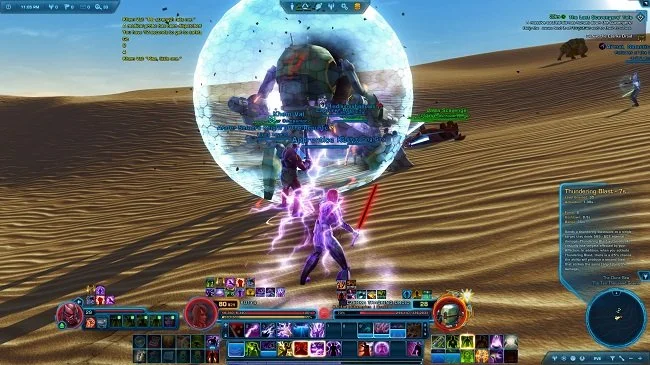
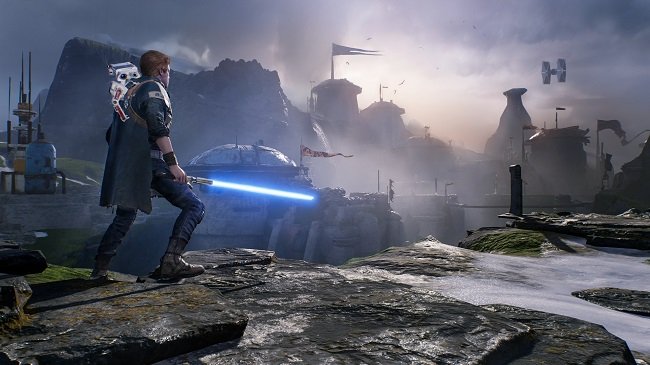
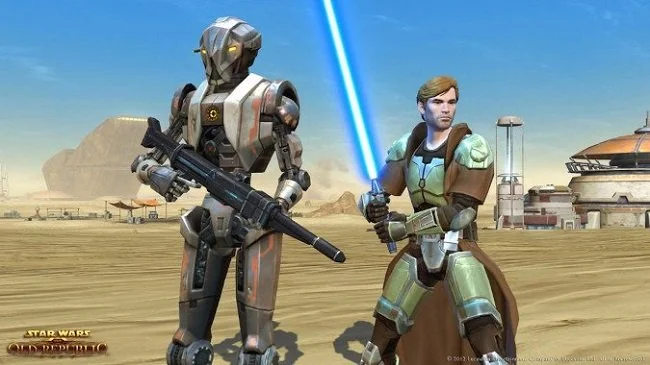
Every now and then all of us who play video games to varying degrees, will encounter a task, mission or boss fight in our game of choice that they cannot complete. It may be due to not having the right gear or an unexpected increase in difficulty. And if we are brutally honest with ourselves, it may all come down to our own reactions and lack of dexterity. Whatever the reason, it is never a good thing to encounter. For example, recently while playing Star Wars: The Old Republic (specifically Knights of the Fallen Empire. Chapter XII: Visions in the Dark) I got stuck on a boss fight. The NPC, Vaylin, uses ranged and melee force attacks. You have to avoid ground based AoE attacks and do damage at close quarters, as they have a force bubble that reflects damage. I play a class that does ranged DPs (Smuggler) but this fight is better suited to a Jedi. The story restrictions means there’s no companion present to do healing. So I lost health faster than I could do damage. Hence I died. A lot.
Now this is a classic example of how a “one size fits all” boss fights can leave some classes at a distinct disadvantage. I don’t mind a challenge to a degree and don’t expect things to be continuously tickety-boo in games. However, there comes a point where having to repeat something that you are patently struggling with, ceases to be enjoyable. Due to the way SWTOR is designed, if I couldn’t complete this bossfight, I could not progress any further through the expansion. From a business perspective, this is not a good situation. An unhappy customer is likely to stop playing and paying. I came dangerously close to this. I was frustrated and also annoyed because I take a very transactional approach to gaming. I am not paying to challenge myself and to be the “best I can be”. I am paying to be entertained. I don’t expect to be impeded by a game.
Now I would like to draw your attention to several single player games that I have played that take a very proactive approach to “players getting stuck”. Call of Duty Modern Warfare 2 politely asks whether you would like to lower the difficulty setting, if you keep getting your butt kicked. Ghost Recon: Breakpoint, as well as many other big, action RPGs, has a “Story Mode” which radically dials down the difficulty of the content to allow players to focus on the narrative. Now SWTOR does have three modes of difficulty but sadly it doesn’t seem to be a finely tuned system. Even in the basic story mode, there are several fights throughout the game that are disproportionately hard. They seem to penalise some classes. So perhaps there needs to be more than just a choice of difficulty.
I eventually completed this problematic content in SWTOR. It took 17 attempts. I succeeded mainly by luck and using a medpack and came out the other end with just 7% health. I don’t consider this to be a moral victory and even now, when reflecting upon this experience it antagonises me. Simply put, this is poor game design. Games are a business and I see no merit in pissing off customers and driving them away. I believe the games should track how many times you have failed and adjust accordingly. Offering an optional buff seems the most expedient solution. At the very least the developers could offer the player the option to skip content. Getting stuck in a game is not just bad for the player, it is bad for business. Don’t punish the player. Facilitate the player.



Revisiting Star Wars: The Old Republic Part 2
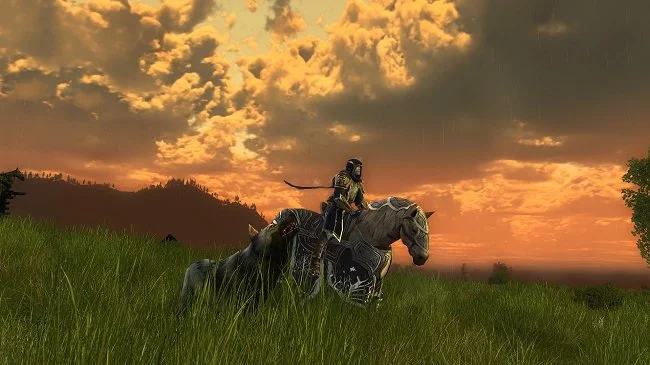
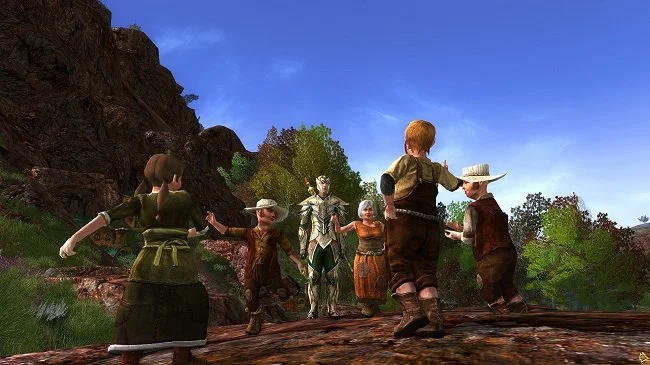
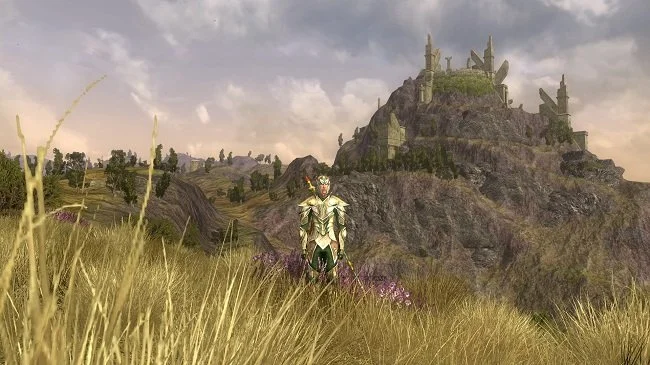
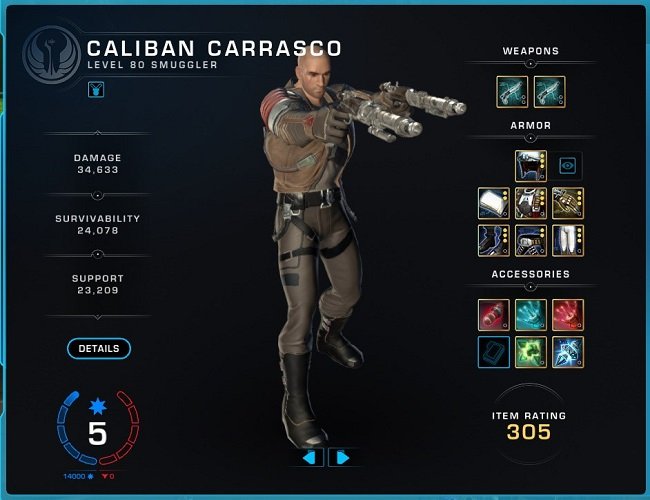
I returned to the MMORPG Star Wars: The Old Republic a month ago. After a few days orienting myself as to how to play my primary character, I quickly got back on the levelling treadmill and started playing through all the story content that I’ve missed since 2013. Yesterday, I reached the new level cap of 80 and spent some time and money trying to get the best gear I can from the Galactic Trade Network. I’m not especially concerned about having the best build I possibly can but I don’t want to gimp myself. Hopefully I made appropriate choices. I now have a healthy item rating of 305, for what it’s worth. Broadly speaking, I haven’t run into too many tricky situations as I’ve levelled, although every now and then there’s a boss fight that seems disproportionately one sided. The Ugnaught Leader in “Little Boss” being one example with their annoying one hit kill, knock back.
I returned to the MMORPG Star Wars: The Old Republic a month ago. After a few days orienting myself as to how to play my primary character, I quickly got back on the levelling treadmill and started playing through all the story content that I’ve missed since 2013. Yesterday, I reached the new level cap of 80 and spent some time and money trying to get the best gear I can from the Galactic Trade Network. I’m not especially concerned about having the best build I possibly can but I don’t want to gimp myself. Hopefully I made appropriate choices. I now have a healthy item rating of 305, for what it’s worth. Broadly speaking, I haven’t run into too many tricky situations as I’ve levelled, although every now and then there’s a boss fight that seems disproportionately one sided. The Ugnaught Leader in “Little Boss” being one example with their annoying one hit kill, knock back.
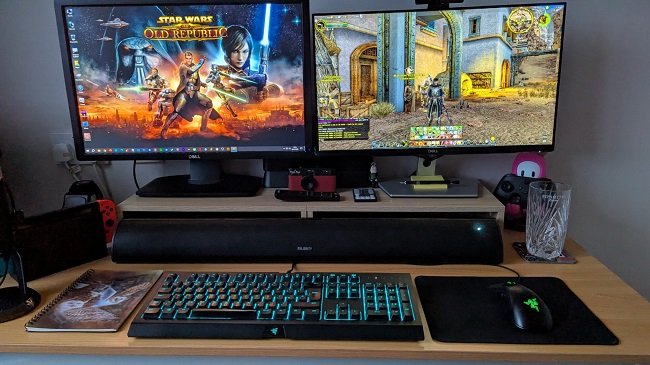
In my previous post, I posed the question as to whether I’d maintain my enthusiasm for SWTOR for a month and whether the Star Wars “feels” would remain. I’m happy to report that both of these aspects of the game have prevailed. However, that is not to say that I’m not without some criticisms. SWTOR does a shocking job of explaining itself to its players and I habitually have to have a web browser open on my second monitor so I can find out about something mundane. Some of the barter items and reward systems are impenetrable. I may well be sitting on multiple sources of good gear but I am conspicuously ignorant if this is the case. The game also takes liberties with reasonable assumptions that players will naturally make. I had to find a way to shut down a forcefield in one Chapter of Knights of the Fallen Empire and the first three power couplings were clearly in the vicinity of the bunker and easy to find. The fourth was obtusely placed a substantial distance away, rather than cunningly hidden. Stuff like that is annoying.
Boss fights are often painfully slow,as I mentioned in a previous post. However, the end fight with Revan at the end of the second expansion, took this to a whole new level. I was simultaneously fascinated and bored by how staggeringly unengaging this climactic fight was. Another beef I have with SWTOR is starting a mission, only to find that it’s gated in some way or dependent on group content. This is frequently the case with Alliance Specialists and Companion Recruitment missions. Some require World Boss trophies and one was gated behind a yearly event. Again this is very annoying and I see no reason why these criteria aren’t clearly flagged in advance. However, I do applaud the game for the sheer number of companions you can access. I like to change mine regularly, depending upon my mood. I am especially fond of Blizz and Gus Tuno. I also appreciate the fact that I no longer have to acquire gear for them.
I have spent some time playing the PVE space missions, where you use your personal ship. I have progressed exactly as far as I did when I last played and have found that the same problems thwart my progress. Sadly my reactions are too slow in specific missions and I collide with too many objects, which is frustrating because I quite enjoy these “on rails” space battles. I haven’t yet looked into Galactic Starfighter although I intend to give it a go. PVP is not usually my thing but I just want to see how equitable they make this aspect of SWTOR. Will a new player be grouped with players of a similar ability or will we just get “thrown to the Wolves”? We shall see. At the very least it will provide me with material for another blog post. Overall, I am pleased that SWTOR has managed to keep me engaged. That’s mainly down to the well written stories and interesting characters. And it must be said that this MMO has one of the best soundtracks in the genre. It certainly has kept those Star Wars “feels” coming.



Playing MMOs Solo
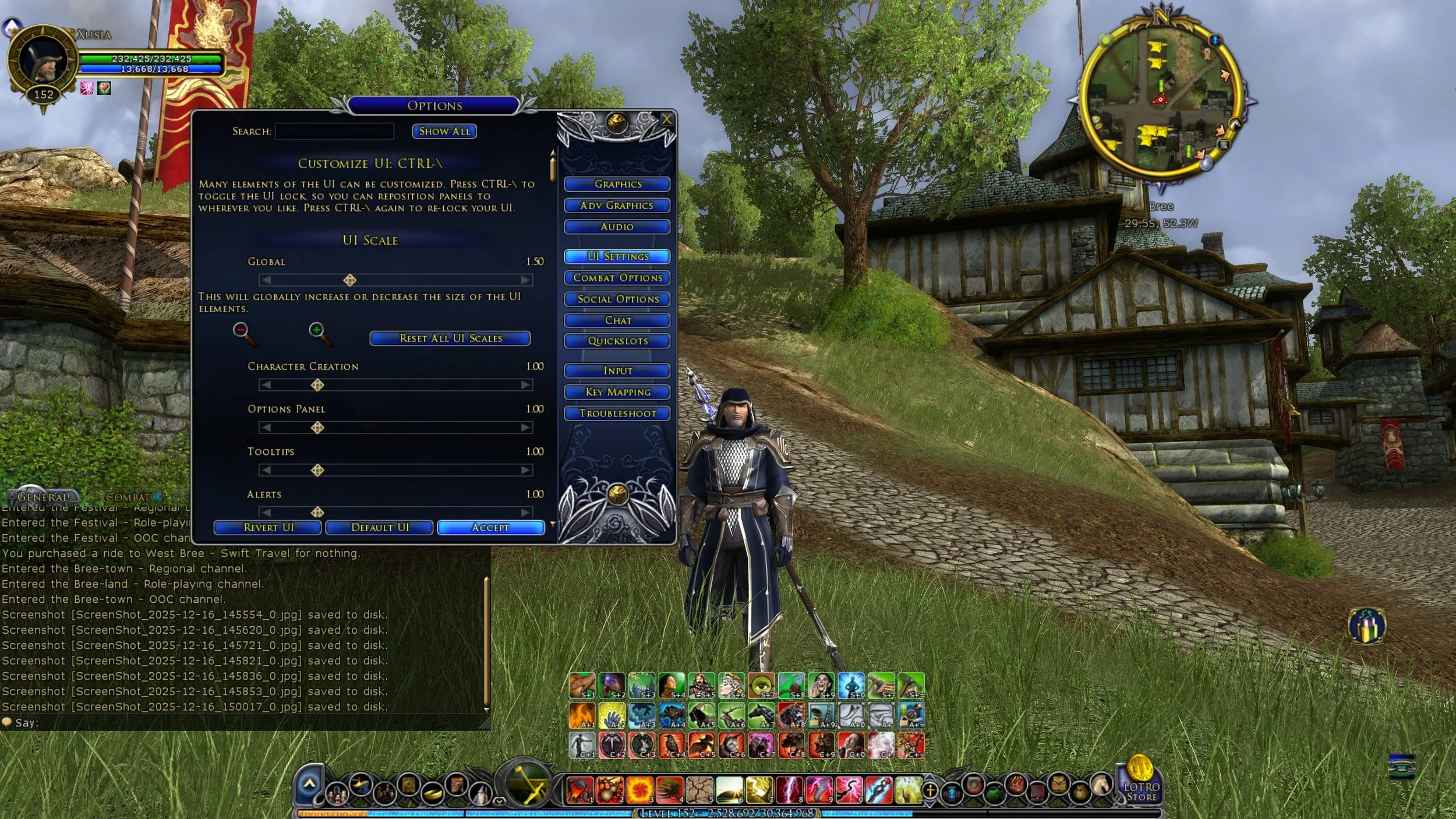
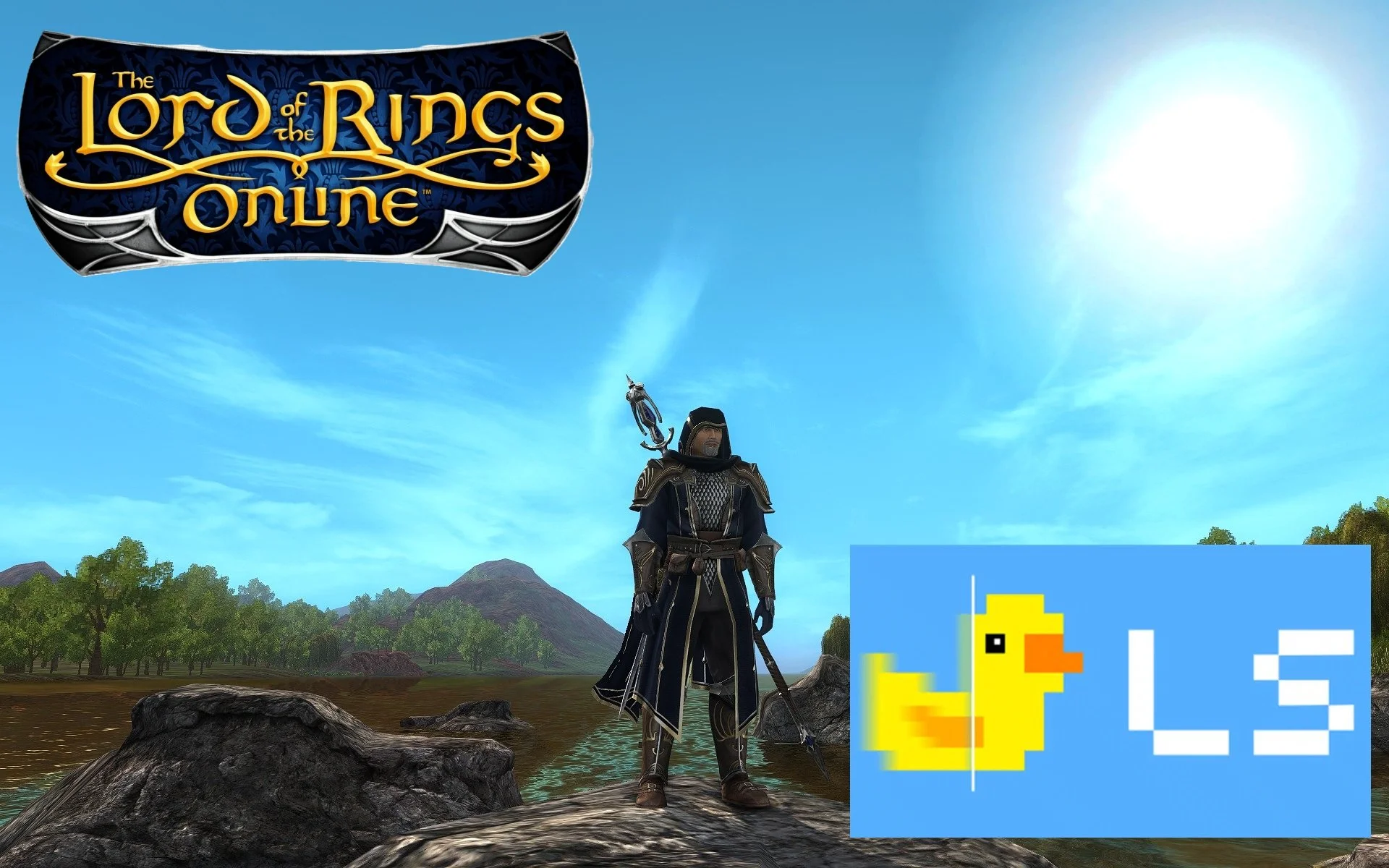
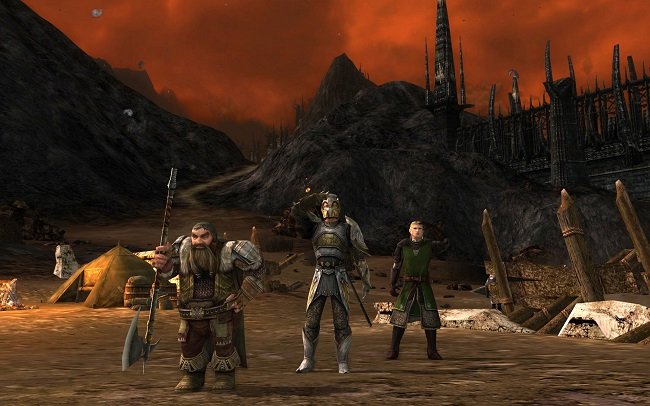
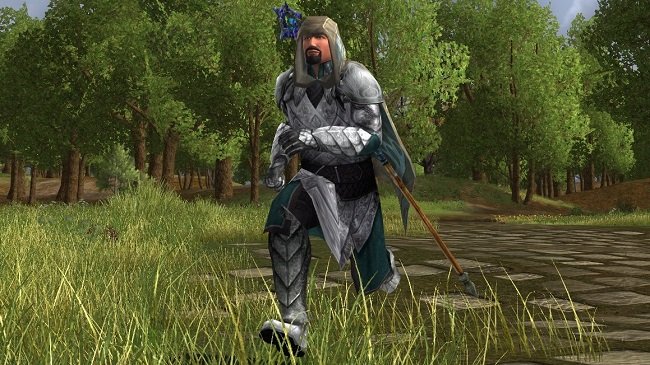
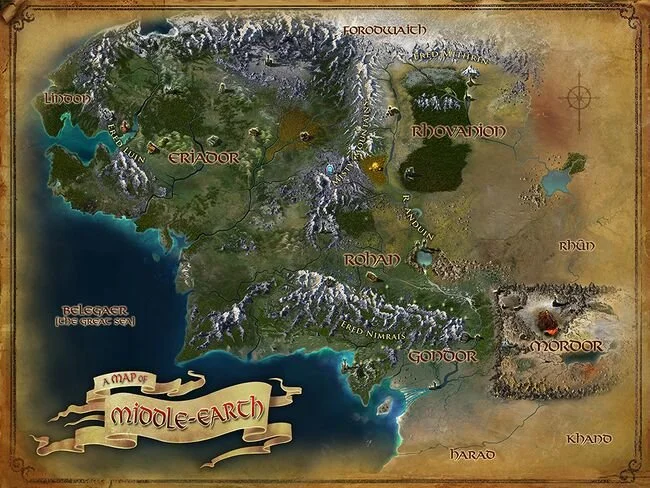
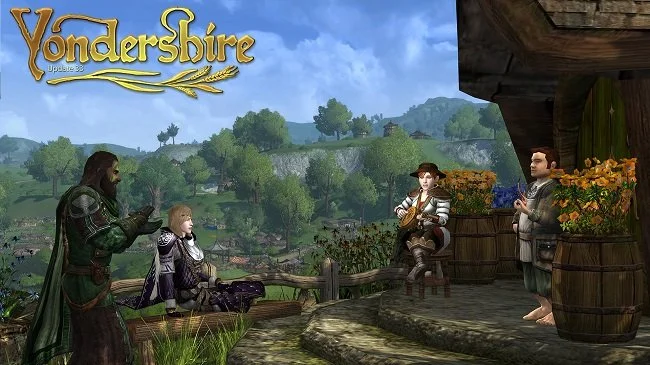
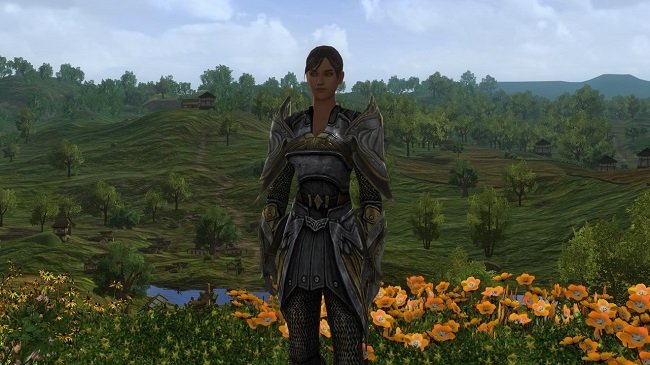
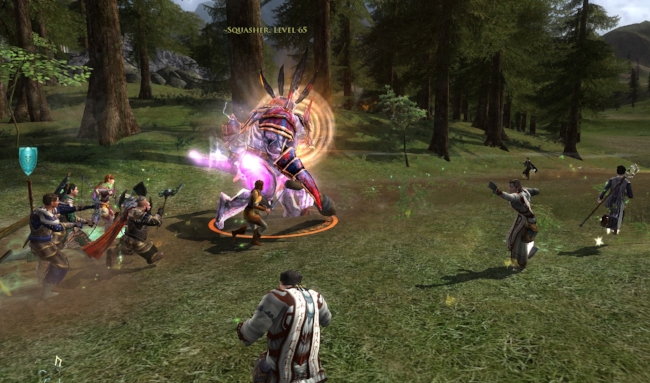
There was a perennial question being discussed over at Massively Overpowered recently. Justin Olivetti asked “why do you play MMOs solo” and as you would expect, there was a wide variety of answers. I have written about this myself in the past, as when I first started playing MMOs, I was very enamoured by the social element and therefore very disposed towards group content. However, that experience between 2008 and 2011, when I played The Lord of the Rings Online most days and dedicated Friday and Saturday nights to raiding, was very much down to circumstances. I had the time and inclination to spend hours online. That is something that I don’t have now. Plus the novelty of the social element has worn a little thin over the years. Nowadays, I do not have the luxury of waiting for a raid group to assemble, nor do I have the tolerance for the inevitable delays that always stem from any kind of human interaction.
It’s just me versus Middle-earth
There was a perennial question being discussed over at Massively Overpowered recently. Justin Olivetti asked “why do you play MMOs solo” and as you would expect, there was a wide variety of answers. I have written about this myself in the past, as when I first started playing MMOs, I was very enamoured by the social element and therefore very disposed towards group content. However, that experience between 2008 and 2011, when I played The Lord of the Rings Online most days and dedicated Friday and Saturday nights to raiding, was very much down to circumstances. I had the time and inclination to spend hours online. That is something that I don’t have now. Plus the novelty of the social element has worn a little thin over the years. Nowadays, I do not have the luxury of waiting for a raid group to assemble, nor do I have the tolerance for the inevitable delays that always stem from any kind of human interaction.
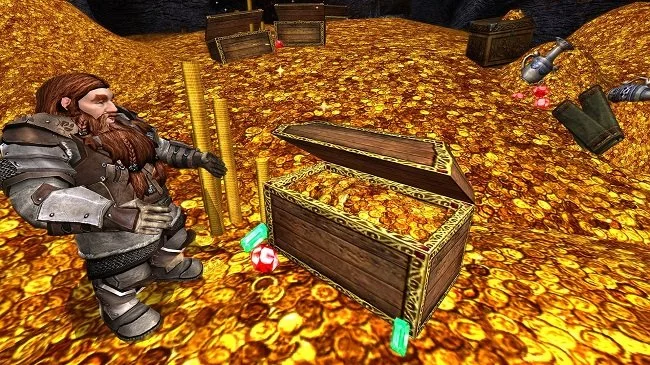
Hence the primary reason I play MMOs solo is simply to be able to progress at my own pace and not having to be dependent on others in any other way, shape or form. The advantages are obvious, as are the disadvantages. I may well be able to clear through PVE content, level efficiently and manage my gear progression, but I also miss a substantial part of the game. I haven’t participated in any major group content in LOTRO for over a decade. The last raid I did was Draigoch’s Lair in 2011. But that is the price you pay for solo gameplay. By playing on my own I get to use my time efficiently. Raiding is a long, drawn out process that doesn’t come with any guarantees. It is this aspect of MMOs that bothers me. If I invest my time into something, I want to walk away with some sort of reward. Raids do not always hand out loot in an equitable fashion. Playing through PVE content on your own gives you clear and achievable goals.
“Can you tell me where Bagel Street is?”
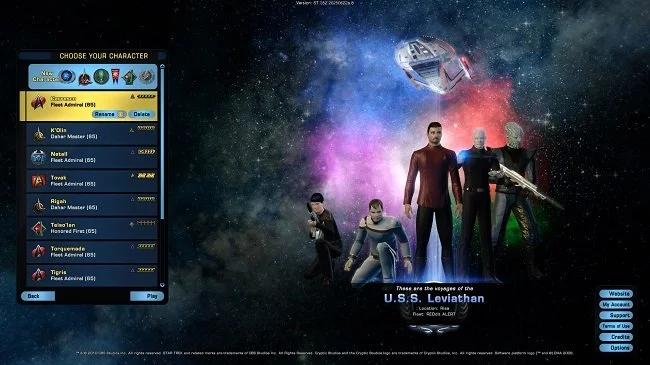
At present I play four MMOs. In LOTRO I have been in the same guild (or Kinship as it’s known in this game) since 2009. I know many of the other members and it is still active but certainly not to the degree it was a decade ago. In Star Trek Online I have my various alts in the respective Reddit based Fleets (guilds) such as Reddit Alert. I will chat with other members but I don't really know anyone nor ever group with them to play through content. I am in the Fleet simply for the benefits of accessing Fleet resources. which are mainly gear based in STO. With regard to Star Wars The Old Republic, I am in a guild which I created myself. This was mainly to stop me from getting swamped by guild invites from other players when the game first launched. It has two active members, myself and podcast co-host Brian. Beyond having a novelty name (Shaved Wookies) it serves no purpose. Due to my intermittent playing of The Elder Scrolls Online I see no reason to join a guild in that game.
The most social interaction I have in an MMORPG at present is in STO. Task Force Operations are five man missions which last between 5 and 15 minutes depending on the ability of the group. When selecting the TFO of your choice you are then auto-grouped and ported immediately to the appropriate instance. More often than not there is no communication between players in Team Chat. Sometimes players will deliberately go AFK and wait just to get the TFO reward. Every now and then someone will say “hi” to the group. On other occasions someone will try and give instructions but that seldom goes well. But such is the state of solo gameplay in most MMOs. You only talk and group with people if you want to and if there’s no compelling reason, then you don’t. Any game where your progress is dependent upon others is a game that I’ll more than likely not play.



Star Wars: The Old Republic - Currency Caps
This post is a public service announcement. One that I’m making because of a lesson I learned the hard way. I am talking specifically about the two currency caps as they currently stand in the MMORPG Star Wars: The Old Republic. I’m sure many long term players will be aware of the current status quo. However, there may be many others who are not. If I can stop someone from making the same mistake that I made, so much the better. I would also like to highlight how developer’s BioWare has done very little to address these in-game issues. When using a vendor in SWTOR, if you are approaching the currency cap, you do get a message in the chat window. If you are not aware of the currency cap, or do not see the message and you’re moving Credits between characters then there is scope for problems. There should be a far more clear in-game alert.
This post is a public service announcement. One that I’m making because of a lesson I learned the hard way. I am talking specifically about the two currency caps as they currently stand in the MMORPG Star Wars: The Old Republic. I’m sure many long term players will be aware of the current status quo. However, there may be many others who are not. If I can stop someone from making the same mistake that I made, so much the better. I would also like to highlight how developer’s BioWare has done very little to address these in-game issues. When using a vendor in SWTOR, if you are approaching the currency cap, you do get a message in the chat window. If you are not aware of the currency cap, or do not see the message and you’re moving Credits between characters then there is scope for problems. There should be a far more clear in-game alert.
Free-to-Play and Preferred Players (those who have previously subscribed then cancelled or bought Cartel Coins) have a Credit cap of 1 million Credits. Anything you earn over that is held in Escrow. This is pretty much standard practice for most MMORPGs. The important factor here is that there is an Escrow facility, so that surplus Credits are not lost. However, a subscribing player can hold a maximum of 4,294,000,000 Credits in their inventory. If a player is selling items or moving Credits between characters by in-game mail, then they need to be aware of this cap. Once you have hit the currency cap, if you open an in-game mail and remove any attached Credits, they will be deleted. There is not any form of Escrow in this case. I was not aware of this and opened several mails recently, transferring the Credits directly to my character’s inventory. I ended up deleting a substantial amount of Credits, much to my annoyance.
According to a discussion on the SWTOR forums, this issue stems directly from the way the game was written in 2010. “It is a programming limit. The highest possible number in a 32 bit integer is 2^32-1 = 4,294,967,295”. I’m quoting here as this is not my field of expertise, however, I have no reason to doubt this explanation. I’m sure this limitation was perfectly reasonable when the game launched over a decade ago. Inflation is always an issue with MMO economies and you only have to look at prices of high end gear or cosmetic items on the Galactic Trade Network (the auction house) to see how costs have spiralled. Hence, it is not unusual that dedicated players of SWTOR have substantial amounts of Credits that they’ve built up over the years through trading and speculating. In the meantime, it is unlikely that BioWare is going to address this issue, which raises the question as to whether there’s a workaround?
Legacy Stronghold Storage that players have in their Stronghold does not have the same limitations as the player inventory. Through reading the SWTOR subreddit, it would appear that the Legacy Stronghold Storage is “likely a 64 bit float, so it can hold ridiculous numbers but starts rounding down the lowest digits once you're past 15 zeroes”. Hence players who wish to store more than 4,294,000,000 Credits, need to transfer them from their inventory to their Legacy Stronghold Storage in suitably sized increments. For convenience it may be wise to place one’s mailbox close to the Legacy Stronghold Storage in your Stronghold. Although it can store larger sums, this doesn’t address the practicalities involved in moving around Credits, nor the trading of items with a price over the Credit cap. High value items have to be sold face-to-face and payment made in multiple parts. Again, BioWare and the game does little to appraise the player of these restrictions, so be aware and act with caution.
Star Wars: The Old Republic - Legacy of the Sith
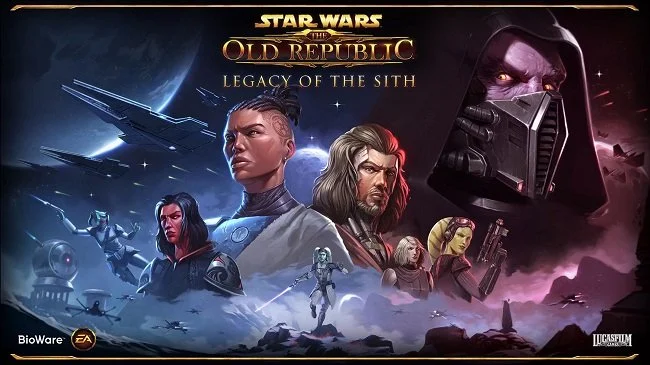
As well as a new central story, Legacy of the Sith has also introduced some major system changes to the MMORPG Star Wars: The Old Republic. From my own perspective as a returning casual player, these changes are measured and appropriate. Firstly, my Smuggler has had some of their skills rationalised. Some buffs which you previously chose to use, such as Smuggler’s Luck, are now passive skills. Other minor skills, such as Flash Grenade, have been removed. I don’t consider any of these changes to undermine the class and welcome the decluttering of my quickbars. Perhaps more advanced players may take a different view. Change is not always welcome, especially if it removes choice. I however approve of these alterations and the way the UI has been redesigned to display your gear, outfit, combat style, loadouts and companion details.
As well as a new central story, Legacy of the Sith has also introduced some major system changes to the MMORPG Star Wars: The Old Republic. From my own perspective as a returning casual player, these changes are measured and appropriate. Firstly, my Smuggler has had some of their skills rationalised. Some buffs which you previously chose to use, such as Smuggler’s Luck, are now passive skills. Other minor skills, such as Flash Grenade, have been removed. I don’t consider any of these changes to undermine the class and welcome the decluttering of my quickbars. Perhaps more advanced players may take a different view. Change is not always welcome, especially if it removes choice. I however approve of these alterations and the way the UI has been redesigned to display your gear, outfit, combat style, loadouts and companion details.
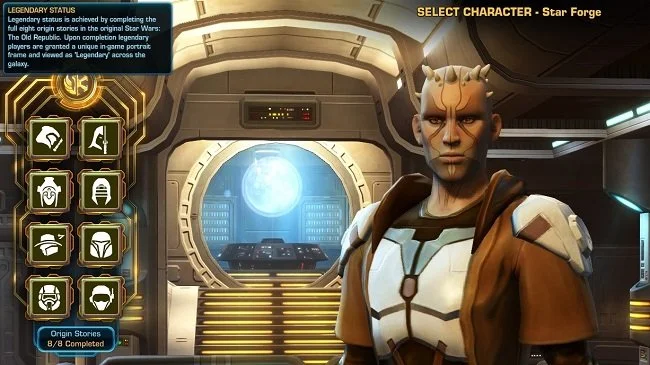
Secondly, another major addition to SWTOR in this expansion is Combat Styles. Prior to Legacy of the Sith, each class had two advanced classes, with three disciplines to choose from as they progressed through the game. My primary character in SWTOR is a Smuggler that has chosen the Gunslinger advanced class. I have then selected a DPS focused discipline by allocating points into a skills tree. Now I can select a second Combat Style (the new term for an additional advanced class) and hot swap between them. There are some limitations. As a Smuggler I can only choose Combat Styles from the Trooper and Bounty-hunter and Agent class. Similarly Jedi and Sith characters can only choose from each other. This new system offers a great deal of flexibility and variety. Once a player has completed chapter 3 they are offered a second Combat Style. New characters are now offered this option upon creation.
At present I have decided not to rush into choosing a second Combat Style. I am still trying to refine my current default one and determine what is the optimal skill rotation. When playing MMOs I tend to focus on one task at a time. I recently completed the Makeb story arc from Rise of the Hutt Cartel. Although I accepted the Seeker Droid and Macrobinocular missions I have yet to undertake them as I find that travelling back and forth between multiple tasks detrimental to following the various narratives. I decided to do some solo Flashpoints but found accessing them a little confusing. I wasn’t sure where to find the appropriate NPC to bestow them but eventually discovered I could access some via the Groupfinder panel. I recently discovered the Swtorista website and it has become an invaluable resource. SWTOR, like many other MMOs, doesn't do especially well at providing essential information in-game.
From my personal perspective, I have chosen a good time to return to SWTOR. I have managed to refamiliarize myself with the game and my existing characters skills quite quickly. The latest expansion has rationalised those skills making combat easier. I have a wealth of content ahead of me. SWTOR is also a very solo friendly MMO which suits me as I do not have the time to join a guild and participate in social gaming. My next goal is to play through Shadow of Revan. I am currently level 63 and will see if I can reach the level cap just by playing through the main stories of the game. I am also trying to keep abreast of the lore, which can get confusing at times. My Gunslinger defeated Darth Malgus on Ilum but it would appear that he returns in later expansions. This is why I try to do content in chronological order to maintain narrative continuity.
The Idiot Box
Thoughts on TV shows and my current viewing habits
Last November, CBS chose not to make season 4 of Star Trek Discovery available on Netflix. Netflix has been the home of this show outside of the US, for the past four years. This is due to Paramount + being launched in Europe sometime in 2022 and CBS wants to keep such a popular franchise on their own streaming platform. Naturally fans were unhappy. Then to add insult to injury CBS pulled all prior seasons of Star Trek Discovery from Netflix. However, due to the negative feedback, a last minute deal was made with Pluto TV; a streaming service which offers 110+ live TV channels on its UK platform and hundreds of on-demand films and TV episodes. It’s a free service supported by adverts and it lacks the polish and presentation of Netflix. I don’t consider it an optimal way to watch a show such as Star Trek Discovery. This is a timely reminder how licensed content can “vanish” from your platform of choice.
Thoughts on TV shows and my current viewing habits
Last November, CBS chose not to make season 4 of Star Trek Discovery available on Netflix. Netflix has been the home of this show outside of the US, for the past four years. This is due to Paramount + being launched in Europe sometime in 2022 and CBS wants to keep such a popular franchise on their own streaming platform. Naturally fans were unhappy. Then to add insult to injury CBS pulled all prior seasons of Star Trek Discovery from Netflix. However, due to the negative feedback, a last minute deal was made with Pluto TV; a streaming service which offers 110+ live TV channels on its UK platform and hundreds of on-demand films and TV episodes. It’s a free service supported by adverts and it lacks the polish and presentation of Netflix. I don’t consider it an optimal way to watch a show such as Star Trek Discovery. This is a timely reminder how licensed content can “vanish” from your platform of choice.
So much for what I haven’t been watching. Here’s a summary of the shows that I have managed to watch in the last three months.
Stay Close is a British mystery drama miniseries based on the 2012 novel by Harlan Coben. The story has been relocated from the US to the UK and I was quite surprised how well this change works. Megan Pierce (Cush Jumbo) is a suburban mum living in the suburb, harbouring a secret. Michael Broome (James Nesbitt) is a detective still haunted by a cold case from seventeen years ago. Their paths cross when a new missing person's case impacts upon both their pasts. Stay Close is involving, convoluted and entertaining although I doubt real life crime is ever this complex.
Four Lives. This three part drama follows the true story of the families of four young gay men. Anthony Walgate, Gabriel Kovari, Daniel Whitworth and Jack Taylor were murdered by Stephen Port between in 2014 and 2015. There deaths were not initially treated as murders or connected and the police investigation was a litany of incompetence and institutional prejudice. Sheridan Smith stars as Sarah Sak, the mother of Anthony Walgate who campaigned tirelessly to get justice for her son. There’s also a compelling performance by comedian and writer Stephen Merchant as the killer Stephen Port.
Universe. Professor Brian Cox tries to make the complexities of the universe accessible to the general public in this four part series. It treads a difficult path, trying to make the impenetrable and at times abstract science understandable to the layman. It takes time to dwell on the majesty of the universe but in doing so comes across as ponderous at times. Perhaps a shorter running time for each episode would have helped. It’s always a pleasure to see the BBC producing science content but this worthy show does fall between two stools.
After Life. Season 3 of Ricky Gervais’s black comedy drama was a necessary codicil to the story arc. There was a need for closure regarding the fate of specific characters such as Postman Pat (Joe Wilkinson) and Kath (Diane Morgan). I personally still found it funny and applaud the realities of life that Gervais does not shy away from. I believe it played better with viewers than it did with the critics who seem at times too focused on analysis, context and intent rather than just experiencing the show.
Reacher. I’ve not read any of the Jack Reacher books but was aware that a lot of fans were not happy with the casting of Tom Cruise in the two feature films. This eight part television adaptation of the first Jack Reacher novel, Killing Floor, does exactly what it’s supposed to. Ex-Military Policemen, Jack Racher, visits the town of Margrave, Georgia, and becomes embroiled in a murderous conspiracy by a gang of counterfeiters. Reacher is deadpan, the dialogue is hard boiled and the action scenes are gritty. Alan Ritchson looks the part and is very likeable. The show doesn’t reinvent the wheel but delivers on its promise. It’s all very binge watchable, which is what everyone I know who’s watched it has done. I’d happily watch another season.
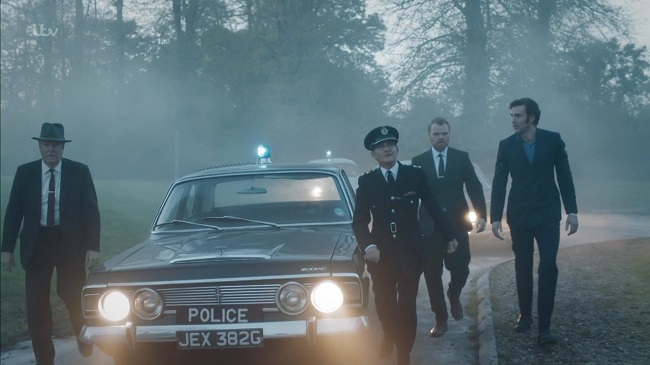

The Book of Boba Fett (2022)
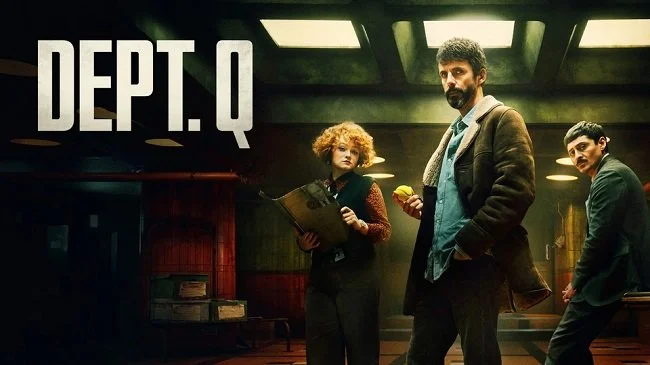
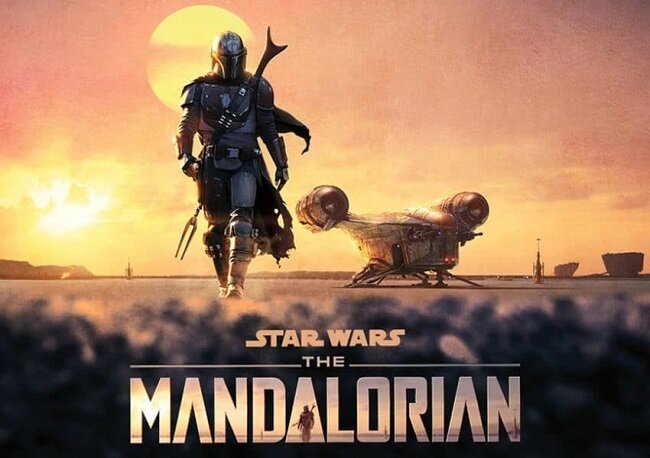
As of today, the final episode of The Book of Boba Fett has aired on Disney + and this spinoff show from The Mandalorian has finished its first season. It has been a curious seven part story and not at all what I was expecting. Initially focusing upon the trials and tribulations of the iconic Bounty Hunter Boba Fett as he fights for Jabba the Hutt’s former territory, the story creatively explained what happened to him after he was swallowed by the Sarlacc. However, the plot took an unexpected turn focusing upon the fate of Din Djarin and Grogu from The Mandalorian, before the climatic final instalment. It’s certainly been an entertaining ride but the show’s somewhat eclectic nature has been a little confusing. Having a dedicated story about Boba Fett and then undermining it by focusing upon other iconic characters seems somewhat contradictory. Thankfully, the final episode put both shows back on track.
As of today, the final episode of The Book of Boba Fett has aired on Disney + and this spinoff show from The Mandalorian has finished its first season. It has been a curious seven part story and not at all what I was expecting. Initially focusing upon the trials and tribulations of the iconic Bounty Hunter Boba Fett as he fights for Jabba the Hutt’s former territory, the story creatively explained what happened to him after he was swallowed by the Sarlacc. However, the plot took an unexpected turn focusing upon the fate of Din Djarin and Grogu from The Mandalorian, before the climatic final instalment. It’s certainly been an entertaining ride but the show’s somewhat eclectic nature has been a little confusing. Having a dedicated story about Boba Fett and then undermining it by focusing upon other iconic characters seems somewhat contradictory. Thankfully, the final episode put both shows back on track.
I am still of the opinion that as a franchise, Star Wars works best on TV in an episodic format. George Lucas often cited cliffhanger serials such as Flash Gordon and Buck Rogers as a source of inspiration. The reason that The Mandalorian works so much better than the last three Star Wars feature films is because the writing is consistent. The former was obviously conceived and planned in advance by a single writer/showrunner and their support team. Whereas the movies seemed to be “made up as they went along”. The changes in writers and directors clearly had a negative impact on the way the franchise was received by viewers. It ultimately seemed to self plagiarise and contradict its own lore. This has not been the case with The Mandalorian and now The Book of Boba Fett which seem to be very aware of established lore and adept at drawing upon it.
I am not a scholar of Star Wars lore and have watched only the feature films and very little of the animated shows. Nor have I read many of the books, graphic novels and comics which have flooded the market over the last 25 years. Much of these are no longer canonical. Hence, my viewing of The Mandalorian and The Book of Boba Fett has not been hampered by an excess of fan based baggage. I have watched these shows for entertainment first and fandom second. Broadly speaking I have enjoyed them and they deliver what I want and expect from the franchise. They certainly feel more like direct “relatives” of the original trilogy than the three Disney feature films. Creator and writer Jon Favreau seems to grasp how Star Wars works better than J.J. Abrams. I haven’t liked all aspects of these shows. The Mod gang of Mos Espa was a homage too far in my opinion but it’s not a deal breaker.
Some folk seem to have a problem with the idea of Boba Fett’s character arc and the franchise reinventing him as a “good guy”. I do not. There are lots of both fictional and historical characters that have changed due to personal circumstances as well as the political and social realities of the world. As so much of The Book of Boba Fett seems to be couched in Western mythology, I’ll cite Wyatt Earp or Pat Garrett as examples. Plus there is human nature to consider. Many real soldiers tire of their profession and look to escape it all in later life. Plus if you consider the character of Boba Fett just on the strength of his appearances in The Empire Strikes Back and Return of the Jedi, then there isn’t really a lot of backstory or narrative depth. He is a bounty hunter and beyond that pretty much nothing is established. That’s a blank canvas as far as I can see.
One of the most enjoyable aspects of The Book of Boba Fett has been the way the show draws heavily and not too subtly upon a lot of classic cinema. Some of these homages are quite obvious where others are more low key. Certainly the entirety of Boba Fett’s time among the Tusken tribe, is straight out of A Man Called Horse. The idea of the outlander who is adopted by a tribe and then eventually becomes its ruler is an established literary trope. The Pyke Syndicate spice train attack was also a major nod to David Lean’s Lawrence of Arabia. There are also numerous references both big and small to the works of Akira Kurosawa and Sergio Leone, especially with the introduction of Cad Bane. Then we had a bomb in a club which was straight out of Brian De Palma’s The Untouchables and you’d have to have a bag over your head not to spot the King Kong reference in the season finale.
I consider all of these cinematic references to be a good thing. If it encourages younger Star Wars fans to watch these films and widen their knowledge of cinema, then I deem that to be a good thing. Overall I found The Book of Bobba Fett entertaining. It does Star Wars “well”. I’ve read some reviews that imply that the show is poking fun at fans and that it isn’t as deep as the original movies. I consider this perspective to be risible. Star Wars is a lot of things but it has never been “deep”. It is effectively a Western style soap opera set in space. It has always been entertaining, popular entertainment. It deals in archetypes and established tropes but it has never been a cerebral competitor to other popular franchises like Tolkien’s legendarium or Frank Herbert’s work. The existing TV format seems to be a perfect fit for the franchise and I hope it continues in this idiom. No more bloated films driven by focus groups and corporate memos, thank you.






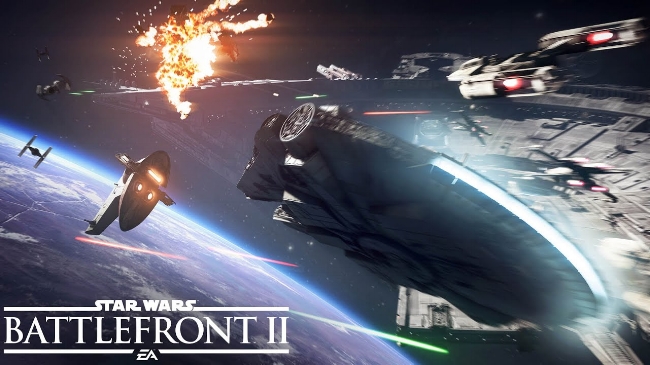


Revisiting Star Wars: The Old Republic
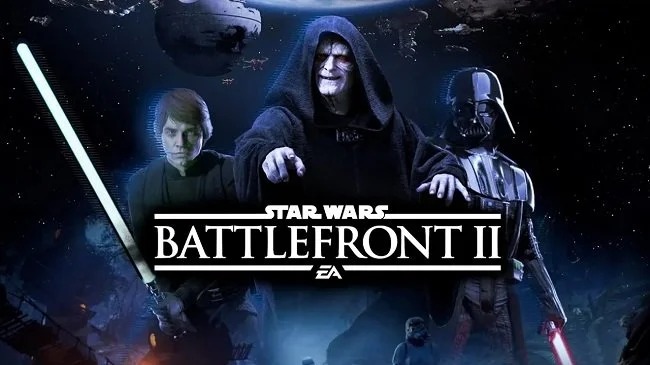
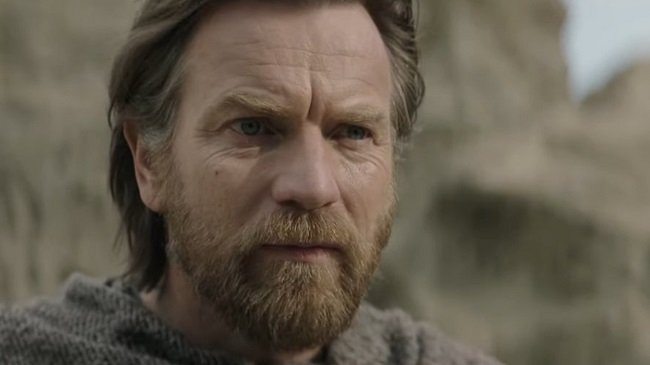
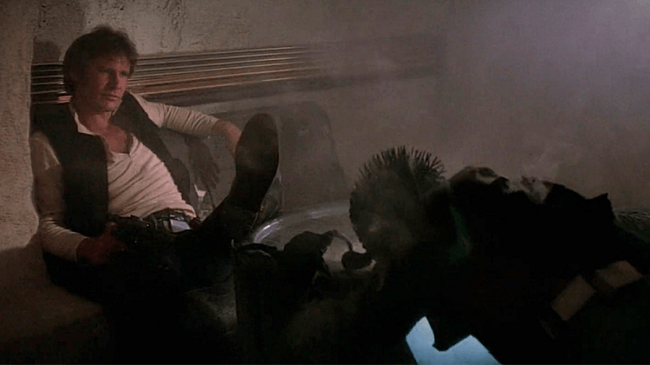
Star Wars is an interesting franchise in the way it elicits such a strong emotional reaction among those that venerate it. To cut a long story short, I recently reinstalled Star Wars: The Old Republic and the moment I reactivated one of my previous characters and logged into the game I was immediately smitten with what I can only describe as Star Wars “feels”. There is something about the aesthetic associated with the franchise, both visually and musically (the latter is in many ways unique to Star Wars) which taps into my subconscious and prompts a wave of nostalgia. The Star Wars theme is a unique piece of music, insofar as whenever I hear it, it never fails to make me feel like a ten year old boy again. A boy who was enamoured with the Star Wars universe. Perhaps I still am on some level.
Star Wars is an interesting franchise in the way it elicits such a strong emotional reaction among those that venerate it. To cut a long story short, I recently reinstalled Star Wars: The Old Republic and the moment I reactivated one of my previous characters and logged into the game I was immediately smitten with what I can only describe as Star Wars “feels”. There is something about the aesthetic associated with the franchise, both visually and musically (the latter is in many ways unique to Star Wars) which taps into my subconscious and prompts a wave of nostalgia. The Star Wars theme is a unique piece of music, insofar as whenever I hear it, it never fails to make me feel like a ten year old boy again. A boy who was enamoured with the Star Wars universe. Perhaps I still am on some level.
The reason I mention this is because nostalgia and having an emotional attachment to Star Wars certainly contributed to my decision to download the 45GB client for SWTOR. And let us not forget the very selective way our memory works. Hence I was focused on all the positive aspects of this MMORPG, such as the detailed stories, the immersive worlds and the allure of the franchise. There is something very satisfying in firing a blaster pistol in SWTOR and the fact that it makes exactly the same noise as they do in the movies. Returning to this game is at first like returning to a favourite restaurant. Familiarity is indeed comforting. I was pleased to see my previous characters just as I left them. A level 50 Smuggler from 2011 and a level 54 Bounty Hunter from 2013. I rolled a new Smuggler and it didn’t take long for me to orientate myself and remember how the controls work. The sumptuous soundtrack washed over me and I was briefly floating in a sea of nostalgia and joy. Several days later I have a more realistic attitude towards the game.
You to can run through endless corridors
Never let emotions and sentiment get in the way of critical thinking. SWTOR had some major flaws at launch and despite 10 years of updates, expansions and streamlining, there are still issues today. The game suffers from skills bloat, especially with regard to the original content. Modern action combat in MMOs has seen a rationalisation of skills, usually on one quickbar. SWTOR swamps you in skills, most of which are of varying relevance. Then there are the expansive planetary maps. Travelling from A to B can be exhausting sometimes, becoming a chore. Often you feel that it’s busy work for its own sake as you fight your way across Alderaan or Corellia just to get to a quest location. And then there is the perennial MMO problem of getting the gear progression right, as you level. At present my new Smuggler is level 22 and although I am adequately healed by my companion, my twin blasters feel somewhat lacklustre. It takes a little too long to kill enemies with gear from quest rewards. Yet modifying weapons is financially prohibitive at this level.
However, these criticisms stem from the fact that the base game was released in 2011 and SWTOR certainly follows the MMO trends of that time. However, much has been done to try and rectify this. The levelling experience has changed immensely and a player can progress through the game just by undertaking their class story. I remember back in 2011/12 having to do every quest available to try and get as much XP as possible. And developer’s BioWare has made many quality of life improvements over the past decade. Quick travel is now on a 6 minute cooldown instead of 30 minutes. You can port out of a story instance now conveniently back to a safe haven without having to fight all the way on foot. Taxi travel and personal speeders are cheaper and more accessible. The game also uses a lot of “standard” mechanics so if you’ve played other MMOs or, like me, have been away for a while, it is not too difficult to pick up where you left off.
Galactic Starfighter is not as bad as you think
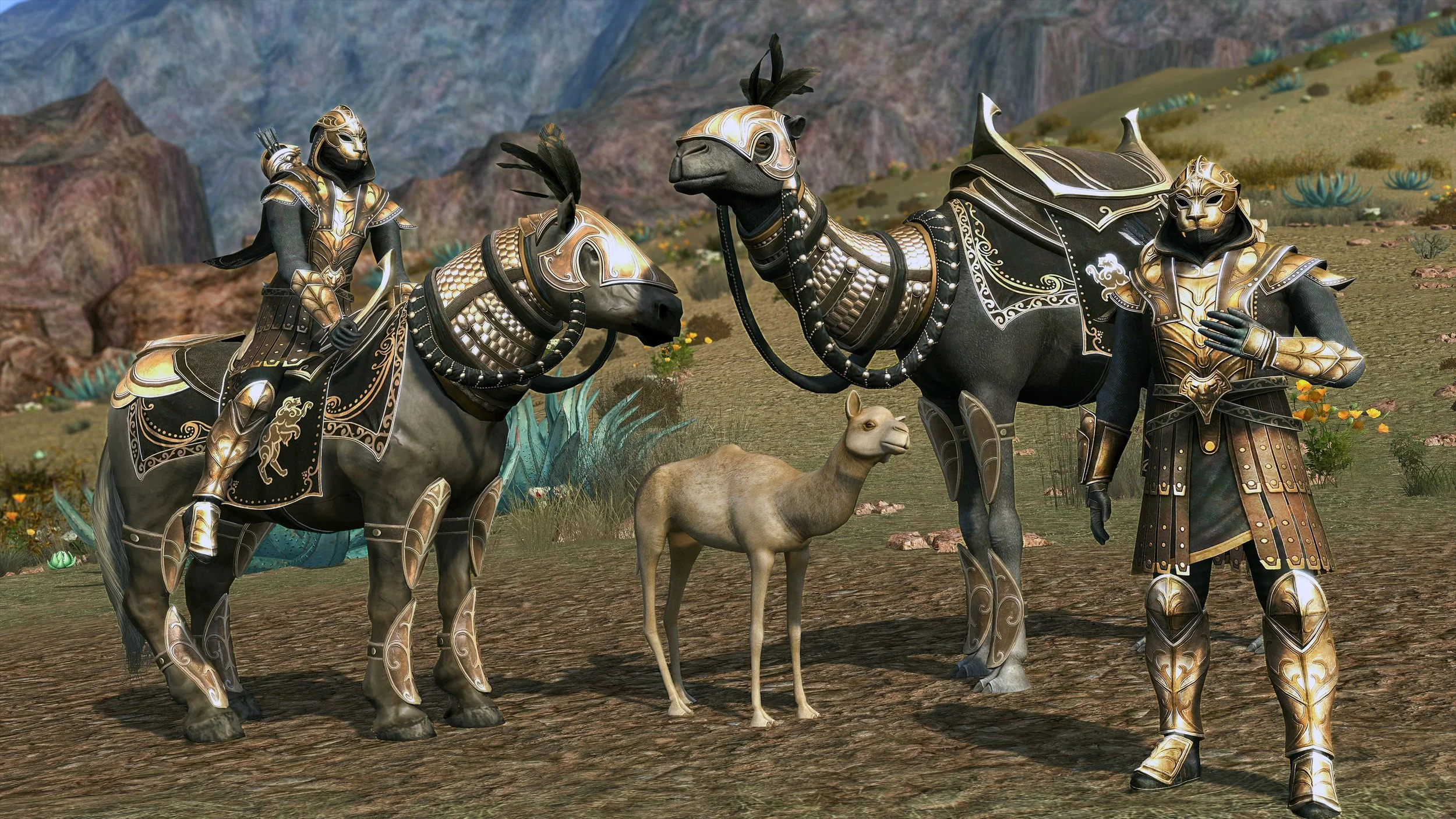
As for content and activities, there are now so many additional things to do. Strongholds, the player housing system, is enjoyable and very intuitive to figure out. There’s the Galactic Starfighter system as well, along with all the other raids and instances that have built up overtime. And if you like to tinker with armour and weapons you do so to your heart’s content. One of the first things I did was investigate the cosmetic options for both my new alt and their companion. I also seem to have qualified for a lot of “free stuff” over the years as I had over a dozen in-game mail alerts waiting for me when I first logged in. All of which had some sort of trinket and bauble attached. To my surprise I still had 3,500 Cartel Coins available from my previous time subscribing. The in-game store is filled with desirable items, from armour and mounts to cosmetic clothing and house furnishings. I bought a jetpack!
No one told me they had jetpacks
For me, perhaps the most compelling aspect of SWTOR is the story telling. You can hide the chat window and play this game as a single player RPG if you see fit. I did this back in 2011 and took exactly the same approach when I returned to the game a few days ago. I rolled a new Smuggler so I could familiarise myself once again with the class skills. Having done this I am now using my original level 50 character as I want to play through The Rise of the Hutt Cartel expansion, rather than repeat older content. Furthermore, I seem to have returned to SWTOR at exactly the right time, as there is a new expansion, Legacy of the Sith, due on the 15th February. So far I have subscribed for a month (as it removes a lot of the impediments that blight a free account) and it will be interesting to see if my enthusiasm for SWTOR is sustained longer than 31 days and whether those Star Wars “feels” remain.
The Lord of the Rings: The Rings of Power Trailer
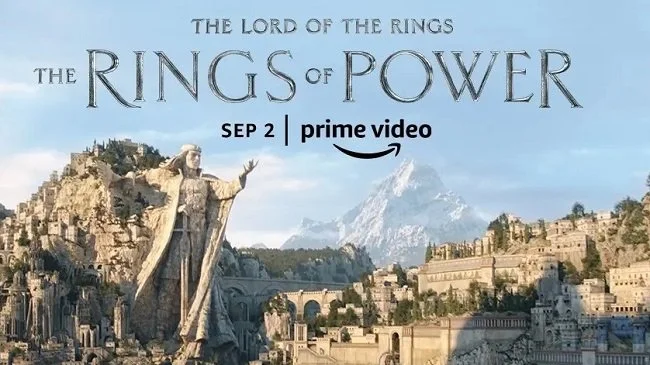
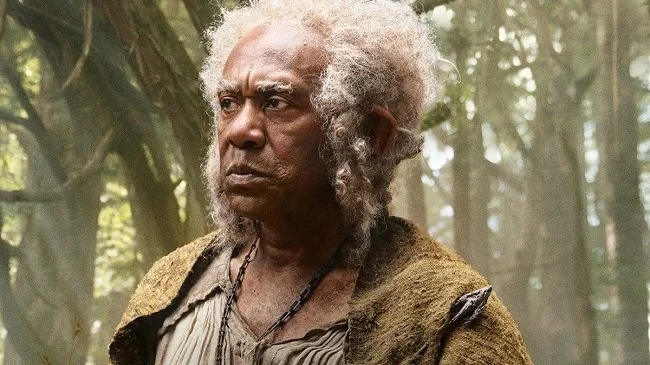
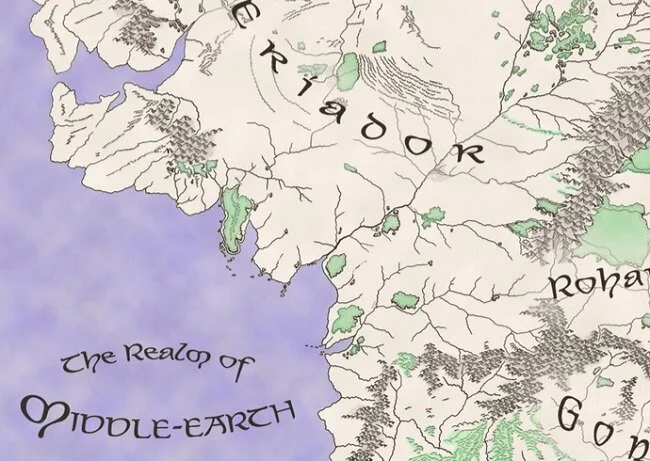
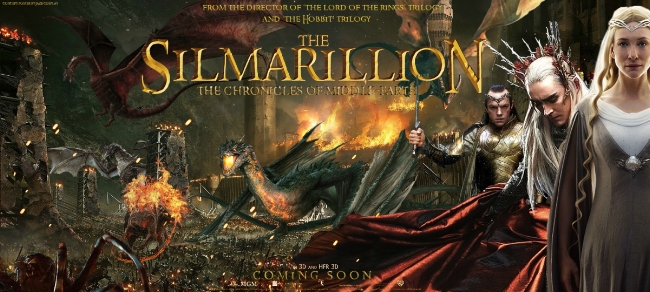
Finally the first teaser trailer for Amazon Prime’s forthcoming TV show set in the Second Age of Middle-earth has been released. The Lord Of The Rings: The Rings of Power will be released weekly on Amazon’s streaming service commencing September 2nd 2022. The first season consists of eight episodes. The series is a prequel to the events of The Lord of the Rings, depicting "previously unexplored stories" based on Tolkien's works. The show will include such iconic locations as the Misty Mountains, the elf-capital Lindon, and the island kingdom of Númenor. The Lord Of The Rings: The Rings of Power maintains the visual and design aesthetic of the existing Peter Jackson movies. Furthermore, composer Howard Shaw maintains his involvement as does artists and designer John Howe. Apparently, due to the Tolkien Estate being happy with the development of the show, Amazon had gained access to certain elements and passages from The Silmarillion and Unfinished Tales to include in the narrative arc.
Finally the first teaser trailer for Amazon Prime’s forthcoming TV show set in the Second Age of Middle-earth has been released. The Lord Of The Rings: The Rings of Power will be released weekly on Amazon’s streaming service commencing September 2nd 2022. The first season consists of eight episodes. The series is a prequel to the events of The Lord of the Rings, depicting "previously unexplored stories" based on Tolkien's works. The show will include such iconic locations as the Misty Mountains, the elf-capital Lindon, and the island kingdom of Númenor. The Lord Of The Rings: The Rings of Power maintains the visual and design aesthetic of the existing Peter Jackson movies. Furthermore, composer Howard Shaw maintains his involvement as does artists and designer John Howe. Apparently, due to the Tolkien Estate being happy with the development of the show, Amazon had gained access to certain elements and passages from The Silmarillion and Unfinished Tales to include in the narrative arc.
The trailer itself reveals no footage from The Lord Of The Rings: The Rings of Power. Its primary purpose is to formally announce the new TV show’s name and to set out its stall. However, it is worth noting that like the TV show itself, Amazon went all in with the actual trailer. The first season is alleged to have had a production cost of $465 million. Although no data appears to be available on the budget for the trailer, it features the talents of director Klaus Obermeyer, legendary special effects supervisor Douglas Trumbull renowned foundryman Landon Ryan. I’m sure such an ensemble production team does not come cheap. As for the teaser trailer itself, it is suitably evocative of ring forging and the threat of dark powers. The lush soundtrack is certainly in the established idiom of “the sound of Middle-earth”. It has piqued both mine and a good many other people's curiosity.
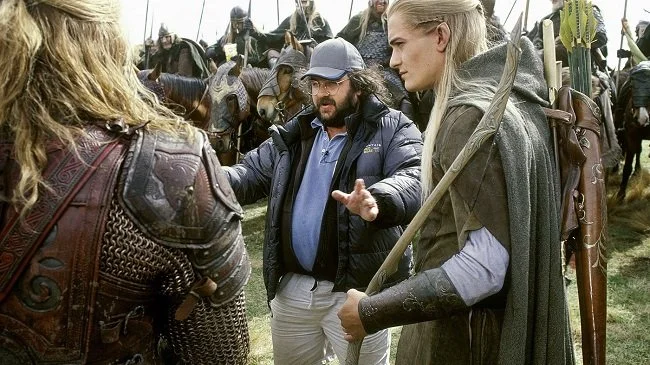
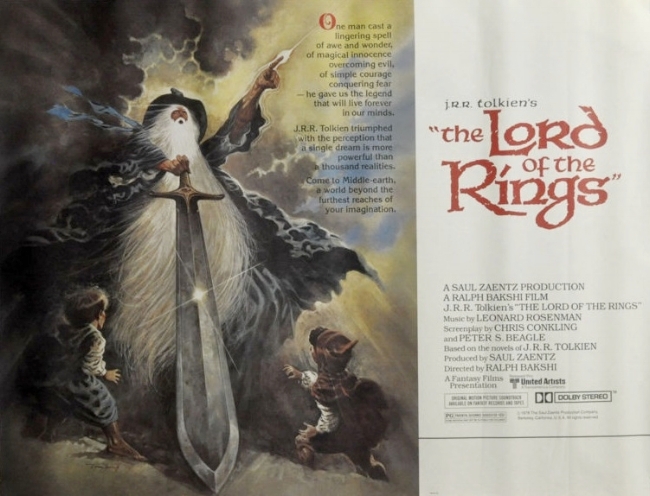
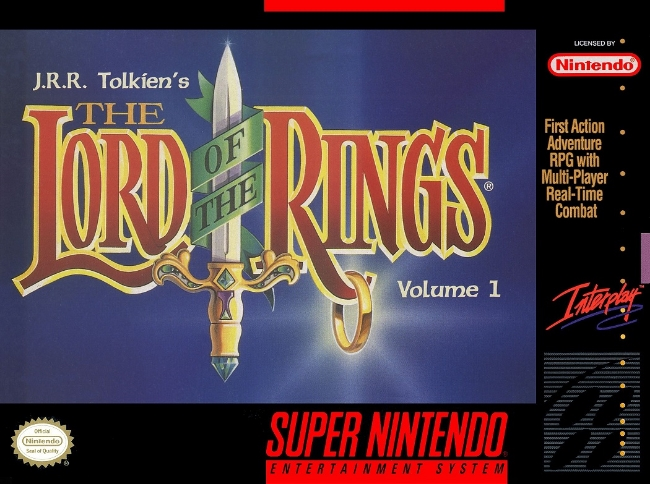
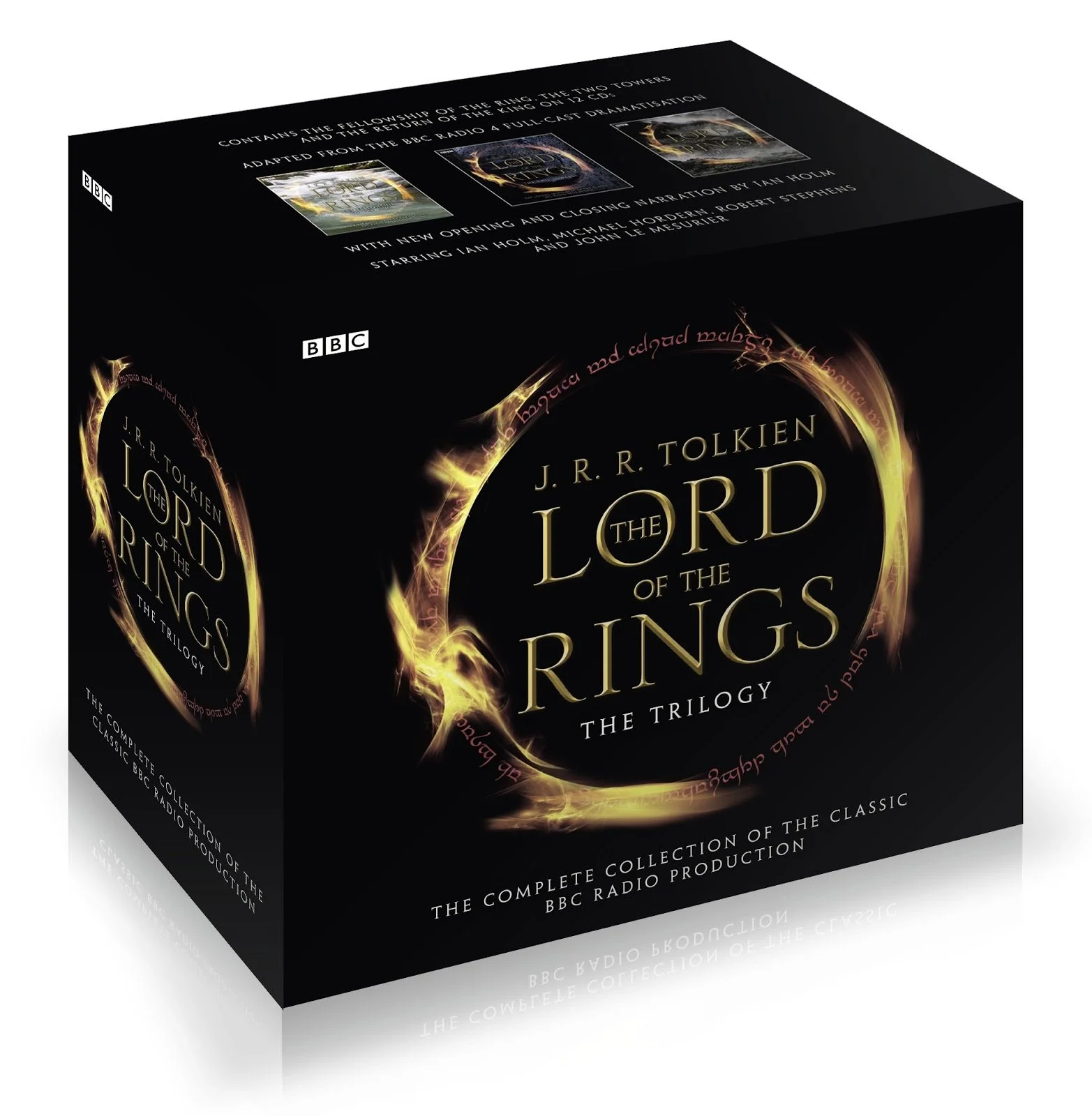
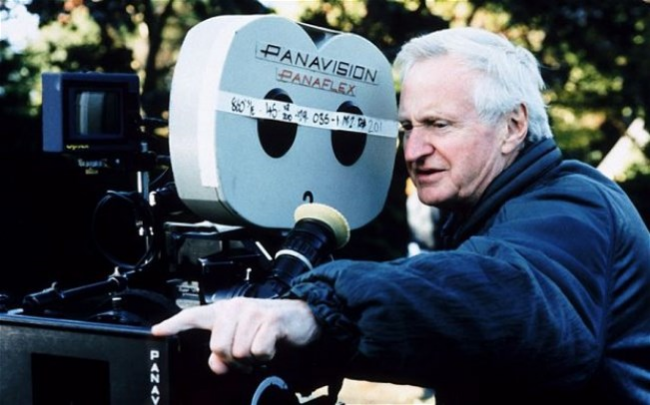
I recently discovered both of the original theatrical trailers for the 1978 animated version of The Lord of the Rings created by Ralph Bakshi. One is simply a portentous narration but the second is far more interesting. It features a montage of still images. Some of them are background paintings used in the movie, while others seem to be production art. The voice-over descends into hyperbole and is somewhat misleading, but you have to remember that the fantasy genre was not a common staple of the box office of the times. Like many films the pre-production process can often produce an inordinate amount of material that never makes it into the final edit. Some of this can be seen in the trailer. It’s interesting to see how Tolkien’s work has grown in popularity within popular culture over the last forty years and how that is reflected in the difference between the two trailers.






The Mezzotint (2021)
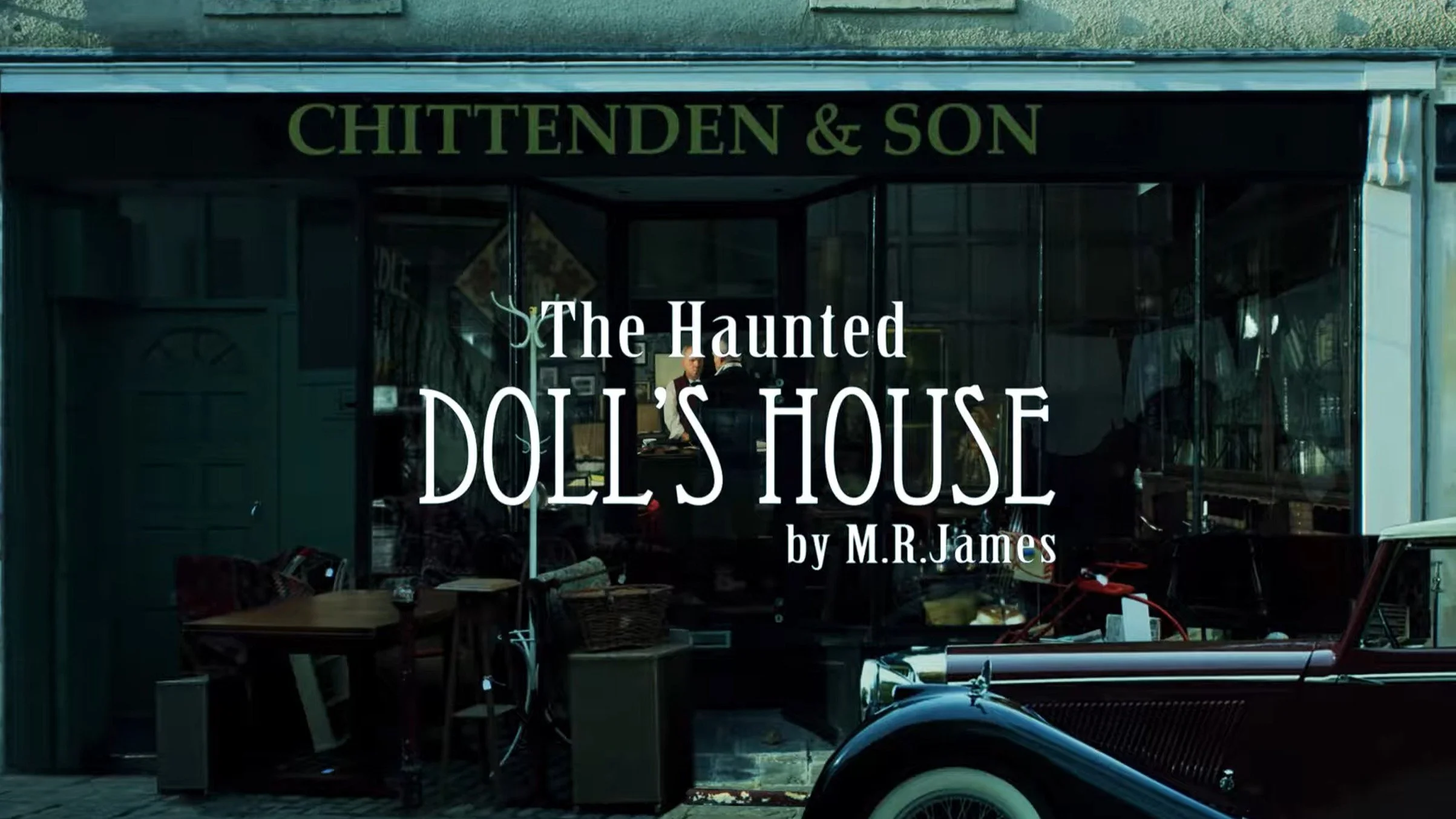
In 1922, middle-aged University Don Edward Williams (Rory Kinnear), is sent a somewhat “indifferent” mezzotint (a monochrome print made from an engraved copper or steel plate) on approval from one of his regular art dealers. On arrival the mezzotint features an unidentified English country house and has no distinguishing features to merit its price. Later that day, Williams shows the print to Binks (John Hopkins), a colleague he plays golf with. He comments that the moonlight is quite well done and there appears to be a figure just on the right of the image. Williams is puzzled that he hadn’t noticed it before. That evening Garwood (Robert Bathurst), a fellow academic, studies the picture and comments on a “grotesque” figure. When Williams checks again before going to bed there is now clearly a shroud covered shape crawling across the lawn in the mezzotint. Williams confers with his friends as to what they have seen, as it becomes clear that the picture is trying to show them something.
In 1922, middle-aged University Don Edward Williams (Rory Kinnear), is sent a somewhat “indifferent” mezzotint (a monochrome print made from an engraved copper or steel plate) on approval from one of his regular art dealers. On arrival the mezzotint features an unidentified English country house and has no distinguishing features to merit its price. Later that day, Williams shows the print to Binks (John Hopkins), a colleague he plays golf with. He comments that the moonlight is quite well done and there appears to be a figure just on the right of the image. Williams is puzzled that he hadn’t noticed it before. That evening Garwood (Robert Bathurst), a fellow academic, studies the picture and comments on a “grotesque” figure. When Williams checks again before going to bed there is now clearly a shroud covered shape crawling across the lawn in the mezzotint. Williams confers with his friends as to what they have seen, as it becomes clear that the picture is trying to show them something.
The Mezzotint is part of the A Ghost Story for Christmas series of short television films, produced by the BBC somewhat intermittently since 1971. More recently, writer, director and actor Mark Gatiss has resurrected this franchise and produced several adaptations of short stories by the great M. R. James. The Mezzotint is his latest production and was broadcast on Christmas Eve 2021. Running for just 30 minutes Gatiss builds an unsettling atmosphere as the story progresses.The changes that take place in the print are not dwelt upon onscreen but instead he focuses upon the impression they make on those who are looking. Rory Kinnear excels as the befuddled bachelor who begins to feel a sense of impending doom. There is also a strong cameo appearance by Frances Barber as Mrs. Ambrigail, an amateur historian. Scottish composer Blair Mowat provides a succinct and creepy score which adds to the overall ambience.
The original short story is set in 1904 and takes place mainly in the rooms of the various protagonists at the University. Although it is a sinister tale, it lacks a suitably strong ending, hence Mark Gatiss has chosen to expand the storyline. The drama is now set in 1922 and the staff of the University are debating whether to allow women students to study for degrees. To make the story a little less male-centric some characters have been changed to women; a University Porter becomes a Housekeeper. The most significant addition to the story is a subplot regarding William’s ongoing investigations into his family tree. Hence Mrs. Ambrigail, the Vicar’s wife, searches through the various parish records. This thread has a major impact upon the climax of The Mezzotint which in this adaptation ends with a substantial “Jamesian wallop” (the unofficial term for a shock or surprise twist in the stories of M. R. James).
Some purists have balked at the embellishments and changes that have been made to this adaptation. If you’re of a similar mind, then you may be better off listening to an audiobook version of the original short story. There is a very good collection read by David Collings available. However, I am of the view that the story requires expanding to lend itself to the requirements of television and I feel that the widening of the plot and additional ending are to the drama’s overall benefit. Mark Gatiss is clearly a consummate fan of M. R. James and I feel his screenplay is very sympathetic to the source text. As for the “Jamesian wallop” at the story’s denouement, I believe this is consistent with the author’s style which often featured a grotesque and eldritch flourish at the end of a story. I hope that the BBC has the good sense to commission further adaptations from Mark Gatiss so that the A Ghost Story for Christmas series can continue.









Shatner in Space (2021)
Shatner in Space is a 45 minute documentary about the 90 year old actor, William Shatner and his recent foray into space via Jeff Bezos’ Blue Origin sub-orbital spaceflight service. Considering the provenance of this entire undertaking, attitudes in general towards billionaires and the obvious publicity seeking hubris of sending a cultural icon into space, it’s easy to dismiss Shatner in Space as nothing more than a very, very expensive infomercial. However, the quiet dignity of Mr Shatner whose age and experience means that he draws a very different conclusion from his space flight than his fellow passengers, is utterly compelling and possibly a little profound. If you can endure the soulless polish of the scenes with an immaculately staged managed Jeff Bezos, then you’ll be rewarded with the philosophical musings of a man approaching the end of his life who is naturally curious about his own mortality.
Shatner in Space is a 45 minute documentary about the 90 year old actor, William Shatner and his recent foray into space via Jeff Bezos’ Blue Origin sub-orbital spaceflight service. Considering the provenance of this entire undertaking, attitudes in general towards billionaires and the obvious publicity seeking hubris of sending a cultural icon into space, it’s easy to dismiss Shatner in Space as nothing more than a very, very expensive infomercial. However, the quiet dignity of Mr Shatner whose age and experience means that he draws a very different conclusion from his space flight than his fellow passengers, is utterly compelling and possibly a little profound. If you can endure the soulless polish of the scenes with an immaculately staged managed Jeff Bezos, then you’ll be rewarded with the philosophical musings of a man approaching the end of his life who is naturally curious about his own mortality.
When you consider William Shatner’s personal arc as a pop culture icon, he has matured from a young successful actor and has journeyed through the pressures of fame and success. He has gone from being reviled by his colleagues to setting aside the past and being reunited with them. He is now a venerable figure who is wiser for their life experience who wishes to do some good with the time he has left. It is therefore fascinating to see his reaction when he walks into the Blue Origin headquarters and realises that pretty much all of the staff that work there share a common dream of space travel due to the influence that he and Star Trek had upon their lives. It is clear that he recognises this and it’s moving to see his reaction. There’s no hint of ego. Just a quiet awe and a hint of pride. It is also a clear demonstration of the immense power of fame and celebrity.
Shatner in Space finds it stride towards the end of it’s relatively short running time, when we see selected footage of the 4 passengers in the capsule during launch and New Shepard’s journey to the Kármán line. During the brief period of weightlessness, the other passengers are immediately enamoured with the strangeness of the sensation. They naturally laugh and caper. 90 year old Shatner pulls himself to the window and stares into the black void of space and then down at the intense blue of the earth. He quietly states “That’s it. I’ve got it”. His personal epiphany is moving and dare I say, beautiful. He is visibly moved upon his return and where the others are vocally elated, his quiet introspection as he processes what has happened is again captivating. When he finally masters his feeling his first thoughts are that everyone should have such an experience as it affords an important perspective. Despite the corporate nature of this documentary, it has a wonderful streak of humanity, thanks to William Shatner.





A Christmas Carol (1954)
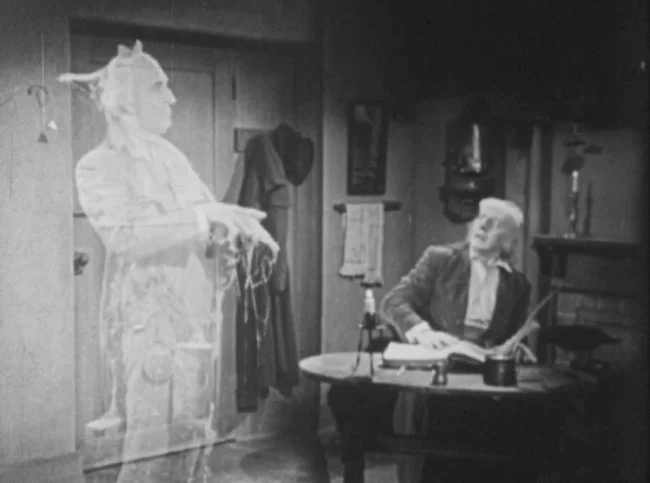
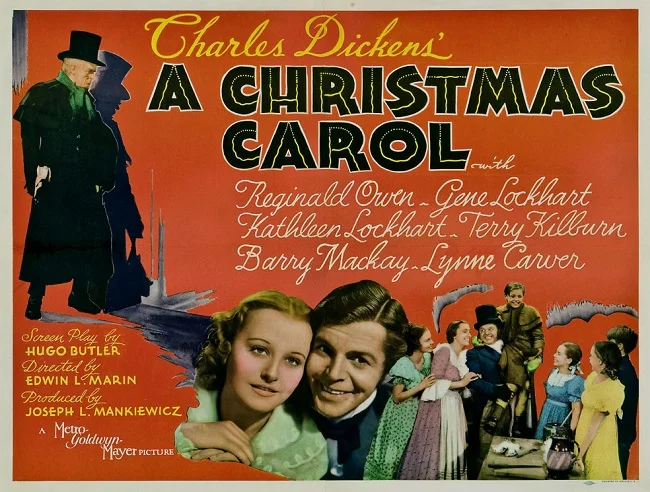
This 1954 adaptation of Charles Dickens’ A Christmas Carol is a distinctly studio bound US television production. It was in fact the fourth episode of an anthology variety show called A Shower of Stars. Originally filmed and broadcast in colour, only black and white prints now survive. The production boasts a script by noted American playwright Maxwell Anderson. Due to the 48 minute running time (without commercial breaks) the narrative is heavily abridged and often it is only the story’s most basic themes which are dramatically interpreted. It stars Fredric March who plays Scrooge as a cool and indifferent man, rather than the usual shrill old miser. However, despite his presence his performance cannot save the production. Most of the other cast members are far from accomplished and at times their acting borders on the amateur.
This 1954 adaptation of Charles Dickens’ A Christmas Carol is a distinctly studio bound US television production. It was in fact the fourth episode of an anthology variety show called A Shower of Stars. Originally filmed and broadcast in colour, only black and white prints now survive. The production boasts a script by noted American playwright Maxwell Anderson. Due to the 48 minute running time (without commercial breaks) the narrative is heavily abridged and often it is only the story’s most basic themes which are dramatically interpreted. It stars Fredric March who plays Scrooge as a cool and indifferent man, rather than the usual shrill old miser. However, despite his presence his performance cannot save the production. Most of the other cast members are far from accomplished and at times their acting borders on the amateur.
Music and song plays an integral part of this version. Although not a full blown musical, there is an itinerant group of carol singers that seem to grow in size, who regularly regale the viewers with expository songs. Plus many characters sing at some point. Others do not. It’s all rather inconsistent and confusing. The songs are mainly designed to underpin the story's themes. At times they are used as a means to bridge scenes or expedite the story without an excess of dialogue. Unfortunately the songs, also written by Maxwell Anderson, are weak and superfluous. Some are actually annoying. However, the orchestral score and incidental music by the great Bernard Herrmann is striking. At times it has a very eerie and foreboding quality, with its use of strings and choir vocalisation. But alas, there’s far too little of it.
There are very few original ideas featured in this adaptation. The Spirit of Christmas Past and The Spirit of Christmas Present look like Scrooge’s lost love Belle and nephew respectively. This is because they are played by the same actors. I initially thought this was a visual conceit used for narrative reasons but it is more than likely due to the budgetary restrictions. The screenplay attempts to focus on Scrooge’s failed relationship as the main cause of his abhorrent nature. Unfortunately, it dwells a little too long upon the matter. There’s an excruciating song that Belle and Scrooge sing at Fezziwig’s Christmas party. The Spirit of Christmas Yet to Come is not even shown. Scrooge merely “looks within himself” and has a revelatory vision of a graveyard with both his and Tiny Tim’s names upon the tombstones. This proves sufficient shock therapy to reform Scrooge’s nature.
Despite the presence of quality actors such as Fredric March and Basil Rathbone who plays Marley’s Ghost, this is a rather poor adaptation which is actually quite hard to sit through. Rathbone, covered in cobwebs, rambles through the poorly condensed dialogue. “I come out of torment. I come to help your soul avoid eternal misery”. Well, not watching this particular adaptation is possibly a good place to start. The contract TV actors chew the low budget scenery and incessantly assail you with tedious and never ending songs. And then to utterly mitigate the underlying theme of poverty, Scrooge invites himself to Bob Cratchit’s meagre Christmas Dinner. It is as illogical as it is risible. Hence, there is precious little to recommend about this version of A Christmas Carol. I would only suggest watching it if you are a completionist or a consummate fan of the two main leads. Casual viewers should seek out a more competent adaptation.




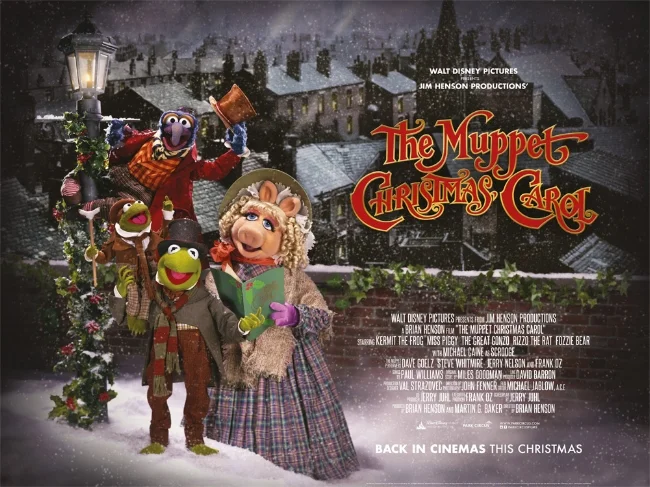

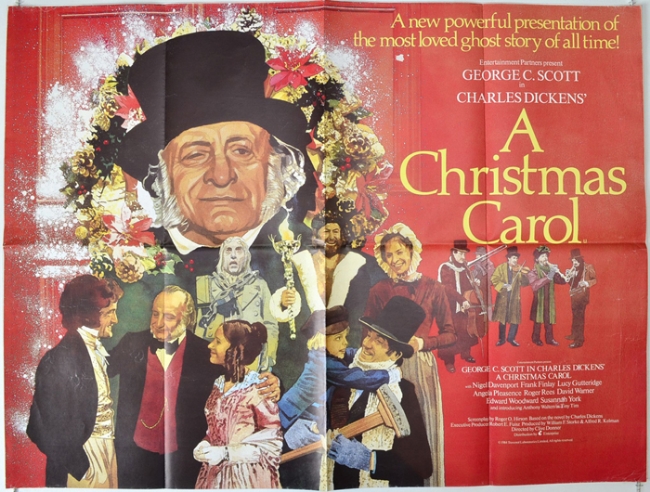
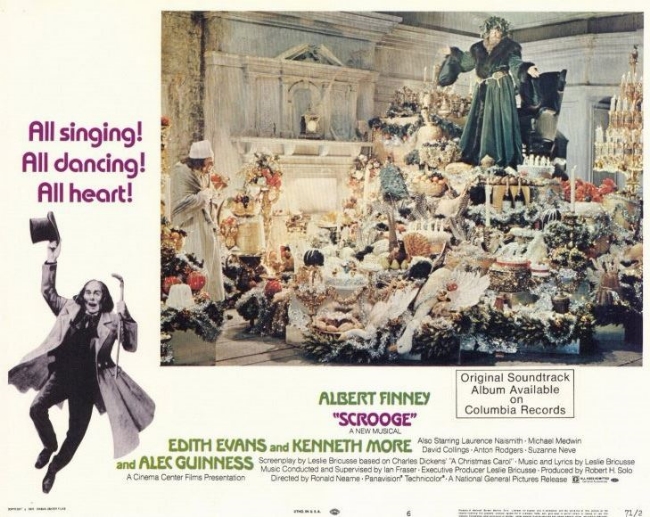
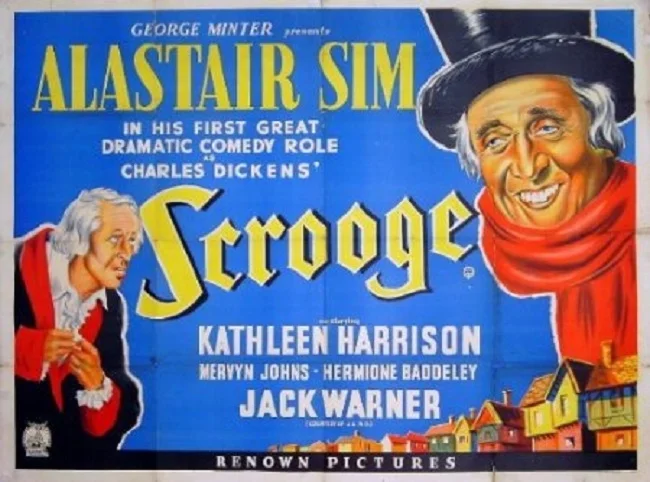
A Christmas Carol (1977)
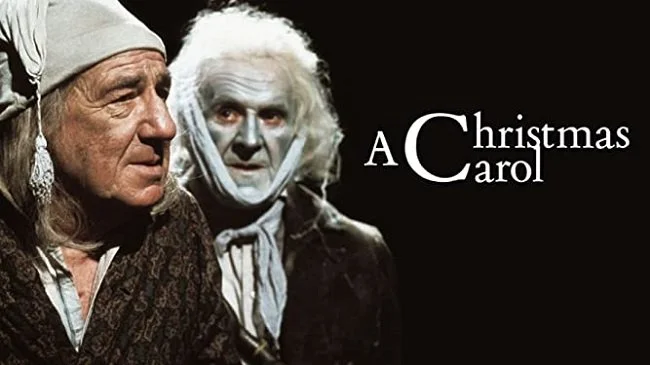
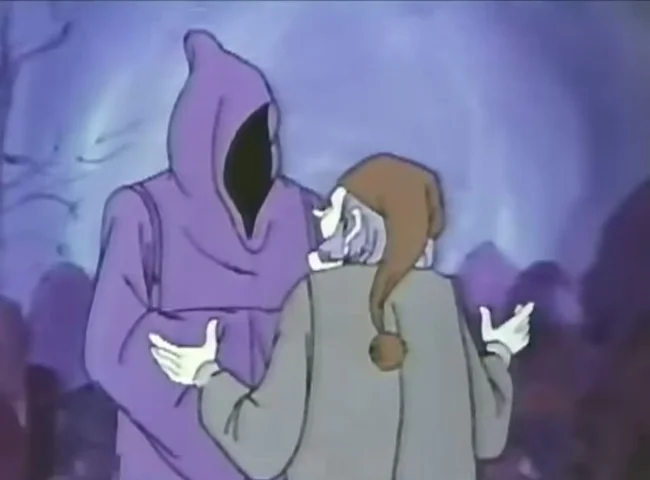
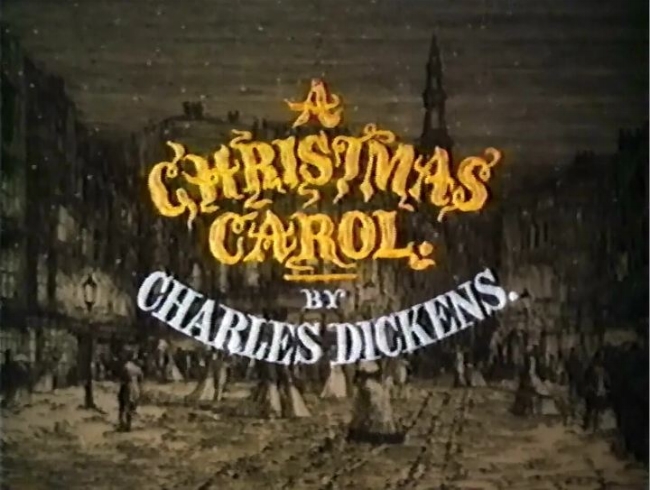
This BBC production from 1977 packs a lot into its 60 minute running time. Succinctly dramatised by Elaine Morgan, this adaptation focuses on the essential themes and key scenes of Dickens’ book. Shot on video, as many BBC dramas were at the time and confined entirely to studio sets, this low budget production makes use of chroma key visual effects. The snow bound countryside, the dark staircase in Scrooge’s apartment and the London skyline are all line drawings, with the cast composited in the foreground. Hence this version of A Christmas Carol feels like an episode of Doctor Who from the same decade. However, the production has one trump card to play with its robust cast of British character actors from the era. Fine performances from the likes of John Le Mesurier, Bernard Lee and Zoe Wanamaker more than compensate for the budgetary restrictions and short duration.
This BBC production from 1977 packs a lot into its 60 minute running time. Succinctly dramatised by Elaine Morgan, this adaptation focuses on the essential themes and key scenes of Dickens’ book. Shot on video, as many BBC dramas were at the time and confined entirely to studio sets, this low budget production makes use of chroma key visual effects. The snow bound countryside, the dark staircase in Scrooge’s apartment and the London skyline are all line drawings, with the cast composited in the foreground. Hence this version of A Christmas Carol feels like an episode of Doctor Who from the same decade. However, the production has one trump card to play with its robust cast of British character actors from the era. Fine performances from the likes of John Le Mesurier, Bernard Lee and Zoe Wanamaker more than compensate for the budgetary restrictions and short duration.
Michael Horden brings an element of befuddlement to his portrayal of Ebeneezer Scrooge. He is also petty, acerbic and somewhat cowardly. All of which feels very authentic and in the spirit of the source text. His interaction with Jacob Marley (John Le Mesurier) is very faithful to the book and Le Mesurier brings a genuinely weary element to his performance. The Ghost of Christmas Past (Patricia Quinn) is depicted very much as described in the text, with bright light emanating from them and carrying a hat similar to a candle extinguisher. She focuses on Scrooge’s abandonment at school and his failed engagement. Fezziwig is more of a footnote to this part of the story. Similarly the Ghost of Christmas Present (Bernard Lee) wastes no time and quickly highlights Bob Cratchit’s poverty and Tiny Tim’s ill health. Nephew Fred’s party is distilled down to its bare essentials. The Ghost of Christmas Yet to come is depicted as a traditional hooded figure. The cleaning woman and undertaker discuss Scrooge’s failing while his dead body is laid out on the bed, rather than at the pawnbrokers.
The time limitations of an hour mean that some elements of the story are lost. Yet despite the efficiency of this summarisation, some minor embellishments still make it to the screen. Marley’s face appears in the tiles surrounding the fireplace. We see Belle happily married years later on the night of Marley’s death. Mankind’s children, ignorance and want, are briefly depicted. And there’s a scene in which a family in debt to Scrooge learns of his death. All of which add to the character of this production and make it feel more than just another arbitrary adaptation. It is a shame that the commissioning editor did not see fit to make this a 90 minute production, so it could have taken a little more time to savour its emotional highs and lows. As it stands this is a quaint but engaging TV version, which may appeal more to the Dickens aficionado or those wanting a quick fix of the classic story.
The Idiot Box
Thoughts on TV shows and my current viewing habits.
The last instalment of The Idiot Box was back in March. Since then Mrs P and I have watched several new shows and tried to diversify our viewing. She has had better luck than I. The issue for me is one of narrative complexity and genre saturation. Some popular shows are very straightforward in both their structure and their intellectual scope. A great deal of “police procedurals” fall into this category. The weekly stories essentially come down to “who is the murderer” with a side helping of the protagonist's ongoing “personal life”. I am currently watching the latest season of NCIS and it struck me how little credible investigative work the team now does. In the last episode that I watched, one of the central character’s mother-in-law was witness to a murder on a cruise ship. The plot was contrived, convoluted and more like that of a soap opera. Such content can be fun but it’s somewhat unsatisfying if viewed to excess.
Thoughts on TV shows and my current viewing habits.
The last instalment of The Idiot Box was back in March. Since then Mrs P and I have watched several new shows and tried to diversify our viewing. She has had better luck than I. The issue for me is one of narrative complexity and genre saturation. Some popular shows are very straightforward in both their structure and their intellectual scope. A great deal of “police procedurals” fall into this category. The weekly stories essentially come down to “who is the murderer” with a side helping of the protagonist's ongoing “personal life”. I am currently watching the latest season of NCIS and it struck me how little credible investigative work the team now does. In the last episode that I watched, one of the central character’s mother-in-law was witness to a murder on a cruise ship. The plot was contrived, convoluted and more like that of a soap opera. Such content can be fun but it’s somewhat unsatisfying if viewed to excess.
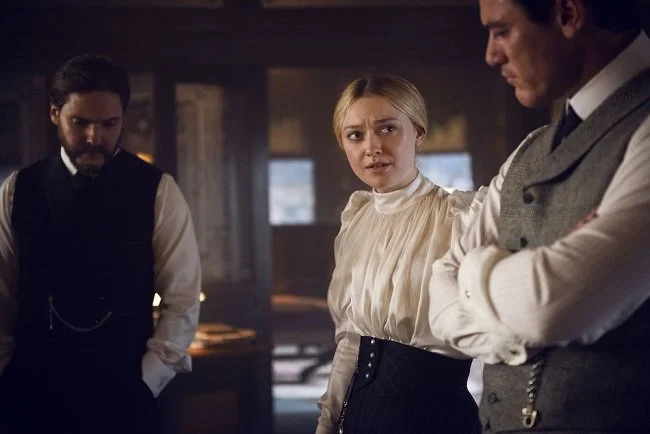
And at the other end of the spectrum we have shows that revel in their adult themes and mature content. The Alienist falls into this category. For those unfamiliar with this drama it is set in the late 19th century in New York. Newly appointed police commissioner Teddy Roosevelt calls upon Dr. Laszlo Kreizler (Daniel Bruhl), a criminal psychiatrist, and John Moore (Luke Evans), a newspaper illustrator, to conduct a secret investigation into a child prostitute serial killer. Joining them in the probe is Sara Howard, Roosevelt's headstrong secretary (Dakota Fanning). It is superbly written, with a solid cast and great production values. The stories are very interesting due to the historical setting and the emerging science, technology and social changes. But due to the nature of the investigation, the story explores poverty, sexual abuse and other human failings. Hence it is very bleak and a little bit squalid. Although thought provoking and dramatic, it is a challenging watch.
All of which raises the question, where are the shows that fall between these two extremes? Well they are out there. You just have to do quite a bit of searching and be prepared to try a variety of content on the understanding that you may not like it and end up abandoning it. I also think that a lot of UK and European TV shows occupy this middle ground due to budget and audience demographics. UK “police procedurals” tend to be a lot less hyperbolic and frenetic, compared to their US counterparts. The focus is far more on narrative depth to compensate for other potential constraints upon the production.
All things considered, I did manage to find some interesting new shows to watch. Some are quite cerebral and a couple I would categorise as the viewing equivalent of comfort eating. Here is a brief summary of what I’ve been watching since Easter to the present.
The Equalizer: This reboot of the eighties TV show is more akin to the two recent movies, than the original source material. It is in many ways utterly preposterous, with its flamboyant hero Robyn McCall (Queen Latifah) using her ex-CIA experience to right wrongs, along with her convenient team of skilled helpers. The show is certainly not afraid of addressing social issues and the realities of being an African-American. Yet it is quite sincere, easy entertainment, carried by the personality of its lead actor.
Clarice: This was a very interesting tangential sequel to The Silence of the Lambs, in which the subsequent career of Clarice Starling was explored. Starling, who is struggling to come to terms with her encounter with Buffalo Bill, finds herself part of a new Federal Taskforce that specialises in dealing with violent criminals. A subsequent investigation uncovers a high level conspiracy in which a major pharmaceutical corporation is committing murders under the pretence that they’re the work of a serial killer. This was a clever show with some interesting socio-political points to make. Sadly it was not renewed for a second season.
Unforgotten Season 4: There is obviously a great deal of mental and emotional strain involved in investigating murders, especially “cold cases”. Unforgotten depicts this intelligently and honestly. Season 4 had another harrowing story arc, outstanding performances and a hard hitting ending. Police work is not databases, car chases and eleventh hour psychological interrogations and last minute confessions. It’s foot work, lateral thinking and compassion. Unforgotten has all these in spades.
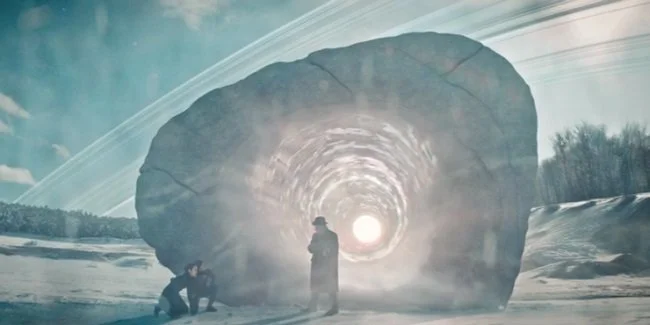
Debris: This was one of the smartest science fiction TV shows to come along for a while. It worked best when it’s internal lore was vague; the moment you clarify things it can undermine some of the inherent mystery. Sadly, this intriguing concept by J. H. Wyman (Fringe) about debris from an alien vessel and its strange powers, was cancelled, once again due to the TV network not understanding and having any faith in the show. The same thing happened with Wyman’s previous TV series, Almost Human.
The War: The military and tactical aspects of World War II has been thoroughly explored over the years, with The World at War possibly being the definitive TV documentary. Ken Burns’ takes a different approach examining events from the perspective of four US towns and how WWII impacted upon their economy, lives and world view. It is the personal stories of soldiers and their families that make this show so interesting. The recollections of Daniel Inouye (who won the Medal of Honor and went on to be a US Senator) are particularly poignant and stand out.
Endeavour: Season 8 appears to be the last in this prequel series to Inspector Morse. Morse is dangerously close to becoming an alcoholic and destroying his career. Fred Thursday’s son goes AWOL in Northern Ireland causing domestic strife. Oxford continues to have complicated murders and showrunner Russel Lewis still litters his scripts with niche market pop culture references, which are a delight. After three episodes the season reaches a definitive crossroads clearly linking one show with the other. It’s been a tremendous journey but all things must end.
Dan Brown’s The Lost Symbol: This TV show plays out just like the three big screen adaptations of Dan Brown’s other books. There’s lots of frenetic running between historic locations and pseudo-academia flying about to solve arcane clues. Ashley Zukerman plays a young Robert Langdon (played by Tom Hanks in the movies). It’s all a bit silly but if you want entertainment that isn’t too taxing, it’s a pleasant enough way to spend 42 minutes.
Retroactive Continuity
If you are old enough to remember the popular eighties “soap opera” Dallas, then you will no doubt be au fait with the infamous ninth season of the show. Having painted themselves into a corner with the death of a popular character, the writing team effectively revealed in the season finale that everything that had transpired in the previous thirty episodes had been “all a dream”. Let us take a moment to reflect upon the hubris of this “creative” decision. Did fans complain and roll their eyes at this utterly trite plot device? Yes, they most certainly did. But they also kept watching and the ratings increased. It got the writers out of a fix of their own making and allowed them to move on as if nothing had happened. It was a very high profile example of so-called retroactive continuity being used in a mainstream TV franchise and my first experience of such a narrative device.
If you are old enough to remember the popular eighties “soap opera” Dallas, then you will no doubt be au fait with the infamous ninth season of the show. Having painted themselves into a corner with the death of a popular character, the writing team effectively revealed in the season finale that everything that had transpired in the previous thirty episodes had been “all a dream”. Let us take a moment to reflect upon the hubris of this “creative” decision. Did fans complain and roll their eyes at this utterly trite plot device? Yes, they most certainly did. But they also kept watching and the ratings increased. It got the writers out of a fix of their own making and allowed them to move on as if nothing had happened. It was a very high profile example of so-called retroactive continuity being used in a mainstream TV franchise and my first experience of such a narrative device.
Nowadays, retroactive continuity or retcon is used far more often. It can be something as straightforward as replacing an actor for an established role with a new actor, as in Iron Man where James Rhodey Rhodes was first played by Terence Howard and then Don Cheadle. Or something more impactful such as rebooting a franchise as with Casino Royale in 2006 or Star Trek in 2009. Daniel Craig’s tenure as James Bond effectively began an entirely new five-film, self-contained story arc for 007 that ignored everything that had happened in the previous films. J.J. Abrams’ Star Trek used the narrative conceit of an alternative timeline as a means to tell new stories with existing characters. All of these examples successfully managed to retcon their respective franchises without any major critical or financial consequences. Most fans managed to successfully suspend their sense of disbelief and overcome any continuity or logical flaws. But the process isn’t always as seamless as this.
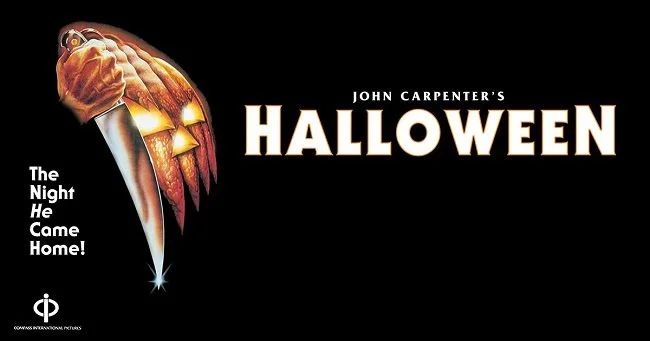
Take the Halloween horror film franchise. The original 1978 movie spawned a direct sequel Halloween II in 1981. This ended with the central antagonist dying in a fiery conflagration. Hence Halloween III: Season of the Witch (1982) is a standalone story. Creator John Carpenter then sold his interests in the franchise and so three inferior sequels were churned out based on the premise that Michael Myers had survived. Halloween IV: The Return of Michael Myers (1988), Halloween V: The Revenge of Michael Myers (1989) and Halloween VI: The Curse of Michael Myers (1995). Then in 1998 the first retcon took place with Halloween H20. This was a direct sequel to the first two films and ignored the story arc of parts 4 to 6. This was then followed by a further sequel Halloween: Resurrection in 2002. The franchise was then rebooted in 2007 with director Rob Zombie remaking the original film and then a sequel the following year. In 2018 a further retcon saw a new direct sequel to Carpenter’s original, confusingly called Halloween. A follow up, Halloween Kills, was released recently.
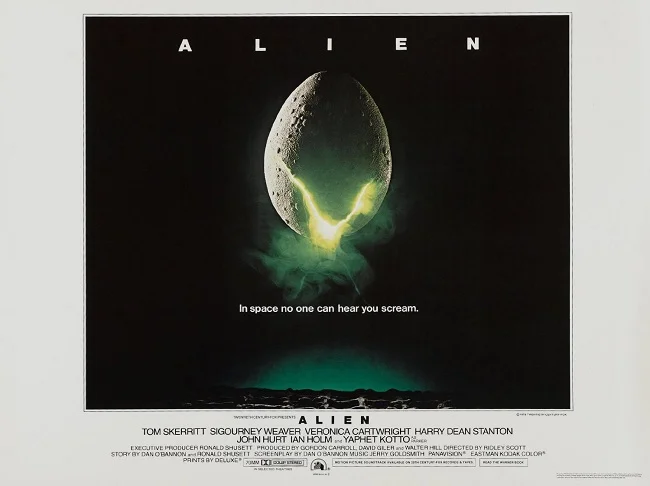
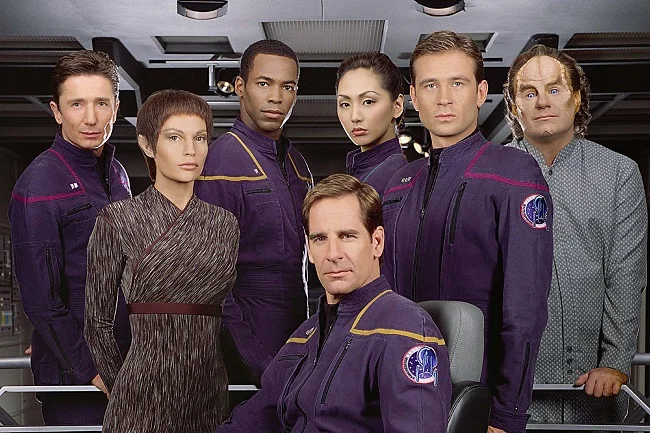
Retroactive continuity can be a useful tool in so far that changing established narrative events can provide a means to perpetuate a commercially viable and popular cinematic franchise. However there are consequences. Alien 3 featured a retcon that completely negated everything that happened in the previous movie, Aliens. A facehugger miraculously survived and managed to impregnate Ripley while she was in cryonic stasis. A convenient spaceship crash subsequently eliminated the characters of corporal Hicks and the child Newt. Something fans felt was especially mean spirited. The first season of the TV show Star Trek: Discovery saw a major visual and design retcon. Set just before the TOS era the production aesthetic was radically different from the established canon. Fans were not pleased and adjustments were made in the second season. And not only did Highlander II retcon the entire premise of the previous film, it subsequently retconned itself when three separate edits produced radically different stories.
The retcon has been an established part of film making for decades. Universal Studios used it extensively in the thirties and forties over the course of their commercially successful series of horror movies. Onscreen events were reframed to accommodate sequels, actors were replaced and lore bent to facilitate new plots. However, it can be cogently argued that the increase in retroactive continuity in recent years both in TV and cinema, ultimately stems from a creative system that is extremely risk averse. Experimentation with new and original concepts is an expensive gamble, compared to the proven track record of established franchises. Furthermore, if a franchise should suffer a less well received instalment, judicious retconning can be used to correct any mistakes. However retconning cannot cure an audience of boredom brought about by a continuous diet of the same content, just packaged differently. Ultimately, established trends run their course as the western and musical genres have proven.



Arthur C. Clarke's Mysterious World (1980)
Television programmes that deal with the so-called supernatural, mysterious and the unexplained are commonplace these days. They fill the schedules of channels that used to broadcast quality wildlife, historical and scientific documentaries. All too often these shows focus on the sensational nature of their subject matter and lack any real objectivity, analysis and scientific rigour. The idea is not to impartially explore a subject to determine its veracity but to simply provide a degree of spectacle for as broad a viewing demographic as possible. However, that was not always the case. Back in 1980, Yorkshire Television produced Arthur C. Clarke's Mysterious World. A high profile exploration thirteen-part British television series looking at unexplained phenomena from around the world. The presence of Clarke, who introduced and book-ended the various subjects the show explored, brought a degree of impartiality and credibility to the proceedings.
Television programmes that deal with the so-called supernatural, mysterious and the unexplained are commonplace these days. They fill the schedules of channels that used to broadcast quality wildlife, historical and scientific documentaries. All too often these shows focus on the sensational nature of their subject matter and lack any real objectivity, analysis and scientific rigour. The idea is not to impartially explore a subject to determine its veracity but to simply provide a degree of spectacle for as broad a viewing demographic as possible. However, that was not always the case. Back in 1980, Yorkshire Television produced Arthur C. Clarke's Mysterious World. A high profile exploration thirteen-part British television series looking at unexplained phenomena from around the world. The presence of Clarke, who introduced and book-ended the various subjects the show explored, brought a degree of impartiality and credibility to the proceedings.
Arthur C. Clarke's Mysterious World was not intended to be a highbrow exploration of the subject nor was it designed just to infer the truth of the various mysteries that it focused upon. It was meant to provide an overview on well known subjects such as UFOs and the Loch Ness monster, providing first hand anecdotes, potential scientific explanations and logical conjectures. If there wasn’t a definitive explanation to a mystery Clarke would state this as being the case. However his standing in the scientific community meant that he wasn’t providing a tacit endorsement of supernatural theory and fringe beliefs. As each episode was only twenty five minutes long, they were not attempting to be the last word on the matter. However this approach found a comfortable mainstream, centre ground that the viewers found acceptable.
In the first episode, Clarke himself set out his approach to analysing each mystery. Each was categorised as either a mystery of the first, second or third kind. The first being phenomena which were mysterious to our ancestors but are now understood, such as a solar eclipse. The second being phenomena which are as yet unexplained but where we have several clues that suggest a potential answer or credible theory. Ball lightning was cited as an example of this. Finally the third was applicable to those phenomena for which we have no rational explanation. The various cases were then explored in short segments of eight minutes duration, narrated by Gordon Honeycombe. Eyewitnesses often recounted their experiences and then experts and academics would attempt to rationalise what had happened. The eye witnesses did have an opportunity for rebuttal and then Clarke himself would pronounce upon the matter in an independent manner.
Over the course of the thirteen episode season, Arthur C. Clarke's Mysterious World looked at the following mysteries. Sea monsters, Bigfoot and the Yeti, stone circles, the Tunguska event, UFOs as well as subjects such as Nazca lines, megalithic structures and phenomena such as raining fish and the “canals of Mars”. All of which had not been solely catalogued by one show before and brought into the UK viewers collective consciousness. The enigmatic opening credits featuring the Mitchell-Hedges Crystal “skull of doom” certainly left an impression, especially with younger viewers such as myself. Usually such material was looked down upon by UK critics yet the presence of a respected writer and academic such as Clarke who appeared to have a genuine interest in these phenomena, did seem to temper peoples scepticism. Viewing figures were sufficient to lead to two follow up series. Arthur C. Clarke's World of Strange Powers in 1985 and Arthur C. Clarke's Mysterious Universe in 1994.
I recently revisited Arthur C. Clarke's Mysterious World and found it to be just as engaging as I remember. It is presented in the formal style of the time with interviews and simple graphics. Clarke, often filmed in Sri Lanka, is even handed and measured in his thoughts and conclusions. Unlike the sensational hyperbole that is deliberately employed in contemporary shows. Due to the age of the series, some of the mysteries discussed have now been determined as hoaxes or have been relegated from their status as mysteries of the third kind, to the second. This includes the previously mentioned “skull of doom” which has been found to date from the 19th century and is not a three thousand year old artefact. Overall, Arthur C. Clarke's Mysterious World still maintains its original remit. Exploring mysteries with a degree of scepticism while still enjoying their inherent appeal and excitement. It’s a shame that so many modern shows can’t find this balance.
The First World War (2003)
Over the years I have seen many documentaries about World War II. Although I do not claim in any way to be an expert, I believe I have a good grasp on the causes and the course of that six year conflict. However, it recently struck me that I could not say the same about World War I. In my youth I watched a repeat showing of the BBC documentary series The Great War (1964) but I remember very little of its prodigious 26 episodes. The one thing that stood out were the interviews with veterans. So I was very pleased when perusing BritBox over the weekend to find the 2003 documentary The First World War, based upon the book of the same name by Professor Hew Strachan. This ten part analysis takes a global view of the conflict, rather than excessively focusing upon the Western Front and also debunks a lot of the apocryphal ideas and notions that have persisted over the years. I found it so compelling that I binged watched the entire thing over two evenings.
Over the years I have seen many documentaries about World War II. Although I do not claim in any way to be an expert, I believe I have a good grasp on the causes and the course of that six year conflict. However, it recently struck me that I could not say the same about World War I. In my youth I watched a repeat showing of the BBC documentary series The Great War (1964) but I remember very little of its prodigious 26 episodes. The one thing that stood out were the interviews with veterans. So I was very pleased when perusing BritBox over the weekend to find the 2003 documentary The First World War, based upon the book of the same name by Professor Hew Strachan. This ten part analysis takes a global view of the conflict, rather than excessively focusing upon the Western Front and also debunks a lot of the apocryphal ideas and notions that have persisted over the years. I found it so compelling that I binged watched the entire thing over two evenings.
Rather than just overwhelm the viewer with an endless chronology of events, The First World War tackles a specific facet of the conflict in each episode. For example Jihad deals with events from the perspective of The Turkish Ottoman Empire and Blockade focuses upon U-Boat activities, the Battle of Jutland and other naval aspects of the war. It is a very manageable approach allowing for subjects to be explored without swamping the viewer. There is plenty of archive footage highlighting the points being made and the narrative is further supplemented by extracts from letters, journals and government records. The narration by Jonathan Lewis is measured, especially when discussing the staggering death and casualty figures. The documentary does not pull any punches when dealing with atrocities or the inherent carnage involved with war on such a scale. The stark black and white photographs and newsreel footage are often very shocking.
What I found most illuminating is the way The First World War eschews the binary approach that many previous documentaries have taken. It frequently shows the complexity and nuance surrounding so many aspects of the war. The intricate alliances between the various superpowers of the time are far from simple and the ethnic tensions within the Austro-Hungarian Empire are very involved. Key players such as Archduke Franz Ferdinand of Austria are revealed to be quite different from previous perceptions. The relationship between the United States and the British Empire is also shown to be far from cordial with the US benefitting immensely from loans and commerce with both England and Germany. Perhaps the most revealing arguments are those regarding military strategy. The cliché of Lions led by Donkeys is not shattered but is certainly tempered by the end of the series. Failures were at times due to incompetence but often many other factors conspired to derail events.
Yet despite the global perspective and geopolitical analysis, The First World War maintains a very personal and human perspective throughout its 8 hour plus running time. A letter to a family member or an anecdote about playing cards continuously reminds us that the mind boggling numbers of dead and wounded were all real people with family and lives waiting for them back home. The show also stresses how this war set in motion events that would return to haunt the world in less than twenty years hence. Yet it also genuinely tries to highlight some of the benefits that did occur after the armistice of 1918. The European Empires began to give way to nation states and democratic self governance. With a subject as big as World War I there are still some gaps in the history. I would have liked to have learned more about the role of Greece and the perspective of such countries as Canada, Australia and India. But overall The First World War is a very comprehensive and thoughtful exploration of events and is certainly a superb starting point for those seeking an intelligent overview on the subject.

Keeping a Popular Franchise Relevant
I’ve written in the past about “how long should a TV show run for” and it remains a very interesting talking point. An ageing cast and a played out formula are not uncommon problems that can lead to a popular show being cancelled. But some long standing TV dramas have different issues that can blight them. Such as overly complicated lore, a vocal fanbase and a need to stay relevant in a way that some other shows don’t have to worry about. Martin Belam has recently written a very good article about this subject. He cites Doctor Who as a show that is extremely fatigued at present and suggests that maybe taking it off air and having some time out may well be the solution to its “problems”. I agree with him. Not only with regard to Doctor Who but basically any TV or movie franchise that has become ubiquitous and therefore tired as a result.
I’ve written in the past about “how long should a TV show run for” and it remains a very interesting talking point. An ageing cast and a played out formula are not uncommon problems that can lead to a popular show being cancelled. But some long standing TV dramas have different issues that can blight them. Such as overly complicated lore, a vocal fanbase and a need to stay relevant in a way that some other shows don’t have to worry about. Martin Belam has recently written a very good article about this subject. He cites Doctor Who as a show that is extremely fatigued at present and suggests that maybe taking it off air and having some time out may well be the solution to its “problems”. I agree with him. Not only with regard to Doctor Who but basically any TV or movie franchise that has become ubiquitous and therefore tired as a result.
Here are a few select quotes that I think are pertinent. Again these are specifically about Doctor Who but are equally applicable to comparable shows.
“Sometimes it feels like the show is being buried under the weight of its own continuity”.
“The decision to cast a woman as the Doctor has also meant the franchise became a pawn in the culture wars, further souring relationships in the fandom, and making the social media posts of the show’s creators and stars toxic to wade through”.
“It feels as if it is telling an increasingly self-absorbed meta-story about its own run, accompanied by a very vocal online fandom that isn’t quite sure what it wants, but knows it doesn’t want this”.
Doctor Who has been absent from our televisions in the past. It lost its way back in the middle to late eighties and was taken off air when audiences started declining. The sixteen year hiatus certainly made a difference and when it returned in 2005 it had totally reinvented itself and found exactly the right tone for a modern audience. James Bond is another prime example. The franchise has taken time out twice to rethink its direction. GoldenEye (1995) put the franchise back on track after the excesses of the Roger Moore era (The two Dalton movies were a change of tone too quickly). And Casino Royale (2006), possibly the best realisation of the character from the original text, made Bond relevant again after the franchise started losing ground to its competitors. However, taking a break doesn’t always guarantee an improved return. Dare I mention a certain franchise set in a galaxy, far, far away.
It is easy to see why owning a popular franchise is appealing to a TV network or film studio. Once established they become known quantities that need to be managed and curated. Spinoffs offer potential new content and do not pose the same risk as completely new products. You only have to look at Disney + to see a textbook example of such portfolio management. The BBC is not in such a position with Doctor Who. It doesn’t have the finances unless it goes into business partnership with a third party. Such a collaboration could potentially reinvigorate the franchise. But there is also equal scope for it to go the other way. A major US backer would naturally want a product tailored to its domestic market. All things considered, if Doctor Who doesn’t rethink its current direction it is destined to repeat the same mistakes of the late eighties, become a caricature of itself and get cancelled. Perhaps it is better to jump, than be pushed. A short hiatus may well be the solution.
Investing Time in TV Shows
Whenever someone mentions the TV show Lost, I often feel a pang of mild irritation. As I’ve mentioned before, I watched four seasons of that show before I realised it was effectively trolling its viewers and that the writers were making it up as they went along, flying by the seat of their pants. I appreciate that the entire “what the hell is happening now” approach was very appealing to some viewers but I felt I was being manipulated. I believe that there is a loose and informal social contract between the viewer and the powers that create and run popular television shows. I recognise that it is their intellectual property so they can do what they please but one cannot totally ignore viewer expectations. It is not unreasonable to expect story arcs to be concluded or at least progress in a manner that gives them meaning. When watching Lost, I got that same feeling I get when watching a street magician. Yes, they are doing something clever but ultimately they are misdirecting you.
Lost
Whenever someone mentions the TV show Lost, I often feel a pang of mild irritation. As I’ve mentioned before, I watched four seasons of that show before I realised it was effectively trolling its viewers and that the writers were making it up as they went along, flying by the seat of their pants. I appreciate that the entire “what the hell is happening now” approach was very appealing to some viewers but I felt I was being manipulated. I believe that there is a loose and informal social contract between the viewer and the powers that create and run popular television shows. I recognise that it is their intellectual property so they can do what they please but one cannot totally ignore viewer expectations. It is not unreasonable to expect story arcs to be concluded or at least progress in a manner that gives them meaning. When watching Lost, I got that same feeling I get when watching a street magician. Yes, they are doing something clever but ultimately they are misdirecting you.
However, I learned a very important lesson from this experience and as a result, I am a lot more discerning in what I choose to watch these days. Not only do I filter shows now that I think may have plans for a long, sprawling and ponderous story arc, I also keep an eye out for those that could get cancelled. That is another factor that I find very frustrating. In the seventies, US shows would appear on UK TV between 6 months to a year after their US broadcast. As there was no internet at the time, a new television series would air in the UK and I and many others would become avid fans, not knowing that the commissioning network in the US had already cancelled it due to low audience ratings. This still happens today. The only difference this time round is that many shows are now broadcast simultaneously or within a few days of each other. So instead of retrospectively finding out if a show’s been canned, we now all play a form of viewing Russian Roulette.
Awake
Firefly, Almost Human and Awake are just a few examples of good shows that were poorly marketed and never found the audience they deserved. I won’t include Manimal in that list but I was gutted as a teenager. However, with the advent of streaming services, shows can sometimes get a second chance. I was pleased that Designated Survivor got a final season, courtesy of Netflix. But a lot of good television just doesn’t make it. I liked Timeless and felt that it needed a third season. I currently have grave concerns for Clarice as that show has virtually been hidden from the public with the intermittent scheduling it’s received. Which brings me back to the investment of time by the viewers. It feels like a slap in the face when a show is ignominiously cancelled. It can also be frustrating when the opposite happens and a show is drawn out too long and deliberately treads water, rather than seizing the nettle and writing a reasonable and satisfactory ending.
Manimal
I read an interview recently with Line of Duty writer, Jed Mercurio, in which he stated how writing for TV had become more complex in recent years, as we now watch and re-watch programs on demand. Social media allows for fans to quickly assess and dissect an episode, then share ideas. It’s a far cry from watching a TV show, once a week as it was broadcast, as we did back in the seventies. Naturally, contemporary showrunners wish to cater to this more sophisticated audience and intricate viewing pattern. Hence we find more complex shows, with evolving narratives that seek to continue across multiple seasons. However, this is a hard task to achieve which returns me to my concerns over shows like Lost. And because there is so much good quality TV these days, hard decisions have to be made regarding what gets watched. As well as all the usual factors that we consider before watching a new show, for me at least, I will reflect on whether I am willing to invest my precious leisure time into a particular show or all the reasons stated above.
Debris
Over the last three months, I’ve been watching Debris, the new science fiction show from J. H. Wyman, the creator of Fringe. It is cerebral, complex and requires the viewer to think to keep up. Over thirteen episodes, the scope of the plot has broadened from an investigation of alien technology, into a far reaching global power struggle. I like it but it has the hallmarks of a show that could, like Fringe, sprawl across several years requiring the viewer to invest a lot of their time. Conversely, its dense plot may discourage sufficient viewers leading to NBC to pull the plug. It will be interesting to see what happens next and which option comes to pass. In the meantime, there are plenty of shows that sustain self-contained story arcs within each season. These can be more satisfying, as they provide a narrative journey but do not leave viewers hanging if the production ceases. However, looking at the bigger picture, we do live in curious times when the decision to watch a TV show becomes such a complex process, fraught with such trepidation. Watching Manimal was a lot easier.
Classic TV Themes: Star Trek
Before we start, no I am not writing about Alexander Courage’s classic main theme for the original Star Trek show. I can add nothing further to that particular discussion and it remains iconic and inspiring, even when distilled down to just the initial fanfare. In this post I want to draw your attention to another piece of music from Star Trek that has permeated its way into popular culture. A cue that when heard, if the listener is familiar with its provenance, will instantly conjure up images of flying drop kicks, ear claps and judo chops. A piece of music that can be added to pretty much any video footage and instantly make it more heroic. Yes, I am talking about what has become generically known as Star Trek “fight music”. Or more specifically, the "The Ancient Battle/2nd Kroykah" cue from Amok Time (S02E01) composed by Gerald Fried. The scene during the koon-ut-kal-if-fee ritual in which Spock fights Kirk on the planet Vulcan for complicated “reasons”.
Before we start, no I am not writing about Alexander Courage’s classic main theme for the original Star Trek show. I can add nothing further to that particular discussion and it remains iconic and inspiring, even when distilled down to just the initial fanfare. In this post I want to draw your attention to another piece of music from Star Trek that has permeated its way into popular culture. A cue that when heard, if the listener is familiar with its provenance, will instantly conjure up images of flying drop kicks, ear claps and judo chops. A piece of music that can be added to pretty much any video footage and instantly make it more heroic. Yes, I am talking about what has become generically known as Star Trek “fight music”. Or more specifically, the "The Ancient Battle/2nd Kroykah" cue from Amok Time (S02E01) composed by Gerald Fried. The scene during the koon-ut-kal-if-fee ritual in which Spock fights Kirk on the planet Vulcan for complicated “reasons”.
Veteran composer Gerald Fried had written scores for Stanley Kubrick (The Killing and Paths of Glory) and had an established reputation for providing quality material for TV, having notably provided incidental music for numerous episodes of The Man from U.N.C.L.E. Fried wrote the music scores for five episodes of the first season of Star Trek. Over the years the "The Ancient Battle/2nd Kroykah" cue has gained a curious cult following. This may be because the music was re-used in many more episodes throughout the second season and became among the most memorable pieces of the entire show. It featured in the Jim Carrey film The Cable Guy and was further referenced again by Michael Giacchino in Star Trek Into Darkness in a fight between Spock and Khan Noonien Singh. It is also used in the Coliseum mission in Star Trek Online.
So here for your edification and enjoyment is the complete "The Ancient Battle/2nd Kroykah" cue by Gerald Fried. It is a very flamboyant piece of music with a very sixties idiom and arrangement (dig the Bass line). For those with a liking for memes, even when played over the most mundane and arbitrary video footage, it immediately elevates the status of that material. Hence you will find YouTube videos of cats fighting and people struggling to put out their bins, with this track playing in accompaniment. I personally like the cue for what it is. It always elicits fond memories of Star Trek TOS which was a staple of my youth. It also reminds me that music was a far more prominent aspect of TV shows back in the sixties and seventies and that a lot more time and effort was spent on writing a score. So grab a Lirpa, rip your T-Shirt at the shoulder and do some forward rolls. It’s time to fight!